














Introduction
Motorcycle fairings play a crucial role in enhancing performance, rider protection, and aesthetic appeal. These plastic or composite panels contribute significantly to the experience of both casual riders and professional racers alike. In exploring the various types of fairings, we delve into their essential functions, how they improve aerodynamics, and the level of protection they offer against harsh conditions. The aesthetic impact of fairings is equally significant, giving motorbikes a distinct look while also ensuring functionality. This article not only examines the different styles and innovations in fairing design but also how these elements affect motorcycle performance and rider experience as a whole.
Tables of Contents
Chapter 1: Types of Fairings on a Motorcycle: An In-Depth Look at Street and Race Fairings
- Fairings in Focus: The Distinction Between Street and Race Variants
- Custom Creations and Individual Pieces: The Personalized Fairing Experience
- Material Choices in Motorcycle Fairings: Balancing Performance and Protection
Chapter 2: The Role of Fairings on a Motorcycle: Enhancing Aerodynamics and Rider Protection
- Unlocking Performance: How Fairings Transform Motorcycle Handling and Efficiency
- Maximizing Comfort and Safety: The Protective Role of Motorcycle Fairings
- Exploring Diverse Fairing Types: Melding Function with Aesthetic Brilliance
Chapter 3: Expressing Identity Through Custom Motorcycle Fairing Designs
- The Art of Personalization in Motorcycle Fairings: A Canvas of Individuality
- Elevating Aesthetic Appeal: The Significance of Material and Finish Selection for Motorcycle Fairings
- Merging Performance and Personalization: The Aesthetic Evolution of Motorcycle Fairings
Chapter 4: Harnessing the Wind: How Fairings Propel Motorcycle Performance
- Streamlining Speed and Efficiency: The Aerodynamic Wonders of Motorcycle Fairings
- Advancing Rider Safety and Comfort through Motorcycle Fairings
- Cost and Material Choices: Balancing Performance and Practicality in Motorcycle Fairings
Chapter 5: Crafting Harmony: The Role of Material Selection in Motorcycle Fairing Design
- Balancing Strength and Aesthetics: The Art of Choosing Traditional Fairing Materials
- Eco-Friendly Advances in Fairing Materials: Unpacking Honda’s Durabio and Recycled Plastics
- Crafting Tomorrow’s Dreams: Advanced Techniques and Customization in Fairing Production
Chapter 1: Types of Fairings on a Motorcycle: An In-Depth Look at Street and Race Fairings
1. Fairings in Focus: The Distinction Between Street and Race Variants
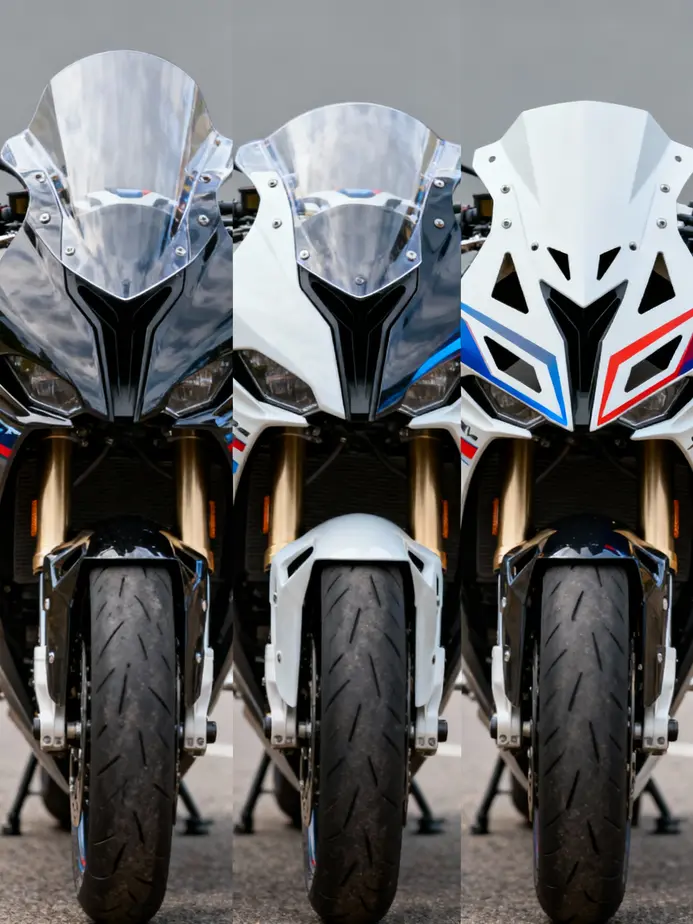
Motorcycle fairings offer vital enhancements in aerodynamics, comfort, and performance, catering to distinct riding styles through two primary categories: street fairings and race fairings. Each type embodies unique characteristics that inform their design, materials, and functionality, ultimately shaping the riding experience. Understanding these variations is crucial for motorcycle enthusiasts aiming to optimize their rides, whether for daily commute or competitive racing.
Street Fairings are designed with the everyday rider in mind. Their primary function revolves around enhancing comfort during rides by mitigating wind resistance and providing protection against the elements. For instance, street fairings help shield riders from windblasts at higher speeds, significantly reducing fatigue during long journeys or commutes. Rather than focusing solely on minimizing drag, street fairings integrate features that ensure a legal and comfortable riding experience on public roads. Iconic models like the Harley-Davidson 883 Sportster employ both full front and smaller quarter fairings to refine airflow around the rider while allowing for easy maneuverability.
Fundamentally, street fairings balance aerodynamics with ruggedness; they must withstand the everyday wear and tear of road debris and variable weather conditions. Common materials like ABS plastic are popular for their impact resistance and budget-friendliness. Fiberglass also sees use, particularly in more durable models, although its heavier weight can detract from some performance aspects. Moreover, builders often employ bioplastics as a nod to sustainability without compromising aesthetics or structural integrity, affirming a modern approach to motorcycle design.
In contrast, Race Fairings prioritize maximized performance and streamlined aerodynamics to enhance speed and agility on the track. These fairings are stripped down to eliminate any non-essential components, allowing for considerable weight savings. Manufacturers like Sebimoto design specialized kits tailored for high-performance bikes such as the Yamaha R7 or Triumph Daytona 660. These sets typically incorporate upper and lower fairings along with racing seats to support dynamic riding needs during competitions.
Race fairings are usually made from lightweight materials such as carbon fiber, which boasts an exceptional strength-to-weight ratio, crucial for minimizing drag. However, the higher cost and sensitivity to UV light mean that maintenance and protection remain paramount for racers. Kevlar-carbon hybrid options are also used, melded for their strength and impact resistance, delivering performance with a cutting edge. Race fairings can even be custom fitted for specific motorcycle models, tailoring aerodynamic intake vents and other features to optimize airflow and cooling under intense track conditions.
While both street and race fairings serve distinct goals, they reflect the evolving landscape of motorcycling, where aerodynamics, style, and functionality intersect. Customization emerges as a common thread, with riders often opting for aftermarket modifications to tailor their motorcycles to specific preferences. By understanding these fairings’ purposes, riders can make educated decisions on upgrades that complement their experience, be it on urban roads or racing circuits. For further insights into various fairing options and how they can enhance motorcycle performance, explore resources dedicated to motorcycle fairings, such as those on the Summit Fairings blog.
2. Custom Creations and Individual Pieces: The Personalized Fairing Experience
Motorcycle fairings serve not only functional purposes but also embody the personality and style of the rider. Among the array of fairing types, custom fairings and individual fairing pieces stand out as avenues for personalization, enabling enthusiasts to express their individuality while enhancing the performance and aesthetic appeal of their machines. Customization in motorcycles has evolved into an art form—these modifications represent existing brands while also inviting unique designs, turning motorcycles into rolling canvases.
Custom fairings allow riders to tailor their bikes to their preferences through an impressive variety of options, including distinct paint schemes, finishes like gloss, matte, and metallic, and even the incorporation of personal logos or sponsor decals. These aftermarket kits are available for major manufacturers with endless possibilities, enabling riders to select something that resonates with their vision for their ride. The charm of custom fairings lies not only in enhancing the visual aspect of a motorcycle but also in tailoring it to improve functionality, such as aerodynamics and comfort. For instance, riders can experiment with hues like chameleon paints or camouflage patterns, reflecting their personal style and interests in distinctive ways.
In contrast, individual fairing pieces represent a practical approach to customization. Instead of overhauling an entire fairing system, riders can upgrade specific components, opting for upper parts or tank covers that enhance the bike’s performance while allowing for continued personalization. This modular upgrade system is particularly advantageous for serious competitors who frequently modify their motorcycles. For example, a sportbike like the Yamaha R7 can benefit from targeted individual pieces that enhance aerodynamic performance and reduce drag without the commitment of a full fairing kit. These individual parts often utilize advanced materials such as fiberglass or carbon fiber, which contribute to their strength and lightness without compromising on durability.
Materials and Their Influence
The materials used in the construction of custom and individual fairings significantly impact their performance, weight, and cost. ABS plastic, while affordable and easy to install, may not provide the premium feel of fiberglass or carbon fiber. Riders who prioritize cost-effectiveness often lean towards ABS for their street and commuter motorcycles. However, those seeking performance enhancements and weight reductions typically favor fiberglass or carbon fiber options. Fiberglass fairings are lightweight and versatile, perfect for both custom projects and racetrack applications, while carbon fiber stands out due to its exceptional strength-to-weight ratio, making it ideal for high-performance and competitive racing contexts.
Custom and individual fairings not only transform the aesthetic of a motorcycle but also enhance rider comfort and performance. By reducing wind resistance and improving aerodynamics, these tailored pieces alleviate fatigue during long rides and allow for better control at high speeds. This is particularly apparent on models such as the Suzuki GSX-R750, where the integration of fiberglass fairings helps create an optimal riding experience.
In addition to their visual appeal, fairings also serve crucial functions in rider protection and comfort. They shield riders from harsh winds, debris, and adverse environmental elements. For motorcycle enthusiasts looking to balance style with function, investing in custom or individual fairings can vastly improve their riding experience while allowing for a personal touch that transforms each motorcycle into a reflection of its rider. While navigating this spectrum of fairing options, riders are encouraged to choose materials and styles that align with their riding habits and intended use, combining performance with aesthetic flair. For insights on how to choose your motorcycle fairing, check out this guide here.
3. Material Choices in Motorcycle Fairings: Balancing Performance and Protection
When it comes to the world of motorcycle fairings, choosing the right material is not just a matter of aesthetics but one of performance, durability, and rider safety. Fairings come in various shapes and sizes, tailored to enhance not only the look of the motorcycle but also its aerodynamic properties. However, the underlying material greatly influences how effectively these components fulfill their purpose.
ABS Plastic is the most prevalent material used in motorcycle fairings. Known for its affordability and ease of manufacture, ABS provides a good balance of durability and flexibility. Riders on a budget appreciate this option, as aftermarket fairings made from ABS can range from approximately $150 to $400, making them accessible for many. Over time, these fairings have a typical lifespan of about 4 to 6 years, though they tend to suffer from sun damage and wear more quickly than other materials. They are also great for custom builds due to their paintability, allowing for a personalized touch without breaking the bank.
On the other hand, fiberglass offers a premium when it comes to strength-to-weight ratio while still remaining relatively affordable. Lightweight yet sturdy, fiberglass fairings achieve a lasting presence on the road with a typical life span of 5 to 8 years, although they may crack upon high-impact collision. This material often appears in hand-laid custom kits, allowing enthusiasts to achieve unique shapes and finishes tailored specifically to their riding needs. While customization is a significant advantage, there can be variances in edge finishing, which may deter those who seek a polished final result.
For the ultimate in performance, carbon fiber represents the pinnacle of motorcycle fairing materials. Celebrated for its unparalleled strength combined with exceptional lightness, carbon fiber is a favorite amongst performance enthusiasts and show bikers alike. While the price tag is notably higher—ranging from $600 to over $2,000—it provides riders with a lightweight option that positively contributes to speed and handling. Carbon fiber fairings often exceed an 8-year lifespan when properly maintained, making them not only a choice for aesthetics but also for serious riders who pursue top-tier performance. The sheer appeal of the weave also adds a striking visual dynamic that many admire.
The choice of fairing material significantly impacts installation, insurance, and compatibility with various accessories. For instance, Original Equipment Manufacturer (OEM) fairings, typically constructed from ABS or fiberglass, often guarantee a perfect fit but come with a heavier price tag of $800 to $1,200. Riders must ensure that their selected fairing material supports any additional features they may wish to incorporate, such as lighting systems, integrated speakers, or GPS hardware. Installation processes can also vary widely, which is crucial for both casualty and aesthetic considerations.
As motorcycle culture continues to evolve, so does the technology and materials used in fairings. Enthusiasts are driving demand for environmentally friendly options, such as bioplastics, which offer sustainability without sacrificing performance. This development not only echoes changing consumer preferences but also shapes the future landscape of motorcycle design.
In the grand scheme of motorcycle customization and performance enhancement, the choice of material is a crucial consideration that can greatly enhance a rider’s experience. Understanding the pros and cons of materials like ABS plastic, fiberglass, and carbon fiber enables motorcyclists to make informed decisions that reflect not only their personal style but also their performance and longevity needs. For further insights into fairing options, consider checking additional resources on motorcycle fairings and their diverse applications.
Chapter 2: The Role of Fairings on a Motorcycle: Enhancing Aerodynamics and Rider Protection
1. Unlocking Performance: How Fairings Transform Motorcycle Handling and Efficiency
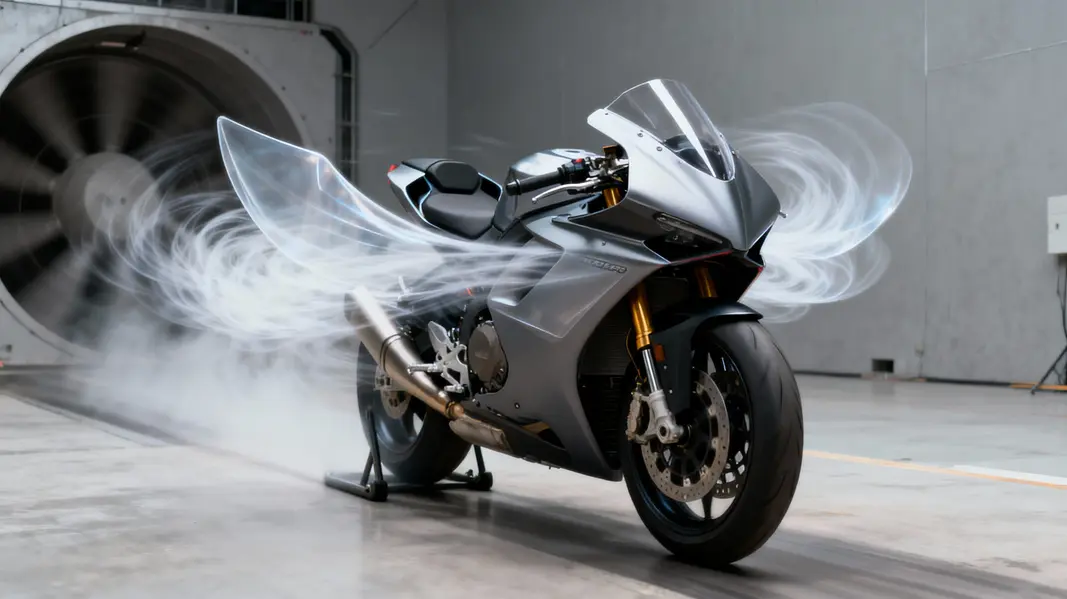
Fairings play a pivotal role in the aerodynamics of motorcycles, dramatically improving performance and efficiency by streamlining airflow and reducing wind resistance. At high speeds, particularly above 55 mph, the way air interacts with the motorcycle can significantly affect handling and power requirements. By minimizing aerodynamic drag, fairings enhance the stability of the bike, allowing riders to maintain control in challenging conditions. This is especially crucial in racing scenarios where precision and stability are paramount.
One of the primary performance benefits of fairings is the increased high-speed stability they provide. The designs incorporate curves and angles that allow the motorcycle to slice through the wind more effectively, decreasing the likelihood of being pushed off course by crosswinds. Moreover, fairings contribute to better wheelie control; by optimizing downforce, they help prevent the front wheel from lifting unexpectedly during acceleration, supporting riders in maintaining their trajectory and balance. In addition to providing stability, fairings can facilitate improved braking performance. By directing airflow around the brake components, they help manage heat build-up, promoting more effective braking without sacrificing control.
The innovative designs found in racing fairings—especially on bikes like the Suzuki GSX-R and Kawasaki Ninja—elevate performance by optimizing every curve and edge not just for aesthetics but for functionality. In MotoGP, for example, winglets attached to fairings are strategically engineered to create downforce, which keeps the front end planted during high-speed maneuvers. These nuances in design significantly affect acceleration patterns, cornering capability, and top speeds, demonstrating that even the smallest changes can yield substantial performance improvements.
From an efficiency perspective, fairings contribute to better fuel economy by decreasing drag coefficient. The use of advanced materials, including lightweight carbon fiber, not only reduces the overall weight of the motorcycle but also enhances fuel efficiency. Studies demonstrate that well-fitted fairings can lower fuel consumption at highway speeds, making long rides more economical. Carbon fiber options, while being more expensive, can cut weight by up to 30% compared to traditional materials like ABS, aiding in maneuverability and extending mileage. Furthermore, features such as batwing fairings provide significant wind protection, allowing riders to remain comfortable over extended periods, even in adverse weather conditions.
However, there are trade-offs associated with different types of fairings. Full fairings offer maximum coverage for drag reduction and rider protection but may increase weight if not crafted from high-end materials. Conversely, options like quarter fairings provide a sportier look while still offering some airflow management, catering to the aesthetic preferences of riders who favor a more aggressive style. Street fairings prioritize comfort, fulfilling legal visibility requirements, yet these may not perform as optimally at high speeds.
It is important to remain cognizant of how the integrity of fairings affects motorcycle performance; damaged or poorly fitted fairings can actually increase drag, undoing their aerodynamic benefits. Therefore, investing in quality and proper maintenance of fairings is crucial for riders who want to fully exploit their motorcycle’s potential and experience the full benefits of aerodynamic enhancements. For a deeper dive into the types of fairings available and how to select the right one for your riding style, check out more information on types of fairings on a motorcycle.
2. Maximizing Comfort and Safety: The Protective Role of Motorcycle Fairings
Fairings on motorcycles primarily serve to enhance rider comfort and safety by creating a protective barrier against the elements. These molded panels significantly reduce wind resistance, thereby lessening fatigue during long rides. By improving the overall aerodynamics of the motorcycle, fairings help mitigate the physical stress placed on a rider when confronted with turbulent air or high speeds.
When riding at highway speeds, fairings can soften the impact of wind drag on the rider’s body. This is particularly noticeable when navigating through trucks or during crosswinds, where the turbulence can often lead to discomfort. Full fairings, for instance, provide extensive coverage, enveloping the motorcycle and creating a streamlined flow of air around the rider, which leads to an overall smoother ride. Riders report less neck strain and reduced helmet buffeting, thanks to the emblematic air pocket formed by these fairings.
In terms of specific configurations, batwing fairings are noted for cultivating a calmer air environment. They excel at redirecting airflow around the rider’s upper body, which can prove especially beneficial on longer journeys, where comfort becomes essential. For sport-touring riders who require a balance between maneuverability and wind protection, half fairings offer sufficient shielding while being easier to remove and maintain. Similarly, riders who favor a more minimalist aesthetic might gravitate toward quarter fairings, which assist in addressing upper body wind management. These designs not only protect but also enhance visual appeal, allowing for a customized look without compromising on functionality.
Fairings also enhance safety through their impact on handling and rider visibility. The aerodynamic design of fairings ensures that airflow is effectively channeled, reducing turbulence behind the bike and promoting straight-line stability. This stability is paramount when navigating heavy traffic or swiftly changing lanes, as it allows for improved handling and responsiveness from the motorcycle. For instance, motorcycles equipped with well-designed fairings typically exhibit enhanced confidence during adverse weather conditions.
In addition to these benefits, fairings also play a crucial role in shielding important components of the motorcycle from external debris, such as gravel, dirt, and rain. By providing a barrier for the engine and electrical systems, fairings increase the overall durability and longevity of the bike, leading to decreased maintenance costs over time. Furthermore, many modern fairings are integrated with LED lighting, which enhances night visibility and increases the rider’s safety in low-light conditions. However, it’s essential to mount fairings correctly; improper installation can lead to catastrophic failure, highlighting the need for precision during installation.
Various fairing types accommodate different riding styles and preferences. Each variation provides tailored levels of protection: full fairings for maximum coverage during long-distance travel, and half or quarter fairings for those preferring a sportier ride. Making an informed choice about which fairing best meets one’s needs can enhance the riding experience significantly. Prioritizing durable materials and ensuring compatibility with the motorcycle’s model will bolster the effectiveness of the chosen fairings. By selecting the right configuration, riders can not only look good but also ride with confidence, knowing they are well-protected.
Explore more about the different configurations and benefits of motorcycle fairings in the comprehensive guide available هنا.
3. Exploring Diverse Fairing Types: Melding Function with Aesthetic Brilliance
Motorcycle fairings, pivotal in defining both the performance and visual allure of a bike, come in a variety of forms, each tailored to meet specific user needs while optimizing functionality. The classifications can primarily be understood through their intended use, design, and the unique characteristics each type imparts.
Street Fairings serve as the quintessential choice for the average rider. These components strike a balance between moderate wind protection and aerodynamic benefits, making them ideal for daily commuting. Their designs maintain visual appeal without overwhelming the bike’s overall aesthetic, ensuring that the motorcycle remains versatile and approachable for all types of riders.
In contrast, Race Fairings are engineered with a singular focus on aerodynamic efficiency. These fairings often feature aggressive styling elements that significantly reduce drag, thereby enhancing handling and stability at high speeds—an essential factor during competitive racing. Their performance-driven design allows racers to experience lower wind resistance, promoting faster lap times and increased rider confidence at the limit. The sleek contours of race fairings symbolize the essence of speed and performance, making them a favored choice for enthusiasts seeking to squeeze every ounce of capability from their machines.
For those looking to express their individuality, فيرينغ مخصص offer a canvas for personalization. Riders can opt for unique designs, colors, and artwork that resonate with their personalities or interests. While these fairings can blend style and functionality, they commonly do not compromise on the necessary aerodynamic properties that enhance performance.
Another noteworthy option is the use of Individual Fairing Pieces, which afford riders the opportunity to replace or upgrade specific parts of their motorcycle without the necessity of replacing an entire fairing set. This targeted approach allows for customization while also ensuring that rider budgets and preferences dictate the modifications made. Whether it’s a new headlight fairing or side panels, these individual pieces cater to the needs of budget-conscious riders who still prioritize aesthetics and functionality.
Among custom designs, the Batwing Fairing stands out as a distinctive choice primarily utilized on cruisers and touring bikes. This type of fairing is mounted at the front of the motorcycle and is characterized by wide, wing-like extensions that provide both advanced wind protection and a classic look. The batwing can be configured to either handlebar or frame mount, preserving maneuverability while improving the bike’s aerodynamic profile. This flexibility makes batwing fairings a favorite among long-distance riders, promoting stability and comfort during extended journeys.
The materials used in the construction of these fairings play a crucial role in their effectiveness, durability, and overall cost. The use of ABS plastic is standard due to its combination of flexibility, strength, and economic procurement. More sophisticated options like fiberglass cater to those who prioritize lightweight builds, while carbon fiber and Kevlar-carbon blends represent premium materials known for their strength-to-weight ratios, particularly coveted in racing applications.
Aesthetic considerations do not take a back seat to functionality. Motorcycle fairings can be finished in a plethora of styles, from gloss, matte, to metallic finishes, catering to diverse tastes and enhancing the bike’s vibrant appearance. These aesthetic options allow riders to choose not just how their motorcycle performs but how it reflects their personality on the road.
For further information on motorcycle fairings, riders can explore comprehensive resources such as those found at Summit Fairings Blog.
Chapter 3: Expressing Identity Through Custom Motorcycle Fairing Designs
1. The Art of Personalization in Motorcycle Fairings: A Canvas of Individuality
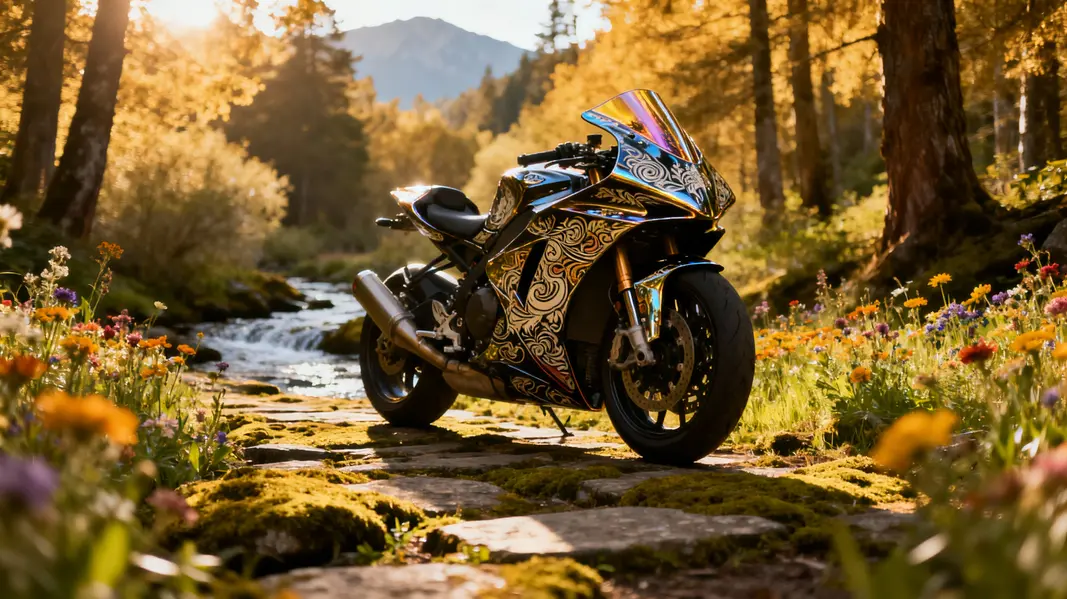
Motorcycle fairings are more than just functional components; they serve as a blank canvas for riders to express their uniqueness and style. With countless personalization options available, these composite panels can transform a standard motorcycle into a remarkable extension of the rider’s personality. This fusion of functionality and aesthetic appeal invites motorcycle enthusiasts to craft a distinctive narrative through their vehicles.
Vibrant Paint Options and Finishes are among the most popular ways to customize motorcycle fairings. Riders can select from a vast array of colors, including classic hues like black and white, alongside striking options like fiery reds, electric blues, and stunning metallics. Each finish brings a different character to the bike. A gloss finish can enhance the sleek lines, adding a reflective brilliance that dazzles under sunlight. In contrast, a matte flat finish offers a contemporary, sophisticated touch, making the motorcycle appear bold and unique. For those seeking something even more adventurous, chameleon effects can create color-shifting visuals that mesmerize onlookers with every turn.
Beyond paint, riders are increasingly drawn to custom design features that convey individuality. Companies offering fairings often boast vast catalogs with thousands of unique designs, allowing enthusiasts to tailor graphics and elements to their personal flair. Not only can riders select standard designs, but they also have the option to collaborate with design teams to bring bespoke ideas to life. This level of creativity extends to specialty graphics like unique stripes, race numbers, and sponsor decals tailored to prominent brands such as Ducati or Honda, ensuring that every bike tells its own story.
A growing trend in the motorcycle community is modular customization. Rather than committing to a complete fairing overhaul, riders can now opt for individual pieces that can be replaced or enhanced without overhauling the entire fairing system. This approach allows performance-driven cyclists to upgrade specific areas for better aerodynamics without losing sight of their personal style. For example, replacing a front cowl with a custom design keeps up a bike’s performance while acknowledging a rider’s personal taste.
The professional finishing process some custom shops employ adds another layer of depth to the creation of personalized fairings. Shops like Kings Motorcycle Fairings offer a comprehensive multi-step paint process, ensuring that every design is not only visually appealing but also durable. With a thorough approach—from proper prepping and multiple paint applications to a protective clear coat—riders can feel confident that their unique fairing will withstand the rigors of the road. This meticulous craftsmanship fosters a stronger emotional connection between the rider and their bike, solidifying the motorcycle as more than just a means of transport.
Ultimately, the world of motorcycle fairing customization is a testament to the freedom of expression and creativity among motorcyclists. Riders are not just customizing their bikes for the sake of aesthetics; they are crafting representations of their identities. The integration of style and function in motorcycle fairings fosters a unique bond between riders and their machines, with each customized fairing echoing an individual story waiting to be told. As the motorcycle community continues to embrace personalization, the fairing will remain a pivotal element in the pursuit of individuality on the open road. For more insights on customization options, you can explore further at custom fairings.