
















When it comes to enhancing motorcycle performance and aesthetics, selecting the right fairings is crucial. However, for business owners looking to purchase motorcycle fairings on eBay, there are inherent risks tied to quality and safety. Many products listed may seem appealing due to their low prices, but the quality can be inconsistent, leading to potential safety hazards and wasted investment. This article explores the risks associated with buying these components on eBay, delves into the material qualities essential for durability and performance, and offers alternative solutions for sourcing motorcycle fairings, ensuring that your purchases align with your business’s commitment to quality and customer satisfaction.
Beyond the Bargain: The Real Costs and Safer Routes for Motorcycle Fairings on eBay
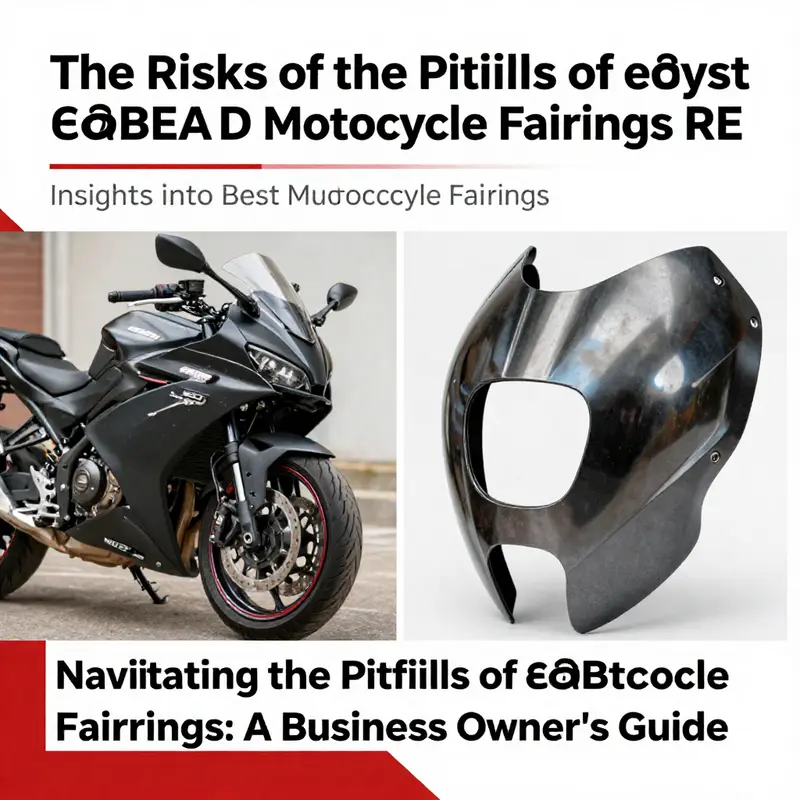 When you start a bike project with the dream of shaving weight, improving aerodynamics, and restoring a pristine look, a tempting banner often appears: best ebay motorcycle fairings re. A quick glance at listings can spark a surge of optimism. A lower price, a broad choice, and the promise of a snug fit can feel like a stroke of luck to a rider chasing both performance and appearance. Yet beneath the surface, the marketplace on eBay presents a landscape that is as diverse as it is slippery. The same platform that hosts countless legitimate sellers also harbors brands and items that slip through the cracks of quality control. The tension between price and performance is not merely a marketing line; it is a practical concern that shapes how riders approach upgrades that touch the core of the machine—the fairings that shape air flow, protect critical components, and affect rider comfort at higher speeds and in harsh weather. This chapter follows that tension with a careful, experience-informed gaze, not to scold the impulse to save money, but to illuminate how the true cost of that savings can accumulate in ways that are visible only after the ride begins to reveal its weaknesses.
The most salient risk, from a rider’s perspective, is authenticity and material quality. Many aftermarket fairings sold online are not genuine OEM parts, nor are they consistently produced by reliable third-party manufacturers. The risk is not just that a part might look right in a photograph; the problem is that the underlying material and the manufacturing process determine how a fairing behaves under stress. ABS plastic is favored by reputable manufacturers for its toughness, impact resistance, and stability in a range of temperatures. Fiberglass can offer rigidity and lightness but often demands more precise finishing and handling to avoid microcracks or delamination. In contrast, bargain listings frequently lean on cheaper plastics or recycled material blends that feel flexible, flimsy, or brittle when pressure is applied at mounting points or during a high-speed wind gust. The difference shows in performance. A fairing that flexes or warps under load can disturb airflow, increase turbulence, and contribute to louder wind noise, which, over long rides, becomes a fatigue factor for the rider. It also creates a chain reaction: misalignment can stress mounting points, rub against other bodywork, or interfere with radiator shrouds and electrical harnesses. The cumulative effect is not a cosmetic blemish; it is a condition that can compromise reliability and comfort in ways that a simple price tag cannot capture.
Riders who gravitate toward eBay listings frequently encounter a related challenge: inconsistent disclosure. A seller might label a panel as “new” or “unused” while it has been previously mounted, repaired, or damaged in an accident. The absence of transparent histories—clear photographs of all mounting points, close-ups of edge finishes, and an explicit declaration of prior use—creates a fog that is easy to fall into when a listing showcases a glossy exterior and a tempting price. The risk is not merely deception; it is the quiet erosion of trust between buyer and seller, which can lead to post-purchase disputes, delays in refunds, and, ultimately, a cycle of returns that fragments the project timeline. In some instances, a “new-looking” fairing might conceal stress fractures from a previous impact, where the damage is not visible until the part is strapped to the bike and subjected to vibrations and heat cycles. The practical takeaway is simple: when the history of a part is unclear, the safest path is to pause, verify, and seek documentation that stands up to scrutiny.
Fitment, the once-sought guarantee of perfect compatibility, is another area where the cheapest option often betrays the rider. Even when a listing claims “fits your model,” subtle misalignments can emerge. The sculpted contours of a fairing are designed to meet a precise geometry, and micro-variations in material thickness, mounting hole spacing, or bracket design can alter how the piece sits on the bike. The effect is rarely dramatic in a static photo but becomes apparent once the parts are in place. A panel may need forceful bending to align with the mounting points, or it may sit too close to the fuel tank, producing rubs that worsen with vibration. The results are not only cosmetic; they can lead to chafed surfaces, scratched paint, or, in extreme cases, component interference that requires rework or replacement. The dream of a seamless, OEM-like finish is undermined by the reality that many listings do not offer robust compatibility data, or they offer a single-fit claim that ignores the nuanced differences that exist between model years, trim packages, and regional production runs. The reality is that fitment is an engineering matter as much as an aesthetic one, and it deserves the same diligence a rider would apply to engine tuning or suspension setup.
Against this backdrop, the material choice makes a practical difference in how a fairing ages. High-quality fairings are not interchangeable with “paste-together” expedients; the long-term payoff is measured in resistance to UV exposure, weathering, and ambient heat that can soften plastics and cause color fade. UV stability matters because a fairing that discolors or embrittles under sun exposure will require earlier replacement or more frequent refinishing. A well-engineered kit considers not just raw looks but the life cycle of UV protection, heat resistance, and the ability to withstand the wash and wax routine that most riders perform to maintain the bike’s appearance. The difference is not a luxury—it translates to less maintenance, longer intervals between repaints or refinishing, and better resale value. In a market where a flashy photo can mask a roster of flaws, this emphasis on durability becomes a practical yardstick for differentiating a true quality upgrade from a fleeting bargain.
Riders who pursue affordable upgrades often seek the balance between price and performance by considering reputable sources that maintain stringent quality controls and provide comprehensive support. The wisest courses of action emphasize two pillars: authenticity and compatibility delivered through a clear warranty and reliable customer service. Authorized dealers, recognized aftermarket brands, and professional installers bring with them a framework of assurance. They are more likely to provide precise compatibility charts, detailed product specifications, and return policies that protect the buyer when a part fails to meet expectations. The long-term value of such purchases is rarely visible in the moment of checkout but becomes evident in the smoothness of installation, the lack of wind noise anomalies, and the confidence a rider gains knowing that the fairing will perform as intended under the demands of highway speeds and variable weather. In exploring the safer routes, the rider is not simply choosing a different vendor but engaging in a process of due diligence that mirrors the care given to engine upgrades or suspension tuning.
To translate these considerations into actionable choices, many riders look beyond the generic promise of “fits all models” and seek clarity about the specific make, model, and year the fairing is designed to accommodate. A good listing will offer detailed compatibility data, including model-year variations, mounting hardware specifications, and any required brackets or gaskets. It will also provide high-resolution images that show the mounting points, edge finishes, and the inner surfaces where fasteners engage. When a listing falls short on these details, it is a signal to pause and inquire. The risk of guessing correctly is uncomfortably high, because even small misalignments can translate into hours of fiddling, extra hardware purchases, or, worse, the need for professional modification that undermines the initial cost savings. The rider who prioritizes a clean, precise fit will find it worth the extra effort to verify mounting geometry before purchase rather than discovering post-purchase that the piece cannot be installed without substantial modification.
The overarching message for riders who are drawn to bargain listings is not to abandon the idea of upgrading. It is, rather, a call to reframe the approach: value is not only the price but the total cost of ownership, including time, effort, risk of misfit, and potential safety concerns. A fairing that does not align well with the motorcycle’s aerodynamics can affect performance in subtle, cumulative ways. Wind rush, buffeting, and noise can contribute to fatigue on longer rides, and even a small aerodynamic mismatch can alter lean angles and the feel of the bike through corners. In aggressive riding, where the rider must react to gusts and road irregularities, the stability provided by a well-fit fairing becomes part of the rider’s sense of confidence and control. The contrast here is not simply cosmetic; it is about how a rider experiences the motorcycle as a system. The fairing interacts with the frame, wheels, and even the rider’s posture, to influence comfort and control. Those are not metrics that show up in a price tag, but they are the metrics that determine whether a fairing upgrade improves the riding experience or introduces a new variable to manage on every trip.
If the impulse to save remains strong, there is a pragmatic middle ground. Seek out sources that can deliver a transparent value proposition: materials clearly stated, precise compatibility, and a warranty or return policy that reduces risk. The most reliable route often involves buying through established retailers or authorized dealers who curate parts to fit specific models and years. This approach does not eliminate the cost concerns; it reframes them. It converts the purchase into a predictable experience. You know what you’re getting, you know when you’ll receive it, and you know what recourse you have if the part fails to live up to expectations. For riders who want to preserve the bike’s aesthetics while ensuring dependable performance, this is the pathway that aligns price with real-world value. The long-term benefits—fewer surprises, a smoother installation, and a more predictable maintenance trajectory—tend to outweigh the initial discounts found in the most aggressive listings.
A practical reminder in this context is to leverage available resources that compare options across the spectrum of pricing and quality. There are trustworthy reviews and test reports that can help separate the signal from the noise. These resources emphasize clearly defined material standards, documented UV resistance tests, and real-world feedback about fit and finish after months of use. The chapter of a rider’s journey that concerns fairings is a chapter about attention to detail. It asks for careful inspection of product specifications, a hard look at the photos, and a willingness to ask for additional documentation when something feels uncertain. It also invites riders to consider the intangible but real benefits of choosing parts that carry a warranty and the support of a brand or retailer that will stand behind its product.
In this landscape, an important nuance emerges: not all high-priced products are guaranteed to be superior, just as not all bargain listings are doomed to fail. The distinction lies in the guarantee of quality and the presence of a robust design and manufacturing process behind the product. A high-quality fairing is deliberately engineered to perform its protective function while preserving the motorcycle’s aesthetics and aerodynamics. It is designed to resist impact, to remain dimensionally stable as temperatures shift, and to maintain color and gloss in the sun’s glare and the rain’s intrusion. A bargain fairing, on the other hand, may deliver a serviceable appearance for a season or two, but the risk of cracking, warping, or misalignment grows with use. The rider’s best defense against disappointment is to demand transparency about origin, materials, fitment data, and return policies—consistently across the shopping journey.
Throughout this exploration, the underlying point remains clear: for riders who value safety, reliability, and a predictable install, the “best ebay motorcycle fairings” rephrase that promise with a cautious caveat. The caution is not anti-eBay; it is a call to approach such listings with disciplined scrutiny, to separate perception from probability, and to recognize that the true cost of a bargain is often paid in time, frustration, and, potentially, risk on the road. The alternative—investing in high-quality, precisely engineered fairings from trusted sources—offers a different kind of confidence. It provides a clear alignment with the bike’s design intent, supports longer service life, and minimizes the need for on-the-fly improvisation during installation. When buyers embrace this approach, they are not abandoning savings; they are selecting a form of savings that translates into a more predictable riding experience and a smoother project timeline. In the end, a fairing is more than a panel; it is a component of the motorcycle’s overall integrity, and safeguarding that integrity deserves a thoughtful, informed choice rather than a quick, price-driven impulse.
For riders who want to see practical pathways to safer choices without sacrificing scope or budget, there is a straightforward route. Seek out reputable sources that provide comprehensive compatibility data, clear material specifications, and transparent warranty terms. Compare the available options not just on sticker price but on the total value they deliver across installation, maintenance, and everyday riding. When the decision finally lands on a part that ticks the boxes—material quality, fit accuracy, UV protection, and robust after-sales support—the rider gains more than a cosmetic enhancement. They gain reassurance that the investment supports both performance and safety across miles of road, weather, and time.
To connect this guidance with the broader ecosystem of aftermarket fairings, consider exploring curated inventories that emphasize brand integrity and model-specific compatibility. For those curious about a well-curated source of genuine, model-aligned fairings, the Honda fairings collection offers a tangible example of how a reliable catalog approaches fit, finish, and documentation. Honda fairings collection provides a reference point for what a careful seller can deliver: precise fitment data, quality materials, and a set of parts designed to integrate with the bike’s geometry rather than forcing the rider to endure a trial-and-error process.
As riders weigh their options, they can also turn to external perspectives that illuminate the broader culture around fairing shopping. A widely circulated TikTok piece humorously titled Never Buy eBay Fairings for Motorcycles captures a sentiment shared by many veterans of motorcycle customization: the promise of a bargain can be accompanied by glossy images that obscure real-world limitations. The video underlines that some listings may prioritize aesthetics over engineering, and it underscores the importance of due diligence before committing to a purchase. While it is entertaining, the takeaway is practical: if a listing makes an overly optimistic claim about compatibility, or if the seller’s documentation seems sparse, it is wise to proceed with caution, ask for specifics, and compare against more transparent, reputable sources. External readers may find the broader discussion and examples in such content helpful as a cautionary counterpart to the more technical considerations presented here. For deeper context, see the discussion material linked in the resources below.
In sum, the question of whether to buy fairings on eBay hinges on a balance between aspiration and prudence. The opportunity to upgrade a bike’s look and aerodynamics at a lower cost is real, but it must be weighed against the probability of misfit, premature wear, and the potential safety implications of compromised panels. A rider who targets safe, reliable performance will typically prioritize materials with proven impact resistance, stable geometry, and UV durability; precise compatibility data; and a warranty-backed purchase pathway. The most satisfying outcomes come not from chasing the lowest price but from investing in confidence—the assurance that the parts will align with the bike’s design language, will behave predictably through every mile, and will support the rider’s sense of control in every weather and road condition. The comparison between a bargain and a guarantee is not merely financial; it is experiential. And for those who value a smooth ride as much as a polished look, the path toward the best possible upgrade lies in choosing quality, clarity, and credible support over the quick, low-cost impulse that might not survive the first highway stretch.
External resource: Never Buy eBay Fairings for Motorcycles | TikTok. https://www.tiktok.com/@motorcycletips/video/748923456789012345
Shells That Endure: Material Realities Behind the Best eBay Motorcycle Fairings
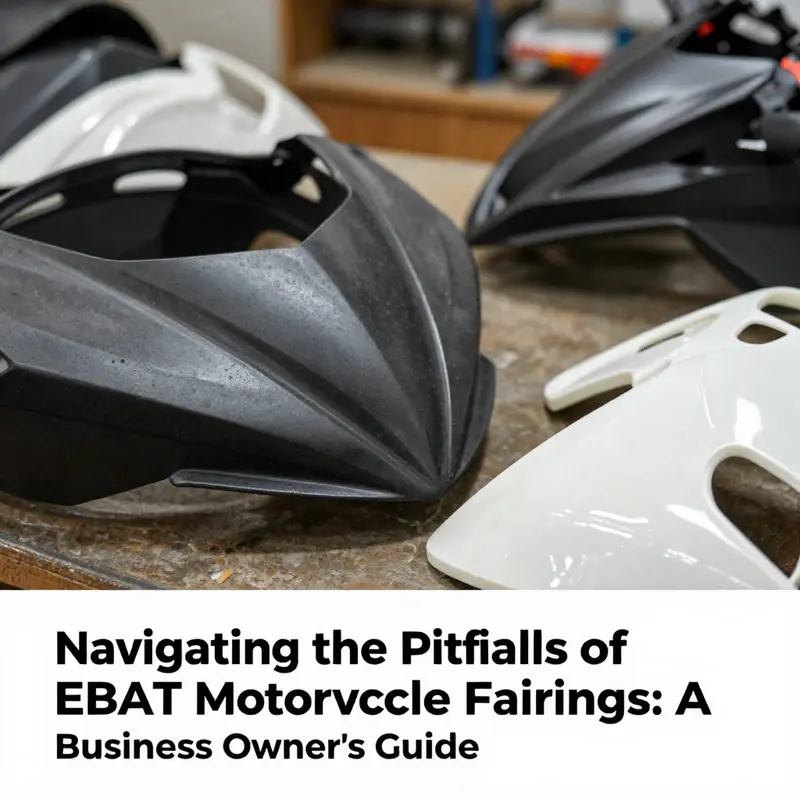 The allure of a bargain is strong, especially when it promises a fresh look for a motorcycle you care about. On the surface, eBay can feel like a shortcut to a showroom full of options, a place where you can upgrade the silhouette of your bike without emptying your wallet. But the seemingly harmless act of choosing a fairing kit based on the lowest price is a decision with consequences that extend beyond aesthetics. The fairing is not merely a cosmetic shell; it changes how your bike cuts through wind, how much fatigue your rider’s posture contributes to after hours on the highway, and, crucially, how it withstands the on-road realities of debris, heat, sun exposure, and the occasional tip-in at a stoplight. The material quality lives at the intersection of safety, performance, and longevity. When we talk about the best eBay fairings, we must measure more than fit and price. We must measure the material that forms the shield between your engine and the world and, by extension, between your body and the elements as you push toward the next bend or mile marker.
ABS plastic and fiberglass occupy the heart of this discussion because they define the practical, real-world performance of a fairing long after the glossy photos have faded. In the abstract, one might choose between light weight and maximum rigidity; in the world of street riding and occasional track days, the choice becomes a spectrum where impact resistance, weathering, shape retention, and paintability all sit on the same scale. A well-made ABS panel can offer excellent impact resistance and UV stability, with a comparatively forgiving surface that responds well to standard refinishing techniques. Fiberglass, meanwhile, is prized for stiffness, complex shaping, and the potential for high-end aerodynamics. Each material has a story, and each story ends up on the road in the form of a fairing that stays put, or, crucially, that does not fail under stress.
The first lever in evaluating material quality is to understand what the rider will demand from the shell in daily life. ABS, an impact-resistant plastic, is designed to absorb energy when a rock or chain-link fence meets the panel at modest speeds. It maintains its form through UV exposure, a daily hazard on long summer rides when sun glare is not just a nuisance but a constant factor in how a rider perceives shape and air pressure. UV resistance is not merely about color; it is about the structural integrity of the surface under sun, heat, and temperature cycling. A high-grade ABS fairing should keep its edges and corners from losing their crisp lines after weeks in direct sun. It should also resist yellowing or chalking that can mar the aesthetic over time, a quality that matters in stay-true appearances from the day you install to the day you retire the kit.
Fiberglass, by contrast, brings another set of capabilities. It is widely regarded for superior stiffness and the ability to hold intricate aerodynamic shapes; it can craft smoother air channels and more precise line work that better matches complex factory forms. This precision translates into real-world benefits: steadier stability at speed, improved airflow around the chassis, and, for track-oriented builds, the subtle but real gains in handling and control. Yet fiberglass is heavier than ABS and more susceptible to cracking if the panel suffers a sharp impact. The craft behind fiberglass panels matters as much as the raw material itself. Finishing—smoothing, sealing, and painting—requires skilled workmanship. A fiberglass panel that has not been properly finished can exhibit pinholes, uneven texture, or micro-cracks that worsen with sun exposure and heat cycles. The result is not just an aesthetic flaw; it can become a structural weakness that propagates under load.
This material dichotomy becomes especially important in the context of the marketplace you described: the heavy, price-driven landscape of online marketplaces. The promise of “fitment guaranteed” or “includes mounting kit” can be appealing, but the reality is that many listings exaggerate compatibility or cut corners on the underlying material in order to offer a lower price. When a listing touts a near-OEM fit for a fraction of the typical aftermarket kit, it invites closer scrutiny. Photographs can be polished, and measurements can be approximated. The rough edge work that’s invisible in a glossy photo may reveal itself in the first install attempt—bad gaps, misaligned mounting points, or panels that bow when screwed into place. A fairing kit that looks right in a photo but performs poorly in practice is more than a cosmetic disappointment; it can force you into dangerous compromises in wind drag, rider position, and even engine cooling if airflow paths are misrepresented by the wrong contouring.
To navigate these risks, it helps to anchor the decision in the material properties that matter most to riders who are serious about long-term use. ABS offers a practical baseline: resilience in everyday conditions, compatibility with standard refinishes, and a predictable response to sunlight that minimizes color shift. The UV trade-off, often debated, tends to favor high-grade ABS when paired with a UV-protective clearcoat. The protective layer reduces the rate at which the surface ages and can preserve a clean, sharp look through many seasons of riding. Fiberglass, while heavier, provides a path to more aggressive styling and sharper lines. For riders who want to push performance and aesthetic precision, fiberglass becomes a compelling option, provided the finishing quality keeps pace with the design intent. The reality is that the best choice depends on your goals: a street rider who values durability and appearance over the long haul may align with ABS, while a track-day enthusiast chasing exact aero shapes and minimal weight may lean toward fiberglass—provided the shop’s craftsmanship can deliver a flawless finish.
The market context amplifies this calculation. Even when a seller claims “premium materials” or “OEM-grade finish,” you must verify what sits under that finish. Look for specifics in the product description: panel thickness, resin type, and the presence of UV-protected coatings. Seek evidence of reinforced edges or corner radii designed to resist chipping—these small details disproportionately affect the panel’s life on the road. When you drill down, you often find the most durable options balance weight, rigidity, and ease of maintenance. In this sense, the “best eBay fairings” aren’t measured simply by the lowest price or the most glamorous photos; they are defined by how the material behaves under real-world conditions, how well the finish holds up, and how faithfully the kit mirrors the geometry of your bike’s original design.
For riders who want the assurance of a model-specific fit, a practical option is to explore dedicated collections that are curated for certain models. A direct path to such options is to explore a collections page that specializes in a given model, offering panels designed to align with specific mounting points and contours. This approach tends to mitigate the common misalignment issues that plague generic replacements. A collection that groups panels by model, with clear compatibility notes and a history of tested fits, can significantly reduce trial-and-error time and the frustration of late-night half-assembly sessions. In practical terms, when you consider a model-specific collection, you’re more likely to encounter panels finished with robust coatings and reinforced edges that reflect real-world usage patterns rather than a generic, one-size-fits-all approach. If you’re shopping online and you want evidence of this strategy in action, you can explore a model-focused collection such as the Honda fairings collection to gauge how these offerings approach fit, finish, and durability across their lineup.
It is also important to balance the material choice with the broader buying philosophy you bring to the marketplace. The TikTok clip cited in the research overview—humor aside—highlights the friction riders encounter when they buy on eBay without due diligence. The video’s core message is that the risk of sharp corners, splitting, or warping is real when the synthesis of material quality and user expectations diverges. A prudent buyer treats the purchase of a fairing kit as a small project with a longer horizon. The initial price is just one factor; the costs of installation, potential repainting, and the possibility of fitment issues should factor into your decision. In some cases, a higher upfront cost for ABS or fiberglass that comes with a proven fit and a credible warranty can deliver savings in the long run by reducing downtime and maintenance expenses.
As part of a thoughtful buying process, you should also consider the environmental exposure your fairings will endure. The road is a harsh laboratory: heat cycles, temperature fluctuations, road debris, and exposure to road salt or moisture. A high-quality ABS panel is typically resilient to these conditions when properly treated with UV protection and a durable topcoat. The fiberglass option, if well-finished, can outperform in terms of rigidity and aerodynamic control but can demand more careful storage and handling to avoid micro-cracking. The best approach is to align the material choice with the rider’s climate, storage conditions, and riding habits. If you live in a region with intense sun and long summers, UV stability becomes a dominant criterion. If you ride aggressively and expect occasional track days, stiffness and aerodynamic fidelity weighed against weight will be more critical.
In practice, evaluating material quality on eBay requires more than a cursory glance at the listing. Here is a disciplined, but practical, approach that remains accessible to the average buyer without turning the process into a full-time project. First, demand photos that show the panel thickness and edge construction. Look for evidence of reinforced joints, especially around attachment points that will bear the most stress. Second, ask the seller for exact material specifications. A truthful listing will provide details such as whether the panel uses high-grade ABS or a fiberglass layup with resin composition and any surface treatments. Third, request close-up images of the paint finish and the trim around the edges. Are there signs of orange peel, runs, or dull spots that hint at sloppy finishing? Fourth, compare the listed weight to typical weights for the same model in aftermarket form. Weight can be a rough proxy for material mass and structural integrity. Fifth, review the return policy and warranty terms. A seller who stands behind the product with a reasonable return window reduces the risk of a costly misstep. Finally, verify fitment by cross-referencing the mounting points with your bike’s model year. Some listings claim universal compatibility, but in practice, you will find that certain models require precise alignment at multiple attachment points. The difference between a fit that feels secure and one that rattles or clashes can be the difference between a weekend ride and a trip to a mechanical shop for adaptation.
While not every seller on eBay is unreliable, a cautious approach is warranted. The wise buyer treats the material as the backbone of the decision, with fitment as the second crucial piece, and aesthetics as the final touch. The materials chosen—ABS for cost-conscious reliability and UV resistance, fiberglass for precision and performance—guide the expectations you should set before you press the checkout button. If your aim is a long-term upgrade that will endure sun and rain with minimal upkeep, you should lean into options that emphasize proven material characteristics, reinforced construction, and credible finishing. If your aim is a high-performance build that pushes the limits of aero shape and edge crispness, you might prioritize fiberglass but pair it with a trusted shop that can deliver meticulous finishing work and a durable, UV-protective topcoat.
The practical implication for your shopping experience is that the best eBay fairings for you are those that balance these factors with honest seller disclosures and clear technical specifications. The market rewards buyers who ask pointed questions, demand evidence, and resist the temptation of the cheapest price at the moment. In addition to the direct measurements of material quality, consider the broader ecosystem around the product. Does the listing provide a credible finish description, including the type of clear coat and any anti-yellowing treatment? Are there documented install challenges or required modifications noted by the seller or previous buyers? Do customers report accurate fitment or confirm that the kit required extensive trimming and adjustment? These signals—like the feel of the edges, the smoothness of the paint, and the alignment of the mounting holes—help you form a nuanced assessment that goes beyond the price tag.
Of course, the best practice remains to pursue options from reputable channels when durability and safety are non-negotiable. Brand-authorized retailers or dedicated modification shops often supply high-quality fairings with model-specific fit and robust warranties, offering a more predictable upgrade path. The advantage here is not simply a guarantee of fit; it is a shift toward a product that has been tested in real-world scenarios and backed by service that can help with installation and refinishing. When the goal is to maximize ride quality, reduce maintenance surprises, and keep aesthetic fidelity over time, this approach makes practical sense. Yet the core message stays consistent: a fairing i