














Introduction
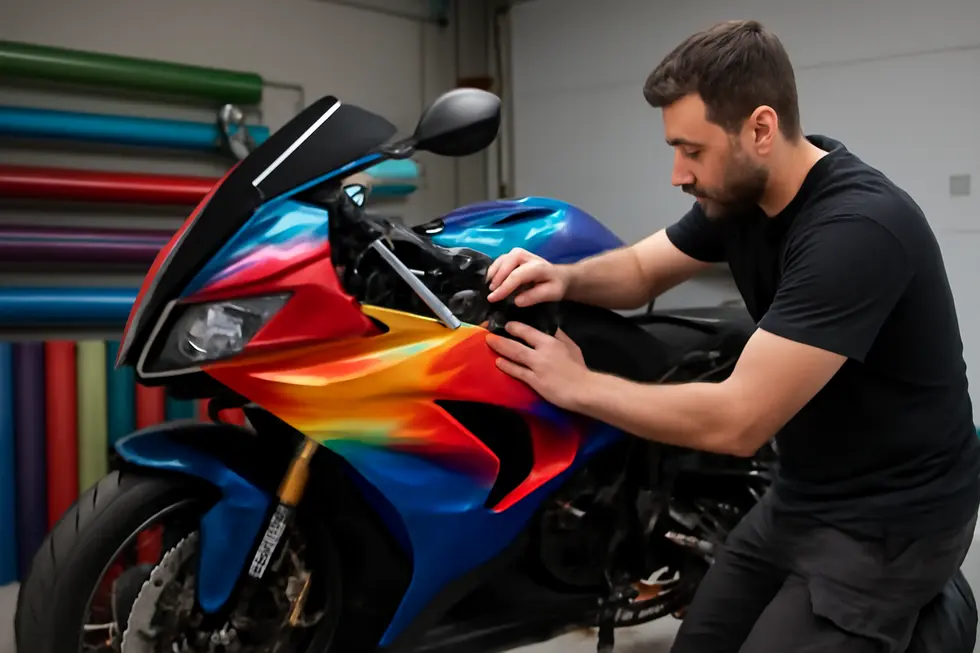
Motorcycle fairing wraps offer a unique business opportunity by combining aesthetic appeal with protective benefits for motorcycles. For business owners considering entering or expanding in this niche, understanding the true cost and influencing factors of wrapping motorcycle fairings is critical. Costs vary widely—from partial coverage to elaborate custom graphic wraps—and are influenced by variables such as motorcycle model, material quality, design complexity, and labor requirements. This comprehensive guide breaks down the cost components, discusses the role of the motorcycle’s model and size, delves into how custom designs impact pricing, examines materials and technological considerations, evaluates professional installation expenses, and analyzes the overall benefits and value proposition of motorcycle fairing wraps. Each chapter equips business owners with actionable insights to strategically approach pricing, marketing, and service delivery in this specialized market.
Tables of Contents
Chapter 1: Cost Breakdown and Pricing Components for How Much Does It Cost to Wrap Motorcycle Fairings
- Understanding Material Expenses: The Backbone of Motorcycle Fairing Wrap Costs
- Understanding Labor and Installation Fees: Key Drivers Behind Motorcycle Fairing Wrap Costs
- How Surface Preparation and Hidden Expenses Shape the True Cost of Motorcycle Fairing Wraps
- Ensuring Longevity and Value: Post-Installation Care and Quality Factors Influencing Motorcycle Fairing Wrap Costs
Chapter 2: How Motorcycle Model and Size Shape the Cost of Wrapping Fairings
- Fairing Complexity and Template Availability: Key Cost Drivers in Motorcycle Wrap Pricing
- Balancing Fairing Dimensions and Coverage: Key Drivers of Motorcycle Wrap Expenses
- How Motorcycle Size and Vinyl Quality Drive Fairing Wrap Costs
- Balancing Costs: Choosing Between Wrapping and Replacing Fairings Based on Motorcycle Size and Model
Chapter 3: Custom Designs and Graphics Influence on How Much Does It Cost to Wrap Motorcycle Fairings
- How Design Complexity Shapes the Cost of Custom Motorcycle Fairing Wraps
- How Premium Materials and Design Complexity Shape the Price of Custom Motorcycle Fairing Wraps
- The Impact of Coverage Size and Expert Installation on Custom Fairing Wrap Pricing
- How Custom Designs and Quality Materials Shape the Cost of Motorcycle Fairing Wraps
Chapter 4: Material Quality and Technology Considerations in How Much Does It Cost to Wrap Motorcycle Fairings
- How Premium Vinyl Quality Shapes Cost, Durability, and Appearance in Motorcycle Fairing Wraps
- How Advanced Materials and Techniques Shape the Cost and Quality of Motorcycle Fairing Wraps
- Balancing Cost and Quality: Economic Drivers Behind Material and Technology Choices for Motorcycle Fairing Wraps
- How Consumer Trends Shape Material Choices and Technology in Motorcycle Fairing Wrap Costs
Chapter 5: How Professional Installation and Labor Costs Shape the Price of Wrapping Motorcycle Fairings
- Unraveling Labor Complexity: The Core Driver Behind Motorcycle Fairing Wrap Costs
- Unpacking Labor’s Costly Role in Motorcycle Fairing Wrap Pricing
- How Geographic and Economic Factors Shape Professional Labor Costs for Motorcycle Fairing Wraps
- How Consumer Expectations and Labor Expertise Drive the Cost of Motorcycle Fairing Wraps
Chapter 6: Benefits and Value Analysis Related to How Much Does It Cost to Wrap Motorcycle Fairings
- Elevating Style and Protection: The Value of Customizing Motorcycle Fairings with Vinyl Wraps
- Maximizing Protection and Aesthetic Value Through Quality Motorcycle Fairing Wraps
- Evaluating Cost Efficiency Through Quality, Durability, and Customization in Motorcycle Fairing Wraps
- How Quality Wraps Enhance Durability and Boost Motorcycle Resale Value
Chapter 1: Cost Breakdown and Pricing Components for How Much Does It Cost to Wrap Motorcycle Fairings
1. Understanding Material Expenses: The Backbone of Motorcycle Fairing Wrap Costs
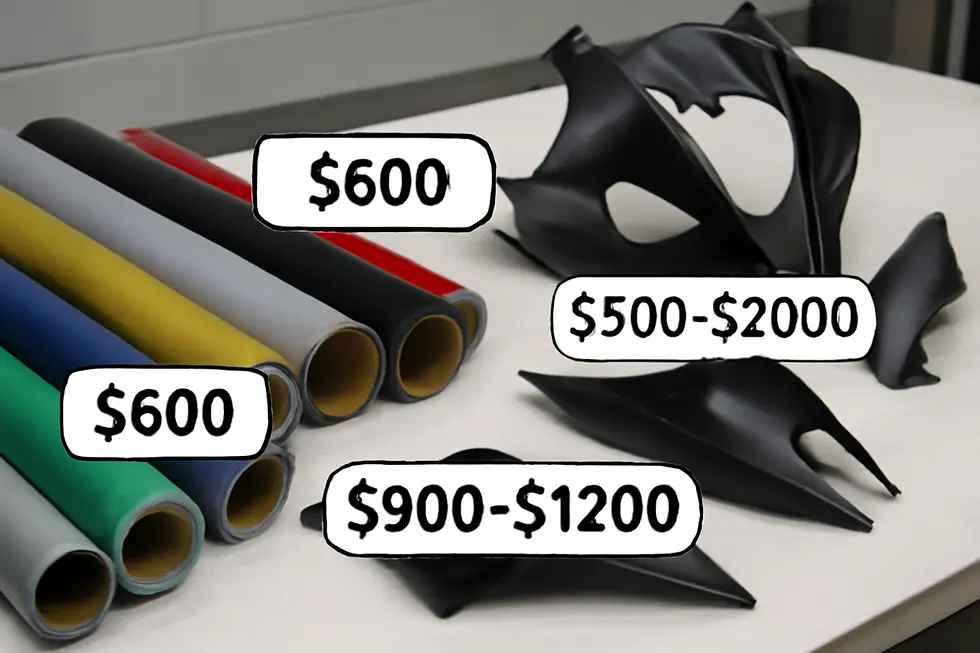
Material expenses form the foundation of any motorcycle fairing wrap project. The cost primarily hinges on the quality and type of vinyl wrap film employed, ranging generally from $4 to $11 per square foot. Premium vinyl offers superior durability, conformability, and a variety of finishes, such as metallic or reflective, that impact the price. Since fairings are usually fabricated from plastics like ABS, they provide suitable surfaces for vinyl adhesion, yet the fairing’s size and condition influence the volume and type of vinyl required.
Partial wraps reduce material needs and costs, while full wraps demand more vinyl, explaining their broader price span of $1,500 to $3,500, which includes both materials and professional installation. Material expenses are often bundled with labor costs, but they remain a significant factor within total pricing. For an insightful overview of motorcycle fairings compatible with vinyl applications, exploring resources like Summit Fairings’ catalog can enhance understanding of material selection and compatibility.
Explore the best motorcycle fairings at Summit Fairings
2. Understanding Labor and Installation Fees: Key Drivers Behind Motorcycle Fairing Wrap Costs
Labor and installation fees represent a critical portion of the total cost to wrap motorcycle fairings, influenced by the intricacy of the task, material quality, and regional labor pricing. Applying vinyl to fairings involves thorough surface cleaning, precise cutting, and skilled handling of curved and often complex shapes to avoid bubbles or wrinkles. These steps require experienced installers specially trained in motorcycle wrap techniques, whose expertise raises labor costs. Unlike vehicle wraps on larger surfaces, motorcycle fairings are smaller yet demand careful attention to detail due to contours and multiple separate parts, affecting installation time and complexity. Typical labor fees generally range from $100 to $300+, depending on location and project difficulty. Higher quality or specialized wraps often increase labor needs. Since fairing wrapping mimics aspects of detailed vehicle customization, comparing similar service prices can help gauge expected costs. For accurate estimates, it’s best to request quotes from local professionals familiar with fairing installations. This understanding of labor costs complements material expenses, completing the pricing picture for motorcycle wraps. For more insights into fairing options, visit Explore the Best Motorcycle Fairings at Summit Fairings.
3. How Surface Preparation and Hidden Expenses Shape the True Cost of Motorcycle Fairing Wraps
Surface preparation plays a crucial role in determining the total cost of wrapping motorcycle fairings. Before vinyl application, thorough cleaning, sanding, and sometimes minor repairs are essential to ensure the wrap adheres smoothly and avoids imperfections like bubbles or peeling. These preparatory steps require skilled labor and added materials, which contribute to costs beyond the base price of the vinyl and installation. Moreover, damaged fairings may need repair or replacement, further increasing expenses. The complexity of custom designs also influences pricing, as intricate graphics demand more time and precision, driving costs upward. Geographic location and the installer’s expertise add variability, with higher-quality workmanship often commanding premium fees. Even when opting for partial versus full wraps, surface prep remains a consistent factor impacting overall pricing. Considering these less obvious but necessary elements helps explain why typical full wrap prices range from $1,500 to $3,500 and sometimes exceed that when additional repair or prep is involved. For a deeper dive into choices in fairings and preparation impacts, explore the affordable motorcycle fairings insights which complement the cost analysis here.
4. Ensuring Longevity and Value: Post-Installation Care and Quality Factors Influencing Motorcycle Fairing Wrap Costs
Post-installation care is essential to maintain the durability and appearance of vinyl wraps on motorcycle fairings, directly impacting the overall cost-effectiveness of the job. Proper surface preparation before wrapping—including thorough cleaning—ensures strong adhesion, while skilled application using heat and specialized tools guarantees a smooth, bubble-free finish. After installation, allowing a curing period of 24 to 48 hours protects the wrap’s bond before exposure to elements or washing. Using only pH-neutral cleaners and avoiding harsh chemicals preserves the vinyl’s integrity, preventing premature peeling or discoloration.
Quality considerations also significantly influence pricing decisions. Premium vinyl materials cost more but provide superior weather resistance, color retention, and fit on complex fairing contours. Labor expenses reflect the expertise required for meticulous application and finishing, which affect the wrap’s longevity and aesthetic appeal. Ultimately, investing in quality materials and professional installation reduces long-term maintenance expenses, making upfront costs worthwhile for lasting protection and style enhancement.
For those interested in exploring options beyond wrapping, discovering affordable motorcycle fairings offers an alternative to consider.
Chapter 2: How Motorcycle Model and Size Shape the Cost of Wrapping Fairings
1. Fairing Complexity and Template Availability: Key Cost Drivers in Motorcycle Wrap Pricing
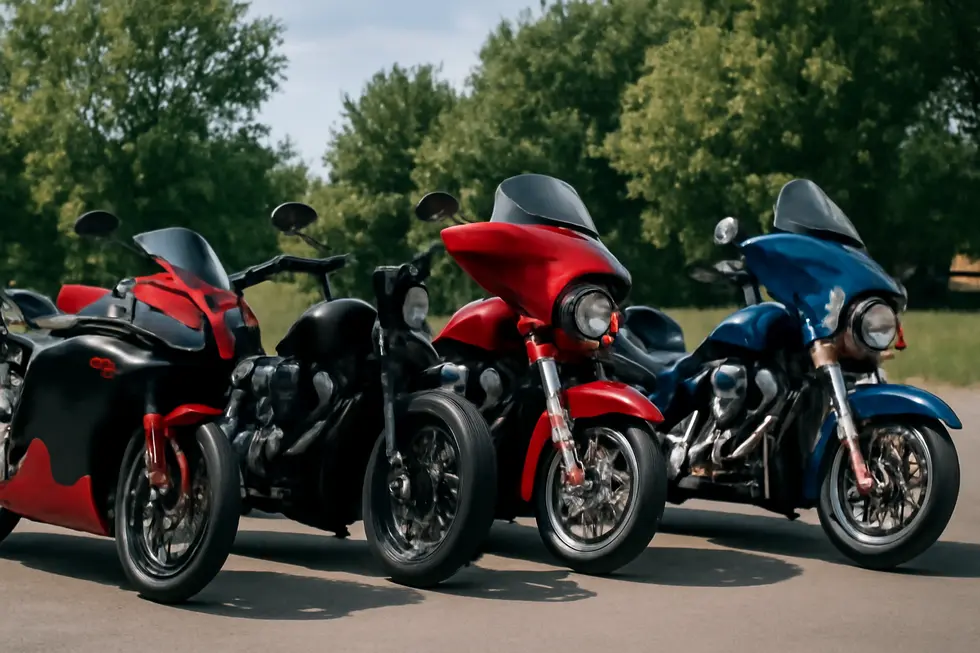
The cost to wrap motorcycle fairings closely ties to the bike’s model and size, as both influence fairing complexity and template availability. Motorcycles like sportbikes featuring multi-piece fairings with curves and vents demand precise vinyl cutting and fitting, increasing labor and material use. Larger touring bikes with extensive surface area require more vinyl and longer installation time, naturally raising costs. A crucial factor reducing expenses is the availability of model-specific templates—pre-designed digital patterns that streamline the wrap installation by reducing errors and time. Popular models usually benefit from these templates, making their wraps more affordable. In contrast, custom or rare motorcycles without templates require specialized measurements and cutting, heightening labor costs. Additionally, the amount and quality of vinyl film necessary vary by size and design intricacy, further shaping final pricing. Considering these elements clarifies why wrapping a motorcycle’s fairings is far from a one-size-fits-all cost scenario. For further insights, visit affordable motorcycle fairings at Summit Fairings. More detailed pricing examples can be found at 10KWRAPS motorcycle wraps.
2. Balancing Fairing Dimensions and Coverage: Key Drivers of Motorcycle Wrap Expenses
The cost to wrap motorcycle fairings hinges heavily on the model and size of the bike, as these factors govern both material and labor demands. Larger motorcycles, such as touring models, feature extensive fairings that require around 25 to 30 square feet of vinyl or more, pushing material costs upward. In contrast, sport bikes usually need closer to 10 to 12 square feet, resulting in lower material usage.
Complex fairing shapes—with curves, edges, and intricate contours common on models like the Yamaha Tmax 530 or Kawasaki Ninja—increase installation difficulty. This complexity requires more labor time and skill to achieve a flawless finish, further driving up expenses.
Choosing a partial wrap focusing on tanks or side panels can significantly lower costs compared to full wraps. Typical full wrap pricing varies widely—from approximately $500 to well over $2,000—depending on model size, design intricacy, and coverage scope.
Understanding these variables helps riders accurately gauge their investment when considering vinyl fairing wraps. For guidance tailored to specific motorcycles, professional consultations remain invaluable. Explore expert advice on motorcycle fairings and options at Summit Fairings blog.
More details on model-specific sizing and cost implications can be found in this detailed pricing analysis.
3. How Motorcycle Size and Vinyl Quality Drive Fairing Wrap Costs
The cost to wrap motorcycle fairings is deeply influenced by the motorcycle’s size and model, as well as the quality and brand of the vinyl film used. Larger motorcycles with more extensive fairings require significantly more vinyl—ranging from around 10-12 square feet for small sportbikes to over 25-30 square feet for touring models. This increased material need naturally raises the cost, alongside additional labor time to contour uneven or complex surfaces. Equally important is the vinyl quality; premium cast vinyl from leading brands offers superior durability, UV and scratch resistance, and excellent conformability to curves. Though these materials carry a higher price per square foot, they provide a longer-lasting, more vibrant finish, justifying their cost for many riders. Conversely, lower-cost vinyl options may reduce upfront expenses but often sacrifice longevity and appearance, impacting long-term value. Ultimately, the final cost reflects a balance between motorcycle dimensions, the desired visual impact, and quality preferences. For a deeper dive into how model differences affect appearance options, explore affordable motorcycle fairings.
For more details, see source: https://metrorestyling.com/blogs/news/motorcycle-wrap-cost
4. Balancing Costs: Choosing Between Wrapping and Replacing Fairings Based on Motorcycle Size and Model
The cost of wrapping motorcycle fairings is deeply influenced by the bike’s model and size. Larger motorcycles or those with complex fairing shapes demand more vinyl material and skilled labor, pushing wrap costs typically between $500 and $700 for standard models, and as high as $2,800 for full wraps. Conversely, smaller bikes and scooters often incur lower wrapping expenses due to reduced coverage needs, though professional installation remains essential for durability and a flawless finish. When weighing wrapping against replacing fairings, economic trade-offs become clear. Replacement parts, especially for premium sportbikes, can range from $128 to well over $1,500 per kit, excluding shipping and installation. While replacement offers a permanent solution for damaged components, wrapping provides a cost-effective, customizable, and reversible alternative ideal for aesthetic updates or concealing minor damage. Ultimately, the motorcycle’s size, model complexity, and condition dictate which approach is more practical. For more insights on choosing the right fairings, explore this comprehensive source on motorcycle fairings. The detailed pricing references are based on industry data that highlight these nuanced cost considerations.
Chapter 3: Custom Designs and Graphics Influence on How Much Does It Cost to Wrap Motorcycle Fairings
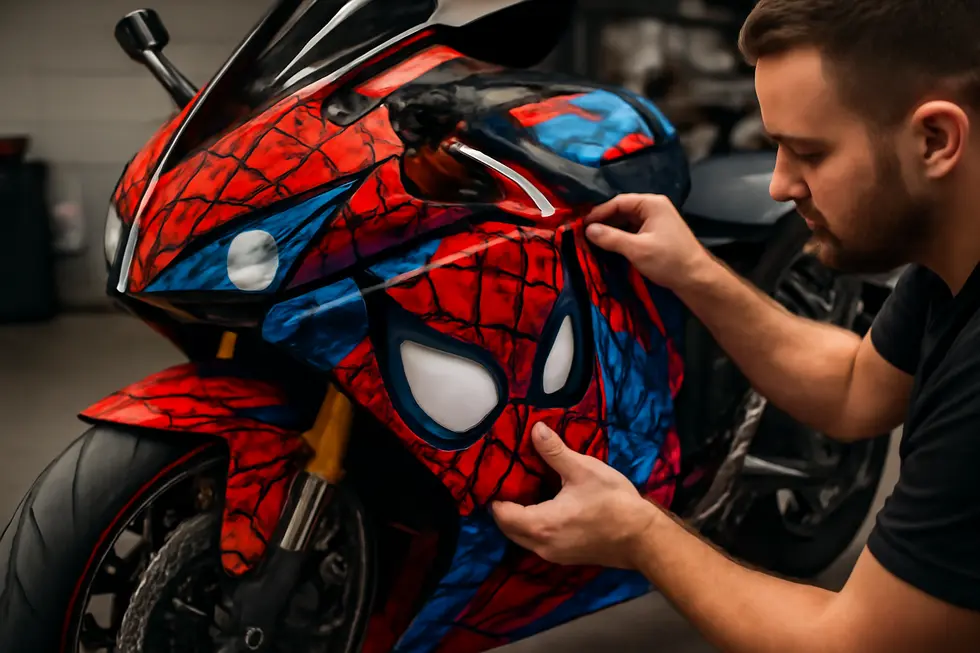
1. How Design Complexity Shapes the Cost of Custom Motorcycle Fairing Wraps
The cost of wrapping motorcycle fairings rises significantly with design complexity due to material demands and labor precision. Intricate graphics, such as multi-layered superhero themes, require premium vinyl and advanced printing techniques that enhance durability and visual appeal. These detailed wraps need careful pre-mapping to fit around curves, vents, and fasteners without distortion or cropping, adding to design time and cost. Larger coverage areas increase vinyl consumption, while complex shapes call for skilled installers to achieve flawless, bubble-free application. For instance, a graphic-rich Spider-Man inspired wrap ranges from $550 to $750, reflecting both the superior materials and meticulous workmanship. Choosing premium vinyl like cast-grade ensures flexibility and longevity but pushes prices higher. Overall, the artistic and technical demands of complex custom wraps translate into higher expenses compared to simpler, partial color changes. For more insights on fairing options contributing to wrap designs, explore unmatched motorcycle fairings choices.
Reference: https://10kwraps.com/product/motorcycle-mt-34/
2. How Premium Materials and Design Complexity Shape the Price of Custom Motorcycle Fairing Wraps
Material quality and design complexity play key roles in determining motorcycle fairing wrap costs. High-grade vinyl, known for durability and UV resistance, ensures longevity and vibrant colors. Premium films conform smoothly around sharp curves and vents, thanks to micro air-release technology that prevents bubbles during installation. Specialized finishes like matte, glossy, or chrome add visual flair but also increase material and production expenses. Meanwhile, graphic complexity demands more design time and precise alignment, elevating labor costs. Intricate custom graphics require expert installers to carefully cut and fit the wrap without wrinkles, further impacting pricing. Typically, full wraps range from $1,500 to $3,500 because of the volume of material and installation effort involved, while themed partial wraps may fall between $550 and $750 depending on design detail and coverage. Balancing high-quality vinyl choice with the desired graphic intricacy directly influences both the appearance and the final price, helping riders make informed decisions to achieve durable, expressive customizations. For a comprehensive look at fairing options, explore affordable motorcycle fairings at Summit Fairings.
3. The Impact of Coverage Size and Expert Installation on Custom Fairing Wrap Pricing
The overall cost of wrapping motorcycle fairings is profoundly influenced by the coverage area and the necessity for professional installation, especially when custom designs and graphics are involved. Larger coverage, such as full fairing wraps, demands greater amounts of high-quality vinyl and increased labor time, naturally elevating the price. Different motorcycle types require varying vinyl quantities—sport bikes may need around 10-12 square feet, whereas bigger cruisers can exceed 25 square feet. Skilled installers play a critical role in ensuring the vinyl conforms flawlessly to complex curves and surfaces without bubbles or wrinkles, a process requiring precision and care. Custom graphics add another dimension to cost, as intricate designs require specialized printing and additional hands-on work to achieve a seamless look. The combination of premium materials, extensive coverage, detailed graphics, and expert installation forms the cornerstone of the final pricing. For riders interested in exploring a wide range of motorcycle fairing options that cater to custom wraps, the Summit Fairings blog presents valuable insights and inspiration.
4. How Custom Designs and Quality Materials Shape the Cost of Motorcycle Fairing Wraps
Custom designs and high-quality materials decisively impact the cost of wrapping motorcycle fairings. Premium vinyl brands offer superior durability and visual effects, but they come at a higher price. Intricate graphics involving multiple colors, detailed patterns, or special finishes like matte or metallic raise both production and installation expenses, as careful alignment is required on complex fairing shapes. Full wraps covering all panels demand more vinyl and meticulous labor, significantly increasing costs compared to partial coverage options. Labor-intensive installation on curved surfaces, combined with the need for skilled installers, also affects the final price. While a Spider-Man-themed full wrap might range from $550 to $750 due to these factors, simpler or partial wraps remain more budget-friendly yet customizable. Balancing design complexity with coverage scope and material quality allows riders to find options fitting both aesthetic tastes and budgets. For tailored advice on design and cost, consulting professional wrap specialists is highly recommended. Learn more about options for motorcycle customization at Summit Fairings.
Reference: https://10kwraps.com/product/motorcycle-mt-34/
Chapter 4: Material Quality and Technology Considerations in How Much Does It Cost to Wrap Motorcycle Fairings
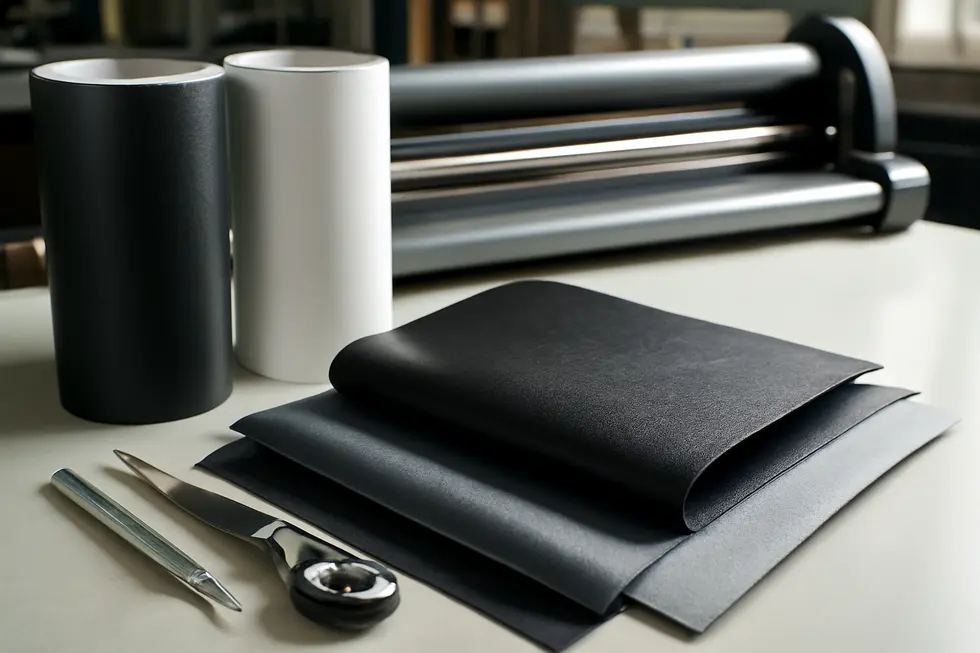
1. How Premium Vinyl Quality Shapes Cost, Durability, and Appearance in Motorcycle Fairing Wraps
The quality of vinyl used in wrapping motorcycle fairings plays a crucial role in determining both cost and longevity. Premium materials from established manufacturers command higher prices—typically ranging from $500 to $700 for a full motorcycle wrap—due to their superior durability, UV resistance, and ease of removal without damage. These high-grade films feature advanced technologies like air-release channels, which facilitate smooth application and reduce imperfections such as bubbles. They also resist fading, scratching, and minor abrasions, ultimately extending the lifespan of the wrap and maintaining its aesthetic appeal. Lower-quality vinyl may reduce upfront expenses but often leads to more frequent replacements or damage to fairings, impacting long-term value. Moreover, specialty finishes such as matte, gloss, or metallic affect both cost and appearance, catering to individual style preferences while enhancing the bike’s protection. Choosing quality vinyl and professional installation ensures a cost-effective, durable solution that preserves and elevates motorcycle fairings. For further insight into available material options, explore detailed resources like those at Summit Fairings.
2. How Advanced Materials and Techniques Shape the Cost and Quality of Motorcycle Fairing Wraps
Technological advances in vinyl materials and application methods have transformed motorcycle fairing wraps, directly impacting their cost and quality. Premium cast-grade vinyl films now provide superior UV resistance, scratch protection, and heat durability. These materials, although more costly—often ranging from $550 to $750 for full fairing coverage—offer enhanced longevity and a flawless finish through innovations like air-release technology that prevents bubbles.
Furthermore, refined printing techniques enable highly detailed custom graphics tailored to specific motorcycle models. These advancements reduce installation errors and elevate the bike’s aesthetic appeal, though they contribute to higher prices. Investing in professional installation alongside these premium materials ensures optimal fit, improved protection, and durability that cheaper options can’t match.
In contrast to costly repairs or replacements, wrapping is often more affordable and functional, providing a protective layer that preserves the underlying fairings. For more insight on quality materials and options, explore reliable sources dedicated to affordable motorcycle fairings here.
For a detailed comparison, note that replacing fairings on some models can cost upwards of $765, highlighting wrapping as a cost-effective customization and protection solution. More premium vinyl wrap details can be found at: https://10kwraps.com/product/motorcycle-mt-34/
3. Balancing Cost and Quality: Economic Drivers Behind Material and Technology Choices for Motorcycle Fairing Wraps
Choosing the right materials and technology for wrapping motorcycle fairings involves a complex economic balance between upfront costs and long-term value. Premium vinyl films, characterized by superior flexibility, UV and heat resistance, and advanced installation features like micro air-release, command higher prices but ensure durability and a flawless finish. While lower-cost options reduce initial expenses, they often sacrifice longevity and may increase replacement frequency, ultimately raising the overall cost over time. Advanced printing technologies also influence pricing by enabling precision-tailored graphics that fit intricate fairing contours, enhancing aesthetic appeal but adding to production expenses. Geographic factors affect cost indirectly, with climate accelerating wear in some regions and local labor rates impacting installation fees. Ultimately, investing in high-quality materials and expert technology yields a durable, vibrant wrap that offsets higher initial costs with extended lifespan and fewer maintenance needs. For riders seeking both protection and customized style, this careful economic consideration is crucial. Explore more about wrapping options and material choices at Summit Fairings’ blog. For further industry insights, see premium vinyl film data and pricing details here.
4. How Consumer Trends Shape Material Choices and Technology in Motorcycle Fairing Wrap Costs
Consumer preferences and current trends significantly influence the selection of materials and technologies when wrapping motorcycle fairings, directly impacting overall costs. Riders increasingly favor premium cast vinyl films that offer UV resistance, heat durability, and scratch protection to preserve their bike’s finish while showcasing personalized, vibrant designs. These high-quality materials conform smoothly to complex contours, ensuring a flawless installation with long-lasting appeal. Advances in printable vinyl technology enable bold custom graphics tailored to individual tastes, making personalization a key driver in the choice of film and installation methods. The size and complexity of the motorcycle affect vinyl requirements, with smaller sportbikes needing less material than larger touring models, causing cost variation. Moreover, professional installation ensures bubble-free application and durability, often influencing the price range more than the vinyl cost alone. This blend of evolving consumer demands and technological progress forms the foundation of pricing dynamics in motorcycle fairing wraps. For further insights on fairing options, see affordable choices at Summit Fairings.
Chapter 5: How Professional Installation and Labor Costs Shape the Price of Wrapping Motorcycle Fairings
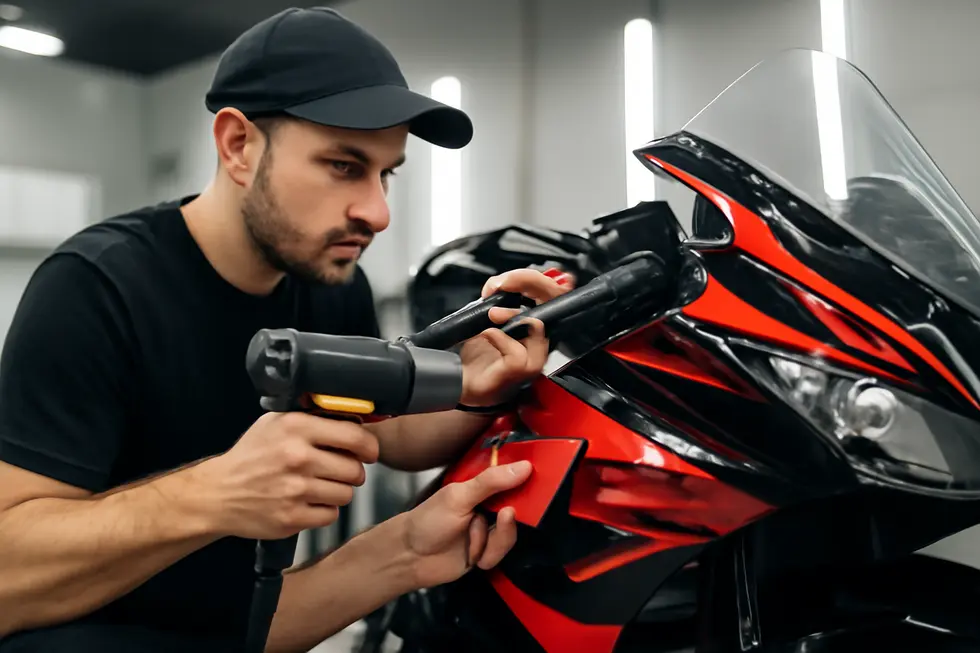
1. Unraveling Labor Complexity: The Core Driver Behind Motorcycle Fairing Wrap Costs
Wrapping motorcycle fairings demands a high degree of skill and precision, which directly influences labor complexity and the overall cost. Skilled installers must carefully remove the fairings, prepare surfaces by thorough cleaning, and sometimes perform minor repairs before applying the vinyl wrap. The curved and intricate shapes of fairings require expert handling to prevent bubbles, wrinkles, or misalignments, often prolonging labor time.
Labor costs vary significantly based on regional