















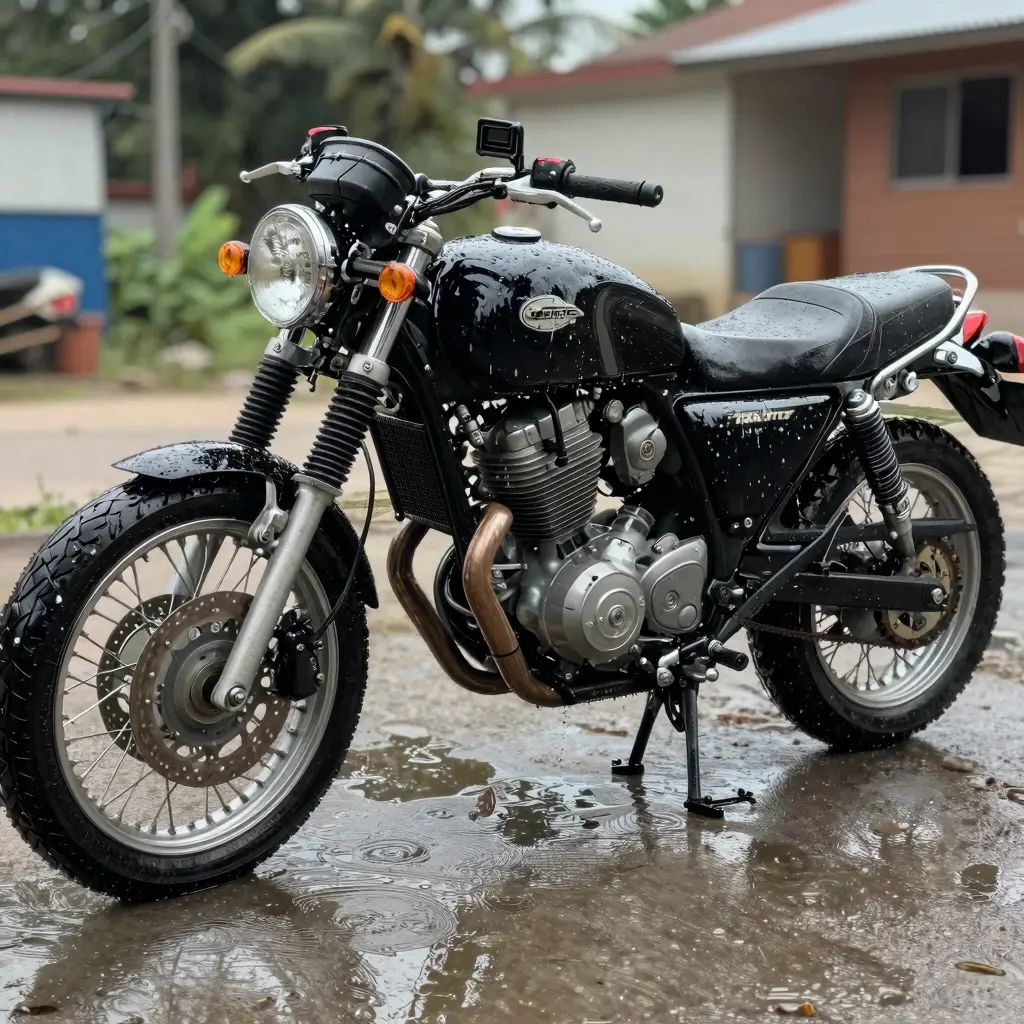
Cuando se trata de mantener el aspecto estético y el rendimiento de tu motocicleta, surge la pregunta: ¿es seguro y efectivo lavar una motocicleta sin parabrisas? Para los propietarios de negocios que utilizan motocicletas, garantizar que estas máquinas no solo se vean bien, sino que también funcionen óptimamente, es fundamental. Este mantenimiento desempeña un papel crucial en la promoción de una imagen profesional y también puede ayudar a prolongar la vida útil del vehículo. Lavar una motocicleta sin parabrisas facilita una limpieza exhaustiva de componentes esenciales, protegiendo contra la acumulación de suciedad y grasa que pueden provocar problemas mayores en el futuro. Sin embargo, uno debe considerar los posibles desafíos, como la entrada de agua en áreas sensibles como conexiones eléctricas y partes del motor. En este artículo exploraremos los beneficios y riesgos involucrados, proporcionando a los propietarios de negocios información valiosa sobre si este método de lavado se alinea con sus prácticas de mantenimiento. Aprende más sobre la personalización de piezas para motocicletas para estrategias de mantenimiento mejores.
Preocupaciones comunes al lavar una motocicleta sin parabrisas
Lavar una motocicleta sin parabrisas puede presentar varios desafíos y preocupaciones para los dueños. Comprender estos posibles problemas es vital para mantener la integridad y el rendimiento de la motocicleta. Aquí hay una lista de preocupaciones comunes:
- Daño por agua: El exceso de agua puede penetrar en áreas críticas como conectores eléctricos y componentes del motor, causando posibles fallas.
- Exposición de componentes eléctricos: Sin parabrisas, las conexiones y componentes eléctricos están más expuestos al agua, polvo y escombros, lo que puede causar cortocircuitos o corrosión.
- Formación de óxido: Las áreas que no están protegidas por parabrisas pueden ser más propensas a la oxidación si el agua se acumula y no se seca adecuadamente.
- Liberación de lubricantes: El agua puede eliminar los lubricantes de varias partes, incluida la cadena, los cables del acelerador y los puntos de articulación, lo que lleva a un mayor desgaste.
- Acumulación de escombros: Las partes más expuestas pueden acumular rápidamente suciedad y grasa, requiriendo esfuerzos adicionales de limpieza.
- Arena y abrasividad: No usar los materiales de limpieza adecuados puede rayar la superficie de partes metálicas y plásticas expuestas, comprometiendo su apariencia y protección.
- Secado inadecuado: No secar completamente la motocicleta puede llevar a la retención de humedad, aumentando el riesgo de óxido y corrosión, especialmente en áreas difíciles de alcanzar.
Los dueños de motocicletas deben abordar el lavado de sus motocicletas con cuidado para evitar estos problemas. Para más consejos y accesorios que puedan ayudar en el mantenimiento de su motocicleta sin parabrisas, aprende más sobre nuestros productos para ayudar con el mantenimiento y la limpieza.
Suministros esenciales para lavar una motocicleta sin parabrisas
Lavar una motocicleta sin parabrisas requiere las herramientas y soluciones de limpieza adecuadas para asegurar que la motocicleta esté limpia sin causar daño. Aquí hay una lista de suministros esenciales, junto con consejos para seleccionar productos seguros y efectivos para el mantenimiento de motocicletas:
Suministros esenciales
Champú para motocicletas: Use un champú para motocicletas con equilibrio de pH que esté específicamente diseñado para limpiar sin eliminar la cera protectora ni dañar acabados delicados. Evite los limpiadores domésticos, que pueden contener químicos agresivos. Considere buscar recomendaciones para mejores productos de limpieza para motocicletas que ofrezcan una solución de limpieza suave pero efectiva.
Pinceles suaves y trapos de microfibra: Utilice pinceles con cerdas suaves para áreas con acumulación de mugre y suciedad. Los trapos de microfibra son suaves en las superficies y muy efectivos para recoger la suciedad sin rayar la motocicleta.
Limpiador de ruedas: Un limpiador dedicado de ruedas puede ayudar a eliminar el polvo de frenos y la mugre de las llantas sin dañar el acabado de la rueda. Asegúrese de elegir un producto compatible con el material de sus ruedas.
Limpiador y lubricante de cadena: La limpieza y lubricación regular de la cadena de su motocicleta son cruciales para su rendimiento. Use un limpiador de cadena diseñado para su tipo de motocicleta, seguido de un lubricante de cadena de motocicleta de calidad.
Toallas para secar: Después de lavar, es importante secar la motocicleta correctamente. Use una toalla dedicada hecha de microfibra absorbente para evitar manchas y surcos de agua.
Cera o sellador protector: Considere aplicar una cera o sellador protector después de limpiar para mejorar el brillo y proporcionar una capa de protección contra los elementos.
Consejos para seleccionar productos seguros
- Check Compatibility: Siempre busque productos que indiquen que son seguros para uso en motocicletas, especialmente para superficies de metal y plástico sin pintar.
- Leer etiquetas: Evite los limpiadores que contengan amoníaco, lejía u otros químicos agresivos que puedan dañar pinturas, plásticos o acabados metálicos.
- Realizar una prueba: Antes de usar cualquier producto nuevo, pruébelo en un área pequeña y menos visible de su motocicleta para asegurarse de que no cause daño ni decoloración.
- Pedir recomendaciones: Muchos entusiastas de motocicletas y talleres ofrecen consejos valiosos sobre los mejores productos para limpiar. Participar en comunidades puede ayudarle a descubrir opciones confiables.
Al usar los suministros adecuados y seguir estos consejos, puedes mantener tu motocicleta desnuda luciendo limpia y bien mantenida sin correr el riesgo de dañar sus partes. Para más consejos sobre mantenimiento de motocicletas, consulta nuestra guía sobre mejores prácticas para el cuidado de motocicletas.
La importancia de las técnicas adecuadas para limpiar motocicletas
When it comes to maintaining the performance and longevity of your motorcycle, proper cleaning techniques are essential. A motorcycle maintenance expert once said,
“Regular cleaning of your motorcycle not only enhances its aesthetics but also prevents dirt build-up that can lead to corrosion and mechanical issues. Invest time in cleaning to ensure your ride stays in top shape.”
This highlights the significant relationship between cleaning and motorcycle maintenance. Cleaning methods affect not only the appearance but also the functionality and lifespan of the bike.
For more information on motorcycle parts and fairings, check out our collection of featured products.
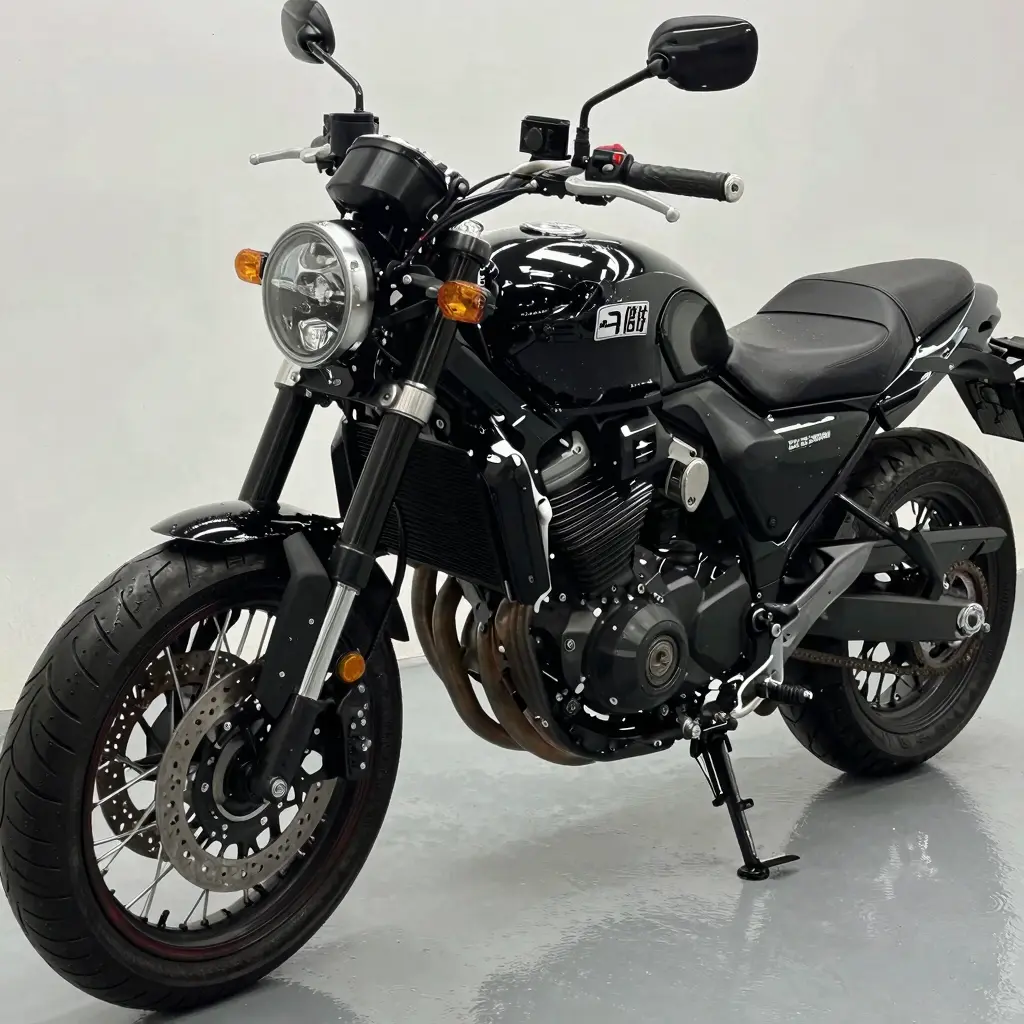
Step-by-Step Guide on Washing a Bare Motorcycle Safely
Washing a bare motorcycle requires special attention to ensure that sensitive parts remain undamaged and the bike maintains its aesthetic appeal. Below is a comprehensive step-by-step guide tailored specifically for business owners looking to maintain their bikes in pristine condition.
Step 1: Cool Down the Motorcycle
Before washing, make sure your motorcycle has cooled down completely. Washing a hot bike can lead to water spots and can damage sensitive components due to the rapid temperature change.
Step 2: Gather Your Supplies
For washing a bare motorcycle, you will need:
- Bucket
- Microfiber Wash Mitt
- Gentle Motorcycle Shampoo (avoid harsh chemicals)
- Water Hose or Pressure Washer (set to low)
- Microfiber Towels for drying
- Soft Brush for hard-to-reach areas.
Make sure to avoid using sponges as they can trap dirt and scratch your bike’s surface.
Step 3: Rinse the Bike
Start by rinsing the motorcycle with water. Use a gentle spray to avoid splashing water into sensitive areas, such as the electrical components or air intake. This step helps remove loose dirt and grime before applying soap.
Step 4: Apply Soap
Add the gentle motorcycle shampoo to your bucket, mixing it with water as per manufacturer’s instructions. Use your microfiber wash mitt to apply the soapy water, starting from the top of the motorcycle and working your way down. Be cautious around sensitive areas such as the electrical switches, gauges, and engine.
Step 5: Scrub and Rinse
As you scrub, pay special attention to areas that collect grime, such as the wheels and undercarriage. After thoroughly washing, rinse the motorcycle with clean water, ensuring all soap is removed. Again, avoid directing water at sensitive electrical parts.
Step 6: Dry the Motorcycle
It’s important to dry your motorcycle promptly to prevent water spots. Use a microfiber towel to gently pat down surfaces, rather than dragging the towel, which can cause scratches. Pay careful attention to hard-to-reach spots, wiping out any remaining water to minimize spotting.
Step 7: Inspect and Touch Up
After washing and drying your motorcycle, inspect it for any remaining dirt or water spots. Use a soft brush or additional microfiber towels for touch-ups. Consider applying a protective wax designed for motorcycles to keep the shine and protect the paint.
Important Tips:
- Avoid using a pressure washer directly on sensitive parts, as it can force water into areas where it can cause damage.
- Be cautious with electrical components and exhaust systems; always consult your motorcycle’s manual for specific care instructions.
By following these steps, business owners can maintain their bare motorcycles without the risk of damaging sensitive areas. For more products related to motorcycle care, : Protegen componentes críticos contra escombros y impactos menores, mejorando la longevidad de la motocicleta y asegurando la seguridad del rider minimizando el riesgo durante accidentes..
Conclusion
Washing your bare motorcycle, done properly, can extend the life of its components and maintain its attractiveness. Regular maintenance is crucial, especially for business owners who rely on their motorcycles for daily operations. Stay proactive about motorcycle upkeep and enjoy a well-preserved ride!
| Feature | Motorcycle Washing Techniques | Car Washing Techniques |
|---|---|---|
| Approach | – Generally hand-washed to avoid damage to parts and paint | – Can be washed by hand or through automated washes |
| – Emphasizes using a soft sponge or microfiber cloth | – Typically starts from the top down to prevent dirt dragging | |
| – Additional time spent on intricate areas like chains and spokes | – Focus on full exterior cleaning and drying | |
| Tools | – Soft wash mitt or microfiber cloth | – Buckets, sponges, or washing mitts |
| – Specialized motorcycle cleaners | – Car soap and wax are commonly used | |
| – Pressure washer with caution (low pressure) | – Pressure washer, foaming system, or DIY options using buckets | |
| Precautions | – Avoid high-pressure washes that could force water into electronics | – Use a dedicated car wash soap to avoid paint damage |
| – Use water repellents specifically designed for motorcycles | – Rinse mitt frequently to avoid scratching surface | |
| – Ensure to dry with soft cloth to avoid water spots | – Park in shaded areas to prevent soap from drying prematurely |
Summary
Both motorcycles and cars require careful washing techniques to maintain their appearance and integrity, but the methods differ significantly due to design and functionality. Business owners can leverage this knowledge to enhance their cleaning practices, preventing damage and ensuring customers are satisfied with their vehicle care.
For more insights on motorcycle maintenance, consider checking out our featured products. Additionally, you can explore custom fairings to enhance your motorcycle’s aesthetics while keeping it clean.
This content is informative and aims to provide a clear comparison, enhancing understanding for readers looking to make effective maintenance decisions.
Conclusion
In conclusion, washing a bare motorcycle without fairings is not just a chore; it’s an essential part of motorcycle maintenance that contributes to both aesthetics and functionality. By regularly cleaning your motorcycle, you not only keep it looking its best but also facilitate thorough inspections of crucial components. This practice can help prevent corrosion and other long-term issues, ensuring that your ride remains in prime condition. Moreover, a clean motorcycle reflects the owner’s attention to detail and contributes to a more rewarding riding experience.
As business owners in the motorcycle industry, it is imperative to understand the value of maintaining motorcycles properly, especially when bare. To further elevate your motorcycle’s performance and visual appeal, consider upgrading with high-quality fairings from Summit Fairings. Their wide range of customizable options caters to various motorcycle models, ensuring durability and a perfect fit. Don’t miss out on the opportunity to enhance both the functionality and beauty of your motorcycle-visit Summit Fairings today and explore the best options available!
Keep those rides smooth and stylish!
Word Count: 234
User Experiences with Washing Motorcycles Without Fairings
Simplicity in Cleaning: Many riders note that washing motorcycles without fairings is significantly easier compared to those with fairings. The absence of fairings allows for direct access to various components, making it simpler to clean any dirt and grime that accumulates during rides. Users appreciate the less complicated cleaning process and the quick access to parts.
Washing Techniques: Riders have shared their preferred washing methods, emphasizing the importance of using gentle cleaning solutions. Products like diluted car shampoos or specific motorcycle cleaners are recommended to avoid damaging sensitive components. Users frequently advise against using high-pressure water, which can lead to water ingress in electrical systems. Many suggest using soft sponges or microfiber cloths, as they are gentle on surfaces.
Brake Concerns: Some users raise concerns about washing methods that may contaminate braking systems. For instance, one forum member highlighted the importance of avoiding water near the brake pads and rotors. Techniques that prevent contamination while maintaining cleanliness are often shared. Many recommend rinsing cautiously and using products like Peaty’s Loam Foam that are designed to minimize such risks.
Frequent Maintenance: Keeping motorcycles without fairings clean often requires more frequent efforts, as these bikes tend to accumulate dirt due to their exposed nature. Some riders suggest regular light washes instead of infrequent deep cleaning, which they found less cumbersome and more effective in maintaining their bikes’ appearances.
Opiniones de usuarios: While specific testimonials on washing methods were limited in direct forum discussions, overall experiences shared indicate a balance between ease of cleaning and the need for careful attention to sensitive parts. For example, a rider discussed their method using low-pressure rinsing and gentle tools, with no significant issues encountered during the cleaning process.
: Los usuarios expresaron una fuerte confianza en los accesorios OEM de Honda, a menudo señalando su historial probado y su rendimiento confiable.: Riders are encouraged to participate in forums or communities, such as Netrider, where they share personal experiences and tips specific to washing motorcycles without fairings. Engaging with the community for advice and best practices can enhance knowledge and improve maintenance routines.
In conclusion, while washing motorcycles without fairings is often viewed as simpler and more accessible, it requires specific techniques to ensure no damage is done to critical components. Shared experiences and community wisdom play a valuable role in informing best practices for motorcycle maintenance. For more insights and products related to motorcycle care, visit Summit Fairings.
Benefits of Maintaining Motorcycle Cleanliness
Maintaining the cleanliness of a motorcycle goes beyond mere aesthetics-it directly impacts the motorcycle’s longevity, functionality, and safety. Below is a chart illustrating the various benefits of regular motorcycle cleaning, rated on a scale from 1 to 10:

| Benefit | Rating (1-10) | Description |
|---|---|---|
| Improved Appearance | 9 | Regular cleaning maintains a clean, shiny finish, preserving the motorcycle’s visual appeal and resale value. Dust, grime, and brake residue are removed, keeping paint, chrome, and plastics looking new. |
| Longevity of Parts | 8 | Consistent cleaning prevents wear on critical components like the chain, wheels, tires, and bodywork. By removing corrosive elements such as salt and road grime, the lifespan of metal, rubber, and plastic parts is significantly extended. |
| Overall Performance | 7 | A clean motorcycle operates more efficiently-dirt buildup on moving parts like the chain and drive system increases friction, reducing power transfer and fuel efficiency. Clean components ensure smoother mechanical function and better throttle response. |
| Corrosion Prevention | 10 | One of the most critical benefits. Dirt, moisture, and road salts accelerate oxidation and rust formation, especially on metal frames, exhausts, and fasteners. Regular cleaning eliminates these contaminants, drastically reducing the risk of corrosion. |
| Enhanced Safety | 8 | Clean windshields, mirrors, and lights improve visibility. Brake dust and grime on brake calipers or rotors can affect braking performance. Clear visibility and properly functioning safety features contribute directly to rider safety. |
Regular cleaning is vital for maintaining a motorcycle’s performance and appearance. For more tips and products to assist with motorcycle maintenance, explore our collection of cleaning products.