
















Introduction
Motorcycle fairings play a pivotal role in enhancing both the performance and appeal of motorcycles, making them a critical component for businesses operating in the motorcycle aftermarket and accessories industry. Understanding the variety of fairing types and materials, along with their functional capabilities and market options, empowers business owners to meet diverse customer needs and capitalize on emerging trends. This guide unfolds in three focused chapters: first, delving into the different types and materials of motorcycle fairings and their impact on business decisions; second, highlighting functional enhancements that can add value and differentiate products; and third, examining manufacturing processes, customization possibilities, and market choices to help business owners optimize inventory, partnerships, and sales strategies. Together, these insights provide a comprehensive foundation to confidently navigate the motorcycle fairings landscape from a business perspective.
Tables of Contents
Chapter 1: Exploring the Spectrum: Types and Materials of Motorcycle Fairings
- Full vs. Partial Motorcycle Fairings: Design, Function, and Material Impact
- How Fiberglass, ABS Plastic, and Carbon Fiber Shape Motorcycle Fairings’ Performance and Durability
- Innovations in Motorcycle Fairing Materials: Balancing Aerodynamics, Durability, and Style
- Balancing Performance, Cost, and Style: How Fairing Materials Shape the Motorcycle Market
- Harmonizing Performance, Safety, and Style: Societal and Aesthetic Influences on Motorcycle Fairing Choices
Chapter 2: Functional Features and Enhancements in Fairings for Motorcycle
- Streamlined Performance and Custom Styling: The Role of Aerodynamics in Motorcycle Fairings
- Innovative Materials Driving Functional and Aerodynamic Advances in Motorcycle Fairings
- Seamless Integration of Advanced Lighting Systems Elevating Motorcycle Fairings
- Optimizing Rider Comfort and Heat Shielding: The Dual Role of Modern Motorcycle Fairings
- Tailored Enhancements: Exploring Customization and Functional Upgrades in Motorcycle Fairings
Chapter 3: Manufacturing, Customization, and Market Options for Fairings for Motorcycle
- Precision Materials and Expert Manufacturing Techniques Shaping Modern Motorcycle Fairings
- Innovative Customization Methods and Tailored Solutions in Motorcycle Fairings Manufacturing
- Elevating Motorcycle Fairings: Premium Manufacturing and Tailored Customization in a Competitive Market
- Exploring Complete Fairing Kits and Custom Accessories in Motorcycle Fairing Manufacturing and Market Trends
- Expanding Horizons: Market Diversity and Economic Dynamics Shaping Motorcycle Fairings
Chapter 1: Exploring the Spectrum: Types and Materials of Motorcycle Fairings
1. Full vs. Partial Motorcycle Fairings: Design, Function, and Material Impact
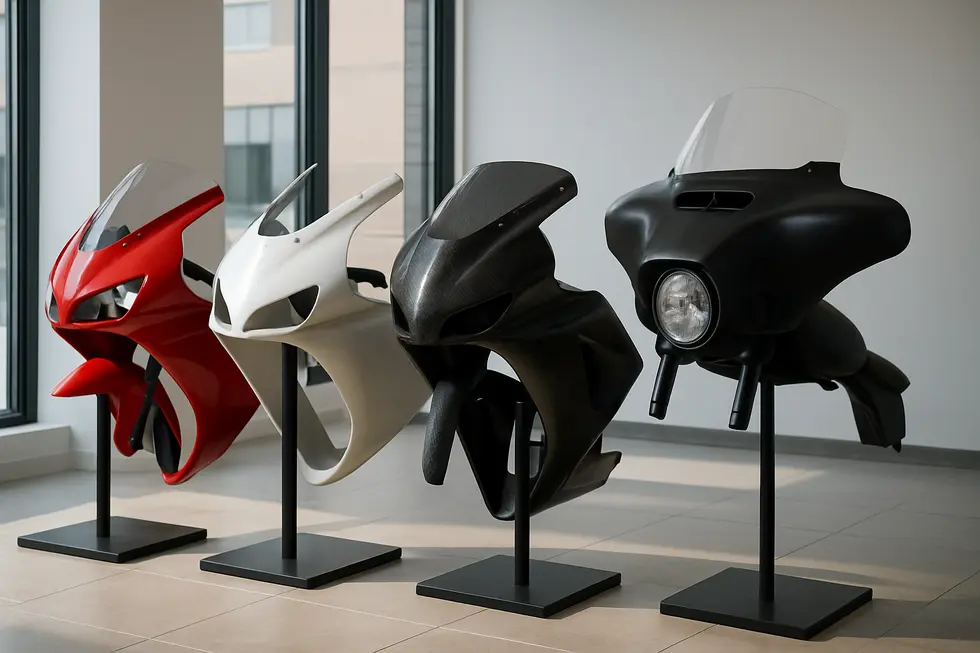
Motorcycle fairings play a crucial role in shaping both the aesthetics and performance of a bike by managing airflow and providing rider protection. Fundamentally, fairings are divided into two key categories: full and partial fairings, each delivering distinct advantages depending on design and purpose. Full fairings envelop the motorcycle’s front and sides, forming a seamless aerodynamic shell that dramatically reduces wind resistance. This design not only boosts top speed and enhances stability but also shields the rider and critical engine components from debris and adverse weather. Sportbikes exemplify this with sleek full fairings often incorporating advanced features—such as integrated wings and optimized air channels—that improve cooling and generate downforce for improved cornering and braking control. Conversely, partial fairings cover only select areas, typically the upper front such as windshields, headlights, and handlebars. This type balances moderate aerodynamic benefits with practical accessibility, often favored on touring or cruiser motorcycles where rider comfort and style are priorities. Batwing fairings on cruisers exemplify this blend, providing wind deflection while maintaining a distinctive silhouette. The choice of materials further influences these benefits. Lightweight options like fiberglass offer customizability but lack the resilience found in ABS plastic, a durable yet affordable material widely used in OEM and aftermarket parts. Carbon fiber stands out in professional racing due to its exceptional strength-to-weight ratio, enhancing performance without compromising safety. The synergy between fairing type and material directly impacts aerodynamics, rider comfort, engine cooling efficiency, and crash protection, underlining why selecting the appropriate fairing is essential for both function and style. For those exploring quality options and styles, Summit Fairings offers a comprehensive collection tailored to varied motorcycle models. More detailed insights into advanced aerodynamic design and racing fairings can be found in studies on modern sportbikes like the Ducati Panigale V4S, which showcase cutting-edge technology in full fairing development.[4]
2. How Fiberglass, ABS Plastic, and Carbon Fiber Shape Motorcycle Fairings’ Performance and Durability
Motorcycle fairings rely heavily on material choice to balance durability, weight, and cost. Fiberglass stands out for its affordability and ease of shaping, making it a favorite for custom and aftermarket fairings. It offers good rigidity and can be molded into intricate designs; however, it carries the downside of being heavier and more brittle compared to other materials. Impact resistance is moderate, and repairs, while possible, require some expertise to maintain structural integrity. This makes fiberglass ideal for riders prioritizing custom aesthetics without the premium cost.
In contrast, ABS plastic presents a versatile solution widely adopted for OEM and aftermarket fairings. It is approximately 20% lighter than traditional metal panels and renowned for its flexibility and impact resistance. These qualities allow ABS fairings to absorb minor shocks without cracking, retaining their shape and protective functionality. Additionally, ABS plastic withstands UV exposure and corrosion, contributing to long-term durability. Its compatibility with high-quality finishes and adjustable mounting systems further enhances aerodynamic performance, reducing drag by up to 25%. This efficiency not only benefits rider comfort at speed but also improves fuel economy, making ABS plastic a pragmatic and popular choice for mass-produced fairings.
At the premium end, carbon fiber commands attention for its outstanding strength-to-weight ratio and stiffness. Significantly lighter than both fiberglass and ABS, carbon fiber fairings offer superior handling and acceleration advantages, prized by performance-focused and racing riders. While less flexible and more susceptible to cracking under severe impact, its rigidity contributes to aerodynamic precision and rider safety in high-stress environments. The sleek, high-tech finish of carbon fiber also appeals to enthusiasts seeking both function and style, though it comes with a considerably higher price tag.
Choosing the right material ultimately depends on a rider’s priorities—whether budget, durability, or performance. For more insights on selecting from various fairing options, exploring high-quality kits can provide tailored solutions that combine these materials’ strengths. To dive deeper, consider checking out this detailed resource on motorcycle fairings at 서밋 페어링스.
3. Innovations in Motorcycle Fairing Materials: Balancing Aerodynamics, Durability, and Style
Motorcycle fairings have transcended their original role as simple wind deflectors to become sophisticated components shaped by cutting-edge material science. Today’s fairings blend aerodynamic precision with enhanced durability and customization, elevating both performance and rider experience. Traditional materials like fiberglass remain in use due to their light weight and cost-effectiveness, but modern riders increasingly demand the superior properties of advanced composites.
Carbon fiber composites stand at the forefront, offering a remarkable strength-to-weight ratio that can reduce motorcycle weight by up to 40% compared to fiberglass or aluminum. This weight reduction translates directly to improved acceleration, handling, and fuel efficiency. Moreover, carbon fiber’s resistance to heat—withstanding temperatures up to 250°C—makes it ideal for high-performance and race fairings where thermal stress is considerable. Technological advances have also enabled customization in carbon fiber patterns and colors without compromising aerodynamic excellence, with new designs reducing drag by nearly 20%. These innovations not only increase speed but also enrich visual appeal.
High-quality ABS plastic remains a preferred material for many street motorcycles thanks to its durability, impact resistance, and ease of manufacture, allowing precise OEM fitment and pre-drilled assembly. The recent introduction of textured finishes such as honeycomb patterns further enhances aesthetic options while maintaining toughness. In bespoke and artistic fairing builds, hybrid materials incorporating polished aluminum with carbon fiber push the envelope in combining robustness with unique styling.
These advances embody a sophisticated integration of form and function—fairings are no longer just protective shields but key components engineered for aerodynamic efficiency, environmental resilience, and individualized design. Riders and builders now have access to a wider spectrum of materials finely tuned for both competitive racing and everyday touring needs. For an in-depth look at how race fairings capitalize on these materials, see the expert analysis provided by The Racing Xpert.
Explore more about these material innovations and their impact on performance in this detailed resource.
4. Balancing Performance, Cost, and Style: How Fairing Materials Shape the Motorcycle Market
Motorcycle fairings are crafted primarily from fiberglass, ABS plastic, and carbon fiber—each material uniquely shaping both the performance and economic landscape of fairing production. Fiberglass offers an affordable, easily repairable option that suits custom builders and aftermarket enthusiasts well. It strikes a balance between cost and functionality, appealing to riders who prioritize flexibility and maintenance ease without breaking the budget.
ABS plastic dominates the mass market due to its durability, consistent OEM fitment, and low production cost. Its widespread use makes fairings more accessible to everyday riders, bolstering sales across a broad consumer base. Additionally, ABS can mimic premium aesthetics through faux carbon fiber finishes, merging affordability with style. This trend significantly influences consumer preferences, making cost-effective yet stylish fairings a popular choice. The presence of pre-drilled kits and multi-layered paint options further enhances appeal by easing installation and customization.
At the premium end of the spectrum, carbon fiber fairings target high-performance and racing motorcycles. Renowned for their superior strength-to-weight ratio, these composite materials improve speed and rider protection, justifying their higher price and complex manufacturing process. Their exclusivity enhances brand prestige and tightly segments the market, attracting customers who seek both performance advantages and elite styling.
Material selection impacts not only production costs but also market segmentation and design trends. Manufacturers balance these factors to meet demand across diverse rider profiles—from economical commuters to racing professionals. This interplay guides pricing strategies and drives the evolution of fairing options.
For riders seeking a broad range of choices that reflect these market dynamics, exploring selections at 서밋 페어링스 provides insight into how material choices are tailored to both performance and budget. Moreover, detailed discussions on how fiberglass, ABS plastic, and carbon fiber influence racing motorcycle fairings offer deeper understanding of these materials’ roles and market impact.
5. Harmonizing Performance, Safety, and Style: Societal and Aesthetic Influences on Motorcycle Fairing Choices
Motorcycle fairings serve not only as aerodynamic tools and protective shields but also as powerful expressions of cultural identity and personal style. The selection of fairing types—from full coverage race fairings that envelop the bike’s front and sides to more selective partial variations—reflects practical needs shaped by societal priorities like rider safety and comfort. Full fairings often feature in racing environments where wind resistance reduction and enhanced protection are paramount, underscoring the performance-driven ethos of competitive motorcycling. Partial or half fairings balance aerodynamic benefits with easy mechanical access, appealing to everyday riders seeking practical solutions.
Material choices amplify these considerations further. Fiberglass offers traditional durability and affordability, whereas carbon fiber’s superior strength-to-weight ratio has become synonymous with elite racing machines, evoking exclusivity and cutting-edge technology. ABS plastic dominates the aftermarket and OEM sectors due to its impact resistance, moldability, and allowance for intricate aesthetic detail—such as faux carbon finishes and vibrant vinyl wraps—enabling riders to tailor their motorcycles to their tastes and communities.
The societal influence extends beyond function into the realm of identity. Fairings shield riders from wind and debris, reducing fatigue and enhancing safety, but they also act as canvases that embody cultural trends and personal statements. Bold color schemes, textured patterns, and race-inspired styling elements transform these body panels into symbols of affiliation and individuality. Opting for carbon fiber or custom graphics signals performance orientation or membership within particular riding groups, weaving together functionality and visual impact.
Thus, motorcycle fairings exemplify a delicate balance where engineering meets artistry, meeting both the physical demands of the road and the rider’s desire for expression. For those interested in exploring diverse fairing options that merge durability with style, more can be found in the detailed discussions at Summit Fairings’ blog.
Chapter 2: Functional Features and Enhancements in Fairings for Motorcycle
1. Streamlined Performance and Custom Styling: The Role of Aerodynamics in Motorcycle Fairings
Motorcycle fairings serve as more than just protective shells; they are crucial aerodynamic components that shape airflow, reduce drag, and enhance overall riding dynamics. By enveloping the front and sides of a motorcycle, fairings streamline wind resistance, allowing smoother airflow around both bike and rider. This reduction in drag not only boosts speed but also improves fuel efficiency and stability, particularly at high velocities or during racing conditions. Advanced fairings incorporate materials like carbon fiber, which offer exceptional lightweight durability and enable sleek, contoured designs that can cut drag by up to 20% compared to traditional options.
The integration of aerodynamic features extends beyond simple shapes. Some fairings are fitted with winglets or fixed aerodynamic fins that create downforce, increasing tire contact with the road. This added stability proves invaluable under hard acceleration or braking, minimizing lift and improving handling precision. Alongside aerodynamic benefits, fairings provide vital protection from debris, wind chill, and weather elements—significantly enhancing rider comfort during extended rides.
Customization plays a central role in modern fairings, combining function with style. Riders can select from a broad palette of colors, textures, and graphic finishes—ranging from faux carbon fiber to geometric vinyl patterns—that maintain aerodynamic integrity while allowing individual expression. This fusion of performance-driven design and aesthetic versatility ensures fairings meet both practical and visual demands.
Through a blend of material innovation, aerodynamic engineering, and customization, fairings optimize motorcycle performance and rider experience. The balance between reducing drag, lowering weight, and increasing stability distinguishes high-performance models, while consumer options typically harmonize functionality with personalized styling. For a comprehensive look at racing applications and aerodynamic impact, see this detailed overview by The Racing Xpert [1]. To explore a range of customizable fairing choices, insights can be found at Summit Fairings’ blog.
[1] https://www.youtube.com/watch?v=exampletrackid
2. Innovative Materials Driving Functional and Aerodynamic Advances in Motorcycle Fairings
Motorcycle fairings have evolved significantly thanks to advancements in material technology, which directly enhance both their performance and functionality. Among the most impactful materials are carbon fiber composites and ABS plastic, each offering distinct advantages that cater to modern riders’ demands. Carbon fiber stands out with its exceptional strength-to-weight ratio, enabling a weight reduction of up to 40% compared to aluminum alternatives. This substantial decrease not only improves handling but also contributes to a drag reduction of approximately 15–20%, promoting higher speeds and better fuel efficiency. Additionally, carbon fiber’s thermal tolerance up to 250°C and corrosion resistance increase durability under extreme conditions, making it ideal for race and sportbike applications.
On the other hand, ABS plastic delivers superior flexibility and impact resistance while maintaining a lightweight profile. Injection-molded ABS fairings ensure an OEM-level precise fit, which eases installation and supports long-term durability. This material also adapts well to customization trends through unpainted kits that riders can personalize, balancing style with practicality. Integrating these materials with aerodynamic designs further enhances fairings’ ability to reduce wind resistance, directly benefiting speed and comfort, particularly on sport and touring motorcycles.
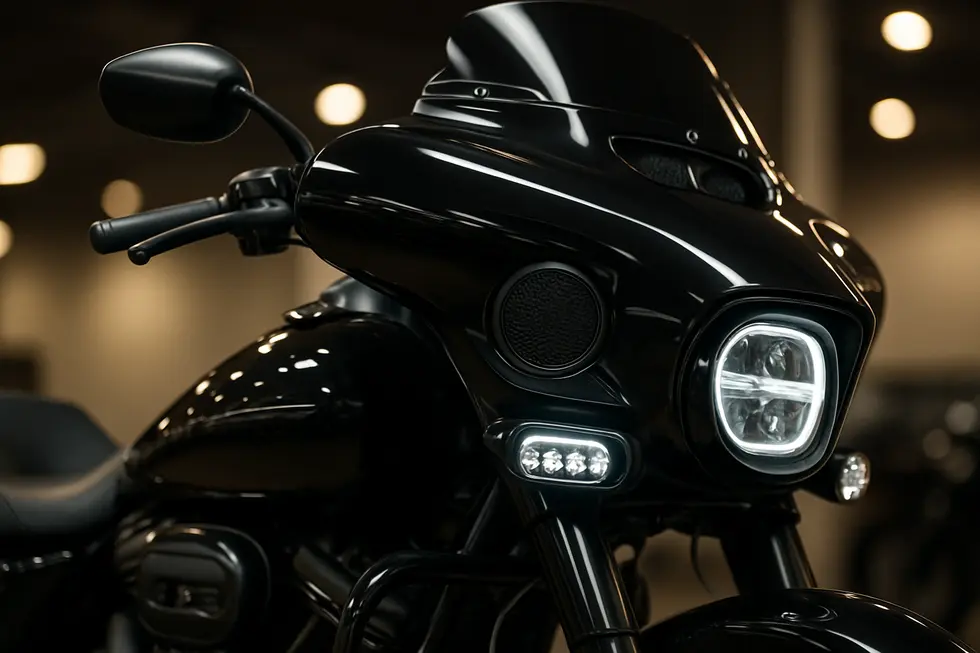
Beyond structural improvements, material enhancements enable functional integrations such as speaker cutouts in batwing-style fairings, offering riders enhanced audio experiences without compromising aerodynamics or adding excess weight. Multi-layer UV-resistant coatings on carbon fiber fairings protect finishes from sun damage, preserving appearance and extending service life. These material-driven innovations align with growing market trends focusing on adventure touring, rider customization, and eco-consciousness, with some manufacturers exploring recycled plastics for fairings.
These advances underscore how material innovation shapes the dual goals of improving motorcycle fairings’ aerodynamics and rider-oriented features. Combined with sophisticated designs, they represent the next step in balancing performance, durability, and personal expression. For further exploration of fairing options shaped by these materials, visit this comprehensive guide on motorcycle fairings.
External source reference: Alibaba product details emphasizing aerodynamic performance & thermal resistance of customized carbon fiber fairings (https://www.alibaba.com).
3. Seamless Integration of Advanced Lighting Systems Elevating Motorcycle Fairings
Motorcycle fairings have evolved far beyond aerodynamic shields to become sophisticated platforms integrating advanced lighting systems that enhance both safety and style. Embedded LED lights serve as critical safety enhancements by significantly improving rider visibility and signaling clarity. These lighting elements typically include running lights, turn signals, and sometimes brake or parking lights, all meticulously designed to blend flawlessly with the fairing’s aerodynamic contours, such as sharknose or Batwing styles. This seamless integration not only preserves the streamlined profile but also accentuates the motorcycle’s visual appeal, creating a cohesive and modern aesthetic.
The adoption of full LED packages ensures bright, crisp illumination that increases a motorcycle’s visibility to other road users, particularly in low-light conditions. Dual-function LEDs, which combine bright white running lights with amber turn signals within single compact housings, reduce bulk and complexity while maintaining high functionality. Moreover, these integrated units are engineered with durable materials like black anodized aluminum and tinted glass lenses, incorporating COB LED technology to deliver long-lasting, weather-resistant performance essential for outdoor exposure.
For premium and high-performance motorcycles, lighting integration extends to aerodynamic optimization through computational fluid dynamics (CFD) modeling. This precision engineering minimizes wind resistance and rider fatigue without compromising light output or style. Customizable trims in finishes such as chrome or matte black offer riders the ability to tailor their bike’s look while enjoying enhanced signaling features.
By merging illumination technology with aerodynamic design, integrated lighting within fairings transforms these components into multifunctional assemblies that improve road safety and elevate the overall riding experience. This approach underscores how modern fairings contribute meaningfully to both functional enhancements and the visual identity of motorcycles. For further insights into the variety of fairing options and enhancements, explore affordable motorcycle fairings at Summit Fairings.
External Reference: https://www.motorcycle.com/features/understanding-led-lights-on-motorcycles.html
4. Optimizing Rider Comfort and Heat Shielding: The Dual Role of Modern Motorcycle Fairings
Motorcycle fairings serve a vital dual purpose beyond aesthetics and aerodynamics—they enhance rider comfort while providing critical heat shield protection. Heat shields integrated within fairings protect both the structural integrity of the plastic components and the rider from the intense temperatures generated by the engine and exhaust. Employing advanced materials such as flexible, high-temperature textiles, stainless steel, or carbon fiber, these shields prevent thermal degradation and warping of fairing parts. Flexible textile shields are especially valued for their adaptability and ease of installation, conforming to various exhaust shapes without extensive modification, while metallic and composite shields add durability and impact resistance, useful for rugged riding conditions.
Simultaneously, fairings improve rider comfort by optimizing airflow and temperature control. Windscreens integrated with the fairings manage wind blast effectively, reducing fatigue on long rides. Combined with heated grips and upgraded seat designs, these enhancements create a thermally balanced environment that protects riders from both engine heat and environmental cold. This careful balance decreases wind chill and minimizes the discomfort caused by prolonged exposure to wind and mechanical heat.
Together, these features contribute to a safer, more enjoyable riding experience. The design focuses on blending functionality and comfort—ensuring that the fairing not only shields vital motorcycle components but also supports the rider in maintaining optimal temperature and reducing physical strain. For those seeking more detailed insights into styles and protections offered by various fairing options, exploring affordable motorcycle fairings at Summit Fairings provides a comprehensive look at innovative solutions. Further technical specifics and installation guidance can be found in detailed manuals available online.
5. Tailored Enhancements: Exploring Customization and Functional Upgrades in Motorcycle Fairings
Customization in motorcycle fairings has evolved beyond mere aesthetics to incorporate advanced functional enhancements that blend performance with personal expression. Riders can now choose from a spectrum of paint finishes, ranging from glossy, high-shine coats to sleek, matte textures—all achieved through meticulous multi-step painting processes that ensure durability and visual impact. Beyond colors and patterns, materials like corrosion-resistant carbon fiber enable fairings to be both lightweight and robust, enhancing aerodynamic efficiency and fuel economy without sacrificing style.
Integrating lighting upgrades is a popular way to enhance safety and appearance simultaneously. LED auxiliary lights and mirrors can be seamlessly fitted into fairings, boosting visibility and lending a modern edge to the bike’s profile. These lighting systems are designed for practical, easy installation, meeting safety standards while complementing the bike’s customized look.
Audio systems embedded within inner fairings represent another frontier of enhancement, offering riders high-quality sound without compromising fairing design or aerodynamics. These precision-engineered units fit specific models, ensuring that technology integrates flawlessly with form.
Additionally, customization extends to model-specific kits, where riders can adjust color schemes, swap decals, or modify logos to reflect personal or brand identity. This level of detail ensures each motorcycle stands out uniquely, tailored to the rider’s preferences and functional needs.
For those seeking insight and options in personalized fairings, a dedicated source for affordable motorcycle fairings offers a comprehensive look at available choices and innovations, further supporting riders in enhancing their machines’ form and function.
Chapter 3: Manufacturing, Customization, and Market Options for Fairings for Motorcycle
1. Precision Materials and Expert Manufacturing Techniques Shaping Modern Motorcycle Fairings
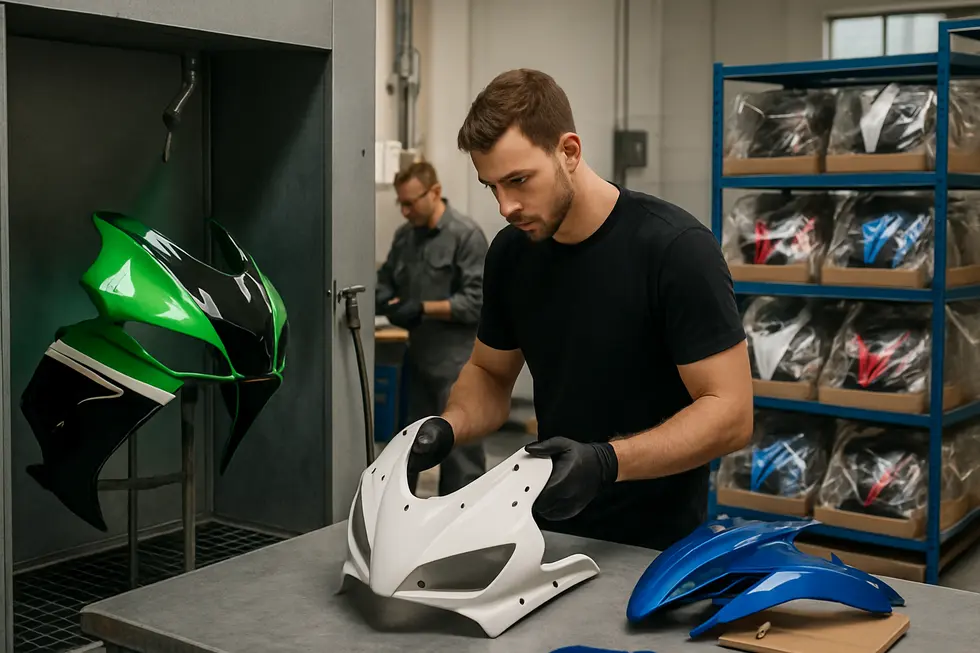
Motorcycle fairings owe their effectiveness to carefully chosen materials and advanced manufacturing processes that balance durability, weight, and aesthetic appeal. Among the most widely used is high-grade ABS plastic, favored for its toughness, impact resistance, and cost efficiency. This thermoplastic undergoes precision injection molding, allowing manufacturers to produce highly detailed fairings with exact Original Equipment Manufacturer (OEM) fitment and pre-drilled mounting points. Such precision enables riders and mechanics to install or replace panels smoothly without compromising structural integrity or alignment. The ABS surface is then treated with professional multi-layer paint systems, including primer, base coats, custom decals, and clear coats. This finish not only enhances visual appeal but also protects against weather and road wear, ensuring the fairings remain vibrant and resilient over time.
For riders demanding superior performance, lightweight, and cutting-edge aesthetics, carbon fiber fairings offer a compelling alternative. Constructed from prepreg carbon fiber sheets cured in autoclaves, these fairings benefit from exceptional fiber alignment and flawless curing. The result is an ultra-light, yet incredibly strong component sought after in high-performance sportbikes. To maintain longevity and lustrous appearance, carbon fiber parts often receive specialized coatings such as plastic powder coating or silk matte clear coats. While customization in carbon fiber tends to be more limited due to manufacturing complexity, they represent a premium choice for enthusiasts seeking maximum aerodynamic advantage and visual distinction.
Other materials like aluminum or titanium are occasionally used in bespoke or prototype fairings but remain niche compared to the dominance of ABS and carbon fiber. The manufacturing spectrum, therefore, caters to a variety of rider preferences—from affordable, durable aftermarket kits to exclusive, performance-oriented parts.
Customization thrives within this framework, with many suppliers offering tailored fairings featuring color swaps, unique decal designs, and modular components that ease installation and personalization. This dynamic is supported by market trends favoring iconic models such as the Yamaha R1 and Kawasaki Ninja, where both ABS and carbon fiber fairings provide riders a path to upgrade style and function.
For those interested in exploring the range of options available, a comprehensive source of detailed fairing kits and customization ideas can be found in Explore the best motorcycle fairings at