
















Introduction
Aluminium motorcycle fairings are becoming a pivotal upgrade in the custom and café racer motorcycle industry, combining enhanced durability with classic aesthetics. For business owners, understanding the nuances of these premium aftermarket parts is essential to capitalize on growing market demand. This article dissects the core aspects of aluminium motorcycle fairings, beginning with their meticulous design and robust construction, progressing through installation and compatibility considerations. It then explores extensive customization and finish options that appeal to diverse rider preferences. Performance comparisons emphasize their durability and functionality relative to traditional plastic alternatives. Additionally, the article highlights the craftsmanship that defines their aesthetic appeal and concludes by analyzing market applications and user preferences. Each chapter offers business owners a holistic perspective on integrating aluminium fairings into their product offerings or sales channels effectively.
Tables of Contents
Chapter 1: Design and Construction of Aluminium Motorcycle Fairing
- Innovative Manufacturing Techniques and Aerodynamic Engineering in Aluminium Fairings
- Balancing Cost and Performance: Economic Insights in Aluminium Motorcycle Fairing Construction
- Global Trade Dynamics Shaping Aluminium Motorcycle Fairing Design and Production
- Cultural Expression and Craftsmanship: Societal Dimensions of Aluminium Motorcycle Fairings
Chapter 2: Installation and Compatibility of Aluminium Motorcycle Fairing
- Precision and Engineering: Navigating Installation Challenges of Aluminium Motorcycle Fairings
- Weighing Costs and Benefits: Economic Insights on Aluminium Motorcycle Fairing Installation
- How Geopolitical Dynamics Shape Installation and Compatibility of Aluminium Motorcycle Fairings
- Balancing User Expectations and Societal Standards in Aluminium Motorcycle Fairing Fitment
Chapter 3: Customization and Finish Options for Aluminium Motorcycle Fairing
- Balancing Performance and Style: Material Choices and Construction Techniques in Aluminium Motorcycle Fairings
- Exploring Paint and Coating Finishes to Elevate Aluminium Motorcycle Fairings
- Precision Fitment and Adaptive Functionality in Aluminium Fairing Customization
- Balancing Durability and Performance: Protective Features and Aerodynamic Refinement in Aluminium Motorcycle Fairings
Chapter 4: Durability and Performance Comparison of Aluminium Motorcycle Fairing
- Advancements in Aluminium Fairing Technologies Boosting Strength and Aerodynamics
- Economic Advantages of Aluminium Fairings: Durability Meets Performance
- How Global Politics Shape Aluminium Quality and Motorcycle Fairing Performance
- Enhancing Rider Safety and Sustainability through Aluminium Fairing Innovations
Chapter 5: Aesthetic Appeal and Craftsmanship of Aluminium Motorcycle Fairing
- Engineering Elegance: How Aluminium Material and Technology Elevate Motorcycle Fairings
- Mastering Precision Engineering and Finishing Techniques to Elevate Aluminium Motorcycle Fairings
- Mastering Visual Customization and Finishing Techniques to Elevate Aluminium Motorcycle Fairings
- Seamless Fusion of Design Precision and Functional Elegance in Aluminium Fairings
Chapter 6: Market Applications and User Preferences for Aluminium Motorcycle Fairing
- Innovative Technologies Driving Aluminium Fairing Adoption and Rider Preferences
- Economic Dynamics Driving Demand and Adoption of Aluminium Motorcycle Fairings
- How Geopolitical Forces Shape Aluminium Motorcycle Fairing Markets and Rider Choices
- Evolving Rider Demands and Societal Trends Shaping Aluminium Motorcycle Fairings
Chapter 1: Design and Construction of Aluminium Motorcycle Fairing
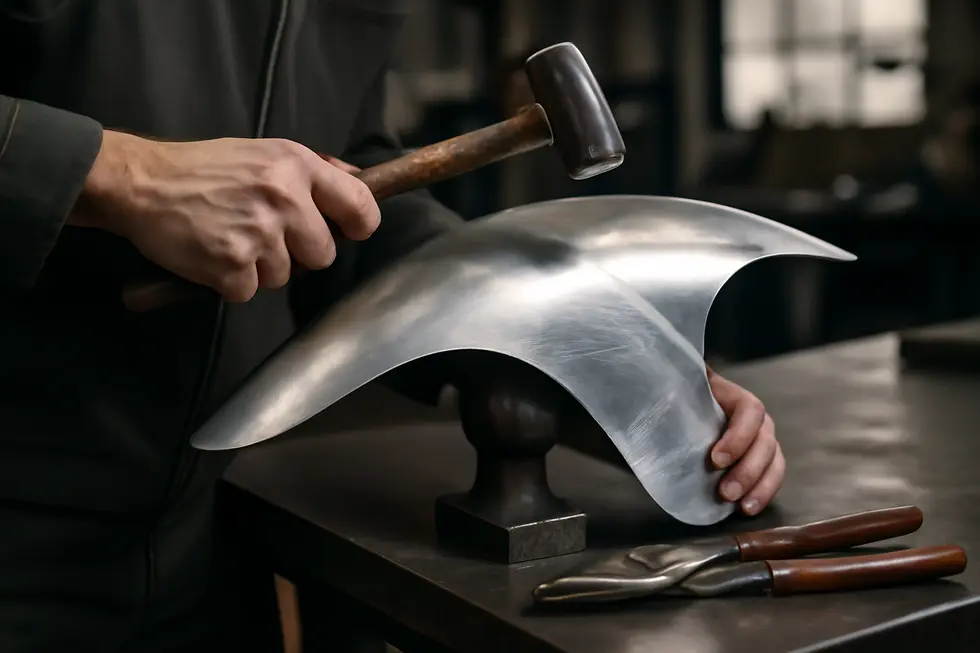
1. Innovative Manufacturing Techniques and Aerodynamic Engineering in Aluminium Fairings
The design and construction of aluminium motorcycle fairings integrate advanced manufacturing methods with aerodynamic and structural engineering to produce durable, high-performance components. Aluminium’s lightweight and corrosion-resistant nature serves as the foundation, enabling precise shaping that reduces drag and enhances rider stability at speed. CNC machining delivers exceptional accuracy and surface quality, allowing for tight tolerances and consistent replication of complex shapes, including integrated mounting brackets and air channels. Complementing this, sand casting with 3D-printed molds facilitates unique, custom designs offering artistic expression alongside functional benefits. Surface treatments such as anodizing and powder coating extend durability while offering varied visual finishes that appeal to diverse stylistic preferences, from classic café racer aesthetics to modern minimalist looks. By balancing these technological aspects, aluminium fairings achieve a refined fusion of strength, performance, and bespoke style. For deeper insights into custom sand casting processes, explore the Royal Enfield Continental GT café racer project.
2. Balancing Cost and Performance: Economic Insights in Aluminium Motorcycle Fairing Construction
Designing and constructing aluminium motorcycle fairings demands a nuanced balance between cost-efficiency and high-performance standards. Aluminium’s material cost sits between budget plastics and premium composites like carbon fiber, offering notable durability and structural integrity without exorbitant expense. Manufacturing processes such as CNC machining and stamping elevate initial production costs compared to injection-molded plastics, but the material’s heat resistance and longevity often offset those expenses over time. Additionally, aluminium fairings provide a favorable strength-to-weight ratio, enhancing motorcycle handling and fuel efficiency more cost-effectively than titanium or carbon fiber alternatives. The economic value also extends to customization and fitment precision, which can reduce installation time and subsequent adjustments, further justifying upfront investment. Market demand for aluminium parts in popular models promotes economies of scale, gradually improving affordability. For riders prioritizing both style and resilience without premium composite pricing, aluminium fairings represent a pragmatic middle ground. To explore more about the range and options in quality motorcycle fairings, visit discover affordable motorcycle fairings at Summit Fairings. Detailed pricing insights and examples can be found at the Omega Racer aluminium café racer fairings page: https://www.omegaracer.com/parts_store/royal-enfield-aluminium-fairing-thruxton/
3. Global Trade Dynamics Shaping Aluminium Motorcycle Fairing Design and Production
The design and construction of aluminium motorcycle fairings are increasingly influenced by global trade dynamics, with international tariffs and trade policies playing a decisive role. Recent expansions of tariffs on aluminum, notably by major economies such as the U.S., directly increase production costs for manufacturers sourcing imported aluminum. These tariffs, extended to include motorcycles and related components, introduce regulatory complexity that affects both materials procurement and final product pricing. Retaliatory measures from trading partners also disrupt supply chains, forcing manufacturers to reassess sourcing strategies and explore alternative suppliers in markets less affected by tariffs. Such geopolitical tensions create challenges in maintaining cost-efficient, high-quality fairing design, sometimes prompting innovation toward using alternative materials or modifying designs to offset raw material expenses. These trade-driven factors not only impact the cost structure but also influence how manufacturers plan and execute the fabrication process, demanding adaptive strategies to balance durability, aesthetics, and economic feasibility. For a detailed perspective on recent tariff effects, see this analysis of trade impacts between Canada and the U.S.: https://blog.intoglo.com/canada-retaliates-us-tariffs-trade-impact/.
4. Cultural Expression and Craftsmanship: Societal Dimensions of Aluminium Motorcycle Fairings
Aluminium motorcycle fairings transcend simple functional components by embodying powerful societal influences. They act as personal canvases where riders express identity through custom finishes and styles, uniting diverse communities around café racer and retro aesthetics. Beyond personal expression, their production sustains local economies by engaging skilled artisans proficient in aluminium sheet metalwork, blending traditional craftsmanship with modern manufacturing demands. Technological innovation further enriches their societal role; aluminum’s superior thermal and structural properties enable advancements such as aerodynamic designs that enhance stability and integrated components facilitating battery cooling in electric motorcycles. These innovations not only improve performance and safety but also reflect society’s broader embrace of sustainability and engineering progress. Thus, aluminium fairings shape motorcycle culture by marrying style, craft, and cutting-edge technology, turning motorcycles into symbols of identity and innovation. For more insights into premium styling and innovation, explore our comprehensive motorcycle fairings blog. External details can be found at the Omega Racer Aluminium Café Racer Fairings.
Chapter 2: Installation and Compatibility of Aluminium Motorcycle Fairing

1. Precision and Engineering: Navigating Installation Challenges of Aluminium Motorcycle Fairings
Installing an aluminium motorcycle fairing demands a nuanced understanding of material properties and mechanical integration to maintain both aesthetic appeal and functional performance. The lightweight nature of anodised aluminium enhances handling without sacrificing strength, yet requires meticulous alignment with original mounting points or carefully fabricated brackets to ensure stability. Compatibility hinges on precise hole placements and clearance to avoid interference with key components like suspension or swingarm, often prompting custom metalwork such as bending tubing or shaping supports. Aerodynamics also play a vital role—correct positioning channels airflow effectively to enhance rider comfort and bike stability at speed. Securing the fairing relies on corrosion-resistant, precision-machined aluminium fasteners with protective washers to prevent surface damage during installation. Though many kits aim for direct bolt-on simplicity, adaptability through minor modifications and skilled fabrication remains essential for a seamless, durable fit. This blend of craftsmanship and engineering achieves an integration that elevates both the motorcycle’s performance and its distinctive café racer style. For further insights into hardware and mounting solutions, explore additional resources on affordable motorcycle fairings. For detailed options and installation specifics, see this example of premium aluminium fairings here.
2. Weighing Costs and Benefits: Economic Insights on Aluminium Motorcycle Fairing Installation
Installing aluminium motorcycle fairings entails a careful balance between upfront expenses and long-term value. These fairings typically carry higher material and fabrication costs due to the price of raw aluminium and the precision machining required. Compared to plastic or fiberglass alternatives, aluminium kits often come with CNC-machined mounting hardware and stainless steel fixtures, increasing initial investment. Installation demands precise fitting, sometimes requiring expert labor for custom adjustments, which adds to the cost. However, the enhanced durability and weather resistance of aluminium reduce maintenance frequency and replacement needs, potentially lowering lifetime expenditures. While aluminium fairings tend to be heavier than carbon fiber, their robustness offers riders a resilient upgrade that can improve a motorcycle’s resale value. Innovative manufacturing methods, such as bonding aluminium inserts with adhesives, promise eventual cost reduction but remain limited in this niche. Balancing these economic factors is crucial for enthusiasts seeking both style and function. For riders interested in detailed options and costs, resources like those available on Summit Fairings’ blog offer valuable insights. Additional information on mounting kits and pricing can be found via external vendors specializing in CNC components.
3. How Geopolitical Dynamics Shape Installation and Compatibility of Aluminium Motorcycle Fairings
Geopolitical dynamics play a crucial role in shaping the installation and compatibility of aluminium motorcycle fairings. Global trade tensions and supply chain vulnerabilities often disrupt access to high-quality aluminium and related components. Such interruptions may lead to delays and increased costs, influencing manufacturers’ ability to maintain consistent standards and precise fitments. Tariffs and import restrictions further complicate sourcing strategies, pushing suppliers to alter production locations or material choices, which can affect the uniformity of fairing dimensions across different motorcycle models. Regional localization efforts, driven by political and economic policies, introduce variations in manufacturing standards, sometimes complicating compatibility during installation. Moreover, fluctuations in aluminium prices, triggered by geopolitical events and energy costs, pressure manufacturers to balance quality against affordability, occasionally impacting design intricacies and material strength. Natural disasters and pandemics add another layer of unpredictability to sourcing and delivery timelines, indirectly influencing installation readiness. Riders and custom builders must remain aware of these broader geopolitical influences, as they affect the availability and adaptation of premium aluminium fairings. For deeper understanding of these supply chain effects, refer to comprehensive analyses by Global Market Insights.
Explore more about challenges and choices in motorcycle fairings at Summit Fairings blog.
4. Balancing User Expectations and Societal Standards in Aluminium Motorcycle Fairing Fitment
The installation and compatibility of aluminium motorcycle fairings intertwine closely with user satisfaction and broader societal standards. Enthusiasts value aluminium fairings for their durability, lightweight nature, and the enhanced aerodynamics they bring, offering improved wind deflection that reduces rider fatigue. Yet, precise compatibility with specific motorcycle models remains paramount. Riders rely heavily on manufacturer guidelines and fitment kits designed to simplify installation and minimize modification, ensuring structural integrity and safety. On a societal level, the rising demand for customizable and functional parts reflects a culture that prioritizes both performance and individual expression. Moreover, aluminium’s recyclability aligns with growing environmental concerns, encouraging adoption among eco-conscious riders. Regulatory frameworks mandating safety and compatibility further influence acceptance, underscoring the necessity for certified fitment solutions. Riders are advised to consult compatibility charts and professional advice to maximize both aesthetic appeal and functional benefits. This harmony between user needs and societal expectations cements aluminium fairings as a standard-bearer in premium aftermarket motorcycle upgrades. For detailed compatibility resources, visit the Omega Racer aluminium café racer fairings. For more on quality options, explore Summit Fairings’ premium range.
Chapter 3: Customization and Finish Options for Aluminium Motorcycle Fairing
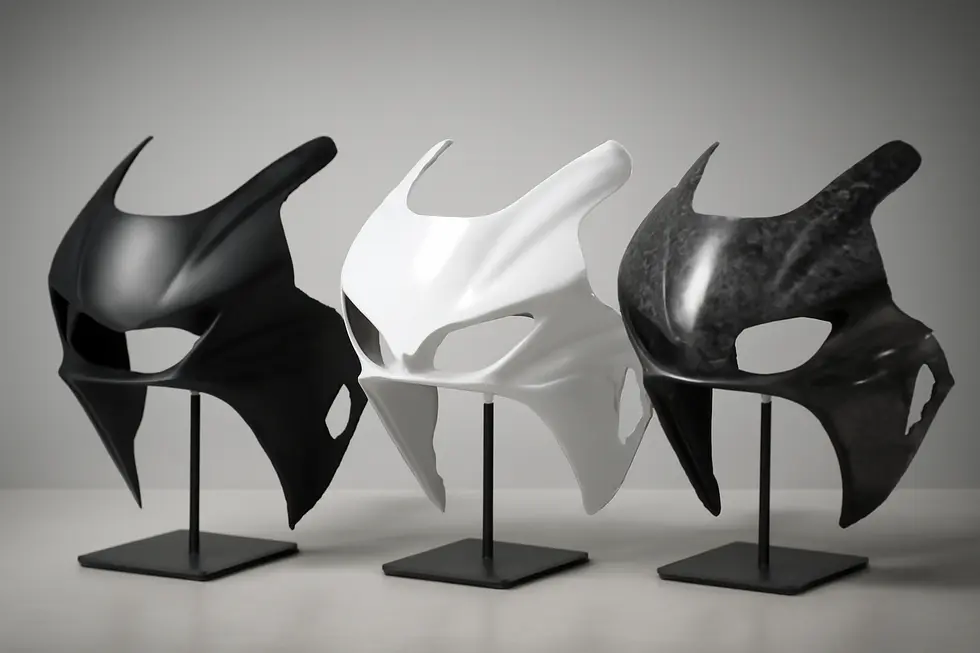
1. Balancing Performance and Style: Material Choices and Construction Techniques in Aluminium Motorcycle Fairings
Selecting the right aluminium alloy and construction method is essential for customizing a motorcycle fairing that achieves both durability and aesthetic appeal. Common alloys like 6061 and 7005 offer an excellent strength-to-weight ratio with corrosion resistance, making them ideal for fairings that demand rigidity without excessive weight. Techniques such as CNC machining or laser-cutting ensure precise shaping and tight tolerances, which are critical for snug fits on specific motorcycle models. Surface treatments—powder coating, anodizing, or custom paint finishes—extend protection while enabling a broad spectrum of colors and textures, from matte and gloss to metallic effects or forged carbon patterns. These finishes influence not only appearance but also maintenance and rider visibility, requiring careful consideration. Additionally, mounting hardware crafted from billet aluminium complements the lightweight nature of these panels, ensuring secure yet sleek attachment. This thoughtful integration of material properties and construction processes underpins a bespoke fairing that harmonizes form and function, tailored to rider preferences and performance demands. For more details on premium customization options, explore Summit Fairings’ comprehensive insights. Learn more about versatile aluminium fairings at https://www.omegaracer.com/parts_store/royal-enfield-aluminium-fairing-thruxton/
2. Exploring Paint and Coating Finishes to Elevate Aluminium Motorcycle Fairings
Aluminium motorcycle fairings present a versatile canvas for customization through diverse paint and coating finishes that balance aesthetics with durability. Riders can opt for glossy finishes like vibrant emerald greens or deep blues, enriching color depth while offering a reflective, race-inspired look. In contrast, matte finishes provide a sleek, modern non-reflective surface favored for a more subtle, tactical appeal. Beyond these, carbon fiber style coatings mimic the textured, high-performance look of carbon fiber without added weight or cost, enhancing the fairing’s motorsport character. Special effect paints, including metallic sheens and artistic patterns such as forged carbon with floral details, afford personal expression with unique flair. To preserve these finishes, high-durability clear coats—often two-component catalyzed sprays—are applied, ensuring resistance to wear and environmental stressors while maintaining gloss or matte qualities. Additionally, corrosion-resistant epoxy-polyester paints tailored for aluminium add longevity and protection. This broad palette of finishes allows riders to tailor their fairings precisely, from factory-inspired elegance to bold, individual statements. For more ideas on creative finishing techniques, explore these customisation insights.
3. Precision Fitment and Adaptive Functionality in Aluminium Fairing Customization
Aluminium motorcycle fairings excel not only through material quality but also through meticulous fitment and functional customization. These fairings are often handcrafted or CNC-machined to match specific motorcycle models, ensuring exact headlight cutouts and mounting points that integrate flawlessly with the bike’s frame. Adjustable mounting systems allow riders to fine-tune windshield height and angle, optimizing airflow to reduce turbulence and improve comfort at varying speeds and rider postures. The use of durable, lightweight 2mm aluminium sheets supported by stainless steel frames enhances structural integrity while maintaining an aesthetic balance. Separating the windshield from the main fairing body further refines airflow dynamics, allowing the rider to look Aby dowiedzieć się więcej o dopasowaniu i subtelnościach montażu, eksploruj kompleksowe zasoby na the shield, diminishing buffeting and enhancing visibility. Surface finishes—from polished and anodized to powder-coated or painted—offer additional customization, improving corrosion resistance and visual style. All necessary hardware and tinted plexiglass windscreens are crafted for a clean, integrated appearance. Together, these fitment and functional adjustments maximize both the performance and personalized style of aluminium motorcycle fairings, aligning perfectly with the demands of custom and café racer motorcycles.
Explore detailed customization possibilities through unveiling elite motorcycle fairings and see examples such as the adjustable windshield systems that define this craftsmanship.
4. Balancing Durability and Performance: Protective Features and Aerodynamic Refinement in Aluminium Motorcycle Fairings
Aluminium motorcycle fairings expertly blend durability with aerodynamic efficiency, making them a favored choice among customization enthusiasts. Crafted from lightweight, corrosion-resistant aluminium, these fairings offer superior protection compared to traditional materials, reducing weight while enhancing structural strength. Anodized finishes not only provide resistance against environmental wear but also allow riders to personalize their bike’s look through a spectrum of colors and textures. Beyond aesthetics, aerodynamic design elements such as integrated winglets, vents, and sculpted contours significantly reduce drag and improve high-speed stability by generating subtle downforce. These refinements aid in better handling, braking, and rider control, minimizing the need for electronic assists. Customization extends to practical quick-release fittings that streamline maintenance and adaptability for different riding conditions. Additionally, aluminium mudguards and fenders shield vital components from debris and water, merging classic styling with vital functionality. This careful orchestration of protective enhancements and aerodynamic innovation elevates aluminium fairings from mere cosmetic upgrades to essential performance assets, perfectly suited for riders demanding resilience and refined riding dynamics. For more insights on aluminum fairing kits and customizable options, visit the Pro-Bolt Aluminum Fairing Kit for Yamaha YZF1000 R1 and explore a broad range of choices at Summit Fairings’ blog.
Chapter 4: Durability and Performance Comparison of Aluminium Motorcycle Fairing

1. Advancements in Aluminium Fairing Technologies Boosting Strength and Aerodynamics
Technological progress in aluminium motorcycle fairings centers on improving strength, weight, and aerodynamic efficiency. Forged aluminium combined with internal ribbing significantly enhances the fairing’s structural integrity. This innovation increases impact resistance and vibration damping without compromising weight, which is critical for motorcycle handling and acceleration. Surface treatments such as scratch-resistant coatings and UV protection extend the fairing’s lifespan and maintain its visual appeal. Choices between matte and gloss finishes affect both maintenance and rider visibility, requiring tailored care approaches. Aerodynamic design refinements, including frame-mounted fairings, reduce drag and enhance stability, directly benefiting rider comfort and control at speed. While aluminium is heavier than composites, its cost-effectiveness and mechanical robustness make it a favored option for many riders seeking durability alongside performance. These innovations collectively elevate aluminium fairings as premium, practical solutions for both custom builds and high-performance motorcycles. For further insights on aerodynamic impacts, see this detailed overview on frame-mounted fairings and performance here. Moreover, explore unmatched choices and customization aspects of motorcycle fairings at Summit Fairings blog.
2. Economic Advantages of Aluminium Fairings: Durability Meets Performance
Aluminium motorcycle fairings offer significant economic benefits driven by their durability and lightweight performance. Precision-engineered with corrosion-resistant anodized finishes, these fairings reduce the need for frequent replacements and repairs, extending the lifespan of a motorcycle’s bodywork. Being up to 60% lighter than steel alternatives, aluminium fairings improve fuel efficiency and enhance handling stability, which indirectly lowers operating costs. Their superior strength-to-weight ratio enables riders to enjoy better performance without compromising structural integrity, while resistance to corrosion protects them in harsh environments. Although initial investments in aluminium fairings may exceed costs for plastic or steel versions, the long-term savings in maintenance and fuel consumption justify this expense. Moreover, the aesthetic longevity of anodized aluminium can increase a motorcycle’s resale value, combining financial prudence with style. For riders seeking premium aftermarket solutions, understanding these economic implications reveals aluminium fairings as a cost-effective upgrade with lasting impact. Discover more about premium options and choices in motorcycle fairings here.
3. How Global Politics Shape Aluminium Quality and Motorcycle Fairing Performance
Geopolitical dynamics significantly influence the durability and performance of aluminium motorcycle fairings by shaping the supply chain and material quality. Trade tariffs imposed for national security or industrial protection, such as those targeting steel and aluminium imports, elevate costs for manufacturers and may lead to sourcing changes that affect material consistency. Retaliatory responses and shifting trade relations, particularly between major aluminium producers and importers, create supply uncertainties that can impact production timelines and fairing quality. Furthermore, political objectives linked to immigration or security policies can unpredictably disrupt raw material availability, compelling manufacturers to adapt and sometimes compromise on material standards. Regional stability and natural events also play roles in supply chain resilience, indirectly affecting the longevity and performance of aluminium components. As a result, the manufacturing and final characteristics of aluminium motorcycle fairings reflect a complex interplay of global political decisions beyond mere technical considerations. For a detailed perspective on the impact of trade policies on aluminium supply and manufacturing, see the analysis of U.S.-Canada tariffs and Section 232 measures here. This interplay highlights why riders seeking premium fairings should consider geopolitical influences alongside design and construction factors. For more insight on selecting quality motorcycle fairings, explore Summit Fairings’ ultimate guide.
4. Enhancing Rider Safety and Sustainability through Aluminium Fairing Innovations
Aluminium motorcycle fairings stand out for their exceptional blend of durability and lightweight performance, directly impacting rider safety and environmental sustainability. Their corrosion-resistant