
















Introduction
Cutting motorcycle fairings is a crucial skill for business owners in the custom bike, repair, or modification markets. Properly executed, it can enhance a motorcycle’s aesthetics and performance while adding value to your services. Successful cutting requires understanding the materials involved, utilizing the correct tools, and following precise procedures to maintain the integrity and style of the fairings. Each chapter in this guide dives into an essential aspect of the process: from assembling specialized tools and preparing workspaces, to tailored cutting techniques based on specific materials, step-by-step cutting methodology, adhering to vital safety standards, and finishing methods that guarantee a professional, durable result. This comprehensive approach equips business owners to offer expert-level fairing modifications that reflect quality craftsmanship and attention to detail.
Tables of Contents
Chapter 1: Essential Tools and Materials for How to Cut Motorcycle Fairings
- Mastering Cutting Techniques and Tools for Motorcycle Fairing Modifications
- Critical Protective Gear and Safety Practices for Cutting Motorcycle Fairings
- Mastering Precision: The Crucial Role of Templates and Guides in Cutting Motorcycle Fairings
- Mastering Sanding and Finishing Techniques to Perfect Motorcycle Fairing Cuts
- Choosing the Right Cutting Tools for Plastic, Carbon Fiber, and Metal Fairings
Chapter 2: Preparation Techniques for How to Cut Motorcycle Fairings Safely
- Mastering Support and Stability: Foundations for Safe and Precise Motorcycle Fairing Cuts
- Mastering Precision Marking and Layout for Safe and Accurate Motorcycle Fairing Cuts
- Mastering Tool Choice and Cutting Techniques for Precise Motorcycle Fairing Modifications
- Critical Safety Practices and Environmental Precautions Before Cutting Motorcycle Fairings
- Mastering Post-Cut Edge Refinement to Boost Fairing Longevity and Visual Appeal
Chapter 3: Material-Specific Cutting Methods in How to Cut Motorcycle Fairings
- Precision Cutting of Carbon Fiber Fairings: Essential Tools, Safety, and Techniques
- Mastering ABS Plastic Cutting: Precision Techniques and Heat Control for Motorcycle Fairings
- Precision Cutting Acrylic Fairings: Mastering CNC Milling and Laser Techniques While Avoiding Heat Damage
- Precision Laser Cutting Techniques for Metal Motorcycle Fairings: Mastering Technology and Parameters
- Mastering Cutting Techniques: Tailoring Methods to ABS, Fiberglass, and Carbon Fiber Fairings
Chapter 4: Step-by-Step Process on How to Cut Motorcycle Fairings with Precision
- Mastering Material-Specific Tools and Techniques for Precise Motorcycle Fairing Cuts
- Preparing Motorcycle Fairings and Workspace for Clean, Safe, and Accurate Cuts
- Mastering Precision Cuts: Tools, Techniques, and Safety for Perfect Motorcycle Fairing Modifications
- Achieving Flawless Edges and Perfect Fit: Finishing Techniques for Precision Motorcycle Fairing Cuts
- Mastering Safe Techniques and Troubleshooting for Precise Motorcycle Fairing Cuts
Chapter 5: Essential Safety Protocols and Protective Measures for Cutting Motorcycle Fairings
- Mastering Tool Selection and Usage for Safe, Precise Motorcycle Fairing Cuts
- Essential Personal Protective Equipment and Safety Practices for Cutting Motorcycle Fairings
- Effective Dust Control and Ventilation Techniques to Enhance Safety When Cutting Motorcycle Fairings
- Mastering Material Handling and Manufacturer Guidance for Safe Motorcycle Fairing Cuts
- Mastering Workshop Safety and Protective Practices for Precise and Secure Motorcycle Fairing Cuts
Chapter 6: Post-Cutting Finishing and Maintenance for Motorcycle Fairings: Achieving Smooth, Durable Edges
- Mastering Edge Smoothing and Polishing for Pristine Motorcycle Fairing Finishes
- Mastering Edge Profiling: Sandpaper, Routers, and Files for Smooth Motorcycle Fairing Finishes
- Refining Edges and Enhancing Gloss: Polishing Techniques for Motorcycle Fairings
- Enhancing Longevity and Appearance: Protective Coatings After Cutting Motorcycle Fairings
- Maintaining a Clean Workspace and Managing Debris for Flawless Motorcycle Fairing Finishes
Chapter 1: Essential Tools and Materials for How to Cut Motorcycle Fairings

1. Mastering Cutting Techniques and Tools for Motorcycle Fairing Modifications
Cutting motorcycle fairings demands careful selection of tools and techniques tailored to the material’s properties. Sharp cutting blades and rotary tools provide precise trimming, especially when combined with a heat gun to soften plastics like ABS, enhancing flexibility and reducing the risk of cracks. Precision trimming instruments enable clean, detailed cuts along curves and contours, while fine sanding or sanding tools smooth edges to prevent roughness or damage. When working with metal cowls within fairings, specialized shaping tools such as nylon hammers, shrinkers, stretchers, and English wheels help achieve custom contours before finishing. Employing these methods maintains fairing integrity and ensures professional results. For a comprehensive walkthrough of tools and techniques involved in cutting and finishing motorcycle fairings, refer to this detailed video guide on tools for motorcycle fairings. Meanwhile, explore more about motorcycle fairings at Summit Fairings to choose ideal materials for your project: Explore the Best Motorcycle Fairings at Summit Fairings.
2. Critical Protective Gear and Safety Practices for Cutting Motorcycle Fairings
Protective gear and safety are paramount when cutting motorcycle fairings to prevent injuries and ensure a secure workspace. Always wear safety glasses or goggles to shield your eyes from flying debris and dust. Cut-resistant gloves certified to standards like EN 388 minimize risks from sharp edges or accidental slips. Durable clothing with long sleeves further protects exposed skin from hot particles or scratches. Inhaling fine dust from plastics or fiberglass can be harmful, so using a dust mask or respirator is essential, ideally while working in a well-ventilated area to reduce airborne hazards. Securely clamping the fairing and choosing proper cutting tools lowers accident risk. Additionally, safety extends to protecting the motorcycle using abrasion-resistant sliders and kits during modifications. Maintaining a clean work environment, following power tool instructions and keeping a first aid kit nearby complete a safe cutting setup. For more comprehensive protective gear advice, explore this guide on protection kits. For further insights on motorcycle fairings essentials, visit the Summit Fairings blog.
3. Mastering Precision: The Crucial Role of Templates and Guides in Cutting Motorcycle Fairings
Templates and guides are indispensable when cutting motorcycle fairings, as they provide precise outlines for accurate and consistent modifications. Whether created from paper, cardboard, or digital CAD designs, templates help transfer complex curves and cut lines onto the fairing material, minimizing costly mistakes and material waste. They not only mark critical points required for shaping but also ensure that cuts follow the intended path, essential for maintaining the fairing’s fit and aesthetics. Using digital tools allows for even greater precision, enabling adjustments and the creation of detailed cutting guides compatible with CNC machines or power tools. This approach streamlines the cutting process, enhances repeatability, and supports professional-level results in motorcycle customization. For practical insights into template use in shaping, see detailed guides like the Honda CB750 café racer cowl process or digital tutorials on software such as Shapr3D. Discover more about motorcycle fairings and customization techniques at Explore the Best Motorcycle Fairings at Summit Fairings.
4. Mastering Sanding and Finishing Techniques to Perfect Motorcycle Fairing Cuts
Achieving a professional finish after cutting motorcycle fairings hinges on using the right sanding and polishing tools strategically. Sandpaper of varying grits—from coarse to fine—is essential for smoothing rough edges on plastics and fiberglass, ensuring no chips or cracks remain. To maintain an even surface and avoid unintended dips, sanding blocks or pads provide stable backing for consistent pressure distribution. Once sanding eliminates imperfections, polishing machines paired with appropriate pads elevate the surface to a glossy sheen, restoring smoothness and preparing it for paint or vinyl wrap. For metal components related to custom builds, specialized hand tools like nylon hammers, dollies, and English wheels aid shaping before final sanding. This precise workflow—cutting, progressively sanding, then polishing—reflects standard automotive finishing adapted for motorcycle fairings. For in-depth guidance on finishing techniques, exploring resources on automotive finishing systems proves invaluable.
5. Choosing the Right Cutting Tools for Plastic, Carbon Fiber, and Metal Fairings
Cutting motorcycle fairings requires using tools specifically suited to each material to achieve clean results and prevent damage. Plastic fairings, often made from ABS or polycarbonate, respond well to fine-tooth saws and rotary tools with appropriate bits that reduce cracking and chipping. For carbon fiber, specialized equipment such as diamond-coated or carbide-tipped blades is necessary to cut cleanly without splintering, while safety gear like dust masks, gloves, and eye protection protects against hazardous fibers and dust. Metal parts demand durable metal-cutting blades or CNC machinery to create precise cuts in tougher materials like aluminum or steel. Using the right tool for each material not only preserves the integrity of the fairing but also ensures safety and efficiency during modification. To learn more about selecting suitable materials and fairings, visit Explore the Best Motorcycle Fairings at Summit Fairings.
Chapter 2: Preparation Techniques for How to Cut Motorcycle Fairings Safely

1. Mastering Support and Stability: Foundations for Safe and Precise Motorcycle Fairing Cuts
Proper support and stabilization are vital when preparing to cut motorcycle fairings to avoid damage like cracks or chips. Using a stable motorcycle stand or center stand ensures the bike remains steady, reducing vibrations that can disrupt precise cutting. Whenever possible, remove the fairings from the motorcycle to work on a flat, secure surface, minimizing risks to both the bike and the panels. Position the fairing on a padded workbench or secure it gently with clamps featuring soft jaws; this holds the material firmly without causing scratches or stress. Clearly mark cut lines with a fine-tip marker or tape to guide accurate trimming. Cutting should be done slowly and steadily with the appropriate tools for the material, letting the tool work naturally to prevent undue pressure. These deliberate preparation steps set the stage for clean modifications, preserving fairing integrity and ensuring a professional finish. For additional guidance, check out this ultimate source for affordable motorcycle fairings.
2. Mastering Precision Marking and Layout for Safe and Accurate Motorcycle Fairing Cuts
Achieving clean, precise cuts on motorcycle fairings starts with meticulous preparation focused on precision marking and layout. Begin by thoroughly cleaning the fairing, removing all dirt and oils to ensure markings adhere well. Using accurate measuring tools such as rulers or calipers, carefully measure and mark cut lines with a fine-tip permanent marker or apply masking tape as a guiding edge. Always double-check measurements to eliminate errors before cutting. Secure the fairing firmly on a stable surface with clamps to prevent flexing, which can cause cracks or uneven cuts. Employ slow, steady cutting motions along marked lines using a suitable fine-toothed saw or rotary tool. After cutting, smooth edges with fine-grit sandpaper or files to avoid sharpness and enhance the finish. Throughout this process, wear protective gear and work in a well-ventilated area to minimize dust inhalation and debris hazards. This precise and methodical approach maintains fairing integrity and delivers professional-quality modifications. For further insights on motorcycle fairings, explore detailed guides available at Summit Fairings’ blog.
3. Mastering Tool Choice and Cutting Techniques for Precise Motorcycle Fairing Modifications
Selecting the right tools and preparing motorcycle fairings carefully are crucial for clean, safe cuts. Start by thoroughly cleaning the fairing to remove grease and debris, ensuring accurate markings and smooth cuts. Use fine-tip markers and masking tape to outline precise cut lines and protect edges from chipping. For plastic fairings, a rotary tool fitted with cutting wheels or a fine-tooth saw offers control, while applying gentle heat with a heat gun softens stubborn areas to reduce cracking risks. During cutting, steady, slow motions help maintain the fairing’s structural integrity. Stabilize panels with clamps or supports to prevent vibrations and accidental damage. After cutting, smooth all edges with sandpaper or files to eliminate sharpness. Always work in a well-ventilated space and wear gloves, eye protection, and a dust mask to guard against debris and fumes. These advanced techniques ensure professional-quality modifications with optimal safety. For deeper insights into fairing options and care, explore the comprehensive resources on motorcycle fairings.
4. Critical Safety Practices and Environmental Precautions Before Cutting Motorcycle Fairings
Ensuring safety during motorcycle fairing modifications is vital and begins long before the first cut. Selecting appropriate cutting tools tailored to materials like carbon fiber or fiberglass helps prevent damage and reduces hazardous splintering. Equally important is wearing protective gear—gloves, eye protection, and dust masks shield against sharp edges, flying debris, and harmful dust particles produced especially during carbon fiber cutting. Working in a well-ventilated, clutter-free space minimizes inhalation risks and facilitates debris management. Securely clamping the fairing stabilizes it, enhancing precision and safety during cutting. Additionally, postoperative cleanup is crucial to remove fine dust and debris that can contaminate the workplace or cause irritation. Opting for aftermarket fairings designed to minimize cutting can further reduce safety risks. These comprehensive safety and environmental precautions ensure both personal protection and the preservation of your fairing’s integrity throughout the modification process. For more insights on fairings and safety, visit Explore Summit Fairings, your go-to destination for motorcycle fairings.
5. Mastering Post-Cut Edge Refinement to Boost Fairing Longevity and Visual Appeal
Achieving a clean, durable finish on motorcycle fairings involves meticulous post-cut edge smoothing. After cutting, using a file or fine-grit sandpaper to carefully remove sharp edges prevents chipping and cracking that can weaken the material. This gradual blending preserves the aerodynamic lines and enhances the visual flow of the fairing’s shape.
Thorough cleaning follows sanding to eliminate dust and debris, which readies the surface for any additional finishing steps such as painting or coatings. Applying protective layers like ceramic coatings can further increase resistance to abrasion and dirt, though this requires careful surface preparation to ensure proper adhesion and long-term effectiveness.
By integrating these techniques, you not only protect the fairings structurally but also maintain a polished, professional look that endures. For deeper insights into selecting tools and finishing methods tailored to fairing modifications, refer to detailed guides available at Explore the Best Motorcycle Fairings at Summit Fairings.
Chapter 3: Material-Specific Cutting Methods in How to Cut Motorcycle Fairings
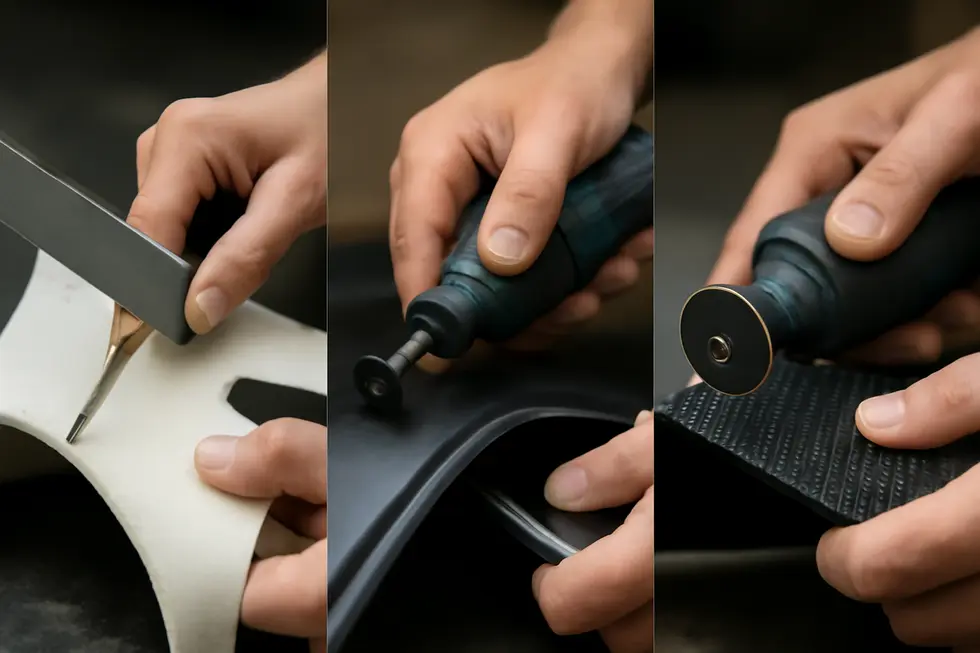
1. Precision Cutting of Carbon Fiber Fairings: Essential Tools, Safety, and Techniques
Cutting carbon fiber motorcycle fairings demands specialized tools and cautious techniques to preserve material integrity and user safety. Diamond-coated or carbide-tipped saw blades and drill bits are essential to achieve clean, chip-free cuts. For intricate or small modifications, high-speed rotary tools fitted with appropriate bits offer precision control. Larger cuts benefit from fine-tooth composite saws designed to minimize splintering. Equally important is wearing full protective gear—dust masks, gloves, and eye protection—since carbon fiber dust can irritate skin and lungs. Additionally, many carbon fiber fairings feature UV-resistant coatings, so careful cutting helps maintain their finish and durability. Whenever feasible, avoid unnecessary modifications to preserve the perfect fit and appearance of these premium parts. This methodical approach ensures clean cuts without compromising the strength, look, or safety of your carbon fiber fairings. For deeper insights on safe carbon fiber fairing modifications, consult detailed premium carbon fiber parts guides.
2. Mastering ABS Plastic Cutting: Precision Techniques and Heat Control for Motorcycle Fairings
Cutting ABS plastic motorcycle fairings demands a careful balance of handling, heat management, and the right tools to maintain integrity. ABS is sturdy but can crack if the fairing vibrates during cutting, so securely clamping the material is essential. Its relatively low softening point means heat from cutting tools can cause melting, warping, or unsightly discoloration. To prevent this, use sharp, fine-toothed blades and proceed slowly and steadily, allowing cooling breaks when necessary. Hand tools like fine-toothed saws or utility knives suit thinner sections, while rotary tools and jigsaws with plastic-specific blades handle more complex cuts. Although laser cutting offers precision, it often creates smoke and discoloration, so it’s less advisable for ABS fairings without proper ventilation. Applying masking tape over cut lines reduces chipping, and lightly scoring the line guides accurate cuts. After cutting, smoothing edges with fine sandpaper ensures a clean, safe finish. These practices preserve the fairing’s durability and appearance, supporting effective customization. For additional insights on quality modifications, explore Summit Fairings’ blog.
Reference: WeProFab – Acrylonitrile Butadiene Styrene (ABS)
3. Precision Cutting Acrylic Fairings: Mastering CNC Milling and Laser Techniques While Avoiding Heat Damage
Cutting acrylic (PMMA) motorcycle fairings demands precise control to maintain clarity and structural integrity. CNC milling offers detailed shaping by removing material with rotating tools, ideal for complex contours. Preventing heat damage here requires sharp tooling, moderate feed rates, and cooling methods like air blasts to dissipate frictional heat. Alternatively, laser cutting provides fast, clean edges by vaporizing material along the cut line. Yet, excessive laser power or slow cutting speeds risk melting, yellowing, or cracking due to thermal stress. Optimizing laser parameters—lower power combined with faster movement—and using air assist helps minimize these effects. Selecting acrylics with UV stabilization and thermal additives further enhances resistance during cutting and ride conditions. Proper tool maintenance and matching laser wavelength to PMMA absorption improve efficiency while avoiding thermal damage. This careful balance ensures crisp, safe cuts and durable finishes essential for quality custom fairing modifications. For further insight into plastic machining technologies applicable here, consult specialized fabrication resources.
4. Precision Laser Cutting Techniques for Metal Motorcycle Fairings: Mastering Technology and Parameters
Cutting metal motorcycle fairings demands advanced laser technologies that balance precision, speed, and material integrity. Fiber lasers excel in slicing thin carbon steel with exceptional accuracy around ±0.05 mm, while CO₂ lasers offer slightly less precision but handle thicker metals efficiently. These lasers employ focused beams assisted by oxygen or nitrogen; oxygen accelerates cutting yet may oxidize edges on carbon steel, whereas nitrogen shields stainless steel and aluminum from discoloration, producing cleaner finishes. Ensuring machine stability and optimal optics quality is crucial to maintain reproducible, burr-free cuts without mechanical stress or thermal distortion. Applications include aluminum parts like tank lift kits, where integrating CNC machining and laser cutting guarantees tight tolerances and refined surface treatments. Unlike metal fairings, carbon fiber requires rotary tools due to its composite nature. This laser-driven approach surpasses plasma or flame methods by delivering superior edge quality and complex shaping capabilities, making it essential knowledge for precision metalwork in motorcycle fairing customization. For more insights on motorcycle fairings, explore Summit Fairings’ expert resources.
Reference: https://www.sciencedirect.com/topics/engineering/laser-cutting
5. Mastering Cutting Techniques: Tailoring Methods to ABS, Fiberglass, and Carbon Fiber Fairings
Cutting motorcycle fairings effectively depends on selecting methods suited to the specific material—ABS plastic, fiberglass, or carbon fiber. ABS plastic, known for its flexibility and durability, lends itself well to rotary tools with cutting wheels or fine-toothed saws. Scoring the surface before cutting enhances precision and reduces cracking risks. Fiberglass, being more brittle, requires diamond blades on angle grinders or jigsaws fitted with carbide-grit blades. Given the release of dangerous dust and fibers during cutting, protective gear is essential, and smoothing edges with sanding completes the process safely. Carbon fiber demands the highest care; diamond-coated blades or water jet cutting deliver clean, fray-free edges. Respiratory protection is mandatory to guard against hazardous dust. Understanding each material’s properties guides the choice of tools and safety measures, ensuring clean, structurally sound cuts for professional motorcycle fairing modifications. For more on tailored motorcycle fairings, explore affordable options at Summit Fairings.
Chapter 4: Step-by-Step Process on How to Cut Motorcycle Fairings with Precision

1. Mastering Material-Specific Tools and Techniques for Precise Motorcycle Fairing Cuts
Achieving clean, precise cuts on motorcycle fairings begins with selecting tools tailored to the fairing’s material. Carbon fiber panels require diamond-coated or carbide-tipped cutting tools, used carefully to prevent chipping and avoid hazardous dust exposure. High-speed rotary tools, like a Dremel with appropriate bits, enable detailed cuts, while fine-tooth saws handle larger sections effectively. Acrylic or plastic fairings respond best to CNC machining or fine blades designed to minimize cracking and ensure a smooth finish. Metal fairings demand laser cutting or CNC machining, delivering sharp, precise edges with minimal cleanup. Before cutting, thoroughly clean and securely clamp the fairing, then clearly mark cut lines for guidance. Steady, controlled cutting protects the material’s integrity. Post-cutting, smooth edges with sandpaper or rotary sanding bits to eliminate splinters and sharpness. This material-aware approach ensures professional results with reduced risk of damage or injury. For expert insights on cutting carbon fiber safely, see external recommendations from specialized sources. To explore more on fairings and modifications, visit Summit Fairings’ blog.
2. Preparing Motorcycle Fairings and Workspace for Clean, Safe, and Accurate Cuts
Preparing your motorcycle fairings and workspace is crucial for precise and safe cutting. Begin by carefully removing the fairings from your bike, following model-specific steps to avoid damaging clips or screws, as seen in detailed guides like those for the BMW S1000XR. This allows better control and prevents accidental harm to the motorcycle. Next, set up a clean, flat, and well-lit workspace to ensure clear visibility of your cut lines and steady handling. Thoroughly clean the fairing surfaces to remove dust or grease, ensuring your markings stand out and tools operate smoothly without slips. Accurately mark cut lines using fine-tip markers or painter’s tape, double-checking measurements before cutting. Secure the fairings firmly with clamps or a vice to minimize movement, enhancing precision and safety. Always wear protective gear—gloves, eye protection, and a mask—to shield against debris and dust. After cutting, smooth all edges with sandpaper or a fine file for a clean, professional finish that also prevents injury. For detailed model-specific removal instructions, consult resources such as the BMW S1000XR fairing removal guide. For more insights on maintenance and modifications, explore comprehensive advice on motorcycle fairings.
3. Mastering Precision Cuts: Tools, Techniques, and Safety for Perfect Motorcycle Fairing Modifications
Achieving clean, precise cuts in motorcycle fairings demands thorough preparation and the right tools. Begin by removing the fairings for better control and clearer access. Clean the surface, then mark exact cutting lines with a fine-tip marker or masking tape. Selecting proper tools is crucial: fine-tooth saws or rotary tools suit plastic and fiberglass, while carbon fiber requires diamond-coated or carbide-tipped rotary bits to avoid damage and reduce hazardous dust. Secure the fairing firmly to prevent movement and cut slowly along the lines to maintain accuracy. For curves, rotary tools with appropriate bits provide smooth shaping. After cutting, carefully sand the edges with fine-grit paper or rotary sanding attachments to eliminate sharpness and defects. This deliberate, methodical approach not only protects your safety but also preserves the fairing’s structural integrity and finish. For further guidance on appropriate tools for carbon fiber, consult specialized resources such as Turn1’s recommendations.
4. Achieving Flawless Edges and Perfect Fit: Finishing Techniques for Precision Motorcycle Fairing Cuts
Cutting motorcycle fairings with precision extends beyond the initial cut to include essential finishing and fitting steps. After securely marking and carefully cutting along your guidelines with the right tools—whether diamond-coated for carbon fiber or fine-tooth saws for fiberglass—focus on smoothing rough edges with fine-grit sandpaper to prevent cracking and sharpness. For me