















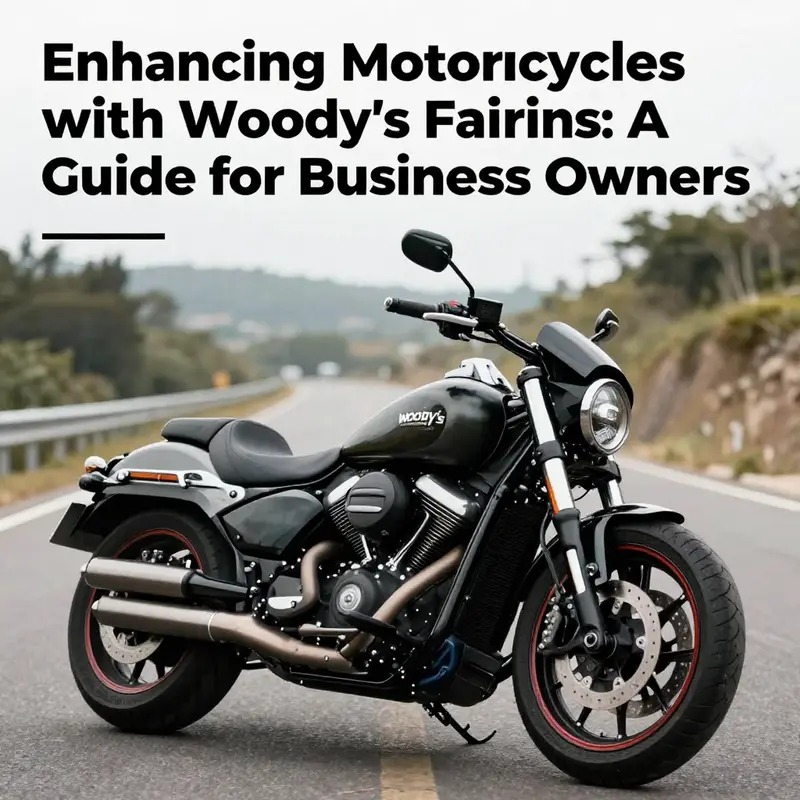
Capas de motocicleta servem como acessórios essenciais que não apenas amplificam o aspecto estético das motocicletas, mas também melhoram seu desempenho. Entre as muitas opções disponíveis, as capas de motocicleta Woody's se destacam, especialmente para entusiastas da Harley-Davidson. Essas soluções aftermarket proporcionam um visual personalizado que pode refletir a personalidade do piloto, ao mesmo tempo que melhora a aerodinâmica. Os capítulos seguintes exploram profundamente o aspecto estético personalizado das capas Woody, investigam os acessórios WindVest e seus benefícios, e oferecem orientações sobre onde e como comprar esses produtos de forma eficaz. Compreender esses elementos permitirá que os proprietários de negócios oferem soluções de alta qualidade, adaptadas às necessidades específicas dos clientes.
A Forma Artística: Como Capas Aftermarket Redefinem Presença e Desempenho em Motocicletas Modernas
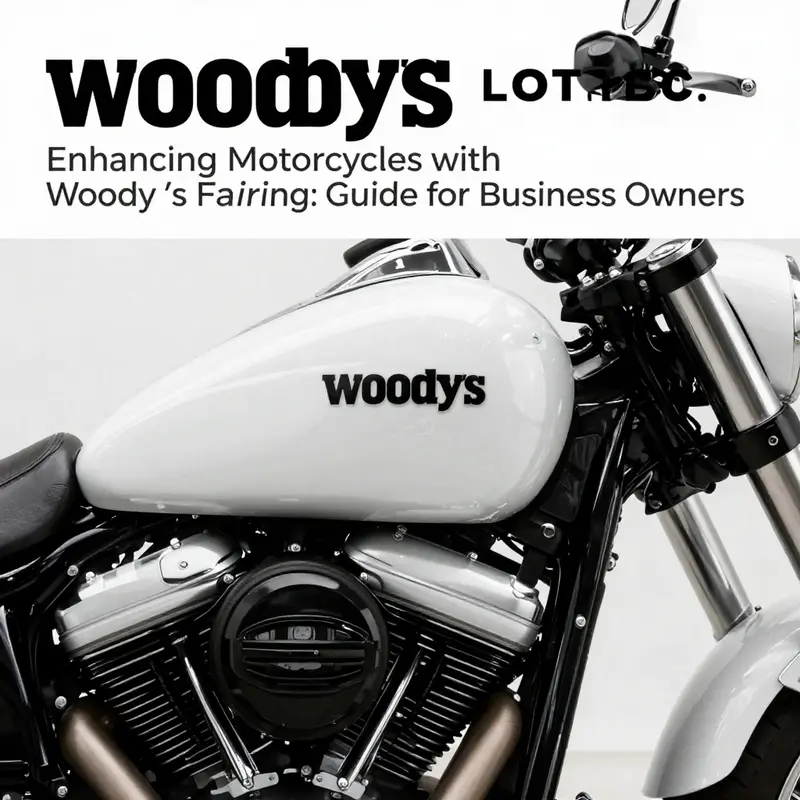 Uma motocicleta pode ser uma máquina, mas sua primeira impressão é visual. A forma de sua capa, como a luz brilha ao longo de uma curva suave, e a precisão silenciosa de uma costura sem falhas comunicam algo sobre o piloto antes que ele gire o acelerador. No mundo das capas aftermarket, o impacto não é apenas estético. É uma declaração deliberada sobre personalidade, intenção e disposição de alterar a relação da moto com a estrada. A noção de uma capa, quando escolhida com cuidado, torna-se um elo entre forma e função. Ela doma o vento de uma forma que preserva orgulho e conforto, ao mesmo tempo que entrega uma silhueta que se destaca em meio a uma multidão de metal e borracha. O retorno estético é imediato, mas o valor mais profundo reside em como uma capa bem feita complementa as linhas da motocicleta, equilibra sua massa e transmite a presença do piloto por horas longas na estrada e sob o brilho do pôr do sol em um show. É aqui que a arte por trás de uma única peça de carroceria revela-se: não como um ornamento, mas como uma extensão esculpida da própria motocicleta.
O que distingue uma capa aftermarket de alta qualidade não é apenas o acabamento, mas a forma como ela se integra à carroceria da motocicleta. Os melhores designs refletem a geometria original da motocicleta, traçando suas curvas com intenção, em vez de superá-las. O resultado é um aspecto que parece inevitável, como se a motocicleta sempre tivesse essa inclinação e linha. Um encaixe perfeito é mais do que uma promessa; é um teste de engenharia com dezenas de horas no ateliê. Os contornos devem alinhar-se aos pontos de montagem, o parabrisa deve estar na posição correta e cada fixador deve desaparecer na carroceria com a disciplina de um pintor. Quando o encaixe está certo, o olhar do piloto percorre a capa com facilidade, capturando a interação da luz na superfície e reconhecendo a artesania na precisão de cada aresta. A ausência de fendas, a uniformidade de um brilho e a regularidade da cor contribuem para a percepção de qualidade. Dessa forma, uma capa bem executada torna-se parte da memória da motocicleta - o momento em que um piloto recorda uma curva, um vento ou um horizonte e sente a motocicleta responder com fluidez, em vez de resistência.
A linguagem visual dessas capas frequentemente depende de um contraste entre influências clássicas e retro, e expressões contemporâneas ousadas. Um piloto pode escolher um design que faça referência a estéticas tradicionais de motocicletas - linhas suaves, contínuas, detalhes de cromo discretos e gráficos restritos que sussurram, em vez de gritar. Ou pode optar por uma declaração moderna e agressiva - ângulos mais nítidos, canais de ar esculpidos e gráficos que transmitem uma sensação de velocidade, mesmo em repouso. Em ambos os casos, a essência permanece a mesma: a capa molda o piloto de uma forma que comunica intenção. A escolha da tinta e dos gráficos importa tanto quanto a própria forma. Um branco limpo e brilhante pode se deliciar com reflexos, transformando a motocicleta em uma escultura móvel sob um céu claro. Um tom mais escuro pode enfatizar contornos musculosos e criar uma silhueta que transmite poder discreto. Em qualquer direção, o acabamento deve ser impecável, com uma profundidade que sugere que a superfície poderia deslizar no ar a velocidades de estrada e permanecer imaculada após milhas de exposição ao sol, chuva e textura da estrada.
O que distingue uma capa aftermarket de alta qualidade não é apenas o acabamento, mas a forma como ela se integra à carroceria da moto. Os melhores designs refletem a geometria original da moto, traçando suas curvas com intenção, em vez de dominá-las. O resultado é um aspecto que parece inevitável, como se a moto sempre tivesse essa inclinação e linha. O ajuste perfeito é mais do que uma promessa; é um teste de engenharia dezenas de horas no ateliê. Os contornos devem se alinhar aos pontos de montagem, o parabrisa deve estar na inclinação correta e cada fixador deve desaparecer na carroceria com a disciplina de um pintor. Quando o ajuste está certo, o olhar do piloto percorre a capa com facilidade, capturando a interação da luz na superfície e reconhecendo a artesania na precisão de cada aresta. A ausência de espaços, a uniformidade do brilho e a regularidade da cor contribuem para a percepção de qualidade. Dessa forma, uma capa bem executada torna-se parte da memória da moto - o momento em que um piloto recorda uma curva, um vento ou um horizonte e sente a moto responder com fluidez, em vez de resistência.
A linguagem visual dessas capas muitas vezes depende de um contraste entre influências clássicas e retro, e expressões contemporâneas e ousadas. Um piloto pode escolher um design que faça referência às estéticas tradicionais de motocicletas - linhas suaves, contínuas, detalhes de cromo discretos e gráficos restritos que sussurram, em vez de gritar. Ou pode optar por uma afirmação moderna e agressiva - ângulos mais nítidos, canais de ar esculpidos e gráficos que transmitem uma sensação de velocidade mesmo em repouso. Em ambos os casos, a essência permanece a mesma: a capa envolve o piloto de uma forma que comunica intenção. A escolha da tinta e dos gráficos importa tanto quanto a própria forma. Um branco limpo e brilhante pode se deliciar com reflexos, transformando a moto em uma escultura móvel sob um céu claro. Uma paleta mais escura pode enfatizar contornos musculosos e criar uma silhueta que parece poder discreto. Em qualquer direção, o acabamento deve ser perfeito, com profundidade que sugere que a superfície poderia deslizar para o ar a velocidades de estrada e permanecer impecável após milhas de exposição ao sol, chuva e textura da estrada.
A personalização é o coração desta disciplina estética. As opções mais convincentes vão além dos padrões de fábrica, oferecendo aos pilotos a chance de assumir a posse de sua máquina. Estilos clássicos ou retro podem ser buscados por meio de perfis bem escolhidos, emblemas inspirados na era passada e esquemas de cores restritos que ecoam motocicletas históricas sem parecer datados. Para pilotos que buscam uma identidade mais audaciosa, linhas modernas e gráficos de alto contraste podem transformar a moto em algo que leia como um manifesto pessoal em duas rodas. O processo geralmente começa com uma conversa entre piloto e pintor, onde a intenção é esclarecida - se o objetivo é harmonizar com outros elementos de cromo e couro, ou destacar a capa como a voz dominante da moto. Assim que a direção for escolhida, o acabamento torna-se uma coreografia: a cor base é aplicada com a mesma atenção que o topo, os gráficos são colocados com precisão e o verniz final é curado em uma superfície lisa e brilhante. O resultado é uma máquina que parece ajustada não apenas para um momento, mas para uma vida inteira de exposições, viagens e passeios noturnos.
A personalização vai além da cor. A personalidade da capa emerge nos detalhes - a forma das superfícies cortadoras de vento, a proporção do parabrisa e a integração sutil de elementos de iluminação ou emblemas. Essas decisões afetam não apenas a aparência, mas também o conforto e a aerodinâmica. Um perfil bem considerado pode reduzir o vento em velocidades de estrada, canalizar o ar para melhorar o conforto do piloto e criar uma sensação mais estável em ventos transversais. A engenharia por trás desses recursos é frequentemente uma conversa silenciosa entre forma e função: o designer escolhe curvas que cortam o vento longe do piloto, enquanto preserva o equilíbrio da moto, e o fabricante garante que os materiais escolhidos possam manter essas formas sob tensão. O resultado é um sistema coeso onde a capa não domina a silhueta da moto; ela a aprimora, guiando o olhar em um fluxo que parece natural à medida que a moto acelera ou faz curvas suaves.
A personalização vai além da cor. A personalidade de uma capa emerge nos detalhes - a forma das superfícies cortantes do vento, a proporção da tela e a integração sutil de elementos de iluminação ou logotipo. Essas decisões afetam não apenas a aparência, mas também o conforto e a aerodinâmica. Um perfil bem considerado pode reduzir o buffeting em velocidades de estrada, direcionar o ar para melhorar o conforto do piloto e criar uma sensação mais estável em ventos transversais. A engenharia por trás desses recursos é frequentemente uma conversa silenciosa entre forma e função: o designer escolhe curvas que cortam o vento longe do piloto, enquanto preserva o equilíbrio da moto, e o fabricante garante que os materiais escolhidos possam manter essas formas sob estresse. O resultado é um sistema coeso onde a capa não domina a silhueta da moto; ela a aprimora, guiando o olhar ao longo de um fluxo que parece natural à medida que a moto acelera ou faz curvas suaves.
Essa conversa entre forma e função não é uma história isolada de fabricação. Ela ressoa com uma cultura mais ampla de personalização onde os pilotos veem suas máquinas como telas e seus dias na estrada como oportunidades de expressão. O feedback da comunidade em torno dessas capas frequentemente destaca alguns temas recorrentes. Primeiro, os maiores elogios vêm de pilotos que pintam e instalam suas capas com cuidado, coordenando a cor e o acabamento para ecoar os outros elementos da moto. Quando a tinta e o brilho se mantêm ao longo dos quilômetros, a capa ganha uma reputação de durabilidade assim como beleza. Segundo, o impacto visual é mais poderoso quando o acabamento respeita as linhas originais da moto. Um design que entra em conflito com a geometria da máquina pode parecer fora de lugar em um grupo, mesmo que a cor seja tecnicamente impressionante. Terceiro, há uma sensação tangível de orgulho de posse que acompanha uma instalação bem executada. Uma capa que se encaixa perfeitamente, sente-se sólida durante a primeira viagem e envelhece com graça com a moto torna-se não apenas um acessório, mas um parceiro na jornada. Essas vozes - entusiasmadas, observadoras e práticas - moldam a evolução contínua do design de uma forma que mantém o mercado honesto e o trabalho significativo.
Para pilotos que desejam explorar opções sem se comprometer com uma construção completa, há uma crescente reconhecimento de que a capa certa pode ser um companheiro de meia-vida em vez de uma mudança radical. Oferece uma maneira de renovar a personalidade da máquina sem sacrificar o caráter existente. Um piloto pode escolher um design que ecoa a época original da moto, então introduzir toques modernos através de trabalhos detalhados, como uma tela alongada, hardware de montagem moderno ou uma paleta nova que ainda respeite a silhueta da moto. A beleza dessa abordagem reside em sua restrição. Ela convida à descoberta em vez de disruptiva, permitindo que a identidade fundamental da moto fale enquanto a capa desempenha um papel de apoio, amplificando. A história do piloto torna-se o quadro para a máquina, e a capa torna-se a lente pela qual essa história é contada com clareza e convicção.
A verdade prática por trás de uma estética forte é que ela deve resistir. Uma capa não é um cosmético único; é uma modificação de longo prazo que interage com condições de condução, clima e rotinas de manutenção. Os melhores projetos antecipam essa realidade. Eles usam materiais que resistem à degradação UV, fornecem cor estável sob exposição solar e mantêm seu ajuste após anos de vibração e carga dinâmica. Eles abraçam sistemas de montagem que permanecem seguros após horas incontáveis na estrada e oferecem um grau de ajustabilidade para acomodar a altura do piloto, postura e preferência do parabrisa. Eles também consideram reparabilidade: quando riscos ou pequenos danos ocorrem, o acabamento deve ser restaurável sem uma janela visível. Em outras palavras, as melhores capas não são apenas visualmente cativantes; elas são investimentos práticos que mantêm seu valor porque entregam conforto e satisfação contínuos. À medida que os pilotos sentem o vento se acalmar e a estrada revelar sua característica, descobrem que uma capa pensada torna toda a experiência de condução mais ampla - mais equilibrada, mais confiante e mais distintamente sua.
Se você quiser explorar um catálogo mais amplo de proteções compatíveis, pode visitar uma coleção dedicada que cura opções em diferentes modelos e épocas. Este recurso tem como objetivo ajudar os motociclistas a descobrir designs que harmonizem com as linhas da sua moto, ao mesmo tempo em que oferecem oportunidades de personalização por meio de cores e gráficos. O catálogo serve como uma ponte prática entre a imaginação e a execução, mostrando como uma única peça de carroceria pode harmonizar com acertos cromados, couro e acabamentos metálicos existentes para criar uma máquina coesa e memorável. Este abordagem enfatiza não apenas como uma proteção muda a aparência da moto, mas como ela muda a relação do motociclista com a estrada. A experiência se torna uma colaboração entre a moto, o motociclista e a pessoa que faz o acabamento, com o resultado final sendo uma máquina que parece inevitável em sua nova identidade, mas permanece exatamente alinhada com a história do motociclista.
Para leitores que desejam ampliar sua visão além de uma única construção, a oportunidade de comparar abordagens em diferentes estilos e marcas pode ser esclarecedora. Versatilidade estética não se trata de perseguir toda tendência, mas de entender como diferentes filosofias de design se traduzem em experiências reais de condução. Os motivos clássicos oferecem uma sensação de permanência, enquanto as interpretações modernas proporcionam uma sensação de velocidade, mesmo quando a moto está parada. Ambos os abordagens recompensam paciência e discernimento, porque as aparências mais convincentes surgem de uma combinação de bons fundamentos, detalhes cuidadosos e um senso compartilhado de como a moto e o motociclista envelhecerão juntos na estrada. A narrativa dessas proteções é contínua; evolui à medida que novos materiais, acabamentos e soluções de montagem aparecem, e à medida que os motociclistas trazem suas próprias histórias para o atelier. Os melhores artesãos ouvem esse diálogo em constante evolução, traduzindo-o em formas que parecem eternas, mesmo que reflitam o gosto e as aspirações atuais do motociclista.
Melhores fairings do eBay que eu comprei em 2026 – Sem Arrependimentosnkw=Woodys+Fairings+Bodywork&sacat=14765&rt=nc
Elevando o Olhar: Para-brisas Mais Altos e a Arte Subtil da Conforto na Condução Integrada com Proteções
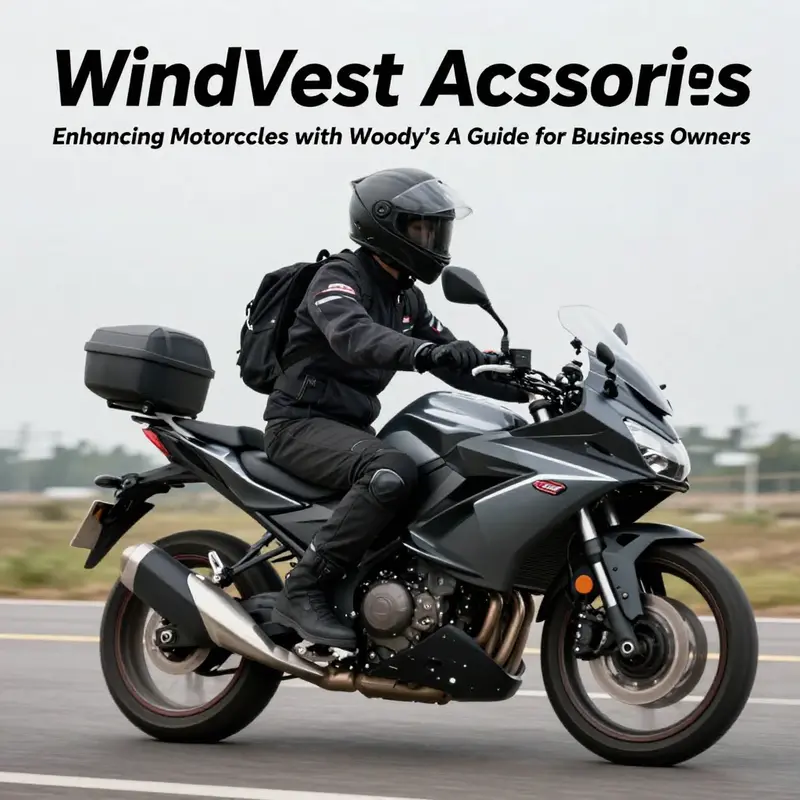 Quando um motociclista entra na sela de uma moto de turismo, a primeira sensação que muitas vezes determina o conforto do dia não é o ronco do motor, mas a forma como o ar entra e sai da cabine. No universo das proteções aftermarket, os para-brisas projetados para redirecionar o fluxo de ar fazem mais do que manter a chuva fora do rosto. Eles moldam toda a experiência de condução, desde os níveis de fadiga em longas extensões de estrada até os momentos quietos em que você para em uma vista panorâmica e escuta a moto respirar no vento. No contexto de um sistema de proteções baseado em uma moto de turismo estilo Harley, o para-brisas torna-se um elo entre forma e função. É a calma entre o motociclista e a estrada, um recurso que deve trabalhar com a proteção, e não contra ela. Para compreender a importância desses componentes, imagine uma parede de vidro que não só impede o vento, mas também coreografa seu movimento, direcionando rajadas acima e sobre o capacete e os ombros do motociclista. Essa é a essência da filosofia de design dos para-brisas aplicada a um sistema de proteções: reduzir o impacto do vento, desviar detritos e suavizar a condução sem sacrificar a estética e a aerodinâmica da moto.
Neste contexto, um para-brisas construído para proteções não é um acessório adicional; é parte integrante do perfil aerodinâmico da moto. Os para-brisas usados neste sistema são feitos de acrílico de alto desempenho, resistente a impactos, que carrega certificações de segurança. A escolha do material é deliberada. Ele precisa suportar as rigidezes das velocidades de estrada, resistir a riscos e manter a transparência sob diversas condições de iluminação. Um painel de acrílico durável ajuda a garantir visibilidade a longo prazo, reduzindo a necessidade de substituições frequentes e permitindo que o motociclista mantenha o foco na estrada. O design também é igualmente deliberado. Uma característica definidora é a altura do para-brisas: muitos desses para-brisas são projetados para ficar 3 a 4 polegadas mais altos do que um motociclista poderia esperar de uma medição casual. Essa altura extra não é decorativa. É a diferença funcional que faz o vento viajar para cima e longe do rosto do motociclista, criando um efeito semelhante a uma cobertura que reduz a pressão do vento direto no peito e na cabeça. A ciência por trás disso é simples: aumentando o perfil vertical, o ar é redirecionado para fora e para cima, transformando uma fatia potencialmente turbulenta de vento em um fluxo mais suave e laminar que passa acima da linha de visão do motociclista. É uma pequena ajuste, mas tem um impacto mensurável na comodidade, concentração e até mesmo na capacidade de preservar energia para viagens mais longas.
Elevando o Olhar: Para-brisas Mais Altos e a Arte Subtil da Conforto em Pilotagem Integrada com Capas.
Quando um piloto se senta na sela de uma motocicleta de turismo, a primeira sensação que geralmente determina o conforto do dia não é o ruído do motor, mas sim como o ar entra e sai da cabine. No universo das capas aftermarket, os para-brisas projetados para redirecionar o fluxo de ar fazem mais do que proteger contra a chuva no rosto. Eles moldam toda a experiência de pilotagem, desde os níveis de fadiga em uma longa extensão de rodovia até os momentos tranquilos em que você para em um desvio de estrada e escuta a motocicleta respirar no vento. No contexto de um sistema de capas baseado em uma motocicleta estilo Harley, o para-brisas torna-se um elo entre forma e função. É o calmo entre o piloto e a estrada, um recurso que deve trabalhar com a capa, e não contra ela. Para compreender a importância desses componentes, imagine uma parede de vidro que não apenas impede o vento, mas também coreografa seu movimento, direcionando rajadas para cima e sobre o capacete e os ombros do piloto. Essa é a essência da filosofia de design dos para-brisas aplicada a um sistema de capas: reduzir o impacto do vento, desviar detritos e suavizar a pilotagem sem sacrificar a estética e a aerodinâmica da moto.
Nesse quadro, um para-brisas construído para capas não é um acessório; é parte integrante do perfil aerodinâmico da moto. Os para-brisas usados nesses sistemas são feitos de acrílico de alta performance, resistente a impactos, que possui certificações de segurança. A escolha do material é deliberada. Ele precisa suportar as rigidezes das velocidades de estrada, resistir a riscos e manter a clareza sob diversas condições de iluminação. Um painel de acrílico durável ajuda a garantir visibilidade a longo prazo, reduzindo a necessidade de substituições frequentes e permitindo ao piloto manter foco na estrada à frente. O design também é deliberado. Uma característica definidora é a altura do para-brisas: muitos desses para-brisas são projetados para ficar 3 a 4 polegadas mais altos do que um piloto poderia esperar de uma medição casual. Essa altura adicional não é decorativa. É a diferença funcional que faz o vento viajar para cima e longe do rosto do piloto, criando um efeito semelhante a uma cobertura que reduz a pressão do vento direto no peito e na cabeça. A ciência por trás disso é simples: aumentando o perfil vertical, o ar é redirecionado para fora e para cima, transformando uma fatia potencialmente turbulenta de vento em um fluxo mais suave e laminar que passa acima da linha de visão do piloto. É uma pequena ajuste, mas tem um impacto mensurável na comodidade, concentração e até mesmo na capacidade de preservar energia para viagens mais longas.
Essa abordagem centrada na aerodinâmica oferece benefícios tangíveis. Primeiro, há proteção contra os elementos. Um para-brisas que direciona o ar para cima ajuda a proteger o piloto do vento, poeira, respingos de chuva e pequenos detritos que, de outra forma, atingiriam o peito e o rosto a velocidades de cruzeiro. Segundo, o conforto e a concentração melhoram, pois o corpo experimenta menos agitação e a fadiga acumula-se mais lentamente. Quando o ar não bate diretamente no tórax, ombros e pescoço, o piloto pode manter uma postura mais estável, reduzir a tensão muscular e manter a forma por períodos mais longos sem desconforto. Terceiro, há uma melhora notável na acústica da cabine. O barulho do vento é um multiplicador frequente de fadiga em viagens longas, e um fluxo mais suave ao redor do piloto reduz o nível de som turbulento que irradia para o capacete. Quanto mais tranquilo o cockpit, mais fácil é para o piloto manter alerta mental e aproveitar um ritmo de pilotagem mais composto. Esses ganhos importam tanto para uma viagem de fim de semana quanto para uma jornada de vários dias em uma máquina que combina estética clássica com conforto moderno.
Compatibilidade e integração estão no centro de qualquer par de capa e para-brisa. As telas nestes sistemas são projetadas para funcionar com uma arquitetura específica de capa, geralmente em motocicletas de turismo. Elas precisam se alinhar aos pontos de montagem, suportes e arranjos de barras transversais que proporcionam estabilidade e ajustabilidade. Um para-brisa bem projetado se integra à silhueta da capa, preservando suas linhas enquanto aumenta sua eficácia. É aqui que a filosofia de design se encontra com a instalação prática. A altura e curvatura da tela devem harmonizar-se com a forma da capa para minimizar lacunas indesejadas ou turbulência nas bordas. O sistema de montagem normalmente inclui um suporte de barra transversal e vários orifícios de montagem para permitir ao piloto ou instalador ajustar a posição do para-brisa. O objetivo não é apenas fixar a tela, mas permitir um ajuste preciso, para que o fluxo de ar possa ser direcionado exatamente onde for necessário. O mecanismo da barra transversal frequentemente serve como ponto de ajuste pivô, permitindo pequenas mudanças no ângulo ou inclinação para atender diferentes formas de capacete, postura de pilotagem e condições do vento. O resultado é um conjunto modular e de fácil uso que pode ser personalizado conforme as necessidades do piloto sem comprometer a coerência visual da moto.
Na prática, o par de para-brisa e capa oferece várias vantagens práticas para pilotos que passam longas horas na sela. A redução do impacto do vento se traduz diretamente em menos fadiga, especialmente nas rodovias onde a exposição contínua pode acumular-se. Quando a fadiga é reduzida, os pilotos relatam maior foco, o que ajuda nos tempos de reação e na segurança geral da pilotagem. A proteção contra insetos e detritos da estrada não é apenas uma solução para incômodos; é uma estratégia de proteção que preserva a visão do piloto e seu conforto. A exposição ao tempo torna-se uma questão de intensidade, e não de imediatismo; o piloto pode manter uma postura mais estável e manter as mãos e braços relaxados, evitando os ombros tensos que normalmente acompanham ventos laterais. Além disso, o cockpit mais silencioso reduz a fadiga auditiva, o que importa para o piloto que está mapeando curvas, lendo a estrada e ouvindo os sinais sutis do manejo da moto. Não é exagero dizer que um para-brisa bem projetado pode alterar o ritmo inteiro de uma viagem, transformando algo que poderia ser uma exigência estressante em uma conversa suave e contínua com a estrada.
A dimensão prática da compatibilidade vai além das versões de turismo da Harley-Davidson para um ecossistema mais amplo de capas e acessórios. Embora o conceito central esteja centrado no para-brisa de acrílico mais alto e sua gestão de fluxo de ar, o portabilidade e o caminho de atualização do sistema são importantes. Para pilotos que desejam renovar um para-brisa antigo, existem opções de substituição que mantêm a mesma linguagem de design - a mesma inclinação de altura e curvatura que definem o caráter aerodinâmico do sistema - sem exigir uma substituição completa da capa. Para-brisas de substituição são normalmente oferecidos em vários tamanhos e configurações para atender diferentes anos e especificações de modelos, garantindo que o piloto possa preservar a dinâmica de fluxo de ar desejada enquanto atualiza o material ou a claridade. Os preços dessas substituições são estruturados para oferecer um caminho econômico para reotimizar o conforto à medida que as condições ou preferências evoluem, tornando possível para os pilotos renovarem seu cockpit sem um investimento significativo. A essência deste abordagem é que o par de capa-para-brisa permanece um sistema vivo e ajustável, capaz de evoluir com as necessidades do piloto e o perfil da moto.
Do ponto de vista do piloto, o valor de integrar telas mais altas com um sistema de capa reside na criação de um ambiente de pilotagem pessoal. O para-brisa torna-se parte da personalidade do cockpit, moldando a visão do piloto e governando o microclima de ar que envolve o tórax e o capacete. Conexões nunca são apenas sobre encaixe; elas são sobre como o ar interage com tecido, couro e equipamento de proteção. A postura do piloto - ligeiramente ereta, ombros relaxados, cabeça alinhada com o horizonte - trabalha em conjunto com o para-brisa para maximizar os benefícios do controle do fluxo de ar. A silhueta da capa permanece visualmente coerente, preservando as linhas que atrairam o piloto inicialmente, enquanto o para-brisa contribui com uma vantagem prática: uma pilotagem mais calma que é mais fácil de controlar e mais agradável em longas distâncias. É esta sinergia - o casamento entre estética e função - que faz com que o para-brisa em um sistema de capa seja mais do que um acessório prático. Ele se torna um elemento definidor da experiência de pilotagem, um aliado silencioso na estrada e um lembrete de que pequenas escolhas de design, quando executadas com cuidado, podem redefinir como se sente um dia longo na sela.
Para pilotos que navegam pelo amplo cenário de opções de capas, a escolha de um para-brisas compatível pode ser informada pela análise do número de plataformas compatíveis e dos tipos de motocicletas que comumente usam estas configurações de capas. Embora o estilo de design voltado para turismo tenda a ser universal em sua intenção, o ajuste real pode variar por ano de modelo ou por pequenas diferenças nos componentes de fixação. É por isso que o sistema de fixação é tão importante quanto a altura do para-brisas. Um suporte de barra transversal bem projetado com várias opções de furos de fixação permite alinhamento preciso com os pontos de fixação da motocicleta, garantindo que o objetivo do para-brisas de desviar o vento seja alcançado sem introduzir lacunas ou balanço. Instaladores frequentemente enfatizam a importância de um procedimento cuidadoso de alinhamento, utilizando os suportes para ajustar com precisão a inclinação e a altura do para-brisas, de modo que o fluxo de ar seja direcionado ao longo da linha de visão do piloto, acima do capacete e longe do tórax. Quando feito com cuidado, o resultado é um cockpit que parece projetado para sustentar horas de pilotagem, em vez de uma coleção de componentes separados colados para aparência.
No amplo ecossistema de capas aftermarket, entusiastas frequentemente exploram um espectro de opções além das configurações de turismo estilo Harley-Davidson. Embora o princípio básico de um para-brisas mais alto que redirecione o fluxo de ar para cima permaneça consistente, a adaptação a outras famílias de motocicletas—como aquelas baseadas em plataformas sport-tour ou cruiser—exige um pequeno conjunto de refinamentos de design. A força de um para-brisas bem concebido reside em sua capacidade de respeitar a geometria geral da motocicleta, enquanto oferece uma melhoria tangível na comodidade do piloto. Isso significa que a curvatura, a altura e o tratamento das bordas do para-brisas devem ser escolhidos com cuidado para evitar introduzir novas fontes de turbulência ou ruído. O resultado é um sistema equilibrado no qual cada componente desempenha um papel na formação de uma experiência de condução mais suave e controlável. Para muitos pilotos, esse equilíbrio não é apenas uma atualização; é uma filosofia prática para viagens prolongadas, onde o objetivo é manter a exposição controlada ao ar e preservar energia para a estrada à frente.
Ao considerar a economia de tal atualização, a conversa naturalmente se volta para manutenção e substituição. O para-brisas de acrílico, sendo resistente a impactos e aprovado DOT, foi projetado para durabilidade, mas nenhum componente é imune ao desgaste causado pelos quilômetros percorridos e pelas mudanças de estações. Para-brisas de substituição estão disponíveis em várias configurações para apoiar a otimização contínua, e sua vida útil pode ser estendida com cuidados adequados, incluindo limpeza suave com produtos não abrasivos e evitando exposição ao calor extremo durante o tempo de estacionamento, o que poderia deformar o material. A filosofia de manutenção contínua reforça a ideia de que atualizar um para-brisas não é um evento único, mas sim um movimento em direção à manutenção da qualidade da condução ao longo do tempo. Na prática, muitos pilotos veem isso como uma pequena, mas significativa, investida em consistência e conforto, uma escolha que traz dividendos na forma de melhor concentração e melhor manuseio ao longo dos quilômetros.
A narrativa da integração do para-brisas é, no fim das contas, sobre a relação do piloto com a motocicleta. Trata-se de reconhecer que o cockpit é um espaço vivo que responde às mudanças de postura, condições do vento e até mesmo o equipamento do piloto. Um para-brisas mais alto que canaliza o ar de forma mais eficiente longe do rosto e do tórax reconfigura esse espaço, permitindo um ambiente de pilotagem mais relaxado, amplo e focado. Ele convida a uma forma mais íntima de controle—onde o piloto pode dirigir não apenas a trajetória da motocicleta, mas também o impacto do fluxo de ar sobre o conforto e a carga cognitiva. Este é o silencioso arte da design de capas: não apenas dobrar o ar, mas harmonizar o ar com o piloto e a máquina de forma que pareça natural, quase inevitável, como se o vento tivesse um companheiro integrado no cockpit.
Para pilotos que estão curiosos sobre explorar ecossistemas de capas compatíveis, uma rota prática é inspecionar as opções disponíveis dentro das coleções de fabricantes específicos. O amplo ecossistema fornece um quadro de referência para ajuste e estilo, ajudando os pilotos a determinar como um para-brisas mais alto poderia se integrar com seus estilos preferidos e abordagens de montagem. Um para-brisas bem escolhido não só coexiste com as curvas da capa, mas também complementa seu statement visual, preservando a personalidade da motocicleta enquanto eleva a experiência do piloto. O objetivo é atingir um conjunto coerente e equilibrado, onde cada elemento—forma da capa, hardware de montagem, altura do para-brisas, curvatura e a própria postura do piloto—trabalha juntos para criar aquele senso de controle fácil que define a pilotagem de longa distância. No final, não se trata de perseguir a última tendência, mas de criar um cockpit prático, duradouro e agradável que apoie a jornada do piloto através do sol, chuva, vento e solidão. Honda fairings collection. Para pilotos que desejam explorar opções de capas além de suas escolhas habituais, referências internas a um catálogo mais amplo podem ser úteis. Se você está curioso sobre opções compatíveis dentro da linha de capas de uma marca específica, considere explorar a coleção de capas Honda como ponto de partida para compreender ajuste e interfaces de montagem. Essa exploração pode orientar a tomada de decisão ao selecionar um para-brisas que esteja alinhado com a geometria da sua motocicleta e com os seus objetivos de pilotagem. A jornada em direção a uma condução mais confortável raramente se trata de um único acessório; é sobre um conjunto coordenado de decisões que alinham o perfil aerodinâmico da motocicleta com o conforto físico do piloto. Nesse espírito, o conceito de para-brisas mais alto torna-se uma extensão natural de como um sistema de capas é destinado a funcionar: como uma estrutura unificada que protege, alonga e aprimora a sensação de controle do piloto em cada quilômetro.
À medida que você percorre o caminho do conceito para a instalação, lembre-se de que o valor do parabrisa não é medido apenas na redução do vento, mas na qualidade da experiência de condução que ele permite. Os melhores conjuntos parecem quase invisíveis, mas eles transformaram silenciosamente como você percebe a estrada à frente. Eles não exigem atenção; convidam você a esquecer o vento e se concentrar na própria condução. A abordagem integrada — onde uma capa, um suporte transversal e um parabrisa mais alto trabalham em conjunto — oferece uma experiência de condução mais composta e confiante. Essa é a essência pela qual os pilotos investem nesses sistemas: não por espectáculo, mas pelos benefícios duráveis e tangíveis que se acumulam ao longo de milhares de quilômetros de estradas e trilhas. No final, o cockpit torna-se um santuário de calma onde os desafios da estrada são enfrentados com clareza, estabilidade e uma nova sensação de possibilidade.”
Um link interno para leitores que desejam explorar opções de capas compatíveis deve ser considerado como um próximo passo prático: para pilotos que investigam um catálogo mais amplo de capas compatíveis, uma coleção dedicada, como a coleção de capas Honda, pode servir como um ponto de contato útil para avaliar o encaixe e a compatibilidade de montagem entre modelos. Você pode explorar essas opções aqui:
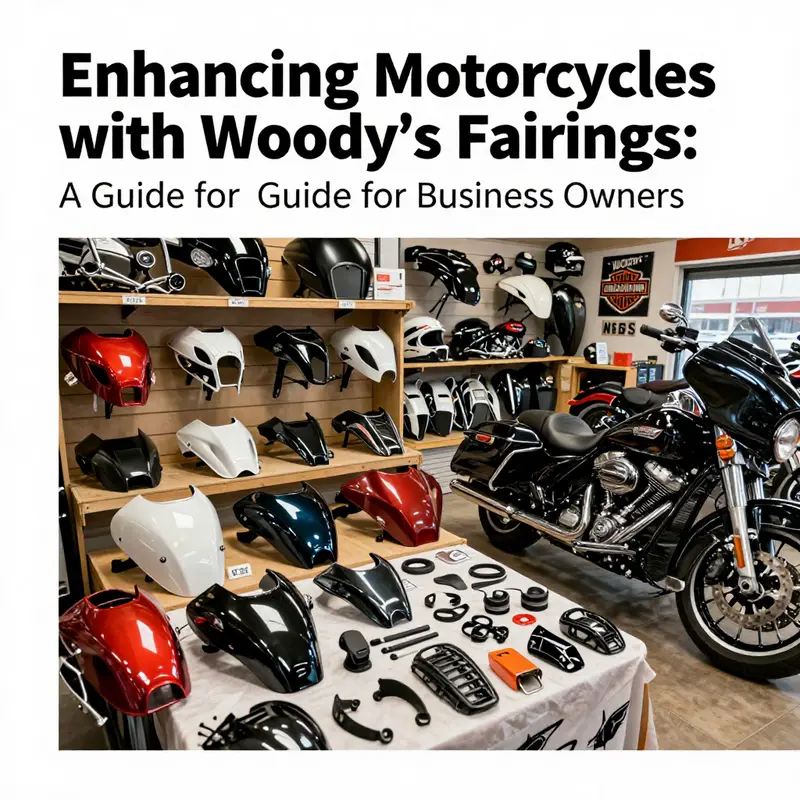 Este recurso reflete o princípio no centro do tópico: que um sistema de capas bem projetado, quando combinado com um parabrisa compatível, pode transformar o comportamento aerodinâmico da moto e o conforto do piloto sem comprometer a característica original da moto.