















Introduction
Sportbike motorcycle fairings have evolved into essential components that combine form and function to elevate motorcycle performance and aesthetics. For business owners operating within the motorcycle aftermarket industry, understanding the intricate balance of aerodynamics, material technology, manufacturing precision, and market availability is crucial to delivering value-driven products. This article unpacks key aspects of sportbike fairings—beginning with their aerodynamic advantages and advanced material selection, moving through the manufacturing and customization processes that define quality and uniqueness, and culminating in an analysis of market offerings alongside the functional benefits these fairings provide. Each chapter builds a foundation to appreciate why precision, durability, and customization are central to succeeding in this competitive niche.
Tables of Contents
Chapter 1: Aerodynamics and Material Technology in Sportbike Motorcycle Fairings
- How Aerodynamic Fairing Design Drives Speed, Stability, and Rider Control
- Innovative Materials Elevating Strength, Weight Efficiency, and Longevity in Sportbike Fairings
- How Advanced Composite Materials Transform Aerodynamics and Structural Performance in Sportbike Fairings
- The Impact of Surface Engineering and Coatings on Sportbike Fairing Aerodynamics and Durability
- Seamless Synergy of Aerodynamics and Materials in Sportbike Fairings Enhancing Rider Comfort and Heat Control
Chapter 2: Manufacturing and Customization Processes of Sportbike Motorcycle Fairings
- Innovative Technologies Elevating Precision and Personalization in Sportbike Fairings
- Advanced Materials and Digital Innovations Shaping Sportbike Fairing Manufacturing
- Economic Drivers Shaping the Production and Personalization of Sportbike Fairings
- Navigating Geopolitical and Supply Chain Challenges in Sportbike Fairing Production and Customization
- How Evolving Rider Preferences and Societal Values Drive Innovation in Sportbike Fairing Production
Chapter 3: Market Availability and Functional Benefits of Sportbike Motorcycle Fairings
- Navigating the Spectrum of Sportbike Fairings: OEM Precision Meets Aftermarket Innovation
- Enhancing Performance and Protection: The Dual Role of Sportbike Fairings
- Innovative Materials and Precision Manufacturing Driving Performance and Customization in Sportbike Fairings
- Elevating Style and Performance: Customization and Visual Appeal of Sportbike Motorcycle Fairings
- Precision Installation Hardware and Secure Fitment: Enhancing Sportbike Fairing Performance and Longevity
Chapter 1: Aerodynamics and Material Technology in Sportbike Motorcycle Fairings

1. How Aerodynamic Fairing Design Drives Speed, Stability, and Rider Control
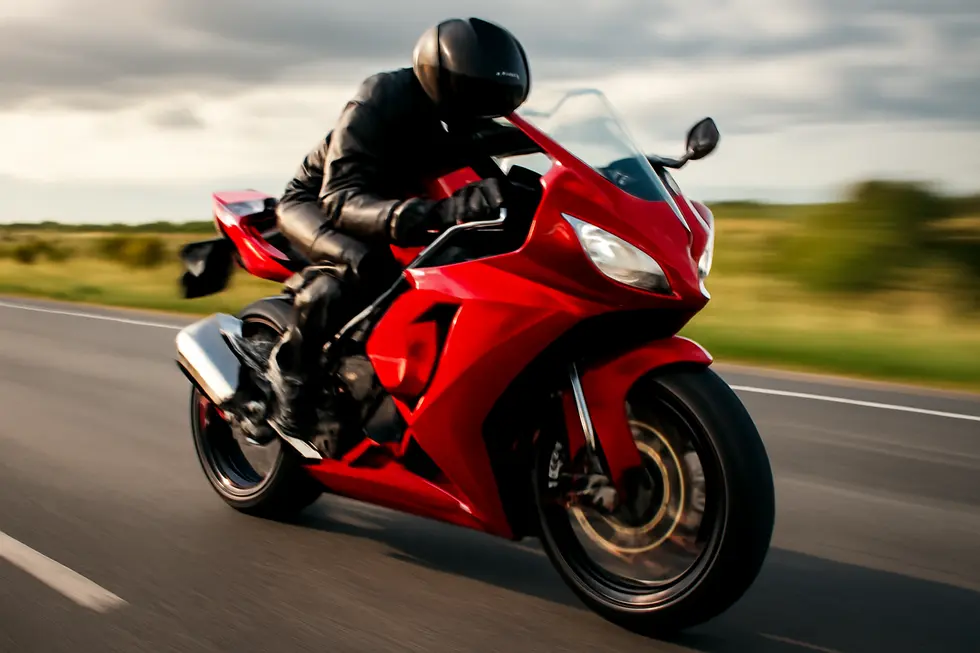
Sportbike motorcycle fairings are meticulously crafted to optimize aerodynamic performance, directly influencing speed, stability, and rider control. By streamlining the motorcycle’s silhouette, these fairings reduce air resistance and turbulence, allowing airflow to glide smoothly over the bike and rider. This reduction in drag not only improves acceleration and top speeds but also enhances fuel efficiency by minimizing the energy lost to wind resistance. The sleek contours taper blunt edges and obstructive shapes, shaping a profile that slices through air with minimal disruption.
Integrated aerodynamic features, such as vents and ducts, cleverly balance the need to cool critical components like the engine and brakes while preserving overall airflow integrity. Without these carefully designed channels, forced air cooling could introduce unwanted drag that hampers performance. The size and curvature of the fairing panels create subtle downforce, pressing the motorcycle onto the pavement at high speed, which improves traction and stability in corners and on straights. This aerodynamic downforce counteracts lift that could otherwise destabilize the bike, providing riders with greater confidence and control during aggressive riding.
Additionally, fairings complement rider ergonomics by reducing the frontal area exposed to wind, shaping a compact airflow envelope around the rider’s posture. This synergy between rider and machine improves aerodynamics without sacrificing comfort or maneuverability. The precise fit and alignment of these components prevent rattling and preserve the fairings’ aerodynamic benefits across varied riding conditions.
The balance between drag reduction, cooling efficiency, and downforce generation makes aerodynamic fairing design pivotal in the sportbike’s overall performance and handling precision. As riders seek to push the limits on both streets and circuits, well-designed fairings become indispensable in harnessing the motorcycle’s power safely and efficiently. For those interested in exploring further, resources such as Explore the Best Motorcycle Fairings at Summit Fairings offer extensive insight into how fairing design impacts real-world sportbike performance.
2. Innovative Materials Elevating Strength, Weight Efficiency, and Longevity in Sportbike Fairings
Sportbike motorcycle fairings depend heavily on advanced materials that finely balance strength, weight, and durability to meet rigorous performance demands. While ABS plastic remains a cornerstone due to its impact resistance, flexibility, and ability to be molded precisely to OEM specifications, it is the integration of cutting-edge composites that truly enhances fairing performance. Carbon fiber composites, renowned for their exceptional strength-to-weight ratios and heat resistance, drastically reduce the overall weight of the fairings without sacrificing structural integrity. This weight reduction is critical for track-focused riders aiming for sharper handling and faster acceleration.
Hybrid composite materials are emerging as a sophisticated solution, marrying the surface quality and toughness of ABS plastics with the rigidity and feather-light attributes of carbon fiber. These hybrids offer the best of both worlds, supporting aerodynamic refinement while maintaining durability under thermal and mechanical stress. Additionally, the multi-layer professional painting process applied to these materials protects against UV degradation and road debris, ensuring both longevity and a premium aesthetic finish.
Precise injection molding techniques and pre-drilled mounting holes guarantee seamless installation and a flawless fit, critical for preserving aerodynamic efficiency. This attention to detail allows riders to upgrade or replace panels with confidence, knowing their fairings will perform and endure as intended. These innovations effectively address the core challenges in fairing technology: maintaining structural strength, minimizing weight to optimize acceleration and handling, and ensuring enduring durability despite demanding environmental exposure.
For a deeper understanding of material advancements in sportbike fairings that blend performance and style, exploring dedicated product lines of premium fairing kits reveals how these technologies integrate into practical aftermarket solutions. More insights can be found by visiting explore the best motorcycle fairings.
3. How Advanced Composite Materials Transform Aerodynamics and Structural Performance in Sportbike Fairings
Composite materials have revolutionized the design and performance of sportbike motorcycle fairings by delivering a unique combination of lightweight construction, robust strength, and aerodynamic precision. Unlike traditional materials such as ABS plastic, advanced composites like carbon fiber and hybrid blends significantly reduce the overall weight of fairing panels. This weight reduction lowers the bike’s mass, contributing directly to enhanced acceleration, agile handling, and improved fuel efficiency—vital traits for both street riders and track enthusiasts.
Beyond their lightness, composite fairings offer engineers remarkable freedom to sculpt smooth, complex shapes that optimize airflow. This precise shaping minimizes aerodynamic drag while controlling lift at high speeds, resulting in greater stability and better downforce. Features such as integrated spoilers or airflow channels can also aid in effective cooling by directing air strategically around the motorcycle’s engine and brake systems. The ability to tailor these aerodynamic characteristics without compromising strength demonstrates the versatility composites bring to sportbike fairing design.
Structurally, composites excel with their high stiffness-to-weight ratios, providing durability against impacts and harsh operational stresses. They resist deformation from high-speed wind pressure and thermal loads better than conventional plastics, ensuring long-lasting shape retention and protection. Hybrid composites maintain an OEM-quality surface finish, balancing aesthetic demands with mechanical resilience and precise fitment for seamless installation.
This synthesis of aerodynamic refinement and structural integrity through composites unlocks new performance levels for riders seeking superior handling and style. By embracing advanced materials, sportbike fairings evolve into sophisticated components that elevate both form and function.
For riders interested in exploring a variety of aftermarket fairings that combine aesthetics with performance enhancements, Summit Fairings offers a rich selection.
Further technical insights can be reviewed in research detailing composite benefits on aerodynamics and durability Мы обновили наш систему сайта,.
4. The Impact of Surface Engineering and Coatings on Sportbike Fairing Aerodynamics and Durability
Surface engineering and specialized coatings are fundamental to enhancing the aerodynamic efficiency and material resilience of sportbike motorcycle fairings. These body panels do more than define the bike’s aesthetics—they actively shape airflow to reduce drag, improve stability, and optimize rider protection. For instance, windscreens with carefully designed edges streamline airflow, minimizing pressure zones around the rider’s shoulders, while aerodynamic mirrors sculpt airflow to prevent turbulence. Such features reduce buffeting and allow higher speeds with better control.
Beyond shape, the application of advanced coatings significantly influences surface performance. Glossy or matte finishes balance visual appeal and aerodynamic smoothness, reducing surface friction that can otherwise disrupt airflow. These coatings also serve as robust protective layers, enhancing resistance to ultraviolet rays, chemical exposure, and wear from road debris. This dual role preserves both the appearance and functional integrity of the fairings over time.
Material technology synergizes with surface treatments through the use of composites or expertly coated ABS plastics, providing strength without excessive weight. This balance is critical; improving torsional rigidity via engineered cowls and fairing shapes ensures the motorcycle’s frame remains stable during aggressive lean angles, contributing to precise handling and rider confidence. Such structural enhancements, accessible through surface engineering, underscore the fairings’ role beyond mere enclosure of internal components.
Together, aerodynamic design refinements and surface technology elevate sportbike fairings from simple bodywork to performance-critical elements. Their carefully engineered shapes combined with high-quality coatings enable enhanced speed, durability, and rider experience. For riders seeking comprehensive upgrades, exploring options with precision fitment and customizable finishes can create a unique blend of function and style. More insights into the choices available in high-performance motorcycle fairings can be found at Explore the Best Motorcycle Fairings at Summit Fairings.
Detailed examples illustrating these principles include the aerodynamic innovations of the Suzuki GSX-S1000GT, which optimizes airflow with unique windscreen and mirror designs 2.
5. Seamless Synergy of Aerodynamics and Materials in Sportbike Fairings Enhancing Rider Comfort and Heat Control
Sportbike motorcycle fairings are meticulously engineered to merge aerodynamic efficiency with advanced material technology, directly benefiting rider comfort and thermal management. Their sleek contours reduce air resistance, smoothing airflow around both bike and rider, which minimizes buffeting and wind noise on high-speed rides. This aerodynamic streamlining is further optimized by strategically placed vents and ducts that serve a dual purpose: channeling cooling air to critical engine components while diverting heat away from the rider. Such airflow management enhances temperature regulation without compromising the fairing’s stability or the motorcycle’s performance.
Material innovation plays a pivotal role in supporting these aerodynamic achievements. Commonly, durable ABS plastic provides a flexible yet robust base, but the integration of lightweight composites like carbon fiber and hybrid materials such as SIXFIBER elevates structural strength while reducing weight. These composites excel at resisting heat deformation, enabling fairings to withstand intense thermal cycling during both street and track conditions. Complemented by multi-layer paint systems resistant to UV exposure and wear, the materials preserve both functional integrity and visual appeal over time.
This sophisticated design philosophy takes cues from helmet ventilation technology, where aerodynamic venting carefully balances fresh airflow intake with warm air expulsion for optimal thermal comfort. By adapting these principles, sportbike fairings facilitate effective heat dissipation around the rider, reducing excessive wind pressure and overheating during extended rides.
The result is a harmonious integration of shape and substance: aerodynamic fairings crafted from advanced materials that not only protect and perform but also enhance rider endurance and enjoyment. For riders exploring comprehensive aftermarket options, resources such as the Explore the Best Motorcycle Fairings at Summit Fairings provide valuable insight into kits that combine these cutting-edge aerodynamic and material technologies.
For a detailed understanding of aerodynamic venting and thermal regulation strategies in helmets that inspire these fairing designs, see reference [2].
Chapter 2: Manufacturing and Customization Processes of Sportbike Motorcycle Fairings
1. Innovative Technologies Elevating Precision and Personalization in Sportbike Fairings
The evolution of sportbike motorcycle fairings has been shaped by continuous technological advancements that marry precision engineering with deep customization options. Central to modern manufacturing is the use of high-grade ABS plastic created through precision injection molding. This process ensures that each fairing panel aligns perfectly with OEM specifications, providing riders with panels that fit seamlessly and offer strong impact resistance. Attention to detail extends to the inclusion of pre-drilled mounting points and comprehensive hardware sets that simplify installation without compromising structural integrity.
In recent years, the integration of lightweight composite materials such as carbon fiber and proprietary fiber blends has introduced new dimensions of performance and durability. These materials reduce overall weight while delivering enhanced strength and superior heat resistance, aligning with the aerodynamic demands of sportbike performance and track conditions. This blending of traditional plastics with performance composites allows for fairings that not only replicate the original factory design but also elevate it.
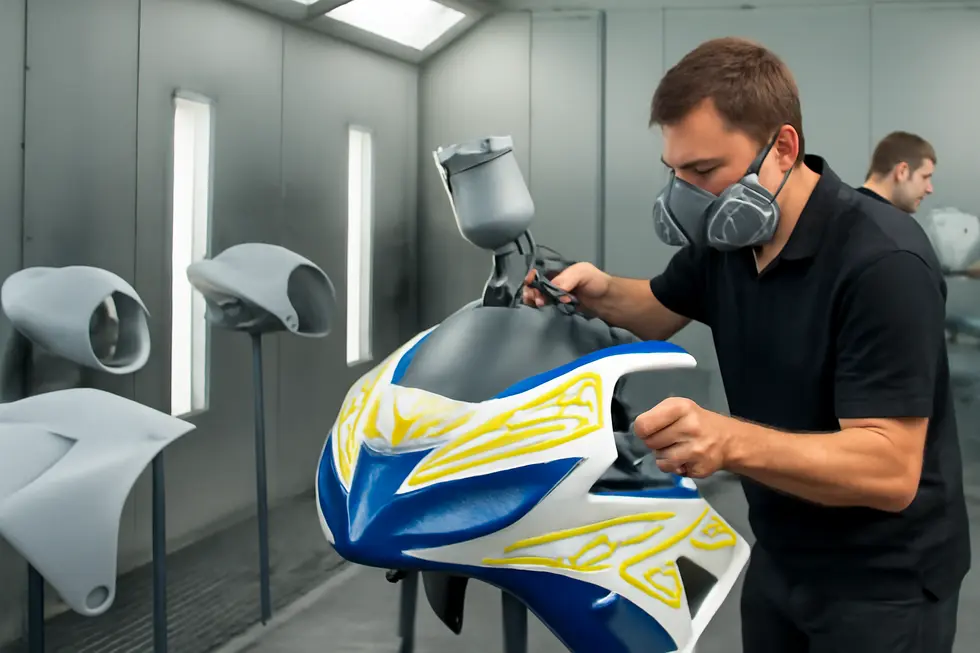
Surface finishing technologies have also seen notable improvements. Multi-layer professional painting techniques—starting with primers, followed by vibrant base coats and ending with clear coats—create finishes that resist UV damage and endure harsh riding conditions. Complementary components like heat shields, windscreens, and seat cowls amplify both functional performance and aesthetic appeal. Riders are empowered to customize beyond color choices through decals and graphic designs that transform fairings into personal statements.
Furthermore, the careful design of aerodynamic profiles in fairings works synergistically with electronic rider aids found in modern sportbikes, enhancing overall riding efficiency and control. The result is a harmonious balance between form and function forged by cutting-edge manufacturing and personalization methods.
For a comprehensive overview of these manufacturing and customization advancements, detailed resources are available at Kings Motorcycle Fairings. Additionally, to explore diverse options and styles within this evolving market, visit this ultimate source for affordable motorcycle fairings.
2. Advanced Materials and Digital Innovations Shaping Sportbike Fairing Manufacturing
Material science has revolutionized the manufacturing and customization of sportbike motorcycle fairings, combining advanced composites with cutting-edge digital techniques to optimize performance, durability, and aesthetics. Modern fairings often utilize carbon fiber and other composite materials prized for their exceptional strength-to-weight ratios. These materials reduce overall motorcycle weight, improving acceleration, handling, and fuel efficiency—critical factors for sportbike enthusiasts seeking the best riding experience. Unlike traditional ABS plastic, carbon fiber composites provide enhanced rigidity while maintaining lightweight properties, allowing for sleek, aerodynamic shapes that align precisely with each bike’s design requirements.
The manufacturing process leverages custom molds tailored for specific models or rider preferences, ensuring that every curve and mounting point matches OEM standards or surpasses them. Beyond composites, synthetic vinyls with various textures—such as matte, gloss, or basketweave—are incorporated into side panels and seat cowls. These finishes not only boost visual appeal but also offer abrasion resistance and fade protection, extending the lifespan of the fairings under regular use.
Integration of digital tools like 3D scanning further enhances customization capabilities. By capturing exact bike geometries, manufacturers and custom shops can design fairings with pinpoint accuracy. This digital workflow supports rapid prototyping and precise 3D printing of components, allowing riders to personalize their motorcycles with unique textures, colors, and graphic overlays that replicate or innovate beyond factory aesthetics.
Together, these material innovations and digital fabrication advances enable a new level of customization that balances functional toughness with striking style. For riders aiming to elevate their sportbike’s look and performance, understanding the interplay between materials and manufacturing technology is essential. For a deeper dive into available options and design ideas, exploring comprehensive sources like the Summit Fairings blog provides valuable insights into contemporary fairing choices and finishing techniques.
3. Economic Drivers Shaping the Production and Personalization of Sportbike Fairings
The manufacturing and customization of sportbike motorcycle fairings are tightly interwoven with several critical economic factors that influence both design choices and market strategies. Chief among these is the balance manufacturers strike between catering to OEM-quality replacement parts and bespoke custom fairings. OEM products appeal to riders seeking reliable, affordable solutions with precise fitment and consistent quality, allowing producers to leverage economies of scale to keep production costs manageable. In contrast, custom fairings target enthusiasts who prioritize unique aesthetics and personalized graphics, often justifying higher price points that reflect increased craftsmanship and design complexity.
Production costs are shaped not only by materials like ABS plastic and the injection molding process but also by the intricacy of painting techniques and the inclusion of advanced features such as pre-drilled mounting holes and compatible heat shields. Furthermore, the choice of engine types in sportbikes indirectly affects fairing demand and pricing; engines like twin-cylinders reduce overall manufacturing complexity and cost, enabling manufacturers to offer competitively priced motorcycles, which in turn influences the aftermarket parts market.
Global trade policies also exert significant pressure on manufacturers’ sourcing and pricing strategies. Tariffs imposed on motorcycles above certain engine sizes or duties on imported goods can raise production expenses or restrict access to key markets. This encourages producers to reconsider supply chains, sometimes shifting toward regional manufacturing hubs to mitigate tariff impacts while maintaining competitive pricing.
Finally, growing consumer demand for personalization fuels innovation within the industry. Riders increasingly seek customizable kits featuring exclusive color schemes, logos, and graphics inspired by racing culture. This trend not only elevates product differentiation but also calls for greater investment in branding and digital marketing channels to reach niche communities effectively. Together, these economic forces drive how sportbike fairings are designed, manufactured, and marketed globally, balancing affordability, quality, and rider individuality.
For further insights, see comprehensive analysis on international tariff impacts relevant to motorcycle components Мы обновили наш систему сайта,.
4. Navigating Geopolitical and Supply Chain Challenges in Sportbike Fairing Production and Customization
The production and customization of sportbike motorcycle fairings are increasingly shaped by complex geopolitical dynamics and supply chain challenges. Central to these challenges are shifting trade policies, particularly tariff changes and trade restrictions between Asia and Europe—regions essential for sourcing critical raw materials like ABS plastic used in injection molding. These uncertainties have led to increased operational costs and delivery delays, causing manufacturers to constantly adapt procurement strategies to maintain both quality and OEM-level precision.
Price volatility in raw materials further complicates manufacturing. While ABS plastic remains the industry standard for its balance of durability and fit, emerging composites such as carbon fiber and advanced materials like SIXFIBER are gaining prominence for their weight-saving and performance-enhancing properties. However, sourcing these specialized materials faces disruption risks from geopolitical tensions, compounded by localized issues such as weather-induced supply fluctuations affecting related raw materials like natural rubber, which underscores broader vulnerabilities within motorcycle part supply chains.
The manufacturing process demands high precision in molding and painting. Multi-layer professional paint systems require specialized coatings sourced from geographically concentrated suppliers, making them sensitive to political or economic instability. Such vulnerabilities can delay custom painting and finishing, directly impacting timelines and costs. This complexity is heightened as customization options expand, with riders seeking bespoke color schemes and durability suitable for varied climates.
Understanding these intertwined factors is crucial for manufacturers balancing cost, performance, and aesthetic appeal. Continuous monitoring of trade negotiations and freight cost trends remains essential to sustain reliable production. For an insightful perspective on how precise craftsmanship and customization converge despite these constraints, exploring detailed supplier insights can be valuable: see unveiling elite motorcycle fairings.
Such geopolitics-driven supply chain intricacies ultimately define the feasibility and economics of delivering high-quality, visually striking sportbike fairings globally.
5. How Evolving Rider Preferences and Societal Values Drive Innovation in Sportbike Fairing Production
Customization and environmental awareness are reshaping how sportbike motorcycle fairings are manufactured and personalized. Rider demand for precise, model-specific kits that replicate OEM fitment has grown sharply, prompting manufacturers to perfect injection molding techniques using ABS plastic to ensure durability and an exact fit. Beyond standard options, customization now extends into vibrant, race-inspired color schemes and detailed decals reflecting individual style, turning fairings into personal statements as much as functional components.
At the same time, material innovation reflects a nuanced balance between performance, cost, and sustainability. While ABS remains a primary choice for its impact resistance and workability, carbon fiber increasingly appeals to riders prioritizing lightweight strength, especially in premium segments. Hybrid composites blending these materials emerge as solutions that marry affordability with advanced performance.
Sustainability has stepped into spotlight, influencing production choices as consumers prefer eco-conscious manufacturing methods. The use of recycled plastics and biodegradable paint technologies not only addresses environmental concerns but aligns with a broader cultural shift valuing responsible consumption.
Technological integration is beginning to redefine fairings’ roles, with concepts like smart components embedded to enhance connectivity and diagnostics, adding new layers of rider interaction and customization beyond aesthetics.
These shifts also drive geographic market strategies. Emerging regions see growing appetite for affordable yet customizable solutions, while affluent riders in established markets push demand toward premium materials and exclusive designs. This dual focus encourages manufacturers to offer modular kits that simplify installation and support varied personalization options without compromising integrity or aerodynamic function.
The dynamic interplay of individual expression, ecological mindfulness, and technological progress is now central to the evolution of sportbike fairing manufacturing. These trends foster innovation that balances traditional craftsmanship with modern expectations—ultimately elevating both form and function on the road and track.
For a deeper look at diverse motorcycle fairing options that reflect today’s rider choices, explore this ultimate source for affordable motorcycle fairings.
Chapter 3: Market Availability and Functional Benefits of Sportbike Motorcycle Fairings

1. Navigating the Spectrum of Sportbike Fairings: OEM Precision Meets Aftermarket Innovation
The landscape of sportbike motorcycle fairings presents riders with a clear choice between OEM and aftermarket solutions, each offering distinct advantages tailored to different needs. OEM fairings originate from the motorcycle manufacturers or their authorized suppliers, providing impeccable fitment that mirrors the original bodywork down to every mounting point and contour. These parts guarantee compatibility, preserving the authentic look and performance characteristics of the bike, and generally come with factory warranties. However, their availability is typically limited to official dealerships, and they often carry a premium price tag due to the brand assurance and quality control.
In contrast, the aftermarket market flourishes with innovative suppliers delivering high-quality ABS plastic fairing kits engineered to replicate OEM specifications with remarkable accuracy. These kits extend beyond mere replacement parts by offering extensive customization options, including diverse color schemes, MotoGP-inspired graphics, and personalized decals. Such versatility enables riders to transform the aesthetics of their sportbikes without sacrificing the precision fit expected from original parts. Moreover, these kits usually include a full complement of components—nose panels, side fairings, tail sections, seat cowls, windscreens, and necessary mounting hardware—streamlining installation and ensuring performance integrity.
Retailers specializing in aftermarket fairings provide options compatible with a broad array of popular sportbike models, from the BMW S1000RR to Kawasaki Ninja 400, Honda CBRs, Ducati, Yamaha, Suzuki, Triumph, and Aprilia. This expansive selection, often available via online shops and specialty stores, offers both affordability and customization