
















Introduction
The Windjammer motorcycle fairing, an iconic design innovation pioneered by Craig Vetter, revolutionized motorcycle touring by blending aerodynamic efficiency with functional comfort. For business owners in the motorcycle accessories market, understanding the Windjammer fairing provides valuable insight into a product that shaped touring culture and rider expectations. This article examines three essential facets: the fairing’s aerodynamic design and impact on ride experience, its historical prominence and influence on vintage motorcycles such as the Honda CB750, and the practical advantages it offers for long-distance touring. Each chapter builds a holistic view of why the Windjammer remains a significant product in motorcycle touring and accessory development.
Tables of Contents
Chapter 1: Design and Aerodynamics of the Windjammer Motorcycle Fairing
- Defining the Windjammer’s Form: The Synergy of Aerodynamic Craft and Functional Touring Design
- Mastering Airflow: How the Windjammer Fairing Shapes Aerodynamics and Rider Comfort
- Material Choices and Construction Techniques: Shaping the Windjammer Fairing’s Performance and Longevity
- Enhancing Rider Comfort and Stability: Aerodynamic Innovations in the Windjammer Fairing
- Harmonizing Aerodynamic Functionality with Touring Comfort in the Windjammer Fairing
Chapter 2: Historical Usage and Influence of the Windjammer Motorcycle Fairing on Vintage Motorcycles
- Technological Advances Shaping the Legacy of the Windjammer Fairing in Vintage Motorcycle Touring
- Economic Impact and Market Dynamics Driven by the Windjammer Motorcycle Fairing in Vintage Circles
- Crossroads of Culture and Competition: The Windjammer Fairing’s Role in Shaping Vintage Motorcycle Touring
- Transforming Motorcycle Culture: How the Windjammer Fairing Shaped Rider Lifestyles and Communities
- Styling Legacy and Functional Design Impact of the Windjammer Fairing on Vintage Touring Motorcycles
Chapter 3: Functionality and Touring Advantages of the Windjammer Motorcycle Fairing
- How Aerodynamic Efficiency and Stability Elevate Touring Comfort with the Windjammer Fairing
- Enhanced Rider Comfort: Weather Protection and Ergonomic Advantages of the Windjammer Fairing
- Innovative Technologies Powering the Windjammer’s Touring Excellence
- Evaluating the Economic Benefits: Cost-Effectiveness of the Windjammer Fairing’s Touring Features
- How Mid-Century Touring Culture Drove the Windjammer’s Functional Evolution
Chapter 1: Design and Aerodynamics of the Windjammer Motorcycle Fairing
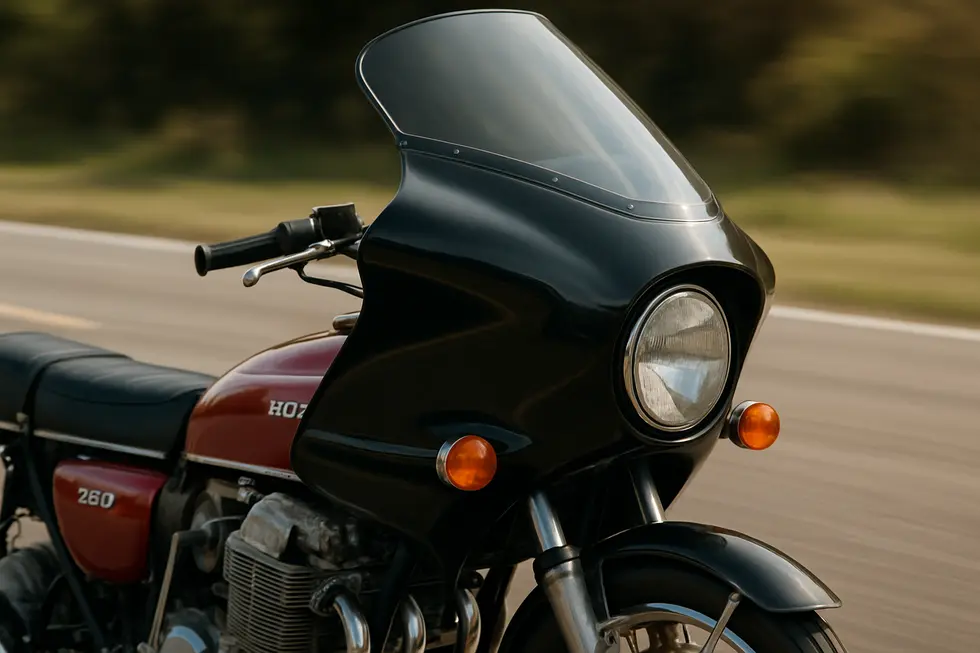
1. Defining the Windjammer’s Form: The Synergy of Aerodynamic Craft and Functional Touring Design
The Windjammer motorcycle fairing stands out as a hallmark of innovative touring design, blending purposeful form with effective function. Its signature large, rounded front fairing incorporates a broad, curved windshield seamlessly integrated into the body, crafted to divert wind away from the rider’s upper body. This careful shaping dramatically reduces windblast and fatigue, an essential advantage for long-distance riders managing hours on open road. The fairing’s attachment to the motorcycle frame or forks further supports structural stability while preserving the integrity of its aerodynamic profile. By firmly mounting to these points, the Windjammer avoids excess movement that might disrupt airflow or handling.
Beyond its smooth, encompassing silhouette, the Windjammer is thoughtfully engineered to accommodate essential components like headlights and instrumentation. Such integration ensures riders have full access to critical visual cues without compromising the aerodynamic flow that minimizes drag and turbulence. The fairing’s form works to channel air efficiently around both the bike and rider, softening the force of direct wind impact and reducing unwanted buffeting. This results in greater stability and comfort at higher speeds, enabling riders to maintain control without the constant fight against erratic air disturbances.
Manufactured from lightweight yet robust materials like fiberglass composites, the design strikes a balance between durability and maneuverability. This careful material choice keeps overall weight down, promoting better handling characteristics, while maintaining strength against road elements.
Functionality extends beyond aerodynamics, with the fairing offering substantial protection from wind, rain, and debris, enhancing rider safety and comfort in varying conditions. Additionally, the design includes discreet mounting points for accessories such as mirrors and speakers, which fit harmoniously within the fairing’s contours, avoiding any negative impact on airflow.
Together, these elements illustrate how the Windjammer fairing represents a refined synthesis of aerodynamic science and practical touring needs, setting a precedent for motorcycle fairing design that endures through decades. For more insights into motorcycle fairing options and designs, exploring this comprehensive resource on motorcycle fairings offers valuable perspectives.
2. Mastering Airflow: How the Windjammer Fairing Shapes Aerodynamics and Rider Comfort
The Windjammer motorcycle fairing revolutionized touring comfort by ingeniously shaping airflow to reduce wind resistance and protect the rider. Its design centers on aerodynamic efficiency, which directly improves stability, reduces fatigue, and enhances overall performance at highway speeds. The fairing’s defining feature is a large, curved windshield crafted to channel air smoothly over and around the rider rather than letting gusts strike directly. This broad, sculpted form mitigates wind pressure on sensitive areas such as the chest and head, thereby decreasing drag forces and lessening the physical strain of long-distance travel.
Creating a streamlined slipstream effect is another hallmark of the Windjammer’s aerodynamic philosophy. By guiding air gently around the motorcycle’s contours, the fairing minimizes turbulence, which not only bolsters fuel efficiency but also stabilizes the bike by reducing unwanted buffeting. The fairing’s precise curvature acts as a deflector, directing airflow away from the rider’s torso and arms, which is crucial for reducing wind noise and limiting the disruptive vibrations that cause discomfort on extended rides.
Beyond shape, material choice and mounting rigidity play vital roles in maintaining aerodynamic integrity. Constructed typically from durable, transparent materials like polycarbonate or acrylic, the Windjammer fairing resists vibration while preserving visibility. Secure attachment to the motorcycle frame ensures the wind deflection qualities remain consistent, even at higher speeds.
This balance of form and function in the Windjammer fairing exemplifies how understanding and applying fundamental aerodynamic principles enhances rider comfort without sacrificing performance. Such innovation paved the way for future touring designs, marrying technical insight with practical needs. For more insight on aerodynamic motorcycle accessories and their evolution, explore this comprehensive resource on motorcycle fairings.
3. Material Choices and Construction Techniques: Shaping the Windjammer Fairing’s Performance and Longevity
The performance and durability of the Windjammer motorcycle fairing are deeply influenced by the materials chosen and the construction methods employed in its manufacture. This fairing, renowned for its extensive coverage and aerodynamic design, requires a balance between weight, strength, and resistance to heat and weathering—factors critical for long-haul touring riders who rely on both comfort and reliability.
Fiberglass reinforced plastic has traditionally been favored for its lightweight and moldability, allowing the Windjammer’s complex curves that efficiently divert airflow. While it offers decent impact resistance and can be repaired with relative ease, fiberglass may degrade under prolonged UV exposure and is somewhat brittle against sharp impacts unless properly coated. In contrast, ABS plastic presents a more impact-resistant and UV-stable alternative often produced through injection molding. This method ensures a consistent thickness and smooth surface finish, contributing to the fairing’s aerodynamic integrity, while its flexibility helps absorb vibrations, enhancing rider comfort during lengthy rides.
For premium applications, carbon fiber composites stand out as the pinnacle of durability and aerodynamic shape retention. Their exceptional stiffness and lightness prevent deformation over time, even under heat and stress, but come with higher costs and repair complexities. Although rare, metal alloys like aluminum offer unmatched durability; however, their weight compromises handling and aerodynamic gains, which are crucial in a design like the Windjammer’s.
Equally important are the construction details—manual layups for fiberglass require precise skill to avoid thin spots, while injection molding of plastics delivers uniformity at scale. Assembly techniques that secure the fairing to the chassis must mitigate vibration-induced stress to prevent cracking, especially critical given the large surface area and mounting loads of the Windjammer.
Ultimately, the interplay of these materials and methods directly affects not only the fairing’s resistance to environmental factors and physical impacts but also its ability to maintain aerodynamic effectiveness over time. Understanding these factors is essential for riders and restorers aiming to preserve the fairing’s iconic blend of function and form.
For more insights into the variety of innovative motorcycle fairings and their material technologies, visit the explore the best motorcycle fairings at Summit Fairings resource.
Learn more about the aerodynamic impact of fairing design through this detailed scientific analysis of motorcycle fairings.
4. Enhancing Rider Comfort and Stability: Aerodynamic Innovations in the Windjammer Fairing
The Windjammer motorcycle fairing stands as a hallmark of aerodynamic design focused on maximizing rider comfort and stability during extended journeys. Its broad, curved windshield and large side panels are precisely engineered to direct airflow smoothly around both the motorcycle and rider, drastically reducing wind resistance and turbulent air pockets. This streamlined airflow minimizes buffeting—the uncomfortable, often fatiguing shaking caused by turbulent air—that riders typically face at high speeds. By smoothing airflow, the fairing helps deliver a calmer ride, reducing neck and upper body strain.
In terms of rider comfort, the Windjammer offers significant wind protection, shrouding the torso and head from direct airflow and drastically reducing fatigue caused by constant wind pressure. This shielding effect also leads to notable noise reduction, allowing riders to endure long distances with less mental and physical exhaustion. Additionally, the fairing’s thoughtful ergonomics ease the need to lean forward against wind force, enabling a more natural and relaxed seating posture. Weather protection is another integral benefit; rain and road debris are deflected away, keeping riders dry and clean even in less favorable conditions.
Stability is equally prioritized through aerodynamic refinement. The smooth contours reduce turbulent eddies that could destabilize the motorcycle, while the broad side panels help mitigate the effects of crosswinds, channeling airflow in a manner that lessens sudden lateral pushes. Some designs incorporate subtle downforce elements to improve tire grip at speed, contributing to safer handling. Notably, adjustable windshields allow riders to optimize airflow direction, tailoring wind deflection to their height and riding style, which further reduces buffeting and enhances stability.
While the fairing’s size inevitably adds some weight, its aerodynamic benefits translate into less rider fatigue and improved control, critical for touring applications. Wind tunnel testing and computational fluid dynamics (CFD) have informed refinements that balance frontal area with streamlined efficiency, confirming the Windjammer’s role as a pioneering design for rider-centered aerodynamic comfort.
For riders interested in exploring a broad range of fairing options, resources like the Explore the Best Motorcycle Fairings at Summit Fairings provide valuable insight and selection guidance.
Reference: [Wind Tunnel Testing of Motorcycle Fairings, Journal of Wind Engineering and Industrial Aerodynamics]
5. Harmonizing Aerodynamic Functionality with Touring Comfort in the Windjammer Fairing
The Windjammer motorcycle fairing embodies a careful synthesis of aerodynamic function and practical touring benefits, distinguishing it as a pioneering example in motorcycle accessory design. Its broad, wrap-around windshield and integrated side panels create a protective envelope that smoothly channels airflow above and around the rider’s torso and helmet. This design element significantly cuts down on direct wind blast, reducing rider fatigue during extended highway rides—a crucial consideration that elevates touring comfort beyond mere drag reduction.
Constructed from resilient ABS plastic or fiberglass composites, the Windjammer achieves a robust yet lightweight structure capable of withstanding sustained high speeds without undue vibration or flex. Its mounting system—attaching securely to handlebars or frame—ensures effortless installation and removal, making it a practical choice for riders who value convenience alongside performance.
Unlike streamlined sportbike fairings crafted for minimal drag, the Windjammer accepts slightly increased frontal area to prioritize wind deflection and turbulence control. The large windshield lessens wind noise and buffers against turbulent air pockets near forks and wheels, diminishing buffeting effects common in naked motorcycles. These aerodynamic refinements also gently lower drag compared to undressed bikes, subtly improving fuel economy without compromising essential rider protection.
Beyond airflow management, the fairing delivers tangible touring advantages: it shields riders from rain spray more effectively, helping maintain comfort in inclement weather; its reflective surfaces enhance visibility to other motorists, boosting safety; and built-in compartments or accessory mounts accommodate devices like GPS units, reinforcing its role as a comprehensive touring solution.
The Windjammer’s design philosophy consciously balances modest aerodynamic compromises with real-world usability. This harmony caters to touring riders who prioritize endurance, weather protection, and ease of use over outright speed. For those seeking an all-encompassing touring enhancement blending aerodynamic gains with practical comfort, this fairing remains a time-honored standard.
For more insights into the aerodynamic principles behind motorcycle fairings like the Windjammer, see this detailed motorcycle fairings explanation. For a wide selection of touring and other motorcycle fairings tailored to diverse needs, explore options at Summit Fairings’ blog.
Chapter 2: Historical Usage and Influence of the Windjammer Motorcycle Fairing on Vintage Motorcycles
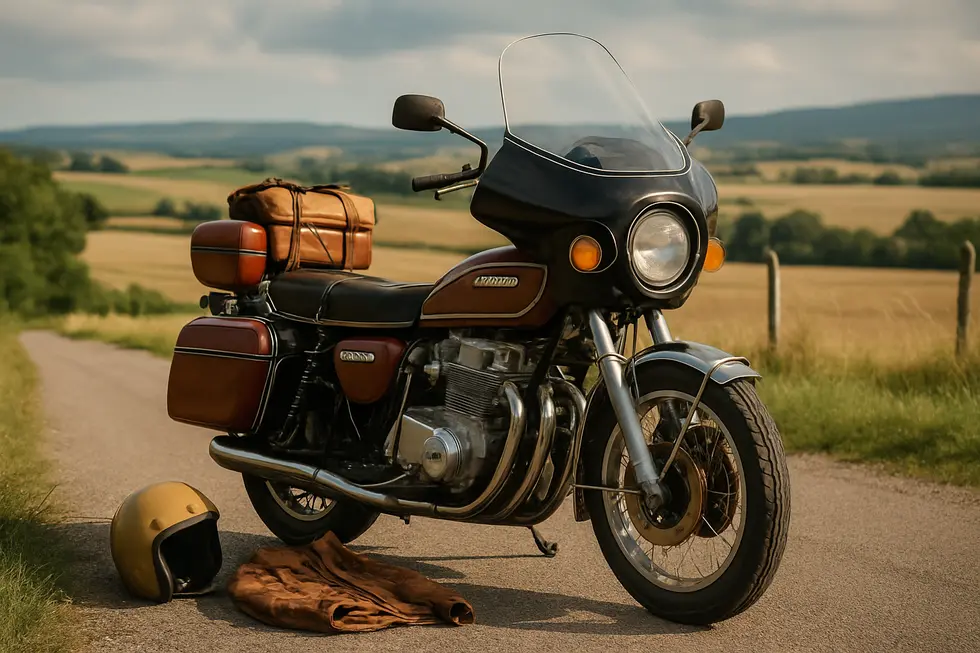
1. Technological Advances Shaping the Legacy of the Windjammer Fairing in Vintage Motorcycle Touring
The Windjammer motorcycle fairing stands as a milestone in motorcycle accessory innovation, fundamentally altering vintage motorcycle touring through its blend of aerodynamic efficiency and functional design. Emerging in the mid-20th century, the Windjammer introduced a new era of rider comfort by significantly reducing wind resistance and shielding riders from adverse weather. This shift was pivotal, as previous motorcycles often left riders exposed and fatigued during long rides.
The fairing’s design synergized technological developments with practical touring requirements. Its smooth, aerodynamic contours were not just aesthetic but purpose-built to minimize wind buffeting, thereby lessening rider fatigue and enhancing safety. The integration of storage compartments expanded the motorcycle’s utility, allowing riders to carry essentials securely and conveniently, which was revolutionary for extended road journeys. These features collectively elevated the role of motorcycle fairings from mere add-ons to essential touring components.
Material technology advancements further shaped the Windjammer’s enduring influence. Early iterations utilized heavier, less flexible materials, but subsequent use of lightweight plastics and composites improved durability without compromising its vintage appeal. This blend of classic styling and modern material resilience has made the Windjammer an attractive choice for restorers and customizers aiming to balance authenticity with improved performance and weather resistance.
Moreover, the Windjammer’s impact transcended its own design. It helped spur a broader acceptance of factory custom and touring motorcycles, inspiring models that prioritized ergonomics and rider protection. Iconic vintage bikes, like the tri-cylinder Triumph X75 Hurricane, reflect how such technological influences permeated motorcycle culture, championing a harmonious mix of function and style.
This historic convergence of engineering and design principles continues to affect restoration practices today, ensuring that the Windjammer fairing remains a celebrated and practical element within vintage motorcycle communities. For riders and collectors seeking authentic yet functional fairings, exploring options at Summit Fairings Toplumsal açıdan, özelleştirilmiş batwing fairing'ler, konfor ve güvenliği artırarak sürücünün deneyimini geliştirir. Aerodinamik tasarımı, uzun seyahatlerde rüzgar çarpmasını ve gürültüyü azaltarak yorgunluğu azaltır. Kişiselleştirme seçenekleri, bu avantajları tam olarak özelleştirmeyi mümkün kılar, daha eğlenceli ve güvenli bir seyahat deneyimi katkısı sağlar. Ayrıca, fairing'leri özelleştirmek, sürücülerin kimliklerini ve bağlılıklarını sergilemek için güçlü bir ifade aracıdır. Bu, motosiklet topluluklarında paylaşılan stiller ve aksesuarlarla topluluk ruhunu ve gururu güçlendiren, zengin bir alt kültürü besler.
2. Economic Impact and Market Dynamics Driven by the Windjammer Motorcycle Fairing in Vintage Circles
The Windjammer motorcycle fairing’s economic significance extends well beyond its functional design, playing a pivotal role in shaping the vintage motorcycle market. Its ability to elevate rider comfort through enhanced wind protection and integrated storage has made it a valuable upgrade for classic bikes, especially models like the Honda CB750 series. These improvements do more than just enhance usability; they directly increase the perceived and real value of vintage motorcycles among collectors and enthusiasts.
Motorcycles equipped with this iconic fairing enjoy a heightened desirability in resale markets, often commanding premiums due to their blend of nostalgia and practical touring enhancements. This increased demand reflects riders’ desire to maintain the vintage aesthetic while benefiting from improvements that make long-distance riding more comfortable and feasible. Consequently, the Windjammer has helped expand the vintage market from purely collectible ownership to active, functional use.
This shift has spurred a thriving aftermarket industry devoted to producing, restoring, and customizing Windjammer fairings and compatible components. Specialized suppliers and restorers cater to a dedicated niche eager to preserve classic motorcycles with a touch of modern touring practicality. Furthermore, vintage motorcycle shows and fairs have amplified the fairing’s visibility, frequently spotlighting bikes featuring the Windjammer, which in turn fuels interest and sales within the collector community.
The fairing’s presence encourages restoration trends that balance authenticity with rider comfort, fostering innovative adaptations that respect classic design while addressing modern touring needs. This dynamic supports a vibrant market segment where enthusiasts and professionals converge, promoting both economic growth and community engagement around vintage motorcycle culture.
Though detailed economic analyses specific to the Windjammer fairing are limited, its influence on market preferences and aftermarket development is clear. For riders and collectors wishing to explore fairing options, discovering affordable motorcycle fairings at Summit Fairings offers a starting point to blend vintage charm with practical upgrades. More insights on the role and selection of motorcycle fairings can be found in this detailed resource.
3. Crossroads of Culture and Competition: The Windjammer Fairing’s Role in Shaping Vintage Motorcycle Touring
The Windjammer motorcycle fairing emerged in the early 1970s as more than just an accessory; it became a symbol of evolving rider preferences shaped by global market dynamics and cultural shifts within the American motorcycling community. During this era, British motorcycle brands faced a decline in market dominance, particularly in the United States, as Japanese manufacturers like Honda rapidly gained favor. This geopolitical reordering pressured traditional British makers to innovate and tailor designs to the distinctive tastes of American riders, emphasizing touring comfort and style.
Craig Vetter’s Windjammer fairing became instrumental in this transformation. By outfitting British-origin hybrids such as the BSA Rocket 3—later rebranded the Triumph X75 Hurricane—with an aerodynamic and functional shelter, these motorcycles acquired a new identity that resonated with American touring ideals. This repositioning not only enhanced the bikes’ appeal but also contributed to defining what would become the “American touring bike” concept, a notion that heavily influenced subsequent motorcycle models, including landmark Japanese touring designs.
Culturally, the Windjammer reflected a significant shift in how motorcyclists valued their rides. Long-distance comfort, reduced wind buffeting, and integrated storage moved to the forefront, answering a growing demand for practical features without compromising style. The fairing’s sleek, one-piece form anticipated future factory customs and personalized touring solutions, emphasizing that customization was not merely aesthetic but functional. This cultural embrace of enhanced touring gear showcased an adaptation of European engineering principles tuned to American riders’ priorities, creating a unique fusion amid competitive global currents.
Ultimately, the Windjammer’s historical usage underscores an intersection where geopolitical market shifts meet cultural evolution, elevating a motorcycle accessory into a pivotal influence on American vintage motorcycle touring. For enthusiasts interested in exploring the wider landscape of touring fairings, explore the best motorcycle fairings at Summit Fairings offers valuable insights.
4. Transforming Motorcycle Culture: How the Windjammer Fairing Shaped Rider Lifestyles and Communities
The Windjammer motorcycle fairing, introduced by Craig Vetter in the early 1970s, fundamentally reshaped motorcycle culture by redefining how riders experienced long-distance travel. Its aerodynamic design and weather protection transformed motorcycles from primarily practical or sport machines into touring vehicles suited for leisure and prolonged journeys. This shift encouraged riders to adopt motorcycling as a lifestyle centered around exploration and comfort rather than mere transportation or short rides.
Before the Windjammer, riders faced significant challenges from wind buffeting and exposure to the elements, which limited long trips’ appeal. The fairing’s innovation enabled riders to travel farther with less fatigue, fostering a new touring culture across the United States. This change supported the emergence of vibrant rider communities and events that celebrated long-distance journeys, creating a shared identity around touring motorcycles.
Beyond functional benefits, the fairing influenced motorcycle aesthetics and customization culture. Craig Vetter’s sleek, integrated designs contrasted with the exposed mechanical appearance typical of the era, inspiring a wave of personalization and factory custom trends. Riders began viewing motorcycles as extensions of personal style, blending comfort, performance, and visual appeal into one cohesive package.
Thus, the Windjammer fairing contributed to:
- The birth of the American touring bike segment, emphasizing comfort and endurance.
- A cultural shift toward motorcycling as a recreational lifestyle, fueling community and travel.
- An aesthetic evolution that promoted customization and factory custom design philosophies.
This legacy endures as the foundation of modern touring motorcycles’ design and the broader motorcycle lifestyle. For those interested in exploring diverse touring fairing options inspired by this heritage, a comprehensive selection can be found at Summit Fairings’ collection.
5. Styling Legacy and Functional Design Impact of the Windjammer Fairing on Vintage Touring Motorcycles
The Windjammer motorcycle fairing stands out as a landmark in motorcycle design, merging purposeful engineering with visually commanding presence. Emerging in the late 1970s and early 1980s, its wide, wraparound windshield and enveloping side panels created a bold silhouette that transformed the typically exposed, mechanical look of vintage motorcycles into a sport-touring icon. This sizeable fairing not only enhanced rider comfort through superior wind protection and reduced fatigue on long rides but also introduced a new aesthetic language to bikes like the Honda CB series, notably early 1980s CB900 models.
Beyond aerodynamic efficiency, the Windjammer’s distinctive bulk added a sense of durability and touring readiness. Its presence altered the visual identity of motorcycles by marrying form with function — the fairing’s significant size balanced aggressive styling with practical touring demands. This design choice heavily influenced custom restorations and vintage bike modifications, inspiring enthusiasts to retain or replicate its characteristic look, which symbolizes an era when rider ergonomics and comfort began to share the spotlight with performance.
The Windjammer also impacted aftermarket markets, setting expectations for integrated storage and seamless wind management that persisted in touring motorcycle evolution. Modern classic motorcycle interpretations frequently echo these design cues to evoke nostalgia while delivering aerodynamic benefits, showcasing the enduring influence of this fairing style. For those interested in exploring related styles and options, resources like the explore Summit Fairings your go-to destination for motorcycle fairings offer insight into the continuing legacy and variety inspired by pioneering designs such as the Windjammer.
A notable example is the 1982 Honda CB900C, originally equipped with Windjammer elements, later adapted into configurations like café racers, illustrating the fairing’s lasting appeal in blending aerodynamic utility with striking, vintage aesthetics.
Chapter 3: Functionality and Touring Advantages of the Windjammer Motorcycle Fairing
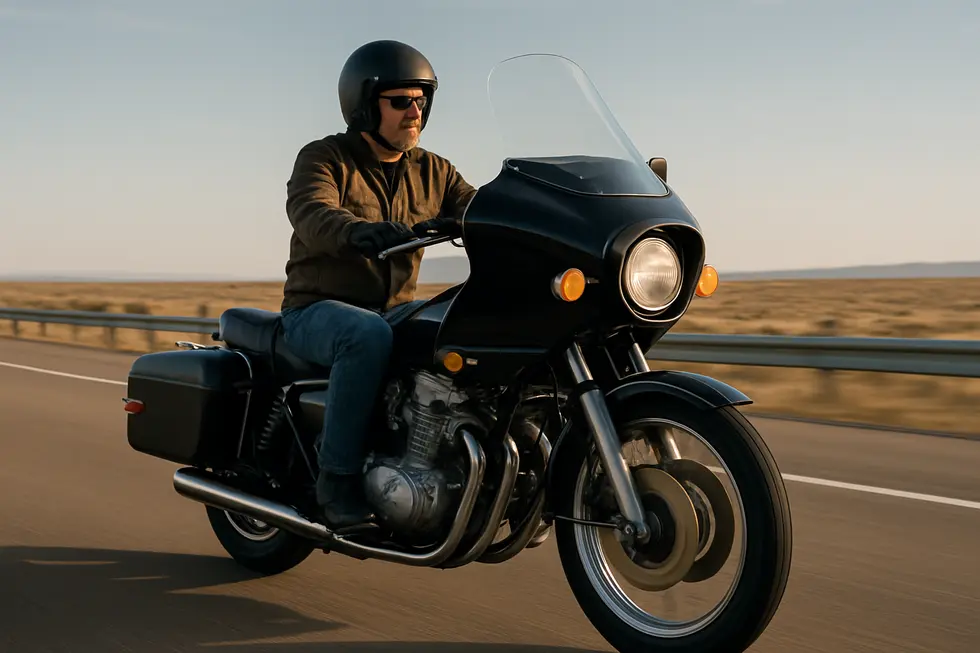
1. How Aerodynamic Efficiency and Stability Elevate Touring Comfort with the Windjammer Fairing
The Windjammer motorcycle fairing stands out for its expertly engineered aerodynamic efficiency and stability, which are fundamental to its touring advantages. Its design streamlines airflow around the rider and motorcycle, reducing drag significantly. This careful shaping minimizes turbulent wind pressure that commonly disrupts the riding experience at higher speeds, allowing for smoother, more controlled rides across long distances. The reduced aerodynamic resistance not only eases rider strain but also enhances fuel economy, an essential factor for long-haul touring where efficiency matters.
Beyond improving speed and fuel use, the fairing’s tall, clear windshield plays a crucial role in increasing stability by deflecting wind around the rider’s head and torso. This shielding effectively decreases buffeting—the turbulent, chaotic wind effects that often cause rider fatigue and reduce control. By smoothing airflow and mitigating disruptive wind forces, the Windjammer fairing improves the motorcycle’s steadiness, making highway cruising safer and more comfortable.
These aerodynamic strengths translate directly into practical touring benefits. The fairing protects riders from weather extremes and road debris, enhancing safety and comfort during extended trips. Reduced wind fatigue and improved handling enable riders to sustain longer journeys with less physical strain, while better fuel consumption and stability support reliable performance across diverse road conditions.
Together, these features establish the Windjammer fairing as a defining innovation in motorcycle touring. Its blend of aerodynamic refinement and stability not only revolutionized comfort