
















Introduction
For business owners operating within the motorcycle aftermarket industry, understanding the key factors that define the best aftermarket motorcycle fairings is crucial for maintaining competitive advantage. The landscape of aftermarket fairings hinges largely on material quality, OEM-accurate fitment, brand reliability, and user-friendly installation features. This comprehensive exploration begins by detailing the essential materials and fitment standards that define premium fairings, ensuring durable and precise performance. Next, it highlights the leading brands and providers shaping market expectations with innovative products tailored to diverse consumer needs. Finally, it delves into practical installation features and model-specific solutions that streamline the consumer experience while enhancing value propositions. This layered insight equips businesses with the knowledge to select, stock, and market aftermarket fairings that consistently meet high standards and customer satisfaction.
Tables of Contents
Chapter 1: Comprehensive Overview of Aftermarket Motorcycle Fairings Materials and Fitment Standards
- Advanced Material Choices and Precision Fitment Technologies Shaping Aftermarket Motorcycle Fairings
- Balancing Cost and Performance: Economic Effects of Material Choices in Aftermarket Motorcycle Fairings
- Precision Engineering and Fitment Excellence in Aftermarket Motorcycle Fairings
- How Geopolitical and Supply Chain Dynamics Shape Materials Quality and Fitment Standards
- How Consumer Trends and Preferences Drive Material Choices and Fitment in Aftermarket Motorcycle Fairings
Chapter 2: Leading Brands and Providers of Best Aftermarket Motorcycle Fairings
- Cutting-Edge Technologies Shaping the Future of Aftermarket Motorcycle Fairings
- Economic Growth and Market Influence of Top Aftermarket Motorcycle Fairing Brands
- How Geopolitical Dynamics Shape the Market for Aftermarket Motorcycle Fairings
- How Societal Shifts and Cultural Trends Drive Innovation in Aftermarket Motorcycle Fairings
- Expansive Product Ranges and Expert Customer Support Defining Top Aftermarket Fairing Providers
Chapter 3: Installation Features and Model-Specific Options in Best Aftermarket Motorcycle Fairings
- Cutting-Edge Materials and Precision Manufacturing Elevating Installation and Model Fitment
- Effortless Fitment: How Pre-Drilled Kits and Model-Specific Designs Elevate Aftermarket Fairings
- Expert Techniques and Model-Specific Considerations for Seamless Motorcycle Fairing Installation
- Precision Customization and Aesthetic Refinements Elevating Model-Specific Fairing Installations
- How Model-Specific Compatibility Streamlines Installation and Enhances Fairing Options
Chapter 1: Comprehensive Overview of Aftermarket Motorcycle Fairings Materials and Fitment Standards
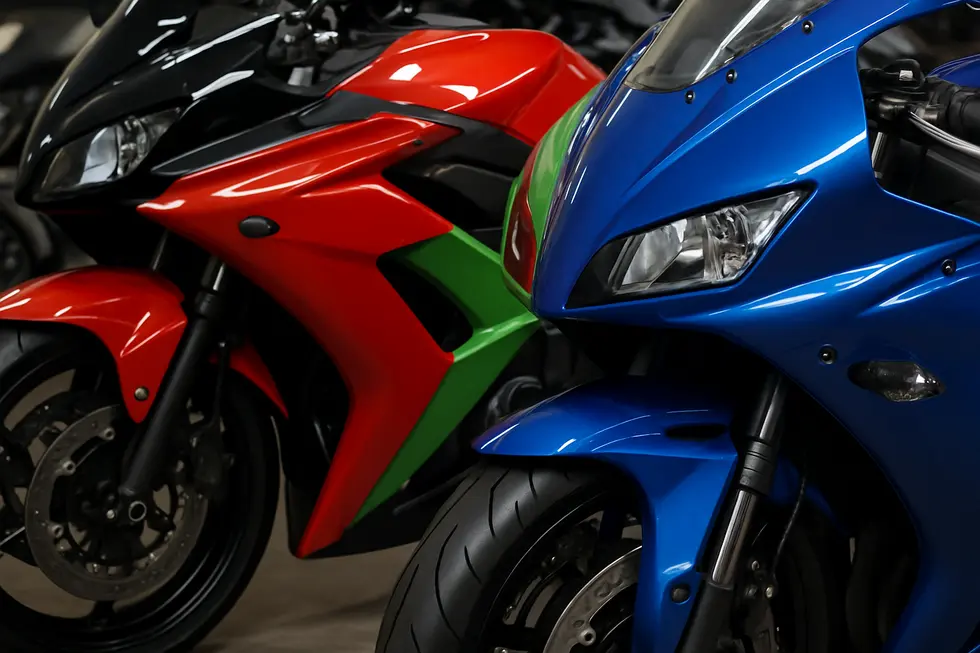
1. Advanced Material Choices and Precision Fitment Technologies Shaping Aftermarket Motorcycle Fairings
Motorcycle fairings demand a precise balance of durability, weight, and cost, shaping material selection and manufacturing techniques. Among common materials, ABS plastic dominates aftermarket fairings due to its toughness, moldability, and affordability. ABS offers excellent impact resistance and can be molded with high precision for accurate, direct bolt-on fitment to OEM mounting points. This ensures minimal installation hassle and preserves aerodynamic integrity, crucial for maintaining the motorcycle’s performance and rider safety.
Fiberglass, valued for its light weight and cost-efficiency, represents a budget-friendly alternative but tends to be more brittle, which may reduce long-term durability under impact. Carbon fiber stands apart with an unparalleled strength-to-weight ratio, combining extreme durability with feather-light qualities. However, its premium cost confines it largely to high-performance or custom applications where weight savings and aesthetics justify the investment.
Polypropylene, particularly advanced variants like Durable Gloss Polypropylene (DGP), brings a unique blend of high-gloss finish and break resistance, making it well-suited for off-road fairing components exposed to harsher environments. While less common in street fairings, its resilience to cracks and abrasions adds functional value for rugged use.
Technological advancements ensure materials not only meet physical demands but also stringent fitment standards. CNC machining and precision injection molding enable manufacturers to replicate original OEM dimensions with exacting accuracy. This technical rigor guarantees that aftermarket fairings bolt on seamlessly, without modifications, preserving both form and function. Additionally, such precision supports aerodynamic efficiency akin to factory parts, which is critical for handling and fuel economy.
Overall, the interplay of material science and fabrication technology defines the aftermarket fairing landscape. Riders benefit from a variety of options tailored for strength, visual appeal, and installation ease. For further insights on the role of CNC machining and material choices in aftermarket components, explore this guide on precision manufacturing for aftermarket parts.
For a wider range of motorcycle fairing choices that excel in fit and finish, visit Explore the Best Motorcycle Fairings at Summit Fairings.
2. Balancing Cost and Performance: Economic Effects of Material Choices in Aftermarket Motorcycle Fairings
The economic landscape of aftermarket motorcycle fairings hinges largely on the choice of materials, which directly influences production costs, pricing strategies, and market segmentation. ABS plastic, dominant in OEM-grade fairings, offers a cost-effective solution characterized by durability, ease of manufacturing, and precise fitment. These properties allow manufacturers to target mainstream consumers who value reliability and straightforward installation at moderate price points typically ranging between $669 and $675.
Conversely, high-performance materials like carbon fiber command premium prices—ranging from roughly $104 to over $1,800 for specialized racing kits—due to their superior lightweight properties and aerodynamic benefits. This premium tier appeals primarily to enthusiasts seeking performance gains and are willing to invest significantly. However, while carbon fiber enhances weight reduction, its relatively higher production costs and variable impact resistance can increase long-term replacement expenses.
The variety in material choices enables manufacturers to segment the market effectively. From entry-level ABS pre-drilled kits catering to DIY customization trends, to elite composites aimed at racing aficionados, this spectrum meets diverse consumer demands and budgets. Moreover, advancements in materials such as eco-friendly recycled plastics are beginning to redefine this economic framework by attracting environmentally conscious riders willing to pay a premium for sustainability.
OEM fitment standards and regulatory compliance add layers of complexity and cost but ensure safety and resale value, making them attractive despite higher prices. Manufacturers must balance these costs with consumer expectations for quality and performance, further shaping pricing tiers.
As the market evolves, strategic material selection plays a pivotal role in optimizing profitability while delivering products that align with buyers’ aesthetic preferences, performance needs, and budget constraints. This balance is critical for establishing a robust presence in the competitive aftermarket fairing sector.
For a deeper dive into fairing options and market tendencies, explore the wide range available at Summit Fairings.
(Reference: Pricing tiers and material properties for carbon fiber and ABS plastic aftermarket fairings [1])
3. Precision Engineering and Fitment Excellence in Aftermarket Motorcycle Fairings
Achieving a seamless fit between aftermarket motorcycle fairings and the bike’s frame is paramount for both aesthetic cohesion and functional performance. The best aftermarket fairings are engineered with meticulous precision to replicate OEM fitment standards, ensuring that each piece aligns exactly with original mounting points without extensive adjustments. This high level of manufacturing accuracy plays a critical role in preserving aerodynamic efficiency—essential for stability and handling at varying speeds.
Central to this precision is the use of premium ABS plastic, favored for its robustness, lightweight nature, and resistance against UV exposure and weather-induced corrosion. Fairings crafted from ABS typically maintain a standardized thickness, around 0.25 inches, balancing durability with weight reduction. Manufacturers employ advanced molding techniques that produce components with exact dimensions and pre-drilled mounting holes. This approach simplifies installation, especially for DIY enthusiasts, by reducing the need for additional drilling or modification.
Moreover, top-tier kits often come with comprehensive mounting hardware and adjustable brackets. These features allow fine-tuning of the fit to accommodate subtle variations in motorcycle frames and aftermarket customization options, supporting multiple mounting configurations beyond the standard design. This adaptability ensures the fairings not only fit well but also maintain integrity under the stresses of riding.
Aerodynamic design is integrated into the manufacturing process, with forms sculpted to minimize drag and optimize airflow. These design elements require precision molding to guarantee consistent shape and fit, enhancing both performance and fuel efficiency. Prominent industry suppliers emphasize an OEM fitment guarantee, underlining their commitment to quality by bridging the gap between aftermarket flexibility and original equipment reliability.
For riders and enthusiasts interested in exploring these fitment standards and the engineering behind quality fairings, a detailed resource can be found in the Motorcycle Batwing Fairing Kit for Harley FLST Heritage as well as product descriptions from trusted manufacturers. Additional insights into quality and fitment innovation are available through comprehensive guides like those offered by شعار الموقع.
External Reference: Motorcycle Batwing Fairing Kit for Harley FLST Heritage
4. How Geopolitical and Supply Chain Dynamics Shape Materials Quality and Fitment Standards
The quality and availability of aftermarket motorcycle fairings are profoundly influenced by complex geopolitical and supply chain conditions. Trade restrictions, tariffs, and export controls introduced by geopolitical tensions disrupt the smooth flow of essential raw materials. These challenges exacerbate delays and elevate costs, making it harder for manufacturers to maintain consistent quality and timely delivery of premium fairing components.
Recent global events, such as pandemics, have further strained supply networks. Shortages of specialized materials like carbon fiber prepregs—valued for their exceptional strength-to-weight ratio and cured through costly autoclave processes—are particularly acute because of their limited production facilities worldwide. This scarcity pushes manufacturers to innovate while managing increased expenses and production bottlenecks.
High-end producers use automated cutting technologies to ensure precise fitment that meets OEM or homologated standards, guaranteeing seamless integration and optimal aerodynamic performance. Protective coatings applied to carbon fiber parts mitigate environmental degradation caused by UV radiation and moisture, extending lifespan despite supply uncertainties.
Similarly, acrylic blend components for windshields and fairings adhere to strict safety standards, including Department of Transportation (DOT) regulations, integrating UV inhibitors to preserve clarity and rigidity over time.
These supply chain challenges compel manufacturers to carefully balance innovation with regulatory compliance. Adhering to tight fitment standards ensures safety and performance, especially in racing disciplines where homologation rules are stringent. Together, these factors underscore how geopolitical and logistical forces fundamentally affect the materials technology and precise fitment that define the best aftermarket motorcycle fairings.
Discover how these industry dynamics inform your choices from reliable sources focusing on quality and precision in motorcycle fairings هنا.
For detailed insights into high-end carbon fiber manufacturing and protective technologies, see Ilmberger Carbon BMW Motorcycle Fairings.
5. How Consumer Trends and Preferences Drive Material Choices and Fitment in Aftermarket Motorcycle Fairings
How Societal Trends and Consumer Preferences Influence Material Innovation and Fitment Precision in Aftermarket Motorcycle Fairings
The evolving landscape of aftermarket motorcycle fairings reflects a strong intersection of rider demands for personalization, material excellence, and exacting fitment standards that align closely with original OEM specifications. Today’s consumers prioritize fairings that balance aesthetic uniqueness with lasting durability. Metallic hues, retro-inspired graphics, and factory-backed replica kits have surged in popularity, enabling riders to express individuality while honoring the sport’s heritage.
Material selection revolves around the dominance of high-quality ABS plastic, prized for its lightweight yet robust properties. ABS allows manufacturing processes to create intricate molds with precision that meet or exceed OEM fitment expectations. This precision ensures that parts install easily and maintain aerodynamic integrity, reducing rider concerns over cumbersome modifications.
Beyond raw materials, textured finishes such as faux carbon fiber or honeycomb patterns have gained traction, merging visual appeal with toughness. Pre-drilled mounting points are now standard, reflecting the industry’s commitment to simplifying installation without sacrificing fit or performance.
Sustainability and technological innovation increasingly shape industry direction, with manufacturers adopting robotics for quality control and exploring bio-composite alternatives to lessen environmental footprints. This shift resonates with a growing rider demographic that values eco-conscious practices alongside premium product attributes.
Consumer expectations extend into complementary markets as well, where advanced safety gear integrates smart technology, reinforcing a holistic trend toward combining style, function, and innovation. Together, these societal forces continuously refine material choices and fitment criteria, ensuring aftermarket fairings evolve in harmony with rider values.
For further insights on the diverse styling and material innovations shaping this market, explore more at Summit Fairings’ blog. Additionally, recent industry reports detail sustainable manufacturing trends contributing to this dynamic evolution.
Chapter 2: Leading Brands and Providers of Best Aftermarket Motorcycle Fairings
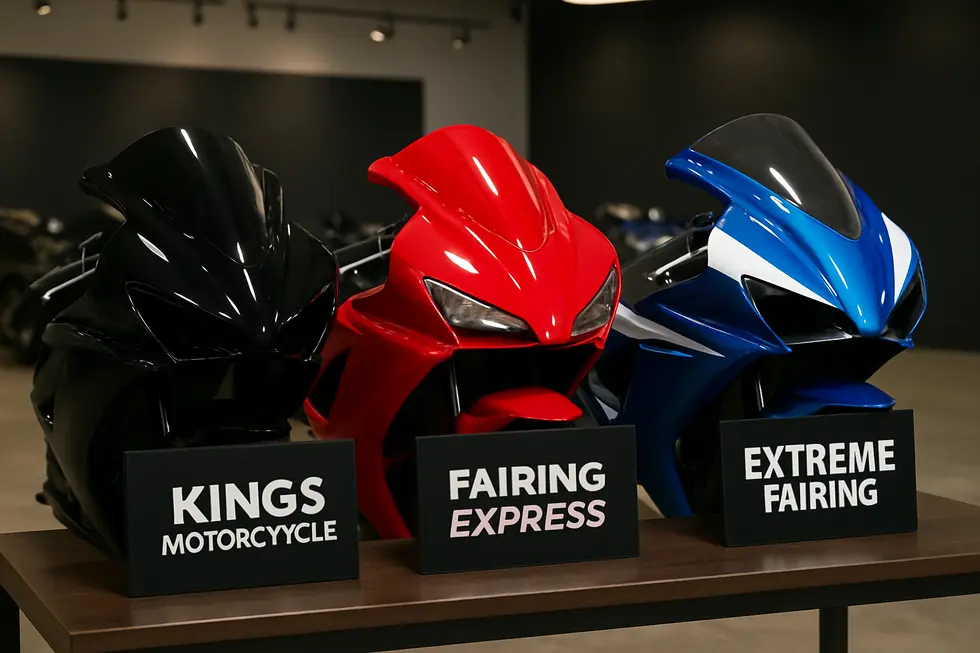
1. Cutting-Edge Technologies Shaping the Future of Aftermarket Motorcycle Fairings
The evolution of aftermarket motorcycle fairings is marked by significant technological strides that enhance performance, customization, and rider experience. Innovations largely focus on improving aerodynamics, advancing materials, and expanding adaptability to rider preferences. Manufacturers are increasingly employing computational techniques, such as computational fluid dynamics (CFD), to sculpt fairings that reduce air resistance and helmet buffeting, a crucial factor for high-speed stability and rider comfort on long journeys.
Material advancements play a pivotal role. While traditional ABS plastic continues to provide an ideal balance of durability and lightweight characteristics, the introduction of carbon fiber composites pushes the boundaries of performance and aesthetics. Carbon fiber’s exceptional strength-to-weight ratio allows for lighter components that contribute to agility and fuel efficiency without compromising structural integrity. Some providers produce high-quality carbon side fairings that offer both visual appeal and competitive edge.
The aftermarket sector embraces customization trends through pre-drilled, unpainted kits, inviting riders to personalize their machines effortlessly. Moreover, accessory integrations have become smarter and more accessible, enabling seamless addition of features like enhanced windshields or heat shields tailored to individual touring needs. Emerging technologies even hint at the integration of Internet of Things (IoT) capabilities, foreshadowing smart fairings capable of monitoring structural integrity or environmental conditions in real time.
Sustainability and modular design are increasingly influencing fairing innovation. Eco-friendly plastics and biodegradable materials are emerging as viable alternatives, aligning with growing environmental awareness. Market demands encourage modular fairings that simplify upgrades and repairs, maintaining compatibility with evolving motorcycle technologies.
These advancements underscore a future where aftermarket fairings don’t merely serve as replacements but as integral components enhancing motorcycle functionality and rider engagement. For riders seeking the latest in technological sophistication alongside reliable fitment and style, exploring options detailed in this comprehensive overview is invaluable. Additional insights on trending materials and designs can be found at trending plastic motorcycle parts and further information on top aftermarket options is available at Summit Fairings’ blog.
2. Economic Growth and Market Influence of Top Aftermarket Motorcycle Fairing Brands
The aftermarket motorcycle fairings sector is expanding steadily, driven by rising demand for customization and innovative designs that blend durability with aerodynamic efficiency. Forecasts project this market to reach approximately $2.3 billion by 2033, growing at a compound annual growth rate of 8.1%. This surge stems from riders’ increasing desire for lightweight, OEM-compatible fairings tailored to popular motorcycles, as well as broader trends favoring personalization. Suppliers leading this vibrant landscape offer diverse color selections and model-specific options, contributing significantly to this growth.
This segment is a dynamic part of the larger motorcycle accessories market, which stood at $21.18 billion in 2025 and is expected to approach $33.85 billion by 2034. The expansion is largely attributed to a global increase in motorcyclists seeking both safety gear and aesthetic upgrades. Regionally, North America dominates due to its well-established biking culture, while the Asia Pacific region is rapidly gaining market share fueled by scenic riding opportunities and rising disposable incomes.
Complementing the aftermarket fairings niche, related accessory markets such as motorcycle lighting also evolve alongside regulatory changes. Brands in lighting, influenced by stricter safety standards, are expanding their aftermarket portfolios. This sector itself grows at around 4.7% CAGR through 2032, supporting the overall health of motorcycle customization markets.
Major motorcycle manufacturers from Japan and India shape these trends indirectly by influencing popular models and rider preferences, though they typically refrain from producing aftermarket parts themselves. Together, these economic forces underscore the significant impact and growing market position of leading aftermarket fairing brands within an evolving industry.
For further insights into market drivers and detailed forecasts, information can be found at Market Forecast Source.
3. How Geopolitical Dynamics Shape the Market for Aftermarket Motorcycle Fairings
The global marketplace for aftermarket motorcycle fairings is profoundly shaped by geopolitical forces that influence every stage of production and distribution. Trade tariffs and sanctions, for instance, directly affect material costs and import logistics. Higher tariffs on steel and aluminum, key components in fairing manufacturing, increase expenses that ripple through pricing and availability. Sanctions targeting specific countries further restrict sourcing options, compelling manufacturers to adjust supply chains and seek alternative suppliers.
Regional regulatory landscapes also play a critical role. In Europe, strict environmental and safety standards drive innovation toward sustainable, high-precision materials and designs. Meanwhile, the Asia Pacific region emphasizes volume manufacturing alongside continuous technological upgrades, including components for emerging electric vehicles. Countries like India and those in Southeast Asia have become crucial assembly hubs, shifting cost structures and promoting new product features aligned with local demand.
In response to geopolitical uncertainties, such as trade disputes and disruptions, manufacturers increasingly pursue supply chain diversification and resilience. Strategies include relocating production closer to consumer markets or fostering local supplier bases, which impact lead times and product availability but reduce vulnerability.
Technological shifts propelled by regional policies also impact fairings design. The transition toward electric motorcycles requires fairings engineered to accommodate batteries and enhance aerodynamics, fostering innovation among suppliers. Meanwhile, consumer preferences diverge sharply, with mature markets valuing customization and high performance, contrasting with emerging economies prioritizing affordability and practicality.
Brands that adeptly navigate these geopolitical currents by balancing compliance, innovation, and diversified sourcing solidify their market standing. Understanding these global dynamics is essential for anyone seeking aftermarket motorcycle fairings that reflect both quality and adaptability.
For deeper insights, specialized reports on automotive parts and global geopolitical trends offer extensive analysis source.
4. How Societal Shifts and Cultural Trends Drive Innovation in Aftermarket Motorcycle Fairings
The evolving landscape of aftermarket motorcycle fairings reflects broader societal and cultural movements that shape consumer priorities and product innovation. A dominant trend influencing this market is the surge in customization and personalization. Riders are increasingly motivated to express individuality, seeking fairings that transcend standard OEM appearances with distinctive designs and aerodynamic enhancements. This cultural shift not only sparks demand for variety in aesthetics and materials but also encourages brands to innovate and diversify their offerings to appeal to niche preferences.
Technological innovation plays a complementary role in this dynamic. The integration of advanced materials such as lightweight composites and adaptive features—including smart lighting systems compatible with mobile devices—reflects a fusion of style, safety, and connected functionality. These tech-infused developments resonate with riders who value both performance and modern convenience on the road.
Concurrently, regulatory frameworks introduce new challenges and opportunities. Increasingly stringent safety standards, such as mandatory daytime running lights and visibility requirements, directly impact fairing design by driving features that enhance rider safety without compromising the bike’s style or aerodynamics. Manufacturers are compelled to stay ahead of compliance trends, integrating safety improvements subtly within the fairing’s form.
Regional growth patterns further shape this market’s trajectory. Rapid urbanization and rising disposable incomes in Asia-Pacific fuel a growing motorcycle ownership that demands affordable yet high-quality aftermarket components. In contrast, mature markets in North America and Europe emphasize lifestyle-driven buying behaviors, where cultural communities on social media platforms share trends and foster brand loyalty. These digital communities often amplify bespoke styles, vintage restorations, and sportbike modifications, reinforcing the importance of trend-responsive fairing designs.
Leading manufacturers respond to this complex interplay by developing products that marry precision fitment and regulatory adherence with diverse stylistic choices, all while leveraging material and technological advancements. This strategic alignment with societal and cultural trends ensures their continuing relevance and appeal across global markets. For riders interested in exploring a wide range of options tailored to these evolving demands, discovering unmatched variety in motorcycle fairings at Summit Fairings provides an excellent resource.
For additional insights into how technology shapes related motorcycle accessories markets, refer to the detailed motorcycle lighting market analysis here: https://www.fortunebusinessinsights.com/motorcycle-lighting-market-113555
5. Expansive Product Ranges and Expert Customer Support Defining Top Aftermarket Fairing Providers
Top providers of aftermarket motorcycle fairings distinguish themselves through expansive product ranges that cater to a wide array of popular motorcycle brands, including Yamaha, Kawasaki, Honda, Suzuki, BMW, Ducati, and Triumph. These offerings are crafted from premium materials like ABS plastic and carbon fiber, balancing lightweight durability with precise OEM fitment to ensure seamless integration and aerodynamic performance. High-quality finishes involving multi-layer paint processes and clear coat protection not only deliver vibrant aesthetics but also enhance resistance to UV damage, moisture, and minor abrasions.
Beyond superior products, these leading brands focus intensively on customer experience by providing customization options. Riders can request tailored color schemes, decal variations, and unique designs that reflect individual style preferences. Customer support teams operate with professionalism and accessibility, often providing direct communication and visual confirmations of custom kits before shipment, ensuring transparency and satisfaction. Many maintain 24/7 availability to address installation concerns or product inquiries, creating a supportive environment for both novice and expert riders.
Further enriching the customer journey, select providers offer additional services such as extensive parts inventory including OEM and aftermarket accessories, access to factory-trained technicians for expert installation or repairs, and financing or rental solutions that facilitate motorcycle ownership and upgrades. This integrated approach goes beyond mere sales, nurturing long-term relationships and rider satisfaction.
Collectively, these factors—comprehensive product selections, meticulous craftsmanship, adaptable customization, and dedicated customer care—define the leaders in aftermarket motorcycle fairings. They cater effectively to riders seeking both performance enhancements and visually striking upgrades. For a closer look at providers exemplifying these strengths, visit Kings Motorcycle Fairings’ about page. Additionally, explore a broad spectrum of premium choices and styles by visiting unveiling elite motorcycle fairings, your premium source for custom styles.
Chapter 3: Installation Features and Model-Specific Options in Best Aftermarket Motorcycle Fairings
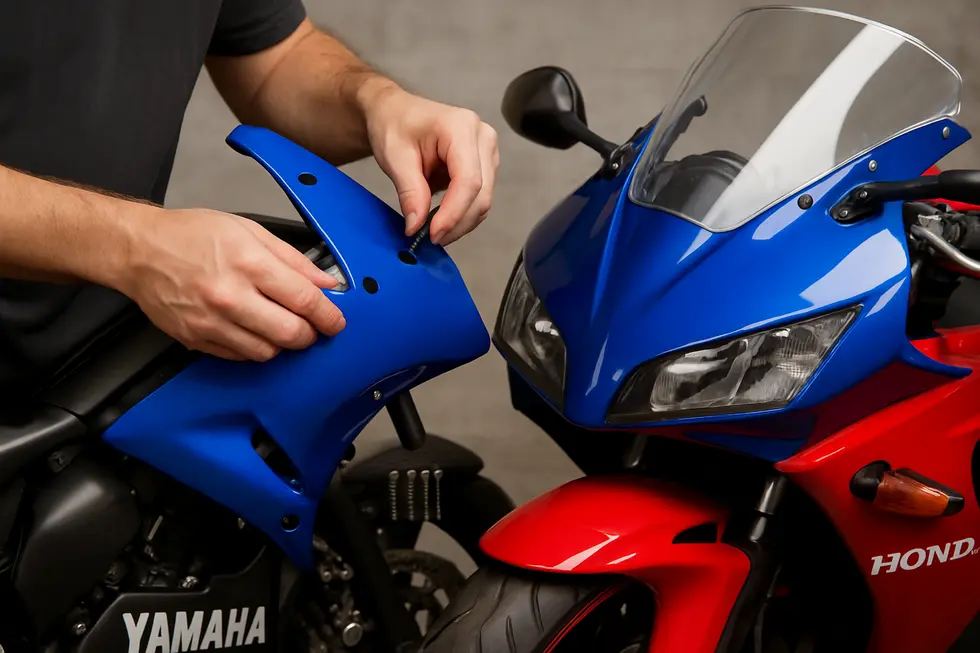
1. Cutting-Edge Materials and Precision Manufacturing Elevating Installation and Model Fitment
The evolution of aftermarket motorcycle fairings owes much to advancements in materials and manufacturing technologies that directly impact installation ease and model specificity. Today’s best fairings predominantly employ ABS plastic, prized for its blend of toughness, flexibility, and lightweight nature. This material resists impact and cracking during installation, promoting durability without compromising performance. For sportbike riders seeking superior strength and refined aesthetics, carbon fiber fairings have gained traction, offering an exceptional strength-to-weight ratio and a premium, sleek look favored on models like the Yamaha R3 and Kawasaki ZX6R.
Manufacturing methods such as ABS injection molding have revolutionized the accuracy of fitment. This process ensures parts replicate OEM c