
















Introduction
Bikini fairings represent a strategic balance between functionality and style in the motorcycle aftermarket industry. Their compact design offers essential aerodynamic benefits while appealing to riders seeking both comfort and a distinctive look. For business owners, understanding bikini fairings’ technical, economic, and market dynamics is key to leveraging this niche for profitable growth. This exploration begins by highlighting aerodynamic principles and design priorities central to bikini fairings, setting a foundation for appreciating their role. The discussion then advances to materials, manufacturing processes, and cost considerations vital for optimizing product offerings. Finally, an analysis of evolving market trends, societal impacts, and environmental concerns provides actionable insights for sustainable business development in this sector.
Tables of Contents
Chapter 1: Aerodynamics and Design Considerations of Bikini Fairings for Motorcycles
- Advancements in Aerodynamic Efficiency and Material Technology in Bikini Fairings
- Economic Dynamics Shaping the Aerodynamic Design and Market of Bikini Fairings
- Global Influences on Material Choices and Manufacturing in Bikini Fairing Design
- Rider Preferences and Emerging Trends Shaping the Design and Aerodynamics of Bikini Fairings
Chapter 2: Materials, Manufacturing, and Economic Aspects of Bikini Fairings for Motorcycles
- Exploring Key Materials Behind the Design and Performance of Motorcycle Bikini Fairings
- Advanced Manufacturing Techniques Shaping the Quality and Economy of Motorcycle Bikini Fairings
- Navigating Economic Dynamics Behind Material Choices and Manufacturing of Motorcycle Bikini Fairings
- Navigating Socioeconomic and Geopolitical Dynamics in the Production and Distribution of Motorcycle Bikini Fairings
Chapter 3: Market Trends, Societal Impact, and Environmental Considerations of Bikini Fairings for Motorcycles
- Innovations and Emerging Trends Shaping the Future of Bikini Fairings
- Economic Dynamics and Shifting Consumer Preferences Shaping the Bikini Fairings Market
- Cultural Resonance and Community Identity Shaped by Motorcycle Bikini Fairings
- Balancing Performance and Ecology: Environmental Challenges in Bikini Fairing Production and Use
Chapter 1: Aerodynamics and Design Considerations of Bikini Fairings for Motorcycles
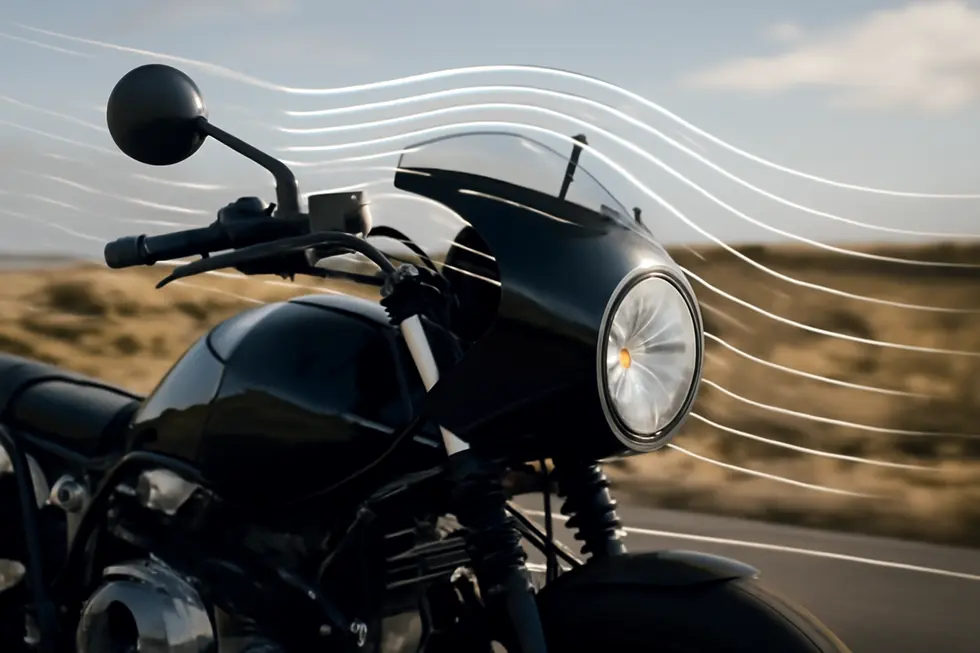
1. Advancements in Aerodynamic Efficiency and Material Technology in Bikini Fairings
Bikini fairings have evolved significantly as manufacturers and designers strive to optimize both aerodynamic performance and aesthetic appeal without compromising the minimalist ethos of these front body panels. Technological progress has enabled fairings to effectively reduce wind resistance, directly enhancing rider comfort and stability at moderate to high speeds. This aerodynamic refinement is primarily achieved through carefully sculpted contours that guide airflow smoothly around the rider’s upper body, minimizing turbulence and chest wind blast that contributes to fatigue.
Material innovation plays a pivotal role in advancing bikini fairing design. Traditional materials like fiberglass offer a favorable combination of cost-efficiency and flexibility, allowing for detailed shapes and durable finishes. ABS plastic remains popular for its impact resistance and affordability, making it a practical choice for everyday riders. However, the drive for weight reduction and enhanced rigidity has led to increased adoption of carbon fiber composites—lightweight yet robust materials that elevate performance, particularly for sport and premium motorcycles.
Mounting systems have also seen technological enhancements, with precision-engineered brackets tailored for specific motorcycle frames or forks ensuring secure fitment. This not only improves the fairing’s stability under varied riding conditions but also complements the bike’s overall visual coherence. Designers now incorporate adjustable mounts to offer riders customization in positioning, allowing optimal wind deflection tailored to individual ergonomics.
Styling innovations blend traditional and modern influences, enabling diverse customization options. The surface finishes range from high-gloss to matte textures, with complex paint schemes or exposed carbon weaves adding a distinctive sportiness and visual depth. These design choices cater to the rider’s desire for a stylish yet functional riding accessory that stands apart from bulky full fairings.
Together, these aerodynamic and material advancements reflect an ongoing pursuit to balance function, efficiency, and aesthetic appeal in bikini fairings. For enthusiasts seeking a lightweight and effective solution that enhances both appearance and ride quality, understanding these innovations is essential. To explore a wide array of options shaped by these evolving technologies, riders can visit Explore the Best Motorcycle Fairings at Summit Fairings, a resource dedicated to quality and variety in motorcycle enhancers.
2. Economic Dynamics Shaping the Aerodynamic Design and Market of Bikini Fairings
The economic landscape significantly influences the aerodynamic design and production choices behind bikini fairings for motorcycles. Unlike full fairings, bikini fairings are prized for their minimalist form coupled with functional aerodynamics, and their market success largely hinges on balanced cost-efficiency and rider appeal. Manufacturers must carefully consider material expenses, production complexity, and consumer demand when developing these fairings.
Material selection is often the primary economic determinant. ABS plastic, fiberglass, and carbon fiber represent distinct points on the cost-performance spectrum. ABS plastic offers affordability and impact resistance, making it attractive for entry-level products and budget-conscious consumers. Fiberglass strikes a balance by providing better aesthetics and moderate flexibility at a mid-range price, appealing to riders seeking enhanced look and feel without premium costs. Carbon fiber, while the lightest and strongest option, demands high manufacturing precision and elevated raw material costs. This positions it firmly in the premium segment, targeting performance enthusiasts willing to invest in superior aerodynamic efficiency and weight savings.
Costs further extend into manufacturing techniques and mounting systems, which must ensure reliable fitment and durability without overcomplicating installation. Streamlined production methods reduce overhead, enabling competitive pricing while maintaining the structural integrity necessary for aerodynamic function. This cost-conscious approach also affects design innovation, as manufacturers evaluate the trade-offs between elaborate shapes that improve airflow and simpler contours more economical to produce.
From a market perspective, bikini fairings are strategically positioned as accessible aerodynamic upgrades, bridging the gap between naked motorcycles and fully faired sportbikes. Their affordability compared to full-fairing kits broadens appeal, especially in urban and recreational riding communities eager to improve comfort and style without considerable expense. Regional manufacturing hubs, particularly in East Asia and Europe, leverage economies of scale and advanced supply chains to meet this demand efficiently.
Moreover, economic factors ripple through consumer choices, influencing decisions tied not only to performance but also to aesthetics and customization options that affect perceived value. This creates a competitive market where variety in colors, finishes, and styles supports diverse rider preferences while sustaining healthy aftermarket growth. For enthusiasts seeking an optimal blend of aerodynamic benefits, cost, and design, understanding these economic influences is essential.
For riders and buyers interested in affordable yet aerodynamic options, reliable aftermarket sources provide a wide range of bikini fairings reflecting these economic and design realities, which can be explored further through resources like affordable motorcycle fairings.
3. Global Influences on Material Choices and Manufacturing in Bikini Fairing Design
The production and design of bikini fairings for motorcycles are deeply intertwined with global geopolitical dynamics, shaping materials sourcing and manufacturing processes. Regions like East Asia—particularly Japan, Taiwan, and China—serve as dominant players in manufacturing, driven by their established motorcycle cultures and advanced production infrastructure. These countries benefit from a skilled workforce and developed supply chains specializing in materials such as ABS plastic, fiberglass, and increasingly popular carbon fiber composites, which are essential for balancing lightweight construction and aerodynamic efficiency.
European nations, notably Italy and Germany, contribute significantly from a design and precision manufacturing standpoint. These countries emphasize craftsmanship, often catering to premium markets where carbon fiber fairings are prized for their strength-to-weight ratio and superior finish. However, geopolitical factors like trade policies and tariffs affect both availability and cost structures. Import restrictions or increased tariffs can shift manufacturing preferences to regions with more favorable trade agreements, influencing where fairings are produced and how materials are sourced.
Material procurement itself is sensitive to international regulations and environmental policies, which can vary widely between countries. Fiberglass manufacturing involves chemical processes controlled for safety and emissions, often prompting manufacturers in stricter regulatory zones to seek cleaner technologies or relocate production to countries with less stringent standards. Carbon fiber’s production intensity also raises concerns, meaning geopolitical pressure for sustainability fosters innovation but may increase costs or limit supply.
This interconnected global landscape means motorcycle manufacturers and aftermarket suppliers must navigate shifting geopolitical climates, impacting not only material costs but also product availability and design innovation cycles. For example, supply chain disruptions stemming from international disputes or pandemics can delay the delivery of key components, compelling designers to reconsider material choices or manufacturing sites to maintain aerodynamic integrity and market responsiveness.
Understanding these geopolitical influences provides insight into the strategic decisions behind bikini fairing design, reflecting a balance between aerodynamic performance, weight, cost, and sustainability. For riders or enthusiasts exploring options, awareness of these factors enhances appreciation for the complexity behind seemingly simple aerodynamic enhancements. More details on the variety and options of motorcycle fairings, including bikini styles, can be found in guides like explore the best motorcycle fairings.
4. Rider Preferences and Emerging Trends Shaping the Design and Aerodynamics of Bikini Fairings
The appeal of bikini fairings in the motorcycle community is deeply rooted in evolving rider preferences and societal trends that emphasize both aesthetics and practical aerodynamics. Unlike full fairings, their minimalist design caters to enthusiasts who seek a balance between improved wind protection and preserving the naked, raw character of their bikes. This preference reflects a broader cultural affinity for simplicity paired with performance enhancements that do not compromise the motorcycle’s identity.
Modern riders often view bikini fairings as a subtle upgrade that enhances comfort during longer rides by mitigating wind blast to the chest and upper body without adding significant bulk or weight. This targeted aerodynamic advantage aligns with contemporary demands for customization that emphasize rider experience over extensive body coverage. There is also a growing inclination toward customization through diverse shapes, colors, and materials, allowing riders to express individuality while maintaining a sporty silhouette. This trend is evident as manufacturers respond with options that range from economical ABS plastic models to lightweight carbon fiber variants favored for performance and exclusivity.
Urban commuting and weekend touring are prominent use cases where bikini fairings thrive, meeting the needs of riders who desire better aerodynamics without the complexity and cost of full fairings. The trend toward lightweight components arises from a conscientious effort to improve handling and fuel efficiency, dovetailing with larger societal interests in sustainability. Although bikini fairings do not offer extensive mechanical protection, their role in reducing fatigue contributes to safer riding habits and increased enjoyment, factors that strongly influence buyer decisions.
Furthermore, the design language of bikini fairings often embraces retro and classic motorcycle aesthetics infused with modern aerodynamic principles. This hybrid style appeals to a diverse demographic—from younger riders pursuing sport-inspired looks to seasoned enthusiasts seeking tasteful enhancements that respect their bike’s heritage.
For those interested in exploring a wide variety of styles and material options that align with these trends, explore the best motorcycle fairings at Summit Fairings offers insight into how rider preferences drive design innovations across the market.
Chapter 2: Materials, Manufacturing, and Economic Aspects of Bikini Fairings for Motorcycles

1. Exploring Key Materials Behind the Design and Performance of Motorcycle Bikini Fairings
Bikini fairings for motorcycles strike a delicate balance between minimalism, functionality, and aesthetics, which all hinge largely on the materials used. The choice of material directly influences the weight, durability, cost, and finish of the fairing, while also affecting manufacturing techniques and rider experience.
Among the most common materials is ABS plastic, prized for its affordability and impact resistance. This thermoplastic offers ease of molding into complex shapes and resilience to daily rides, making it popular in budget-friendly bikini fairings. Its lightweight nature helps keep overall motorcycle weight down, preserving handling characteristics while providing adequate protection against minor road debris and wind blast.
Fiberglass, another widely used material, appeals through its versatility and finish quality. It is relatively inexpensive yet offers excellent rigidity and can be repaired or modified by enthusiasts with basic skills. The layered composite structure of fiberglass delivers a balance of strength and flexibility, which is beneficial for absorbing minor impacts without cracking. However, manufacturing fiberglass parts requires careful craftsmanship, often involving hand layup processes that shape and strengthen the fairings.
For performance-focused riders and premium builds, carbon fiber composites take center stage. Known for exceptional strength-to-weight ratio, carbon fiber bikini fairings significantly reduce weight while maintaining structural integrity. The material’s stiffness augments aerodynamic stability at higher speeds, and its sleek woven appearance adds a high-end aesthetic. Yet, the complex manufacturing process and expensive raw materials contribute to a higher retail price. Carbon fiber parts are typically produced through layered lamination and curing under heat and pressure to achieve optimal strength.
Mounting compatibility also defines material choices. Each material demands specific brackets and fitting solutions that align with the motorcycle’s frame or fork, ensuring both secure attachment and vibration dampening. This interplay influences not only the manufacturing approach but also final fit and rider comfort.
Environmental and economic factors intersect with material selection. While ABS plastic and fiberglass involve moderately intensive production processes, carbon fiber manufacturing carries a notably higher energy footprint. These considerations affect sustainability discussions within the motorcycle aftermarket sector.
Understanding the nuances among ABS plastic, fiberglass, and carbon fiber reveals why each material holds its place in bikini fairing design—offering riders varied options to meet distinct cost, durability, and style preferences. For those interested in diverse options and further insights on motorcycle fairings, explore comprehensive selections available at Summit Fairings.
2. Advanced Manufacturing Techniques Shaping the Quality and Economy of Motorcycle Bikini Fairings
The manufacturing of bikini fairings balances precision engineering with material science to create components that are lightweight, durable, and economically feasible. Typically, the process begins with selecting the optimal material—commonly ABS plastic, fiberglass, or carbon fiber composites—which directly influences the manufacturing technique employed and final product characteristics. ABS plastic, favored for its impact resistance and affordability, is usually processed through injection molding. This method injects molten plastic into molds, enabling rapid replication of complex shapes with consistent quality and relatively low unit cost, making it a popular choice for mass-produced bikini fairings.
Fiberglass fairings utilize a hand lay-up or vacuum bagging process. Layers of fiberglass cloth are saturated with resin and formed over molds, with curing providing a hard, smooth finish. While labor-intensive and slower than injection molding, fiberglass offers superior surface finish and design flexibility, justifying its moderate price range. Carbon fiber fairings represent the premium segment, employing techniques such as resin transfer molding (RTM) or autoclave curing. These processes involve layering carbon fiber fabrics with epoxy resin, then subjecting them to heat and pressure for enhanced fiber consolidation. The result is an exceptionally strong, lightweight panel prized in performance environments but accompanied by higher production costs due to material expense and processing complexity.
Mounting systems are integrated during or post-manufacture, requiring precision to ensure stable attachment points that align with specific motorcycle frames. Quality control at this stage is critical; poorly mounted fairings can compromise aerodynamic benefits and rider safety. Additionally, finishing processes—sanding, painting, and clear coating—enhance both durability and aesthetics, influencing consumer appeal and perceived value.
These manufacturing choices directly affect the economic aspects of bikini fairings. Injection molded ABS allows economy of scale and lower price points, broadening accessibility for riders upgrading their motorcycles. Fiberglass and carbon fiber options, while more costly, cater to enthusiasts seeking higher performance and custom looks, thus segmenting the market accordingly. Understanding the interplay between material characteristics and manufacturing technology is essential for stakeholders aiming to optimize cost, quality, and rider satisfaction.
For deeper insights into available options and market trends, exploring resources such as the Summit Fairings blog offers valuable perspectives. Comprehensive technical background on composite manufacturing can also be further explored in expert materials science publications.
3. Navigating Economic Dynamics Behind Material Choices and Manufacturing of Motorcycle Bikini Fairings
The economic landscape profoundly shapes the selection of materials and manufacturing processes utilized in bikini fairings for motorcycles. This balancing act involves harmonizing cost, performance, production complexity, and market demand to deliver value without compromising quality or style. Material costs form a fundamental pillar in this equation. ABS plastic, fiberglass, and carbon fiber composites are the primary materials, each bearing distinct price points and manufacturing implications. ABS plastic stands out as the most affordable option, enabling manufacturers to produce impact-resistant yet lightweight fairings suitable for budget-conscious riders. Fiberglass, with its moderate cost and good finishing flexibility, appeals to those seeking a higher quality look without the premium price of carbon fiber. Carbon fiber occupies the top tier, prized for its superior strength-to-weight ratio and craftsmanship-intensive production, which drive costs upward but attract performance-focused enthusiasts.
Manufacturing methods also influence economic factors. Injection molding for ABS plastic offers efficient mass production with low per-unit costs, facilitating widespread availability. Fiberglass fairings undergo labor-intensive layup and curing processes, increasing time and expense but allowing customizable shapes and finishes. Carbon fiber manufacturing, often involving hand-laminated layering and autoclave curing, demands expert skills and specialized equipment, resulting in limited production runs and elevated prices. These realities dictate market positioning and consumer accessibility.
Furthermore, the aftermarket and OEM production ecosystems factor in geopolitical and regulatory considerations. Regions with established motorcycle cultures, such as East Asia and Europe, benefit from optimized manufacturing infrastructures that reduce costs. However, tariffs, import regulations, and shipping expenses can affect final retail prices, impacting affordability and availability in various markets. This complexity underscores the importance of choosing manufacturing sources aligned with both quality standards and economic viability.
Overall, competitive pricing driven by economic factors encourages innovation in material use and manufacturing techniques, fostering diverse options for riders. For those interested in exploring cost-effective yet stylish fairings, understanding these underlying economic dynamics helps inform smarter purchases. For more insight into available options and purchasing guidance, the your ultimate source for affordable motorcycle fairings offers valuable perspectives and selections.
4. Navigating Socioeconomic and Geopolitical Dynamics in the Production and Distribution of Motorcycle Bikini Fairings
The production and distribution of motorcycle bikini fairings not only rest on materials and manufacturing but also on nuanced socioeconomic and geopolitical influences. These factors shape availability, pricing, and innovation in this niche market, reflecting broader trends within global manufacturing and trade.
Regions with rich motorcycle cultures and robust industrial infrastructures, such as East Asia—particularly Japan, Taiwan, and China—alongside European countries like Italy and Germany, dominate bikini fairing manufacturing. Their expertise in lightweight composites and injection molding techniques, combined with high production volumes, lowers costs and supports diverse design capabilities. These nations benefit from established supply chains for high-quality ABS plastic, fiberglass, and increasingly carbon fiber composites, all critical materials that balance strength, cost, and weight in fairing construction.
Socioeconomic conditions in these manufacturing hubs influence labor costs, environmental regulations, and raw material availability. For example, stricter European environmental policies push manufacturers toward greener production methods, especially concerning the energy-intensive carbon fiber process. In contrast, emerging markets with lower labor costs can offer more economical ABS and fiberglass fairings but may face challenges related to quality control or sustainability.
Geopolitical considerations, including import tariffs, trade agreements, and regulatory standards, heavily impact the global bikini fairing market. Countries imposing high tariffs can see inflated retail prices, limiting accessibility for riders seeking affordable aerodynamic upgrades. Conversely, free-trade zones facilitate wider distribution and the adoption of advanced materials technology internationally. These dynamics often affect aftermarket suppliers and the choices motorcycle enthusiasts make between premium carbon fiber fairings and cost-effective ABS or fiberglass alternatives.
On the rider’s side, socioeconomic factors also shape demand. Urban commuters may prioritize inexpensive, practical fairings to improve comfort and fuel efficiency, while performance-focused riders often seek premium, lightweight materials despite higher costs. This demand diversity encourages manufacturers to balance innovation with affordability.
Environmental and societal impacts are increasingly significant. The push for sustainable materials and production aligns with riders’ growing awareness of ecological footprints. While bikini fairings reduce wind resistance and fatigue—contributing to safer, more enjoyable rides—their production involves chemicals and energy demands that manufacturers are striving to mitigate.
Understanding these intertwined socioeconomic and geopolitical dynamics is essential for grasping the broader material and economic landscape of bikini fairings. For riders and suppliers alike, navigating these factors shapes access to quality fairings that marry performance, style, and value.
Explore comprehensive options and industry insights at our ultimate source for affordable motorcycle fairings.
Chapter 3: Market Trends, Societal Impact, and Environmental Considerations of Bikini Fairings for Motorcycles

1. Innovations and Emerging Trends Shaping the Future of Bikini Fairings
Bikini fairings have evolved beyond simple wind deflectors, becoming a focal point of innovation in motorcycle design. Advances in materials technology stand at the forefront of this evolution, with manufacturers increasingly adopting lightweight carbon fiber composites and advanced fiberglass blends. These materials offer an optimal balance between durability and weight reduction, directly enhancing handling and rider comfort. This shift reflects broader market demands for performance-oriented yet aesthetically pleasing components.
Aerodynamic refinement continues to drive product development. Designers employ computational fluid dynamics (CFD) to sculpt bikini fairings that efficiently channel airflow, reducing drag without the bulk of full fairings. This approach not only improves rider comfort by minimizing wind pressure on the upper body but also contributes to enhanced fuel efficiency and stability at cruising speeds. Notably, these aerodynamic gains are increasingly appreciated in the context of urban commuting and longer journeys, where fatigue reduction is vital.
Market trends also reveal a growing appetite for customization and style differentiation. Riders seek bikini fairings that express individuality, leading to diverse shapes, colors, and finishes available from numerous aftermarket brands. The rising influence of retro and naked bike aesthetics encourages manufacturers to blend minimalist design with modern performance features, satisfying both nostalgia and contemporary functionality.
Another notable trend is the increasing compatibility and modularity of bikini fairings. Packages featuring adjustable mounting systems and universal fit options cater to a broader range of motorcycle models, simplifying installation and expanding market reach. These user-friendly designs align with the DIY culture prevalent among motorcycle enthusiasts, facilitating personal upgrades without professional intervention.
On a geopolitical level, the production hubs of bikini fairings have solidified mainly in regions with strong motorcycle traditions, such as East Asia and Europe. This concentration reflects both the cultural importance of motorcycles and the technological expertise available. However, international trade dynamics and regulatory shifts continue to influence availability and pricing, pushing manufacturers to innovate cost-effectively.
These technological advancements, combined with evolving consumer preferences, define the dynamic landscape of bikini fairings today. For riders seeking a harmonious balance of style, function, and lightweight protection, bikini fairings remain a compelling choice in the aftermarket realm. Those interested in exploring a wide range of options can visit Summit Fairings for affordable motorcycle fairings to discover the latest offerings.
2. Economic Dynamics and Shifting Consumer Preferences Shaping the Bikini Fairings Market
The market for bikini fairings reflects a nuanced interplay between economic factors and evolving consumer behaviors, which together shape its steady growth and accessibility. Economically, bikini fairings represent an attractive entry point for riders seeking aerodynamic and stylistic enhancements without the higher expenses associated with full fairings. Their affordability varies with materials—ABS plastic opti