
















Introduction
تُعتبر دروع الرصاص مزيجًا فريدًا من الأناقة والوظيفة في سوق أجزاء الدراجات النارية، وخاصةً جذب محبي الدراجات الكوستر والدراجات المخصصة. تم تصميمها لتقليل شكل المقدمة للدراجات النارية مع توفير حماية أساسية من الرياح، وتقدم دروع الرصاص فرصًا ربحية لمالكي الأعمال التي تجمع بين تحسين المظهر وفوائد تقنية. يتناول هذا المقال الجوانب الشاملة لدراجات الرصاص من التصميم والتركيب إلى اتجاهات السوق وراحة السائق. يركز الفصل الأول على مبادئ الديناميكا الهوائية وسمات التصميم التي تحدد دروع الرصاص. ثم تأتي متطلبات التركيب واعتبارات التوافق لضمان دمج سلس مع أنواع مختلفة من الدراجات. ينتقل النقاش بعد ذلك إلى الأدوار الجمالية التي تلعبها دروع الرصاص في تخصيص الدراجات، تليها نظرة عامة تقنية على المواصفات والأبعاد الحاسمة للاستخدام والأداء. يوضح فهم التأثير على راحة السائق الفائدة العملية لهذه الأجزاء، ويختتم برسائل حول توفر السوق والنماذج الشهيرة التي تشكل طلب المستهلك. معًا، هذه الجوانب توفر لملاك الأعمال فهمًا شاملًا لпотенциال قطاع دروع الرصاص.
Tables of Contents
الفصل 1: الديناميكا الهوائية المتقدمة في دروع الرصاص للدراجات النارية: موازنة الأناقة والأداء
- استغلال القوة الهوائية والجناحات: استراتيجيات ديناميكية ترفع من مستوى دروع الرصاص للدراجات النارية
- تحسين راحة السائق من خلال إدارة الرياح في دروع الرصاص
- الديناميكا الهوائية المتقدمة والتأثير الأرضي والصريف الخلفي خارج دروع الرصاص
- توازن التاريخ والابتكار: تصميم الديناميكا الهوائية من دروع الرصاص الكوستر إلى جناحات الدراجات الرياضية
الفصل 2: تركيب وتوافق دروع الرصاص للدراجات النارية
- تقنيات تركيب متقدمة وتوافق مخصص لدروع الرصاص
- موازنة التكاليف والتوافق: رؤى اقتصادية عن تركيب دروع الرصاص
- العوامل الجغرافية السياسية التي تشكّل تركيب وتوافق دروع الرصاص في جميع أنحاء العالم
- كيف يؤثر التركيب والتوافق على السلامة والأناقة واتجاهات السوق في دروع الرصاص
الفصل 3: الجوانب الجمالية والجمالية لدراجات الرصاص
- الديناميكا الهوائية الأنيقة تلتقي بالأسلوب الكلاسيكي الزمني في تصميمات دروع الرصاص
- صناعة الأناقة: المواد والأنماط والتقنيات الإنتاجية التي تحدد جماليات دروع الرصاص
- روح المخالف والجذور الثقافية التي تشكل أنماط دروع الرصاص
- مقارنة بين الأناقة الجريئة والحد الأدنى والوظيفة الكلاسيكية: جاذبية دروع الرصاص مقارنة بأخرى دروع الدراجات النارية
الفصل 4: المواصفات التقنية والأبعاد لدراجات الرصاص
- الديناميكا الهوائية المُعدَّلة: تشكيل المواصفات والحجم لدراجات الرصاص
- كيف تؤثر ديناميات المحرك وأبعاد دروع الرصاص على الأداء في دروع الرصاص
- موازنة التكاليف والتصميم: المحركات الاقتصادية وراء مواصفات دروع الرصاص
- كيف تؤثر ثقافة السائق والأناقة على تصميم وحجم دروع الرصاص
الفصل 5: تأثير دروع الرصاص للدراجات النارية على راحة السائق وحماية الرياح
- الابتكارات في الديناميكا الهوائية والتصميم المرن التي ترفع من أداء دروع الرصاص
- الفوائد الاقتصادية والتكاليف لحماية الرياح المحسنة في دروع الرصاص للدراجات النارية
- المؤثرات العالمية التي تشكّل فعالية دروع الرصاص في راحة السائق وحماية الرياح
- موازنة راحة السائق والمسؤولية البيئية من خلال دروع الرصاص
الفصل 6: توفر السوق والنماذج الشهيرة لدراجات الرصاص
- الجمع بين الأسلوب الكلاسيكي والتكنولوجيا الحديثة في دروع الرصاص للدراجات النارية
- الاتجاهات الاقتصادية التي تشكّل توفر وشعبية دروع الرصاص للدراجات النارية
- القوى العالمية في السوق التي تشكّل توفر وطلب دروع الرصاص للدراجات النارية
- التغيرات في رغبات المستهلكين وديناميكيات السوق التي تشكّل خيارات دروع الرصاص للدراجات النارية
الفصل 1: الديناميكا الهوائية المتقدمة في دروع الرصاص للدراجات النارية: موازنة الأناقة والأداء
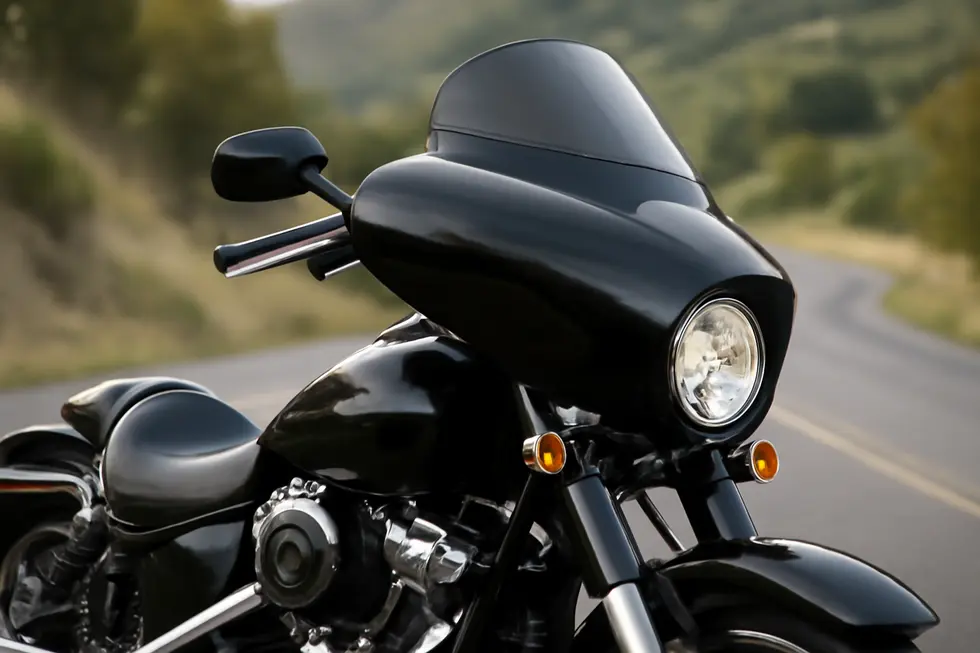
استغلال القوة الهوائية والجناحات: استراتيجيات ديناميكية ترفع من مستوى دروع الرصاص للدراجات النارية
تطورت دراجات نارية بوليت فاريينج لتصبح أكثر من مجرد حواجز للرياح، وتعتمد على ابتكارات هوائية تحسّن الاستقرار والأداء. تصميمات العصر الحديث تتضمن جناحات ثابتة وفاريينج مُشكّلة بعناية لخلق قوة ضغط، وهي أمر بالغ الأهمية لتقليل الارتطام بالعجلة الخلفية وتحسين ثبات الانحناء عند السرعات العالية. تقوم الشركات المصنعة بذلك عن طريق دمج أسطح جناح سلسة ومُحسّنة مباشرة في هيكل الفاريينج، مما يوفر قوة ضغط قابلة للقياس دون التأثير على المظهر البسيط المميز لفاريينج بوليت. على سبيل المثال، تنتج هذه الجناحات قوة هابطة كبيرة تحسن ثبات التسارع وثقة الركاب أثناء المناورات العنيفة، وفي الوقت نفسه تُنظم تدفق الهواء لتقليل مقاومة الهواء. على عكس فاريينج الدراجات الرياضية الكبيرة، توازن فاريينج بوليت بين الشكل والوظيفة من خلال التركيز على راحة السائق بالإضافة إلى الكفاءة الهوائية، مما يخلق “حالة” من الهواء الأقل اضطرابًا حول السائق وتقليل الإرهاق. حلول ما بعد البيع تمتد هذه الفوائد إلى مجموعة أوسع من الدراجات النارية، وتقدم تحسينات اقتصادية لدراجات موجودة دون الحاجة إلى تعديلات واسعة النطاق. هذا الجمع بين إنتاج قوة الضغط وإدارة الرياح يعكس كيف تُحسّن فاريينج بوليت الديناميكا الهوائية بشكل عملي، مع دمج الطراز الكلاسيكي مع الأداء المتقدم. استكشف مكونات هوائية مفصلة وتعديلات ما بعد البيع في Summit Fairings blog. للمزيد من المعلومات حول ابتكارات الجناح، رجوعًا إلى بيانات مختبر الرياح من المصنعين حول قوة الضغط الهوائي والاستقرار.
تحسين راحة السائق من خلال إدارة الرياح في فاريينج بوليت
تُصمم فاريينج بوليت بخبرة لدمج الكفاءة الهوائية مع راحة السائق من خلال إعادة تشكيل تدفق الهواء حول الجزء الأمامي للدراجة النارية. مظهرها الصغير يخلق "حالة" واقية تدفع الرياح بعيدًا عن صدر ورأس السائق، مما يقلل بشكل كبير من الإرهاق والاضطراب دون وزن كبير مثل فاريينج الدراجات الكبيرة. مصنوعة من مواد خفيفة ومتينة، تُحافظ هذه الفاريينج على الاستقرار والتحكم مع تقليل الوزن الإضافي.
عناصر التصميم القابلة للتعديل في بعض النماذج تتيح للسائقين تعديل حماية الرياح حسب ارتفاعهم أو ظروف القيادة، مما يعزز الراحة ويقلل من الاهتزاز. هذا التوازن يضمن أن فاريينج بوليت توفر إدارة فعّالة للرياح خاصةً للدراجات الكروزر والدراجات المخصصة، حيث يبقى الحفاظ على المظهر الأنيق والبسيط أمرًا أساسيًا. إعادة توجيه تدفق الهواء الاستراتيجي لا تحسّن فقط القدرة على التحمل في الرحلات الطويلة فحسب، بل أيضًا تحمي شكل الدراجة الكلاسيكي، مما يجعلها خيارًا شائعًا للركاب الذين يبحثون عن شكل ووظيفة.
للركاب المهتمين باستكشاف مجموعة واسعة من خيارات فاريينج الدراجات النارية وتعلم المزيد عن دمج الأناقة مع الأداء، زوروا Explore the Best Motorcycle Fairings at Summit Fairings.
يمكن العثور على معلومات خارجية حول حماية السائق الهوائية ومواد فاريينج من خلال وصف المنتجات المفصلة من الشركات المصنعة الرائدة.
الديناميكا الهوائية المتقدمة لتأثير الأرض والصمام الخلفي خارج فاريينج بوليت
بينما تركز فاريينج بوليت بشكل أساسي على تمويل الجزء الأمامي للدراجات النارية لتقليل إرهاق الرياح وتحسين المظهر، فإن تقنيات الديناميكا الهوائية المتقدمة مثل تأثير الأرض والصمام الخلفي تستهدف الأداء من خلال إدارة تدفق الهواء تحت وخلف الدراجة. تؤدي تأثيرات الأرض إلى خلق منطقة ضغط منخفض تحت الإطار، مما يزيد من قوة الضغط لتحسين ثبات الإطارات والانحناء. هذا المبدأ المستوحى من تصميمات دراجات السباق يستخدم غالبًا جناحات خفية بالقرب من العجلة الخلفية التي توجه الهواء بسرعة عالية لإنشاء ضغط سالب دون التأثير على المسافة أو سيطرة السائق.
وبالمقابل، تحسّن الصمامات الخلفية تدفق الهواء الذي يخرج تحت الدراجة من خلال تسريعه عبر أنابيب مشابهة لأنابيب وتوسيعه في الجزء الخلفي. هذه الصمامات تعزز تأثير الأرض بشكل أكبر بينما تتعامل مع الاضطرابات لتحسين الاستقرار والرد فعل العام عند السرعة. على الرغم من تركيز فاريينج بوليت على راحة السائق والمظهر الكلاسيكي، إلا أن دمج هذه الميزات الهوائية المستمدة من السباقات ما زال نادرًا في تصميماتها.
هذا التباين يبرز كيف أن مظهر فاريينج بوليت المنحوت يخدم غرضًا مختلفًا عن السيطرة على الهواء المعقدة المرئية في دراجات السباقات ذات الأداء العالي. يمكن للركاب الذين يرغبون في فهم أحدث ما في الديناميكا الهوائية للدراجات النارية العثور على معلومات مفصلة حول هذه التقنيات من خلال مصادر متخصصة تتناول الابتكارات المستوحاة من بطولة MotoGP. لرؤية عرض شامل لمختلف أنواع فاريينج الدراجات النارية والخيارات، استكشاف شعار الموقع يقدم وجهات نظر متنوعة.
تكامل التراث والابتكار: تصميم الديناميكا الهوائية من فاريينج بوليت الكروزر إلى جناحات الدراجات الرياضية
تُجسد أطواق الرصاص تكاملًا مثيرًا بين الأسلوب الكلاسيكي والهندسة الميكانيكية الحديثة المخصصة لفئات مختلفة من الدراجات النارية. بشكل تقليدي، تخدم أطواق الرصاص على دراجات السكوتر والدراجات العصرية كمروّضات رياح صغيرة، وتقدم مظهرًا قديمًا مميزًا مع حماية للركاب من الرياح على مستوى الجذع. تركز هذه الأطواق على الجمال البصري والوظيفة البسيطة، وغالبًا ما تكون إكسسوارات يمكن تركيبها بسهولة، مما يعزز المظهر غير الرسمي أو القديم دون التأثير على التصميم الأنيق.
في المقابل، تدمج الدراجات الرياضية الحديثة عناصر هندسية هوائية كعناصر بنائية أساسية. أطواقها، بما في ذلك الأجنحة المتقدمة وتصميمات تدفق الهواء المثالية، تم تطويرها بدقة من خلال اختبارات الرياح وديناميكا السوائل الحاسوبية لتوليد قوة الضغط، وتقليل مقاومة الهواء، وتحسين استقرار المنعطفات. مثل هذه الابتكارات لا ترفع فقط أداء السرعة العالية فحسب، بل تحسّن أيضًا سيطرة السائق والأمان. تطورات تقنيات الهوائية التكيفية الجديدة تزيد من هذا الاندماج، مع التركيز على خلق مناطق هواء مستقرة حول السائق.
يعكس هذا التطور طيفًا حيث تتراوح أطواق الرصاص من نوافذ رياح جماليّة تعزز تراث السكوتر إلى أدوات هوائية متقدمة على الدراجات الرياضية المصممة لتحقيق كفاءة ديناميكية قصوى. بالنسبة لأولئك المهتمين بتحسينات مرئية ولكن وظيفية،, explore the best motorcycle fairings at Summit Fairings توفر مجموعة متنوعة من الخيارات التي تجمع بين الشكل والوظيفة بشكل سلس.
الفصل 2: تركيب وتوافق دروع الرصاص للدراجات النارية
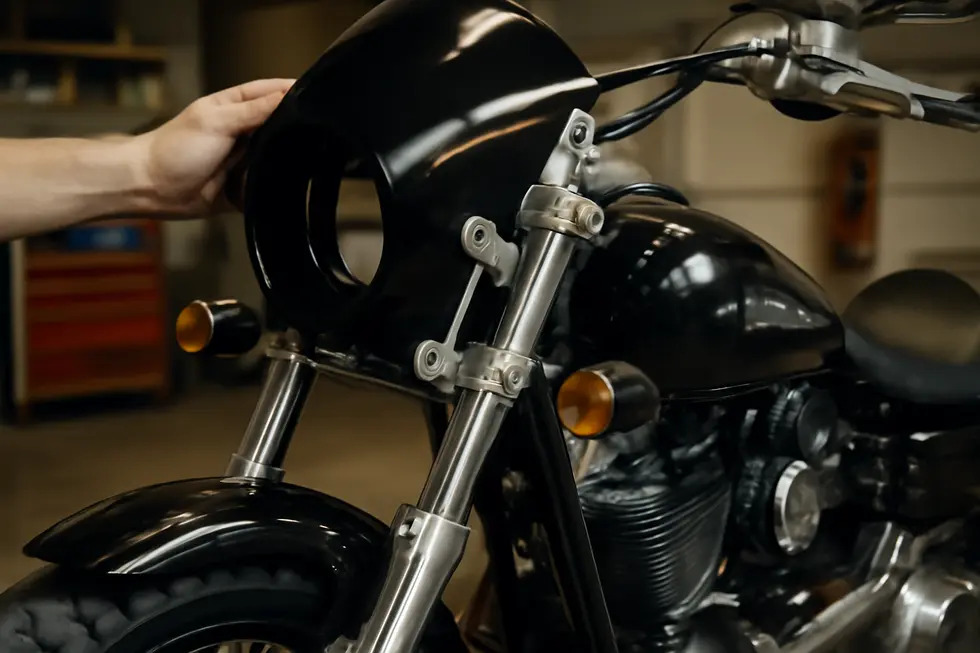
تقنيات تركيب متقدمة وتوافق مخصص لأطواق الرصاص
يعتمد تركيب أطواق الرصاص على أنظمة تركيب مصممة بدقة ومرتبطة بشكل فريد بنموذج دراجة نارية معين، مما يضمن تركيبًا آمنًا وقابلًا للتعديل وسهل التجميع. غالبًا ما تستخدم هذه الأطواق مكونات مخصصة مصنوعة من مواد مقاومة للتآكل مثل الفولاذ المقاوم للصدأ والألمنيوم، مما يوفر متانة طويلة الأمد حتى تحت ظروف ركوب صعبة. تُصنع الأطواق نفسها من بلاستيك ABS عالي الجودة، مما يوفر مرونة ومقاومة للصدمات مع الحفاظ على مظهر أنيق يشبه المعدات الأصلية، مع تحسينات في الطلاء متعددة المراحل. ابتكارات تركيب مثل آلية القفل بدون أدوات تسمح للركاب بإضافة أو إزالة الأطواق بسرعة دون التأثير على التوافق أو integritي الهيكلية. علاوة على ذلك، توفر وحدات التثبيت المتكاملة إمكانية ترقية الإضاءة والمؤشرات المتوافقة، والتي قد تتطلب تعديلات في المكونات الأصلية للحفاظ على السلامة والتوافق الجمالي. هذا النهج المخصص للمواصفات والتركيب لا يحسن فقط الفوائد الهوائية لأطواق الرصاص، بل يضمن أيضًا تجربة تركيب خالية من المتاعب مع أداء قوي. بالنسبة لأولئك المهتمين بمعرفة خيارات التوافق الدقيقة و kits البدء، يتم عرض حلول تركيب مفصلة من خلال مصادر متخصصة تقدم معدات دراجات نارية.حزمة تركيب أطواق الرصاص من Memphis Shades لنموذج Yamaha XV1700
موازنة التكاليف والتوافق: رؤى اقتصادية عن تركيب أطواق الرصاص
عند التخطيط لتحسين أطواق الرصاص، من المهم فهم العوامل الاقتصادية المرتبطة بالتكاليف لفهم التوافق والتحديات التقنية بشكل اقتصادي. تختلف تكلفة الأطواق نفسها بشكل كبير، وتتأثر بجودة التصميم وسمعة العلامة التجارية، وغالبًا ما تتراوح بين أسعار معتدلة إلى باهظة. بالإضافة إلى ذلك، يتطلب التوافق اعتبارات مالية إضافية، حيث تحتاج العديد من الأطواق إلى حملات تركيب مخصصة تُباع بشكل منفصل لضمان تركيب آمن. قد يواجه السائقون تكاليف إضافية إذا كانت التحديثات ضرورية، مثل استبدال أجزاء ثلاثية أو الحفر في عناصر الإطار لمواكبة مصابيح الرأس، وهو أمر شائع في التطبيقات ذات الطراز Harley. هذه التعديلات لا تزيد من التكاليف فحسب، بل قد تؤثر على قيمة البيع المستقبلي للدراجة. كما يجب الانتباه إلى تكاليف العمالة - بينما يختار بعض السائقين تركيبهم بأنفسهم، فإن الاستعانة بمساعدة محترفة غالبًا ما تُوصى لضبط تركيب ومساحة نوافذ الرأس، مما يزيد من الميزانية الإجمالية. تساهم تكاليف الشحن، خاصةً للطلبات الدولية، في زيادة التكلفة النهائية. يمكن اختيار خيارات ما بعد البيع تقليل بعض التكاليف، لكنها قد تؤدي إلى تنازلات في التوافق الدقيق مقارنة بالمكونات الأصلية. في النهاية، يُعد التوازن بين سعر الشراء الأولي، متطلبات التوافق، وتعقيدات التركيب أمرًا حاسمًا لتحسينات اقتصادية. للحصول على معلومات مفصلة حول قطع الغيار وأطواق الرصاص المناسبة لدرجات نارية مختلفة، يُوصى باستكشاف متاجر متخصصة تقدم رؤى مفيدة. لمزيد من المعلومات حول هذه الجوانب الاقتصادية، زوروا tmfcycles.com – دروع/الدرابزين أو استكشف مجموعة شاملة من أطواق الدراجات النارية الميسورة التكلفة في هذا المصدر النهائي.
العوامل الجغرافية السياسية التي تشكل تركيب وتوافق أطواق الرصاص في جميع أنحاء العالم
أو استكشاف مجموعة شاملة من مآوي الدراجات النارية الميسرة في هذا affordable motorcycle fairings المصدر النهائي.
العوامل الجيopolitical التي تشكل تركيب مآوي الرصاصة وتوافقها في جميع أنحاء العالم
يؤثر تركيب مآوي الرصاصة على الدراجات النارية بشكل عميق بالعوامل الجيopolitical التي تختلف بين المناطق. تحدد اللوائح المحلية ما هي التعديلات المسموح بها، خاصة فيما يتعلق بالرؤية والإضاءة، والتي تؤثر مباشرة على تصميمات مآوي الرصاصة واستخدامها القانوني. سياسات التجارة والرسوم الجمركية الناتجة عن العلاقات الدولية يمكن أن تعرقل سلسلة التوريد، مما يؤدي إلى نقص أو ارتفاع الأسعار لنموذج معين من مآوي الرصاصة. تواجه مراكز الإنتاج، وخاصة في الدول مثل الصين والهند، ضغوطات جيopolitical تؤثر على تواريخ الإنتاج واللوجستيات، مما يحد من توفرها في بعض الأسواق. بالإضافة إلى ذلك، تحدد الدراجات النارية الشائعة في كل منطقة - التي تشكلها اتفاقيات تجارية جيopolitical وعلاقات اقتصادية - الطلب على مآوي الرصاصة المتوافقة. هذه العوامل المتداخلة تعني أن السائقين ومصممي الدراجات النارية يجب أن يتعاملوا مع بيئة عالمية معقدة عند اختيار وتركيب مآوي الرصاصة، مع الموازنة بين الأناقة والتوافق والامتثال للقوانين. بالنسبة لأولئك المهتمين بخيارات إكسسوارات أوسع تحت ظروف متغيرة، استكشاف. يقدم رؤى حول حلول قابلة للتكيف. كيف يؤثر التركيب والتوافق على السلامة والأناقة واتجاهات السوق في مآوي الرصاصة.
الفصل 3: الجوانب الجمالية والجمالية لدراجات الرصاص
يؤثر تركيب مآوي الرصاصة والتوافق بشكل عميق على سلامة السائق، الهوية، والسوق بعد البيع للدراجات النارية. يتم تثبيت مآوي الرصاصة بشكل صحيح لتحسين كفاءة الديناميكا الهوائية، مما يقلل من إجهاد الرياح ويحسن استقرار القيادة، خاصة عند السرعات العالية. يعتمد هذا الميزة الأمنية بشكل كبير على مطابقة ماء الرصاصة بدقة مع نموذج السيارة وضمان تركيب محترف لحفظ التوازن والتحكم. بالإضافة إلى الوظيفة، تلعب مآوي الرصاصة دورًا حيويًا في التخصيص الذي يعبر عن أسلوب السائق وثقافته، مما يقوي روابط المجتمع من خلال مشاركة الجماليات واختيارات التصميم. من الناحية الاقتصادية، يعزز الطلب على مآوي الرصاصة المتوافقة والسهلة التركيب صناعة السوق بعد البيع من خلال تشجيع التحديثات القابلة للوصول والتعديلات الذاتية. تتأثر هذه الاتجاهات بظروف السوق الأوسع، حيث تؤثر التغيرات الاقتصادية على الإنفاق على تحسينات الأداء والأناقة. من الناحية البيئية، تساهم الفوائد الديناميكية الهوائية التي توفرها مآوي الرصاصة بشكل غير مباشر في كفاءة استهلاك الوقود وتقليل الانبعاثات. وبالتالي، يتجاوز التوافق والتركيب الدقيق القضايا التقنية، ويؤثر على الجوانب الاجتماعية والاقتصادية والبيئية لعالم دراجات نارية. لرؤية أعمق في خيارات مآوي الدراجات النارية المختلفة والرؤى حول التركيب، اكتشف مآوي الدراجات النارية الميسرة في Summit Fairings.
مآوي الرصاصة لدراجة Kawasaki Ninja 650R.
يعرض مثالًا على مآوي ذات جودة OEM مصممة لتثبيت سلس ومتانة.
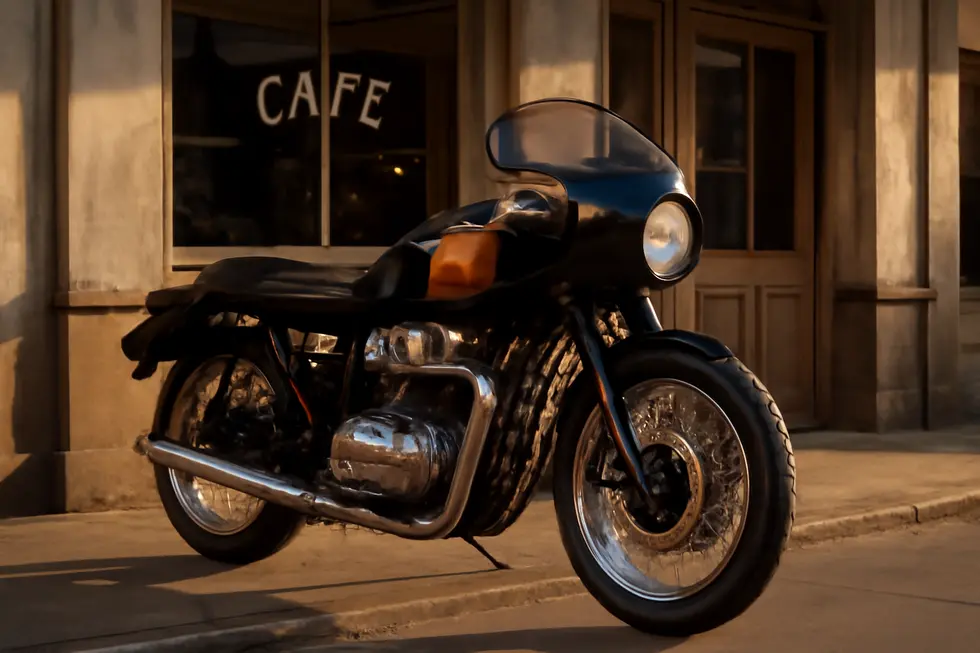
الأيروديناميكية الأنيقة تلتقي بأسلوب كلاسيكي زمني في تصميمات مآوي الرصاصة شعار الموقع.
تدمج مآوي الرصاصة الوظيفة الديناميكية الهوائية مع الجماليات الكلاسيكية للدراجات النارية، مما يخلق شكلًا خاصًا يجذب محبي الأداء والتراث. تشكل أشكالها الناعمة والمستديرة تدفق الهواء بكفاءة، مما يقلل من مقاومة الهواء وإجهاد الرياح بينما يحسن استقرار السائق على الطرق المفتوحة. هذا الشكل المتناغم يتذكر الخطوط الكلاسيكية لدراجات Café Racers في منتصف القرن الماضي وأساليب البناء المتمردة، المعروفة بخزانات الوقود المنحنية والأنهار الصغيرة التي تشكل معًا مظهرًا متوازنًا بتصميم كلاسيكي.
تُصنع هذه المآوي من البلاستيك ABS المتين، وغالبًا ما تتميز بأسطح لامعة أو مطفية مكملة بزجاجات ملونة - عناصر تعزز مظهرها الفاخر دون وزن زائد. تم تصميمها للتكامل السلس، ويمكن تخصيصها لتنسق مع لون ونمط السيارة، مع الحفاظ على الطابع الكلاسيكي بينما تقدم مزايا هوائية حديثة. هذا الزواج المتناغم بين الشكل والوظيفة يجعل مآوي الرصاصة خيارًا دائمًا للركاب الذين يبحثون عن ترقية أنيقة ولكنها كلاسيكية. اكتشف المزيد عن تصميم الدراجات النارية ومآوى الرصاصة في شعار الموقع.
صناعة الأناقة: المواد، الانتهاءات، وتقنيات التصنيع التي تحدد مظهر مآوى الرصاصة
المواد، الانتهاءات، وتقنيات التصنيع أساسية في تشكيل المظهر والشعور الفريد لمآوى الرصاصة للدراجات النارية.
عادةً ما تكون البلاستيك الأخف وزن والبولي إيثيلين المقوى (ABS) المواد المفضلة، وتُقدّر لقابلية تشكيلها، متانتها، وقدرتها على إنتاج أشكال أملس وديناميكية هوائية ضرورية لتصميم مآوى الرصاصة. يسمح الزجاج المقوى للمهندسين المهرة بوضع القماش المطلي بالراتنج في أشكال سلسة تحافظ على القوة مع الوزن الأدنى، بينما يوفر البولي إيثيلين المقوى بالحقن أشكالًا دقيقة وقابلة للتكرار مثالية لإنتاج كميات كبيرة مع مقاومة عالية للصدمات. يتم تحقيق الانتهاءات مثل السطح اللامع من الدرجة الأولى من خلال التلميع الدقيق، والطلاء الأولي، والرسم، مما يعزز الجاذبية البصرية ويسمح بتخصيص الألوان بشكل سلس لتتناسب أو تبرز لون دراجة السيارة. يمكن أن تقلل الانتهاءات المTextures داخل المأوى من الانعكاسات وتوفر تباينًا خفيفًا، مما يساهم في مظهر جريء ولكن مكتمل. تضمن تقنيات التصنيع المتقدمة خطوطًا أملس وأكثر ديناميكية هوائية تقلل من مقاومة الهواء مع الحفاظ على الأسلوب المستوحى من العصور الماضية الذي يحبه السائقون. لمزيد من المعلومات، استكشف هذه الابتكارات على Explore the Best Motorcycle Fairings at Summit Fairings.
روح المجرم والجذور الثقافية التي تشكل أنماط مآوى الرصاصة.
روح المجرم المتأصلة في دراجات الرصاصة تأتي من تداخل غني بين الثقافات الفرعية المعترضة، والحرفية اليدوية، والتعديل الحديث. تم تصميم مآوى الرصاصة أصلاً لتقليل مقاومة الرياح، وقد تطورت إلى رموز للفردية الوعرة والحرية. تأخذ تصميماتها نهجًا بسيطًا وعفويًا، غالبًا ما تعكس تقاليد مثل "كافيه راسير"، و"بوبر"، و"سكرامبل" التي تُقدّر التخصيص على الالتزام. تعيش هذه الروح في المشاريع التي تجمع بين العمل المعدني اليدوي مع الأساليب الحديثة، مما يعكس كل من الجاذبية القديمة والابتكار الحديث. المؤثرات الثقافية - من أخلاق موسيقى البانك إلى آليات الصيانة الذاتية - تدفع السائقين لاعتبار مآوى الرصاصة كأسطح تعبيرية بدلًا من مجرد إضافات وظيفية. النتيجة هي دمج بين الغرض الديناميكي الهوائي والأناقة المتعارضة التي تتردد داخل مجتمعات الدراجات النارية السرية. بالنسبة للسائقين، لا تحمي مآوى الرصاصة فقط من الرياح؛ بل تمثل وراثة حرفية معارضة وشخصية شجاعة، مما يعزز شخصية دراجة السيارة المميزة.
اكتشف مزيدًا من الرؤى حول هذه التعبيرات الأسلوبية في يمكن العثور على إلهام إضافي في مشاريع مثل دراجة P-51 الكهربائية الرصاصة، والتي تنقل ثورة البانك في الثمانينيات، والدراجات النارية الكافيه راسير المخصصة التي تدمج بين الطريقة التقليدية للصب بالرمال مع الطباعة ثلاثية الأبعاد، مما يظهر كيف تحدد الحرية الإبداعية جاذبية مآوى الرصاصة المستمرة..
الفصل 4: المواصفات التقنية والأبعاد لدراجات الرصاص
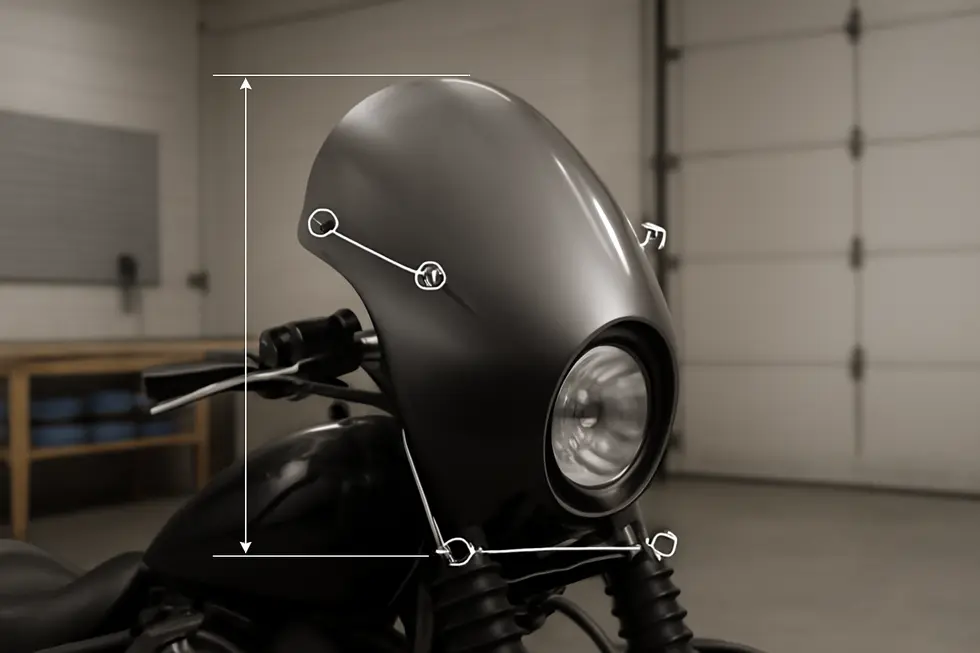
تتميز مآوى الرصاصة بملامحها المتدفقة الجريئة التي تبرز أسلوب دراجة كروزر متحمس ومثير. عادة ما تُصنع كقطعة واحدة قوية تتضمن خطًا "شهودًا" خاصًا، هذه المآوى تجمع بين تصميم بسيط وحماية جسم عملية، توفر حماية من الرياح دون كثافة. لمعانها ونصفها العلوي الملون يحسن تقليل الانعكاسات مع تكميل شخصية دراجة السيارة الكلاسيكية. على العكس من ذلك، تركز مآوى الدراجات النارية الأخرى، مثل مجموعات كاملة من الطراز الكلاسيكي الحديث، على توازن بين الأسلوب الزمني والوظيفة الديناميكية الهوائية المحسنة. تُصنع هذه المآوى من بلاستيك بوليستر متعدد القطع مع مكونات مطلية بالطلاء المسحوق، غالبًا ما تحتوي على زجاجات هواء ممتدة تحسّن تدفق الهواء وتتميز بتركيب مخصص للسيارة. يركز تصميم مآوى الرصاصة على التكامل الأسلوبي والبساطة، غالبًا ما يسمح بعملية رسم مخصص لتحقيق جاذبية بصري متناسق. في المقابل، تهدف المجموعات التقليدية إلى دمج تحسينات الأداء مع مظهر كلاسيكي مخصص للنموذج الفردي. هذا الاختلاف يوضح كيف تخدم مآوى الرصاصة السائقين الذين يبحثون عن حافة مرئية مميزة وراحة عملية، مقابل أولئك الذين يقدرون تحسينات الديناميكية الهوائية الشاملة والتصميم المعروف. لمزيد من الاستكشاف لأساليب مآوى مختلفة واختيارات، قم بزيارة
تصميم الأداء الديناميكي للجناحات النارية يحدد بشكل حاسم المواصفات الفنية والحجم لدراجات نارية. هذه الجناحات تُنظم تدفق الهواء حول المقدمة، مما يقلل من مقاومة الهواء ويخلق فقاعة من الهواء المستقر التي تعزز الاستقرار وتحمل السائق عند السرعات العالية. تتطلب هذه التحسينات شكلًا وحجمًا دقيقًا: يجب أن يوازن الحجم بين انحراف الرياح الفعّال مع مساحة أمامية قليلة، مع الحفاظ على طابع الدراجة الخفيف. المواد الخفيفة مثل البلاستيك الأكريليكي أو المركبات الكربونية تضمن أن الجناح يضيف القليل من الكتلة الإجمالية، مع الحفاظ على تسارع وتحكم سريع. بالإضافة إلى ذلك، يمكن لعناصر الأداء الديناميكي أن تؤثر على القوة الهوائية، مما يحسن الانعطاف ويقلل من رفع العجلات غير المرغوب فيه، وهي ميزة غالبًا ما يتم تحسينها من خلال هندسة الجناح. يؤثر هذا بشكل عام على دراجة نارية تجمع بين الأناقة والأداء والراحة، مع أبعاد تم تحديدها لحماية السائق دون أن تكون ثقيلة. توضح هذه التفاصيل المعقدة كيف تخدم الديناميكا الهوائية أساسًا ليس فقط لتقليل الرياح ولكن أيضًا لتشكيل profi الدراجة التقني والحجم الجسدي. لمزيد من الرؤى حول الابتكارات الديناميكية، راجع تصميمات الجناحات الديناميكية التفصيلية على دراجات نارية رياضية في تفاصيل جناحات الديناميكا الهوائية لدراجة Ducati Panigale V4 R ودراجة BMW M 1000 RR. هذا المراجعة تكمل المناقشات الإضافية حول جناحات الدراجات النارية المتاحة في Summit Fairings blog.
كيف تشكل ديناميات المحرك وأبعاد الجناح الأداء في دراجات نارية ذات جناحات نارية
أداء المحرك في دراجات نارية ذات جناحات نارية مرتبطة بشكل معقد بمواصفاتها الفنية وتصميم الجناح الديناميكي. قوة المحرك، عزم الدوران، ونقل الحركة يحدد تسارع وسرعة الذروة، بينما تقلل أبعاد الجناح الناري الصغيرة والمُنظمة بشكل كبير مقاومة الرياح وتعبان السائق. على سبيل المثال، محرك وحدة واحد ذي سعة متوسطة مpaired مع ناقل حركة بست سرعات يستفيد من قدرة الجناح على انحراف الرياح، مما يسمح للسائق بالحفاظ على سرعات أعلى براحة. من ناحية أخرى، تعتمد محركات V-twin ذات الإنتاج العالي على دراجات كروزر كبيرة على جناحات مصممة لاكتشاف كفاءة ديناميكية هوائية ولكن أيضًا لدمج المعدات، مع موازنة الحماية والتحكم. ارتفاع الجناح حوالي 16 بوصة يوفر تغطية مثلى للصدر دون التأثير على الرؤية، مما يعزز سيطرة السائق وتحمله. هذا التكامل بين إخراج المحرك والملف الديناميكي الذي تنشئه الجناحات النارية يؤدي في النهاية إلى توسيع نطاق أداء الدراجة. يضمن هذا التكامل أن قدرات المحرك تتحول بشكل فعال إلى ظروف ركوب واقعية، مزج قوة نظام الطاقة مع التصميم الجسدي لتحسين السرعة والاستقرار والراحة للسائق. لمزيد من الرؤى العميقة حول خيارات الجناح والتصميمات، استكشف هذا comprehensive resource on motorcycle fairings. يمكن العثور على تفاصيل أكثر عن التكامل بين المحرك والجناح في تحليلات تقنية مثل تلك الخاصة بدراجة Triumph Thruxton 400.[1]
موازنة التكلفة والتصميم: العوامل الاقتصادية وراء مواصفات الجناح الناري
العوامل الاقتصادية تلعب دورًا محوريًا في تشكيل المواصفات الفنية وأبعاد دراجات نارية ذات جناحات نارية. يجب على المصنعين موازنة قيود التكلفة مع متطلبات المستهلكين، مما يؤثر على خيارات المواد، حجم المحرك، وأبعاد الجناح. تُفضل المواد الخفيفة والمتينة مثل البلاستيك الأكريليكي لأنها ميسرة وقوية، مما يسمح بجناحات مُنظمة وبأسعار معقولة. يوجه التجزئة السوقية هذه القرارات أيضًا: تتميز دراجات نارية ذات سعة صغيرة بجناحات صغيرة وسهلة لتقليل التكاليف وجذب السائقين المبتدئين. من ناحية أخرى، تبرر دراجات نارية متوسطة إلى عالية الأداء جناحات أكبر وأكثر تقدمًا ديناميكيًا هوائيًا تحسين الراحة والأداء، مما يناسب استراتيجيات الأسعار الفاخرة. كما تدفع متطلبات التنظيم والمعايير الأمنية تعقيدات التصميم، مما يتطلب أنظمة متكاملة مثل ABS وتحكم في اللصيق، والتي تزيد من تكاليف الإنتاج لكنها ترفع سلامة السائق. يتم تحقيق كفاءة الإنتاج من خلال تطوير أدوات تركيب عالمية، مما يقلل من تكاليف الأدوات بينما يضمن التوافق عبر النماذج. هذا التفاعل المعقد للتأثيرات الاقتصادية يؤدي إلى جناحات نارية تحقق توازنًا بين الأناقة والوظيفة والتكلفة، وتلبي تفضيلات سائقي مختلفين. لمزيد من الرؤى العميقة حول الخيارات الميسرة، استكشف best motorcycle fairings available مخصصة لاحتياجات السوق المختلفة. يمكن العثور على مصاديق تقنية إضافية في تحليلات صناعية مفصلة مثل تلك الخاصة بموقع BMW G 310 RR في السوق.
كيف تشكل ثقافة السائق والأسلوب تصميم وحجم جناحات النارية
التفضيلات المجتمعية تؤثر بعمق على التصميم التقني وأبعاد جناحات النارية. هذه الجناحات تُصنع ليس فقط لأداء ديناميكي هوائي