












Introduction
Kapitel 1: Faktoren, die die Kosten für die Lackierung von Motorradverkleidungen beeinflussen.
Tables of Contents
Wie die Lackqualität und Anwendungstechniken die Kosten für die Lackierung von Motorradverkleidungen beeinflussen
- Wie die Verkleidungsmaterialien und Oberflächenbereitung die Lackierungskosten beeinflussen
- Wie Fachkenntnisse, individuelle Designs und Standort die Kosten für die Lackierung von Motorradverkleidungen beeinflussen
- Wie zusätzliche Dienstleistungen und individuelle Berührungen die Kosten für die Lackierung von Motorradverkleidungen erhöhen
- Kapitel 2: Umgang mit Arbeitskosten und Zeit bei den Kosten für die Lackierung von Motorradverkleidungen
Hinter den Kulissen: Wie Vorbereitung und Arbeitsdetails die Lackierungskosten beeinflussen
- Wie erweiterte Lackprozesse die Arbeitszeit und Kosten für Motorradverkleidungen beeinflussen
- Wie individuelle Designs die Arbeitsanforderungen und Zeit bei der Lackierung von Motorradverkleidungen verstärken
- Wie regionale Arbeitslöhne und Materialqualität die Kosten und Dauer der Lackierung beeinflussen
- Kapitel 3: Auswirkungen individueller Designs auf die Kosten für die Lackierung von Motorradverkleidungen
Wie fortgeschrittene Materialien und Techniken die Kosten bei individuellen Motorradverkleidungslackierungen erhöhen
- Wie individuelle Designs die Kosten für die Lackierung von Motorradverkleidungen durch Arbeitskräfte- und Materialanforderungen erhöhen
- Wie globale geopolitische Dynamiken die Kosten für individuelle Motorradverkleidungslackierungsarbeiten erhöhen
- Wie Verbrauchertrends und soziale Präferenzen die Kosten für individuelle Motorradverkleidungslackierungen beeinflussen
- Kapitel 4: Alternativen und ihre Kostenfolgen im Zusammenhang mit der Lackierung von Motorradverkleidungen
Moderne Finish-Optionen erkunden: Kosteneffizienz und Qualitätskompromisse jenseits der traditionellen Lackierung
- Bewertung der wirtschaftlichen Kompromisse von Lackierung, Aufkleber und DIY-Optionen für Motorradverkleidungen
- Wie globale Geopolitik die Kosten und Verfügbarkeit von Alternativen zur Lackierung von Motorradverkleidungen beeinflusst
- Wie gesellschaftliche Präferenzen die Kosten und Wahlmöglichkeiten bei Alternativen zur Lackierung von Motorradverkleidungen beeinflussen
- Kapitel 5: Regionale und Anbieterunterschiede bei den Kosten für die Lackierung von Motorradverkleidungen
Wie Technologie und Expertise regionale Preisdifferenzen für Motorradverkleidungslackierungsarbeiten beeinflussen
- Wie wirtschaftliche und Arbeitsmarkt-Dynamiken regionale Lackierungskosten und Anbieterpreise beeinflussen
- Wie geopolitische Faktoren und lokaler Marktdemand regionale Preisdifferenzen für Motorradverkleidungslackierungsarbeiten beeinflussen
- Wie regionale Kultur und Werkstatttypen die Kosten für die Lackierung von Motorradverkleidungen beeinflussen
- Wie die Lackqualität und Anwendungstechniken die Kosten für die Lackierung von Motorradverkleidungen beeinflussen
Wie die Lackqualität und Anwendungstechniken die Kosten für die Lackierung von Motorradverkleidungen beeinflussen

Die Kosten für die Lackierung von Motorradverkleidungen sind stark von den technologischen Aspekten der Lackqualität und Anwendungsverfahren abhängig. Premium-Automobil-Lacke, die für ABS-Kunststoffe entwickelt wurden, bieten bessere Haftung, lebendige Farbtiefe und außergewöhnliche UV-Beständigkeit – Schlüsselmerkmale, die die Haltbarkeit des Finishs verlängern, aber auch die Materialkosten erhöhen. Die Anwendung solcher Lacke ist ein arbeitsintensiver Prozess, der oft mehrere Schritte umfasst: gründliche Oberflächenvorbereitung, Grundierung, mehrere Basisschichten für Farbsättigung, Schutzschichten für Schutz und Glanz, gefolgt von präziser Trocknung und Aushärtung. Solche mehrstufigen Verfahren erfordern fachkraft und mehr Zeit, was die Arbeitskosten erhöht.
Einige fortschrittliche Techniken, wie keramische Oberflächen oder Pulverlacke, erhöhen die Robustheit und Langlebigkeit weiter, benötigen jedoch spezialisierte Ausrüstung und Materialien, wodurch der Preis steigt. Obwohl neuere Lacktechnologien die Qualität und Widerstandsfähigkeit des Finishs verbessern, spiegeln ihre Kosten die erhöhte Komplexität und Expertise wider. Letztendlich hat die Wahl von höherwertigen Lacken in Kombination mit professionellen, mehrschichtigen Anwendungen einen signifikanten Einfluss auf die Gesamtkosten der Verkleidungslackierung.
Für Motorradfahrer, die ihre Optionen für die Lackierung ihrer Verkleidungen erkunden möchten,.
bietet wertvolle Einblicke in Auswahlmöglichkeiten, die Qualität und Kosteneffizienz ausbalancieren., Summit Fairings’ blog Wie Verkleidungsmaterialien und Oberflächenbereitung die Lackierungskosten beeinflussen.
Die Kosten für die Lackierung von Motorradverkleidungen sind stark von der Zusammensetzung des Materials und dem Umfang der Oberflächenbereitung abhängig. Sie bestehen häufig aus ABS-Kunststoff, Glasfaser oder Kohlefaser und erfordern vor der Lackierung unterschiedliche Behandlungen. ABS-Kunststoff ist in der Regel am kostengünstigsten zu lackieren, da seine glatte Oberfläche und einfachere Vorbereitung sowohl Arbeits- als auch Materialkosten niedrig halten. Im Gegensatz dazu sind Glasfaser-Verkleidungen porös und schwerer und erfordern gründliches Schleifen, Grundieren und manchmal mehrere Behandlungen, um eine langlebige Oberfläche zu erreichen, was die Arbeitszeit und Kosten erhöht. Kohlefaser-Verkleidungen, geschätzt wegen ihrer Festigkeit und visuellen Erscheinung, erfordern spezialisierte Grundierungen und Schutzschichten, um das Gewebe zu erhalten, während gleichzeitig die Haftung des Lackes gewährleistet wird, was die Gesamtkosten erhöht.
Für Motorradfahrer, die ihre Verkleidungsfarboptionen erkunden möchten,.
bietet wertvolle Einblicke in Wahlmöglichkeiten, die Qualität und Preisgleichgewicht bieten.
Die Oberflächenbereitung umfasst kritische Schritte wie Reinigung, Schleifen, Grundieren und Anbringen von Mehrschichtlacksystemen für eine lang anhaltende Haltbarkeit. Komplexe Verkleidungskits mit mehreren Teilen erhöhen ebenfalls die Kosten, da jeder Komponente individuell vorbereitet und gestrichen werden muss. Darüber hinaus beeinflussen Wetterbeständigkeit Überlegungen die Lackwahl, was sowohl die Anfangskosten als auch zukünftige Wartungsbedürfnisse beeinflusst. Das Verständnis dieser Material- und Vorbereitungsnuancen ist entscheidend für die Budgetierung eines fairen und effektiven Lackierungsprojekts. Für tiefere Einblicke in Qualitätsabschlussverfahren und Materialoptionen besuchen Sie.
den Blog von Summit Fairings über einzigartige Motorradverkleidungsoptionen
Für fortgeschrittene Composite-Oberflächenbehandlungen bei Kohlenstofffaser-Verkleidungen finden Sie weitere Informationen über, Hexcels Composite Prepregs-Ressourcen Wie Handwerkskunst, individuelle Designs und Standort die Kosten für das Streichen von Motorradverkleidungen beeinflussen.
Der Preis für das Streichen von Motorradverkleidungen hängt stark von wirtschaftlichen und arbeitsbedingten Faktoren ab. Erfahrene Handwerker sind entscheidend, da ein professionelles Lackierungsprojekt oft einen sorgfältigen mehrstufigen Prozess beinhaltet, der sowohl Langlebigkeit als auch lebendige Farbtiefe gewährleistet. Diese Expertise erfordert erfahrene Lackierer und spezialisierte Ausrüstung, was die Arbeitskosten natürlicherweise erhöht, aber zu einem besseren, langlebigeren Ergebnis führt. Individuelle Gestaltung fügt eine weitere Komplexität hinzu – einzigartige Farben, Grafiken oder mehrschichtige Oberflächen erfordern zusätzliche Zeit, Präzision und Materialien. Diese Elemente erhöhen die Kosten durch Aufgaben wie sorgfältiges Abkleben, Airbrushing und individuelles Mischen von Lacken. Zudem beeinflussen regionale Unterschiede in den Arbeitskosten und Lebenshaltungskosten die Preise erheblich; städtische Gebiete verlangen typischerweise höhere Gebühren aufgrund höherer Betriebskosten und Nachfrage, während das Klima die Art der Schutzlacke beeinflussen kann. Bei der Planung der Verkleidungsbemalung ist es wichtig, das gewünschte Finish-Komplexität mit den lokalen Marktbedingungen in Balance zu halten, da diese Faktoren zusammen den Endinvestitionswert bestimmen. Für jene, die Einblick in professionelle Malstandards suchen,
einen detaillierten 7-Schritt-Malprozess.
beschreibt die Qualität und Expertise hinter den Kosten.
Wie zusätzliche Dienstleistungen und individuelle Akzente die Kosten für das Streichen von Motorradverkleidungen erhöhen.
Die Gesamtkosten für das Streichen von Motorradverkleidungen gehen über das einfache Auftragen von Farbe hinaus und umfassen zahlreiche zusätzliche Dienstleistungen und Verbesserungen. Mehrstufige professionelle Lackierprozesse, die für Langlebigkeit und lebendige Oberflächen konzipiert sind, erhöhen natürlicherweise die Arbeitsstunden und Materialkosten, was die Kosten steigert. Individualisierung erhöht die Preise weiter; komplexe Designs, mehrere Farben und grafische Kunstwerke erfordern sorgfältige Vorbereitung und Expertenpräzision, was Zeit und Kosten erhöht. Explore the Best Motorcycle Fairings at Summit Fairings.
Hinter den Kulissen: Wie Vorbereitung und Arbeitsdetails die Lackierungskosten beeinflussen

Einige Werkstätten bieten gebündelte Pakete an, die Malen mit Reparaturen oder Pflege kombinieren, was die Gesamtkosten entweder durch zusätzliche Bequemlichkeitsgebühren oder manchmal Rabatte beeinflusst. Diese kombinierten Dienstleistungen bieten eine effiziente Möglichkeit, Ihr Fahrrad zu restaurieren oder zu individualisieren, sollten jedoch in die Budgetplanung einbezogen werden. Für wettbewerbsfähige Preise und Optionen, die Ihrem Stil und Ihren Bedürfnissen angepasst sind, wird empfohlen, sich an Motorradlackierspezialisten zu wenden.
Das Streichen von Motorradverkleidungen ist eine Kunst, die detaillierte Vorbereitung erfordert, was den Arbeitsaufwand und den Gesamtkosten stark beeinflusst. Der Prozess umfasst in der Regel gründliches Reinigen, Schleifen, Grundieren und sorgfältiges Auftragen jeder Farbschicht, um Haltbarkeit und visuelle Tiefe zu gewährleisten. Professionelle Werkstätten folgen oft einem sorgfältigen Sieben-Schritt-Verfahren, bei dem mehrere Schichten Grundfarbe und Klarschutz mit UV-Schutz aufgetragen werden, wobei jede Schicht ordnungsgemäß trocknen oder aushärten muss, bevor mit dem nächsten Schritt begonnen wird. Dieses Schichten erhöht den Arbeitsaufwand erheblich.
Complex designs and custom colors increase time because of detailed masking and precise application. High-quality paints compatible with ABS plastic fairings demand exact handling, while finishing touches like wet sanding restore surfaces and refine results. Labor intensity also depends on removing old paints or addressing surface flaws to prepare for flawless adhesion.
For reference, industrial painting cycles for motorcycle frames show how drying times dominate total hours, a principle equally true for fairings on a smaller scale. Skilled painters charge accordingly as the task balances artistry with technical detail.
For an overview of quality motorcycle fairings and related services, explore Summit Fairings’ blog.
2. How Extended Paint Processes Shape Labor Time and Costs for Motorcycle Fairings
The time required for painting motorcycle fairings profoundly influences labor intensity and overall expenses. This process is more than just applying paint; it begins with careful disassembly of parts, which alone can consume over an hour for complex models. Afterward, the paint undergoes multiple stages including surface prep, priming, and several coats, each separated by crucial drying or curing periods. These curing times, which may extend up to three days for industrial-grade paints, create unavoidable pauses that extend project timelines and indirectly increase costs.
Professional paint jobs often involve multi-step techniques designed to enhance durability and color depth. While these steps lengthen labor hours, they significantly elevate the final finish quality, justifying the investment. However, this layered complexity means more skilled labor is necessary not only during application but also in the precise removal and reassembly of fairings.
Accounting for this full timeline—from mechanical handling to paint curing—is essential for accurate cost assessment. Efficient scheduling can help reduce idle times, but the intertwined nature of labor and drying stages ultimately sets a baseline for pricing. For a deeper understanding of fairing options and quality finishes, exploring specialized resources can be beneficial. Learn more about premium fairings and finishes here.
More technical details on curing times are available at: https://www.seymourpaint.com/product/mro-industrial-grade-high-solids-spray-paint-safety-red-16-oz/
3. How Custom Designs Intensify Labor Demands and Time in Painting Motorcycle Fairings
Custom designs transform motorcycle fairing painting into a highly detailed, labor-intensive process. Unlike simple single-color paint jobs, these designs require multiple finely applied layers—often up to seven—including UV-resistant coatings that each need adequate curing time. This multi-step approach ensures both durability and a rich finish but significantly extends the overall time needed.
The intricacy of custom work—from hand-painted logos to complex airbrushed graphics—demands precise masking, sanding, and priming, adding hours of skilled labor. Proper preparation is vital to guarantee perfect fitment and lasting adherence, increasing both time and cost. High-quality materials used in custom paints aim to resist fading and damage, further extending process duration.
Compared to more straightforward alternatives like vinyl wraps, which can offer complex visuals with faster turnaround, custom paint jobs require more patience and expertise. Ultimately, the elevated labor and time reflect in higher prices but yield unparalleled uniqueness and finish quality.
For a closer look at custom fairing options and their crafting process, explore elite motorcycle fairings with premium custom styles.
More details on a premium custom paint example can be found here: https://monsterfairings.com/product/kawasaki-ninja-400-18-24-light-pink-black-abs-fairings-monster-fairings/
4. How Regional Labor Rates and Material Quality Shape Painting Costs and Duration
The cost to paint motorcycle fairings is deeply influenced by regional labor rates and the quality of materials used. Labor costs vary significantly by location, reflecting local wage standards and labor market regulations. For instance, states with higher minimum wages or stricter labor protections inevitably see increased labor expenses, which are passed on to the customer. Additionally, painting motorcycle fairings is labor-intensive, often requiring multiple coats and curing times that accumulate to 8–12 hours per project. This duration directly affects labor charges since technicians are compensated for all preparation, painting, and drying stages.
Material quality also plays a pivotal role. Fairings made from ABS, fiberglass, or carbon fiber each demand specific preparation and compatible paints, affecting both processing time and material costs. High-grade paints and protective coatings designed to resist UV fading and environmental wear further extend the process and raise expenses. These economic and labor factors intertwine, determining the final price and timeframe for painting, with manufacturers adopting multi-step techniques to balance cost and finish excellence.
For additional insights into tailored fairing options, visit this detailed motorcycle fairings resource. The comprehensive overview of industrial painting timelines exemplified by Harley-Davidson underscores the impact of labor and economic factors on fairing paint jobs.
Wie fortgeschrittene Materialien und Techniken die Kosten bei individuellen Motorradverkleidungslackierungen erhöhen
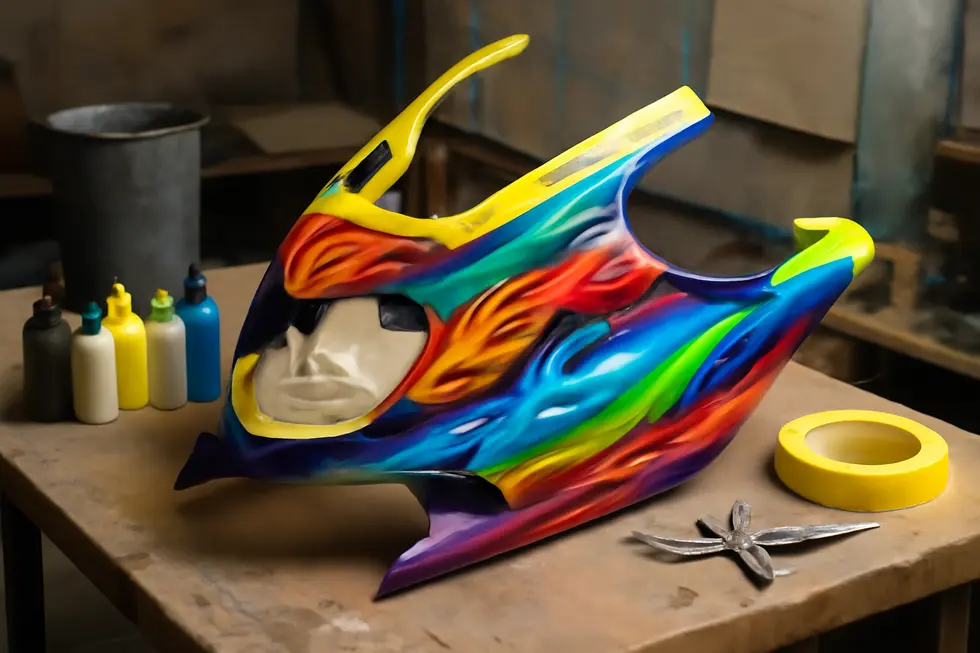
1. How Advanced Materials and Techniques Elevate Costs in Custom Motorcycle Fairing Paints
Custom motorcycle fairing paint jobs incur higher costs primarily due to advanced materials and intricate application techniques. Fairings made from fiberglass demand extensive hand-laying and prep work, increasing labor time and complexity. Meanwhile, ABS plastic, favored for aftermarket parts, requires specialized primers to ensure paint adhesion, adding to material expenses. Acrylic components, such as windscreens, introduce unique surface preparation needs that further impact pricing.
Painting custom designs involves multiple carefully applied coats, with skilled painters mixing paints precisely—for example, achieving optimal finish often requires 2–3 coats at specific ratios. Each layer includes drying and curing phases that extend the total labor hours. Modern innovations like AI-assisted design now optimize paint durability and cost efficiency by enhancing the balance between material properties and finish quality.
These technological factors—material selection, multi-step coating processes, and skilled labor—collectively increase costs compared to standard factory finishes. High-end painted kits reflect this complexity, bundling premium color options while maintaining the cost premium driven by customization. For more insights on premium motorcycle fairings options, explore CAD-Software dient als Grundstein dabei, 3D-Scan-Daten in präzise, anpassbare Motorradverkleidungen zu verwandeln. Nachdem das Reverse Engineering physische Verkleidungen als digitale Modelle erfasst hat, verwenden Designer CAD-Tools, um Formen zu verfeinern, Abmessungen anzupassen und stilistische Elemente zu integrieren, die einzigartigen Vorlieben oder funktionalen Anforderungen entsprechen. Diese Flexibilität unterstützt die Wiederherstellung seltener oder veralteter Verkleidungen und ermöglicht mutige Anpassungen, wie kulturell spezifische Bosozoku-Designs, indem Ästhetik mit Fertigbarkeit abgewogen wird. Indem sie gescannte Daten mit innovativen Modifikationen verbinden, ermöglicht CAD maßgeschneiderte Ersatzteile und kreative Verbesserungen, wodurch Motorradverkleidungen nicht nur perfekt passen, sondern auch persönliche oder kulturelle Ausdrücke widerspiegeln. Erfahren Sie mehr über die vielfältigen Optionen, die in Motorradverkleidungen verfügbar sind, bei Summit Fairings..
Learn more about hand-laid fiberglass fairing prep from TMF Cycles.
2. How Custom Designs Elevate Motorcycle Fairing Painting Costs Through Labor and Material Demands
Custom designs significantly influence the cost to paint motorcycle fairings by demanding more labor, specialized materials, and pricing premiums that stem from exclusivity. Skilled painters invest extra hours applying multiple layers and intricate detailing, as seen in complex processes like 7-layer UV-resistant finishes, which may push costs beyond $700 for just the fairings. These elaborate techniques require longer curing times and meticulous handling to ensure durability and a high-quality finish, escalating labor expenses. Alongside labor, premium paints and coatings resistant to UV and wear add to material costs. Moreover, custom elements such as unique colors or logos typically command price multipliers, sometimes doubling or tripling basic painting fees. While full motorcycle vinyl wraps offer an alternative customization route, their higher price tags—ranging from $1,500 to $3,500—underscore how customization drives expenses. Despite these upfront costs, custom paint jobs can increase a motorcycle’s resale value and affect insurance premiums, balancing some financial implications. For a detailed exploration of options and to ensure quality, consulting specialized local providers is advisable. For more insights on premium options, visit Unveiling Elite Motorcycle Fairings: Your Premium Source for Custom Styles.
References: Metro Restyling Motorcycle Wrap Cost
3. How Global Geopolitical Dynamics Drive Up Costs for Custom Motorcycle Fairing Paint Jobs
Global geopolitical dynamics significantly influence the cost of custom painting motorcycle fairings by affecting raw material costs, supply chain stability, and labor availability. Political tensions and trade restrictions lead to volatile prices for steel, plastics, and paint components essential for fairing customization. For instance, tariffs or embargoes can delay shipments or force sourcing from costlier alternatives, increasing expenses for painting shops.
Regions with strong manufacturing bases benefit from streamlined supply chains and subsidies, which help contain costs. In contrast, areas experiencing political unrest or rigid environmental regulations face higher labor and compliance expenses, translating to increased prices for detailed custom paint work. Moreover, shifts in consumer demand linked to geopolitical events can restrict market competitiveness, occasionally compelling service providers to adjust pricing strategically.
Understanding these factors clarifies why the cost for vibrant, multi-layered paint jobs may fluctuate worldwide. For enthusiasts seeking quality and durability, consulting local specialists aware of these influences ensures better budgeting. To explore more about motorcycle fairings customization, visit Discover Affordable Motorcycle Fairings at Summit Fairings.
For additional insights on raw material influences, see the Automotive Industry Supply Chain Adaptations.
4. How Consumer Trends and Social Preferences Shape Custom Motorcycle Fairing Paint Costs
Custom designs on motorcycle fairings drive costs upward due to increased labor, premium materials, and more intricate processes. Enthusiasts seek personalization that expresses individuality, making unique paint jobs a highly desired feature. This demand encourages painters to employ advanced techniques, like multi-layer UV-resistant coatings, enhancing both aesthetics and durability. However, while these custom finishes elevate visual appeal and status, they can also complicate resale value and insurance assessments because extreme personalization appeals primarily to niche markets rather than mainstream buyers. Materials play a role too — ABS plastic, favored for durability and affordability, responds well to high-quality coatings, while carbon fiber or fiberglass fairings appeal to performance-oriented riders willing to pay a premium for exclusivity. Consumer trends therefore balance the desire for distinctive craftsmanship with practical considerations, creating a market where expert artistry commands higher prices. For a closer look at top-quality fairing options, explore affordable motorcycle fairings. Additional insights can be found at Alibaba: Custom Motorcycle Body Kits.
Moderne Finish-Optionen erkunden: Kosteneffizienz und Qualitätskompromisse jenseits der traditionellen Lackierung

1. Exploring Modern Finishing Options: Cost and Quality Trade-Offs Beyond Traditional Painting
When considering how to refurbish motorcycle fairings, modern technological alternatives offer distinct cost and quality balances. Traditional professional painting involves labor-intensive multi-stage processes—priming, base coating, clear coating—guaranteeing durability and vivid customization yet commanding the highest price. Vinyl wrapping emerges as a cost-effective choice, enabling intricate designs and quick application while offering moderate protection; however, it falls short on longevity and depth compared to paint. For enthusiasts or budget-conscious riders, DIY spray-on epoxy primers present an affordable middle ground. These kits deliver solid adhesion and decent durability without expensive equipment, though achieving a flawless finish requires skill and preparation. Another compelling option is purchasing pre-painted ABS fairings with OEM fitment and UV-resistant finishes, which bypass painting altogether but often come at a premium price. Each method reflects a trade-off between budget constraints, desired finish quality, and durability. For more on affordable fairing options, see Discover Affordable Motorcycle Fairings at Summit Fairings. Additional details on DIY epoxy primers can be found through specialized industry resources.
2. Evaluating Economic Trade-offs of Painting, Wrapping, and DIY Options for Motorcycle Fairings
The economic impact of choosing how to finish motorcycle fairings depends heavily on method, materials, and labor intensity. Professional painting, while often commanding costs between $850 and $2,900 for premium finishes, ensures superior durability and quality through multi-step processes requiring specialized skills and extended labor time. In contrast, vinyl wrapping offers greater design flexibility and quicker installation, with full wraps costing $1,500 to $3,500; partial wraps covering only fairings reduce this expense. Wrapping is sometimes more cost-effective than high-end paint jobs but may lack the longevity of paint. DIY painting reduces upfront expenses through lower material costs but carries risks of uneven finish and durability issues, potentially incurring future repainting costs and greater time investment. External factors like supply chain disruptions and tariffs also subtly influence these costs. Ultimately, deciding between professional paint, vinyl wrap, or DIY approaches involves balancing upfront expense, finish quality, installation time, and long-term maintenance. For tailored advice, consulting local motorcycle paint and wrap specialists is advisable. More insights on motorcycle fairing options can be found at Explore the Best Motorcycle Fairings at Summit Fairings.
(Source: https://www.motorcycle-usa.com/)
3. How Global Geopolitics Shapes the Cost and Availability of Motorcycle Fairing Painting Alternatives
Geopolitical dynamics have a profound impact on the cost and accessibility of alternatives to painting motorcycle fairings. Disruptions in global supply chains—arising from tensions, natural disasters, or health crises—delay delivery of raw materials like fibers or specialty paints, elevating costs. Trade policies such as tariffs increase import expenses on essential coating chemicals and fairing components, directly inflating production costs. Competition for critical raw materials further tightens supply, driving prices higher and occasionally limiting availability of premium paint ingredients.
Shifts toward nearshoring or friendshoring relocate painting operations to politically stable regions, reducing certain risks but often increasing labor and operational expenses. Moreover, investments in energy-efficient technologies respond to volatile global energy prices influenced by geopolitical tensions, affecting initial capital outlay but decreasing long-term costs. These evolving factors compel manufacturers to weigh quality demands against rising input and logistics costs, ultimately shaping pricing and options for painting and alternative finishing methods.
For those seeking insights into acquiring quality motorcycle fairings amid these challenges, exploring options at Summit Fairings offers valuable guidance.
Further reading on these geopolitical influences is available via McKinsey Infrastructure Moment – Geopolitics.
4. How Societal Preferences Shape Costs and Choices in Motorcycle Fairing Painting Alternatives
Societal preferences play a pivotal role in determining the alternatives chosen for painting motorcycle fairings, which directly influence cost outcomes. Riders seek paint jobs that express personal style, favoring custom colors, finishes, and intricate designs that raise expenses due to added complexity. Meanwhile, growing environmental awareness has driven demand for eco-friendly, low-VOC paints, which often require specialized coatings. This results in higher initial costs but benefits durability and regulatory compliance. Preference for long-lasting, weather-resistant finishes also pushes providers to use premium protective layers, balancing cost with extended paint life. Additionally, advances in technology like powder coating or pre-colored molded fairings offer alternatives that affect pricing differently—sometimes increasing upfront investment while lowering maintenance needs. Cultural attachment to iconic brand aesthetics further limits options because traditional finishes must be preserved using expert techniques. Ultimately, these societal trends mold the range of materials and methods available, shaping both the visual appeal and financial considerations of motorcycle fairing refinishing. For more insights into quality options, visit Explore Summit Fairings.