











Introduction
Motorcycle fairings represent both functional and aesthetic investments that can significantly influence a bike’s performance and appearance. For business owners in the motorcycle parts or customization industry, understanding how much motorcycle fairings cost is crucial for pricing, inventory decisions, and customer advisory. Pricing varies widely depending on numerous key factors such as the material used, the motorcycle model, and whether the fairings are OEM or aftermarket. Shipping and additional expenses also play a significant role, especially when dealing internationally. This guide breaks down pricing perspectives chapter by chapter—from material choices and specific makes like Yamaha R3 and Harley Davidson to full sportbike kits from brands like Honda and Yamaha—offering a thorough analysis that builds a clear picture of fairing costs. With these insights, business owners can better navigate buying options and market strategies confidently.
Tables of Contents
Chapter 1: How Much Are Motorcycle Fairings Based on Material and Type
- Motorcycle Fairing Costs Explored: Comparing ABS Plastic, Fiberglass, and Carbon Fiber Options
- Understanding Price Variations by Fairing Type: Comparing Full Kits, Semi-Fairings, and Cockpit Panels
- Beyond Base Prices: Factoring Installation, Customization, and Shipping into Motorcycle Fairing Costs
Chapter 2: How Much Are Motorcycle Fairings for Yamaha R3 Models
- Exploring Material Choices and Price Ranges for Yamaha R3 Fairings
- Economic and Supplier Factors Shaping Yamaha R3 Fairing Prices
- The Influence of Customization and Model Year on Yamaha R3 Fairing Prices
Chapter 3: How Much Are Motorcycle Fairings for Harley Davidson Motorcycles
- Unpacking the Price: What Drives the Cost of Harley Davidson Motorcycle Fairings
- Understanding Harley Davidson Fairing Types and Key Installation Factors Impacting Costs
- Navigating Market Trends and Warranty Insights for Harley-Davidson Fairings
Chapter 4: Understanding Costs of Sportbike Full Fairing Kits: Materials, Pricing, and Value
- Exploring Material Choices and Their Impact on Pricing for Sportbike Full Fairing Kits
- Understanding Model and Material Influences on Sportbike Full Fairing Kit Prices
- Understanding Quality, Fitment, and Customization: Key Drivers Behind Sportbike Fairing Kit Prices
Chapter 5: How Much Are Motorcycle Fairings Considering Shipping and Additional Costs
- Understanding Motorcycle Fairing Prices: How Material Choices and Extra Expenses Shape the Total Cost
- Navigating the Real Costs of Motorcycle Fairings: Shipping, Methods, and Location Factors
- Beyond the Sticker Price: How Shipping, Installation, and Extra Fees Influence Motorcycle Fairing Expenses
Chapter 6: Navigating the Cost Differences Between OEM and Aftermarket Motorcycle Fairings
- Balancing Quality and Price: Economic Insights Into OEM vs Aftermarket Motorcycle Fairings
- Balancing Cost and Quality: How OEM and Aftermarket Motorcycle Fairings Compare by Material and Craftsmanship
- Balancing Cost, Quality, and Warranty: Choosing Between OEM and Aftermarket Motorcycle Fairings
Chapter 1: How Much Are Motorcycle Fairings Based on Material and Type

1. Motorcycle Fairing Costs Explored: Comparing ABS Plastic, Fiberglass, and Carbon Fiber Options
Motorcycle fairings’ costs vary widely, largely influenced by the materials they are made from. The most common choices—ABS plastic, fiberglass, and carbon fiber—each bring distinct price points and performance traits that riders should consider. ABS plastic fairings are the most affordable, typically priced between $80 and $150. They strike a good balance between lightweight design (around 3.5 to 4.5 kg) and impact resistance, making them a favored budget-friendly option for many riders.
Fiberglass fairings offer a middle ground, generally costing $100 to $180 and weighing slightly less (2.8 to 3.6 kg), though they can be somewhat heavier depending on build quality. This material provides robust durability while remaining moderately priced. For riders seeking top-tier aesthetics and performance, carbon fiber is the premium choice. Real carbon fiber fairings weigh between 2.0 and 2.5 kg and command a higher price range of $300 to $600 or more, reflecting their superior strength-to-weight ratio and sleek appearance. Less expensive mock carbon fiber variants exist but compromise on the quality and benefits of genuine carbon fiber.
The scope of the fairing kit itself also impacts cost; full kits containing nose cones, side panels, windshields, and tail sections will naturally cost more due to the number of components and materials involved. Riders should align material choices with priorities such as budget constraints, desired durability, or performance advantage. For a closer look at detailed options and purchasing guidance, exploring dedicated sources like affordable motorcycle fairings at Summit Fairings can be insightful.
More detailed cost data, including weights and materials, can be found through supplier platforms such as Alibaba for comprehensive comparisons.
2. Understanding Price Variations by Fairing Type: Comparing Full Kits, Semi-Fairings, and Cockpit Panels
Understanding Price Variations by Fairing Type: Comparing Full Kits, Semi-Fairings, and Cockpit Panels
Motorcycle fairing prices reflect a blend of material choice and the extent of coverage they provide. Full fairing kits, covering the motorcycle’s front and sides, are the most comprehensive and thus the priciest. These kits often include several panels such as front cowls, side fairings, and sometimes tail sections, commanding prices generally between $400 to $900 or more depending on material and brand prestige. Carbon fiber full kits can push towards the upper range, prized for their lightweight durability and sleek aesthetics.
Semi-fairings, or partial kits, cover less of the bike and are a popular middle ground. These typically protect the upper front areas, offering moderate wind protection and style at a more accessible cost. Prices in this category vary widely based on materials and design complexity but generally remain more affordable than full kits.
Cockpit or handlebar fairings represent the smallest, simplest, and most affordable segment. Often crafted from ABS plastic, these panels surround instrument clusters or handlebars, enhancing the bike’s appearance with minimal wind shielding and without major installation challenges. Their prices reflect this smaller size and simpler construction, making them an economical upgrade.
Additional factors such as brand, fitment precision, and shipping costs can influence final prices, especially for international buyers. Understanding how the fairing type and material interplay helps riders select the best option matching their budget and performance needs. For a detailed overview of product choices and pricing, exploring specialized retailers can provide tailored options suited to different motorcycle models and rider preferences.
More insights on variety and pricing can be found in this comprehensive motorcycle fairings guide.
(Source for pricing examples: BMW S1000RR full kits approximately $878 USD, Yamaha R3 kits around $400-$420 USD, carbon fiber kits $500-$800 USD.)
3. Beyond Base Prices: Factoring Installation, Customization, and Shipping into Motorcycle Fairing Costs
When evaluating the cost of motorcycle fairings, it is essential to look beyond the base price tied to material and type. While ABS plastic fairing kits commonly range from $150 to $600 and fiberglass variants from $200 to $700, the overall investment grows once additional factors like installation, customization, and shipping are considered. Premium materials such as carbon fiber can command prices starting around $800 and soaring into the thousands due to their lightweight strength and complex manufacturing.
Installation is a significant variable, with professional fitting often adding $100 to over $500 to the total expense. This cost reflects the labor required to ensure the fairings align perfectly and integrate safely with the motorcycle’s frame. Some kits demand modifications, making accurate installation more labor-intensive. Customization further elevates costs; custom paint or vinyl wraps are popular options, with full vinyl coverage ranging from $1,500 to $3,500 including professional application. Smaller custom graphics or decals present a more budget-conscious alternative but still affect pricing.
Shipping fees also contribute notably, especially when ordering large full kits internationally. While many suppliers provide secure packaging and global delivery, these conveniences carry premium costs that vary by weight and distance. Buyers should anticipate and research these additional fees alongside base prices to prepare a realistic budget.
Ultimately, the total cost of equipping your motorcycle with new fairings depends on a blend of the chosen material’s price, installation complexity, aesthetic preferences, and shipping logistics. For expert guidance and tailored options, exploring a dedicated source for affordable motorcycle fairings can help clarify expenditures specific to your bike and style.
Chapter 2: How Much Are Motorcycle Fairings for Yamaha R3 Models

1. Exploring Material Choices and Price Ranges for Yamaha R3 Fairings
The price of motorcycle fairings for Yamaha R3 models varies widely due to differences in materials, manufacturing quality, and kit completeness. The main materials used include fiberglass, ABS plastic, and carbon fiber, each influencing cost and performance uniquely. Fiberglass kits are usually the most affordable, typically priced between $150 and $300. These offer a budget-friendly option but may require extra work like sanding or modifications to achieve a good fit, due to their less refined finish.
Moving up in price and quality, ABS plastic fairings provide a durable and flexible choice with better OEM fitment potential. Their price generally ranges from $300 to $600. ABS also balances strength with ease of customization, making it popular among riders seeking reliable daily use and a more polished appearance. At the premium end, carbon fiber fairings command prices starting around $820 and above. These kits stand out due to their superior lightweight properties and high-strength construction, contributing to improved bike handling and an upscale look favored by performance enthusiasts.
Partial kits or individual replacement panels can be found at lower price points, often under $100, but upgrading with bolt kits and accessories increases total costs. Brands that emphasize OEM fit and multi-layer paint finishes tend to price their ABS plastic sets competitively while offering customization such as decals and seat cowls. Ultimately, choosing the right material depends on factors like budget, desired durability, performance benefits, and aesthetic preferences for your specific Yamaha R3 model year.
For a broader spectrum of fairing options and competitive pricing, explore a variety of styles and materials at affordable motorcycle fairings at Summit Fairings.
Reference for carbon fiber pricing example: Amotopart’s 2022–2024 Yamaha YZF-R3 carbon fiber kit priced at about $823.66 USD.
2. Economic and Supplier Factors Shaping Yamaha R3 Fairing Prices
The cost of Yamaha R3 motorcycle fairings is influenced by a complex mix of economic conditions and supplier characteristics, resulting in prices ranging roughly from $200 to over $800. One of the primary factors driving this variation is the choice of material and quality. Premium carbon fiber kits command higher prices due to their lightweight strength and advanced manufacturing demands, often exceeding $800. Conversely, ABS plastic kits, more common in mass production, are typically available between $200 and $300. These are often sourced from manufacturers based in China, where economies of scale and lower labor costs reduce the base price.
However, ordering from overseas suppliers may introduce additional shipping fees and longer delivery times, factors that can increase the total expense and influence buyer decisions. By contrast, domestic or specialized aftermarket sellers generally offer fairings that come with better quality control and precise fitment, justifying a higher price point.
Customization also impacts pricing: fairings featuring unique paint schemes or branded elements tend to cost more due to the labor and materials involved. Market conditions, including fluctuations in raw material costs, tariffs, and shipping availability, further affect prices and availability. Lastly, buyers face a choice between OEM parts, known for exact fit and premium finish but at a premium price, and aftermarket alternatives that vary widely in cost and quality.
Understanding these economic and supplier-driven elements can help Yamaha R3 owners navigate the diverse pricing landscape, balancing budget and quality preferences effectively. For those considering a broad selection of affordable options, exploring specialized outlets can reveal competitive choices tailored to the Yamaha R3.
Explore affordable, quality choices in motorcycle fairings at Summit Fairings on. tu.
More details on premium carbon fiber fairing kits can be found on. tu.
3. The Influence of Customization and Model Year on Yamaha R3 Fairing Prices
The cost of motorcycle fairings for Yamaha R3 models is shaped significantly by both the model year and available customization options. Newer model years tend to command higher prices due to design changes requiring updated molds and precise fitment, which adds complexity to manufacturing. For instance, carbon fiber fairing kits tailored for 2022–2024 models often exceed $800, reflecting their premium materials and recent design specifications. In contrast, basic ABS plastic kits for a wider range of model years, including older ones, may start at very low base prices—sometimes under $20—but additional shipping fees, especially when sourced internationally, often increase the final cost substantially.
Customization further impacts pricing, with personalized paint jobs, logos, and tailored finishes adding to the base price. This level of customization enhances both the aesthetic appeal and uniqueness of the fairings but naturally raises their cost beyond standard kits. Buyers who seek the combination of an exact model-year fit and custom styling should anticipate a notable price premium compared to off-the-shelf options.
When evaluating Yamaha R3 fairings, it’s crucial to weigh the value of premium materials like carbon fiber and bespoke paintwork against more affordable ABS plastic offerings. Additionally, shipping and import costs can tip the balance, especially for overseas orders. These factors together create a broad pricing spectrum, spanning from budget-conscious kits to high-end, customized gear suited to the newest Yamaha R3 iterations.
For more detailed insights on affordable options and customization possibilities, visiting a comprehensive resource like Summit Fairings can provide helpful guidance.
Source pricing details highlight the premium costs of carbon fiber kits relative to basic ABS sets.
Chapter 3: How Much Are Motorcycle Fairings for Harley Davidson Motorcycles
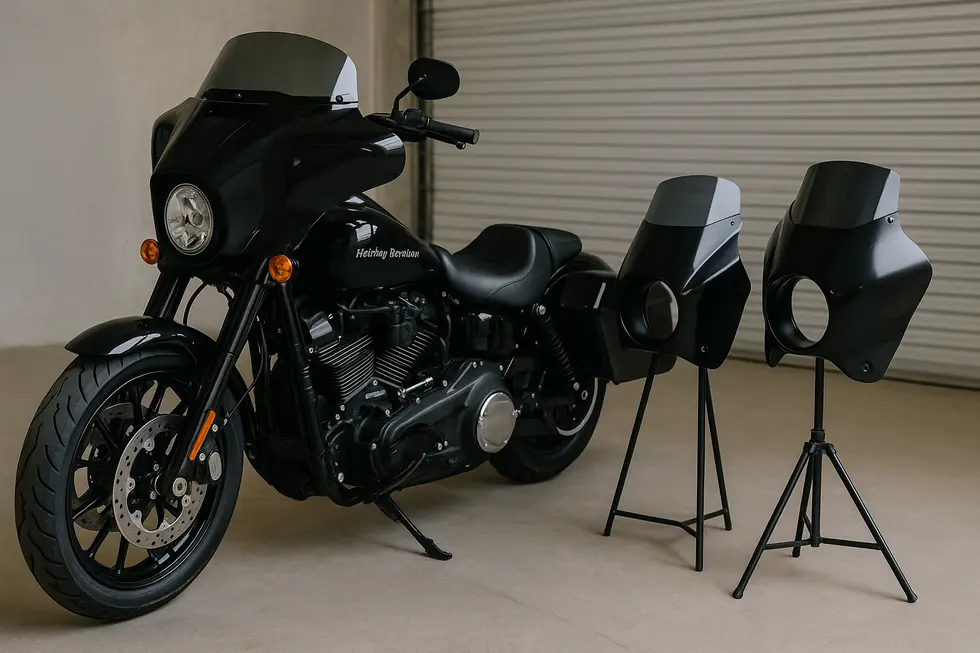
1. Unpacking the Price: What Drives the Cost of Harley Davidson Motorcycle Fairings
When considering how much motorcycle fairings cost for Harley Davidson models, prices span a broad spectrum, largely influenced by several interrelated factors. Starting from basic OEM fairings at around $200, riders can encounter premium offerings exceeding $900 depending on materials, fit, and brand prestige. Material selection plays a pivotal role; ABS plastic is popular for its affordability and solid durability, making it a common choice for cost-conscious buyers. Alternatively, fiberglass offers a midrange price point but adds weight, while carbon fiber commands top dollar due to its superior strength-to-weight ratio. Another major determinant is how specifically the fairing is designed for a Harley model. Kits tailored to exact models like Touring or Dyna series command higher prices for their precise fit and finish, whereas generic universal options may be cheaper but risk compromising installation and aesthetics. The scope of the kit also affects cost — ranging from single components like headlight fairings priced near $115, to extensive full kits including nose cones, windscreens, side panels, and tail sections, which add complexity and expense. Brand recognition further influences pricing; brands known for quality and durability that offer features like adjustable windshields or included mounting hardware generally demand a premium. It’s important to note hidden costs such as installation labor and additional accessories that often are not included in the base price. Buyers seeking a balance of cost and quality should carefully evaluate compatibility, material, and kit completeness to avoid overspending or fitting issues. For comprehensive options and pricing tailored to Harley Davidson motorcycles, check out this detailed resource on motorcycle fairings.
2. Understanding Harley Davidson Fairing Types and Key Installation Factors Impacting Costs
Harley Davidson fairings come in diverse styles tailored to different models and rider needs, each with unique features affecting both cost and installation complexity. The popular touring exterior fairings suit models like the Electra Glide and Street Glide (1996–2013), offering classic OEM looks but often arriving requiring repainting. These large fairings provide excellent wind protection but typically need additional expenses for paint and mounting hardware beyond the base price.
Batwing fairings, renowned for their aerodynamic shape on Harley FL models, combine rugged ABS plastic with a Lucite outer shell. While they come with an attractive textured finish, buyers must factor in the cost of separate mounting kits and windshields. Optional accessories such as speaker systems and wind deflectors enhance functionality but increase overall investment.
Road Warrior fairings, compatible with both Harley and Indian motorcycles (1980–2025), feature a sleek design with a Class A finish and include a headlight cutout for a seamless look. Installation may require relocating fork tube-mounted turn signals or adding headlight extension blocks, adding to time and cost considerations. Mounting kits and windshields are again purchased separately.
Inner fairings integrate audio mounts and speaker options, designed for specific Harley models. While they elevate ride enjoyment, wiring and professional installation can introduce additional complexity and expenses.
Since fairings are very model- and year-specific, confirming exact compatibility is crucial before purchasing. Many Harley Davidson fairings do not include mounting kits or windshields, necessitating further budget allocation and planning. Painting options vary from ready-to-paint kits to prefinished surfaces ready for customization.
For those exploring product options, retailers specializing in Harley Davidson parts provide comprehensive details to ensure informed decisions about fitment, style, and total installation costs. More information on available fairings and accessories can be found through professional supplier websites.
For further details on Harley Davidson fairing styles and installation, see this comprehensive resource: https://www.revzilla.com/motorcycle/memphis-shades-batwing-fairing-for-harley-metric and explore affordable motorcycle fairings at Summit Fairings.
3. Navigating Market Trends and Warranty Insights for Harley-Davidson Fairings
The pricing of motorcycle fairings for Harley-Davidson models is influenced by diverse market factors and warranty considerations that riders must understand. Fairing costs can vary greatly, typically ranging from $300 for popular aftermarket options to upwards of $1,700 for premium or custom designs tailored to specific Harley touring models. This wide range reflects the interplay of brand loyalty, demand for durability, and the growing trend toward personalization within the Harley community.
Harley-Davidson’s iconic status sustains a competitive aftermarket, where OEM parts generally command higher prices due to guaranteed fitment and quality. Conversely, aftermarket manufacturers offer alternatives that balance cost and style but may come with distinct warranty conditions. Factory warranties cover OEM components and protect against manufacturing defects, but most do not extend to aftermarket fairings. Installing non-OEM fairings can affect the bike’s warranty, especially if installation leads to damage or affects mechanical systems.
Some aftermarket producers provide limited warranties on materials or workmanship; however, these typically exclude damages to the motorcycle itself. This makes it essential for riders to weigh the cost savings against potential warranty impacts when selecting fairings. For high-investment models like the 2025 Harley-Davidson Street Glide, owners often combine vinyl wrap treatments with fairing upgrades, raising overall expenses considerably.
To explore a variety of Harley fairing options and pricing insights, visiting a dedicated source like this Memphis Shades Road Warrior Fairing for Harley can be invaluable. For those looking to browse comprehensive selections and affordable choices across styles and materials, Summit Fairings offers a reliable resource worth exploring.
Chapter 4: Understanding Costs of Sportbike Full Fairing Kits: Materials, Pricing, and Value
1. Exploring Material Choices and Their Impact on Pricing for Sportbike Full Fairing Kits
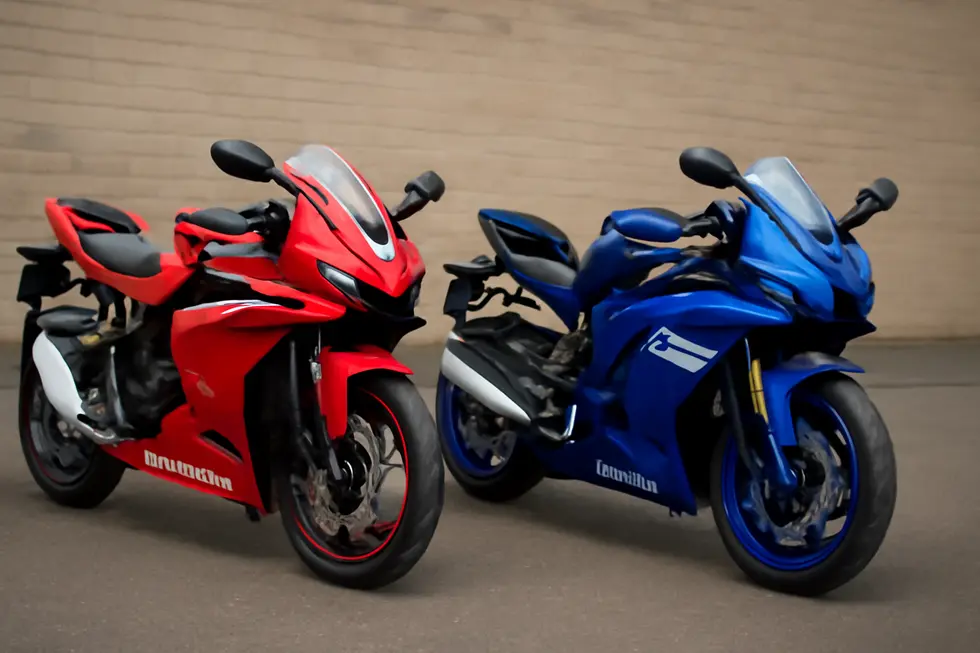
When evaluating sportbike full fairing kits, such as those for Honda and Yamaha models, the choice of material is a primary factor that influences pricing and value. The most prevalent material is ABS plastic, favored for its excellent balance of durability, flexibility, and cost-efficiency. ABS kits tend to range from around $300 up to $800 or more, depending on the brand and included features like UV-resistant paint or pre-applied finishes. This material also offers better impact resistance and a fitment close to OEM standards, making it the go-to option for most riders seeking reliability without a premium price.
At the more budget-friendly end, fiberglass kits are available typically between $150 and $300. While these kits are less expensive, they often require additional fitting, sanding, and painting to achieve a proper finish. Fiberglass is less durable than ABS and more brittle, which can affect longevity. However, it remains a popular choice for riders prioritizing cost over factory-like precision.
For enthusiasts desiring superior performance and aesthetics, carbon fiber presents a premium option well above $600, often surpassing $1,000. Carbon fiber kits are celebrated for their lightweight strength and unique appearance, but the high cost reflects complex manufacturing and exclusivity.
Additional costs, such as shipping—especially from international suppliers—can substantially raise the total investment. It’s essential to verify model-year compatibility and what extras are included, such as seat cowls or tinted windshields. Ultimately, most sportbike full kits balance performance and price through ABS plastic, while fiberglass suits budget builds, and carbon fiber attracts those seeking top-tier quality and style.
For a wider perspective on affordable and reliable sportbike fairings, consider exploring the comprehensive selections available at Summit Fairings.
2. Understanding Model and Material Influences on Sportbike Full Fairing Kit Prices
Motorcycle fairing costs for sportbike full kits vary extensively due to the specific model and materials used. Models like the Yamaha R1 and Yamaha R3 showcase clear price distinctions primarily driven by kit complexity and size. For instance, Yamaha R1 kits usually range from about $150 to over $600, depending on whether the kit is fiberglass, ABS plastic, or entry-level carbon fiber. More affordable fiberglass options start near $150 but may require significant fitting and finishing, while carbon fiber kits boast superior durability and lighter weight at a premium price. Meanwhile, Yamaha R3 fairings typically cost less, falling between $189 and $265, reflecting their smaller size and simpler designs. Honda sportbikes such as the CBR 500R occupy a higher price bracket due to their material requirements and kit scale, often demanding $1,800 to $2,500 for full fairing wraps that cover more surface area. Similarly, other mid- to high-end sportbikes like the Yamaha R6 and Kawasaki Ninja 650 exhibit comparable price ranges driven by their intricate designs and quality demands. Material choice remains central; fiberglass offers an economical, yet less durable alternative, ABS plastic stands out as a balanced, mid-range option favored for fit and resilience, and carbon fiber commands a premium for its performance and strength benefits. Additional costs may emerge from model-specific mounting hardware often sold separately, adding to the overall investment. These pricing dynamics underscore the importance of understanding both your motorcycle model and desired fairing material before purchasing. For more in-depth options tailored to sportbike fairings, exploring specialized retailers can be helpful, such as this resource on affordable motorcycle fairings. Comprehensive pricing details and kit selections can also be viewed on external platforms, including marketplaces like Alibaba’s Yamaha R1 body kit listings.
3. Understanding Quality, Fitment, and Customization: Key Drivers Behind Sportbike Fairing Kit Prices
The price of sportbike full fairing kits, especially for models like Honda and Yamaha, heavily depends on the interplay of quality, fitment, and customization. Fairing quality is primarily dictated by the material — options range from affordable fiberglass, which is lightweight but often needs extra finishing work, to mid-tier ABS plastic offering durability and a polished look. At the high end, carbon fiber stands out for exceptional strength and reduced weight, justifying its premium price due to superior performance and aesthetics.
Fitment precision also plays a critical role in cost and rider satisfaction. Fairings tailored to exact OEM specifications ensure seamless installation, preserving the bike’s aerodynamics and visual appeal. Such precise fitment reduces installation difficulties and the risk of gaps or misalignment, though it commands a higher price. Aftermarket kits with generic molds may cost less but might require modifications, affecting appearance and protective functionality.
Customization broadens price variation further, as full kits include multiple components such as front nose cowls, side panels, and tailpieces. Options range from complete factory-style bodywork to race-oriented partial kits designed for weight savings. Bespoke or color-customized kits increase cost because of specialized production and finishing. Balancing these factors lets buyers choose fairing kits that align with their budget while achieving desired durability, fit accuracy, and style.
For those seeking detailed examples and pricing insights on sportbike fairing kits, exploring a dedicated motorcycle fairings source offers comprehensive options tailored to popular models like Honda and Yamaha. Such resources highlight how these combined factors shape both the initial investment and the long-term value of motorcycle fairings.
Reference: Yamaha R3 fairing kit pricing data