
















Introduction
Lower fairings are not just accessories; they are strategic upgrades that enhance the motorcycle riding experience. For business owners in the motorcycle industry, understanding the nuances of lower fairing models can be a game changer. This article delves into the various types of lower fairings available, their performance benefits, the materials from which they’re made, and the installation process that makes them accessible for a wide range of motorcycles. Each chapter serves to build your knowledge and understanding, providing actionable insights that can help you make informed decisions for your customers or your stock.
Tables of Contents
Chapter 1: Exploring Lower Fairing Configurations: Protective Benefits and Aesthetic Value
- Deciphering the Coverage Mechanics of Lower Fairings: A Comprehensive Guide
- Market Growth and Economic Forces Driving Lower Fairing Adoption
Chapter 2: Enhancing Riding Dynamics: The Impact of Lower Fairings on Motorcycle Performance
- Streamlined Handling and Riding Comfort: The Aerodynamics of Lower Fairing Motorcycles
- Enhancing Rider Comfort and Control with Lower Fairings on Motorcycles
Chapter 3: Exploring the Components Behind Lower Fairing Motorcycles: Material Choices and Pricing
- Essential Materials and Their Impact on Pricing for Lower Fairing Motorcycles
- Understanding Material Choices and Economic Factors in Lower Motorcycle Fairings
Chapter 4: Mastering the Art of Lower Fairing Installation for Motorcycles
- Essential Steps for Maximizing Fitment and Preparation in Lower Fairing Installation
- Mastering the Components and Techniques for Lower Fairing Attachment
Chapter 1: Exploring Lower Fairing Configurations: Protective Benefits and Aesthetic Value
1. Deciphering the Coverage Mechanics of Lower Fairings: A Comprehensive Guide
When venturing into the world of motorcycles, one encounters a diverse array of designs and modifications that cater not just to performance, but also to rider comfort and aesthetic appeal. Among the myriad enhancements available, lower fairings stand out for their combination of aerodynamic benefits and style. These compact panels cover the lower section of a motorcycle, mainly around the headlight and minimal side panels, offering a crucial layer of protection against wind and weather while preserving the machine’s original form. Understanding the nuances of lower fairings—particularly their coverage dynamics—can significantly impact a rider’s experience, whether cruising through urban landscapes or embarking on longer journeys.
Types and Coverage Dynamics of Lower Fairings
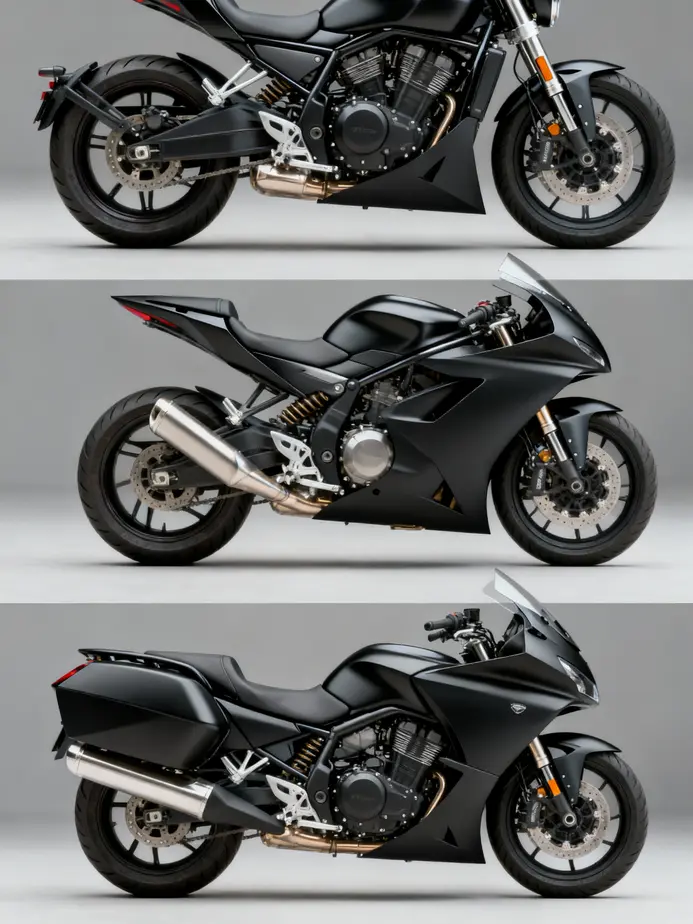
Lower fairings exist in multiple configurations, each tailored to specific riding styles and preferences. Their primary function is to mitigate wind resistance and enhance overall comfort, yet the level of coverage they provide varies widely based on their design. Central to this classification are three prominent types: full fairings, half fairings, and mini fairings.
Full Fairings represent the most comprehensive option, enveloping the entire front of a motorcycle, including side panels that extend beyond the forks. Commonly found on supersport bikes, full fairings excel in high-speed riding conditions, often exceeding 70 mph. Their aerodynamic shape not only counters wind but is also engineered to enhance stability at high velocities. However, this larger structure does come with a trade-off. Full fairings can add 15 to 25 pounds to the motorcycle’s weight, which may affect its maneuverability, particularly in urban settings where stops and starts are more frequent. Installation is typically complex and often requires professional help, thereby raising not just the initial cost but also the likelihood of future maintenance issues.
In contrast, Half Fairings present a more balanced approach, covering only the upper fork area while leaving the lower portions exposed. This makes them ideal for naked bikes and café racers, where the emphasis is on a rugged aesthetic rooted in classic designs. Half fairings preserve the motorcycle’s originality, adding relatively little weight (about 5 to 10 pounds) and enhancing visual appeal without a complete overhaul of the bike’s look. However, their limited coverage results in decreased wind deflection efficiency, particularly below 60 mph, and they provide minimal engine protection. Consequently, they are often favored for commuter bikes and casual rides, striking a pragmatic balance between functionality and style.
Mini Fairings, along with handlebar deflectors, offer yet another dimension of protection. Designed for upright riding posts, mini fairings are smaller and less impactful on the motorcycle’s overall weight. Typically sold at budget-friendly prices under $100, they are incredibly easy to install, often necessitating no tools at all. This makes them attractive for riders of scooters and cruisers looking to protect their upper body from wind turbulence. However, while they may provide some relief, their effectiveness diminishes at speeds above 50 mph, primarily benefiting those who ride at slower velocities.
An alternative option to explore is Lower Fairing Extensions. These snap-fit add-ons enhance the coverage offered by existing fairings without necessitating full replacements. Designed for quick and easy installation, extensions target specific areas requiring additional coverage, thus offering substantial flexibility for customization when it comes to lower body wind and weather protection.
Material Considerations and Performance
Beyond the variety of configurations, the materials that comprise lower fairings play a pivotal role in their performance and durability. ABS plastic is the most common choice, praised for its strength and affordability. Lower fairings made from ABS not only withstand the rigors of daily use but also offer decent impact resistance. For those pursuing higher quality, mid-range fairings ($350-700) present OEM-equivalent materials fortified with UV protection, making them ideal for riders committed to year-round use. In the budget segment ($100-300), one may encounter fairings constructed from recycled plastics. While they are economically enticing, often resulting in inconsistent paint matching, the durability might not align with long-term usage. For serious racers, premium units ($750+) crafted from carbon fiber and refined in wind tunnels elevate performance to unprecedented levels, providing precisely tuned aerodynamic advantages.
It’s essential for motorcyclists to weigh their options based on their typical riding conditions and preferences. Riders frequently commuting at slower speeds might find the aesthetic and modest wind protection of half or mini fairings sufficient. However, those partaking in faster rides or long-distance touring might benefit significantly from the substantial coverage that full fairings provide. Choosing the right lower fairing can enhance not just comfort but also the overall enjoyment of the ride, tapping into the machine’s potential to tackle various environments elegantly.
Conclusion
In summation, lower fairings are an invaluable addition for many motorcycle enthusiasts, providing nuanced benefits that are contingent upon their design and intended use. From full fairings purposed for high-speed rides to mini fairings catering to urban commuting, each offers distinct advantages while adding aesthetic charm to the bike. Understanding these coverage dynamics is crucial for riders looking to enhance their riding experience and tailor their machines to fit their lifestyle needs. For those considering an upgrade, exploring the available options through platforms specializing in motorcycle components can act as a vital step toward finding the right fit for their specific motorcycle model, ensuring both functionality and style.
For more specific options, riders can check collections such as GRR600RR Fairings, where they can find a variety of fairings tailored to their individual models.
2. Market Growth and Economic Forces Driving Lower Fairing Adoption
The lower fairing market for motorcycles is currently witnessing an engaging period of growth. As more riders seek ways to enhance the performance and aesthetic elements of their machines, the dynamics of supply and demand intertwine with economic factors shaping the industry. Projected to increase from USD 36.3 billion in 2026 to USD 74.1 billion by 2036, the two-wheeler aftermarket components market encapsulates a compelling story of shifting consumer preferences, technological advancements, and competitive pricing structures. With an impressive compound annual growth rate of 7.4%, this evolving market is poised to reflect broader trends in the automotive landscape, where lightweight, customizable, and durable parts have become increasingly sought after.
At the heart of this surge lies the growing inclination toward aftermarket components, particularly lower fairings, over original equipment manufacturer (OEM) parts. Numerous factors contribute to this shift. Firstly, rentabilidad plays a crucial role. Aftermarket parts generally come with a lower price tag compared to OEMs, making them appealing for budget-conscious motorcycle enthusiasts. Riders who have a penchant for modifications and upgrades can achieve significant savings while still enjoying high-quality performance and safety standards deemed essential for safe riding.
Quality parity between aftermarket and OEM products signifies another critical drivers of market expansion. As manufacturers slowly refine their offerings to match the level of performance typically associated with OEM parts, consumers have more confidence when opting for aftermarket solutions. They find that their demands for quality can often be met without the associated premium that OEMs command. The convenience of easily accessible online sales platforms has further amplified this trend, reducing barriers to entry for potential buyers.
In emerging markets, particularly in regions like India that are projected to experience a staggering 9.3% CAGR through 2035, the adoption of lower fairings is gaining traction. The two-wheeler market is robust in these areas, with over 200 million two-wheelers already under operation. Riders here are increasingly looking for affordable yet efficient ways to upgrade their motorcycles without sacrificing aesthetics or performance. The interplay of budget constraints and the necessity for customized enhancements creates an interesting environment that not only benefits aftermarket manufacturers but also fosters healthy price competition within the market.
Another aspect worth considering is how specific market trends are shaping this growth trajectory. Initially, the market tends to see steady progress driven primarily by routine part replacements and basic upgrades. Yet, as technology weaves itself further into the fabric of motorcycle design and performance evaluation, the market could experience accelerated growth. For example, a burgeoning trend involves the incorporation of real-time monitoring systems that enhance reliability and enable customization. As the average motorcycle rider becomes more sophisticated and connected, there will be a corresponding demand for lower fairings that integrate these cutting-edge technologies.
However, this optimistic outlook is somewhat tempered by competing challenges within broader sales trends in the motorcycle sector. Issues such as the 20.8% contraction in motorcycle sales in France have created ripples that affect the aftermarket component demand. Delayed new bike purchases within established markets can naturally reduce the likeliness for buyers to invest immediately in any aftermarket enhancements—lower fairings included. A decline in new sales translates into reduced demand for often heavily relied-upon parts, necessitating astute adaptability from manufacturers aiming to persist in these fluctuating markets.
In addition to burgeoning demand, rising competitive pressure from manufacturers in Asia, especially from companies like CFMOTO and QJ Motor, has intensified the landscape. With figures indicating a 2.1% market gain for CFMOTO and a remarkable 231.1% increase for QJ Motor, this influx of competitive pricing is compelling existing brands to respond dynamically. This means increased pressure for firms to innovate, improve quality, and cut costs—all while maintaining margins.
Lower fairings have carved out a niche that aligns with the historical trends of performance-driven motorcycle design. These aerodynamic components not only serve the utilitarian function of providing improved wind resistance but also cater to riders seeking aesthetic upgrades. Essentially, they represent the evolution of motorcycle design toward a dual-focus on performance and visual appeal, which continues to thrive as we advance into an era increasingly focused on customization.
This relationship between lower fairings and evolving market dynamics isn’t merely incidental; it highlights the socioeconomic changes affecting motorcycle ownership and modification. As the consumer base diversifies and seeks unique expressions of individuality through their vehicles, the motorcycle aftermarket component sector, notably lower fairings, stands at the precipice of transformative expansion. It is a testament to the connection between the economic implications and consumer desire for durability, affordability, and personalized performance. Yet, with obstacles in full view, the success of lower fairings will depend on an agile approach to market conditions, consumer preferences, and the innovation of new designs that continue to capture and retain the interest of motorcycle enthusiasts worldwide.
In summary, the lower fairing segment is not just a story of automotive components; it’s a narrative woven into the fabric of economical trends, consumer habits, and technological advancements that will shape the motorcycle industry’s future. Riders today enjoy a mix of aesthetic appeal and aerodynamic efficiency that lower fairings provide, supported by economic imperatives that continue to foster their integration into the motorcycle ecosystem. Riders looking to explore options for lower fairings can find a range of products tailored to their specific needs, enhancing both the performance and aesthetics of their machines effectively as they navigate the exhilarating world of motorcycling.
Chapter 2: Enhancing Riding Dynamics: The Impact of Lower Fairings on Motorcycle Performance
1. Streamlined Handling and Riding Comfort: The Aerodynamics of Lower Fairing Motorcycles
When it comes to the realm of motorcycle design, particularly for riders seeking to enhance their performance on the road, the significance of aerodynamics cannot be overstated. Among the innovative components that have gained traction are lower fairings, compact aerodynamic panels that cover the lower front of the motorcycle. Specifically designed to reduce wind turbulence, these fairings provide a unique blend of functionality and aesthetic appeal, primarily impacting rider comfort and handling dynamics. The engineering behind lower fairings is rooted in advanced aerodynamics, which plays a crucial role in ensuring a smoother and more stable ride across varying speeds and riding conditions.
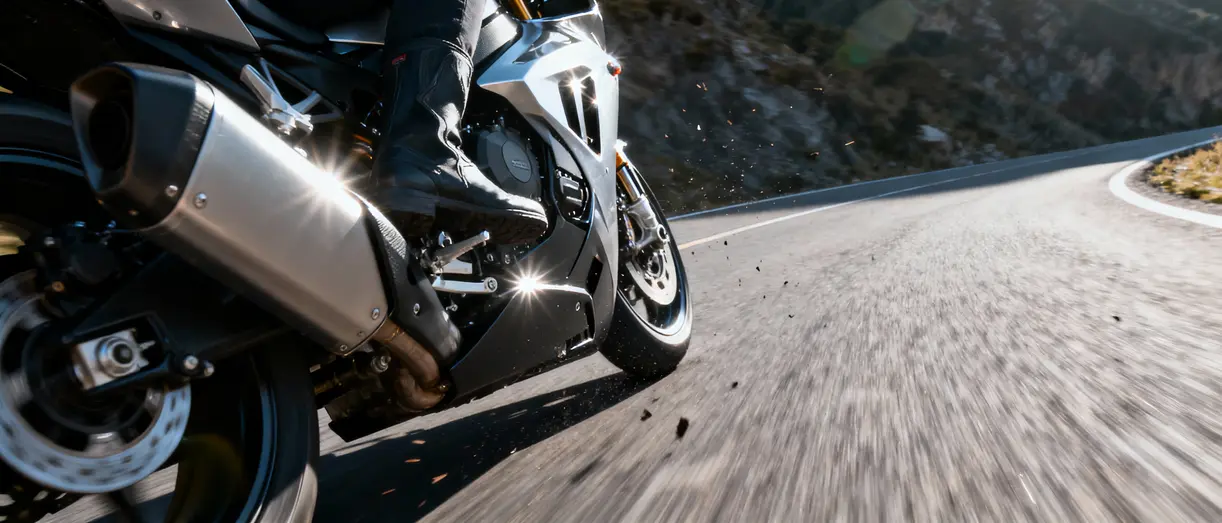
At higher speeds, motorcycles without lower fairings often struggle with wind resistance, leading to increased rider fatigue and decreased handling precision. Lower fairings combat these challenges by generating downforce, which helps stabilize the motorcycle. By channeling airflow in a way that reduces drag from the wheel wakes, these fairings create a smoother airflow around the rider’s legs and torso. This engineered airflow directly contributes to enhancing stability, especially during high-speed maneuvers and cornering, allowing for greater control with reduced effort.
In competitive riding scenarios, such as MotoGP, the advantages of lower fairings are further amplified. Many racing motorcycles are equipped with sophisticated lower fairings that include added features like downwash ducts or integrated flow deflectors. These innovations significantly improve downforce during leans and turns, counteracting the rotational effects of the wheels. The result is a motorcycle that can enhance grip and maintain precision, essential for navigating tight corners at high velocities. In this environment, every reduction in drag counts, translating into improved speeds and acceleration out of corners, offering racers a distinct edge over their competition.
Beyond the racetrack, the benefits of lower fairings resonate with everyday riders as well. For street bikes, lower fairings serve a similar purpose—minimizing turbulence and cutting wind resistance around the lower body creates a calmer pocket of air for the rider. This is particularly invaluable during long commutes or extended rides, where minimized buffeting can significantly reduce rider fatigue. The integrated fairings allow for a more comfortable and enjoyable experience, especially when cruising at highway speeds over 55 mph where aerodynamic efficiencies begin to markedly influence fuel consumption. Riders often report modest fuel savings due to lower drag, further incentivizing the decision to adopt this modification.
Construction material also plays a pivotal role in the performance of lower fairings. A common choice among manufacturers is durable ABS plastic, which offers a balance of affordability and impact resistance. Riders wanting to elevate their motorcycle’s performance even further may opt for lower fairings made from lighter materials, such as carbon fiber. This material not only enhances the power-to-weight ratio of the bike but also improves overall airflow efficiency. Enhanced aerodynamics through reduced weight allows for sharper turns, encouraging a more responsive riding experience that appeals to both casual and competitive riders alike.
However, it’s essential to recognize the limitations of lower fairings. These panels are most effective at speeds above 60-70 mph, where their benefits are pronounced. Below this threshold, the impact on rider comfort and aerodynamics diminishes, making them less critical for urban riding conditions. Furthermore, while they do provide basic protection from wind and road debris, lower fairings offer limited engine protection compared to the comprehensive coverage provided by full or half fairings. As such, urban riders or those focusing primarily on aesthetic enhancements should weigh the benefits against these constraints.
The installation of lower fairings is notably user-friendly, often utilizing existing bolt holes for a straightforward mounting process. Many options claim tool-free setups which can be particularly appealing for riders who prefer a DIY approach. For various models, especially cruisers and scooters where the aesthetic appeal is as important as functionality, lower fairings cater to both practical needs and design preferences. With budget-friendly options available, typically under $100, and mid-range selections ranging from $350-$700, riders can find a solution that fits their budget without compromising on quality.
As motorcycles evolve, so too do their designs, increasingly incorporating elements that enhance aerodynamics while maintaining the original silhouette of the bike. Lower fairings exemplify this trend by providing a striking visual upgrade without obscuring the motorbike’s natural elegance. This blend of aesthetics and performance ensures that riders not only enjoy functional advantages on the road but also take pride in the look of their machine.
In summary, lower fairings significantly enrich the riding experience by optimizing aerodynamics, enhancing stability, and reducing rider fatigue. Their capacity to streamline airflow around the motorcycle fosters a more controlled handling experience, particularly beneficial for both competitive and casual riders. As motorcycle enthusiasts explore the dual benefits of performance and style, the introduction of lower fairings stands out as a compelling enhancement, designed to elevate both comfort and riding capability. For those seeking a balance between aesthetics and functionality, exploring lower fairing options from reputable manufacturers can be an integral step toward permanent enhancement of their motorcycle’s performance in varied riding conditions.
2. Enhancing Rider Comfort and Control with Lower Fairings on Motorcycles
Lower fairings play a crucial role in shaping the overall riding experience for motorcycle enthusiasts. By strategically covering the lower front section of the bike, these smaller aerodynamic panels significantly enhance rider comfort and control while addressing practical challenges. Through their design, lower fairings not only reduce wind turbulence but also contribute to improved leg protection against environmental factors such as rain and road debris. This makes them particularly appealing to long-distance riders and urban commuters alike, as they find a balance between performance, aesthetics, and rider safety.
The incorporation of lower fairings has proven to refine the dynamics of motorcycle handling, especially in models designed for touring or extended rides. For instance, bikes like the Harley Touring series, including the Road King and Street Glide, benefit immensely from these fairings by creating a protective shield for the rider’s legs. Riders often remark on the enhanced stability that lower fairings confer, allowing for extended periods of riding without succumbing to fatigue caused by wind resistance. The frontward exposure traditionally faced by the rider is significantly mitigated, which is essential during highway commutes where sustained speeds can lead to discomfort over time.
One of the standout features of lower fairings is their ability to reduce wind buffeting and fatigue effectively. By acting as a barrier against the wind, these fairings keep the rider’s legs sheltered, which helps in maintaining comfort during long journeys. Riders can enjoy longer highway rides without feeling overwhelmed by the elements. This reduction in exposure translates to decreased physical and mental fatigue, allowing riders to stay focused on the road ahead. As a result, lower fairings become indispensable for those who undertake long-distance rides, enhancing their overall enjoyment of the journey.
Additionally, many lower fairings now incorporate vented designs, enabling riders to customize airflow around their legs. This adjustability not only aids in regulating temperature but also enhances comfort. The strategic use of computational fluid dynamics (CFD) methodology during the design phase ensures smoother airflows that contribute to the overall aerodynamic profile of the motorcycle. Riders can appreciate the significant drop in helmet lift and shoulder turbulence, delivering a cohesive riding experience even when faced with crosswinds. The increase in aerodynamic efficiency translates to better handling, particularly at higher speeds, allowing for more precise maneuvering in curves and during lane changes.
Moreover, when lower fairings are paired with larger batwing or touring fairings, the outcome is an encapsulated air pocket surrounding the rider—this reduces drag and amplifies stability, creating a calmer atmosphere. The integration results in not just comfort, but also promotes a better ergonomic position on the bike. By minimizing exposure to external elements while maintaining optimal control over the motorcycle, lower fairings enhance the overall confidence and effectiveness of the ride.
The aesthetic preservation offered by lower fairings also cannot be overstated. Motorcyclists often express a desire to maintain the original aesthetic appeal of their machines while upgrading their functional capabilities. Lower fairings, with their sleek designs, achieve this objective with grace. Unlike large full fairings that dramatically alter the motorcycle’s appearance, lower fairings subtly enhance the bike’s profile without overwhelming its original character. The lightweight nature of many models, combined with straightforward installation options, make them an attractive choice for riders looking to enhance their motorcycles without major aesthetic compromises. This integration allows for the enhancement of performance features without the labor-intensive installation processes typical of full fairing systems.
It’s worth noting that while lower fairings offer numerous benefits in terms of comfort and aerodynamic efficiency, they also come with certain limitations. Although excellent for urban commuting and leisurely rides, lower fairings struggle to provide substantial wind deflection at speeds exceeding 60mph. Riders seeking higher-level wind protection may still have to rely on conventional full fairings or windshields for maximum coverage. Furthermore, these fairings do not provide significant engine protection when contrasted with half or full fairings. For riders intending to venture into high-speed touring or require full protection from unpredictable weather, a thorough evaluation of their options is essential. Understanding the trade-offs involved helps riders make informed decisions tailored to their specific riding conditions.
In terms of construction, lower fairings typically use ABS plastic due to its balance between durability and affordability. The use of such materials ensures that motorcycle owners don’t have to compromise on quality for practicality. The cost-to-benefit ratio remains favorable across various price ranges; budget-friendly options are often available under $100 while mid-range selections offer OEM-equivalent quality, extending into the $350 to $700 range. Overall, the balance of cost, performance, and aesthetics positions lower fairings as an attractive enhancement for various motorcycle models, including those primarily designed for touring.
As rider-focused design continues to evolve within the motorcycle industry, lower fairings demonstrate significant benefits in both comfort and control. They remain an essential feature for riders, allowing for greater enjoyment of the riding experience while addressing practical riding needs. Whether navigating through city streets or embarking on long-distance journeys, the upgrades offered by lower fairings ensure that comfort and performance ride alongside each other. With customizable airflow options, reduced fatigue, and improved aerodynamics, lower fairings are a testament to the robust advancements in motorcycle design that prioritize both rider experience and machine efficiency.
For more information on choosing additional fairings that complement your motorcycle, visit Summit Fairings.
Chapter 3: Exploring the Components Behind Lower Fairing Motorcycles: Material Choices and Pricing
1. Essential Materials and Their Impact on Pricing for Lower Fairing Motorcycles
When it comes to enhancing the aerodynamic performance and aesthetic appeal of motorcycles, lower fairings stand out as a popular upgrade among riders. This compact panel not only serves to protect the rider from the wind but also adds significant visual flair to the bike. The choices of materials for these lower fairings significantly influence not just the functionality and performance of the motorcycle, but also the price point, which can range dramatically across options available in the market.
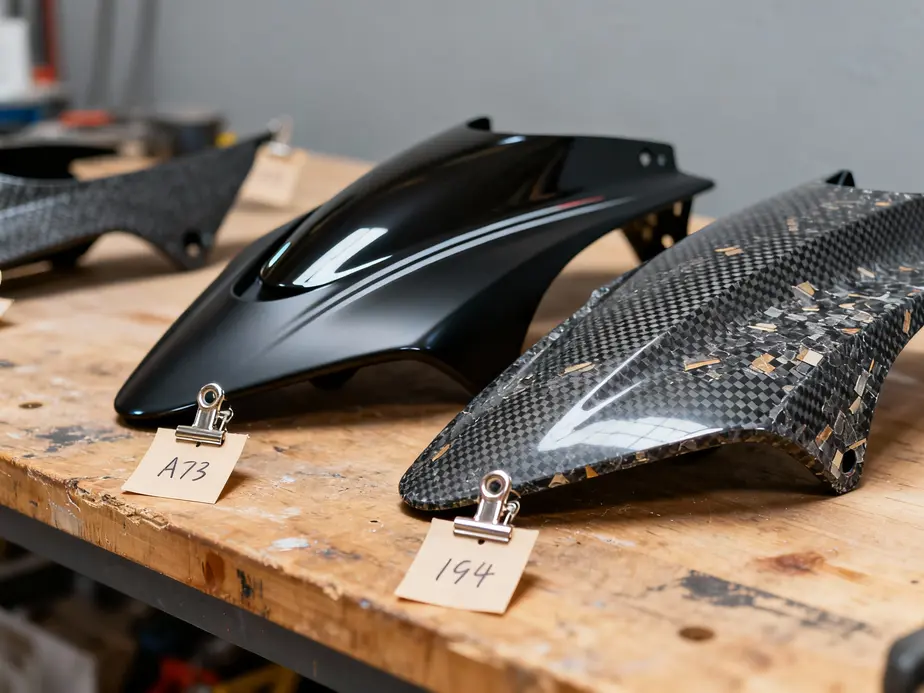
At the forefront is ABS plastic, which has become the dominant material for lower fairings due to its excellent attributes. ABS, short for Acrylonitrile Butadiene Styrene, is known for its exceptional impact resistance and ability to retain color over time. Riders appreciate it for its durability and versatility; ABS fairings can be easily painted to match or accentuate the motorcycle’s color scheme. Cost-effective options of ABS plastic fairings typically fall between $100 and $300, making it accessible for those looking to improve their bikes without breaking the bank. Mid-range ABS models, costing between $350 to $700, provide further enhancements, such as OEM-equivalent quality and UV protection that helps maintain the fairing’s finish despite prolonged exposure to sunlight.
However, while ABS plastic is favored for its strength and affordability, it does come with some trade-offs. One of the notable drawbacks is its weight; ABS fairings are generally heavier than those made from race-oriented materials. This presents a minor disadvantage for competitive riders who may prioritize lightweight components to enhance performance. Yet, given its balanced offering of durability and cost, ABS plastic remains a popular choice among daily riders and those using motorcycles for commuting and casual use.
Fiberglass is another material leveraged in the construction of lower motorcycle fairings, particularly in racing contexts. With its lighter weight, fiberglass is often used in professional racing kits, helping to reduce the overall weight of the motorcycle. Yet, this material also comes with increased fragility. Fiberglass is more prone to cracking or breaking upon impact compared to ABS. This brittleness limits its usability for street riders, who are more likely to encounter casual bumps and scrapes during everyday riding activities. Fiberglass fairings generally fall into the mid-range of pricing, making them suitable for race applications, but less appealing for general use.
For those who demand the ultimate in performance, carbon fiber emerges as the premium option. Recognized for providing significant weight savings—about 30% less than ABS—while maintaining decent impact resistance, carbon fiber is the material of choice for serious racers. The cost, however, can be prohibitive, with prices starting around $750 and going well beyond that depending on customization options, such as wind tunnel tuning. W