















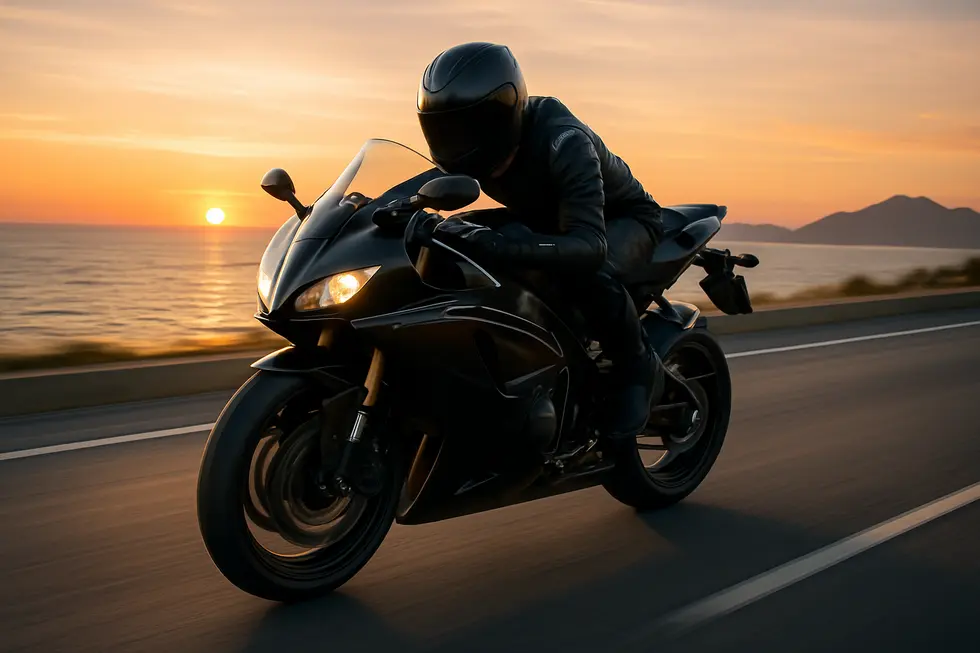
Introduction
Las cubiertas de motocicleta son más que simples mejoras estéticas; son componentes cruciales que afectan el rendimiento de la moto, la protección del piloto y el atractivo general. Para los propietarios de negocios en la industria de motocicletas, comprender las sutilezas de los diversos estilos de cubiertas, materiales y sus beneficios funcionales puede abrir nuevas vías para ofertas de productos, satisfacción del cliente y diferenciación en el mercado. Este artículo se adentra profundamente en los tipos principales de cubiertas de motocicleta: cubiertas medias, cubiertas completas de carreras y kits completos, ofreciendo información sobre sus aplicaciones específicas y demandas del mercado. La exploración continúa destacando el papel de los materiales avanzados y el diseño aerodinámico en la fabricación, crucial para maximizar el rendimiento y la durabilidad. Finalmente, se examinan los beneficios funcionales y estéticos de las cubiertas, incluyendo innovaciones de iluminación integrada de vanguardia, para ilustrar cómo las cubiertas modernas pueden satisfacer las necesidades evolutivas de los pilotos y mejorar el valor del negocio. Esta perspectiva integral equipa a los propietarios de negocios de motocicletas con el conocimiento para elegir, comercializar y innovar estratégicamente en el segmento de cubiertas.
Tables of Contents
Capítulo 1: Tipos de cubiertas para motocicleta: Cubiertas medias, cubiertas completas de carreras y kits completos
- Roles de diseño y funcionalidad distintos de las cubiertas de motocicleta media, completa de carrera y completa
- Materiales avanzados y técnicas de fabricación que moldean las cubiertas de motocicleta
- Navegando costos y valor: Perspectivas económicas sobre los kits de cubiertas de motocicleta media, completa de carrera y completa
- Elegir la cubierta adecuada para motocicleta: Cómo las prioridades del piloto moldean las preferencias y el uso de las cubiertas
- Tendencias evolutivas y personalización en las cubiertas de motocicleta: Explorando los kits de cubiertas medias, completas de carrera y completas
Capítulo 2: Materiales y aerodinámica en el diseño de cubiertas para motocicleta
- Cómo las elecciones de materiales moldean la aerodinámica y el rendimiento de las cubiertas de motocicleta
- Innovación fluida: Formas aerodinámicas y materiales que impulsan el rendimiento de las cubiertas de motocicleta
- Innovaciones en materiales ligeros y precisión aerodinámica que moldean las cubiertas de motocicleta
- Equilibrar costo, rendimiento y practicidad en materiales y aerodinámica de las cubiertas de motocicleta
- Mejorar la integridad estructural y el rendimiento aerodinámico mediante tecnologías de vanguardia en cubiertas
Capítulo 3: Mejorar el rendimiento y el confort de la motocicleta mediante aerodinámica y diseño
- Aerodinámica fluida y comodidad del piloto: El doble filo de las cubiertas de motocicleta modernas
- Cómo los materiales avanzados y la personalización adaptada mejoran el rendimiento y la apariencia de las cubiertas de motocicleta
- Iluminando el rendimiento: Cómo la iluminación integrada mejora la funcionalidad y el estilo de las cubiertas de motocicleta
- Creando identidad visual mediante cubiertas de motocicleta: Estilo, aerodinámica e integración de iluminación
- Innovaciones de vanguardia en cubiertas de motocicleta: Alas, diseños sigilosos y iluminación integrada
Capítulo 1: Tipos de cubiertas para motocicleta: Cubiertas medias, cubiertas completas de carreras y kits completos
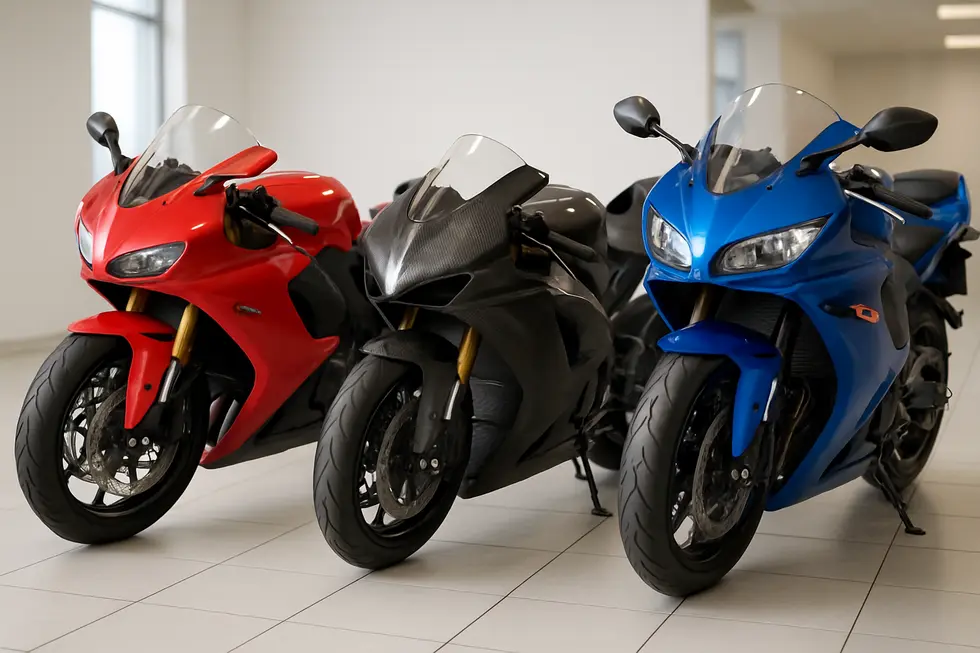
Roles de diseño y funcionalidad distintos de las cubiertas de motocicleta media, completa de carrera y completa
Las cubiertas de motocicleta vienen en formas distintas, cada una diseñada con cobertura específica, materiales y objetivos funcionales que se adaptan a diversos estilos de conducción y demandas de rendimiento. Las cubiertas medias cubren la parte superior frontal de la motocicleta, protegiendo el parabrisas, la luz delantero y el manubrio, proporcionando ventajas aerodinámicas moderadas y protección amplia contra el viento para el torso del piloto. Fabricadas con frecuencia de plástico ABS o fibra de vidrio, equilibran la gestión del flujo de aire con un peso ligero y acceso fácil al motor. Esto las hace ideales para pilotos de viaje y calle que priorizan el confort y el mantenimiento sencillo sin sacrificar la maniobrabilidad.
Por el contrario, las cubiertas completas de carrera envuelven toda la parte delantera y lateral de la motocicleta, extendiendo la cobertura sobre el tanque y la cola, y rodeando casi todos los componentes mecánicos expuestos. Estas suelen estar hechas de materiales ligeros y rígidos como fibra de carbono o compuestos avanzados diseñados para resistir las tensiones de carrera mientras minimizan el peso. El resultado es una eficiencia aerodinámica máxima, estabilidad mejorada del piloto a altas velocidades y protección duradera para las partes vulnerables durante el uso competitivo en circuitos. Sus contornos agresivos y cobertura completa están adaptados para un control óptimo del flujo de aire y mínima resistencia.
Los kits completos de cubiertas ofrecen la mayor versatilidad, a veces combinando elementos de perfiles medios, completos o cuartos para satisfacer necesidades específicas. Fabricados utilizando una gama de materiales, desde plásticos inyectados de grado OEM duraderos hasta fibra de carbono premium, estos kits entregan protección integral, aerodinámica mejorada y amplio potencial de personalización. Los pilotos beneficianse de una mayor eficiencia en combustible gracias a la reducción de arrastre, defensa sustancial contra la lluvia y escombros, y la oportunidad de personalizar la apariencia de su motocicleta con ventilaciones integradas o acabados especializados.
Estas diferencias en diseño y funcionalidad informan la elección del motociclista, presentando los media capós como la opción práctica para comodidad y protección moderada, los capós de carrera completa como la solución de alto rendimiento para aerodinámica y reducción de peso, y los kits completos como un puente personalizable que aborda tanto la utilidad como el estilo. Para aquellos que exploran opciones detalladas y compatibilidad, hay más información disponible en Explore the Best Motorcycle Fairings at Summit Fairings.
Materiales avanzados y técnicas de fabricación que moldean los capós de motocicleta
Los capós de motocicleta se elaboran con una selección limitada de materiales elegidos por su capacidad para equilibrar peso, durabilidad y rendimiento aerodinámico. La elección del material impacta directamente en la función del capó y la experiencia de conducción. Los capós de carrera completa de alto rendimiento dependen en su mayoría de compuestos de fibra de carbono debido a su relación excepcional de resistencia-peso, aproximadamente 40% más ligeros que el aluminio, combinado con una resistencia al calor impresionante hasta 250°C. Esto permite a los motociclistas beneficiarse de una reducción significativa de la resistencia al aire, generalmente alrededor del 15-20%, lo que se traduce en una mayor velocidad y estabilidad en la pista. La fibra de carbono también ofrece versatilidad estética, permitiendo colores personalizados y tejidos sin sacrificar la integridad estructural.
Por el contrario, los media capós y muchos kits completos orientados a la calle tienden a utilizar plástico ABS o compuestos de fibra de vidrio/poliéster. El plástico ABS ha surgido como una opción popular debido a que ofrece resistencia al impacto duradera, eficiencia en costos y un ajuste OEM preciso. Estos kits pueden incluir acabados de pintura multicapas sellados con capas claras, mejorando tanto la protección como la apariencia visual. La fibra de vidrio/poliéster sigue siendo preferida en componentes de carreras posteriores debido a su bajo costo y relación resistencia-peso razonable, aunque es más pesado y menos tolerante al calor comparado con la fibra de carbono.
Los procesos de fabricación de estos materiales varían en consecuencia: los capós de fibra de carbono suelen ser moldeados bajo presión y calor para unir capas de resina y fibra, asegurando ligereza y resistencia. Los kits de plástico ABS benefician de la tecnología de inyección que permite replicar con precisión las formas OEM, facilitando la instalación con agujeros pre-perforados y hardware de montaje incluido.
Estos avances en materiales y fabricación permiten a los motociclistas elegir capós adaptados a sus preferencias, ya sea priorizando eficiencia aerodinámica de grado carrera y ligereza o optando por durabilidad y asequibilidad para uso en la calle. Para más información sobre opciones de alta calidad y facilidad de instalación, la exploración de affordable motorcycle fairings provides valuable guidance.
Navegando los costos y el valor: perspectivas económicas sobre los kits de capós de motocicleta medio, completo y completo
Los factores económicos juegan un papel crucial al elegir entre media capós, capós completos de carrera y kits completos de capós. El precio depende principalmente de los materiales, la complejidad de fabricación, la aplicación prevista y la reputación de la marca. Los media capós, que cubren solo la parte superior frontal, equilibran asequibilidad y protección funcional contra el viento. Su menor complejidad en materiales y producción los hacen típicamente la opción más económica, atractiva para los riders de calle que desean estilo sin gastar demasiado.
Los capós completos de carrera, diseñados para obtener la máxima ventaja aerodinámica y reducir peso, tienen un precio más alto debido a materiales premium como la fibra de carbono y compuestos especializados. Estos componentes están destinados principalmente a corredores que priorizan ganancias de rendimiento, justificando inversiones más altas inicialmente con posibles mejoras en el tiempo de vuelta derivadas de la reducción de arrastre y peso.
Los kits completos de capós, que incluyen múltiples paneles corporales y a menudo presentan ajuste OEM o acabados personalizados, caen en un rango de precio intermedio-alto. Ofrecen comodidad mediante una cobertura completa y a menudo vienen pre-perforados y listos para instalar, proporcionando valor a los entusiastas que buscan una apariencia pulida y similar a fábrica o a quienes equipan sus motocicletas de manera integral.
El mercado refleja estas distinciones, con capós de carrera de fibra de carbono a veces sorprendentemente asequibles en niveles iniciales, mientras que las opciones premium tienden a ser significativamente más caras. Pueden surgir gastos adicionales provenientes de trabajos de pintura personalizada o actualizaciones de accesorios, influyendo en el costo final. Los compradores que evalúan decisiones económicas deben considerar el equilibrio entre la durabilidad y la facilidad de los kits de plástico OEM versus las ventajas de peso y fragilidad de los compuestos de grado carrera.
En última instancia, el equilibrio entre costo, rendimiento y preferencia estética define las decisiones de compra. Los riders de calle tienden a inclinarse hacia kits de precio intermedio, duraderos con beneficios aerodinámicos moderados, mientras que los corredores dedicados aceptan un gasto más alto para soluciones ligeras y de ingeniería precisa. El enfoque de precios por categorías satisface efectivamente tanto a consumidores con presupuesto restringido como a entusiastas de alto rendimiento.
Para aquellos interesados en explorar un amplio espectro de opciones que fusionen costo y estilo de manera efectiva, visitar Summit Fairings’ blog proporciona perspectivas útiles y información sobre productos.
(Source: Vista general del mercado de capós de Yamaha R1 2024)
Para aquellos interesados en explorar una amplia gama de opciones que fusionen costo y estilo de manera efectiva, visitar
proporciona perspectivas útiles y información sobre productos.
Vista general del mercado de parabrisas Yamaha R1 2024.
Elegir el parabrisas adecuado para motocicleta: Cómo las prioridades del rider influyen en las preferencias y uso de los parabrisas.
Las preferencias de los riders de motocicleta por los parabrisas dependen en gran medida de su estilo de conducción, objetivos de rendimiento y gustos estéticos. Los parabrisas medios suelen atraer a los riders de viaje y entusiastas de la calle que valoran una protección moderada contra el viento combinada con facilidad de mantenimiento. Estos parabrisas cubren la parte superior frontal de la motocicleta, protegiendo al rider del cansancio por el viento mientras mantiene buena visibilidad. Ligeros y generalmente fabricados con plástico ABS, los parabrisas medios ofrecen un estilo clásico o de cruiser que complementa motocicletas de rendimiento medio y de viaje. Su cobertura relativamente mínima también preserva la maniobrabilidad y accesibilidad para mantenimiento rutinario, lo que los hace ideales para viajes largos donde importa el confort.
Por el contrario, los parabrisas completos de carrera son la elección de los riders de motocicletas deportivas que priorizan la eficiencia aerodinámica máxima y el peso reducido. Fabricados con materiales avanzados como fibra de carbono, estos parabrisas envuelven toda la parte delantera y laterales de la motocicleta, reduciendo drásticamente la resistencia a altas velocidades. Este diseño está pensado para días en pista y conducción agresiva, priorizando estabilidad y velocidad máxima sobre comodidad o conveniencia de mantenimiento. La forma lisa y completamente cerrada mejora no solo el rendimiento, sino también la protección del rider contra escombros y presión del viento durante aceleraciones rápidas. explore the best motorcycle fairings at Summit Fairings.
Por ejemplo, alguien que actualiza un Yamaha XSR podría optar por accesorios de parabrisas medios para mejorar el confort en la calle y el estilo de viaje, mientras que otro rider podría elegir un kit de fibra de carbono completo para mejorar las capacidades en pista. Esta dinámica refleja tendencias del mercado continuo que enfatizan no solo innovación en materiales, sino también adaptar las elecciones de parabrisas a entornos y objetivos de conducción distintos.
Explore la variedad de opciones y perspectivas orientadas al rider a través de recursos como el Referencia Fuente.
Tendencias evolutivas y personalización en los parabrisas de motocicleta: Explorando los kits medios, de carrera completa y completos.
Personalización y tendencias de posventa en los parabrisas de motocicleta.
Estas tendencias demuestran un cambio hacia la personalización integral que atiende a las diversas preferencias de los riders, preservando al mismo tiempo los beneficios esenciales de los protectores de moto. Los riders pueden así optimizar sus motocicletas para una mejor gestión del viento, un mayor potencial de velocidad y un aspecto personalizado que destaque en las calles o pistas.
Para aquellos interesados en explorar una amplia gama de opciones accesibles y con estilo, hay selecciones extensas disponibles en Summit Fairings.
Capítulo 2: Materiales y aerodinámica en el diseño de cubiertas para motocicleta

Cómo las elecciones de materiales influyen en la aerodinámica y el rendimiento de los protectores de motocicleta
Los materiales elegidos para los protectores de motocicleta influyen profundamente en la eficiencia aerodinámica y el rendimiento general de la moto. Al combinar propiedades físicas como peso, resistencia y flexibilidad con precisión aerodinámica, los fabricantes optimizan los protectores para reducir la resistencia, mejorar la estabilidad del rider y proteger los componentes mecánicos.
Los compuestos ligeros como el fibra de carbono y el fibra de vidrio dominan, cada uno ofreciendo ventajas únicas. El fibra de carbono ofrece una relación resistencia-peso excepcional, permitiendo la construcción de protectores completos para carreras que mejoran drásticamente la velocidad y la durabilidad sin agregar volumen. Su moldeo preciso permite formas aerodinámicas intrincadas que suavizan el flujo de aire y reducen la turbulencia, esencial para motocicletas de carrera a alta velocidad.
Los compuestos de fibra de vidrio equilibran durabilidad y resistencia al impacto. Sus caparazones dispersan la energía durante los accidentes, mejorando la seguridad mientras mantienen un peso moderado. Esto hace que la fibra de vidrio sea una opción popular para protectores de calle que requieren longevidad y cierta flexibilidad.
El plástico ABS, comúnmente utilizado en kits traseros, combina ligereza—aproximadamente 20% más ligero que los paneles tradicionales de metal—with resistencia al clima y a los rayos UV. Su facilidad de moldeo apoya formas aerodinámicas complejas que pueden reducir la resistencia del viento hasta en 25%, mejorando la eficiencia de combustible y el manejo. Además, el ABS es lo suficientemente resistente para uso en carretera, ofreciendo un equilibrio práctico entre rendimiento y costo.
La capacidad de adaptar los protectores con precisión a la geometría de cada motocicleta depende en gran medida de la maleabilidad y la integridad estructural del material seleccionado. Superficies lisas y contorneadas reducen la separación del flujo de aire, lo que lleva a una mayor estabilidad a altas velocidades. Por ejemplo, los kits de ABS de estilo "alas de murciélago" muestran cómo el material y el diseño se fusionan para optimizar la aerodinámica, manteniendo un peso manejable.
En última instancia, la sinergia entre las características del material y el diseño aerodinámico determina la efectividad del protector. Elegir compuestos avanzados en lugar de metales pesados mejora no solo la velocidad máxima y la economía de combustible, sino también el confort del rider y la resistencia a los accidentes, haciendo que la selección de materiales sea un factor clave en el diseño moderno de protectores de motocicleta. Para explorar una amplia variedad de estas opciones, consulte más sobre affordable motorcycle fairings at Summit Fairings.
Para obtener una mayor comprensión de cómo los materiales afectan la aerodinámica en contextos de competición, el video Materiales y aerodinámica de protectores de motocicletas de carrera ofrece un análisis detallado y ejemplos.
Innovación refinada: Formas aerodinámicas y materiales impulsando el rendimiento de los protectores de motocicleta
Los protectores de motocicleta encarnan un delicado equilibrio entre refinamiento aerodinámico e innovación en materiales, diseñados para minimizar la resistencia y aumentar la estabilidad a altas velocidades. La filosofía central del diseño se centra en crear líneas suaves y continuas que canalizan el flujo de aire de manera eficiente, reduciendo la turbulencia y los desequilibrios de presión que comprometen el control del rider y la velocidad. Características ingeniosas como alas integradas generan fuerza descendente, mejorando la tracción durante giros agresivos y recorridos a alta velocidad. Estas alas, a menudo esculpidas para servir también como salidas de aire, ayudan en la gestión térmica dirigiendo el flujo de aire hacia componentes críticos del motor, demostrando una fusión elegante de forma y función.
La forma precisa de los protectores también implica posicionar bordes de entrada y paneles laterales para mitigar los efectos desestabilizadores de los vientos transversales y cambios repentinos de dirección. Los fabricantes ocultan elementos funcionales como enfriadores de aceite e entradas dentro de contornos alineados, preservando la limpieza aerodinámica sin sacrificar el enfriamiento esencial. Accesorios aerodinámicos posteriores, como alas de cola y deflectores laterales, estabilizan aún más el manejo al controlar el flujo de aire alrededor del rider y el chasis, reduciendo el viento y mejorando el confort durante velocidades sostenidas.
Las elecciones de materiales complementan los objetivos del diseño empleando compuestos ligeros—el fibra de carbono y el fibra de vidrio son predominantes—que mantienen la resistencia estructural mientras mantienen un peso bajo. Esta elección impacta directamente en la maniobrabilidad, aceleración y eficiencia de combustible. La refinación iterativa de estos diseños a menudo utiliza dinámica de fluidos computacional (CFD) junto con pruebas en túnel de viento para analizar minuciosamente la resistencia, elevación y patrones de flujo de aire. Por ejemplo, experimentos extensos sobre la forma del casco subrayan cómo los cambios incrementales mejoran significativamente el rendimiento aerodinámico.
Los parabrisas de motocicleta encarnan un equilibrio delicado entre refinamiento aerodinámico y innovación material, diseñados para minimizar la resistencia y mejorar la estabilidad a altas velocidades. La filosofía central del diseño se centra en crear líneas suaves y continuas que canalizan el flujo de aire de manera eficiente, reduciendo la turbulencia y los desequilibrios de presión que comprometen el control del conductor y la velocidad. Características ingeniosas como alas integradas generan fuerza descendente, mejorando la tracción durante giros agresivos y recorridos a alta velocidad. Estas alas, a menudo moldeadas para servir también como salidas de aire, ayudan en la gestión térmica dirigiendo el flujo de aire hacia componentes críticos del motor, demostrando una fusión elegante entre forma y función.
La forma precisa de los parabrisas también implica posicionar bordes delanteros y paneles laterales para mitigar los efectos desestabilizantes de vientos transversales y cambios repentinos de dirección. Los fabricantes ocultan elementos funcionales como enfriadores de aceite e entradas dentro de contornos alineados, manteniendo la limpieza aerodinámica sin sacrificar el enfriamiento esencial. Accesorios aerodinámicos de posventa, como alas de cola y deflectores laterales, estabilizan aún más el manejo al controlar el flujo de aire alrededor del conductor y el chasis, reduciendo el bombardeo del viento y mejorando el confort durante velocidades sostenidas. Explore the Best Motorcycle Fairings at Summit Fairings.
Las elecciones de materiales complementan los objetivos del diseño empleando compuestos ligeros -fibra de carbono y fibra de vidrio siendo predominantes- que mantienen la resistencia estructural mientras mantienen el peso bajo. Esta elección afecta directamente la maniobrabilidad, aceleración y eficiencia de combustible. La refinación iterativa de estos diseños suele aprovechar dinámica de fluidos computacional (CFD) junto con pruebas en túneles de viento para analizar minuciosamente la resistencia, elevación y patrones de flujo de aire. Por ejemplo, experimentos extensos sobre la forma del casco subrayan cómo los cambios incrementales mejoran significativamente el rendimiento aerodinámico. Más allá de la aerodinámica, el enfoque de diseño integrado se extiende a componentes accesorios como cubiertas de batería, elaboradas para armonizar con los caminos del flujo de aire, reduciendo aún más la resistencia. Esta atención detallada subraya que los parabrisas efectivos de motocicleta combinan tecnología material de vanguardia con innovaciones aerodinámicas para mejorar la velocidad, seguridad y experiencia del conductor de manera fluida..
Explore estas profundas inspecciones de diseño y innovaciones aerodinámicas en mayor detalle en
Para un ejemplo práctico de aplicación de alas aerodinámicas, la Panigale V4 de Ducati demuestra cómo la generación de fuerza descendente orientada mejora la estabilidad y el enfriamiento simultáneamente.
Alas aerodinámicas y diseño de parabrisas de la Panigale V4 de Ducati.
Innovaciones en Materiales Ligeros y Formado Preciso Aerodinámico de Parabrisas de Motocicleta.
Los avances en materiales y diseño aerodinámico han revolucionado los parabrisas de motocicleta, alcanzando nuevos niveles de rendimiento, durabilidad y comodidad del conductor. Los parabrisas modernos combinan compuestos de vanguardia como fibra de carbono y plástico ABS, logrando un fino equilibrio entre resistencia, flexibilidad y reducción de peso. Por ejemplo, el uso de ABS moldeado por inyección proporciona mayor resistencia al impacto y flexibilidad comparado con plásticos convencionales, mejorando tanto la durabilidad como la seguridad del conductor sin agregar volumen innecesario. Esto ha llevado a enfoques híbridos innovadores donde el costoso fibra de carbono refuerza secciones frontales críticas, mientras que el ABS respalda áreas traseras, ofreciendo un rendimiento optimizado a costos manejables. Al mismo tiempo, hay un notable cambio hacia la sostenibilidad, con materiales compuestos reciclados ganando terreno. Expertos de la industria predicen que para 2030, casi un tercio de los parabrisas integrará componentes ecológicos reciclados, subrayando un compromiso con la responsabilidad ambiental junto con avances técnicos. Los avances aerodinámicos deben mucho a herramientas sofisticadas como dinámica de fluidos computacional (CFD) y pruebas en túneles de viento, permitiendo a los diseñadores moldear parabrisas que minimicen la resistencia y aumenten la fuerza descendente. Estas tecnologías aseguran un flujo de aire más suave, lo cual no solo eleva las velocidades máximas sino que también fortalece la estabilidad y comodidad del conductor durante viajes prolongados. La colaboración con especialistas en aerodinámica de MotoGP ha transferido innovaciones de nivel de carrera a motocicletas de uso callejero, permitiendo la creación de parabrisas que armonicen estilo elegante con gestión funcional del flujo de aire. Diseños icónicos, como los parabrisas de estilo "Batwing" en motocicletas de turismo, ejemplifican este matrimonio de estética clásica y refinamiento aerodinámico moderno. can be invaluable.
Más allá del rendimiento, el mercado valora la personalización y las tecnologías emergentes inteligentes. Las terminaciones populares van desde negros mate y brillantes hasta tonos vibrantes neon, reflejando la expresión personal del conductor. A su vez, las predicciones indican que la mitad de los nuevos parabrisas adoptarán funciones IoT para 2030, integrando sensores y conectividad que mejoran aún más la seguridad y la comodidad.
En conjunto, estos avances tecnológicos no solo mejoran el rendimiento de las motocicletas sino que también enriquecen la experiencia de conducción al combinar materiales avanzados, formado aerodinámico preciso y funcionalidad inteligente en evolución. Esta evolución dinámica redefine continuamente el rol de los parabrisas en el diseño de motocicletas. Para más información sobre calidad y ajuste en parabrisas de posventa, explore recursos como
este guía sobre parabrisas de motocicleta asequibles.
Aprenda más sobre la innovación aerodinámica en motocicletas de calle aquí: https://livingwithgravity.com/red-dot-if-award-winning-new-panigale-v4-ducatis-design-mastery/.
Equilibrar costo, rendimiento y practicidad en materiales y aerodinámica de parabrisas de motocicleta.
La practicidad también exige atención a la precisión de ajuste, ya que los protectores específicos de modelo garantizan una función aerodinámica adecuada y una instalación segura, lo que puede aumentar los costos de producción. El ajuste de la suspensión y el chasis se armoniza con las características aerodinámicas para mantener la estabilidad y el confort, subrayando que la elección de material en sí misma no es suficiente.
En resumen, los materiales económicos como el ABS y el fibra de vidrio equilibran durabilidad y beneficio aerodinámico para motocicletas de mercado masivo. Los conjuntos de alto rendimiento invierten en compuestos avanzados para priorizar velocidad y protección al conductor. La interacción de estos factores forma la base de un diseño efectivo y práctico de protectores de motocicleta.
Para obtener más información sobre protectores de alta calidad, accesibles y adecuados para motocicletas de calle, el recurso your ultimate source for affordable motorcycle fairings provides valuable guidance.
External Reference: Revisión de materiales de protectores de motocicleta y aerodinámica
Mejorar la integridad estructural y el rendimiento aerodinámico mediante tecnologías innovadoras de protectores
Mejorar la integridad estructural y el rendimiento aerodinámico mediante tecnologías de vanguardia en cubiertas
Los protectores de motocicleta ya no son simples adiciones estéticas; representan una fusión sofisticada de ingeniería y ciencia de materiales orientada a mejorar tanto la estabilidad estructural como la eficiencia aerodinámica. En el núcleo de esta evolución está la selección estratégica de materiales ligeros pero extremadamente fuertes como los compuestos de fibra de carbono, que ofrecen una relación rigidez-peso excepcional. Al minimizar el peso no suspendido, estos materiales preservan la agilidad de la motocicleta mientras mejora la rigidez del chasis, permitiendo un manejo más preciso y una retroalimentación más exacta del conductor. Además, algunos diseños modernos integran el motor como miembro del marco, fortaleciendo la cohesión estructural y reduciendo aún más la masa total de la motocicleta.
El avance aerodinámico se logra mediante análisis detallados de dinámica de fluidos computacional y pruebas en túnel de viento, que refinan la forma del protector para reducir drásticamente la resistencia y controlar las fuerzas de elevación. Este enfoque científico no solo aumenta las velocidades máximas, sino que también estabiliza la motocicleta durante maniobras a alta velocidad. La incorporación de características aerodinámicas como alas y espejos generadores de downforce afinan el flujo de aire, mejorando la adherencia y el equilibrio sin comprometer la protección del conductor. Estos componentes de doble función reflejan una nueva generación de diseño que protege y simplifica la motocicleta al mismo tiempo.
Más allá de los beneficios de rendimiento, la durabilidad y la facilidad de ensamblaje siguen siendo prioridades. Los protectores construidos con plásticos ABS moldeados con precisión o compuestos de fibra de carbono resisten la exposición ambiental y las tensiones operativas sin degradarse. Esto garantiza propiedades aerodinámicas sostenibles y integridad estructural con el tiempo. El resultado final es una síntesis finamente equilibrada de forma y función, donde cada elemento de diseño optimiza la resistencia mecánica y la gestión del flujo de aire para elevar la velocidad, el control y la seguridad.
Para los conductores que buscan explorar una variedad de opciones duraderas y bien elaboradas, existen selecciones extensas de protectores bien diseñados, que satisfacen necesidades y estilos de rendimiento diversos. Más información se puede encontrar en Explore the Best Motorcycle Fairings at Summit Fairings.
Un recurso externo que describe los principios de diseño aerodinámico puede consultarse aquí: https://en.wikipedia.org/wiki/Aerodynamics
Capítulo 3: Mejorar el rendimiento y el confort de la motocicleta mediante aerodinámica y diseño

Aerodinámica redondeada y comodidad del conductor: Las dos caras de los protectores de motocicleta modernos
Los protectores de motocicleta desempeñan un papel fundamental en combinar la eficiencia aerodinámica con la comodidad del conductor, elevando significativamente tanto el rendimiento como la experiencia de conducción. Al dar forma al flujo de aire alrededor de la motocicleta, los protectores reducen el viento