















Riding a Victory motorcycle embodies freedom and individuality, yet many riders seek to elevate their machines further. Aftermarket fairings present a unique opportunity for customization, enhancing both aesthetics and functionality. This article examines how business owners can leverage aftermarket fairings to meet diverse customer demands. From customization opportunities to the economic impact, we’ll explore everything you need to know about aftermarket fairings for Victory motorcycles. Dive into the functional benefits and the popular brands leading the market, while also discovering efficient installation and maintenance tips—ensuring that your offerings resonate with customers looking to personalize their ride.
Wind, Armor, and Identity: Customizing Victory Motorcycles with Aftermarket Fairings
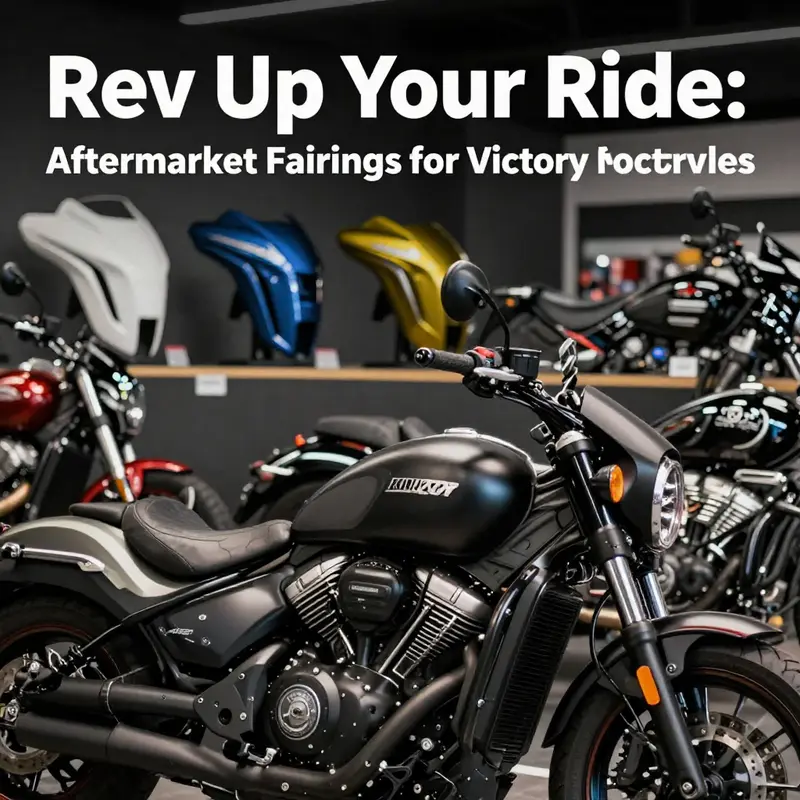 Riders who want to redefine a Victory motorcycle often start with aftermarket fairings. They are more than cosmetic shells; they shape how wind meets the rider, how the bike carries speed, and how road grime interacts with the machine over miles of riding. In this ecosystem, fairings span a spectrum from compact, sport-inspired nudges to full-bodied kits that transform the bike’s silhouette and its aerodynamics. For Victory owners, the opportunity to swap panels is a practical statement of intent: it lets a rider tune wind protection for long stretches, reduce rider fatigue on hot or cold days, and cloak the bike in a look that mirrors personal character. Yet success hinges on fitment and compatibility. A well-matched fairing will align with existing mounting points, preserve frame geometry, and keep electrical routing clean, so the upgrade feels like a natural continuation of the original design rather than a friction-filled detour.
Beyond the visual drama, many aftermarket offerings arrive as cohesive packages. Instead of separate add-ons, you can find kits that include fenders, fillers for side bags, and even hard bags designed to work together with the fairing’s shape. This integration yields practical storage capacity and enhanced protection for the bike’s paint and panels from road debris. It also simplifies the installation by providing a single, unified mounting approach rather than a patchwork of parts. Quality kits are built around mounting systems that respect the bike’s chassis geometry, keep line-of-sight clear, and route cables and signals in a way that minimizes shadowing or interference. For a rider who wants a cleaner, more purposeful look while maintaining everyday usability, this integrated approach makes a real difference over a bolt-on assortment of pieces.
Design flexibility stands out as a major draw. Manufacturers offer a broad range of visual language, from sleek, understated lines to bold, sculpted forms that declare a rider’s intent at a glance. Some kits are modular, allowing incremental changes as taste or riding needs evolve. The finish options are equally broad: paint-matched colors, matte textures, or even vinyl treatments that protect the underlying surface while letting a new impression age gracefully on the road. This adaptability means a Victory bike can evolve with the rider—soft, tour-ready lines for highway comfort one season, and a cleaner, more aggressive stance the next. The key is not to chase trendiness but to find a coherent look that harmonizes with the bike’s engine character, chassis proportions, and rider posture.
Material choice matters as much as shape. The most common shells use ABS plastic or fiberglass, each with distinct strengths. ABS tends to absorb impact and resist cracking around fasteners, while fiberglass can support more complex curves and produce exceptionally smooth paintable surfaces. Both materials hold up well under sun, rain, and road spray when the finish is sealed with a durable clear coat and treated for UV resistance. Some builders reinforce critical contact areas or apply protective liners where the fairing meets the frame to dampen vibration and moisture intrusion. Weight considerations are not trivial: a heavier shell can alter steering feel and wind handling, while a lighter option might compromise rigidity. A thoughtful balance—where stiffness, impact resistance, and weight are tuned together—lets the rider enjoy improved aerodynamics without trading handling or confidence at speed.
Complementary upgrades frequently accompany fairing installations. LED accents or integrated lighting within the fairing’s contour not only brighten nighttime visibility but also contribute to the bike’s modern personality. Think of a clean harness route that powers lighting without packaging wires visibly along the fork or down the fairing edge. Some riders extend the shared aesthetic by matching grips and control hardware to the new silhouette, so the cockpit and the bodywork feel as one. The aim is a cohesive, deliberate upgrade rather than a collection of parts that happen to share color. When lighting, weather seals, and cable routing are planned with the fairing in mind, the result is a more streamlined profile and a cockpit that communicates purpose, durability, and attention to detail.
Implementation requires careful validation of fitment and a clear plan for installation. The best results come from kits designed for direct replacement of stock panels and that provide precise templates, hardware, and step-by-step guidance. Some vehicles may require minor bracket tweaks or the relocation of wind deflectors and fasteners, but the goal is to minimize permanent alterations to the frame and electrical harness. A faithful installation respects wind seals and drainage paths to preserve weather resistance and prevents wind-induced flex that could crack paint over time. As with any major cosmetic and functional upgrade, riders should consider the time, tools, and potential professional help needed to ensure alignment, clearances, and a clean seal against the elements. When done with care, the fairing becomes a durable enhancement that retains the bike’s core feel and riding balance.
Ultimately, a well-chosen fairing reframes how a Victory motorcycle communicates with the road. The wind is redirected so the rider’s torso and shoulders stay more comfortable at speed, while the upper body remains engaged with the bike’s controls and feedback. For long rides, the reduction in fatigue is not merely about warmth or shade; it’s about a steadier, more controlled airflow that helps you stay alert and relaxed. On windy days or crosswinds, a properly tuned fairing can stabilize the front end and reduce the sensation of tugging at the handlebars. The bike’s character—its burly engine, its confident stance—retains its essence, but the rider experiences it with less glare from the wind and more sense of control. In that sense, the fairing becomes part tool, part canvas, and part tavern of the road where the rider crafts a personalized, durable relationship with the machine.
For riders ready to explore, official guidance on fitment, compatibility, and part recommendations remains a reliable compass. The Victory Motorcycles ecosystem offers a reference point that helps ensure your upgrade aligns with your model, your riding goals, and your warranty expectations. When you’re choosing a path, look for precision-fit panels, robust mounting brackets, and tested finishes designed to withstand road realities. The investment is not only in a new look but in a longer, more confident ride where the bike’s protection, aerodynamics, and storage align with the rider’s daily needs and aspirations. For authoritative guidance on fitment and official parts recommendations, visit https://www.victorymotorcycles.com
Beyond Wind and Form: Functional Benefits of Aftermarket Fairings for Victory Motorcycles
 Riding a Victory motorcycle with aftermarket fairings shifts more than the look of the bike; it changes how the machine behaves at speed and how the rider experiences the road. Far from being mere aesthetic add-ons, well-designed fairings influence the bike’s dynamics, comfort, and usability on a wide range of roads and weather conditions. The story of these components begins with aerodynamics, but it quickly expands to weather protection, airflow management, and the practical realities of fit and material choice. In that light, aftermarket fairings become a coherent system rather than a collection of individual parts, each chosen with an eye toward how they work together with Victory engineering to improve the ride for both short cruises and long highway hauls.
Improved aerodynamics sits at the core of why riders invest in aftermarket fairings. When you climb above highway speeds, air resistance grows, and the rider begins to feel a combination of drag and fatigue. A properly shaped fairing guides the slipstream more efficiently around the rider’s upper body, reducing the wind pressure that funnels into the chest and helmet. With less wind buffet, the torso remains more comfortable, and the rider’s focus stays on steering and line choice instead of bracing against gusts. The result is a more stable ride at speeds where minor deviations in posture or grip can creep into riding errors. It is not merely about speed; it is about sustained comfort. On long highway stretches, the benefit compounds, because the rider can maintain posture and control without the constant micro-adjustments that fatigue requires.
Weather protection emerges as a natural companion to aerodynamics. A larger or more contoured fairing wraps around the wind, rain, and road debris in ways that stock plastics may not, especially on older or sportier configurations where wind protection isn’t the sole priority. The goal is coverage that reduces direct wind blast to the face and chest while preserving visibility and balance. Riders often report a clearer line of sight and a drier cockpit, which translates into safer riding in rain squalls or chilly mornings when windshield clarity matters as much as warmth. Effective wind protection also pairs with weather sealing to minimize drafts that can numbly numb fingers and toes, making a planned ride feel less punishing during shoulder-season weather.
Beyond blowing wind away, fairings influence how air moves around the engine and chassis. Airflow management is the subtle engineer’s art inside many aftermarket designs. Properly positioned contours encourage air to flow over the frame and under the fairing in a way that reduces turbulent eddies near the rider’s torso. This smoother flow can contribute to more predictable steering input and a calmer riding sensation, especially in gusty crosswinds. The same aerodynamic logic can aid engine cooling. By directing air efficiently across critical areas, a rider benefits from steadier operating temperatures on long climbs and hot days, which in turn supports consistent performance and avoids heat-related fatigue. In practical terms, airflow management supports a ride where horsepower feels more usable and less compromised by heat soak or wind-induced drag.
Fitment and compatibility sit at the top of the practical considerations list. Compatibility is not a luxury; it is the difference between a seamless installation and a frustrated weekend project. Victory owners should assess whether an aftermarket option is designed to align with their model year and configuration. Even when the broad shape and mounting concept look right, subtle differences in mounting points, fairing width, or horn and dash clearance can create misalignment or obstruction. The best approach integrates fitment checks early in the process, including an honest appraisal of whether brackets, mounting hardware, or rub points will require modification. A properly matched fairing preserves the intended riding position and cockpit ergonomics, so the rider does not have to stretch awkwardly or lean into the wind simply to find a comfortable balance.
Material and durability form the backbone of long-term performance. Most aftermarket fairings use high-grade ABS plastic or composite blends. ABS provides a favorable balance of impact resistance, flexibility, and weight, which helps resist cracking on minor tip-overs or road debris encounters without adding excessive mass. Composite materials can offer stiffness and UV resistance that keep a fairing looking sharp and performing well over time. The material choice matters because it influences not only the durability of the fairing itself but how it behaves when exposed to temperature swings and sun exposure. A well-made fairing maintains its shape and alignment after mount, which is crucial for consistent aerodynamics, seals, and mounting points. Beyond raw toughness, the finish—whether gelcoat, painted, or textured—plays a role in how well the fairing withstands road grime and weather, and how easy it is to maintain its appearance on-season after season.
When assessing the broader value of aftermarket fairings for a Victory motorcycle, it helps to see the decision as a systems choice rather than a single upgrade. Aerodynamics, weather protection, and airflow management work in concert with proper fitment and material choice to yield tangible gains in comfort, control, and performance. It is a chain of benefits: less rider fatigue at speed means steadier throttle input; better weather protection preserves visibility and reduces fatigue; smoother airflow around the rider and engine helps keep temperatures stable and the ride predictable. The cumulative effect is a more confident riding experience, especially on days with variable wind, poor weather, or extended highway miles.
This line of thinking extends to the maintenance and lifecycle of the fairing as well. The decision to invest in an aftermarket option should factor in how the part ages with your bike. A durable shell that resists cracks will maintain its aerodynamics and protective function for longer, reducing the likelihood of performance dips as the bike ages. Conversely, a misfit or under-spec material can introduce creaks, rubbing, or misaligned mounting that, over time, erodes the benefits you sought. The practical takeaway is clear: choose a design with a reputable fit profile for your model, a durable shell that withstands road wear, and a finish that stands up to sun and rain without constant refinishing.
For riders exploring the wider landscape of aftermarket options, the broader design principles still apply. The logic of fit, form, and function translates across brands and models. This cross-application is why it can be instructive to examine how related fairings—such as those designed for other sport or touring bikes—address the same challenges. A helpful reminder comes through broader market resources that explain fitment logic, mounting tolerances, and the tradeoffs between different materials and finishes. As with any significant upgrade, a careful balance of performance goals, riding style, and maintenance expectations leads to the best outcomes.
To connect this discussion to practical sourcing, consider how one might explore related fitment and material options across brands. For example, exploring the Honda fairings collection can illuminate general trends in how manufacturers approach mounting, ventilation, and aerodynamic contouring, and those insights can inform decisions for Victory riders seeking compatible configurations. This cross-brand perspective helps riders weigh what matters most, whether they prioritize weight savings, aggressive wind protection, or ease of installation. For readers who want a concrete starting point, an inspection of fitment profiles and mounting points offered by a broader range of brands can reveal the kinds of design decisions that yield smoother performance and longer-term durability.
Looking ahead, the key to maximizing the functional benefits of aftermarket fairings lies in thoughtful selection and precise installation. The best choices align with your riding goals, the specific Victory model you own, and how you ride most of the time. If your aim is long-distance comfort with minimal fatigue on interstates, prioritize aerodynamics and weather protection with a fairing designed for stable, wraparound wind flow. If you ride in varied weather and prefer a cockpit that keeps visibility crisp, emphasize weather sealing and reduced wind blast. If cooling and engine performance are a central concern, focus on fairings engineered to optimize airflow around the radiator and cylinders without introducing new heat traps. In all scenarios, the installation should maintain the integrity of the bike’s lines and protective coatings, preserving resale value and overall aesthetics while delivering the practical gains that make the investment worthwhile.
For readers who want a guardrail of guidance, a practical resource on choosing aftermarket fairings offers a structured approach to evaluating fitment, materials, and performance tradeoffs. See the external reference for a concise guide that distills the essentials into actionable steps. (How to Choose Aftermarket Motorcycle Fairings: A Practical Guide) https://www.motorcycle.com/aftermarket-fairings-guide/
Where Aftermarket Fairings for Victory Motorcycles Come From: Brand Types, Quality Tiers, and What to Expect
 Understanding Brand Types and What They Offer
When shopping for an aftermarket fairing for a Victory motorcycle, the variety on the market can feel overwhelming. Manufacturers and sellers fall into recognizable groups, each with distinct priorities and trade-offs. Recognizing these groups helps match a rider’s goals—whether improved aerodynamics, enhanced wind protection, or a statement-making aesthetic—to the right supplier. Top-tier specialist makers focus on fit and finish. Mid-range companies balance price and durability. Value-oriented vendors emphasize affordability and broad compatibility. Marketplaces aggregate options across all these tiers, letting shoppers compare price and style quickly.
Specialist manufacturers tend to design fairings around particular bike families. They invest in fitment testing for specific models and in durable materials that hold shape and appearance for years. These producers often provide molded mounting points and reinforced edges to reduce vibration and cracking. Their parts usually ship with clear instructions and designed brackets or adapters, making installation smoother. Riders who want a near-OEM fit and reliable long-term performance usually look here first.
Mid-range companies supply solid alternatives. They often use common thermoplastics like ABS or higher-grade composites. Fitment may require minor trimming or adjustment. These brands often offer a wider catalog of styles and colors. They appeal to owners who want good-quality upgrades without the premium price of specialist lines. Many of these vendors provide painted panels or prepped surfaces ready for paint, which simplifies customization while controlling cost.
Value manufacturers and large-volume suppliers aim for affordability. Their parts tend to be more universal in design. That means broader fitment across models, but also more adjustment during installation. Panels from this group can be an excellent choice for riders on a budget, for shops that perform modifications, or for projects where custom fitment is expected. The trade-off is often in the finish and mounting precision. Many buyers accept this when cost is the primary constraint.
Online marketplaces bring together these distinct sellers. They serve as one-stop shops, aggregating specialist brands, mid-range producers, and budget options. Marketplaces also allow for user reviews, seller ratings, and a wide array of photos. This transparency helps buyers evaluate real-world fit and finish before purchasing. Marketplaces are particularly useful for locating rare parts or model-specific kits that specialty outlets no longer stock.
Material Choices, Design Families, and Functional Differences
Fairings differ by material, design intent, and functional focus. Common materials include ABS plastic and fiberglass. ABS is flexible, impact-resistant, and resistant to temperature changes. Fiberglass offers stiffness and allows for thinner, sculpted shapes, though it can be heavier and more brittle on impact. Some higher-end suppliers use composite blends or reinforced plastics for the best of both worlds.
Design families shape how a fairing performs on the road. Batwing-style fairings focus wind away from the rider and create a classic cruiser look. Full body kits wrap the bike and provide aerodynamic benefits, as well as a cohesive visual transformation. Windshield-centric fairings emphasize low-speed comfort and long-range touring comfort. Each design requires particular mounting strategies and has its own aesthetic language, so choosing a design family early narrows the field considerably.
Mounting systems differ significantly among brands. Some products arrive with model-specific brackets and pre-drilled holes. Others supply universal hardware and expect the installer to adapt components. Precision fit helps reduce vibration and panel wear. It also speeds up installation. When buying a fairing, note whether the product includes a mounting kit, or whether additional brackets are necessary. This affects the final cost and the time required for installation.
Quality Indicators and Warranty Considerations
There are several practical indicators of quality to watch when evaluating brands. Consistent panel thickness and smooth inner edges suggest good molding processes. Reinforced mounting points indicate a design that resists cracking. Matched paint or consistent priming shows attention to finish. Clear, well-illustrated instructions reflect a brand’s investment in the customer experience. Finally, warranty and return policies say a lot about how confident a seller is in their product.
A generous warranty and an accessible return policy reduce risk. Some brands offer limited warranties that cover defects in materials and workmanship. Others provide liberal return windows through marketplaces. In either case, keep records of correspondence and photos of any damage upon arrival to streamline claims.
How to Choose a Brand: Practical Steps
First, confirm compatibility with your Victory model year and trim. Even subtle differences in forks or handlebars can affect fit. Study photos from previous installations and look for images taken on the exact bike model. Second, decide how much modification you can tolerate. If you want bolt-on ease, prioritize brands that supply model-specific brackets. If you enjoy tailoring parts, broader-fit kits open more style options. Third, compare materials and finishes. If UV resistance and long-term color stability matter, choose suppliers that use UV-stable plastics or offer painted panels.
Customer reviews and community forums provide real-world insight. Riders often share fitment tips, necessary adapters, and paint matching advice. These resources can reveal small but important differences between otherwise similar products. If a seller has a consistent record of satisfied buyers on a particular model, that reliability is a strong selling point.
Finally, consider service and parts availability. Brands with good customer support and replacement parts make future repairs easier. Whether you need a single panel or a full kit, being able to source components simplifies restoration after minor damage.
For a sense of how other motorcycle makes are supported by aftermarket suppliers, explore the Yamaha fairings collection as an example of broad cataloging approaches.
When you want to see the breadth of options available across sellers, marketplaces provide a fast way to compare price and style. For a broad inventory of fairings and kits compatible with Victory motorcycles, consult the aggregated listings at: https://www.ebay.com/sch/i.html?nkw=Victory+Motorcycle+Fairing&sacat=0&LHTitleDesc=0&from=R40&_trksid=p2380057.c10.m1624.l1313
Winged Value: The Economic and Aesthetic Impact of Aftermarket Fairings on Victory Motorcycles
 In the world of Victory motorcycles, the fairing is more than a shield against wind. It is a statement that blends function with form, turning a ride into a crafted experience. Aftermarket fairings offer a pathway to refine aerodynamics, cut through buffeting, and tailor the silhouette to the rider’s taste. The conversation around these upgrades is as much about economics as it is about aesthetics. When a rider weighs the cost of a new fairing against the gains in comfort and confidence at highway speeds, the math begins to look favorable not just for the individual, but for the wider ecosystem that supports aftermarket parts.
A batwing-style fairing, in particular, becomes a focal point in this balancing act. The design channels wind around the rider, reducing fatigue on long cruises and stabilizing the bike’s feel at pace. The result is a smoother, more controlled ride that encourages longer journeys and more miles per year. At the same time, the aftermarket landscape has evolved to accommodate a wide spectrum of riders. From minimal windshield upgrades to comprehensive full-body kits, the choice reflects a continuum—from practical wind protection to a bold reimagining of the bike’s identity. The key to making any of these options work on a Victory model lies in meticulous fitment verification. Compatibility with a specific make and model is essential to preserve not only the appearance but also the function, including mounting integrity, wind deflection behavior, and clearances with handlebars, turning components, and fuel-tiller areas.
Riders who approach this investment with a clear plan often find the financial logic sound. Though prices for aftermarket fairings can vary, the initial outlay is typically weighed against tangible benefits that accumulate over years of riding. A fairing that reduces wind turbulence can translate into more comfortable highway cruising, potentially extending rider range and reducing fatigue—factors that contribute to a more enjoyable riding experience. The return on investment also manifests in resale value. When a Victory owner updates the bike with a well-executed aftermarket fairing, the overall package—newer styling, improved protection, and updated ease of maintenance—can make the motorcycle more appealing to secondhand buyers. While resale value is never guaranteed, clear evidence from the industry indicates that well-chosen upgrades tend to preserve or slightly enhance overall market appeal in the used-bike segment, particularly when the upgrade complements the bike’s lines and remains visually coherent with the chassis.
From an industry perspective, the aftermarket parts market that encompasses fairings has become a significant engine of growth. The ongoing conversation within market analysis points to a robust expansion, driven by a persistent desire for personalization, performance optimization, and durable materials. A broad forecast places the motorcycle fairing market on a growth trajectory with a compound annual growth rate in the low double digits over the next five years. Industry tracking places the motorcycle fairing market on a projected CAGR of 11.7% from 2025 to 2030. This expansion creates a climate of opportunity for manufacturers and retailers alike, especially for those offering affordable, reliable alternatives to original equipment manufacturer parts. The material science behind these products matters, too. Designers and fabricators are increasingly turning to durable but light-weight materials, such as ABS plastic and advanced composites, to strike a balance between cost, weight, and impact resistance. The result is a competitive landscape where performance, longevity, and price can coexist, enabling Victory riders to chase both speed and style without compromising reliability.
This dynamic is reinforced by the broader distribution landscape. Online marketplaces have opened the door for smaller producers and independent artisans to reach customers around the world. The democratization of access means that riders can explore a range of aesthetics, from clean and understated to more aggressive and dramatic lines, without the geographic constraints that once shaped availability. The ripple effects extend beyond individual purchases. Local workshops, paint studios, and fabrication shops see new demand for custom-fit kits, precise color-matching, and install-ready packages. In turn, this stimulates collaboration and sparks design iterations, as makers test fitment on different Victory chassis and refine mounting solutions to reduce installation time and ensure long-term durability. The economic logic is straightforward: a broader catalog increases competition, lowers entry barriers for new entrants, and fuels innovation in forms, finishes, and connection methods that hold up under road-use stress.
The ongoing growth also intersects with consumer expectations around maintenance and longevity. A fairing that survives the rigors of daily riding and the unkind realities of road debris is not just a cosmetic upgrade; it becomes a practical improvement that supports the bike’s overall durability. In many cases, aftermarket fairings are designed with modular pieces, enabling buyers to replace damaged sections rather than the entire shell. Modularity minimizes downtime, keeps costs manageable, and extends the lifecycle of the investment. For Victory owners, this means the bike can retain its appeal and performance for longer, a factor that resonates with the kind of rider who values not only aesthetics but a consistent, long-term ownership experience.
From the vantage point of the market, the convergence of consumer interest and manufacturing capability signals opportunity. A growing CAGR between 2025 and 2030 reflects the sector’s momentum, even as it competes with OEM parts on price and warranty terms. The better-performing, durable alternatives in ABS or composite materials enable cost-conscious buyers to find solutions that align with their budgets while still delivering the wind protection and styling they seek. For retailers, this translates into practical strategies—curating a mix of entry-level offerings and higher-end, design-forward pieces, ensuring there are fitment guarantees, and providing clear installation guidance. When the promise of a better ride goes hand in hand with a straightforward buying and mounting experience, satisfaction naturally follows.
The research signals a broader economic message. Aftermarket fairings for Victory motorcycles do more than fulfill a rider’s desire for personalization. They contribute to the vitality of the aftermarket economy by supporting a supply chain that includes manufacturers, distributors, and dedicated sellers who understand the nuances of fitment, color matching, and aerodynamics. They enable entrepreneurship at multiple scales—from home-based shops offering