
















Les kits de carénages pour motos chinois sont devenus un véritable changement de jeu pour les motards cherchant à améliorer l'esthétique et les performances de leurs motos à moindre coût. En tant que principal fabricant dans ce secteur, la Chine propose des options de haute qualité élaborées à partir de matériaux avancés. Ce guide vise à fournir aux propriétaires d'entreprises des informations détaillées sur la composition et les matériaux de ces kits, les applications de conception variées, les possibilités d'approvisionnement, les avantages pratiques de l'adoption de ces kits, ainsi que les tendances émergentes du marché. Comprendre ces aspects aidera les entreprises à prendre des décisions éclairées lorsqu'elles investissent dans des améliorations de motos.
Alchimie des matériaux : comment la composition des kits de carénages pour motos chinois façonne la vitesse, la sécurité et le style
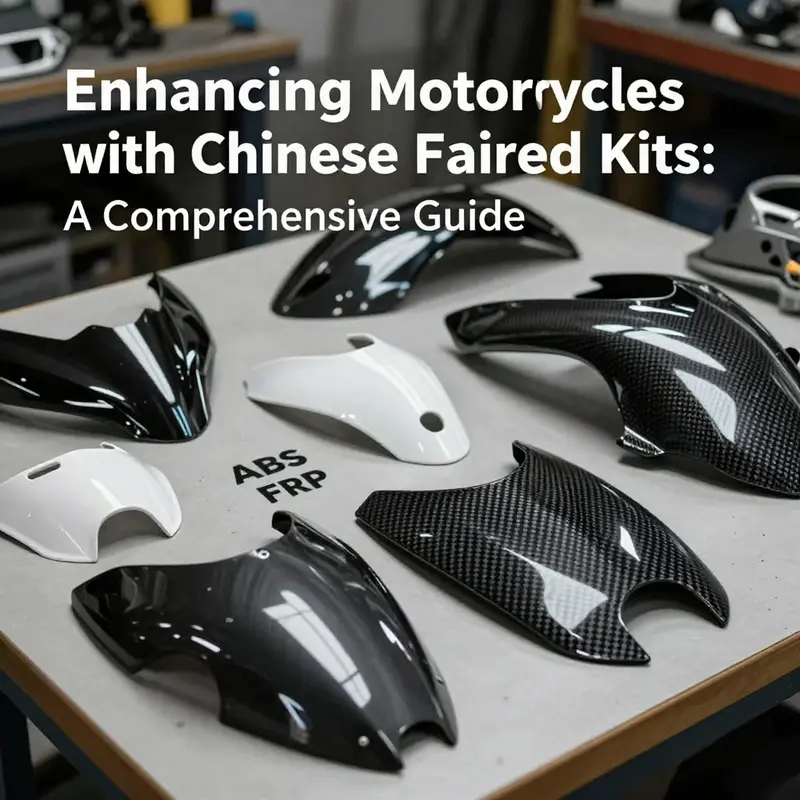 La coque autour du motard est bien plus qu'un voile esthétique ; c'est un mélange soigneusement conçu de forme, fonction et science des matériaux. Les kits de carénages pour motos chinois se situent à la croisée des chemins entre abordabilité et performance, où le choix de la résine, du renforcement et des processus de finition se traduit directement par l'aérodynamique, le poids, la durabilité, et même la sécurité dans le champ de vision d'une piste ou d'une route. Lorsqu'un motard place un carénage sur une moto, il découvre une union d'ambition de design et de capacité matérielle. Les kits modernes chinois s'appuient sur une gamme de polymères et de composites qui ont évolué au fil de décennies de moulage, de durcissement et de tests. Comprendre l'attractivité de ces kits revient à comprendre comment les décisions matérielles résonnent dans le coût, la vitesse de production et l'expérience du motard. Dans la conversation sur la composition, les acteurs centraux sont cinq familles de matériaux devenus la colonne vertébrale de la plupart des designs de carénages : le ABS, les alliages PC/ABS, le FRP, le CFRP, et, dans des cas rares mais en augmentation, le polypropylène et les plastiques techniques associés pour des accents non structurels. Chacun de ces matériaux apporte son propre équilibre entre poids, rigidité, résistance aux chocs, résistance à la chaleur et facilité de mise en œuvre, et ensemble ils cartographient la gamme du marché allant des kits de base aux ensembles premium inspirés de la course.
Le ABS, ou Acrylonitrile Butadiène Styrène, reste le cheval de bataille de nombreux programmes de carénages chinois. Son attrait repose sur une combinaison de résilience et de versatilité. Le ABS est suffisamment solide pour résister aux impacts mineurs qui peuvent survenir lors d'une chute légère ou d'une collision à basse vitesse, et il maintient son intégrité structurelle sous les exigences de rigidité d'un panneau formé. Le processus de moulage est bien établi, permettant la fabrication de courbes complexes et de joints nets qui définissent les profils sportifs modernes. Le ABS offre également un bon rapport qualité-prix, ce qui en fait une base attrayante pour des kits de masse. Pour les motards qui valorisent une esthétique fiable à un point de prix raisonnable, les carénages en ABS peuvent offrir des lignes propres et une adhérence constante de peinture, tout en permettant encore des finitions colorées ou des esquèmes de peinture personnalisés. Le résultat est une option pratique et évolutif qui correspond à la diversité des motards souhaitant une amélioration visible sans un prix prohibitif.
Mais l'espace est limité dans le monde réel où la chaleur s'accumule dans la cavité du carénage, la lumière solaire rayonnante décolore la couleur, et la pression des vitesses élevées exerce des charges répétées sur les supports et les rayons des bords. C'est là que les alliages PC/ABS entrent dans la conversation. En combinant les meilleures qualités du polycarbonate en termes de résistance et de résistance à la chaleur avec la ductilité et la malléabilité du ABS, le PC/ABS crée un matériau capable de supporter des conditions de service plus exigeantes. Les panneaux conçus avec du PC/ABS présentent une meilleure résistance aux fissures dues au flexion répétée ou aux impacts, et ils conservent leur stabilité dimensionnelle à des températures plus élevées. Le compromis est une légère augmentation du coût et de la complexité du traitement, mais pour les kits de haut de gamme ou orientés performance, le retour est un carénage plus durable qui résiste au jaunissement causé par les UV et maintient mieux la peinture tout au long de la vie du carénage. En pratique, le PC/ABS permet aux designers d'aller plus loin entre les points d'ancrage sans sacrifier la géométrie nette dont un carénage a besoin, ce qui est particulièrement précieux sur les motos sportives qui exigent à la fois une précision aérodynamique et une esthétique axée sur le motard.
La coque autour d'un motard n'est pas seulement un voile cosmétique ; c'est un mélange soigneusement conçu de forme, fonction et science des matériaux. Les kits de carénage pour motos chinois se situent à la croisée des chemins entre abordabilité et performance, où le choix de résine, de renforcement et des processus de finition se traduit directement en aérodynamique, poids, durabilité et même sécurité dans le champ de vision d'une piste ou d'une route. Lorsqu'un motard place un carénage sur une moto, il découvre une union d'ambition de conception et de capacité matérielle. Les kits chinois modernes s'appuient sur une gamme de polymères et composites qui ont évolué pendant des décennies de moulage, de durcissement et de tests. Comprendre l'attractivité de ces kits revient à comprendre comment les décisions matérielles ont un impact sur le coût, la vitesse de production et l'expérience du motard. Dans la conversation sur la composition, les acteurs principaux sont cinq familles de matériaux qui sont devenus la colonne vertébrale de la plupart des conceptions de carénage : ABS, alliages PC/ABS, FRP, CFRP, et, dans des cas rares mais croissants, le polypropylène et autres plastiques techniques pour des accents non structuraux. Chacun de ces matériaux apporte son propre équilibre entre poids, rigidité, résistance aux chocs, résistance à la chaleur et facilité de mise en œuvre, et ensemble ils cartographient la gamme du marché, allant des kits d'entrée de gamme aux ensembles premium inspirés de course.
ABS, ou Acrylonitrile Butadiène Styrène, reste le cheval de travail de nombreux programmes de carénage chinois. Son attrait repose sur une combinaison de résilience et de versatilité. L'ABS est suffisamment solide pour faire face aux impacts mineurs qui peuvent survenir lors d'une chute occasionnelle ou d'une collision à basse vitesse, et il maintient son intégrité structurelle sous les exigences de rigidité d'un panneau formé. Le processus de moulage est bien établi, permettant la fabrication de courbes complexes et de joints nets qui définissent les profils sportifs modernes. L'ABS offre également un rapport qualité-prix favorable, ce qui le rend attrayant comme base pour des kits de masse. Pour les motards qui valorisent une esthétique fiable à un point de prix raisonnable, les carénages en ABS peuvent offrir des lignes propres et une adhérence constante de peinture, tout en permettant des finitions colorées ou des décors personnalisés. Le résultat est une option pratique et évolutif qui correspond à la diversité des motards qui souhaitent une amélioration visible sans un prix prohibitif.
Mais l'espace est limité dans le monde réel où la chaleur s'accumule dans la cavité du carénage, la lumière du soleil décolore la couleur, et la pression des vitesses élevées exerce des charges répétées sur les supports et les bords. C'est là que les alliages PC/ABS entrent dans la conversation. En combinant les meilleures qualités du polycarbonate en termes de résistance et de résistance à la chaleur avec la ductilité et la malléabilité de l'ABS, le PC/ABS crée un matériau capable de supporter des conditions de service plus exigeantes. Les panneaux conçus avec du PC/ABS présentent une meilleure résistance aux fissures causées par des flexions répétées ou des impacts, et ils conservent leur stabilité dimensionnelle à des températures plus élevées. Le compromis est une augmentation modeste du coût et de la complexité du traitement, mais pour les kits haut de gamme ou orientés performance, le retour est un carénage plus durable qui résiste au jaunissement causé par l'exposition aux UV et maintient la peinture de manière fiable tout au long de la durée de vie du carénage. En pratique, le PC/ABS permet aux designers d'aller plus loin entre les points de fixation sans sacrifier la géométrie nette dont un carénage a besoin, ce qui est particulièrement utile sur les motos sportives qui exigent à la fois une précision aérodynamique et une esthétique axée sur le motard.
Le plastique renforcé de fibres de verre, ou FRP, ajoute une autre couche à la conversation matérielle. Souvent trouvé dans les constructions moyennes ou spécialisées, le FRP allie un poids léger à une force considérable, offrant une alternative plus solide qu'une coque en plastique simple tout en restant moins cher que le carbone dans la plupart des applications. L'étoffe de fibres de verre agit comme un squelette renforçant qui améliore la résistance aux chocs et la rigidité structurelle, surtout dans les panneaux qui doivent résister à la chaleur du moteur et aux débris de la route. Toutefois, le FRP comporte des nuances de fabrication : les procédés de pose, les temps de durcissement et les formulations de résine influencent les tolérances et la finition de surface. L'équilibre de ces facteurs fait du FRP un choix populaire pour les motards qui recherchent des attributs de performance associés à un poids plus léger sans le prix élevé des composites à base de carbone. Il ouvre également des portes à la personnalisation grâce à l'ajout de teintes de résine et à des finitions de surface qui imitent des matériaux plus chers tout en offrant une valeur pratique sur les motos du quotidien.
Le polymère renforcé de fibres de carbone, ou CFRP, se situe au sommet de la conception de carénage orientée performance. Le CFRP offre un rapport incroyable entre résistance et poids, ce qui se traduit par une réponse plus rapide à l'accélération, une maniabilité plus précise et une meilleure répartition globale du poids lorsqu'il est intégré à l'aérodynamique de la moto. La rigidité des panneaux en fibre de carbone maintient les joints serrés et les bords précis, contribuant à un flux d'air plus propre autour de la moto. Cependant, les réalités de la production limitent sa portée. Le CFRP est coûteux, nécessite des procédés de pose et de durcissement spécialisés, et exige un contrôle qualité minutieux pour éviter les défauts qui peuvent compromettre les performances. En conséquence, les carénages en CFRP sur le marché chinois sont généralement réservés aux gammes premium ou aux séries limitées où les motards demandent des performances maximales et sont prêts à investir en conséquence. Dans ces contextes, le tissu en carbone n'est pas seulement un symbole de mérite ; c'est un choix fonctionnel qui maintient des tolérances plus élevées, réduit le poids et offre une esthétique distincte, à fort contraste, que beaucoup de motards associent à un style inspiré de course.
Au-delà de ces matériaux de base, le polypropylène et d'autres plastiques techniques trouvent un rôle comme composants non structuraux ou garnitures décoratives. Ces matériaux sont moins couramment utilisés pour les carénages principaux car leur résistance aux chocs et leur rigidité à long terme sous contrainte peuvent être inférieures à celles de l'ABS et du PC/ABS, surtout lorsqu'ils sont exposés à des conditions de conduite difficiles. Cependant, pour les panneaux latéraux, les supports internes ou les accents décoratifs, le PP et les plastiques similaires offrent une flexibilité économique. Ils soutiennent le design modulaire, permettant des échanges rapides et des expérimentations de couleur sans alourdir le poids global ni les panneaux structurels principaux.
Les choix de matériaux décrits ci-dessus font plus que façonner le poids et la résistance. Ils influencent la technologie de moulage, les coûts d'outillage et l'échelle de production. Les pièces en ABS et PC/ABS sont généralement produites via des lignes de moulage par injection robustes qui mettent l'accent sur la répétabilité, le débit élevé et les tolérances serrées. Cela correspond au niveau d'automatisation et aux effectifs qualifiés trouvés dans les principaux centres de production du sud et de l'est de la Chine. Le FRP, au contraire, utilise souvent des procédés de mise en place manuelle, de pulvérisation ou de moulage fermé qui peuvent accommoder des tailles de panneau plus grandes ou des géométries plus complexes, mais nécessitent un contrôle soigneux de la chimie de la résine et des cycles de durcissement. Le CFRP, avec ses préimpregnés de carbone et son durcissement en autoclave dans certaines implémentations, nécessite un équipement précis et un régime de qualité plus minutieux. Le fil commun à tous ces processus est que la capacité à produire des pièces cohérentes et répétitives repose sur un écosystème mû : des fournisseurs fiables de systèmes de résine, de renforcements, de calendriers de durcissement et d'assurance qualité qui encadrent les performances d'un kit sur plusieurs mois d'utilisation réelle.
Le choix des matériaux n'a pas lieu dans le vide. Les concepteurs doivent prendre en compte non seulement les performances, mais aussi comment un résine donné gère la couleur, la stabilité UV et le vieillissement. Les stabilisateurs UV et les revêtements protecteurs empêchent la surface brillante de s'assombrir sous l'exposition au soleil. Les rayons des bords et les raidisseurs doivent être soigneusement planifiés pour éviter les concentrations de contraintes qui peuvent entraîner des fissures. Pour les motards qui poussent leurs motos en journée de piste ou subissent des trajets longs dans des climats hostiles, la stabilité de la finition et la prévisibilité de la rétention de couleur deviennent intégrales à la satisfaction. Le marché chinois, avec ses clusters de fabrication densément concentrés, a développé une capacité remarquable à ajuster ces propriétés à grande échelle. Dans les zones exportatrices de Guangdong, par exemple, les lignes de moulage à haute volume se joignent à des ateliers de peinture et de finition qui peuvent livrer des finitions colorées conformes à une palette large. Dans les corridors techniquement axés de Zhejiang, les matériaux comme le CFRP deviennent plus accessibles lorsque des spécialistes traitent les tolérances précises et les géométries complexes. Dans les pôles axés sur les coûts de Fujian, avec leur accent sur les conceptions standardisées, cela garantit que même les kits les plus basiques arrivent avec une qualité fiable et une compatibilité mondiale à un prix attrayant.
Pour les acheteurs et les assembleurs, le spectre des matériaux informe les décisions concernant l'adaptabilité, l'entretien et les chemins d'amélioration. Un kit construit autour de l'ABS ou du PC/ABS tend à offrir des performances prévisibles pour un large public, avec une emphase sur une bonne résistance aux chocs et une facilité de réparation ou de repeinture. Un kit en CFRP, bien qu'exigeant un investissement initial plus important, offre un poids plus léger et une rigidité accrue qui peut compter dans la conduite à haute vitesse où chaque gramme et chaque contour compte. Même au sein de la même famille de modèles, les choix peuvent différer selon que l'utilisateur privilégie l'abordabilité, la longévité face à l'exposition au soleil ou les performances ultimes. La philosophie de conception derrière ces choix est de créer un package équilibré où le poids et la rigidité des panneaux s'alignent avec la dynamique du cadre de la moto, les objectifs de performance du pilote et les conditions d'utilisation anticipées.
Le paysage d'approvisionnement derrière ces matériaux ajoute une autre couche de complexité et d'opportunité. Un acheteur B2B peut naviguer sur des plateformes qui connectent à des fournisseurs vérifiés et fournissent des données de performance réelle, traçabilité et livraison scalable. La proximité des hubs de production clés - Guangdong pour les volumes et la logistique, Zhejiang pour le travail en FRP et CFRP à haute tolérance, et Fujian pour les conceptions standard à coût abordable - aide les fournisseurs à adapter leurs offres aux différents segments de clients. Pour les acheteurs souhaitant personnaliser les finitions ou intégrer des éléments tels que l'éclairage ou des composants de couleur compatible, la pile de matériaux peut soutenir ces exigences grâce à des peintures, scellants et garnitures compatibles qui préservent l'intégrité du système de résine choisi. L'effet global est un marché qui propose une large gamme de combinaisons : le même design de carénage de base peut être réalisé en ABS pour une construction budgétaire ou en CFRP pour une machine prête pour la piste, toutes coordonnées par un réseau de fabrication et de distribution chinois solide.
Alors que les motards considèrent des améliorations, ils pèsent de plus en plus les avantages pratiques de chaque matériau en termes d'aérodynamique, d'entretien et d'esthétique. Un matériau bien choisi réduit la traînée et le tourbillon, contribuant à une meilleure économie de carburant et au confort du pilote en lisser le flux d'air autour du corps du pilote. Les différences de poids, bien que parfois subtiles, peuvent influencer les caractéristiques de maniabilité, notamment sur les motos à petite cylindrée ou les machines qui reposent sur une direction agile. L'accès à l'entretien est un autre facteur pratique ; les designs de demi-carénage et de quart de carénage reposent souvent sur des panneaux modulaires, et le choix du matériau peut affecter la facilité avec laquelle les panneaux peuvent être retirés pour service ou remplacement sans compromettre l'ajustement ou la finition. L'esthétique compte également. La rétention de couleur, le niveau de brillance et la texture de la surface sont largement déterminés par la résine de base et les revêtements protecteurs, ce qui signifie qu'une durée de vie visuelle d'un kit est partiellement fonction de la chimie du matériau et du contrôle du processus. Ces facteurs convergent dans un marché qui privilégie à la fois l'économie et la sophistication, permettant aux motards de personnaliser leurs motos selon leur goût personnel tout en préservant les attentes de performance qui accompagnent les carénages modernes.
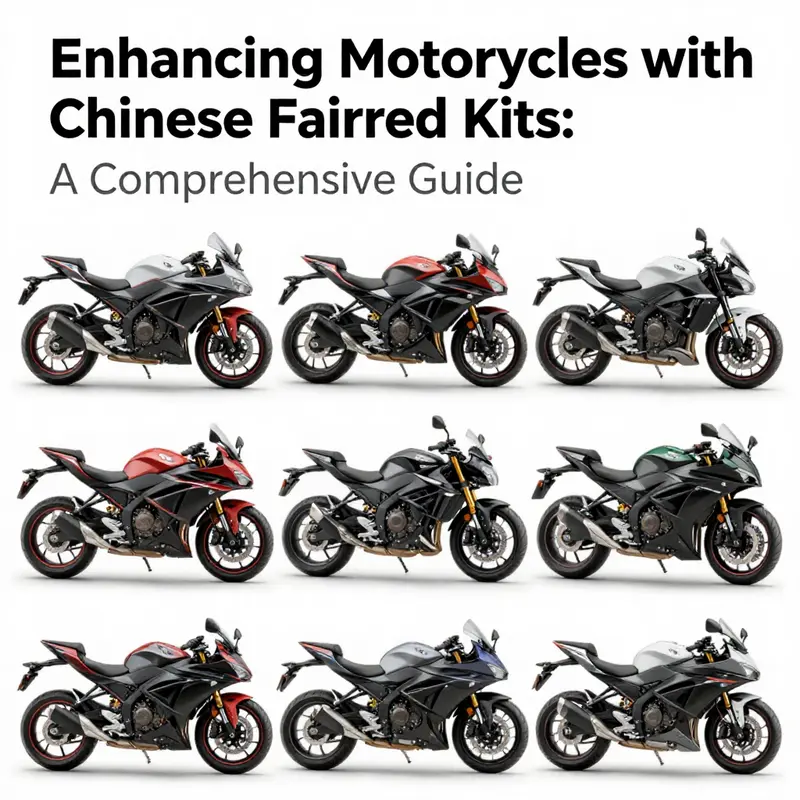 Pour les designers et les acheteurs explorant les possibilités, un point de contact pratique est l'écosystème en ligne qui soutient ces kits. Un seul catalogue bien structuré ou une page fournisseur peut aider un client à comparer les options de matériaux côte à côte et comprendre les implications de maintenance à long terme de chaque choix. Pour explorer une gamme soigneusement sélectionnée de carénages compatibles et voir des exemples du monde réel de la façon dont ces matériaux se traduisent en travail terminé, vous pouvez parcourir la collection de carénages Honda, qui montre comment les formes traditionnelles sont réalisées grâce à des matériaux modernes et des finitions. Ce point de référence aide à encadrer comment les décisions de matériaux se traduisent par l'expérience de conduite que vous vivez sur la route ou sur piste.
Ressource externe pour un contexte technique plus approfondi : https://www.sciencedirect.com/science/article/pii/S014139102300076X.
Façonnant la route : l'art, les matériaux et la portée mondiale des kits de carénage pour motos chinois.
L'essor des kits de carénage pour motos chinois se situe à l'intersection de la science des matériaux, d'une discipline de fabrication sans relâche et d'un appétit mondial pour la personnalisation. Dans les endroits où le traitement des polymères s'est transformé en un art évolutif, le kit de carénage est devenu plus qu'une mise à jour esthétique ; c'est un instrument du marché qui redéfinit l'expérience de la conduite. Les matériaux de base - ABS, FRP et PC - offrent un équilibre pratique entre résistance, poids et résilience face à l'exposition aux UV et aux impacts. L'ABS se distingue par sa robustesse et sa résistance aux chocs, le FRP apporte une rigidité élevée et des propriétés de stratification adaptées, et le PC ajoute de la clarté et une rigidité supplémentaire là où c'est nécessaire. Dans les coins de l'industrie qui mettent l'accent sur la précision et les performances optiques, les composites de carbone commencent à apparaître, généralement dans des contextes limités d'ingénierie et de clusters de production spécialisés. Le choix du matériau n'est pas simplement une décision de coût ; c'est une fonction des conditions de conduite prévues, des tolérances d'installation et de la stabilité de couleur à long terme sous l'exposition au soleil. En créant un espace pour ces options, les fabricants chinois ont mis en place des processus capables de produire une géométrie constante à grande échelle tout en permettant une personnalisation qui préserve la voix personnelle du motard sur la moto.
Le design et l'application en pratique tendent à suivre quelques trajectoires claires, chacune servant différentes cultures de conduite et préférences esthétiques. Les carénages complets dominent dans les constructions sportives et inspirées de piste où la protection contre le vent et le profil aérodynamique sont primordiaux. Ils créent une surface lisse et continue qui peut réduire la traînée, gérer les différences de pression autour de la poitrine du conducteur et aider à stabiliser la machine à des vitesses plus élevées. Les demi-carénages entrent en jeu lorsqu les motards cherchent un équilibre entre abri et accessibilité. En couvrant le dôme supérieur du carénage autour de la lanterne et du tableau de bord tout en laissant les zones inférieures exposées, ces conceptions s'intègrent dans la circulation quotidienne, le sport-tourisme et les esthétiques café-racer sans sacrifier la fonctionnalité. Les quartiers de carénage, minimalistes et souvent montés près de la lanterne ou des guidons, conviennent à ceux qui mesurent les changements en pouces plutôt qu'en livres. Ils portent sur l'accent visuel et la modification légère plutôt que sur une reconfiguration aérodynamique complète. À travers ces configurations, la promesse reste constante : une esthétique améliorée avec des avantages pratiques, et une opportunité de personnaliser la silhouette pour correspondre aux goûts du motard et aux lignes fondamentales de la moto.
La promesse de personnalisation va de pair avec la physique de l'air. Un kit bien choisi peut diriger l'air de refroidissement vers les composants critiques, améliorer le confort du conducteur en gérant le buffeting, et offrir un gradient de pression plus linéaire le long de la poitrine et des membres. Au-delà de l'aérodynamique, le choix des matériaux influence l'entretien et la durabilité. La résistance aux UV protège la surface contre le jaunissement et les microfissures, tandis que la résistance aux impacts aide à prévenir les dommages cosmétiques et fonctionnels causés par les débris de la route. Les options de finition - des tons solides aux offres colorées - jouent un rôle crucial dans l'harmonisation du kit avec le reste de la machine. L'éclairage intégré, une caractéristique de plus en plus présente dans les finitions disponibles, offre à la fois un style et un avantage de visibilité, bien qu'il intègre également une autre couche de considérations techniques, comme les chemins de câbles et la gestion de la chaleur. Dans cet écosystème, les compétences du fabricant et la fidélité du moule produisent des résultats aussi liés à l'artisanat qu'à la chimie.
Du point de vue de l'approvisionnement, le paysage est organisé autour de quelques pôles géographiques qui se sont développés en écosystèmes robustes pour les pièces de rechange. Le Guangdong reste un centre de puissance, où la production en grande quantité rencontre les logistiques d'exportation. La capacité à coordonner de grands commandes avec un contrôle qualité constant, associée à sa proximité des grands ports, en fait une région naturelle pour les kits de masse. Dans le Zhejiang, particulièrement dans la zone de Ruian, le focus change souvent vers des pièces à haute tolérance et des composants plus techniques. Les forces de cette région résident dans la fabrication précise, les matériaux renforcés et la volonté de pousser les tolérances qui comptent lorsque les points de montage et l'alignement doivent être exacts. Le Fujian, avec une histoire de production compétitive en termes de prix, complète le trio en accueillant des designs standardisés qui attirent les acheteurs souhaitant des options fiables et économiques. Ensemble, ces pôles soutiennent une large gamme d'acheteurs - des amateurs cherchant une amélioration du week-end aux ateliers exécutant des programmes de personnalisation de type OEM.
Une pièce cruciale du marché est la manière dont les fournisseurs communiquent la qualité et les capacités. Dans les canaux B2B, le succès repose souvent sur des protocoles clairs de contrôle de la qualité, le respect des normes de sécurité et de matériaux, la capacité d'échelle et la vitesse de livraison. Cela ne se limite pas aux accréditations de l'usine ; cela se traduit par un ajustement et une finition prévisibles pour le client, un facteur clé lorsqu les motards investissent dans des composants de rechange qui doivent résister au soleil, à la pluie et aux vibrations de la route. La possibilité d'offrir des services OEM ou une correspondance de couleur à des finitions spécifiques ouvre des portes pour des projets nécessitant une intégration fluide avec les lignes existantes de la moto. Pour l'acheteur, cela se traduit par un profil de risque réduit lors du passage du stock au style et performance aftermarket. La proposition de valeur dépasse le prix ; elle devient une garantie d'ajustement et d'une attente partagée concernant la durabilité et l'apparence au fil du temps.
La durabilité et les considérations de cycle de vie entrent également en jeu à mesure que le marché mûrit. Les formulations classiques d'ABS et de FRP sont continuellement affinées pour minimiser l'impact environnemental sans sacrifier les propriétés sur lesquelles les motards comptent - rigidité, résilience et résistance aux intempéries. La poussée vers une teneur accrue en matières recyclées et des cycles de fabrication plus efficaces permet de concilier performance et responsabilité, une trajectoire qui s'aligne avec les tendances de l'industrie, tout en répondant aux besoins pratiques des motards qui veulent des mises à jour abordables et durables pour leurs machines. À la fin, le choix d'un kit est un compromis entre performance, esthétique, coût et conscience, et le réseau de fabrication chinois a montré une capacité remarquable à accommoder ce compromis à grande échelle.
Cette narration de capacité et de polyvalence n'est pas simplement théorique. Elle reflète comment un motard sur un marché en évolution peut aborder une moto comme une toile. Le voyage commence par une évaluation soigneuse des objectifs de conduite - qu'il s'agisse de vitesse brute, de confort sur de longues distances ou d'une personnalité distincte sur la route - et une volonté d'explorer comment un kit peut modifier les dimensions et le ressenti de la machine. Il continue avec des décisions concernant l'adaptation et la compatibilité. Un kit conçu pour épouser les contours d'un cadre sportif typique doit respecter les points de fixation, les lignes de carénage et la localisation des composants comme l'éclairage avant et le groupe d'instruments. En pratique, les fabricants conçoivent ces kits avec un certain universalisme, permettant des ajustements mineurs et un réglage visuel qui donnent à chaque motard un sentiment de propriété sans exiger une fabrication personnalisée complète à zéro. Le travail non négligeable d'alignement - vérifier les espaces, recouper les points de fixation et s'assurer d'une finition serrée autour des bords - devient partie intégrante du rituel de mise à niveau. Le résultat n'est pas simplement un nouveau carénage ; c'est une silhouette rééquilibrée qui peut influencer la perception et les indices de maniabilité, modifiant subtilement comment un motard aborde les virages, les droites et le trajet quotidien.
Lorsque le chapitre se dirige vers les aspects pratiques de l'approvisionnement et du choix, il est utile d'admettre une limite dans la base de connaissances actuelle. Les matériaux disponibles mettent l'accent sur les dynamiques plus larges des accessoires intelligents, équipements de protection et tenues de moto plutôt que sur des conceptions techniques exhaustives pour les systèmes de carénage. Bien qu'il y ait une riche discussion sur les matériaux, les options de finition et les écosystèmes de vente au détail, il y a moins de philosophie de conception documentée publiquement, modèle par modèle, pour les kits de carénage sur le marché. Cette contrainte n'atténue pas la valeur du sujet ; elle souligne simplement l'idée que le marché fonctionne grâce à une combinaison de principes d'ingénierie partagés et d'expertise spécifique aux régions. La prise de décision pratique pour les motards et les propriétaires de magasins est d'aborder les achats avec une vision globale : évaluer l'adaptation, confirmer la stabilité de la finition sous les conditions climatiques locales, vérifier la compatibilité des fixations et considérer comment le kit vieillira avec l'exposition au soleil et aux selles de route. Au-dessus de tout, l'équilibre est clé - entre aérodynamique et esthétique, entre coût et durabilité à long terme, entre adaptation universelle et nuances spécifiques au modèle. La proposition de valeur pour les pare-phare protecteurs va au-delà de la simple protection. Ils offrent un chemin mesuré pour les riders qui souhaitent plus de contrôle à l'avant de la moto sans la complexité ou le coût d'un pare-complet, qui peut être plus lourd, plus intrusif à accéder et plus coûteux à réparer. Pour les riders sportifs, les constructeurs de café racers ou les commutateurs quotidiens, cette approche présente un équilibre pratique, évolutif entre durabilité, poids et coût. Le kit est une solution polyvalente qui peut être adaptée à différents contextes de conduite - des trajets humides qui exigent des performances de faisceau fiables jusqu'aux sorties de week-end sèches qui récompensent un profil d'avant optimisé avec une apparence forte et confiante. Pour les lecteurs cherchant un point de contact tangible au sein de l'écosystème plus large, une façon pratique d'explorer comment ces kits s'intègrent dans un marché qui valorise à la fois l'héritage et la modernisation est de parcourir une collection générale qui présente la gamme d'options de carénage sans dévier vers des détails spécifiques au modèle. Consultez la page de collections qui présente une vue d'ensemble des carénages et des assemblages associés, qui sert de bonne introduction sur la manière dont le marché segmente les designs, les finitions et les approches de fixation. Cette page aide à illustrer comment un kit peut s'intégrer à différentes lignes corporelles tout en préservant l'identité personnelle du motard sur la moto, un thème qui résonne à travers les chapitres suivants alors que la discussion passe de l'installation aux rituels de personnalisation, aux considérations de maintenance et aux changements culturels qui accompagnent le style après-vente.
Pour une référence plus large sur la manière dont les principes aérodynamiques influencent la conception des motos, les lecteurs peuvent consulter des ressources générales sur l'aérodynamique des motos. Ces sources fournissent un contexte fondamental sur la manière dont les formes de carénage interagissent avec l'écoulement d'air, la stabilité du pilote et les dynamiques de refroidissement, aidant à éclairer pourquoi certaines configurations de kits sont favorisées dans différents environnements de conduite. Ressource externe : https://en.wikipedia.org/wiki/Motorcycle_aerodynamics
 Pour placer ce chapitre dans un sens plus large de connectivité du marché, envisagez d'explorer un catalogue qui regroupe les options de carénage de manière à mettre en avant l'accessibilité et l'abordabilité, tout en offrant un espace pour la personnalisation. Le lien interne ci-dessous pointe vers une collection qui reflète le type de catalogage utilisé par de nombreux fournisseurs pour présenter les options d'une manière facile à naviguer pour les amateurs et les professionnels.
Cette référence a pour but d'illustrer comment un réseau mondial de fourniture peut transformer les possibilités de conception en choix pratiques pour les motards du monde entier, tout en soulignant le thème selon lequel le kit de carénage est à la fois une amélioration esthétique et un allié technique dans le parcours vers une meilleure qualité de conduite et une expression personnelle. Alors que ce chapitre se termine, les fils narratifs restent ouverts pour la prochaine discussion, qui plongera dans l'intégration des kits après-vente avec les électroniques modernes, les écosystèmes d'éclairage et les attentes en constante évolution en matière de protection du pilote et de connectivité, reliant forme et fonction dans un marché en constante évolution.
Des marchés mondiaux aux usines : Approvisionnement des ensembles de carénages pour motos chinois.
L'approvisionnement en kits de carénage pour motos chinois s'est transformé en un processus discipliné, globalisé qui mêle l'efficacience de la production à grande échelle aux attentes de précision des motards et des constructeurs. Ce qui commence par une recherche d'une teinte visuellement attrayante ou d'un profil aérodynamique plus fluide devient rapidement une navigation soigneuse des matériaux, des tolérances et des délais. Les kits sont généralement construits à partir d'un équilibre entre ABS, FRP et PC, avec des composites en carbone apparaissant dans certains domaines techniques où les fabricants poussent vers un poids plus léger et une rigidité plus élevée. L'avantage est clair : une large gamme de styles, allant des carénages complets qui enveloppent une moto d'une forme aérodynamique jusqu'aux options légères et modulaires demi et quart qui simplifient l'entretien et la personnalisation. Les avantages pratiques - amélioration de l'aérodynamique, embellissement esthétique et accès plus facile aux composants - ont entraîné une demande constante que les producteurs chinois ont appris à satisfaire avec des stratégies d'approvisionnement méthodiques et des marchés numériques modernes.
Au cœur de cette histoire se trouve le modèle de marché qui sous-tend la majorité de l'activité d'approvisionnement. Alibaba.com se distingue comme le principal canal mondial reliant les acheteurs internationaux aux fabricants et fournisseurs chinois. Sa force réside non seulement dans sa largeur mais aussi dans les outils qu'il propose pour atténuer les risques : Trade Assurance, badges de vérification des fournisseurs et profils de fournisseurs transparents. Pour un acheteur, cela se traduit par un processus de décision structuré. Vous pouvez commencer par une liste courte de partenaires potentiels, comparer leurs capacités déclarées, puis demander des échantillons avant de finaliser des commandes importantes. Le modèle encourage un équilibre soigneux entre vitesse et qualité, où un ensemble de carénages peut servir de proxy pour la fiabilité globale de la production.
Dans cet écosystème, les profils de fournisseurs spécifiques illuminent ce qu'un canal d'approvisionnement bien géré ressemble. Prenons un fournisseur représentatif de Shenzhen, une ville connue pour sa prototypage rapide et sa production de masse dans les électro-encres et plastiques. Un profil pour un kit de carénage pour moto pourrait lister les certifications ISO 9001, ISO 14001 et IATF 16949, signalant un système de gestion de la qualité mûr aligné avec les attentes du secteur automobile. La quantité minimale de commande - souvent aussi peu qu'un seul ensemble - propulse l'opportunité pour les petites ateliers, les constructeurs personnalisés et les distributeurs régionaux qui souhaitent tester un design ou une teinte avant de s'engager dans une série plus importante. Trade Assurance reste un pilier pour les acheteurs qui veulent protection contre les livraisons retardées ou les défauts de qualité, offrant une couche de confiance lors des premières négociations. Le fournisseur exemple proposerait généralement des services OEM/ODM, permettant la personnalisation de finition, de couleur et même de concepts d'éclairage intégré, ce qui permet à un projet d'aller au-delà des designs standards et d'atteindre un style distinctement marqué.
Toutefois, Alibaba n'est qu'une partie de l'image. Global Sources et Made-in-China.com fonctionnent comme des canaux complémentaires qui mettent en lumière d'autres fabricants et variantes plus récentes. Ces plateformes aident les acheteurs à diversifier les risques et à éviter la dépendance excessive à un seul canal d'approvisionnement. La diversité des fournisseurs, combinée à la capacité de vérifier les compétences et la capacité, devient particulièrement importante lorsque un projet exige des pièces à haute tolérance ou des matériaux spécialisés. Pour un acheteur, le message est simple : tendez un grand filet, mais vérifiez avec des échantillons et la communication en usine avant de passer une commande importante. C'est là que les réalités du coût, des délais et de la logistique prennent une acuité accrue.
Pour transformer ces signaux en résultats fiables sur papier, les acheteurs doivent aborder l'approvisionnement avec un œil clair sur les normes et les contrôles de processus. Une démarche typique de l'approvisionnement commence par l'alignement des spécifications : identifier si l'ABS, le FRP, le PC ou le carbone est le meilleur choix pour la géométrie de la moto, les conditions de conduite et l'environnement d'exposition aux UV. Elle continue avec des vérifications de faisabilité, où un panneau d'échantillon est évalué pour son ajustement et sa finition de surface, pas seulement sa couleur. L'objectif ici est d'éviter l'alignement classique des pièces qui semblent bonnes en général mais échouent pendant l'assemblage ou sous les contraintes d'une course. C'est pourquoi beaucoup de fournisseurs insistent sur les options de personnalisation - correspondance de couleur, marquage, et même des caractéristiques d'intégration cachée - afin que les acheteurs puissent itérer des designs qui ressentent une cohérence avec leur éthos de construction global.
La carte d'approvisionnement elle-même repose sur plusieurs pôles géographiques en Chine. La province du Guangdong, ancrée par des villes telles que Guangzhou et Foshan, excelle dans la production de grande quantité et la logistique d'exportation. Proximité des grands ports aide à raccourcir les délais et réduire les coûts de fret, un avantage pratique lorsqu'une dizaine ou des centaines d'ensembles sont nécessaires pour un lancement ou un projet de préparation de course. La province du Zhejiang, en particulier Ruian, se distingue par des composants techniquement exigeants qui nécessitent des tolérances plus élevées et des matériaux renforcés. Cette région est celle où la précision et la science des matériaux s'intersectent, produisant des kits qui conservent leur forme et leurs dimensions même sous contrainte. La province du Fujian, avec sa base de production à faible coût, fournit souvent des designs standardisés qui peuvent être déployés rapidement ou utilisés comme offres de base pour les acheteurs à budget serré. Pour un projet cherchant un équilibre entre rapidité, personnalisation et prix, ces régions forment collectivement un trio solide d'options.