















Introduction
Half fairing motorcycles carve a unique niche by balancing aerodynamic efficiency and classic styling, making them a compelling product category for motorcycle businesses. Their design targets riders seeking improved wind protection without sacrificing traditional motorcycle aesthetics. Understanding the nuanced design elements, construction materials, and installation compatibility is crucial for business owners aiming to expand product offerings or optimize inventory. Additionally, economic and market trends highlight growing consumer demand and innovation opportunities, while customization and branding options open new avenues for differentiation and customer engagement. Each chapter delves into these essential facets, providing a comprehensive perspective that empowers business strategies around half fairing motorcycles.
Tables of Contents
Chapter 1: Design and Aerodynamics of Half Fairing Motorcycles
- Balancing Form and Function: Structural Design and Aerodynamic Features of Half Fairings
- Streamlined Airflow and Drag Mitigation Strategies in Half Fairing Motorcycle Design
- Innovative Materials and Fabrication Techniques Shaping Half Fairing Motorcycle Aerodynamics
- Balancing Performance and Rider Comfort Through Aerodynamic Half Fairing Design
Chapter 2: Materials and Construction Techniques in Half Fairing Motorcycles
- Balancing Strength and Lightness: Material Choices Shaping Half Fairing Motorcycles
- Precision Crafting and Assembly: Techniques Shaping Durable Half Fairing Motorcycles
- Enhancing Longevity and Finish Quality: Durable Materials and Precision Construction in Half Fairings
- Seamless Integration of Functional Design and Installation in Half Fairing Construction
Chapter 3: Installation and Compatibility of Half Fairing Motorcycles
- Precision Fitment: Tailoring Half Fairings for Seamless Frame Integration and Enhanced Aerodynamics
- Essential Mounting Hardware and Installation Techniques for Secure Half Fairing Attachment
- Durability and Material Mastery: Impact-Resistant Plastics Shaping Half Fairing Installations
- Seamless Integration: Precision Molded Aftermarket Half Fairings and OEM-Standard Finishes
Chapter 4: Economic and Market Trends in Half Fairing Motorcycles: The Drive Behind Innovation
- Cutting-Edge Advances in Aerodynamics, Electronics, and Rider Comfort Shaping Half Fairing Motorcycles
- Navigating 2025 Market Realities: Sales Declines and Pricing Strategies Impacting Half Fairing Motorcycles
- Contrasting Regional Dynamics: Asia-Pacific Growth and U.S. Market Challenges in Half Fairing Motorcycles
- Shifting Rider Preferences: The Rise of Half Fairings in Sport-Touring and Adventure Bikes
Chapter 5: Customization and Brand Options for Half Fairing Motorcycles
- Innovative Technologies Shaping Custom Half Fairing Motorcycle Designs
- Navigating Economic Challenges and Emerging Market Trends in Half Fairing Motorcycle Customization
- Navigating Geopolitical Challenges and Supply Chain Dynamics Shaping Half Fairing Motorcycle Customization
- How Rider Culture and Trends Shape Customization Choices in Half Fairings
Chapter 1: Design and Aerodynamics of Half Fairing Motorcycles

1. Balancing Form and Function: Structural Design and Aerodynamic Features of Half Fairings
Half fairing motorcycles are engineered to harmonize aesthetic appeal with aerodynamic efficiency through partial front coverage, typically enveloping the headlight and upper engine area. This design strategically streamlines airflow by shaping the fairing to smoothly divert air around the rider and critical components like handlebars, reducing drag while preserving easy mechanical access. Constructed from impact-resistant, lightweight materials, these fairings include reinforced mounting points to withstand wind forces without compromising durability. Aerodynamically, they improve stability and reduce rider fatigue by cutting frontal air resistance, yet maintain ventilation via integrated vents for optimal engine cooling. Some half fairings incorporate subtle winglets or fins that enhance lateral stability during cornering or in crosswinds, adding functional flair without bulk. This thoughtful balance allows half-faired motorcycles to offer substantial aerodynamic benefits—such as improved fuel efficiency and ride comfort—while retaining the lighter, classic silhouette favored by many riders. For enthusiasts seeking style with practical wind protection and simplified maintenance, half fairings provide an ideal solution. For further insights on available design innovations and options, readers can explore the extensive range of motorcycle fairings that blend advanced aerodynamics with versatile styles.
2. Streamlined Airflow and Drag Mitigation Strategies in Half Fairing Motorcycle Design
Aerodynamic refinement in half fairing motorcycles hinges on sculpting the upper front portion to smoothly channel airflow, reducing drag while enhancing rider comfort and maintaining visual appeal. These fairings envelop the headlight and handlebars, offering wind deflection that lessens rider fatigue without the bulk of full enclosures. Designers employ sleek, contoured shapes that minimize the frontal profile and guide air around the motorcycle and rider efficiently. Strategic incorporation of winglets or deflectors manages turbulent airflow, increasing stability at speed and improving handling responsiveness. Computational Fluid Dynamics (CFD) simulations play a pivotal role in fine-tuning these forms, enabling manufacturers to optimize the balance between downforce, drag, and cooling airflow without compromising aesthetics. The use of robust ABS plastic in fabrication ensures precision fit and maintains aerodynamic integrity even under impact stress. Integration of cooling passages within fairing structures preserves engine performance by directing airflow optimally without adding significant drag. Together, these aerodynamic strategies elevate performance, making half fairings a practical choice for riders seeking wind protection and streamlined efficiency while preserving classic motorcycle character. For deeper insights, explore affordable motorcycle fairings with superior aerodynamic benefits.
3. Innovative Materials and Fabrication Techniques Shaping Half Fairing Motorcycle Aerodynamics
Half fairing motorcycles balance aerodynamic efficiency with a lightweight, classic silhouette largely due to careful material selection and advanced manufacturing techniques. Predominantly, durable plastics like ABS (Acrylonitrile Butadiene Styrene) and high-performance composites such as carbon fiber define these fairings. ABS plastic offers flexibility, impact resistance, and cost-effective production through precise injection molding, allowing for perfect OEM-equivalent fitment and UV-resistant finishes that maintain aerodynamic clarity and style. This makes it ideal for street and mid-range sportbike fairings, where durability and aesthetic appeal are paramount.
In contrast, carbon fiber is favored in high-end and racing applications for its exceptional strength-to-weight ratio and stiffness. This composite enables intricate aerodynamic shaping, enhancing downforce and drag reduction without excess weight. Carbon fiber fairings, often crafted through meticulous hand layup or CNC machining, achieve seamless surfaces vital for aerodynamic performance.
Modern half fairing designs also owe much to computational fluid dynamics (CFD), integrating rider feedback to refine airflow management. For example, aerodynamic elements like integrated winglets and compact fairing mounts optimize stability and cooling while keeping weight minimal. Manufacturing advancements include one-piece molding for smooth contours and sophisticated multi-layer painting processes that combine durability with visual depth.
This synergy of innovative materials and fabrication methods enables half fairing motorcycles to meet aerodynamic and structural demands while preserving rider comfort and iconic aesthetics. For riders seeking this blend, exploring a wide array of motorcycle fairings can offer tailored solutions that capitalize on these technological benefits. More insights on these choices are available at Explore the Best Motorcycle Fairings at Summit Fairings.
4. Balancing Performance and Rider Comfort Through Aerodynamic Half Fairing Design
Half fairings uniquely blend aerodynamic efficiency with rider comfort by covering the upper front section of the motorcycle, thus reducing wind resistance and direct air blast. This design diminishes drag by around 4%, enabling improved fuel economy and higher speeds without the bulkiness of full fairings. Optimized airflow not only enhances top-end performance but also promotes better engine cooling by increasing air circulation near radiators by up to 19%. Moreover, some modern half fairings incorporate winglets or aerodynamic contours to generate subtle downforce, aiding high-speed stability while preserving maneuverability.
From the rider’s viewpoint, half fairings deflect wind primarily around the torso and head, mitigating fatigue during long-distance travel. Adjustable windscreens provide customizable wind protection tailored to varying conditions. Ergonomic improvements, including handlebar and seat positioning, further support a relaxed yet attentive posture, while vibration-damping mounts reduce fatigue by isolating shocks transmitted through handlebars and footpegs. These comfort-driven features make half fairings especially suited for sport-touring motorcycles where sustained rider endurance matters.
The design strikes an effective compromise, delivering tangible aerodynamic and comfort benefits while maintaining the classic motorcycle feel and lighter weight. For riders who value both spirited performance and practical comfort, the half fairing strikes the ideal balance. For more insights on aerodynamic customization, explore this ultimate source for motorcycle fairings.
[1] https://www.cycleworld.com/story/buyers-guide/best-motorcycle-aerodynamics-technology/
Chapter 2: Materials and Construction Techniques in Half Fairing Motorcycles

1. Balancing Strength and Lightness: Material Choices Shaping Half Fairing Motorcycles
Half fairing motorcycles rely heavily on carefully chosen materials that balance toughness, weight, and cost to optimize both performance and aesthetics. The dominant materials used are ABS plastic and fiberglass, each offering distinct advantages tailored for specific fairing areas. ABS plastic is prized for its impact resistance and flexibility, ensuring protection against road debris and minor collisions, especially around lower sections prone to contact. Its affordability and ease of repair make it a favored OEM and aftermarket standard. Conversely, fiberglass is valued for its lightness and aerodynamic adaptability, commonly employed in upper fairing components where weight reduction improves handling and fuel efficiency without compromising strength. Both materials withstand environmental exposure and mechanical stress, with ABS exhibiting greater flexibility, while fiberglass allows for finer aerodynamic shaping and a smooth finish. To enhance durability and visual appeal, manufacturers apply multi-layer paint systems and clear coats that shield against UV damage and scratches, preserving sleek designs. Mounting systems are engineered for secure yet straightforward installation, often featuring pre-drilled holes and quick-release options to facilitate maintenance. This thoughtful fusion of ABS and fiberglass, combined with advanced finishing techniques, underpins the distinctive durability, style, and functionality of half fairings, reflecting their role as practical yet stylish aerodynamic solutions. For a deeper dive into fairing material innovations, see this detailed de carénages de motos.
2. Precision Crafting and Assembly: Techniques Shaping Durable Half Fairing Motorcycles
Half fairing motorcycles owe their distinctive blend of style, protection, and lightweight design to advanced manufacturing and assembly techniques centered around high-grade ABS plastic. This material is molded with exacting precision to fit seamlessly onto frames, ensuring an OEM-like appearance and functional aerodynamic efficiency. The use of ABS plastic delivers impact resistance and vibration damping essential for durability and rider comfort. During manufacturing, aerodynamic contours are carefully formed, balancing wind deflection and aesthetic appeal without adding unnecessary bulk.
Assembly involves meticulous alignment with factory-spec mounting points, allowing easy installation while preserving structural integrity. These molded parts are finished with UV-resistant paints and glossy clear coats, providing not only vibrant custom styles but also long-term protection against environmental wear.
Beyond the fairing, frames often utilize aluminum alloys optimized through Finite Element Method (FEM) analysis to achieve an ideal balance of rigidity and lightness. Engine components, like aluminum pistons crafted via precision casting, enhance performance through strength-to-weight optimization. Suspension systems maintain approved geometry but may be tuned within regulations to improve handling without compromising safety. This holistic integration of material science and modern production methods ensures half fairing motorcycles meet rigorous standards for performance, durability, and rider comfort.
For a deeper dive into how quality fairings are crafted, explore an extensive range of options in motorcycle fairings at Summit Fairings.
3. Enhancing Longevity and Finish Quality: Durable Materials and Precision Construction in Half Fairings
The longevity and visual appeal of half fairing motorcycles hinge greatly on both the choice of materials and the finishing processes applied. Typically, manufacturers select impact-resistant ABS plastic or high-grade carbon fiber, both chosen for their strength, heat tolerance, and capacity to withstand vibrational stresses. These materials form a resilient base, but it is the meticulous application of UV-resistant paints and high-gloss clear coats that preserves color vibrancy and shields fairings from sun damage, moisture, and minor abrasions encountered on the road.
Ensuring durability involves more than material selection; construction techniques are critical. Precision fitting aims for seamless, aerodynamic contours that complement the bike’s silhouette without gaps. Mounting methods employ specialized fasteners like rubber well nuts, which absorb vibration and create watertight seals, protecting both the fairing and the bike’s frame. Installation can be enhanced by heat-assisted shaping, allowing fairings to conform snugly to complex curves, while brackets ensure stable attachment during operation.
Routine application of motorcycle-specific waxes further safeguards finishes, extending the life and shine of fairings. Real-world testing frequently validates these materials and techniques, confirming balanced resilience without compromising style or aerodynamic function. For riders seeking options that combine style with dependable protection, detailed insights into these construction and finishing methods can be found in expert resources such as Summit Fairings’ blog and comprehensive product manuals.
More technical details and examples are available from external sources discussing professional finishes and installation practices, emphasizing the importance of both material integrity and finishing quality in achieving durable, attractive half fairings. Memphis Shades Bullet Fairing offers a practical example illustrating these principles in action.
4. Seamless Integration of Functional Design and Installation in Half Fairing Construction
The functional design and installation of half fairings demand a precise balance between aesthetics, durability, and rider comfort. Predominantly crafted from materials like ABS plastic, fiberglass, and carbon fiber, these components are engineered to optimize impact resistance and weight savings. ABS plastic’s flexibility and resilience make it the preferred choice for many, while carbon fiber offers a premium strength-to-weight ratio favored in high-performance applications. Installation begins with careful removal of existing panels and thorough inspection of mounting points and wiring. Bolts are initially loosened to allow alignment, ensuring the fairing fits flush with the motorcycle’s contours. Heat guns often assist in molding thermoplastic pieces, easing integration around complex frame shapes. Reinforcing brackets contribute to secure attachment, minimizing vibrations during rides. Customization frequently incorporates modular panels, allowing quick access to mechanical components for maintenance without dismantling the entire fairing. Advanced manufacturing methods such as CNC-milled mounts and acid etching for detailing blend traditional craftsmanship with modern precision. This integration enhances not only the aerodynamic profile—mitigating wind buffeting—but also preserves the semi-exposed classic look unique to half fairing motorcycles. For riders aiming to marry form with function, this approach exemplifies how thoughtful material selection and meticulous installation elevate the half fairing experience. More insights on motorcycle fairings can be found at the Summit Fairings blog.
Chapter 3: Installation and Compatibility of Half Fairing Motorcycles
1. Precision Fitment: Tailoring Half Fairings for Seamless Frame Integration and Enhanced Aerodynamics
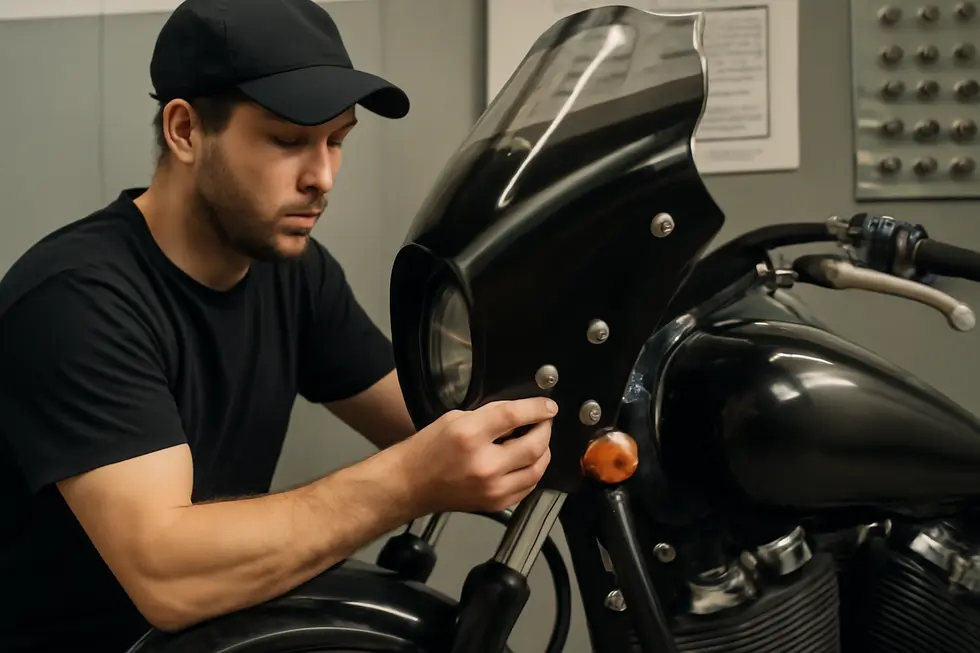
Achieving precise model-specific fitment is fundamental when installing half fairings to ensure seamless integration with the motorcycle’s frame and optimize aerodynamic efficiency. Each half fairing kit is engineered to align perfectly with designated motorcycle models and specific production years, matching factory mounting points to avoid modifications or gaps. This exact alignment preserves the bike’s structural integrity and maintains its original aerodynamic profile, which directly influences rider comfort, handling, and wind protection.
Materials such as impact-resistant ABS plastic are molded with factory precision to provide robustness without adding unnecessary bulk. Installation typically requires careful removal of stock components, followed by gradual alignment and fitting before final tightening, allowing for subtle adjustments to perfect aerodynamic flow and eliminate vibrations. Model-tailored mounting brackets further secure the fairing, ensuring stability at high speeds and preventing interference with controls or visibility.
This meticulous approach maximizes the fairing’s effectiveness at reducing drag and wind fatigue while preserving the motorcycle’s aesthetic appeal. For riders seeking tailored upgrades, ensuring compatibility with their bike’s exact specifications guarantees a balanced combination of style, comfort, and performance. For in-depth information and comprehensive installation guidelines, explore resources on precise OEM fitment and durable materials to support your installation process.
2. Essential Mounting Hardware and Installation Techniques for Secure Half Fairing Attachment
Installing a half fairing demands precision in mounting hardware selection and adherence to structured procedures to guarantee durability, aesthetics, and aerodynamic efficiency. The hardware typically comprises corrosion-resistant fasteners and brackets crafted from stainless steel or aluminum, designed to endure diverse weather conditions without compromising integrity. Many mounting kits offer OEM-style bolt-on solutions that align perfectly with specific motorcycle models, simplifying installation and ensuring a vibration-free fit that preserves the bike’s classic silhouette.
Installation usually begins by removing any preexisting panels, followed by loosely attaching the fairing starting from the center towards the edges, allowing optimal alignment. For fairings integrated with electrical components, proper wiring channels must be utilized before final tightening. Standard hand tools like Allen keys and torque wrenches are commonly required, though some advanced kits incorporate tool-less clamp systems that expedite mounting and removal without sacrificing stability.
The use of impact-resistant ABS plastic fairings combined with well-engineered mounting hardware enables a secure yet visually seamless integration. This balance preserves rider comfort by minimizing wind blast and drag while maintaining the exposed motorcycle aesthetic. For comprehensive insights on available mounting solutions and compatibility, explore a broad range of offerings at Explore the Best Motorcycle Fairings at Summit Fairings.
External Reference: Memphis Shades Trigger-Lock Mount Kit for Harley
3. Durability and Material Mastery: Impact-Resistant Plastics Shaping Half Fairing Installations
Half fairing motorcycles depend heavily on the use of impact-resistant materials like ABS plastic and polycarbonate, balancing durability with aerodynamic efficiency and style. ABS is the most prevalent choice, prized for its high toughness, flexibility, and adaptability to complex molding. This allows fairings to fit precisely on specific motorcycles, preserving both form and function. Its resistance to vibrations, minor impacts, and UV exposure makes ABS ideal for enduring road conditions while remaining cost-effective. Meanwhile, polycarbonate offers enhanced impact resistance and lighter weight, often reserved for specialized components needing superior energy absorption, such as windscreen panels or transparent elements.
Successful installation hinges on exact alignment with mounting points and the use of appropriate hardware. This ensures that the fairings maintain stability, minimize vibration-induced stress, and provide lasting protection to rider and machine. Moreover, the semi-exposed nature of half fairings means these materials must flex upon impact rather than crack, protecting against debris and minor collisions.
Maintaining these fairings involves regular inspection and gentle care, with UV protection and careful cleaning to preserve appearance and longevity. Such attentive maintenance maximizes their performance and aesthetic benefits. As a practical and stylistically appealing upgrade, half fairings fabricated from impact-resistant plastics combine engineering precision with rider-focused durability, reinforcing their compatibility and ease of installation across diverse motorcycle models.
For riders exploring options, this comprehensive understanding of materials also informs choices in customization and durability. Further details on material selection and fairing options can be explored through specialized sources such as affordable motorcycle fairings at Summit Fairings.
The careful balance of materials and fitment exemplified by specific aftermarket solutions highlights the importance of material science in half fairing durability and rider safety.
4. Seamless Integration: Precision Molded Aftermarket Half Fairings and OEM-Standard Finishes
Aftermarket half fairing kits have evolved to closely match OEM specifications, offering motorcycle owners reliable, high-quality alternatives that blend aesthetics and functionality. Crafted from durable ABS plastic using precision molding, these kits boast accurate mounting points and consistent alignment that require minimal to no modification during installation. This exactness preserves the motorcycle’s structural integrity and ensures panels fit securely on existing brackets.
Installation follows a systematic approach, starting with the removal of old fairings and preparation of mounting surfaces. Proper alignment checks before final tightening are crucial to avoid stress on fasteners and guarantee uniform panel gaps. Specialized brackets or heat guns may be utilized to contour panels, enhancing the custom fit and finish.
Premium aftermarket kits replicate factory paint quality via multi-step coating processes that deliver fade- and scratch-resistant finishes. This ensures that new fairings visually integrate with OEM parts or allow riders to personalize colors without compromising surface resilience.
Choosing high-grade aftermarket options prioritizing OEM-fit compliance avoids common pitfalls such as misaligned bolt holes or poor surface finishes often found in cheaper alternatives. This balance of quality and cost benefits riders seeking durable, stylish upgrades without the expense of genuine OEM replacements.
For more insights on aftermarket fairing selections, explore this collection of motorcycle fairings at Summit Fairings.
External Reference: Ajustement précis et qualité durable : ce qui distingue les garde-boue de motocyclette Kings en kits abordables
Chapter 4: Economic and Market Trends in Half Fairing Motorcycles: The Drive Behind Innovation
1. Cutting-Edge Advances in Aerodynamics, Electronics, and Rider Comfort Shaping Half Fairing Motorcycles
Technological progress in half fairing motorcycles intricately weaves aerodynamic refinement, electronic sophistication, and enhanced rider comfort to drive market evolution. Modern half fairings employ advanced materials and shapes to reduce drag and boost stability, forming aerodynamic “bubbles” that shield riders from turbulent wind while allowing a classic exposed look. Innovative fairing contours generate vertical downforce to improve front-end grip, aiding control during acceleration and braking.
On the electronics front, integration of features like ABS, traction control, quick shifters, and smartphone connectivity amplifies both safety and riding precision. These systems offer real-time data and finely tuned engine management, empowering riders to optimize performance without sacrificing control.
Rider comfort receives equal attention; ergonomic improvements such as adjustable handlebars, footpeg positioning, and thoughtfully designed windshields decrease fatigue and enhance handling, especially on longer journeys or spirited rides. Heat shields and tinted screens further mitigate windblast and glare, elevating overall riding experience.
Together, these technological developments enrich the appeal of half fairing motorcycles by balancing performance, safety, and comfort. This synergy not only fuels consumer interest but also influences economic trends by expanding customization and upgrade opportunities in a growing market. For riders seeking a blend of style and substance, these innovations mark a significant shift in half fairing design and functionality.
Explore further how these enhancements shape the industry at Explore Summit Fairings – Your Go-To Destination for Motorcycle Fairings.
2. Navigating 2025 Market Realities: Sales Declines and Pricing Strategies Impacting Half Fairing Motorcycles
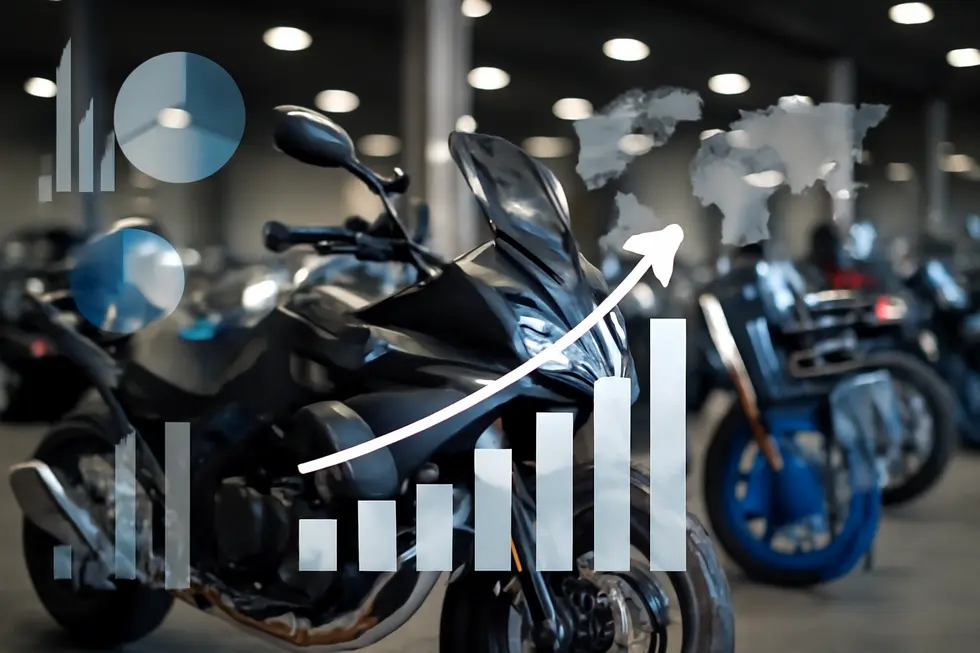
The half fairing motorcycle market in 2025 reflects significant economic pressures influencing both sales volume and pricing. A nearly 10% drop in new motorcycle sales in the U.S. has cascaded into lower prices across new and used markets, driven by consumer spending restraint and inventory surpluses. This decline is especially marked in street bike segments, where dealers increasingly offer discounts to clear stock, causing historically atypical seasonal price drops. In this environment, half fairings face particular challenges as manufacturers balance the need for competitive pricing with maintaining product value. Some brands have mitigated softness by promoting entry-level models designed for affordability and reliability, targeting new riders who remain price sensitive yet