
















Introduction
Motorcycle fairing wind deflectors play a crucial role in enhancing the riding experience by managing airflow, reducing turbulence, and improving comfort for riders. For business owners in the motorcycle industry, understanding these components can lead to better product offerings and customer satisfaction. This article will explore the aerodynamics and performance of wind deflectors, the various types and materials available, installation and maintenance tips, comparisons between aftermarket options and OEM products, and the overall impact on riding comfort and safety. Each chapter will provide valuable insights to help you better serve your customers and improve your business solutions in the motorcycle market.
Tables of Contents
Chapter 1: Harnessing the Wind: How Fairing Wind Deflectors Transform Motorcycle Aerodynamics
- Unleashing Performance and Stability: The Aerodynamic Role of Wind Deflectors
- Revolutionizing Rider Experience: Materials and Design Progress in Motorcycle Wind Deflectors
Chapter 2: Understanding Fixed Wind Deflectors: Enhancing Comfort and Performance on Two Wheels
- The Essential Role of Fixed Wind Deflectors and Their Materials in Motorcycle Fairing Performance
- Understanding the Strengths and Weaknesses of Wind Deflector Materials
Chapter 3: Mastering the Art of Installing Motorcycle Fairing Wind Deflectors for Optimal Comfort
- Step-by-Step Guide to Installing Your Motorcycle Fairing Wind Deflectors
- Essential Upkeep for Longevity of Wind Deflectors
Chapter 4: Navigating the Choices: OEM and Aftermarket Wind Deflectors for Motorcycle Fairings
- Quality, Cost, and Performance: Unpacking the OEM vs. Aftermarket Wind Deflector Debate
- Making Informed Decisions: Key Factors in Choosing Aftermarket vs. OEM Motorcycle Fairing Wind Deflectors
Chapter 5: Enhancing the Ride: The Critical Role of Motorcycle Fairing Wind Deflectors
- Aerodynamics and Comfort: How Motorcycle Fairing Wind Deflectors Relieve Rider Fatigue
- Stability and Serenity: How Wind Deflectors Transform Motorcycle Safety
Chapter 1: Harnessing the Wind: How Fairing Wind Deflectors Transform Motorcycle Aerodynamics

1. Unleashing Performance and Stability: The Aerodynamic Role of Wind Deflectors
The influence of aerodynamics on motorcycle performance and stability is profound, particularly when it comes to the integration of wind deflectors into their fairing systems. These accessories are not merely cosmetic; they are pivotal components designed to manage airflow efficiently, resulting in significant improvements in fuel efficiency, ride comfort, and overall bike control.
One of the primary functions of wind deflectors is their ability to alter the airflow pattern around the motorcycle and rider. A well-engineered wind deflector minimizes wind turbulence, dramatically decreasing buffeting—a common problem at higher speeds. This reduction translates into a more stable ride, enabling the motorcycle to handle better under various conditions, including windy weather and high-speed travel. Essentially, the deflectors act as a barrier, guiding the air away from the rider’s body, which helps maintain a consistent and ergonomic riding posture.
The aerodynamic design of a motorcycle has far-reaching implications not only for ride stability but also for fuel consumption. By reducing air resistance, or drag, wind deflectors enhance fuel efficiency rates. Riders can experience improved mileage, allowing for longer trips between fuel stops, a considerable advantage for those who favor long-distance journeys. Studies indicate that even minor adjustments in a motorcycle’s airflow can lead to noticeable benefits, proving that every detail counts when it comes to performance metrics like drag coefficient.
Adding to the riding experience, the decrease in wind pressure on a rider’s torso and upper body lessens physical fatigue, especially during extended rides. Riders often face the challenge of wind resistance that requires physical exertion to counterbalance. This is where wind deflectors shine: by reducing the strain from wind resistance, they allow motorcyclists to enjoy longer periods of travel with less discomfort. Riders can maintain focus, conserve energy, and ultimately enjoy the journey more fully.
The functionality of wind deflectors extends beyond mere comfort. When properly placed, these devices optimize airflow management while preserving the motorcycle’s original aerodynamic profile, ensuring that the overall design remains sleek and efficient. Strategically located deflectors can direct airflow away from critical areas, such as the rider’s chest and neck, which is essential for maintaining a balanced and controlled ride.
Moreover, the impact of crosswinds is significantly mitigated through the use of wind deflectors. Riding at high speeds or navigating along highways often means dealing with sudden gusts of wind that can disrupt handling. Here, wind deflectors enhance stability, actively counteracting the effects of side winds and ensuring that the rider maintains control of their motorcycle. The improved handling becomes particularly noticeable during high-speed cornering, where aerodynamic efficiency plays a crucial role.
Durability is another essential factor in the effectiveness of wind deflectors. Constructed from high-strength materials designed to withstand the rigors of wind and road debris, these accessories maintain their structural integrity over time. Riders can count on their deflectors to perform consistently, regardless of the conditions they encounter.
The integration of wind deflectors is not just about enhancing performance; it is about merging form and function. High-quality deflectors designed with aerodynamic principles are practical enhancements that improve both ride quality and safety. Recent advancements in design technology have led to innovations in adjustable air deflectors and fixed windshields, allowing for personalized adjustments suited to various riding conditions. Riders are empowered to tailor their motorcycles’ aerodynamic characteristics, further enhancing their riding experience.
From classic models to contemporary designs, manufacturers have effectively recognized the importance of aerodynamics in motorcycle engineering. For instance, iconic brands have incorporated wind deflectors into their designs, ensuring that every motorcycle offers a blend of comfort, efficiency, and superior dynamics. Riders can explore options such as adjustable deflectors, optimizing their motorcycle for speed and stability in diverse environments.
In conclusion, wind deflectors significantly enhance the aerodynamic performance of motorcycles, bringing forth a multitude of benefits that extend from efficiency to comfort. For enthusiasts and casual riders alike, the thoughtful addition of wind deflectors can transform the riding experience. By alleviating fatigue and improving control, these unsung heroes of motorcycle design serve as a testament to the fusion of engineering and rider-centric design. As riders consider upgrades or redesigns, investing in high-quality wind deflectors is a strategic move that enhances both the joy of riding and the profound connection with the open road.
For a deeper dive into motorcycle fairing options tailored to various models, check out the collection of Honda fairings that showcases a variety of aerodynamic enhancements.
2. Revolutionizing Rider Experience: Materials and Design Progress in Motorcycle Wind Deflectors
The evolution of motorcycle fairing wind deflectors represents a significant leap forward in the quest for enhanced aerodynamics and rider comfort. This convergence of material science and design ingenuity addresses the needs of modern motorcyclists who crave both performance and a comfortable riding experience. Over the years, advancements in material technology have brought forth a variety of options that not only serve a functional purpose but also contribute to the overall aesthetic of the motorcycle.
Traditionally, wind deflectors were crafted from basic materials that offered limited durability and efficiency. However, modern deflectors often utilize high-strength materials, such as steel, which provide exceptional robustness while maintaining resistance to deformation. Products like the fork-mount wind deflectors from leading manufacturers demonstrate how steel can enhance structural integrity, permitting riders to experience reduced turbulence and wind resistance even at higher speeds. These deflectors ensure that the rider enjoys a smoother experience, translating into less fatigue and more enjoyable long-distance journeys.
In parallel with metal technologies, advancements in polymer sciences have transformed the landscape of motorcycle accessories. Materials like Acrylonitrile Butadiene Styrene (ABS) plastic are becoming more commonplace, especially in custom and sport-oriented motorcycles. This material offers a lightweight alternative that does not compromise on impact resistance and durability. The adoption of ABS allows manufacturers to create deflectors that not only streamline airflow but also significantly decrease the weight of the motorcycle, contributing to improved handling characteristics. For instance, the Qiilu motorcycle windscreen showcases these advantages by minimizing wind noise while optimizing airflow, providing riders with an enhanced comfort level particularly beneficial at freeway velocities.
The design of wind deflectors has also witnessed substantial innovations, directly affecting their performance and the comfort of riders. Adjustable windshields have emerged as a leading trend, allowing for real-time customization of aerodynamic profiles. This adaptability means that riders can alter the angle of their deflector according to specific requirements—whether based on their riding posture, the speed at which they are traveling, or current weather conditions. Such personalized adjustments not only enhance stability but also dramatically improve the overall riding experience.
Another exciting development in wind deflector design is the trend toward integrated styling features. Profiles like the flared or “Batwing” shapes are not just attractive; they are crafted to optimize performance by directing airflow away from the rider’s body efficiently. Models that integrate these beautiful, dynamic lines into their fairing systems often illuminate the balance manufacturers strive for between aesthetics and aerodynamics. This melding of form and function is key in modern motorcycle design, as riders appreciate the combined visual appeal and improved performance of their machines.
The construction techniques used in wind deflector production have similarly evolved, employing advanced manufacturing processes such as injection molding for plastics or precision machining for metals. This evolution enables not only ever-increasing quality but also the possibility of intricate designs that appeal to a wide variety of motorcycling enthusiasts. The increased availability of aftermarket options means that riders can find perfect fits for their specific models. For example, classic bikes like the 1985 Honda GL1200 Goldwing can be retrofitted with wind deflectors that balance functional integrity with stylistic flair, bringing a new life to vintage models.
Overall, the progressive developments in materials and design of motorcycle fairing wind deflectors illustrate an industry that is keenly attuned to the needs of its riders. With every innovation, manufacturers work to better harness airflow dynamics, enhance rider comfort, and mitigate the fatigue associated with long rides. These advancements reveal a deeper understanding of the relationship between rider ergonomics and motorcycle dynamics. Today’s deflectors serve not merely as accessories but as pivotal components that elevate the overall motorcycling experience.
For riders looking to explore more about their options in today’s market, resources like manufacturer websites provide comprehensive insights into warranties and product lines available. Exploring platforms that specialize in motorcycle fairing accessories can lead to valuable discoveries that suit the unique needs of each rider. For instance, comprehensive catalogs of popular fairings can be found at various online retailers, allowing enthusiasts to search for the perfect match for their motorcycle model.
Chapter 2: Understanding Fixed Wind Deflectors: Enhancing Comfort and Performance on Two Wheels

1. The Essential Role of Fixed Wind Deflectors and Their Materials in Motorcycle Fairing Performance
Fixed wind deflectors represent a pivotal advancement in motorcycle design, significantly impacting the rider’s experience by reducing wind resistance, turbulence, and overall fatigue. These deflectors, often referred to as windshields, are seamlessly integrated into a motorcycle’s fairing system or fixed onto the handlebars, serving as a reliable front barrier against the relentless forces of nature encountered during high-speed rides.
As riders navigate increasingly demanding landscapes at higher velocities, the need for effective wind deflection becomes paramount. Fixed wind deflectors are engineered to manage airflow efficiently, directing wind away from the rider’s body. This not only enhances comfort but also contributes to improved control and stability, fundamentally transforming the long-distance riding experience. The absence of adjustable elements in fixed deflectors allows for a clean design that integrates smoothly with the motorcycle’s aesthetics while maintaining structural integrity under dynamic conditions.
Materials that Enhance Performance and Durability
The effectiveness of fixed wind deflectors is largely attributable to the materials from which they are constructed. Manufacturers favor specific substances to ensure that these deflectors not only withstand high-speed airflow but also endure the wear and tear of environmental elements such as UV radiation, precipitation, and temperature fluctuations.
-
Hard-Coated Polycarbonate:
One of the most popular choices, hard-coated polycarbonate stands out for its remarkable balance between weight and strength. Renowned brands like Harley-Davidson utilize this material in their wind deflectors due to its superior impact resistance compared to traditional glass. This characteristic is particularly relevant for motorcyclists frequently exposed to debris on the road, where safety is a significant concern. Additionally, the hard coating enhances scratch resistance, ensuring that clarity remains uncompromised over time. For instance, the rigid structure allows the deflector to sustain its form without warping under stress, thus maintaining optimal aerodynamics. -
ABS (Acrylonitrile Butadiene Styrene):
Known for its robustness and versatility, ABS is commonly utilized in various motorcycle accessories, including wind deflectors. This thermoplastic polymer can be molded into intricate shapes, enabling manufacturers to create designs that conform closely to the motorcycle’s fairing for maximum efficiency. While ABS wind deflectors may not offer the same level of impact resistance as polycarbonate counterparts, they compensate with cost-effectiveness and significant durability for everyday use. Models like the BMW R1200GS and F650GS utilize ABS-based deflectors, showcasing the material’s widespread acceptance in the motorcycle industry. -
Steel Components:
While steel is less frequently used for the wind deflector surface itself, it plays a crucial role in the structural components of wind deflector systems. In certain configurations, such as fork-mounted systems, steel provides strength and durability against the forces exerted during operation. Specific models from Harley-Davidson incorporate steel in their design, enhancing the resilience of wind protection systems while balancing the bulkiness that metal introduces. The strategic incorporation of steel ensures that the critical elements of stability and longevity are addressed, even if it adds weight compared to plastic options.
Considerations for Installation and Compatibility
Ensuring the proper fitment of fixed wind deflectors is essential for their performance. Typically sold as single units or pairs, compatibility is a central consideration. Riders must choose a wind deflector suited to their specific motorcycle model to guarantee effective installation and optimal functionality. For instance, motorcycles equipped with Fairing Lowers may present challenges in accommodating certain wind deflector types due to their unique structural configurations. Thus, attention to the model-specific requirements is vital for seamless integration.
Installation procedures generally come with detailed instructions tailored for the model at hand, sometimes necessitating specialized hardware. This attention to detail not only enhances ease of installation but also assures riders of the deflector’s reliability once fitted. Proper installation can drastically affect performance, as a misaligned deflector might lead to increased turbulence rather than the desired wind reduction.
Reconnecter la batterie
For riders interested in delving deeper into material specifications, warranty terms, and installation resources, the official websites of manufacturers provide invaluable insights. Harley-Davidson, for instance, offers extensive product pages detailing their batwing fairing wind deflectors, ensuring prospective buyers have access to all necessary information for informed purchasing decisions. Such resources empower riders to enhance their motorcycle experience while maximizing comfort and performance on their journeys.
Fixed wind deflectors, made from innovative materials and crafted for compatibility, not only protect riders from adverse weather conditions but also contribute to an easier and more enjoyable ride. As manufacturers continue to pioneer advancements in design and materials, the future of motorcycle fairing wind deflectors will likely see even greater improvements, maintaining the focus on rider satisfaction and safety on the open road.
2. Understanding the Strengths and Weaknesses of Wind Deflector Materials
When delving into the world of motorcycle fairing wind deflectors, the choice of materials emerges as a critical factor influencing not only the effectiveness of these devices but also their longevity and overall performance on the road. Different materials cater to varied needs and preferences among riders, each with unique properties, advantages, and disadvantages. This synthesis of strengths and shortcomings highlights how wisely selecting materials can enhance the riding experience.
Polycarbonate (PC) stands at the forefront as the premium material choice for motorcycle fairing wind deflectors. Its exceptional impact resistance and high transparency make it a favorite among performance-oriented riders. The clarity it offers is comparable to that of glass, ensuring that visibility remains uncompromised even at high speeds. Notably, many high-quality imported PC deflectors come coated with a protective layer that resists scratches and UV degradation, allowing them to maintain clarity for up to six years or more under normal operating conditions. This longevity is particularly appealing for long-distance riders who seek reliable wind protection over extended periods.
However, while polycarbonate excels in several areas, it can also be prone to minor scratches if not maintained properly. Riders must exercise care, as the material can dull if subjected to abrasive cleaning techniques. Yet, the benefits usually far outweigh these minor drawbacks, reinforcing the perception of PC as the top choice among materials for wind deflectors.
In contrast, Polymethyl Methacrylate (PMMA), commonly known as acrylic, shines when it comes to optical clarity and aesthetics. Its glossy finish is visually appealing, often preferred by those who prioritize looks alongside functionality. Despite this, PMMA is notably more brittle than polycarbonate, making it less capable of withstanding impact or significant temperature fluctuations. This brittleness can pose a risk in rugged environments or during the rigors of high-speed riding, causing potential safety concerns for riders who may inadvertently strike objects on the road.
Meanwhile, Polyvinyl Chloride (PVC) offers good flexibility and toughness, making it a versatile option for various applications. Wind deflectors made from PVC usually weigh less, which can help in enhancing a motorcycle’s agility. However, this material often falls short in terms of optical clarity, which can lead to a compromised view for riders. Additionally, PVC is susceptible to yellowing over time and degrades when exposed to elevated temperatures. These drawbacks might make PVC a less ideal choice for riders focused on optimal performance and visibility.
Another option, Polyethylene Terephthalate (PET), has gained attention for its lightweight properties, which can contribute to improved motorcycle maneuverability. However, when it comes to durability, PET lacks the strength needed for high-speed applications or sustained exposure to adverse weather conditions. Riders who often find themselves riding in harsh environments may want to steer clear of PET in favor of more robust materials that guarantee better protection.
Acrylonitrile Butadiene Styrene (ABS) presents itself as a common choice in aftermarket wind deflectors and showcases a balance between durability and cost-effectiveness. While ABS is generally more robust and easier to manufacture, it does have drawbacks, particularly in terms of impact resistance when compared to polycarbonate. Additionally, ABS typically does not offer the same level of optical clarity, which can be a significant deterrent for those seeking an unobstructed view while navigating the open road.
When selecting a material for motorcycle fairing wind deflectors, riders must weigh their priorities carefully. Performance-oriented individuals often benefit from investing in high-quality polycarbonate options. Those leaning toward aesthetics may appreciate the glossy allure of PMMA despite its fragility. On the other hand, budget-conscious riders might find the affordability of PVC or ABS appealing, albeit with the understanding of their limitations.
Ultimately, the choice will boil down to personal preferences regarding aesthetics, durability, and budget considerations. Each material offers a unique blend of advantages that cater to different riding styles and conditions. Understanding these nuances equips riders with the knowledge to make informed decisions tailored to their specific needs. For those interested in exploring available options, official manufacturer websites and authorized dealers provide a wealth of resources, from warranty details to installation instructions. Such resources can further assist in making choices aligned with intended use, enhancing both comfort and riding safety.
Whether upgrading an existing setup or embarking on a new project, the material selection for motorcycle wind deflectors remains a fundamental aspect of achieving optimal aerodynamic performance. As riders consider their options, recognizing the strengths and weaknesses of each material will ultimately enrich their riding experience, making every journey more enjoyable and memorable.
Chapter 3: Mastering the Art of Installing Motorcycle Fairing Wind Deflectors for Optimal Comfort
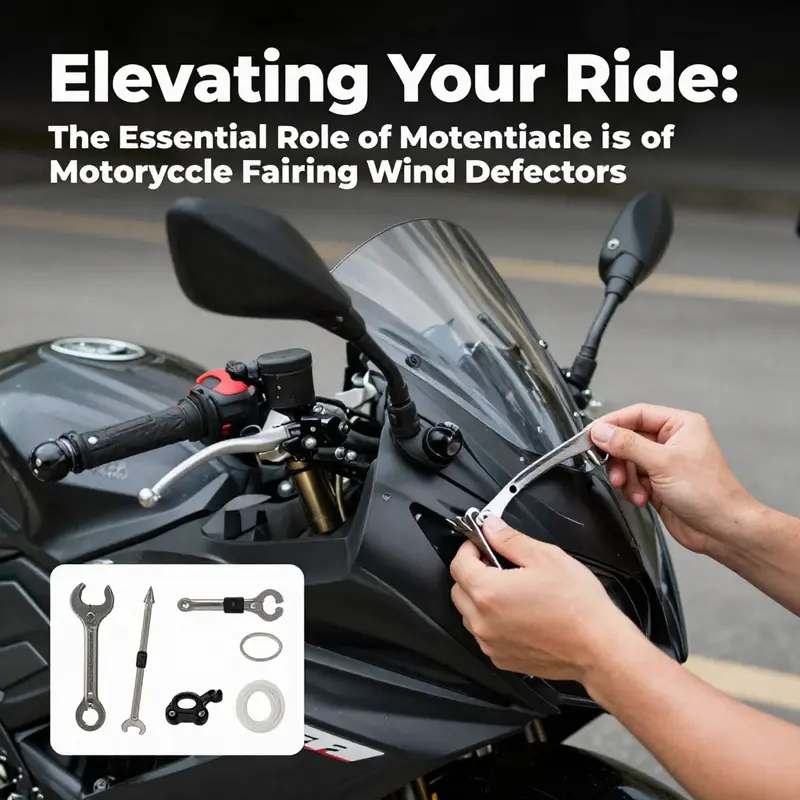
1. Step-by-Step Guide to Installing Your Motorcycle Fairing Wind Deflectors
Installing motorcycle fairing wind deflectors is crucial for enhancing your riding experience, particularly when it comes to reducing wind buffeting and improving aerodynamics. These components, designed to integrate seamlessly with a motorcycle’s fairing, require careful attention to detail during the installation process. This guide outlines each step necessary to install your wind deflectors effectively, ensuring that you can enjoy long rides with maximum comfort.
1. Verify Compatibility and Gather Materials
Before beginning the installation, ensure that the wind deflectors you purchased are compatible with your motorcycle model. Check the manufacturer’s fitment chart to avoid any surprises. For instance, if you own a Harley-Davidson, note that their wind deflectors are tailored specifically for various models, including the 1995-later FLHR and similar families. Make sure to read the installation instructions that accompany your deflector kit carefully.
In addition to the wind deflectors, gather all necessary installation hardware, including bolts, washers, brackets, and spacers. A well-organized workspace stocked with the right tools—such as wrenches and screwdrivers—will make the installation much smoother.
2. Remove Existing Components (If Necessary)
If you are replacing an old wind deflector, you’ll need to remove the existing component first. Begin by carefully loosening and detaching any mounting bolts that hold the old wind deflector in place. It’s essential to be gentle during this process to avoid damaging the paintwork or adjacent parts of your motorcycle. Ensure that you keep track of the hardware, as you may need it for reinstallation of the new deflectors.
3. Position the New Wind Deflectors
With the original component removed, it’s time to position the new deflectors. Hold them against the fork brackets or fairing lower assembly and align the mounting holes with the pre-drilled ones on your motorcycle. Proper positioning is critical; ensure that the scooped shape of the deflectors is facing forward to effectively channel the airflow over and around your body while riding. The fit should be flush and symmetrical on both sides, contributing to the aesthetic and functional integrity of your motorcycle.
4. Secure Mounting Hardware
Once aligned, gently insert the provided bolts through the deflectors and into the frame or fork bracket of your motorcycle. As you begin tightening, do so gradually and evenly to avoid distorting the materials or stripping the threads. Utilize washers specified in the kit to ensure a secure and stable fit. For models equipped with chrome wind deflectors, the combination of styling and functional stability enhances the overall look of your bike.
5. Conduct a Test Fit and Make Final Adjustments
After securing the wind deflectors, gently rock them to check for any movement or looseness. It is crucial to ensure that the newly installed components do not interfere with your handlebars, front tire, or suspension systems. If you notice any misalignment, take a moment to recheck the hole alignment and the tightness of the bolts. A correctly installed deflector should sit firmly in place with no excessive movement.
6. Install Additional Accessories (If Applicable)
If your wind deflector kit includes optional components, such as windshield trim or storage compartment lids, these should be installed after securing the primary deflectors. Carefully align and apply these additional elements to ensure continuity in design and functionality, using the included adhesive or fasteners as needed. Proper installation of trim not only completes the appearance but can also serve a practical purpose in smoothing out airflow around your motorcycle frame.
7. Final Inspection and Ride Test
Before hitting the road, conduct a thorough inspection of all mounting points. Confirm that everything is fastened securely and that the new wind deflectors are performing as intended. It’s wise to take a short test ride at low speeds, listening for any rattling noises, which may indicate loose fittings or improper alignment. This step is crucial to ensure that the deflectors provide the air management benefits they’re designed for.
In summary, while installing motorcycle fairing wind deflectors might seem straightforward, attention to detail in each step will result in an optimal setup that enhances your riding experience. Proper installation not only improves comfort but also contributes to the safety and longevity of both the rider and the motorcycle. Always refer to the official instructions provided by the manufacturer for the most tailored guidance.
For those seeking a quality source for affordable motorcycle fairings and deflectors, consider browsing through specialized sites to find a range of options tailored to your specific model. Ensuring that you have the best fittings can significantly enhance your riding pleasure and safety.
2. Essential Upkeep for Longevity of Wind Deflectors
Motorcycle fairing wind deflectors play a crucial role in ensuring comfort and efficiency while riding, but their performance and appearance can significantly diminish without proper maintenance. Establishing a routine care regimen is vital for prolonging the life of these essential components. Ultimately, maintaining your wind deflectors will not only enhance their protective abilities but will also keep your motorcycle looking great.
Regular Cleaning is Key
The first step in maintaining motorcycle wind deflectors is establishing a regular cleaning routine. It is essential to remove dirt, dust, and other contaminants that can accumulate over time and potentially damage the material. For optimal cleaning, use a mild soap and water solution, which will effectively lift grime without harming the surface. Harsh chemicals and abrasive cleaners should be avoided entirely as they not only compromise the aesthetic quality but can also weake