















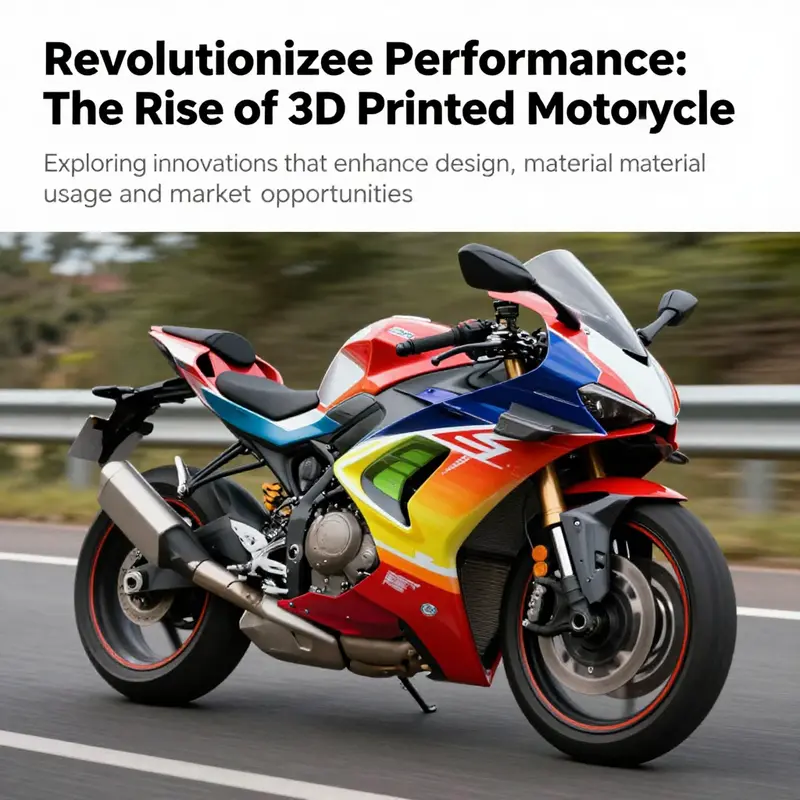
自動車およびモータースポーツ業界が先進的な製造技術の可能性を受け入れるにつれて、3Dプリンタで作られたオートバイフェアリングが画期的な発展を遂げています。これらの軽量でカスタマイズ可能なボディパネルは、オートバイのデザインを革命的に変え、空気抵抗とパフォーマンス効率を向上させました。ビジネスオーナーにとって、3Dプリンタで作られたフェアリングを取り巻く技術、デザイン革新、材料科学、市場トレンドを理解することは、製品の提供を強化し、オートバイ市場における成長中のニッチに応えるための未開拓の機会を見つけることができます。各章では、このイノベーティブなアプローチの基盤となる重要な側面が掘り下げられ、意思決定者がこれらの進歩を競争優位に活かすために装備されます。.
レイヤー・ボリューム:3Dプリンタで作られたオートバイフェアリングのエンジニアリング的物語
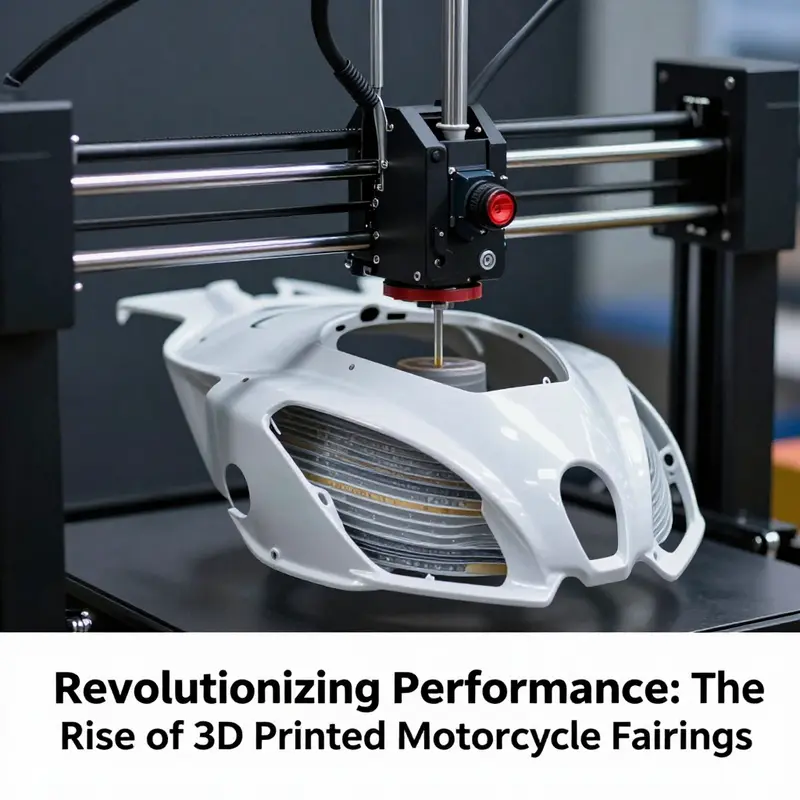 Three words describe the turn toward 3D-printed motorcycle fairings: design freedom, material science, and rapid iteration. In a field where the shape of a bike’s skin can determine stability at speed, the shift from carved molds to additive manufacture marks more than a change in tools; it signals a shift in how engineers think about performance, integration, and how riders experience the machine itself. The technology sits at the intersection of aerodynamics, structural engineering, and customized aesthetics, and it does so with a fluency that traditional processes struggle to match. At its core, 3D printing builds parts layer by layer from digital models, allowing a level of precision and complexity that was once prohibitively expensive or physically impossible. Where conventional methods require costly tooling, long lead times, and compromises born from mold limitations, additive manufacturing opens a design space that can be explored, tested, and refined in a fraction of the time. The result is fairings that can be lighter, stronger, and more aerodynamically efficient while still fitting a bike’s geometry with exacting tolerances and repeatable quality. This fusion of capabilities is not merely about lighter panels; it is about rethinking how air, heat, and impact interact with the rider and the motorcycle’s core structure, all while supporting the evolving demands of racing, customization, and sustainability. The conversation about 3D printed fairings begins with process. When a part is built additively, it is not sliced from a single block of material but conceived as a sequence of layers that come together to form a functional whole. This layer-by-layer approach enables designers to embed features that would be difficult or costly to machine from solid stock or to cast within a standard mold. Complex internal pathways, lightweight lattice lattices, and hollow structures can be integrated seamlessly into a single part, reducing weight without sacrificing stiffness and allowing the part to carry loads in more efficient ways. The ability to tailor internal geometries is more than an engineering curiosity; it directly translates into better handling characteristics. A well-optimized fairing can manage wake flow behind the rider, shaping pressure distributions to minimize drag and to stabilize the motorcycle at high speeds, where even small improvements in aerodynamics yield meaningful gains in acceleration, top speed, and fuel efficiency. The design language of these parts embraces this complexity rather than fearing it, treating every curve, rib, and lattice node as a tool for performance rather than a merely aesthetic flourish. The materials chosen for these parts reinforce this philosophy. Thermoplastics such as ABS, ASA, and polycarbonate are often the workhorses in early-stage, rapid-prototyping applications due to their balance of toughness, heat resistance, and printability. ABS offers toughness and machinability, making it a reliable choice for concept validation and functional testing. ASA adds improved weather resistance and UV stability, helping parts endure sunlit environments and long-term exposure when a bike sits outdoors in the paddock or in transport. Polycarbonate, with its superior impact resistance and thermal stability, stands out for parts expected to see higher temperatures or more aggressive exposure to sunlight. These materials keep the parts from deforming under heat and maintain structural integrity when subjected to road dust, rain, and the vibrations of riding. It is important to note that standard PLA, a common beginner-friendly filament, is typically avoided for fairing applications. PLA’s low heat resistance and tendency to soften under the sun’s rays make it a poor choice for exterior automotive or motorcycle panels where temperatures and direct solar exposure can be a factor. The material science narrative here is not just about selecting a plastic that prints well; it is about choosing a material that maintains shape and performance in real-world riding conditions, often requiring a careful balance between stiffness and toughness. Beyond thermoplastics, the frontier of 3D printed fairings also includes the integration of advanced composites. The transparency between design and performance becomes truer when carbon fiber reinforcement is introduced as a post-process option or when carbon fiber filaments are embedded during printing. This reinforcement can dramatically improve impact resistance and dimensional stability, allowing thinner skin without compromising safety margins. Coatings and surface treatments further extend the life of the fairings by improving weather resistance, abrasion resistance, and colorfastness under long exposure to sunlight and road grime. Yet even as these materials and finishes push the envelope, the economic realities of manufacturing cannot be ignored. Additive manufacturing excels in rapid prototyping and low-volume production, where the value lies in the speed of iteration and the ability to test multiple geometries with minimal tooling costs. In mass production, however, the economics shift. The cost per part can stay higher than traditional molding methods, and the speed of production may not yet match the blistering pace of high-volume assembly lines. For this reason, 3D printed fairings have found their strongest footholds in high-end prototypes, limited-edition models, and competition settings where the performance benefits, customization, and fast feedback loops justify the investment. The architectural elegance of a 3D printed fairing lies in topology optimization—the art of redistributing material within a given boundary to achieve the highest stiffness with the least weight. Designers exploit lattice structures and graded densities to create zones that carry loads where they are needed most while shedding mass in noncritical regions. The result is a panel that behaves almost like a composite would, but with a single, integrated part whose manufacturing process can be tuned at the design stage. This kind of optimization would be far more challenging with traditional methods, where adding internal channels or lattices would require complex assembly sequences or multi-part components that introduce joints and tolerances that can compromise integrity. By contrast, a well-optimized lattice inside a fairing panel can provide stiffness where it matters for torsional stability while reducing inertia in the body that negotiates gusts and turbulence at speed. Aerodynamic performance benefits extend beyond mere weight savings. Designers can sculpt fairings to shape the boundary layer and manage flow separation. Internal channels can guide air to desired regions, cooling hot areas under direct sun or near engine components, and even dampen resonant vibrations that can otherwise translate into rider fatigue or perception of gnarly handling in certain riding regimes. The capacity to mold the internal geometry of a single part aligns with how race engineering has always pursued performance: reduce the number of interfaces, minimize points of failure, and maximize predictability under dynamic loads. Although the performance story is compelling, the safety and durability considerations remain central. In real-world scenarios, fairings must resist impact from debris, endure weather elements, and maintain structural coherence when subjected to rapid acceleration and deceleration. Post-processing steps play a crucial role in boosting durability, including surface sealing, chemical or mechanical smoothing, and external wraps or coatings that improve abrasion resistance and weather sealing. The choice to reinforce with embedded fibers or protective coatings is often a strategic one, balancing weight, stiffness, and durability with the rider’s specific application, whether it is a track-focused prototype or a custom street bike that honors a unique aesthetic. It is this balancing act—combining lightweight design, aerodynamic precision, and durable construction—that makes 3D printed fairings a compelling option in a domain where margins for error are slim and the cost of failure is high. Still, the narrative acknowledges limitations. While additive manufacturing enables rapid iteration and bespoke geometry, scale and repeatability in mass production remain as challenges. For teams deploying fairings in a professional racing context, the decision to adopt 3D printed panels often rests on a rigorous assessment of durability under track conditions, the ability to replicate critical mounting interfaces, and the overall lifecycle costs, including post-processing and maintenance. In practice, 3D printed fairings find their most meaningful impact where speed of iteration and customization deliver real performance and competitive advantages. Designers can test multiple curvature strategies to refine drag coefficients, experiment with cooling and airflow management, and tailor aesthetics without the heavy investment of tooling and molds. The broader implication for the motorcycle ecosystem is a shift in collaboration between design, engineering, and fabrication. Digital design tools enable a seamless handoff to additive manufacturing, while engineers can evaluate the effects of geometry on aerodynamics, weight, and heat management with fast feedback cycles. As a consequence, manufacturers, race teams, and individual builders can push the envelope of what is possible with skin and bodywork, selecting from an expanding toolkit of materials, structures, and surface finishes that collectively advance performance. The knowledge generated through this process is not isolated to the fairing itself. Lessons about boundary layer control, heat management, and structural distribution inform the broader engineering of the motorcycle platform, influencing how riders experience front-end stability, cornering confidence, and even the tactile feel of the machine at speed. For readers who want to explore this subject further, a detailed guide on material choices, performance standards, and practical considerations offers deeper insight into the trade-offs that accompany this technology. External resources provide a more technical dive into the design-to-test workflow, material properties, and real-world performance outcomes. The journey from concept to a finished, optimized fairing is a testament to how additive manufacturing reshapes traditional boundaries and enables a more iterative, data-driven approach to motorcycle performance and customization. For practitioners and enthusiasts, the chapter invites a careful balancing of engineering rigor with creative expression, reminding us that the skin of a speed machine is where science, craft, and daring play out in real time. External resource: https://www.matterhackers.com/articles/3d-printed-motorcycle-fairings-guide-what-to-look-for
null
 null
null
形状、強度、速度:3Dプリンテッドオートバイフェアリングを駆動する材料科学
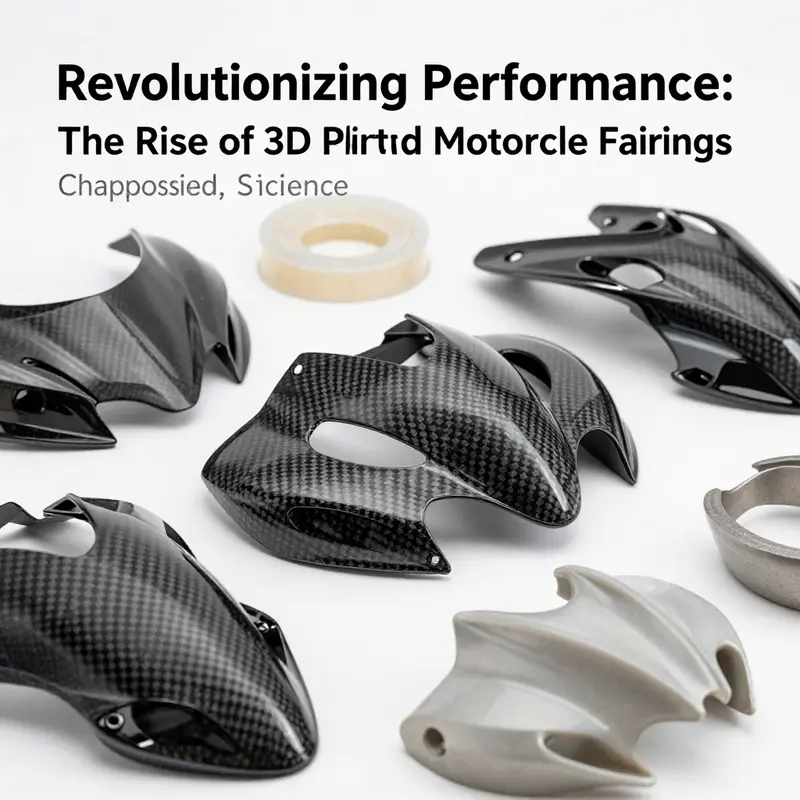 3Dプリンテッドオートバイフェアリングにおける材料科学は、トレードオフとブレイクスルーの物語です。フェアリングは単なる装飾的なシェルではありません。速度がかかると、バイクの空力パッケージの重要な部品となり、熱やデブリからのシールド、ハンドリングを定義するロードパスとなります。材料選択は、温度耐性、衝撃耐性、剛性、重量においてデザインが達成できるものを決定します。加法製造により、エンジニアは特定のパフォーマンス範囲に合わせた材料をカスタマイズし、迅速なプロトタイピングとバイクでのテストを通じて検証できます。材料科学とトポロジー最適化の統合により、軽量でありながらもより空気力学的に効率的なフェアリングが可能になります。.
プロトタイピングの材料選択は、印刷しやすいものから始まります。初期段階でデザイナーの友であるPLAは、幾何学をよく示し、安価です。しかし、200キロメートル以上で実際のライディングに耐えるものは、PLAでは不足しています。エンジンベイや太陽からの持続的な熱で柔らかくなり、動的負荷下での衝撃耐性が不十分です。3Dペンを使ってPLAの部品を結合しようとする試みは、ベンチトップの組み立てとレース日の信頼性のギャップを示しています。これらの実験は学習ツールとして価値がありますが、プロフェッショナルまたは高性能ストリートライディングのパフォーマンス要件には応えられません。.
これらの要件を満たすために、分野は高性能熱可塑性樹脂に傾いています。ABSはその耐衝撃性と熱安定性で際立っていますが、ポリカーボネート(PC)は高い衝撃耐性と熱変形抵抗を提供し、フェアリングの表面が高温の排気経路や放射面に近い場合に重要です。複合材フィラメント—一般的に炭素繊維やガラス繊維で強化されたもの—は、過度な重量を伴わずに剛性と強度をもたらします。炭素繊維で強化されたバージョンは、ヤング率を大幅に向上させ、伸長を減少させ、風の強い横風や高速負荷下での変形を防ぐより頑丈なシェルを提供します。しかし、これらの素材には処理上の課題があります:より高いノズル温度、印刷方向による異方性の可能性、および滑らかなペイント準備可能な表面を得るために後処理の必要性。.
伝統的なプラスチックを超えて、金属の加法製造は、フェアリング構造の最も要求の厳しい部品のためのツールボックスを拡大します。直接金属レーザー焼結(DMLS)または電子ビーム溶融(EBM)により、エンジニアは驚くほど高い強度対重量比を持つ負荷-bearing要素を製造できます。実際には、このことは、マウントブラケット、フェアリングパネルをバイクフレームに接続するスパイダ構造、または繰り返し振動ストレスと高速での空気圧負荷に耐えなければならない補強部品が、複数の部品ではなく単一の統合されたコンポーネントとして生産できることを意味します。結果として、より stiff なアセンブリと予測可能なロードパスによる改善された衝突性能が得られます。これらの金属部品は、耐腐食性と熱耐性にも優れており、エンデュランスイベントや長期的な耐久性において重要です。.
材料選択は常に抽象的ではありません。それは印刷性、機械的性能、熱反応、重量を考慮するバランスの取れた作業です。近年発表されたエンジニアリングガイドは、正しい材料は印刷できるだけでなく、動的力、空気力学的負荷、実際の走行における熱環境に耐えられることが重要であると強調しています。劣悪な材料は安全リスクを引き起こし、最高性能の複合材や金属合金は、ライダーを保護しながら軽量でより剛性のあるフェアリングの可能性を開きます。選択は生産現実とも交差します。小規模なショップやブティックメーカーにとって、材料コスト、後処理労働、設備減価償却が実現可能かどうかを決める要素です。機会は選択的な使用にあります:重要な表面や負荷-bearing特徴に高性能材料を使用し、それ以外の部分には表面仕上げと耐候性の要件を満たしつつ、より経済的なポリマーを使用します。.
これらの要件に応えるために、分野は高性能熱可塑性樹脂に向かっています。ABSはその耐衝撃性と熱安定性で際立っていますが、ポリカーボネート(PC)はより高い衝撃抵抗性と優れた熱変形性を提供し、フェアリングの皮膚が高温の排気経路や放射面に近接している場合に重要です。複合材フィラメント—しばしば炭素繊維またはガラス繊維強化状態—は過度な重量を伴わず剛性と強度をもたらします。炭素繊維充填バージョンは、ヤング率を大幅に向上させ、伸びを減少させ、風の強い横風や高速負荷下での変形に耐えるより頑丈なシェルを提供します。しかし、これらの素材には処理上の課題があります:より高いノズル温度、印刷方向による異方性の可能性、そして滑らかなペイント準備可能な表面を得るために後処理が必要です。.
伝統的なプラスチックを超えて、金属の追加製造はフェアリング構造の最も要求の厳しい部品のツールボックスを拡大します。直接金属レーザー焼結(DMLS)または電子ビーム溶融(EBM)により、エンジニアは驚くほど高い強さ対重量比を持つ負荷支持要素を製造できます。実際には、マウントブラケット、フェアリングパネルをオートバイフレームに接続するスパイダー構造、または繰り返し振動ストレスと高速での空気圧負荷に耐えなければならない補強部品が、複数の部品ではなく単一の統合部品として作成されます。その結果、より stiff なアセンブリと予測可能なロードパスによる改善された衝突性能が得られます。これらの金属部品は腐食耐性と熱耐性にも優れており、エンドランイベントや長期的な耐久性において重要な特性です。.
材料選択は常に抽象的ではありません。それは印刷性、機械的性能、熱反応、重量のバランスを取りながら行われます。近年発表されたエンジニアリングガイドは、正しい材料は印刷できるものだけでなく、実際の走行における動的力、空気力学的負荷、熱環境に耐えられるものであることを強調しています。低品質な材料は安全上のリスクをもたらし、最高性能のコンポジットや金属合金は、ライダーを保護しながら軽量で剛性の高いフェアリングの可能性を開きます。選択は生産現実とも交差します。小規模なショップやブティックメーカーにとって、材料コスト、後処理労働、設備減価償却が実現可能かどうかを決定します。機会は選択的な使用にあります:重要な表面と負荷支持機能に高性能材料を使用し、それ以外の部分は表面仕上げと耐候性の要件を満たしつつ、より経済的なポリマーを使用します。.
デザインワークフローに焦点を当てると、材料科学は幾何学から仕上げに至るすべての決定に影響を与えます。トポロジー最適化により、最も高い空気力学的負荷を受ける領域で質量を減らしながら剛性を保つことができます。ラティス構造や勾配インフィルパターンにより、変化する剛性が可能になります。先端部は変形を防ぐために剛性化され、尾端部はエネルギー吸収を最適化することができます。軽量で強靭なフェアリングはハンドリングと燃費効率に有利であり、特に体験に近い放射冷却経路や電子機器を本体に組み込むためのマイクロチャネル冷却などの他の空気管理機能と統合されている場合に特にそうです。計画されたラティスは振動挙動を改善し、高速で増幅される微細な運動をダンプすることができます。結果として得られる部品は単なるシェルではなく、バイクの空力バランス、ダウンフォース管理、さらにはライダーが風音を感じる感覚に寄与する設計されたシステムです。. Honda fairings collection この意味では、材料選択は表面処理とコーティングにも及んでいます。3Dプリントされたパネルの未完成な表面は水分を捕らえ、紫外線に敏感になるか、負荷下で亀裂の発生を促す応力集中を示すことがあります。解決策には、天候保護用の後処理密封、水の吸収や紫外線劣化に耐えるコーティングの適用、コア素材の機械的利点を保持しながら摩耗耐性を向上させる炭素繊維スキンラップの追加があります。コーティング戦略はまた、感知される質感と仕上りに影響を与える可能性があり、限定版の建設においてブランドと美観に重要な要因となります。うまくやれば、コーティングは微細なクラックを緩和し、空力に悪影響を与える表面粗さを減少させ、日焼けによる色の安定化を図ることができ、それらは過度な重量を追加することなく可能です。.
実用的な真実が依然として不可欠です:すべてのフェアリングが単一の金属のようなシェルである必要はありません。フェアリングエコシステムは、各素材クラスの最良の特徴を活用するハイブリッドアプローチによって恩恵を受けます。例えば、主要な構造的なスパイダーは添加法によって軽量金属合金で製造され、外装シェルは加工やペイントが比較的容易な炭素繊維強化ポリマーまたは高温プラスチックで形成されます。この戦略は、強度と耐久性の必要性と、表面品質と広範なカラーパレットの望みとのバランスを取るものです。このようなハイブリダイゼーションでも、素材科学の役割は中心的です—各部品が熱、風、衝撃に対してどのように動作するか、フレームにどのように結合するか、ライダーの位置とどのように相互作用するかを指針としています。.
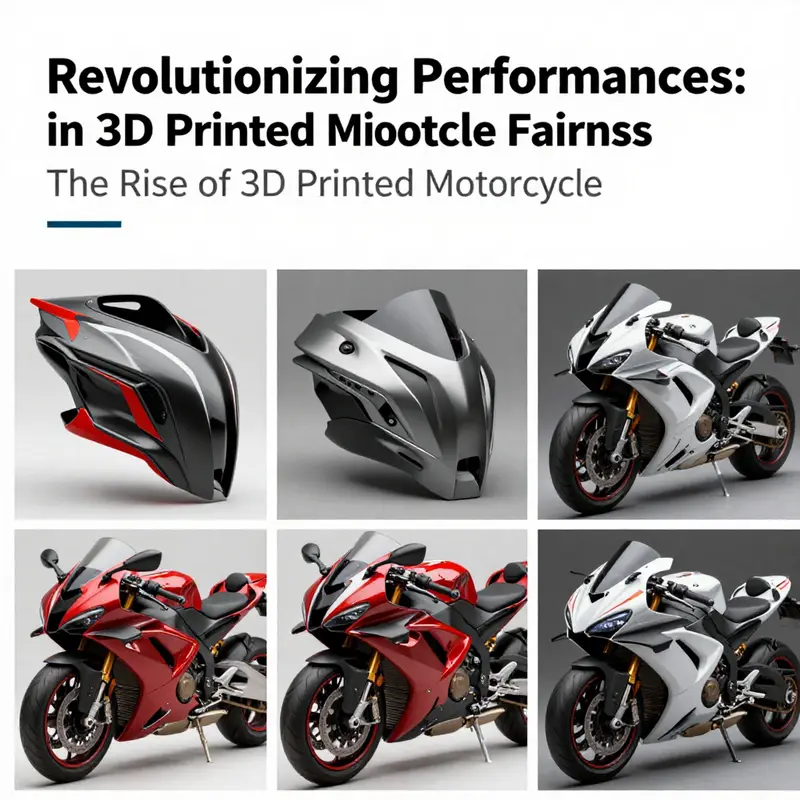
性能を向上させるために素材を選ぶデザイナーたちは、通常、既存のカタログを参照ポイントとして見ます。特に、ホンダのフェアリングコレクションなどの既存カタログは、多くの世代にわたるライディングとレーシング経験を通じて進化した取り付けジオメトリ、取り付けポイント、フェアリングインターフェースの実例を提供しています。これらの参照へのアクセスは、チームが許容範囲、適合の課題、現実的なメンテナンスの現実を理解するのに役立ちます。素材の選択は、既知の取り付けパターンとサービス可能性の期待に基づいて導かれるため、壁の厚さ、穴のサイズ、ジョイント戦略に影響を与えます。参照カタログと現代的な3Dプリンティングの統合により、広範なツール投資なしでコンセプトから機能的なバイク上のテストへの道が開かれます。.
既存の形状とインターフェースが、耐久性を支えながらデザインの探求を可能にする素材選定にどのように影響するかを示しています。.
プロトタイピングの断片的な性質は野心を妨げてはなりません。もし3Dプリントフェアリングが生産またはレース用の信頼できるオプションとなるなら、素材科学には堅牢な試験制度が必要です。バイク上のテストでは、空気圧負荷、バッファリング、境界層効果がパネルの変形やノイズにどのように翻訳されるかが明らかになります。環境テストでは、街乗りに重要な紫外線老化、湿度効果、塩分スプレーアクセスが露呈されます。熱的テストでは、ラジエーター、排気、日光への露出によってパネルの皮膚がどれだけ熱を管理するかが確認されます。テストは、関節部が反復的な曲げ後に破損していないか、後処理されたエッジがチップに耐えられるか、コーティングが石やデブリの衝撃後に保護性能を維持しているかを明らかにすることもできます。テストデータは素材選択とジオメトリにフィードバックされ、ラップタイムを秒単位で短縮したり、街乗りの快適性を向上させたりする繰り返しの改良を指導します。.
現在の時代において、信頼性があり高性能な3Dプリントフェアリングへの道は、高度な処理能力の可用性にも依存しています。印刷方向、レイヤー高さ、予期される負荷に対する向きはすべて、異方性—印刷された部品が方向に応じて強度を示す傾向—に影響を与えます。最も高性能なフェアリングは、有利なビルド方向と戦略的に配置された補強材を利用して、レイヤーごとの製造によって引き起こされる弱点を打ち勝ちます。印刷速度、ノズル温度、冷却速度は、取り付けポイントやエッジ半径の厳しい公差に関係する表面仕上と寸法精度に影響を与えます。後処理ステップ—たとえば簡単なサンドペーパーかけや滑らかさ—は、境界層分離を最小限に抑える滑らかな表面を生み出すことで、ドラッグ係数を劇的に改善することができます。その結果、形と機能を結びつけるシステム—not just a single panel but a correlated network of parts that weather real-world conditions.
デザインと素材科学の対話が続くにつれて、最終的な結果は単に見た目が良いパネルではなく、より高性能な車両になります。軽量で剛性の高いフェアリングは慣性質量を減らし、加速応答を改善します。より耐久性のあるスキンは、長期的な使用間隔を可能にし、現場での修理を減らします。ライダーは数値以上の利点を得ます: 改善されたハンドリング感覚、減少したバッファリング、より一貫したエンジンの冷却。レースでは、わずかな利点が決定的になることがあり、チームはグラムと秒を同じように重視します。したがって、素材の選択は、信頼性、再現性、非伝統的な解決策を試す勇気を語る、より大きなパフォーマンス言語の一部となります。
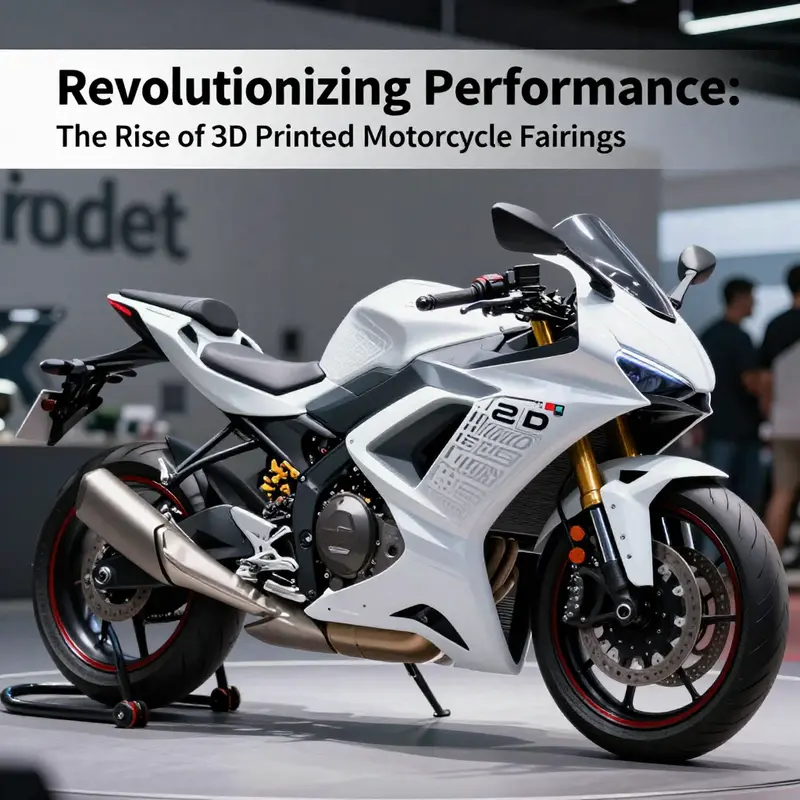 素材科学の三部作—プラスチック、複合材料、金属—は、各パネルと各取り付けに対して、重量、剛性、または熱耐性を強調するかどうかをデザイナーが決めるための階層を形成します。3Dプリントの約束は、部品が迅速に作成できるだけでなく、設計空間が大きく拡張されて、エンジニアが全体のバイクの空力プロファイルを最適化するために質量を再配置できるということです。その結果、フェアリングシステムは単なるパネルの松散な集まりではなく、単一で一貫した空力体として動作します。ライダーが仮説的な限界を超えて、以前は達成不可能とされていたラップタイムを追求するとき、このような一貫性が重要になります。素材科学を設計サイクルに統合する—慎重な素材選定、制御された処理、厳格なテストを通じて—は、追加製造を即時対応ツールからパフォーマンスの戦略的エンablerに変革します。.
さらなる読み物のための外部リソース: https://www.engineering.com/3d-printing/motorcycle-fairings-guide.
创新の端で:3Dプリントオートバイフェアリングの市場トレンドと将来の道.
3Dプリントオートバイフェアリングの市場は、デジタルデザインと物理的性能のギャップが縮小している今、重要な時期を迎えています。レーシングチーム、ブティックビルダー、そして野心的なOEMプロジェクトにおいて、迅速なプロトタイピング、オンデマンド生産、カスタム空力の魅力がますます明らかになっています。最新の業界分析では、グローバルな3Dプリントオートバイ市場が2026年から2033年にかけて約13%のCAGRで成長すると予測されており、加法製造が高パフォーマンス二輪車にとっての必須条件へと移行したことを示しています。この勢いは、単により多くの部品を早く作るだけでなく、デザインの自由度がトラックや日常的なライディングでの測定可能な利点にどのように変換されるかに関係しています。迅速な反復、現実的な状況でのバリエーションテスト、実際に印刷して風洞概念を検証する能力は、チームがフェアリングのすべての平方インチに対してどのようにアプローチするかを変えるものです。要するに、3Dプリントフェアリングは、概念の奇観から現代オートバイのパフォーマンス、美しさ、アイデンティティの重要な要素へと進化しています。.
この変化をもたらしているのは技術だけでなく、期待の広範な変化です。ライダーやビルダーはもはや、一つの問題を解決しながら別の問題を作り出すオフザシェルフの形状を受け入れません。彼らは気候に適応した空力、ハンドリングを尊重する重量、強度や信頼性を犠牲にすることなく個人化できる表面を求めています。加法製造は、従来の金型では実現できない規模でこれを可能にします。長い金型や工具に支払う代わりに、チームは数ヶ月ではなく数日で複数の反復を生産できます。このスピードは、マージナルゲインが速く積み重なるレーシング環境で特に価値があります。フェアリングのプロファイルやベント配置のわずかな変更が、ドラッグを減少させ、圧力分布を変化させ、クーリングに影響を与えることができ、これらのマイクロ調整が全体のボディワークシステムで蓄積されると、ラップタイム、燃費効率、ライダーのフィードバックに現れます。.
材料選択はこの柔軟性のコアな要素となっています。耐熱性のある熱可塑性プラスチックであるABS、ASA、ポリカーボネートは、太陽、雨、道路の飛散物の下でも丈夫さ、温度耐性、寸法安定性の実用的なバランスを提供します。これらの材料は、初期の実験で使われた古いプラスチックよりも厳しい環境条件下でより良い性能を発揮します。天候耐性に加えて、衝突時の構造的整合性と高速道路での振動が多い走行中の機械的特性をサポートします。デザイナーは、炭素繊維や他の充填材を含む強化フィラメントを探索し、剛性対重量比を向上させ、変形を防ぎながら質量を低く保つフェアリングを可能にします。実際には、これにより予測可能なハンドリング、速度での安定した空力、安全余裕を損なうことなく薄く複雑なスキンが可能になります。.
フェアリングの製造方法は、材料科学とともに進化しています。Fused Deposition Modeling(FDM)とStereolithography(SLA)は依然として主要な手段であり、それぞれにニッチな利点があります。FDMは、迅速かつ中程度のコストで構造的に頑丈なパネルを大量生産するのに優れています。SLAは高い解像度の表面と優れた寸法精度を提供し、性能テストや風による効果において表面の完全性が重要である場合に最適です。どちらの場合でも、サンドペーパー処理、シール、ペイント、コーティングなどの後処理ステップは、最終的な性能と耐久性を達成するために重要な役割を果たします。プロセスと後処理の相互作用は、外観と空気の流れの滑らかさ、および気象への耐性を決定します。長期間にわたって耐えうるフェアリングの場合、表面コーティングと注意深い後処理の組み合わせは、軽量性を実現するラティス構造の整合性を維持し、サービスライフを延ばすことができます。.
現代の3Dプリントフェアリングをガイドする重要なデザイン哲学はトポロジー最適化です。エンジニアはラティス構造や調整された内部空洞を使用して、強度に寄与しない場所の材料を除去し、最も重要な場所での剛性を維持または向上させます。このアプローチにより、重量は低下しますが剛性は損なわれません。これは、高周波振動の制御とさまざまな速度での予測可能な空力特性を維持するために重要です。トポロジー最適化はまた、内部チャネルや外部換気口の形状によって空気の流れと冷却を最大限にすることにより、熱管理をサポートします。これにより、重要な部品やライダーのクーペ内での熱の蓄積を抑えることができます。その結果、重量を減らしながら、エンジンの冷却と電気的信頼性にとって最も重要な場所に空気を導くフェアリングが実現されます。.
産業指標によると、広範なオートバイフェアリング市場は依然として堅調であり、2026年から2033年の予測CAGRは約12〜13%です。3Dプリンティングと広範な市場の統合により、カスタマイズの需要とパフォーマンスの需要という2つの補完的な要因が生まれます。カスタマイズは消費者選択の主要な駆動力となり、ライダーはワンオフの外観、ユニークなカラースキーム、そしてライディングスタイルと姿勢に合わせた空気力学的な形状を求めています。3Dプリントアプローチにより、従来の金型ではコストのかかる特別な表面、装飾細部、換気構成を経済的に提供することが可能になります。同時に、素材の耐久性と紫外線耐性は長期的な信頼性にとって不可欠であり、持続可能性に関する考慮事項はますます会話の中で重要になっています。フェアリングが長持ちし、その特性を維持すれば、各製造の環境的影響は小さくなり、広範な業界目標と一致します。.
Final thoughts
この進化するエコシステムにおいて、オフラインボディワークセクターは3Dプリンティングにより、高価な型枠なしで新しい形と最適化された空気力学を迅速にプロトタイピングできるようになります。複数のプロファイルを並行してテストし、ライダーからのフィードバックを集め、理想のソリューションに向かって反復することで、コンセプトから走行可能な部品への道が加速します。また、利用可能な形状の幅が広がり、パフォーマンス中心のエンジニアリングと目を引くビジュアルが融合します。オートバイのカスタマイズへの文化的な傾向により、追加製造は、形式と機能の両方を求める消費者にとって自然な選択肢となります。