













Introduction
Motorcycle fairings play a critical role in both the aesthetics and functionality of bikes, especially for Honda models. As a business owner in the motorcycle industry, understanding the various types of fairings available can significantly influence your offerings and customer satisfaction. The first chapter explores the different fairing types—race, street, and OEM variants—highlighting their unique features and uses. Next, we delve into the materials used in fairings, from economical fiberglass to high-performance carbon fiber, enabling you to make informed decisions about product sourcing. The third chapter focuses on popular Honda models featuring fairings, giving you insight into market demand and customer preferences. Finally, we examine the safety and performance benefits of motorcycle fairings, ensuring you recognize their value beyond mere aesthetics.
Tables of Contents
Chapter 1: Unveiling Authenticity: The Role of OEM Fairings in Honda Motorcycle Customization
- OEM Fairings: The Perfect Fusion of Design and Functionality for Honda Motorcycles
- Unveiling the Key Role of Street Fairings in Honda’s Motorcycle Ensemble
- Innovative Customization: The Function and Flair of Carbon Fiber Fairings in Honda Motorcycles
Chapter 2: Material Considerations for Motorcycle Fairing Honda: Crafting Performance with Engineering Excellence
- The Unsung Hero of Honda Motorcycle Fairings: ABS Plastic’s Impact on Performance and Longevity
- Exploring Fiberglass Fairings: Budget-Savvy Solutions for Honda Motorcycles
- The Dual Advantage of Carbon Fiber in Honda Motorcycle Fairings: Performance Gains and Striking Visuals
Chapter 3: Enhancing Performance and Aerodynamics: The Technological Edge of Honda’s CBR Series
- Innovative Fairing Technology: Powering Honda’s CBR Models with Aerodynamic Precision
- The Economic Influence of Honda CBR Models and Their Fairings on Market Trends
- The Cultural Revolution of Honda’s CBR Series: Performance, Accessibility, and Global Appeal
Chapter 4: Unleashing Speed and Control: The Dynamics of Motorcycle Fairing Honda
- Aerodynamic Innovations and Performance Gains: How Honda Fairings Transform Riding Experiences
- Innovative Material Choices: Driving Safety and Performance in Honda Motorcycle Fairings
- Balancing Performance and Legal Compliance: Honda Fairings in Racing and Street Contexts
Chapter 1: Unveiling Authenticity: The Role of OEM Fairings in Honda Motorcycle Customization
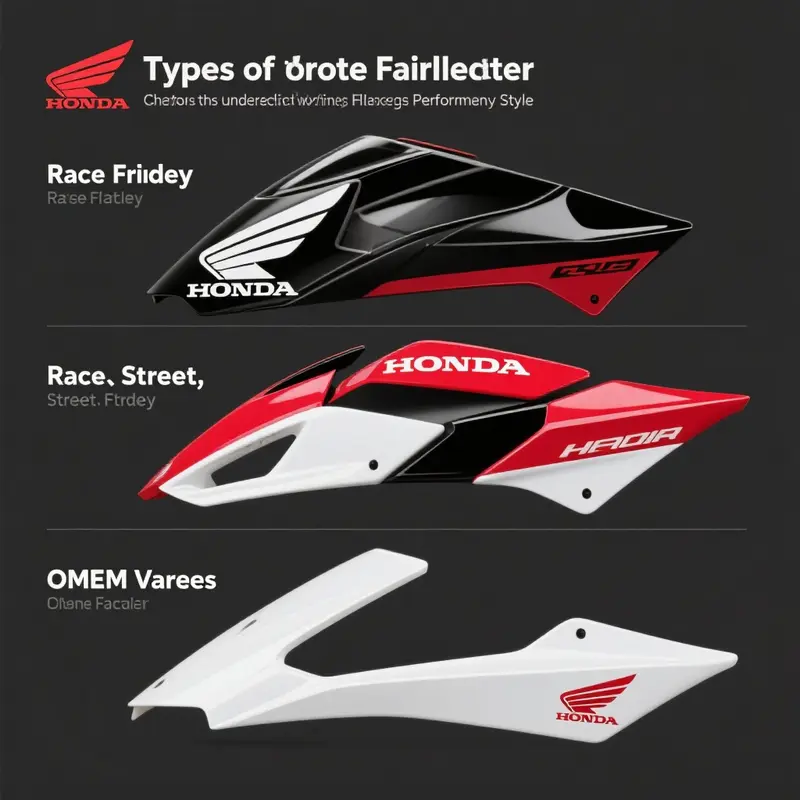
1. OEM Fairings: The Perfect Fusion of Design and Functionality for Honda Motorcycles
In the competitive arena of motorcycle fairings, Original Equipment Manufacturer (OEM) fairings stand out as the quintessential embodiment of precision and integrity. Tailored specifically for Honda motorcycles, these fairings are crafted to meet the rigorous standards set forth by the manufacturer. Their primary purpose extends beyond aesthetics; they serve as protective body panels that uphold the motorcycle’s structural integrity while ensuring an authentic appearance desirable among enthusiasts. When riders seek to preserve the original character of their machines, OEM fairings are often their choice.
One of the key advantages of OEM fairings is their perfect fitment. Manufacturers design these fairings to interlock seamlessly with specific bike models and years, eliminating the guesswork that often accompanies aftermarket parts. Riders appreciate the straightforward installation process—a simple bolt-on affair that requires no additional modifications or adjustments. This precise engineering not only saves time but also minimizes the chances of errors that can lead to fitting issues in aftermarket simulations.
These fairings are predominantly made from high-quality ABS plastic, known for its robust nature and durability. The injection-molding process used in crafting these components ensures consistent quality and enhances the fairings’ resilience against the rigors of daily rides or even the extremes of performance riding. Some high-end models may explore the use of advanced composites or carbon fiber, elevating both performance and weight optimization. This focus on material quality contributes significantly to an owner’s experience, promoting both safety and aesthetics in equal measure.
Another compelling reason why riders opt for OEM fairings is the impact on resale value and authenticity. Motorcycles retain their value significantly better when equipped with OEM parts. Prospective buyers often find comfort in the reliability and craftsmanship associated with factory standards, making OEM fairings an investment in the motorcycle’s longevity and market appeal. By preserving the motorcycle’s original appearance, riders not only ensure functionality but also showcase a commitment to maintaining its heritage—a crucial factor for collectors and performance enthusiasts alike.
Comparative discussions about OEM fairings naturally lead into the realm of race and street fairings. Unlike the factory-standard options, race fairings push the boundaries of engineering to deliver performance on the racetrack. These components often utilize superior materials such as full carbon fiber (CFRP) or Kevlar-carbon composites, aimed at reducing weight without compromising structural integrity. Competition demands yield additional features, such as sealed lower fairings designed to prevent oil and coolant spills in the event of engine failure during races—a crucial consideration for track legality and safety. Conversely, race fairings strip away any comfort elements found in street models, favoring aerodynamics and sleek design modified for speed.
Street fairings offer a more balanced approach, retaining comfort and legal requirements while providing customization options. These options serve to personalize the motorcycle while still adhering to the overarching design elements set out by the OEM fairings. Riders seeking aesthetic enhancements can readily explore aftermarket variances that mimic OEM appearances but often miss out on the precision and reliability intrinsic to genuine components.
In summary, OEM fairings encapsulate the essence of Honda motorcycles—merging functional design with aesthetic integrity. They are meticulously engineered to ensure that every line, curve, and panel contributes to the motorcycle’s performance and character. Whether a rider aims to maintain the original allure of their bike, needs reliable replacements for worn components, or wishes to preserve the motorcycle’s value, the choice to invest in OEM fairings invariably leads to greater satisfaction. For those navigating the extensive variety offered within the motorcycle fairing landscape, the importance of OEM fairings cannot be overstated. Exploring options further can lead to an informed choice, one that enhances both the riding experience and the motorcycle’s legacy. For curated offerings of Honda fairings, visit Summit Fairings and discover the perfect match for your model.
2. Unveiling the Key Role of Street Fairings in Honda’s Motorcycle Ensemble
Motorcycle fairings are not just external adornments; they play an integral role in shaping a motorcycle’s performance, aesthetics, and rider safety. Among the various options available, street fairings emerge as a crucial component, specifically designed to cater to everyday riders without sacrificing essential features. This exploration centers on street fairings for Honda motorcycles, illustrating how they bridge practicality and artistry in motorcycle design.
Unlike race fairings, which prioritize performance at high speeds and are svelte to minimize drag, street fairings offer a different proposition. They balance aerodynamics with functionality, providing enhanced rider comfort and adequate visibility from lights and mirrors that are often omitted in race-oriented designs. For daily riders, this balance is not only desirable but necessary, as street fairings support a more enjoyable riding experience while ensuring alignment with legal standards.
Commuters on models such as the Honda CBR650R benefit immensely from street fairings. These fairings effectively shield the rider from wind resistance and debris, allowing for smoother handling and improved efficiency. The structured yet stylish design of these fairings from Honda works to enhance the motorcycle’s overall aesthetic, giving it a sporty appearance without compromising on everyday usability. Moreover, integrated features like headlights, turn signals, and a windscreen are harmoniously blended into these fairings, ensuring riders maintain visibility while also meeting road regulations.
Durability and material selection play a key role in the effectiveness and longevity of street fairings. Many options are made from tough materials like ABS plastic, ensuring they can endure the rigors of daily travel. This material strikes a favorable chord between weight and resilience, making it ideal for both daily commutes and leisure rides. Unlike race fairings, which often use lightweight materials that may sacrifice durability for additional weight savings, street fairings are purpose-built to withstand diverse conditions while maintaining their integrity and appeal.
When discussing the significance of street fairings, it is imperative to acknowledge their role in rider comfort. Fairings improve the riding posture by offering a physical barrier against wind, which can diminish fatigue during longer rides. The way these components direct air around the rider maximizes aerodynamic efficiency, making even extended journeys more enjoyable. Riders who may have initially found motorcycle use discomforting due to adverse weather conditions often find relief through the protection provided by thoughtfully designed street fairings.
Moreover, aesthetic enhancement is a notable advantage of street fairings. Riders often personalize their motorcycles to reflect their identity, and aftermarket street fairings afford a realm of customization possibilities. They come in a multitude of colors and styles, allowing enthusiasts to modify their bikes to fit their personality. This customization does not merely serve a decorative purpose; it can also offer improved aerodynamics, functional upgrades, or simply the option to repair damage incurred during the bike’s life. Street fairings, therefore, fulfill a dual purpose: they maintain the motorcycle’s functionality while enhancing its look.
In addition to the Honda CBR650R, other popular models, like the CB650R, showcase how street fairings can successfully combine sleek designs with practical utility. Riders of the CB series appreciate these features, which emphasize both sporty aesthetics and everyday usability. Through their versatility, Honda’s street fairings cater to a wide spectrum of riding styles, from the casual city commuter to those embarking on weekend adventures.
Ultimately, the integration of street fairings into Honda’s motorcycle lineup represents a thoughtful approach to modern motorcycle design. These components serve as essential elements that optimize performance, promote rider comfort, and enhance overall aesthetics. For an everyday rider, having a reliable solution that accommodates their practical needs while contributing to the motorcycle’s beauty is invaluable.
For those considering upgrades or replacements, it’s advisable to explore options such as those available at Summit Fairings, which specialize in high-quality motorcycle fairing kits tailored specifically for Honda models. By investing in the right street fairings, riders can enjoy not only enhanced functionality but also a motorcycle that resonates with their personal style.
3. Innovative Customization: The Function and Flair of Carbon Fiber Fairings in Honda Motorcycles
The significance of motorcycle fairings extends far beyond mere aesthetics; they are pivotal in shaping both the performance and looks of Honda motorcycles. Among the various fare types that riders can choose from, custom and carbon fiber fairings have emerged as standout options, highly sought after for their unique attributes. This exploration of these advanced fairing types showcases their essential roles within the spectrum of race, street, and OEM offerings, emphasizing how they cater to both performance enthusiasts and style-conscious riders.
Honda motorcycle fairings, whether they’re designed for the CBR series or other models, can primarily be divided into three categories: Original Equipment Manufacturer (OEM), aftermarket street, and racing/composite variants. Each type serves specific riding needs, but custom and carbon fiber fairings have carved out a niche that speaks to a distinctive rider footprint.
カスタムフェアリング represent an innovative step in motorcycle design, enabling personalization that meets individual tastes and performance expectations. Riders can select specific designs, colors, and graphics that distinguish their motorcycles and embody their personalities. This customization not only enhances visual appeal but also allows for ergonomic adjustments that improve overall riding comfort. For instance, fitting a custom fairing can accommodate different riding positions, making the bike more suited to the rider’s style.
In addition to aesthetic enhancements, custom fairings frequently offer tailored aerodynamic benefits. Riders can select designs that optimize airflow to meet their specific riding conditions—racing, cruising, or stunt riding. This fine-tuning approach adds a layer of performance finesse, enabling riders to maximize their bike’s capabilities uniquely.
Carbon Fiber Fairings, on the other hand, stand at the forefront of high-performance motorcycle upgrades. Renowned for their impressive strength-to-weight ratio, carbon fiber fairings offer remarkable advantages that appeal to both amateur and professional riders. By dramatically reducing the overall weight of the motorcycle—sometimes by as much as 30%—these fairings facilitate improved acceleration and braking, essential factors for track performance. Riders can feel a significant difference when maneuvering their bikes at higher speeds, where every ounce of weight reduction translates into enhanced control and efficiency.
Beyond their lightweight properties, carbon fiber materials exhibit superior durability compared to traditional ABS plastic or fiberglass aftermarket fairings. The innate resilience of carbon fiber allows these fairings to withstand impacts better, making them an attractive choice for racers concerned about damaging their investments during high-speed competitions. Furthermore, carbon fiber is remarkably resistant to environmental factors such as heat, ensuring that performance remains consistent even in demanding conditions.
However, potential buyers should be mindful of the costs associated with carbon fiber fairings; with prices typically ranging from $600 to $2,000, these high-performance pieces reflect their premium status. The investment in carbon fiber is often justified, not just by weight savings and durability, but also by the aesthetic flexibility that these materials bring. The distinctive woven pattern of carbon fiber encapsulates a race-ready vibe that draws the admiration of enthusiasts and onlookers alike.
When considering the variety of available fairings for Honda motorcycles, riders often engage in a broader conversation about fitment and compatibility. OEM fairings, produced by Honda, guarantee a perfect fit and a factory-finish aesthetic, making them ideal for those seeking reliability. Meanwhile, aftermarket street fairings, which use durable ABS thermoplastic, strike a balance between cost and versatility, providing stylish options that cater to everyday needs while maintaining good performance. Each fairing type has its merits, yet the allure of custom and carbon fiber alternatives stands out due to their capacity for personalization and performance optimization.
In conclusion, the integration of custom and carbon fiber fairings into the realm of Honda motorcycle fairings highlights an evolving landscape within the motorcycle community. Riders now have the opportunity to transform their bikes into personal statements, optimizing performance while embracing style. As the technology and design of motorcycle components continue to advance, the future of customized fairings looks promising, shaping the riding experience in unprecedented ways. With brands consistently innovating and creating tailored solutions, the choice between solid OEM replacements, durable street fairings, and bespoke carbon fiber options will reflect not just utility but a rider’s unique lifestyle and aspirations on two wheels. For more on the various fairing types and designs available, check out the complete collection of Honda fairings.
Chapter 2: Material Considerations for Motorcycle Fairing Honda: Crafting Performance with Engineering Excellence
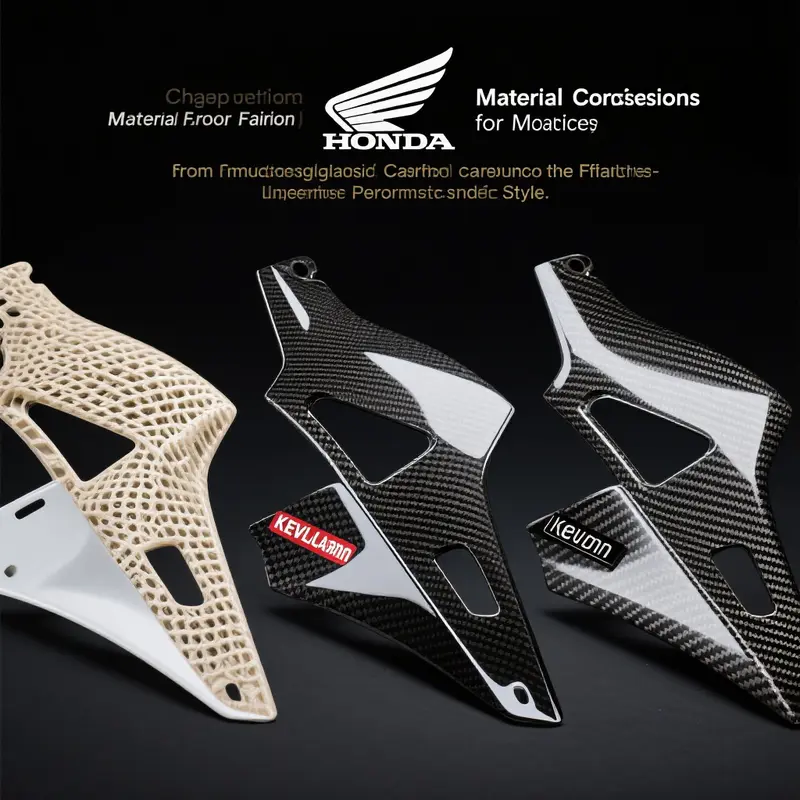
1. The Unsung Hero of Honda Motorcycle Fairings: ABS Plastic’s Impact on Performance and Longevity
When discussing the performance and durability of Honda motorcycle fairings, the conversation often turns to the materials used. Among the various materials available, Acrylonitrile Butadiene Styrene (ABS) plastic stands out as the industry standard, recognized for its unique balance of lightweight characteristics, resilience, and flexibility. These qualities make ABS plastic the material of choice for a range of Honda motorcycle models, from the everyday rider to high-performance sport bikes.
Performance Benefits of ABS Plastic
One of the primary advantages of ABS plastic is its lightweight nature, which significantly contributes to overall motorcycle performance. The reduced weight of the fairing compared to heavier alternatives like fiberglass allows Honda motorcycles to experience improved acceleration and enhanced agility during maneuvers. This is of paramount importance for riders who demand optimal performance, especially in competitive settings or spirited rides on twisting roads.
Moreover, ABS plastic offers remarkable flexibility. This property provides a degree of impact absorption, allowing the fairings to bend slightly during minor collisions or bumps without cracking or breaking. For daily riders, this attribute reduces the worry of superficial damage from minor accidents, making ABS plastic an ideal choice for those who frequently navigate crowded urban environments or track days.
Durability Characteristics
Regarding durability, ABS plastic excels with its impact resistance, often outperforming other materials in resisting cracks and degradation from wear and tear. However, the long-term durability of ABS fairings relies on proper surface preparation and meticulous paint application. For those considering customizing their fairing with a fresh coat of paint, understanding the nuances of working with ABS is critical. The best practices involve initial cleaning, sanding the surface, and using urethane primers—specifically designed for ABS—to ensure a flawless finish. When done correctly, this preparation yields a high-gloss exterior that resists chips, scratches, and UV deterioration, maintaining the aesthetic appeal of the bike without sacrificing performance.
Material Limitations and Emerging Alternatives
Though ABS plastic remains the dominant choice for many of Honda’s motorcycle fairings, the company is not averse to exploring alternatives. A noteworthy emerging material is Durabio, a bio-based plastic recently introduced in select Honda adventure and touring bikes, including the CB1000GT. Durabio is recognized for its impressive scratch resistance, UV stability, and effectiveness against impacts, which makes it a promising candidate for enhancing longevity while promoting sustainability.
The unique aspect of Durabio is its ability to incorporate color during the manufacturing process. This innovation eliminates the need for painting post-production, reducing both emissions and the complexity involved in fairing creation. However, while Durabio offers various advantages, it remains unsuitable for high-performance models like the Fireblade. These bikes demand materials that can withstand extreme conditions, emphasizing the continued relevance of traditional ABS plastic in settings that prioritize speed and agility.
The Practical Aspect of Fairing Choices
Motorcycle enthusiasts often face the decision of whether to choose OEM or aftermarket fairings. ABS plastic serves a critical role across both fronts. OEM fairings, crafted from high-quality ABS through precise injection molding, ensure a perfect fit for specific models. At the same time, aftermarket options allow customization while still delivering the robust protection and performance characteristics associated with ABS plastics. For riders, whether customizing for style or restoring for function, the material used in fairing construction remains a pivotal consideration.
For those interested in transforming their motorcycle’s appearance or enhancing its functionality, thorough research into available fairing options is essential. A popular option for Honda enthusiasts can be found on various platforms, offering tailored fairings for models like the CBR1000RR and CBR600RR, effectively showcasing the versatility and adaptability of ABS plastic. The selection of the right fairing not only influences performance but also allows riders to express personal style while ensuring their motorcycle remains rugged and ready for the road.
A comprehensive understanding of the materials used, particularly ABS plastic, empowers riders in making informed decisions as they maintain or modify their Honda motorcycles. Investing in knowledge about material durability, preparation techniques for painting, and the impact of newer alternatives will ultimately lead to an enhanced riding experience. For those eager to delve deeper into painting motorcycle fairings, comprehensive guides are available to help enthusiasts achieve professional results.
2. Exploring Fiberglass Fairings: Budget-Savvy Solutions for Honda Motorcycles
When discussing motorcycle fairings for Honda motorcycles, fiberglass emerges as a significant material option, drawing attention for its affordability. While fiberglass fairings can be viewed as budget-friendly alternatives, they come with particular limitations that prospective buyers must weigh against their needs and riding conditions. Understanding these nuances is key to making an informed decision, especially when considering the balance between cost-effectiveness and durability.
Fiberglass fairings present a clear financial advantage. Typically available at a price point of around $180–$220 for complete kits, they are often appealing to riders looking to customize their bikes without breaking the bank. However, this lower cost does not come without caveats. Compared to the industry standard, ABS plastic, which is the go-to material for most OEM fairings, fiberglass tends to offer less toughness and resilience.
Material Comparison: Strengths and Weaknesses
To fully appreciate the decision-making process surrounding fiberglass fairings, one must look at the characteristics of the alternative—ABS plastic. ABS is known for its superior impact resistance, flexibility, and excellent color retention over time. Riders can expect consistent fitment and sleek factory finishes that ensure their motorcycles not only perform well but also look great. With prices typically ranging between $200–$600, ABS fairings signify a more significant investment upfront, but they deliver performance reliability that fiberglass cannot match.
The inherent brittleness of fiberglass means that cracks and breaks are common outcomes if subjected to impact during typical riding conditions. This trait makes fiberglass ill-suited for daily riders or those in high-risk environments where drops and bumps are unavoidable. Moreover, fiberglass is heavier than ABS, potentially counteracting aerodynamic benefits designed for performance riding. In terms of surface finish, fiberglass often features inconsistencies that necessitate professional painting to achieve visually appealing results, adding further costs to the equation.
Another noteworthy aspect of fiberglass is its vulnerability to UV degradation; continuous exposure to sunlight can lead to yellowing and increased brittleness, further diminishing its functionality. Therefore, while fiberglass may serve as an attractive option for custom builds or show bikes, its practicality as a long-term solution is questionable.
Best Use Cases for Fiberglass Fairings
Fiberglass fairings find their strength in specific applications. Ideal scenarios include custom builds where riders prioritize uniqueness and cost-effectiveness over longevity. They can also be suitable for temporary solutions where aesthetics are the priority, but users should remain aware that these appear less functional when compared to durable options.
For riders who plan to make extensive modifications or repaint their fairings, fiberglass offers a workable material. Its customizable nature can accommodate changes, while ABS’s rigidity often hinders alterations without significant effort. Therefore, for those looking to personalize their bikes, fiberglass becomes an attractive alternative.
Also noteworthy in the landscape of material options is Durabio, a bio-based plastic recently employed by Honda in specific models, such as the Africa Twin and NC750X. Offering considerable advantages, Durabio enhances scratch resistance, UV durability, and the capacity for color integration during manufacturing, presenting an eco-friendly alternative that might soon rival traditional materials.
Final Recommendation
Ultimately, the decision to opt for fiberglass fairings should reflect one’s riding style and maintenance expectations. If longevity and reliability matter most, investing in ABS plastic will generally provide greater long-term value. For budget-conscious projects where durability is a secondary concern, fiberglass can serve as a reasonable choice, particularly in the realms of aesthetic modifications and temporary applications.
In summary, while fiberglass fairings certainly present a tempting opportunity for riders interested in minimizing initial costs, their vulnerabilities may end up costing more in the long run. As with everything in the motorcycle world, the advantages should always be carefully measured against potential drawbacks to ensure each ride on a Honda motorcycle remains as thrilling as intended.
For those considering specific models, numerous outfitting options await at various reputable suppliers, where meticulous selections can elevate your riding experience. Explore a range of fairings tailored specifically for your Honda bike, such as those available on Summit Fairings: ホンダ フェアリング.
3. The Dual Advantage of Carbon Fiber in Honda Motorcycle Fairings: Performance Gains and Striking Visuals
In the world of performance motorcycles, the choice of materials for fairings can make a substantial difference in both how a bike handles on the track and how it appears on the street. At the forefront of material technology for Honda motorcycle fairings is carbon fiber, which stands out as a premium option for riders looking to enhance both performance and aesthetics.
Carbon fiber fairings are recognized for their remarkable strength-to-weight ratio, a decisive factor in competitive racing scenarios. These fairings are lighter than both standard ABS plastic and fiberglass alternatives, which immediately translates into a significant increase in the bike’s power-to-weight ratio. For racers, this improvement is crucial. A lighter motorcycle accelerates faster and requires less energy to maneuver, allowing for quicker lap times and sharper cornering. On Honda sport models such as the CBR1000RR-R Fireblade and CBR600RR, this feature is increasingly vital as competitors push their limits on the track.
The superior aerodynamics achieved through carbon fiber design cannot be overstated. Unlike heavier materials that can create drag, carbon fiber allows for streamlined shapes that facilitate optimal airflow. This enhancement minimizes turbulence, thereby increasing speed and stability at high velocities—something every racer dreams of achieving. With well-engineered carbon fiber fairings, Honda motorcycles can slice through the air more efficiently, supporting the rider with improved handling and reduced fatigue during long races.
Furthermore, carbon fiber’s rigidity serves another purpose: it absorbs vibrations caused by the road or track surface. This characteristic not only promises smoother rides but also delivers a level of precision crucial when navigating difficult turns at high speed. The reduction in vibration enhances rider control and comfort, promoting a more confident riding experience under pressure, which can be the difference between victory and defeat.
However, carbon fiber fairings do not merely serve performance-oriented objectives. Their aesthetic appeal is another compelling advantage. The woven texture and glossy finish of carbon fiber create a high-tech appearance that is often sought after by motorcycle enthusiasts and custom builders alike. In contrast to the more utilitarian look of standard ABS plastic, which prioritizes resilience and cost-effectiveness, carbon fiber exudes a level of premium quality that elevates the overall visual flair of Honda motorcycles. This premium aesthetic can transform a stock bike into a head-turner—ideal for those looking to showcase their racing spirit or unique tastes.
In practical terms, installing carbon fiber kits is feasible for most Honda riders. These kits are designed to be direct replacements for stock fairings, ensuring compatibility across various models while maintaining clearances for all necessary bike components. Although professional installation is recommended to optimize fittings and ensure ideal alignment for