
















Introduction
Old motorcycle fairings, the iconic bodywork designed for bikes of yesteryears, serve as more than mere coverings; they encapsulate a rich heritage of design and engineering. As businesses pivot to cater to restoration enthusiasts and avid collectors, understanding the multifaceted world of vintage fairings becomes crucial. This exploration will navigate through the historical significance, delve into the materials and manufacturing techniques, highlight the aesthetic appeal in classic bikes, analyze current market trends, and discuss restoration and maintenance practices essential for preserving these prized possessions. Each chapter will provide insights that can enhance how business owners connect with this niche market.
Tables of Contents
Chapter 1: The Historical Significance of Old Motorcycle Fairings
- From Frame to Form: The Transformative Journey of Motorcycle Fairings
- The Interwoven Narratives of Economy, Society, and Old Motorcycle Fairings
Chapter 2: Crafting Icons: The Materials and Techniques Behind Vintage Motorcycle Fairings
- The Art and Science of Manufacturing Old Motorcycle Fairings
- Navigating the Past: The Economic and Societal Impact of Traditional Motorcycle Fairing Materials and Techniques
Chapter 3: Reviving the Classic Aesthetic: The Allure of Vintage Motorcycle Fairings
- Form Meets Function: The Timeless Design Language of Vintage Motorcycle Fairings
- Timeless Design and the Rising Value of Vintage Fairings in Restoration Culture
Chapter 4: Revving Up the Nostalgia: The Resurgence of Vintage Motorcycle Fairings
- Navigating the Collector’s Landscape: The Demand and Value of Vintage Motorcycle Fairings
- Evaluating Authenticity and Material Quality in the Vintage Motorcycle Fairing Market
Chapter 5: Crafting New Life into Classic Designs: The Art of Restoring Old Motorcycle Fairings
- Preserving the Legacy: Mastering Restoration Techniques for Fiberglass Motorcycle Fairings
- Restoration Investments: Navigating Costs and Collector Value in Vintage Motorcycle Fairings
Chapter 1: The Historical Significance of Old Motorcycle Fairings

1. From Frame to Form: The Transformative Journey of Motorcycle Fairings
The journey of motorcycle fairings from simple protective covers to sophisticated aerodynamic structures marks a significant chapter in the history of motorcycle design. This evolution is not merely a transition in aesthetics; rather, it reflects a profound technological advancement and a shift in cultural attitudes towards speed, performance, and style.
In the early days of motoring, motorcycles were predominantly built for utility. With minimal bodywork, early riders faced the elements directly; wind, dust, and rain were part of the ride. Classic models like the Indian Scout and Harley-Davidson V-Twin were naked in their design, prioritizing function over form. However, as motorcycle technology advanced, offering greater engine power and the thrill of higher speeds, the need for better aerodynamic efficiency emerged. It was during this era that manufacturers began experimenting with fairings—initially crafted from materials like fiberglass due to its flexibility and durability.
The introduction of full and semi-fairings in the 1960s and 1970s marked a turning point. Designers leveraged emerging materials and techniques to create body panels that not only shielded riders from adverse weather but also streamlined airflow around the motorcycle. This innovation was crucial; riders began to experience enhanced stability and control at higher speeds, leading to a greater sense of safety and performance. Iconic motorcycles like the Honda CB750 brought a revolution in riding experience, where fairings were no longer an afterthought but a core component of a motorcycle’s design.
The integration of fairings was not just about mechanical performance. It transformed the motorcycle into a symbol of modernity. Bold lines, sharp angles, and aggressive styling set these machines apart, marking them as not just vehicles, but works of art. This aesthetic evolution contrasted starkly with the more utilitarian designs of the previous decades. The fairings accentuated the connection between man and machine, celebrating the thrill of speed while highlighting the beauty of engineering.
As motorcycle culture burgeoned in the 1970s and 1980s, fueled by the rise of superbike competitions, manufacturers began to push the boundaries of design further. Companies like Kawasaki and Ducati spearheaded the movement by incorporating aerodynamic principles into racing designs, showcasing models such as the Kawasaki Ninja and Ducati Super Sport. The fairings on these motorcycles showcased contours that invisible winds would carve out; functionality was married with a visual narrative that communicated speed and power.
This shift also led to a deeper cultural understanding of motorcycles as a lifestyle and identity. They became reflections of personality and aspirations, often seen as tools of freedom and rebellion. Movies like ‘Easy Rider’ and ‘The Great Escape’ celebrated the motorcycle as a vehicle of adventure, with old design fairings becoming symbols of that escapism. Their shapes and colors captivated audiences, embedding the aesthetic significance of old motorcycle fairings into popular culture and lore.
While today’s motorcycles may see a rise in minimalist styles, echoing the stripped-down feel of the early days, the influence of vintage fairings persists. Designers may favor cleaner lines, but the underlying principles of aerodynamics remain from the legacy of the past. The ethos of fairing design—a blend of form and function—continues to influence how contemporary motorcycles are crafted. Companies still adopt aerodynamic features in their designs while striving to achieve that perfect balance between nostalgia and modern utility.
Moreover, the rarity and craftsmanship of vintage fairings have cultivated a robust collector’s market. Enthusiasts revealing authentic motorcycle fairings from decades past not only restore a piece of history but also appreciate the craftsmanship that went into each piece. This appreciation reflects a deep-seated respect for design and engineering—values that resonate with both the curator and the casual admirer. Sourcing these old fairings has become a cherished pursuit for many; platforms like eBay offer countless opportunities for collectors and restorers to find that elusive part, connecting them with other enthusiasts around the globe.
The technological evolution of old fairings is more than just a tale of engineering advancement; it encompasses societal, cultural, and economic factors. The rise of performance-oriented design mirrored shifts in consumer desire and racing dynamics, creating a symbiotic relationship between riders and their machines. While future technological advancements may continue to redefine motorcycle design, the historical significance of old motorcycle fairings remains steadfast, encapsulating an era that boldly embraced the harmony between aerodynamics and aesthetics. The journey from minimalism to multifunctional designs shows a pathway that has shaped the essence of modern motorcycling, where even the faint outlines of old fairings whisper tales of speed, freedom, and unyielding innovation.
For those looking to delve into the legacy of old motorcycle fairings and explore some classic models, a visit to sites that list various fairing collections can provide a rich source of inspiration and insight.
2. The Interwoven Narratives of Economy, Society, and Old Motorcycle Fairings
The allure of old motorcycle fairings transcends simple aesthetics; these objects are imbued with rich narratives that reflect broader economic and social themes from their respective eras. While the technical aspects of fairings often dominate discussions, their historical significance can enlighten us on the intertwined dynamics of economy and culture in the motorcycling community. Each style of fairing represents not only a practical response to environmental challenges but also an expression of the zeitgeist of the time when they were manufactured and popularized.
Old motorcycle fairings, such as those seen on iconic models like the 1970s Honda CB750 or the 1980s Kawasaki Ninja, bring forth memories of industrious periods in motorcycling history. In the post-war era, an economic boom led to an explosion of consumer goods, including motorcycles. As manufacturers sought to capitalize on growing demand, fairings became a pivotal aspect of motorcycle design. They were not merely functional structures aimed at improving aerodynamics and rider protection; they became symbols of speed and freedom that spoke to the burgeoning motorcycle culture of the time.
The era marked by the introduction of these fairings can be viewed as a pivotal moment in the global economy, where the motorcycle industry flourished alongside the rise of automobile culture. Countries such as Japan and Italy leveraged their engineering prowess to produce motorcycles that promised exhilarating performance, enhanced by the stylish charm of fairings. The introduction of advanced materials like fiberglass and early composites allowed these manufacturers to offer products that were not only lightweight and durable but also visually compelling, significantly impacting sales and market penetration.
Socially, the emergence of motorcycles equipped with distinctive fairings played a role in shaping subcultures. The relaxed attitude of the 60s and 70s fostered a love for motorcycle riding as a form of individual expression. The aesthetics associated with vintage fairings represented a breakaway from conventionality, allowing riders to embody a sense of rebellion and nonconformity. Motorcycle clubs flourished, and the camaraderie among riders cultivated a community narrative centered on freedom, adventure, and shared passion. Fairings became integral to that identity, uniting riders under a banner that celebrated their chosen lifestyle.
As motorcycles evolved throughout the decades, so too did the marketplace surrounding them. The demand for vintage fairings has created an economic niche that sustains the interests of countless enthusiasts and collectors. Today, the revival of interest in classic motorcycle restoration has prompted an intricate web of online marketplaces and specialty shops dedicated to sourcing and selling these rare parts. Places like eBay see a thriving trade, where the past unites the present in a shared appreciation for craftsmanship that might be less common in today’s mass production.
Moreover, as collectors scour the globe for original fairings, economic impacts seep into local industries that support restoration projects. Craftsmanship, once a hallmark of older manufacturing techniques, is valued differently today. The rarity of these old fairings translates into an increase in demand for skilled artisans who can restore or replicate these parts accurately, propelling a burgeoning economy driven by nostalgia. This intergenerational connection woven into motorcycle restoration not only reverberates through individual stories but also sustains local economies dedicated to preserving historical artifacts.
Despite the resurgence in collector interest, the geopolitical implications of vintage motorcycle fairings are less prominent. Traditional geopolitical contexts – such as international trade barriers and the global rise of environmentalism – have created intricate challenges for collectors and restorers alike. The gradual shift towards sustainable practices, while laudable, often leaves vintage motorcycles and their components at a crossroads. The impact of regulations surrounding emissions and vehicle safety has instituted a complex relationship between vintage motorcycles and contemporary legal frameworks.
Transitioning from the past to the present is littered with both obstacles and opportunities. Collectors of old motorcycle fairings often navigate a delicate balance; while countries like Japan may still manufacture parts for vintage models, other markets have seen a decline in production. The dichotomy between heritage and modern innovation raises questions about sustainability, craftsmanship, and the very future of motorcycle culture as shifts in consumer behavior occur.
In a world increasingly driven by technology and mass production, old motorcycle fairings have come to symbolize stability and craftsmanship that modern advancements often disregard. For enthusiasts, they serve not just as parts of machinery but as vessels of history and narrative—reminders of the passionate interplay of economy, society, and culture within the motorcycle community. The ongoing appreciation for classic designs like those found on the Honda CB series or the iconic Kawasaki Ninjas underscores a telling truth: vintage motorcycle fairings are more than just accessories; they are a piece of our collective history, an embodiment of freedom on two wheels.
Ultimately, as one traverses the intricate layers of significance embodied in these fairings, it becomes clear that their story is not solely of technical evolution. Rather, it showcases the human spirit’s connection to the machinery of its making and the vibrant narratives they continue to inspire. These sentiments serve to enrich our understanding of vintage motorcycles and celebrate their place in our socio-economic and cultural landscape.
Chapter 2: Crafting Icons: The Materials and Techniques Behind Vintage Motorcycle Fairings
1. The Art and Science of Manufacturing Old Motorcycle Fairings
The allure of old motorcycle fairings is not merely in their aesthetic appeal or historical significance but also in the intricate materials and manufacturing techniques that defined them. During their era, the fairings represented a marriage between art and engineering, embodying a commitment to performance and style. This subchapter delves into the technological aspects of how old motorcycle fairings were crafted, focusing on materials that offered the best attributes for both function and form.
Materials of Choice
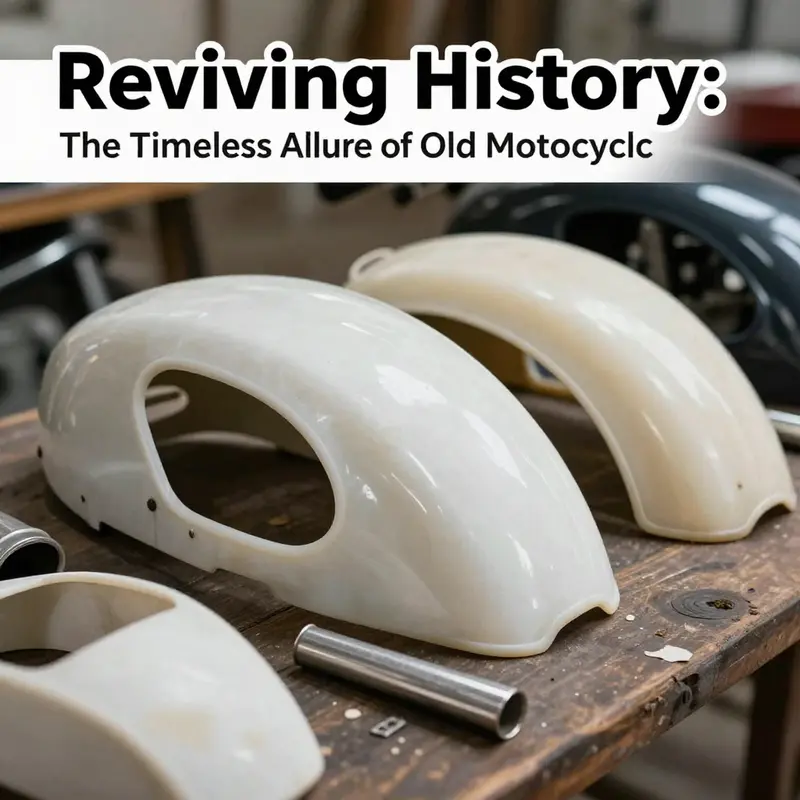
At the heart of old motorcycle fairings was the prevalent use of thermosetting plastics, specifically fiberglass-reinforced polyester resin. This material was favored for several reasons, most notably its strength-to-weight ratio. Motorcycles demand components that are lightweight yet resilient. Fiberglass offered a solution that balanced these requirements perfectly, allowing manufacturers to produce fairings that could withstand the rigors of both high-speed travel and the wear and tear of the elements. The aerodynamic design of these fairings was crucial in reducing drag, thus enhancing the motorcycle’s performance while ensuring the comfort of the rider during long rides.
Additionally, the moldability of fiberglass allowed for the creation of complex shapes that defined the iconic look of vintage fairings. Manufacturers could craft shapes that not only served aerodynamic purposes but also sparked a distinctive visual identity. The curves and sharp angles characteristic of many classic motorcycle fairings played a significant role in their allure to collectors and enthusiasts today.
The Craftsmanship Behind Manufacturing
Creating these vintage fairings was no small task. The manufacturing processes employed were labor-intensive, requiring both skill and a significant investment of time. One of the primary techniques was hand lay-up, where skilled artisans painstakingly layered fiberglass cloth into molds. Each layer would be saturated with resin, allowing it to cure and solidify into a reliable form. This method was not just about producing a product; it was about craftsmanship and attention to detail. The dexterity and experience of the manufacturers played a crucial role in ensuring structural integrity and aesthetic appeal.
Another significant method was vacuum bagging, which followed the hand lay-up process. This technique involved placing a vacuum bag over the laid-up fiberglass to apply pressure during the curing process. By drawing out the air, vacuum bagging minimized voids in the material, resulting in a cleaner, stronger, and more reliable fairing. The introduction of such techniques highlighted a shift in manufacturing philosophy, emphasizing precision and quality over sheer production speed.
Performance Enhancement
The choice of materials and the manufacturing techniques were not just about making the fairings look good; they also significantly impacted performance. The aerodynamic shape of these fairings contributed to improved handling and rider comfort, enabling higher speeds with less wind resistance. Riders appreciated how the fairings protected them from adverse weather conditions, maintaining comfort on long journeys. The synergy between form and function in these designs continues to resonate with motorcycling enthusiasts, highlighting why these vintage fairings remain sought after.
Connecting Past Techniques with Modern Advancements
Looking towards the modern landscape, the principles that governed the vintage manufacturing of motorcycle fairings find echoes in today’s technologically advanced methods. Studies such as Optimized design and manufacturing of a motorcycle, published in 2022, illustrate how contemporary designs leverage topological optimization to enhance both performance and material efficiency. This modern approach, while utilizing digital tools and computational methods, reflects a continuation of conceptual goals initially pursued by the artisans of yesteryears.
While today’s fairings may utilize advanced materials like carbon fiber and thermoplastics, the fundamental challenges remain the same—achieving optimal performance, enhancing rider experience, and ensuring aesthetic appeal. As modern manufactures engage with these challenges, they draw upon the legacy of those who preceded them, seamlessly blending old-world craftsmanship with modern efficiency.
Conclusion
In reflection, the technological aspects of materials and manufacturing techniques behind old motorcycle fairings tell a compelling story of innovation and artistry. From the hand lay-up method characterized by meticulous human effort to the strategic applications of vacuum bagging aimed at enhancing strength, every detail played a crucial role in the final product. As the world of motorcycle design continues to evolve, the heritage of these old fairing techniques and materials remains a cornerstone, guiding modern advancements that strive to capture the essence of performance and style developed decades ago. For those looking to restore classic motorcycles, such as the Honda CB750 or Kawasaki Ninja, finding original components is essential to preserving that legacy, and places like 서밋 페어링스 offer an array of options to help enthusiasts connect with the past.
2. Navigating the Past: The Economic and Societal Impact of Traditional Motorcycle Fairing Materials and Techniques
The journey of old motorcycle fairings goes beyond mere aesthetics and functionality; it interlaces with economic paradigms and societal transformations that shaped the motorcycling landscape we recognize today. Historically, these fairings were crafted predominantly from fiberglass-reinforced polyester (FRP), a choice born from the convergence of innovation and manufacturing necessity. In the dawn of their era, FRP emerged as a cost-efficient material with remarkable moldability and an adequate strength-to-weight ratio, enabling manufacturers to produce an increasing number of sporty, aerodynamic designs while keeping prices accessible for a broader consumer base.
These innovative manufacturing processes necessitated significant labor involvement, often rooted in artisanal skills. Craftsmen would manually lay resin and shape the material, a practice that, while efficient, created a distinct reliance on local workshops. This grassroots manufacturing fostered vibrant economies, particularly in regions like late 20th century Japan and Italy, two beds of motorcycle craftsmanship where artistry met engineering. Small businesses thrived as they catered to not just assembly but also bespoke adjustments, nurturing a community ethos around the love of motorcycles.
The narrative of market economics dictated that as technology advanced, manufacturing began shifting away from labor-intensive practices to more automated techniques. While this shift bolstered production efficiency, significantly lowering unit costs, it also posed risks to traditional craftsmanship. The complex tapestry of old motorcycle fairings is thus painted with vibrant hues of community, economic growth, and shifting labor dynamics. As these machines became increasingly associated with sport and lifestyle, the fairings’ chic, aerodynamic silhouettes symbolized speed, innovation, and freedom. The public’s engagement at racing events, their appearances in films, and often their roles in personal narratives fortified the cultural positioning of motorcycles.
The long-standing cultural significance surrounding old motorcycle fairings is palpable. Riders found in these machines a canvas for self-expression, leading to a rich tapestry of customization. This camaraderie among enthusiasts birthed strong ties within various motorcycle clubs and communities; the act of personalizing one’s bike became an avenue for deeper relational bonding. Vintage fairings, with their flamboyant designs and nostalgic echoes of bygone eras, became more than just protective coverings—they morphed into symbols of rebellion, adventure, and individualism. The attraction extended into wider popular culture, where the motorcycle and its fairings began to encompass a kind of mythos—a lifestyle depicted in countless narratives of freedom and exploration.
However, behind this vibrant façade lies a growing concern for the environmental track of traditional FRP manufacturing. The allure of vintage fairings also carries an ecological burden due to the production by-products and the challenges inherent in disposing of non-biodegradable fiberglass composites. These environmental impacts raise questions about sustainability and accountability within the industry. As society confronts the realities of climate change and ecological degradation, the critical lens on manufacturing practices has forced a re-evaluation of materials and composite processes. The industry has begun to pivot towards sustainable alternatives, such as thermoplastic composites and bio-based resins, reflecting broader societal demands for environmental stewardship.
This shift impacts economic landscapes by reshaping costs and driving innovation in the materials used. The challenges of transitioning from traditional FRP to greener options result in increased resourcefulness and investment in new technologies—each step forward carries the complex baggage of a workforce transitioning from artisanal to technical skills. While there is clear momentum toward enhanced productivity, there exists a tension between preserving the heritage of craftsmanship and the need to abide by ecological principles in an increasingly regulated market.
The resulting dynamics between an aging workforce reliant on legacy manufacturing techniques and the influx of advanced synthetic materials create a juxtaposition of cultural heritage against innovative necessity. Many regions that thrived on custom motorcycle installations face the reality of potential job displacement as automation becomes the norm. Despite the aesthetic and engineering legacy of fibreglass fairings, the industry is at a crossroads, negotiating a future that seeks to balance economic viability with cultural significance. The journey forward promises to be a tapestry woven with the threads of sustainability, craftsmanship, and mechanization, ultimately redefining what it means to embrace the spirit of motorcycling.
In summary, the journey of old motorcycle fairings traverses economic, cultural, and environmental landscapes that echo through the ages. They catalyzed shifts in industrial practices, nurtured communities of riders and enthusiasts, and stoked the fires of cultural revolution. With our gaze set on a future that honors both innovation and legacy, this fulfilling whimsical ride continues to inspire passion among motorcycle lovers around the world, all the while inviting new generations to appreciate the beauty and craftsmanship inherent in their design. For anyone interested in exploring options for restoring classic models, an array of fairings can be found at specialized online marketplaces, catering not only to aesthetic desires but also to the burgeoning community surrounding vintage motorcycles.
Chapter 3: Reviving the Classic Aesthetic: The Allure of Vintage Motorcycle Fairings
1. Form Meets Function: The Timeless Design Language of Vintage Motorcycle Fairings
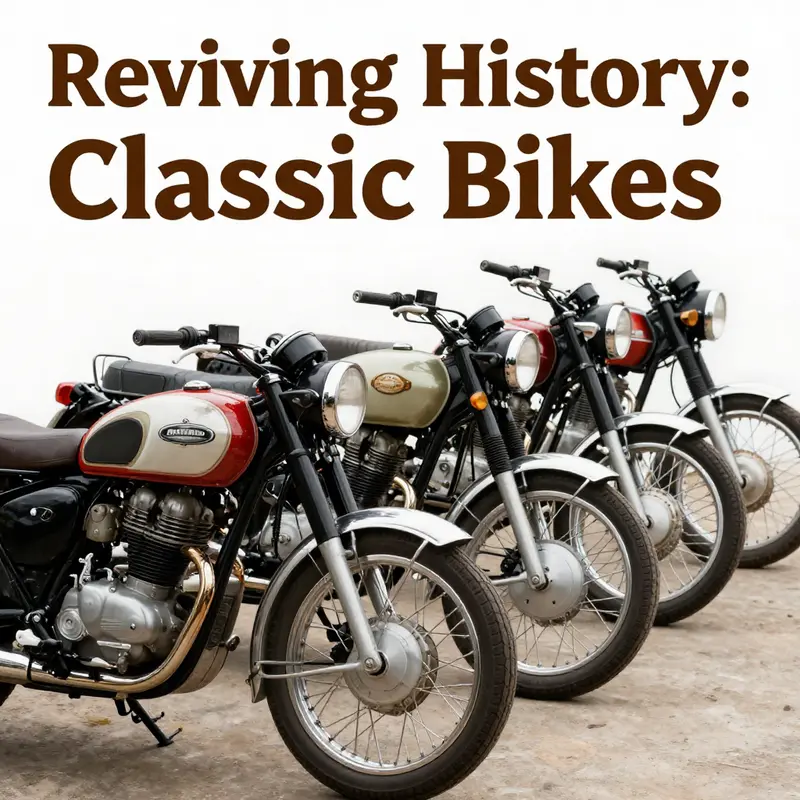
The enchanting pull of old motorcycle fairings lies in their beautiful confluence of artistic design and practical engineering. When we look at the motorcycles of past decades—like the 1970s Honda CB750 or the 1980s Kawasaki Ninja—we see more than just machines; we witness an era where design was inextricably linked to performance and aesthetic value. These vintage fairings, often meticulously crafted from materials such as fiberglass and metal, are not merely decorative additions; they are integral components that enhance the motorcycle’s capability while simultaneously shaping its identity.
From the moment we lay eyes on these classic machines, the unique design language of their fairings captivates us. Characterized by smooth, flowing contours and rounded edges, these fairings defy the harsh angularity of many modern designs. They embody a sense of organic flow, merging effortlessly with the motorcycle’s body to create an iconic silhouette that remains timeless. This aesthetic goes beyond mere looks—it functions effectively to reduce wind resistance, providing a harmonious balance between beauty and practicality.
The appeal of these vintage fairings also lies in their nostalgic charm. Their vibrant color schemes and gleaming chrome accents resonate with enthusiasts yearning for a glimpse into a more romanticized time of motorcycling. Unlike the minimalist trend dominating contemporary motorcycle design, the flair and boldness of classic fairings evoke a strong emotional response. These features not only capture the spirit of their respective eras but also serve to connect riders with a shared history and a sense of community around vintage motorcycles.
In evaluating the technological context in which these fairings were developed, one can appreciate the artistry involved. Modern motorcycles often benefit from advanced materials and processes such as computational fluid dynamics (CFD) for aerodynamic optimization, allowing manufacturers to engineer fairings that serve specific performance needs. In contrast, vintage fairings were born from an era of intuition, craft, and empirical testing, leading to designs that were as personalized as the riders themselves. Each curve and line bore the fingerprints of skilled artisans who were committed to crafting components that not only performed but also told a story.
This relationship between rider and machine is further entrenched by the unique idiosyncrasies of these older fairings. The imperfections inherent in hand-crafted works—the slight variations in symmetry or the subtle brush strokes of hand-applied paint—add a layer of character that machine-spun alternatives lack. Every detail on these fairings has a narrative behind it, enriching the rider’s experience with layers of historical and cultural significance.
The stories encompassed within these fairings also have a lasting impact on their value in the collector’s market. As time marches forward, these pieces of motorcycle history become increasingly rare, often leading to bidding wars among enthusiasts. Online marketplaces devoted to vintage motorcycle parts highlight not only the supply of these sought-after fairings but also their condition, provenance, and the narratives surrounding their existence. While classic models like the Honda CB750 or Suzuki GSX-R750 are lauded for their performance, it’s the fairings—often the first to wear from exposure to the elements—that encapsulate the longevity of their design philosophy.
As restoration enthusiasts embark on piecing together their dream machines, the demand for original fairings amplifies. This renewed interest has fostered a thriving community where enthusiasts share tips, restoration techniques, and stories. From sourcing rare fairings to swapping parts in garage gatherings, the culture surrounding vintage motorcycles fosters camaraderie that goes beyond mere aesthetics. These fairings inspire passion not just in their visual appeal but also in the emotional connections they engender.
Ultimately, the enduring magic of vintage motorcycle fairings can be traced back to their authentic design ethos—a time when engineering and artistic expression were not merely intertwined but celebrated. They stand as a testament to an era that valued character and individuality in an industry that is often categorized by uniformity, a stark contrast to today’s slick, mass-produced models. The allure of their design, therefore, isn’t confined to simply the past; it echoes in a desire for authenticity and personal connection in a world increasingly dominated by impersonal mass production.
To explore various motorcycle models that perfectly spotlight this aesthetic appeal, including options available for restoration enthusiasts, browse through dedicated collections online, such as those found at summitfairings.com. Vintage fairings continue to play a pivotal role in the narrative of motorcycling, encouraging each generation to appreciate the intricate dance between form and function.