















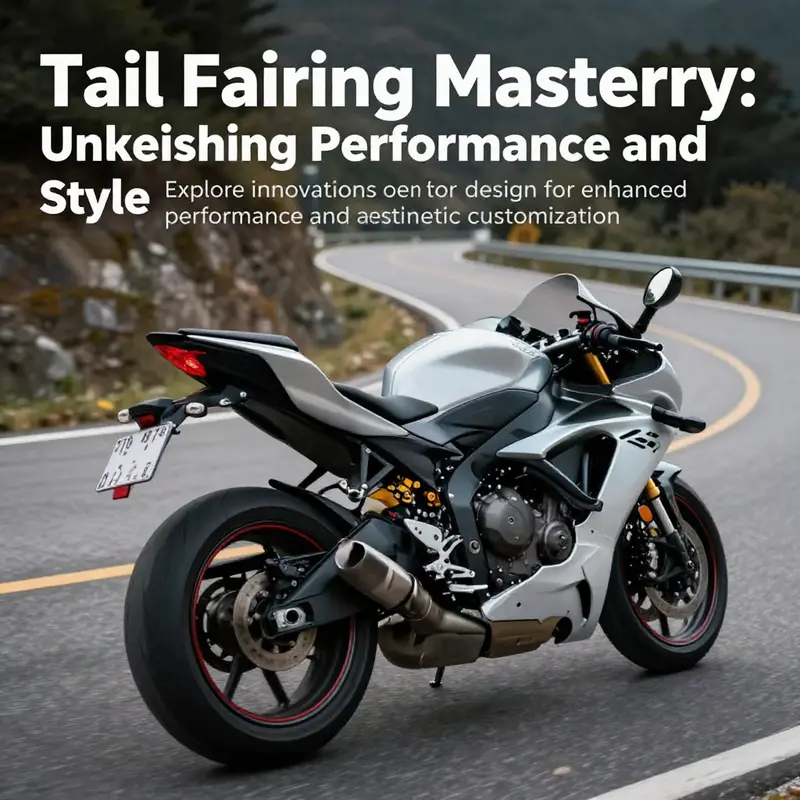
테일 페어링은 성능 중심의 라이더와 미적 감각을 중시하는 사람들에게 큰 이점을 제공하는 현대 오토바이에 필수적인 액세서리입니다. 최첨단 소재와 디자인을 통합함으로써, 이 구성 요소는 공기역학과 연료 효율성을 개선할 뿐만 아니라 오토바이의 전체적인 외관을 업그레이드합니다. 각 챕터는 특정한 측면을 탐구합니다: 제1장에서는 테일 페어링이 공기역학을 통해 성능을 향상시키는 방법을 살펴보고, 제2장에서는 가용한 다양한 디자인 및 맞춤형 옵션을 논의하며, 제3장에서는 테일 페어링 생산과 현재 시장 트렌드에 영향을 미치는 경제적 요인을 탐구하여 이 필수적인 오토바이 액세서리에 대한 종합적인 이해를 제공합니다.
현대 오토바이 모터사이클에서의 테일 페어링: 공기역학, 보호, 스타일
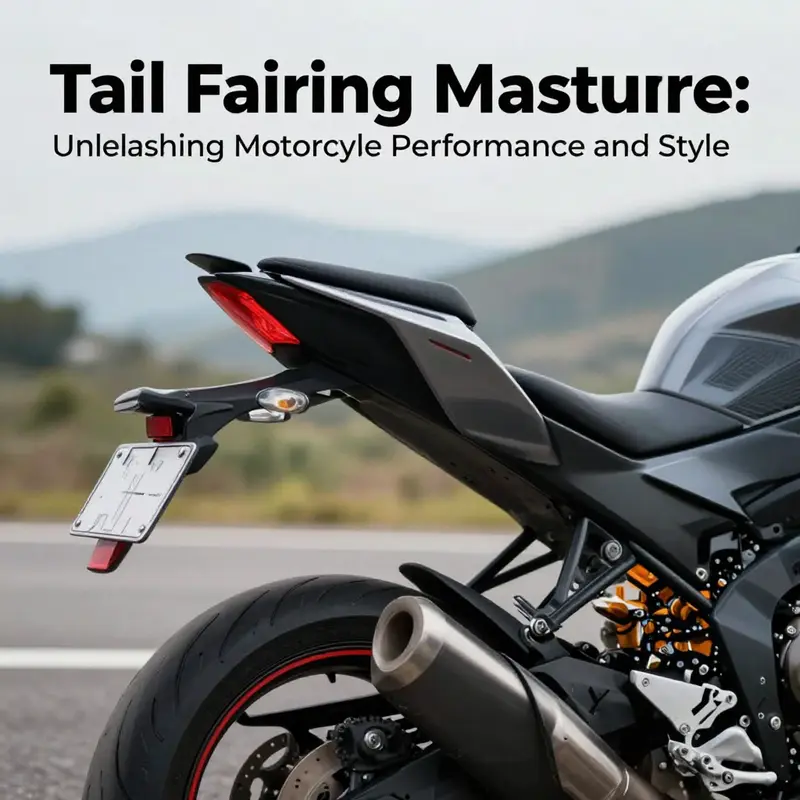 The tail of a motorcycle is more than a cosmetic flourish or a simple containment for the seat and taillight. It is a carefully engineered interface where aerodynamics, structure, and aesthetics meet in a single, integrated form. A tail fairing, in its many configurations, performs a disciplined set of tasks that echo the demands of speed, efficiency, and rider comfort. By shaping the airflow behind the rider and around the rear wheel, tail fairings reduce drag, stabilize the machine at speed, and contribute to smoother wind pressure against the rider’s torso. When a tail fairing is well designed, its influence is not merely cosmetic; it translates into practical benefits such as improved fuel economy on long highway stints, reduced rider fatigue on extended sessions, and a more cohesive silhouette that emphasizes the bike’s purposeful lines. This is why tail fairings have moved from being optional add-ons to near essential components in both performance-focused builds and showroom-oriented street machines. The implications ripple through the bike’s handling, weight distribution, and even the perception of speed itself, making the rear end a strategic playground for engineers and riders alike.nnThe aerodynamic role of a tail fairing begins with the recognition that the rider and seat do not exist in isolation. The rider creates a high-pressure wake downstream, and the tail fairing acts as a structured drag-reducing surface that directs this wake away from the vulnerable undercarriage and wheel path. In high-speed cruising, where the rider’s body may present a blunt obstacle to the airstream, the tail’s shape encourages a cleaner separation of flow and helps manage turbulent pockets that would otherwise induce buffeting or slow the overall stability of the chassis. A well-executed tail profile can also influence the pressure distribution near the rear of the bike, reducing the tendency for the tail to lift or to experience flutter in gusty winds. Even on machines designed for aggressive riding, the rear fairing contributes to a sense of planted confidence, giving the rider a feeling of control that is reinforced by the machine’s steadier windswept stability. In practical terms, the drag reduction translates into measurable gains—slightly lower engine load at highway speeds, less fuel burned to overcome wind drag, and minute, but real, improvements in range. That is not to say a tail fairing will magically overhaul a bike’s performance envelope, but it does create a more favorable aerodynamic canvas upon which the engine and chassis work together.nnThe materials chosen for tail fairings reinforce the aerodynamics while preserving or enhancing strength and lightness. Carbon fiber has become the benchmark for those chasing top-tier performance, thanks to its stellar strength-to-weight ratio and its ability to hold finely tuned airfoil shapes under load. When carbon fiber is employed, fairings can be engineered with an exquisite balance of stiffness and flexibility to withstand road chatter and minor impacts without compromising the aerodynamics or finish. Yet carbon fiber is not the only viable option. High-strength fiberglass or advanced composites can offer excellent impact resistance at a lower cost, while still enabling precise, pre-drilled fitment and robust surface finishes. The choice of material then informs the manufacturing approach. Autoclave curing, for instance, enables the layup to achieve near-void-free laminates with tight tolerances, producing a surface that mirrors the intended aerodynamic contour with minimal need for corrective work after molding. Hot pressing and other resin-rich methods also have their merits, offering rapid production cycles and consistent results when scaled to aftermarket volumes. The resulting tail fairing must not only blend into the bike’s lines but also resist environmental exposure—UV, rain, and road salt—without suffering color degradation or micro-cracking that could undermine the finish.nnBeyond the raw materials, the fidelity of fit and the precision of the aerodynamic profile are driven by meticulous tolerances. A tail fairing pre-drilled for mounting and designed to match the bike’s native bodywork creates a factory-like integration, preserving the aesthetic language of the stock design while yielding tangible performance gains. Precision fitment matters for a cohesive look and for the fairing’s aerodynamic role. A gap or misalignment can act like a small wingtip, introducing unpredictable turbulence. This is why quality control around the assembly of tail fairings—down to surface texture and edge radius—is as critical as the shape itself. When manufacturers pursue OEM-grade standards, they often adopt rigorous quality-management frameworks that echo automotive norms. Certifications and process controls signal that the tail fairing’s performance is reproducible under the stresses of real-world riding conditions, from smooth highway stretches to bumpy backroads and race-track heat. The sense of reliability that comes with a well-made tail fairing is not just about the look; it is about predictable behavior, repeatable aerodynamics, and the rider’s confidence in the machine.nnThe functional story of tail fairings also embraces protection and practicality. A rear fairing serves as a shield for the critical components tucked beneath and around the tail section. Debris kicked up by the rear wheel, weather exposure, and minor impacts from road debris can all take a toll on the exposed rear structure. A properly designed fairing provides a sacrificial layer that helps extend the life of the underlying frame and components. In addition, tail fairings often incorporate or accommodate features such as mounting points for luggage carriers, license plate holders, or integrated lighting and reflectors. These features are not merely conveniences; they contribute to the overall system integrity. When integrated thoughtfully, a tail fairing can offer lightweight storage solutions or mounting points that preserve the bike’s center of gravity and maintain the clean, uninterrupted lines that matter for both aerodynamics and aesthetics. Riders who undertake longer trips or who enjoy track days value the combination of protective coverage and the capability to add practical accessories without interrupting the fairing’s curvature or its airflow-guiding function.nnThe aesthetic aspect of tail fairings should not be dismissed. The rear of a motorcycle is seen as a punctuation mark, a finishing flourish that communicates speed, precision, and intention. The tail’s geometry—whether it curves smoothly into the seat area, taps into a sharp trailing edge, or employs subtle spoilers or scoops—has a direct impact on the eye and on the perceived performance of the machine. The surface finish plays a part as well. Glossy, matte, or satin textures interact with light to emphasize the film-like quality of the air’s surface as it flows along the fairing. Color options and surface treatments are not mere vanity; they let riders align the bike’s appearance with their personal style while keeping the aerodynamic contour intact. A tail fairing that respects the bike’s original design language—and adds subtle cues of speed without compromising silhouette—achieves the most convincing balance between function and form. The best examples of tail fairings do not shout with loud shapes; they whisper through clean lines, consistent edge radii, and careful transitions from the main body to the tail that preserve the visual cohesion of the whole motorcycle.nnFor riders who crave high-performance upgrades, the narrative becomes a study in weight management and surface accuracy. Full carbon fiber tail fairings offer the most dramatic gains in lightness and stiffness, enabling sharper handling through lower inertia in the rear. The lower mass affects not just acceleration but also the way the bike behaves when mid-corner weight transfer occurs and the tail fairing contributes to the total angular momentum of the bike. The stiffness of the carbon laminate supports an accurate aero profile even when the bike is pushed near its limits, ensuring that the intended airflow pattern remains stable under load. Manufacturing choices like autoclave curing contribute to part consistency, so every fairing mirrors the same thickness, curvature, and surface tension across batches. The result is a tailored, race-ready feeling that a rider can perceive in the way the bike boots out of corners and into acceleration with a minimal loss of energy to drag. This is the essence of premium performance in tail fairings: the marriage of a light and stiff structure with a design that respects and enhances the machine’s indigenous aerodynamics.nnYet performance is not the sole driver of tail fairing decisions. Riders who value long-distance comfort and reliability may opt for fairings that emphasize durability, weather protection, and pragmatic mounting options over extreme lightness. In these builds, fiberglass-reinforced composites or resin-rich boards can offer a resilient, cost-conscious alternative that still respects the bike’s aesthetics. The difference in ownership experience is tangible; a fairing built to withstand repeated zipping through wind and rain while remaining stable and easy to clean demands only routine maintenance rather than rework after a season of rough use. The choice between materials, and the attention to finish quality, ultimately reflects how a rider envisions the bike’s role: as a highway companion, a track-day partner, or a statement of personal style. In each case, the tail fairing is not a separate accessory; it is a crucial element of the machine’s equilibrium, a component that affects the rider’s sense of gravity, speed, and control while meeting the practical realities of road conditions and weather exposure.nnThe aftermarket landscape around tail fairings has grown to accommodate a wide spectrum of riders, from budget-conscious enthusiasts to meticulous builders chasing perfection. Market availability is broad, with various manufacturers offering different shapes, finishes, and installation approaches. The choices can be shaped by the rider’s goals—whether seeking a near-OEM look, a race-ready profile, or a unique aesthetic that signals a rider’s identity. For some collectors and track enthusiasts, the option to source a tail fairing from suppliers that emphasize autoclave-cured carbon fiber and precision-fit components becomes a value proposition that blends performance with a high-quality surface finish. For others, a more affordable fiberglass option that can be quickly swapped during maintenance cycles or after a track day may be more appropriate. In either case, the tail fairing is a fundamental mechanism that shapes how a bike interacts with air, how it looks when parked, and how it feels once the rider is on the move.nnThe integration of tail fairings with other components of the bike’s bodywork is a delicate orchestration. Designers aim to preserve the factory feel—where lines, junctions, and edge radii flow as a single design language—while creating clear improvements in airflow management. The result is not a tabula rasa replacement but a refined evolution. When issued as a complete system, a tail fairing complements the tail section, the tail light, and the rear fender, producing a net effect on aerodynamics, weight distribution, and the rider’s silhouette. In this light, tail fairings can be viewed as a form of advanced charioteering, where every contour is chosen to optimize the ride. The rider then experiences the result as reduced fatigue, steadier handling at high speeds, and a sense of riding within a precisely tuned machine rather than a generic bike with a cosmetic add-on. The artistry lies not only in the curvature but in the disciplined approach to construction, alignment, and finish that makes the tail fairing look like an integral part of the original design rather than an afterthought.nnFor readers exploring real-world options, the landscape offers a spectrum of choices. The broadest lessons come from recognizing that the tail fairing is both an engineering and design problem. It requires careful consideration of material properties, manufacturing capabilities, and the intended riding context. Whether the goal is to preserve a pristine showroom look, to chase measurable aerodynamic improvements, or to build a rugged, weather-ready touring machine, the tail fairing serves as a focal point where function meets form. In the end, the decision rests on balancing performance, cost, and visual integration with the bike’s overall character. The tail fairing, properly executed, is not a mere enclosure; it is a statement of intent—about speed, efficiency, protection, and personal expression—carried forward by the rider into every mile of road and every fraction of wind it faces.nn[Kawasaki-Ninja-ZX-14R-Fairings-2006-2011] discussion of high-end carbon fiber tail fairings has become a benchmark in the performance segment, and while the precise models and numbers may vary, the underlying engineering philosophy remains consistent: a lightweight, aerodynamically tuned rear surface can meaningfully influence the bike’s behavior at speed. Within this framework, the tail fairing emerges as a critical component—one that pilots the intersection of air, chassis dynamics, and human will. The ongoing evolution in materials science, manufacturing accuracy, and finishing processes promises continued gains, inviting riders to rethink the rear end not as a bystander to speed but as an active accelerator of it. And while the market will keep offering new shapes, textures, and finishes, the core principle endures: a tail fairing that respects the airflow, reinforces protection, and honors the visual language of the bike will always stand as a hallmark of thoughtful engineering and refined riding experience.nnFor readers seeking additional context on how tail fairings sit within the broader spectrum of motorcycle accessories, you can explore related developments in the aftermarket ecosystem and how these components interface with other bodywork elements. The ecosystem thrives on the intersection of wind tunnel-inspired design, practical protection, and the desire for personal expression, which together drive ongoing innovation in tail fairing technology and its application across rider communities. An understanding of these dynamics helps riders choose products that not only fit their bike but also enhance the ride, yielding a coherent, efficient, and visually compelling machine that performs as well as it looks.nnExternal reference for further exploration: https://www.aliexpress.com/popular/pillion-passenger.html
스타일과 속도를 위한 형태: 현대 오토바이의 테일 페어링 디자인 및 맞춤화
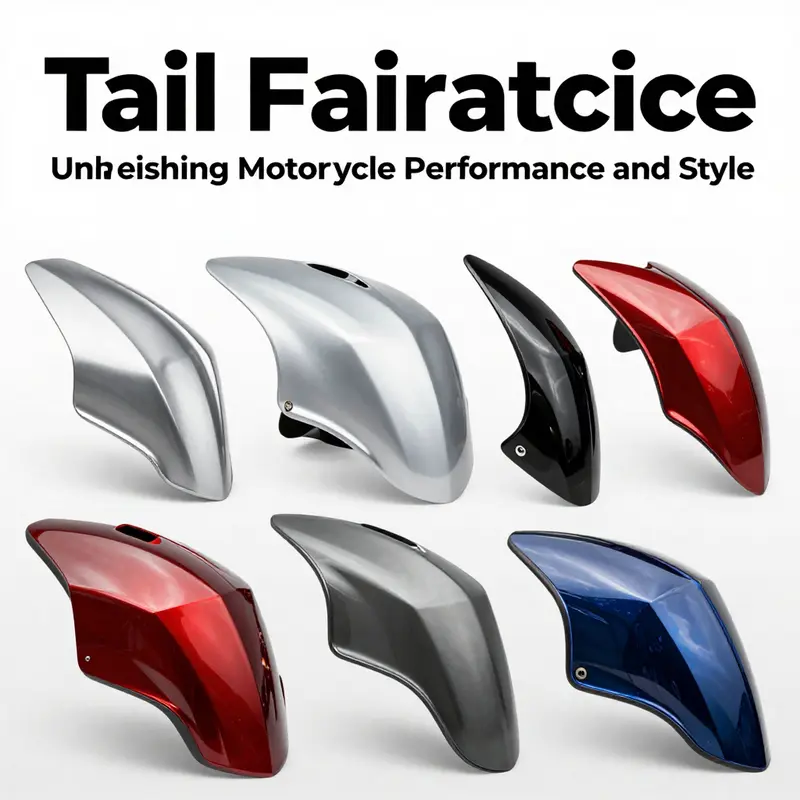 테일 페어링은 오토바이 뒷부분을 덮는 단순한 커버 이상입니다. 이는 시각적인 선언이자, 기계의 실루엣을 완성하고, 라이더와 차체 주변 공기 흐름에 기여하는 기능적인 파트입니다. 오토바이 아우토에서 테일 부품은 디자인 언어, 엔지니어링 의도, 라이더 정체성이 융합되는 곳입니다. 잘 제작된 테일 페어링은 차량의 라인 워크를 연장하는 것으로 보이며, 꼬리등에서 꼬리 캐비닛에 이르기까지 차량의 성격을 반영합니다. 이는 형식과 성능을 결합한 정밀도로 이루어집니다. 결과적으로, 이는 단순한 시각적 요소가 아니라 느껴지는 경험입니다. 표면에 빛이 닿는 방식, 곡선이 움직임에서 드러나는 방식, 그리고 공기가 첨예하게 조각된 가장자리에 닿는 느낌이 모두 포함됩니다. 이 장에서는 테일 페어링의 미학을 탐험하고, 원료, 마감 처리 및 맞춤 옵션이 라이더의 개인적 서사로 어떻게 전환되는지를 살펴보며, 눈에 띄는 표면 아래에 숨겨진 미세한 공기역학 논리를 잊지 않도록 합니다.
재료 선택은 테일 페어링 미학의 첫 번째 언어입니다. 탄소 섬유는 경량성과 강성을 동시에 갖춘 라이더들이 선호하는 재료로, 구조와 강성을 결합하고 있습니다. 그 특징적인 짜임새와 자연스러운 광택은 거리나 트랙에서 차량의 존재감을 높일 수 있습니다. 하지만 탄소 섬유가 유일한 스타일의 길은 아닙니다. ABS와 같은 고강도 플라스틱은 충격 저항력, 제조 유연성, 다양한 색상과 질감으로 맞춤형 광택을 제공하여 인기를 끌고 있습니다. 잘 마감된 ABS 테일의 감촉은 색상만큼이나 중요합니다. 라이더가 장갑을 낀 손가락으로 페어링의 모서리를 스치는 순간, 제품이 신중하게 설계되었음을 알리는 만족스러운 소리가 나면, 이는 제품의 품질을 나타냅니다. 다른 제조 경로도 최종 미학에 영향을 줍니다. 예를 들어, 탄소 섬유 부품의 자동 압력 치료는 더 매끄럽고 균일한 표면을 제공하며, 섬유 또는 복합재 혼합물의 열 압착 방법은 날카로운 선과 정밀한 공학적 마감을 제공할 수 있습니다. 재료와 공정의 선택 자체가 디자인 결정이 되며, 이는 테일 페어링이 어떻게 보이는 것뿐만 아니라, 어떻게 노화되며, 어떻게 바람, 열, 도로 먼지가 쌓일 때 어떻게 견디는지, 그리고 손으로 만질 때 어떤 느낌을 주는지를 결정합니다.
재료를 넘어서, 테일 페어링의 형상은 자신만의 이야기를 쓰고 있습니다. 디자이너들은 뒷모서리에서 꼬리 끝까지 한 줄의 불연속적인 경로를 따라 가는 공기역학적 프로필을 만들려고 노력합니다. 매끄럽고 지속적인 곡률은 스포츠 바이크의 날렵한 비율을 강조할 수 있고, 더 각진 쉘은 레이스 스타일의 공격성을 강화할 수 있습니다. 이 프로필은 차량의 원래 구조에 영향을 받지만, 숙련된 맞춤화를 통해 이 구조를 새로운 방향으로 확장할 수 있습니다. 일부 라이더는 차량의 기본 언어를 반영하는 미니멀리스트, 좁은 형태를 선호하지만, 다른 이들은 스포츠 계열을 강조하고 실루엣에 더 날카롭고 확신 있는 절개를 추가하는 더 드라마틱하고 조각된 뒷부분을 선택합니다. 목표는 일관된 통합을 이루는 것입니다. 페어링이 단순히 빌린 추가 부품이 아니라 오토바이의 해부학의 자연스러운 연장이 되어야 합니다. 이 시각적 일관성은 테일 페어링이 기계에 속해 있다는 것이 아니라, 후에 부착된 것처럼 보이지 않게 만드는 것입니다.
색상, 코팅, 표면 질감은 개성의 가장 즉각적인 요소입니다. 색상이 일치하는 테일은 전체 차량을 하나의 톤으로 묶어, 팩토리 룩을 존중하면서도 세련된 독특함을 제공합니다. 매트 마감은 테두리를 부드럽게 하고 현대적이며 간결한 분위기를 전달하는 반면, 광택 코팅은 대비와 깊이를 강조하여 쇼룸 조명이나 거리의 어둠에서 윤곽이 두드러집니다. 사틴 마감은 균형을 취하며, 표면의 미묘한 빛의 흐름을 유지하면서 내구성을 강화합니다. 표면 질감은 단순한 장식이 아니라 크기와 비율에 대한 인식을 영향을 줄 수 있습니다. 사틴 또는 광택 표면은 긴, 연속적인 라인을 강조할 수 있지만, 표면 처리된 마감은 더 견고하고 레이스 준비 상태처럼 느껴지는 텍스처를 추가할 수 있습니다. 미세한 디자인 또는 피부처럼 보이는 그래픽은 또한 삽입될 수 있으며, 차량의 전체 구조에 영향을 주지 않고 개성을 제공합니다. 이러한 요소들은 종종 개인적 표현을 위해 추구되지만, 실용적인 의미도 있습니다: 특정 코팅은 도로 먼지를 효과적으로 저항할 수 있고, 색상 선택은 더운 기후에서 열 흡수를 영향을 줄여 장거리 여행 중 작은 그러나 의미 있는 편안함을 제공할 수 있습니다.
재질 선택은 테일 페어링 미학의 첫 번째 언어입니다. 탄소 섬유는 그 고유한 짜임과 가벼운 무게로, 강성과 조각 같은 디자인을 원하는 라이더들에게 선호되는 재료가 되었습니다. 자연스러운 광택과 질감은 가까이 관찰하려는 유혹을 불러일으키며, 빛을 잡는 방식은 거리나 트랙에서 자동차의 존재감을 높일 수 있습니다. 하지만 탄소 섬유가 스타일을 위한 유일한 길은 아닙니다. ABS와 같은 고강도 플라스틱은 충격 저항력, 제조 유연성, 그리고 다양한 색상과 질감에 맞춰 조정할 수 있는 광택 또는 매트 표면으로 인해 여전히 인기를 끌고 있습니다. 잘 마무리된 ABS 테일의 감촉은 색상만큼 중요합니다. 손가락으로 테일 가장자리를 따라 움직일 때 만족스러운 소리가 나는 것은 제품이 신중하게 설계되었음을 나타냅니다. 다른 제조 경로도 최종 미학에 영향을 줍니다. 예를 들어, 탄소 부품의 자동 고압 처리는 더 매끄럽고 균일한 표면을 제공하며, 에폭시가 많은 결함이 적습니다. 그러나 섬유유리나 복합재 혼합물에 대한 고온 압출 방법은 날카로운 선과 정밀한 공예로 보이는 감각을 제공할 수 있습니다. 재질과 공정의 선택 자체가 디자인 결정이 되며, 테일 페어링이 어떻게 보이는지뿐만 아니라 어떻게 노화되고, 손으로 느껴지는지, 바람, 열, 도로 먼지가 축적될 때 얼마나 견디는지를 형성합니다.
재질 이외에도 테일 페어링의 형태는 자신만의 이야기를 전합니다. 디자이너들은 시트 뒷쪽 가장자리에서부터 테일 끝까지 단일하고 중단되지 않은 경로를 따라 눈을 유도하는 공기역학적 프로필을 만들려고 노력합니다. 매끄럽고 연속적인 곡선은 스포츠바이크의 날렵한 비율을 강조할 수 있고, 더 각진 쉘은 레이스 스타일의 공격성을 강화할 수 있습니다. 프로필은 차량의 원래 구조에 영향을 받지만, 숙련된 커스터마이징을 통해 테일 페어링이 이 구조를 새로운 방향으로 확장할 수 있습니다. 일부 라이더는 차량의 기본 언어를 따르는 최소한의 형태를 선호하는 반면, 다른 이들은 스포츠 계보를 강조하고 실루엣을 더 날카롭고 확신 있게 만드는 더 드라마틱하고 조각 같은 후면을 선택합니다. 목표는 통합을 달성하는 것입니다. 페어링이 빌린 추가 요소가 아닌 오토바이의 해부학의 자연스러운 확장처럼 보이도록 하는 것입니다. 이 시각적 통합이 테일 페어링이 기계에 속해 있다는 느낌을 주고, 이후에 설치된 것처럼 보이지 않도록 합니다.
색상, 코팅, 표면 질감은 성격의 가장 직접적인 요소입니다. 색상이 일치하는 테일은 전체 자동차를 하나의 톤으로 묶어주며, 공장 스타일을 존중하면서도 세련된 독특함을 제공하는 조용하고 우아한 업데이트를 제공합니다. 매트 마감은 모서리를 완화시키고 현대적이며 간결한 분위기를 전달하는 반면, 광택 코팅은 대비와 깊이를 강화하여 전시실 조명이나 거리의 해질녘에 윤곽이 두드러집니다. 실버 마감은 균형을 이루며, 표면의 가벼운 빛의 변화를 유지하면서 내구성을 향합니다. 표면 질감은 단순한 장식이 아니며, 크기와 비율의 인식에 영향을 줄 수 있습니다. 실버나 광택 표면은 긴 연속적인 라인을 강조할 수 있지만, 질감 있는 마감은 더 견고하고 레이스 준비 상태처럼 느껴지는 텍스처를 추가합니다. 미묘한 디자인 또는 피부처럼 보이는 그래픽도 통합될 수 있으며, 자동차의 전체 구조를 지나치게 넘어서지 않고 개성을 제공합니다. 이러한 요소들이 종종 개인적 표현을 위해 추구되지만, 실용적인 의미도 있습니다: 특정 코팅은 도로 먼지에 더 잘 견디며, 색상 선택은 뜨거운 기후에서 열 흡수를 영향을 줄여 장거리 여행 중 작은 그러나 의미 있는 편안함을 제공할 수 있습니다.
통합된 조명은 미학과 실용성의 매력적인 교차점으로 등장했습니다. 테일 페어링에 삽입된 LED는 현대적이고 고가시성의 매력을 나타내며, 밤에 주행할 때 테일의 라인을 강조할 수 있습니다. 조명 세부사항—모서리에 있는 깨끗한 스트립이나 페어링 내부 기하학을 조명하는 작고 집중된 클러스터—는 오토바이의 조명 언어와 일치하도록 맞춤 설정할 수 있습니다. 결과적으로, 오토바이의 정체성을 충실하게 유지하면서도 라이더의 가시성을 향상시키는 더 일관된 야간 존재감을 얻게 됩니다. 조명이 테일 디자인에 통합될 때, 전기 배선과 열 관리가 디자인 고려사항으로 다뤄져야 하며, 후속 조치가 아닌 것이어야 합니다. 잘 통합된 조명 솔루션은 조각난 개선이 아닌 의도적인 공학으로 읽히며, 완성도와 공예의 감각을 기여합니다.
미학에 대한 대화는 공기 흐름과 안정성에 대해 말할 때 성능과 만나게 됩니다. 테일 페어링의 형태는 라이더 뒤에 형성되는 공기 흐름을 영향을 줍니다. 깨끗하고 잘 형성된 뒷부분은 난류를 줄여, 더 부드러운 조작과 고속 주행 시 진동을 줄이는 데 기여합니다. 레이싱 스타일의 테일의 시각적 드라마은 종종 그 공기역학적 의도를 반영합니다. 주행 중에 빠르게 보이는 스테이크드, 조각된 뒷부분은 더 깊은 공기역학적 철학이 작동하고 있음을 시사할 수 있습니다. 그러나 실제 이점은 세부사항입니다. 대부분의 라이더에게 테일 페어링의 최고 속도 상승은 작지만, 공기 흐름의 세부 개선은 코너 탈출 시 더 안정적인 안정성, 라이더에게 가해지는 더 부드러운 바람 압력, 바람이 불 때 더 예측 가능한 행동으로 이어질 수 있습니다. 미학과 공기역학은 그러므로 합쳐집니다. 테일 페어링은 라이더가 조작에 대한 자신감을 시각적 신호로 받아들이고, 조작에 실질적인 동반자가 됩니다.
실제로 테일 페어링을 선택하는 것은 미적 요소, 호환성, 보호 사이의 균형 잡힌 선택입니다. 어떤 라이더에게나 테일은 기계의 프레임 라인과 맞아야 하며, 마운팅 포인트와 일치하고, 시트 및 배기와 같은 다른 구성 요소를 피해야 합니다. 많은 후-market 옵션에 포함된 사전 드릴 홀과 표준화된 마운팅 인터페이스는 단순한 편의가 아니라, 자동차의 정체성을 유지하고 예측 가능한, 반복 가능한 설치를 유지하는 디자인 특징입니다. 테일 페어링이 정확한 공차로 설계되면 설치 과정은 추측 게임이 아닌 자신감 있는 과정이 되며, 소음이나 불일치의 가능성은 크게 줄어듭니다. 모델 연도와 변형에 걸쳐 호환성은 실용적인 고려사항이기도 합니다. 최상의 디자인은 현대 오토바이의 변화하는 지오메트리를 예측하여, 라이더의 품질 감각과 자동차의 공기역학적 의도를 존중하는 조밀한 맞춤형을 제공합니다.
미학은 단독적인 추구가 아닙니다. 그것은 더 넓은 커스터마이징 생태계에서 살아납니다. 자신의 기계와 깊은 유대감을 원하는 라이더들에게 테일 페어링은 맞춤형 정체성으로 가는 문을 여는 것입니다. 커스터마이징 여정은 일반적으로 명확한 디자인 의도에서 시작됩니다—경기 스타일의 공격적인 자세를 원하거나, 세련되고 전통적인 실루엣을 원하는지에 따라 달라집니다. 그 다음 실용적인 측면이 따릅니다: 무게, 강성, 마무리가 적절한 재료를 선택하고, 자동차 전체와 조화되거나 의도적으로 대비되는 색상을 선택하며, 그래픽 요소나 미묘한 단색 계열을 포함할지 결정하는 것입니다. 색상과 질감의 통합은 탱크, 페어링, 바퀴, 심지어 시트 스티칭까지 자동차의 전체 팔레트를 고려해야 하며, 이는 분리된 부품의 집합이 아니라 의도적인 통합된 모습을 만드는 것입니다.
커스터마이징 생태계는 원료와 색상 이외에도 확장됩니다. 고급, 목적에 맞는 테일 페어링은 엔지니어링된 카본 파이버 구조, 정확히 맞춰진 패널, OEM처럼 느껴지는 수준의 설치를 자주 포함합니다. 이러한 프리미엄 제품은 자동차 산업의 표준과 일치하는 고급 제조 기술과 품질 관리를 포함할 수 있으며, 성능과 미학 모두에 대한 진지함을 나타냅니다. 라이더들이 최상의 통합을 원한다면, 테일의 내부 지오메트리의 미세한 디테일까지 고려할 수 있습니다. 이는 라이더의 시선과 테일의 실루엣 사이의 매끄러운 전환을 보장합니다. 커스터마이징은 실용적인 기능에도 영향을 줄 수 있습니다: 자동차의 신호 시스템과 일치하는 통합 LED 조명, 또는 여러 패널에 걸쳐 일관된 색상 포화도를 유지하기 위한 사전 마스킹 마무리. 각 옵션은 개성을 추가하여 기능적인 구성 요소를 자기 표현의 캔버스로 바꾸면서 자동차의 역사와 디자인 언어에 충실하게 유지합니다.
테일 페어링을 선택하고 구현하는 과정은 동시에 개인적이며 기술적인 것입니다. 일부 라이더에게는 경로는 다양한 형태와 질감의 범위를 넓게 살펴보는 것으로 시작되며, 이러한 형태가 자동차의 기존 라인과 어떻게 상호작용할지를 상상합니다. 다른 이들은 더 프로그래밍적인 방식으로 접근합니다: 마운팅 포인트를 측정하고, 하드웨어 호환성을 확인하며, 마무리가 자외선과 도로 노출에 저항하는지 평가합니다. 모든 경우에, 미학과 공학 사이의 관계는 중심에 있습니다. 보기 좋지만 시트 제거나 서비스 접근을 방해하는 테일은 빠르게 매력을 잃습니다; 완벽하게 맞고 라인과 보호 기능을 제공하는 테일은 지속적인 추가가 됩니다. 커스터마이징 체인의 인터뷰어와 수입자는 또한 장기적인 유지보수 영향을 고려할 수 있습니다: 카본 파이버 테일은 마이크로 스크래치를 피하기 위해 주의 깊은 청소가 필요하며, ABS 기반 테일은 광택을 보존하거나 일관된 매트한 표면을 유지하기 위해 정기적인 재도장이 필요할 수 있습니다.
개인화에 대한 문화적 유혹은 외모를 통해 주행 철학을 표현하려는 욕망에 의해 부분적으로 이끌립니다. 트랙 준비 상태를 나타내려는 라이더는 기술적 능력과 속도를 강조하는 날카로운 라인과 노출된 표면을 선호할 수 있습니다. 또 다른 라이더는 더 세련되고, 거의 밀레지의 분위기를 원한다면, 조용한 색상과 매끄러운 표면을 가진 테일을 선택할 수 있습니다. 이 두 경우 모두, 테일 페어링은 초점이 되는 요소가 됩니다. 자동차가 정지했을 때 관찰자가 처음으로 알아보는 것이며, 움직일 때 마지막으로 알아보는 요소입니다. 이는 기능과 무관한 거울이 아닙니다. 이는 미학과 성능이 함께 발전하는 종합적인 접근법이며, 테일 페어링이 모든 여행과 시선에서 자동차의 이야기에 기여하도록 보장합니다.
이 접근 방식과 일치하는 정성화된 선택지를 알아보기 위해, 다양한 프레임과 마감 처리가 장착된 하만 페어링 컬렉션을 탐색해 보는 것이 좋습니다. 이 컬렉션은 다양한 차량 프레임과 조화를 이루도록 설계되었으며, 개인적인 표현을 유도합니다. 이 접근 방식은 현대 오토바이의 더 넓은 트렌드를 반영합니다: 테일 페어링이 전통을 존중하고 현대적인 재료를 수용하며, 맞춤형 디자인을 통해 독특한 주행 정체성을 얻는 고급 설계 도구로 작용한다는 점입니다. 따라서 테일 페어링에 대한 대화는 단순한 표면 장식을 넘어서며, 정밀도, 미학 및 실용적인 성능을 동등하게 가치 있게 여기는 문화에 참여하라는 초대가 됩니다. 여행의 구체적인 시작점이 필요한 독자들에게는, 잘 선택된 테일 페어링이 라이더의 미적 목표와 어떻게 일치할 수 있는지, 그리고 차량이 정지 상태에서 또는 속도를 내며 지나갈 때, 마감 처리, 질감 및 조명이 어떻게 명확하고 표현력 있는 실루엣으로 융합할 수 있는지 살펴보는 것이 가치 있습니다. 적절한 조합을 통해 테일은 단순한 껍질이 아니라 서명이 되며, 움직이는 아름다움이 형상, 질감, 색상 및 조명의 철저한 조율에서 비롯된 라이더의 인식을 나타내는 표시가 됩니다.
추가 읽기 및 시각 자료를 위한 외부 리소스는 여기에 있습니다: https://www.amazon.com/Tail-Rear-Cover-Fairing-CBR1000RR-R/dp/B08N5XQJ9Y
경계를 달리다: 테일 페어링 뒤에 있는 경제, 재료 및 시장 동향
 테일 페어링은 종종 오토바이 실루엣의 마무리 요소로 간주되며, 거울처럼 보일 수 있는 가상과 성능이 결합된 세부 사항입니다. 그러나 그 매끄러운 곡선 뒤에는 비용, 재료, 공정 및 소비자 기대가 같은 속도로 움직이는 복잡한 상호작용이 존재합니다.