














Introduction
Classic motorcycle fairings combine vintage charm with aerodynamic functionality, making them indispensable for businesses serving restoration experts and custom builders. These fairings not only protect riders from wind and debris but also refine a motorcycle’s look and performance. Understanding their types, materials, fitment essentials, and brand options allows business owners to better cater to market demands and improve customer satisfaction. Each chapter provides insights into styles, manufacturing methods, customization options, trusted suppliers, practical benefits, and critical selection factors — forming a comprehensive guide to successfully navigating the classic fairings sector.
Tables of Contents
Chapter 1: Types and Styles of Classic Motorcycle Fairings
- Innovative Design and Material Advances Shaping Classic Motorcycle Fairings
- How Classic Fairing Styles Shape the Motorcycle Industry’s Economic Landscape
- How Global History and Culture Shaped Classic Motorcycle Fairings’ Styles
- Cultural Echoes and Identity through Classic Motorcycle Fairings
Chapter 2: Materials and Construction Techniques Defining Classic Motorcycle Fairings
- Exploring Material Choices and Their Role in Classic Motorcycle Fairing Durability and Design
- Balancing Aerodynamics and Craftsmanship: Materials and Design in Classic Motorcycle Fairings
- From Fiberglass to Modern Composites: The Evolution of Classic Motorcycle Fairing Materials and Craftsmanship
- Balancing Customization, Durability, and Comfort in Classic Motorcycle Fairing Design
Chapter 3: Customization and Fit of Classic Motorcycle Fairings
- Advanced Technologies Shaping the Precision and Personalization of Classic Motorcycle Fairings
- Economic Dynamics Shaping the Customization and Fit of Classic Motorcycle Fairings
- Global Influences Shaping the Customization and Fit of Classic Motorcycle Fairings
- Cultural Shifts and Societal Trends Fueling the Evolution of Classic Fairing Customization
Chapter 4: Brands and Sources for Classic Motorcycle Fairings
- Modern Materials and Precision Manufacturing Shaping Classic Motorcycle Fairings
- Navigating Market Dynamics and Economic Realities of Classic Motorcycle Fairings
- How Global Origins Shape the Legacy and Quality of Classic Motorcycle Fairings
- Cultivating Enthusiast Communities and Cultural Legacy through Classic Motorcycle Fairing Brands
Chapter 5: Purpose and Benefits of Classic Motorcycle Fairings
- Streamlining the Ride: Aerodynamic Benefits of Classic Motorcycle Fairings
- Enhancing Rider Comfort through Wind Protection in Classic Motorcycle Fairings
- Beyond Style: How Classic Motorcycle Fairings Offer Essential Crash Protection and Stability
- How Styling and Customization Elevate the Function and Appeal of Classic Motorcycle Fairings
Chapter 6: Selection Considerations for Classic Motorcycle Fairings
- Material Strength and Longevity: Ensuring Durable Classic Motorcycle Fairings
- Ensuring Perfect Fit: Navigating Compatibility and Installation Challenges of Classic Motorcycle Fairings
- Balancing Vintage Appeal and Modern Craftsmanship: Style Authenticity in Classic Motorcycle Fairings
- Key Functional Elements and Installation Essentials for Classic Motorcycle Fairings
Chapter 1: Types and Styles of Classic Motorcycle Fairings
1. Innovative Design and Material Advances Shaping Classic Motorcycle Fairings
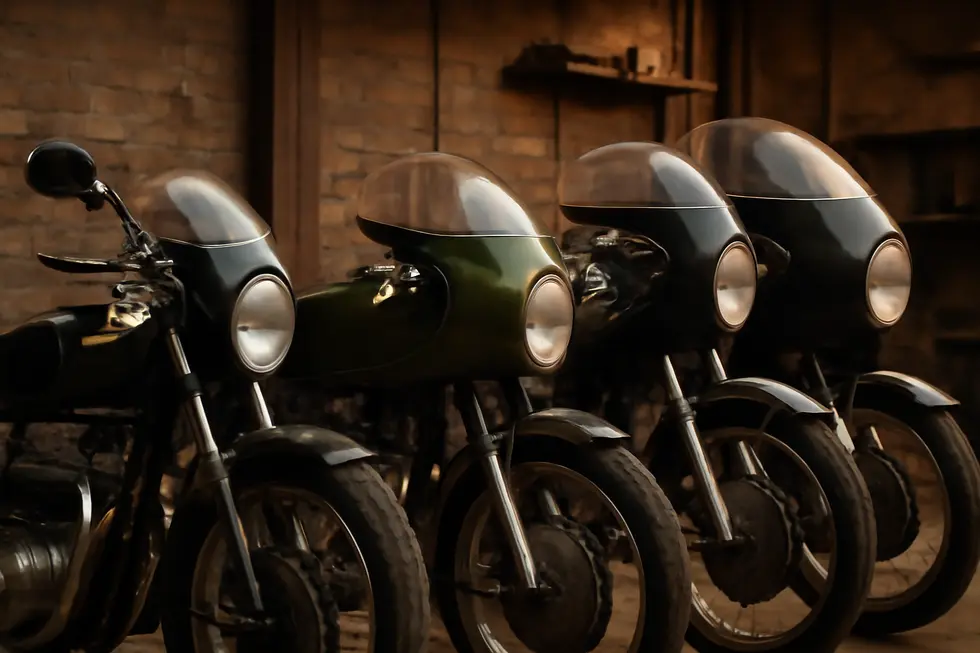
Classic motorcycle fairings are crafted with a balance of vintage aesthetics and modern technology, enhancing both form and function. Bikini fairings feature compact, aerodynamic shapes that reduce wind fatigue while maintaining a streamlined look. These often use high-gloss, impact-resistant plastics with UV protection that preserve appearance over time. Café racer fairings embrace lightweight metal construction, typically aluminum, melding retro styling with durable craftsmanship. Their designs include integrated windshields with tinted plexiglass mounted securely on stainless steel frames, requiring specialized mounting systems such as clip-on handlebars for proper fitment. Full fairings offer comprehensive coverage, maximizing aerodynamics and rider shielding through smoothly contoured shapes and customizable windshield heights. These are precision-molded from robust plastics with multi-layered finishes that resist wear and facilitate personalization. Across all styles, mounting technology is essential—model-specific kits ensure stability and correct positioning, sometimes demanding frame or fork modifications for perfect alignment. This blend of material innovation, aerodynamic refinement, and tailored mounting delivers an enhanced riding experience while preserving classic motorcycle charm. For a deeper look at iconic fairing designs and technologies, explore Memphis Shades Bullet Fairing.
2. How Classic Fairing Styles Shape the Motorcycle Industry’s Economic Landscape
The economic influence of classic motorcycle fairing styles extends far beyond aesthetics, playing a critical role in shaping industry dynamics. Distinct styles—from full touring fairings to minimalist café racer designs—target specific rider groups, driving market segmentation and encouraging manufacturers to diversify their offerings. This segmentation supports varied pricing strategies and sales volumes tailored to different preferences.
Material choices such as fiberglass, ABS plastic, and carbon fiber also impact manufacturing costs, with retro designs often requiring specialized craftsmanship that justifies premium pricing. Moreover, iconic fairing designs contribute to brand identity, helping manufacturers differentiate themselves and capture loyal customer bases. Trade policies, including tariffs on metals used in fairing components, further affect supply chains and final product costs.
Cultural forces like custom bike shows keep classic fairing styles in the spotlight, nurturing an aftermarket ecosystem that fuels economic vitality. Altogether, these interwoven factors illustrate how classic fairing types and styles powerfully influence consumer demand, manufacturing, and competitive positioning within the motorcycle industry.
For those exploring fairing options, sources like Summit Fairings provide a valuable look into diverse styles and their market impact.
External reference: Harley-Davidson’s market strategy and styling importance (including fairings).
3. How Global History and Culture Shaped Classic Motorcycle Fairings’ Styles
The evolution of classic motorcycle fairings is deeply intertwined with geopolitical forces, reflecting how global history and culture influenced their design and function. During World War II, motorcycles engineered for military use prioritized ruggedness and utility, resulting in fairings that emphasized protection and practicality over aesthetics. Post-war economic recovery in countries like Japan and Italy sparked distinct stylistic directions—Japanese manufacturers merged innovative engineering with aerodynamic shapes to showcase technical progress, while Italian fairings drew heavily from a rich racing heritage, favoring sleek, elegant lines. Regional preferences and regulations further sculpted fairing designs; for instance, Asia Pacific markets responded to urban demands and safety rules by adapting fairings to new technologies and standards. Cultural attitudes also played a role: some Western designs highlight durability and freedom symbolism, contrasting with Asian influences focused on precision and innovation. This blend of wartime necessity, economic shifts, regulatory influence, and cultural identity underpins the diverse classic fairing styles seen today, uniting functionality with expressive artistry. For a closer look at these dynamics, explore an insightful source on motorcycle fairing varieties.
4. Cultural Echoes and Identity through Classic Motorcycle Fairings
Classic motorcycle fairings carry far more than aerodynamic functionality—they are potent symbols of cultural identity and historical eras. Styles like café racer, bobber, and scrambler fairings evoke post-war rebellion, minimalism, and craftsmanship, connecting riders to a rich heritage of motorcycling. These fairings reflect rider values such as freedom, individuality, and solidarity within tight-knit communities. The choice of fairing style expresses personal narratives, turning motorcycles into mobile canvases of self-expression and artistic customization. Iconic brands and their distinct fairing designs serve as cultural touchstones, bridging generations and fostering pride in craftsmanship and legacy. Far beyond mere protection or aesthetics, classic fairings embody stories of eras and subcultures, shaping rider identity and celebrating mechanical artistry. Enthusiasts continue these traditions through restoration and upgrades that honor vintage spirit while adapting to modern tastes. This blend of heritage and personal style nurtures community bonds among riders who celebrate the timeless allure of classic motorcycles. For more insight on classic motorcycle culture and styles, see the detailed discussion on café racers and retro motorcycles and the innovative neo-retro renaissance reported by Living With Gravity.
Chapter 2: Materials and Construction Techniques Defining Classic Motorcycle Fairings
1. Exploring Material Choices and Their Role in Classic Motorcycle Fairing Durability and Design
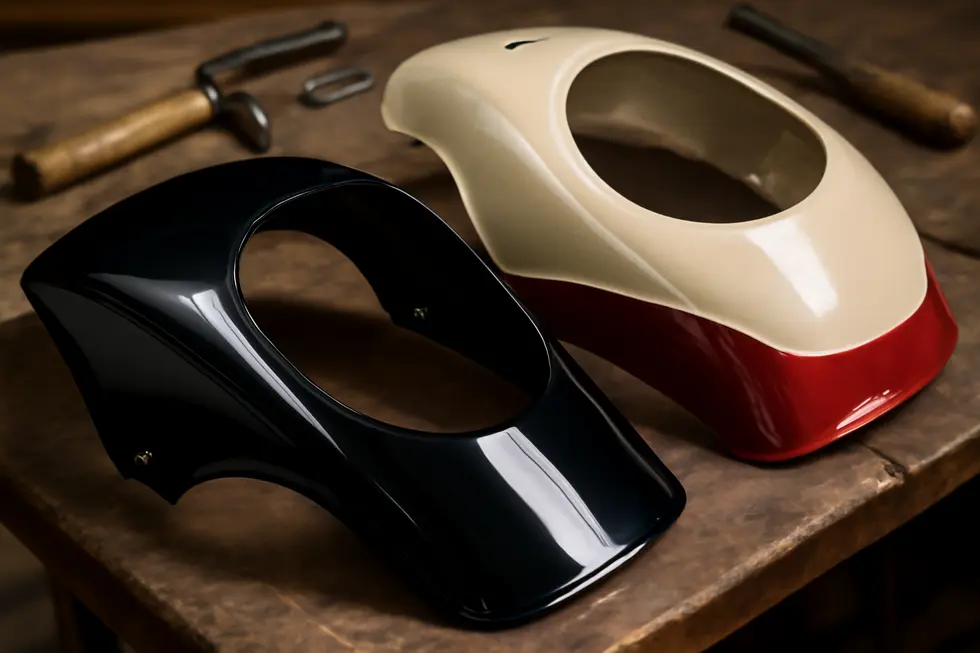
Classic motorcycle fairings rely predominantly on materials like high-impact ABS plastic and fiberglass to balance durability, weight, and aesthetic appeal. ABS plastic is valued for its toughness, impact resistance, and weather durability, making it a common choice in manufacturing fairings that endure both environmental stress and road debris. Fiberglass complements this by offering a rigid, lightweight shell that can be easily molded into complex shapes and repaired if damaged, aligning well with the vintage styling of classic motorcycles. Occasionally, metal alloys such as aluminum or steel are utilized for structural supports or mounting brackets, though the primary fairing shells remain composite or plastic-based to maintain a lower overall weight. Construction methods vary from precise injection molding of ABS to hand-laid fiberglass techniques, producing smooth finishes that accommodate custom paintwork vital to classic bike aesthetics. These materials and processes collectively ensure fairings not only enhance rider protection and aerodynamics but also preserve the timeless look that defines classic motorcycle customization. For an in-depth look at suppliers and fairing options, see our Ultimate Source for Affordable Motorcycle Fairings. Further technical reference can be found hier.
2. Balancing Aerodynamics and Craftsmanship: Materials and Design in Classic Motorcycle Fairings
Classic motorcycle fairings embody a harmonious blend of design ingenuity and material science to achieve both visual charm and aerodynamic function. Typically crafted from durable ABS plastic or hand-laid fiberglass, these fairings employ precision molding or layering techniques to replicate vintage shapes while ensuring structural strength. The fairing’s contour, featuring smooth lines and rounded edges, is meticulously designed to reduce wind resistance and direct airflow efficiently around the motorcycle and rider, minimizing drag and fatigue. Integrated windscreens further enhance rider comfort by deflecting turbulent air. Whether adopting full, half, or quarter fairing styles, the objective remains clear: to preserve the iconic classic look while improving handling and protection. Custom mounting hardware complements these materials, providing stability and reducing vibration during rides. Some modern reproductions enhance classic aesthetics with lightweight finishes that improve durability without sacrificing authenticity. This intersection of aerodynamic principles and quality craftsmanship underpins the enduring appeal and performance benefits of classic motorcycle fairings. For deeper insights on fairing choices and craftsmanship, explore detailed resources at Summit Fairings.
3. From Fiberglass to Modern Composites: The Evolution of Classic Motorcycle Fairing Materials and Craftsmanship
Classic motorcycle fairings have undergone a remarkable transformation in materials and construction methods over the years. Historically, fiberglass reigned as the material of choice due to its lightweight nature, moldability, and affordability. This allowed riders and customizers to craft aerodynamically shaped panels that balanced strength with ease of repair. Fiberglass’s adaptability made it a staple in vintage fairings, complementing the retro aesthetic while providing functional wind protection.
In contrast, modern classic fairings frequently utilize advanced materials like ABS plastic, carbon fiber, and composite blends. ABS plastic stands out for its durability, impact resistance, and precision molding capabilities, resulting in quick OEM-level fitments that enhance aerodynamic performance while facilitating installation. Carbon fiber offers exceptional strength-to-weight ratios and a distinctive visual appeal with its woven finish, appealing to those seeking both performance and style. Contemporary manufacturing also integrates pre-drilled mounting points and detailed finish options, blending reliable construction with refined aesthetics.
This progression from traditional fiberglass to high-tech plastics highlights advances in material science and rider demands, merging classic styling with improved durability and functionality. For insights on today’s material options and their benefits, explore comprehensive guides available on the Summit Fairings blog.
4. Balancing Customization, Durability, and Comfort in Classic Motorcycle Fairing Design
Classic motorcycle fairings are crafted primarily from high-impact ABS plastic, prized for its lightweight yet robust nature. This material offers excellent resistance to weather and road debris, ensuring longevity while preserving handling by avoiding excess weight. Such durability makes these fairings a practical choice, capable of withstanding impacts without compromising structural integrity. Beyond strength, ABS plastic allows extensive customization in form and finish, enabling riders to tailor appearances with finishes like chrome plating, anodizing, or painted surfaces that enhance a vintage look.
Aerodynamic design plays a crucial role in rider comfort, with styles like the batwing offering superior wind deflection that reduces fatigue during longer rides. Adjustable windshields contribute further by allowing personalized wind protection and visibility. Some fairings also integrate features such as acrylic visors—providing additional impact resistance—and speaker cutouts, combining functional rider comfort with modern usability. Often composed of multi-piece constructions, these fairings facilitate installation and offer adaptable fitment options catering to various classic motorcycle models.
By harmonizing durability, customization, and ergonomic considerations, classic fairings embody both aesthetic appeal and rider-focused engineering, elevating the experience of vintage motorcycle restoration and upgrades. For further insights on the manufacturing and fitting of classic fairings, explore detailed material and construction insights available hier.
Chapter 3: Customization and Fit of Classic Motorcycle Fairings
1. Advanced Technologies Shaping the Precision and Personalization of Classic Motorcycle Fairings
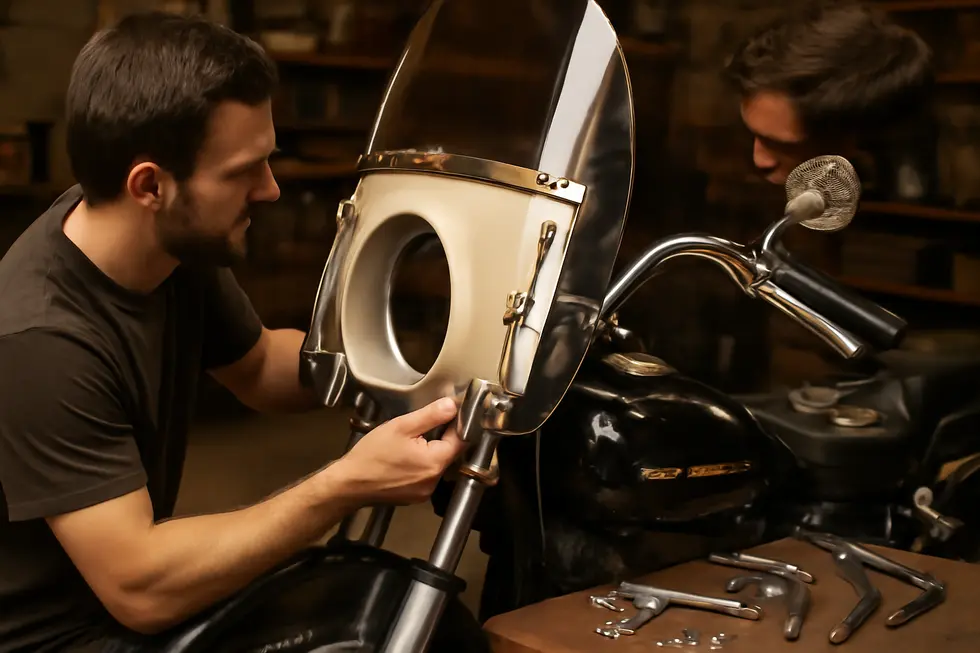
Advanced materials and manufacturing techniques have transformed the customization and fit of classic motorcycle fairings. Modern fairings frequently utilize durable, lightweight ABS plastic and carbon fiber composites, which balance longevity with weight reduction. Precision CNC machining and injection molding allow manufacturers to produce components with tight tolerances, achieving seamless OEM-style fitment that enhances both aesthetics and function. The integration of CAD software enables bespoke designs, letting riders tailor fairings to specific models or personal preferences while maintaining structural integrity. Additionally, pre-drilled mounting points and bolt-on kits streamline installation, minimizing modifications and ensuring secure attachment. Surface finishing technologies—from multi-stage painting to detailed texturing—offer riders a wide palette of visual customization that improves weather resistance without compromising the vintage look. Some designs also incorporate aerodynamic optimization through airflow studies, improving ride stability on classic motorcycles adapted for modern use. Together, these developments merge retro style with precision engineering, letting enthusiasts upgrade their bikes with fairings that are both authentic in appearance and engineered for today’s standards. For more insights into the evolving choices in motorcycle fairings, visit Explore the Best Motorcycle Fairings at Summit Fairings.
External source: https://glcncmachining.com/custom-chinese-scooter-plastic-body-parts/
2. Economic Dynamics Shaping the Customization and Fit of Classic Motorcycle Fairings
The process of customizing and fitting classic motorcycle fairings is deeply influenced by various economic factors that shape both feasibility and quality. Material and skilled labor costs remain primary considerations, as vintage model customization demands precision craftsmanship and premium materials, raising overall expenses. Accessibility and pricing of spare parts further impact customization decisions—regions offering affordable or rentable components enable more extensive modifications. Seasonal shifts also play a role, with warmer climates driving demand for heat-resistant coatings that increase initial costs but improve durability. Additionally, regional economic conditions, including taxation on labor and materials, influence service prices and consumer spending power, thus directing where and how riders choose customization services. Market trends heavily affect costs too; widely supported models enjoy competitive pricing and broader aftermarket options, while rare classic motorcycles often require bespoke fittings at a premium. Understanding these intertwined economic variables helps riders and businesses optimize customization choices, balancing quality fit and style with budget realities. For more insights on classic fairings options and fitment, exploring resources like Discover Affordable Motorcycle Fairings at Summit Fairings can guide smart investments.
3. Global Influences Shaping the Customization and Fit of Classic Motorcycle Fairings
The customization and fit of classic motorcycle fairings extend beyond design preferences to encompass critical geopolitical and market forces. As the neo-retro motorcycle segment grows steadily, riders demand fairings that merge vintage aesthetics with modern technology, accommodating diverse frame architectures worldwide. Manufacturers strategically locate production in regions balancing cost efficiency, technological capability, and favorable trade conditions, such as Southeast Asia. These choices influence pricing, lead times, and the adaptability of fairings for different markets. Concurrently, regional cultural identities and climates inspire distinct customizations—from artistic color schemes to climate-adapted ventilation—delivering products that resonate locally while preserving classic styling. Regulatory standards also necessitate tailored design modifications to meet safety and emissions criteria specific to each market. The expanding aftermarket caters to this by offering modular, premium options enabling personal expression and precise fit. Such global interplay drives innovative design and production, ensuring classic fairings remain both stylish and functional across varied rider needs and environments. To explore a curated range of custom motorcycle fairings that embrace these diverse demands, visit Summit Fairings’ blog.
For detailed strategic market insights, see the “Report on the New Neo-Retro Renaissance.”
4. Cultural Shifts and Societal Trends Fueling the Evolution of Classic Fairing Customization
The customization and fit of classic motorcycle fairings are increasingly influenced by evolving cultural values and societal trends, especially among younger riders like Gen Z. This generation prioritizes personal expression, sustainability, and functional innovation, fostering demand for fairings that blend vintage style with modern performance and eco-conscious materials. Lightweight, durable ABS plastic with precise OEM fitment is favored, enabling seamless upgrades that respect a bike’s heritage while enhancing comfort and aerodynamics. Custom options now range from subtle finishes, such as honeycomb patterns mimicking carbon fiber, to bold geometric vinyl overlays, reflecting diverse rider identities. Adjustable windshields and mounting hardware cater to ergonomic preferences, proving that fit is as much about individual comfort as appearance. This cultural renaissance merges traditional motorcycle passion with contemporary expectations, fueling fairing designs that respond to both heritage and forward-thinking ideals. Motorcycle enthusiasts seeking tailored upgrades can explore comprehensive options to match their vision and needs, embracing this new wave of classic customization. For further insight into this phenomenon, visit the cultural comeback of motorcycling among Gen Z or explore a wide selection of motorcycle fairings.
Chapter 4: Brands and Sources for Classic Motorcycle Fairings
1. Modern Materials and Precision Manufacturing Shaping Classic Motorcycle Fairings
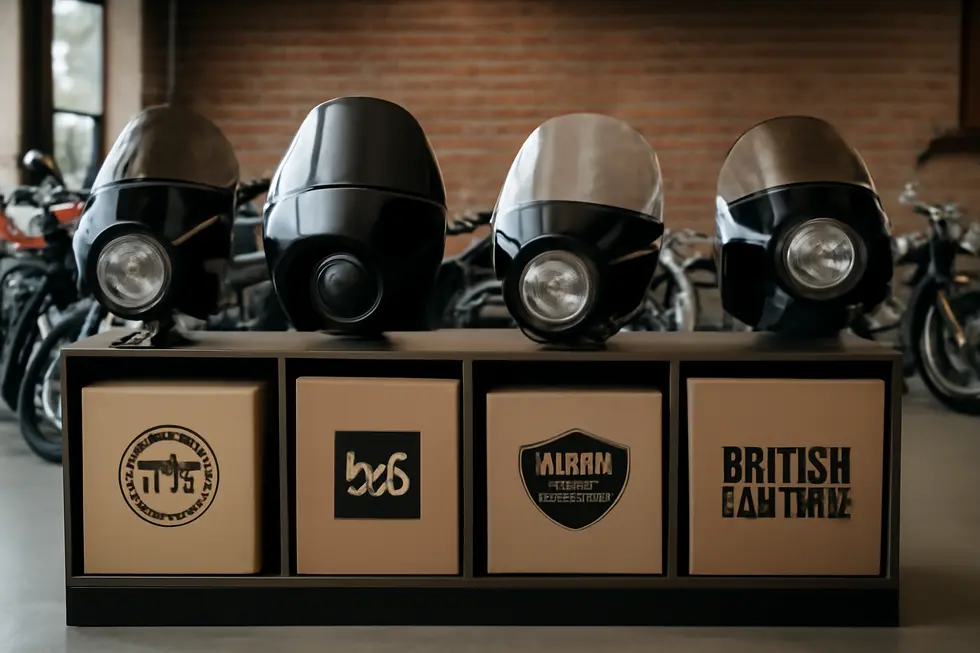
Classic motorcycle fairings balance vintage aesthetics with modern performance through advanced materials and innovative manufacturing processes. High-grade ABS plastic is the material of choice, prized for its strength, lightness, and ability to achieve exact OEM fitment, ensuring durability and a seamless factory-like finish. Beyond plastics, cutting-edge technologies such as CNC machining, 3D printing, and metal additive manufacturing (AM) enable precise replication and customization of complex components, significantly accelerating production while maintaining authentic design details. This blend of craftsmanship and modern technology supports fairings that fit flawlessly and endure harsh riding conditions. Furthermore, these fairings integrate with modern motorcycle technologies—like electronic fuel injection and enhanced braking systems—without compromising the classic look. Leading brands leverage these innovations to offer extensive catalogs with multi-layered paint finishes, pre-drilled kits, and tailored fit for major vintage models, resulting in fairings that protect riders, enhance aerodynamics, and preserve historical integrity. For riders seeking authentic style coupled with longevity, these advances redefine what classic motorcycle fairings can offer. Learn more about quality and variety at Explore the Best Motorcycle Fairings at Summit Fairings.
For additional insights on metal part restoration using additive manufacturing, see Competition Distributing’s approach here: https://www.competitiondistributing.com/
2. Navigating Market Dynamics and Economic Realities of Classic Motorcycle Fairings
Classic motorcycle fairings represent a unique blend of style, utility, and heritage, and their economic landscape reflects this niche appeal. Pricing largely depends on brand reputation and material quality—premium OEM fairings come with a higher price tag due to genuine fitment and authenticity, while aftermarket reproductions offer cost-effective alternatives with varying craftsmanship. Custom-made fairings occupy a distinctive market position, commanding premium prices due to bespoke design and limited production. Availability spans specialized retailers, dealerships, and wholesale international suppliers. Enthusiast-driven demand ensures a stable niche market where quality and brand prestige influence price points and selection. Online platforms and specialty shops serve as vital channels, balancing accessibility with tailored offerings. Wholesale sources provide affordability but often lack precise fitment or finishing. This spectrum of options empowers restorers and collectors to prioritize either authenticity or cost, depending on their project goals. For comprehensive sourcing and accessory options, exploring reputable marketplaces dedicated to motorcycle fairings can streamline decision-making. Explore Summit Fairings, your go-to destination for motorcycle fairings offers insights into this diverse market. For more on market accessibility and pricing, see also industry listings on wholesale platforms like Alibaba, which provide bulk purchasing options but require careful quality evaluation.
3. How Global Origins Shape the Legacy and Quality of Classic Motorcycle Fairings
Geopolitical origins profoundly shape the legacy and quality of classic motorcycle fairings. Japanese manufacturers, dominating global markets since the 1980s, emphasize performance, reliability, and mass appeal. Their fairing designs blend aerodynamic efficiency with practical engineering, reflecting a focus on versatility. In contrast, European brands—rooted in countries like Germany, Italy, and the United Kingdom—offer fairings that highlight craftsmanship, style, and engineering innovation. German durability and Italian racing heritage influence the robust yet stylish bodywork designs, while British brands bring a distinctive vintage charm intertwined with racing pedigree.
Contemporary production often relies on global supply chains, with many fairings molded in high-grade ABS plastic within China’s manufacturing hubs. This blend of traditional brand values and modern cost-effective production ensures classic fairings balance durability, style, and accessibility. This global tapestry of origins influences every aspect—from design nuances to material quality—shaping how enthusiasts restore and customize their vintage motorcycles. For a comprehensive overview of brand history and manufacturing influences, see detailed insights from Kings Motorcycle Fairings.
4. Cultivating Enthusiast Communities and Cultural Legacy through Classic Motorcycle Fairing Brands
Classic motorcycle fairing brands do more than simply supply parts; they nurture vibrant communities rooted in shared heritage and passion. Leading manufacturers associated with iconic marques have cultivated loyal followings by honoring craftsmanship, style, and performance—values at the heart of classic motorcycling culture. These brands foster social connection through sponsored rallies, charitable events, and curated collections that celebrate rider identity and lifestyle.
Specialized suppliers play a crucial role by providing quality, OEM-fit fairings and accessories that enable restoration and customization. Their dedication to authenticity supports enthusiasts in preserving classic aesthetics while integrating modern durability. Through extensive catalogs and tailored fitment guidance, these suppliers empower rid