
















Introduction
Harley Davidson motorcycle fairings serve as pivotal upgrades that harmonize functionality, style, and rider comfort. For business owners in the motorcycle market or aftermarket accessory industry, understanding these components can unlock growth opportunities and customer satisfaction. This article delves into three critical facets: the aerodynamic and design innovations behind Harley fairings that enhance performance and brand appeal; the advanced materials and customization possibilities that meet diverse rider preferences and durability demands; and the accessory options and installation techniques vital for seamless integration and customer convenience. Together, these elements reveal the comprehensive value proposition Harley Davidson fairings bring to your business and clientele.
Tables of Contents
Chapter 1: Aerodynamic and Design Innovations Elevating Harley Davidson Motorcycle Fairings
- Advanced Aerodynamic Refinement in Harley Davidson Fairings: The Role of CFD and Wind Tunnel Integration
- Advancing Rider Comfort through Aerodynamic Refinements and Ergonomic Fairing Designs
- Seamless Customization and Integration: Dealer and Aftermarket Solutions Enhancing Harley Fairing Aerodynamics
- Advanced Materials and Engineering Shaping Lightweight, Durable Harley Davidson Fairings
- Timeless Impact of Sharknose and Batwing Fairings on Harley-Davidson’s Aerodynamic Evolution
Chapter 2: Material Composition and Customization Options for Harley Davidson Motorcycle Fairings
- Revolutionizing Harley Fairings with Carbon Fiber and Composite Technology for Superior Strength and Style
- Crafting Performance and Style: Material Innovations and Aerodynamic Engineering in Harley Davidson Fairings
- Seamless Audio Integration in Custom Harley Davidson Fairings: Performance Meets Precision
- Enhancing Harley Davidson Fairings with Vinyl Decals and Pinstripe Styling: Durable and Removable Visual Customizations
- Precision Engineered ABS Fairings with Tailored Fits and Vibrant Customization for Harley Riders
Chapter 3: Accessory Integration and Installation Techniques for Harley Davidson Motorcycle Fairings
- Mastering Disassembly and Reassembly for Seamless Accessory Integration on Harley Davidson Fairings
- Precision Fitment and Seamless Accessory Integration Using Model-Specific Support Kits for Harley Davidson Fairings
- Seamless Electrical and LED Lighting Integration for Enhanced Safety and Style
- Seamless Compatibility and Installation Strategies for Aftermarket and Custom Harley-Davidson Fairing Accessories
- Mastering Fastening Precision and Torque Control for Seamless Harley Davidson Fairing Installation
Chapter 1: Aerodynamic and Design Innovations Elevating Harley Davidson Motorcycle Fairings
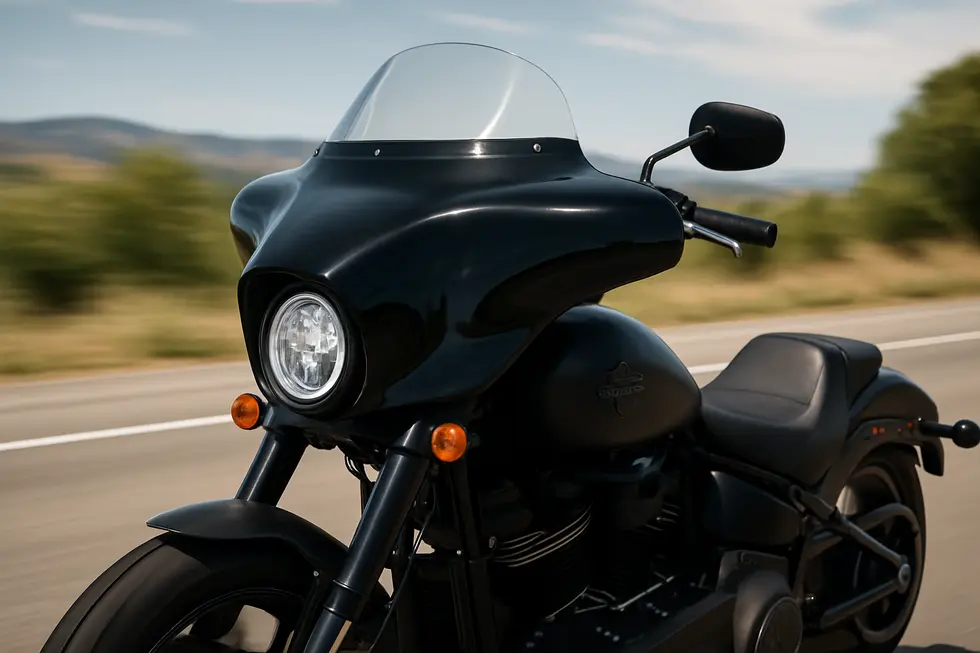
1. Advanced Aerodynamic Refinement in Harley Davidson Fairings: The Role of CFD and Wind Tunnel Integration
Harley-Davidson’s approach to advancing motorcycle fairing design merges traditional craftsmanship with cutting-edge aerodynamic engineering tools. Central to this evolution is the extensive use of Computational Fluid Dynamics (CFD), coupled with rigorous wind tunnel testing to optimize airflow and rider comfort. For models such as the 2025 Road Glide and Street Glide, these methodologies shape fairings that go beyond visual appeal, precisely sculpting surfaces to mitigate drag and reduce head buffeting — a disruptive turbulence impacting rider stability and comfort.
CFD simulation enables engineers to digitally visualize complex airflow patterns over signature features like the Road Glide’s sharknose fairing. This digital foresight guides subtle contour adjustments that maximize aerodynamic efficiency by steering air smoothly around the bike and rider, directly enhancing high-speed stability. Similarly, the Street Glide’s batwing fairing benefits from CFD-driven refinement, where aerodynamic shaping minimizes wind turbulence, thereby reducing fatigue to elevate the touring experience.
Wind tunnel testing complements these digital insights by capturing real-world data under controlled conditions. This confirms that design tweaks translate into measurable gains for handling and thermal regulation, with integrated engine cooling pathways and streamlined shapes contributing to improved comfort and potential fuel economy. Innovations include aerodynamically integrated LED lighting, maintaining sleek, uninterrupted surfaces that do not compromise visibility or style.
Together, these advanced engineering practices reflect Harley-Davidson’s dedication to harmonizing performance and rider experience through fairing design. For riders seeking to understand how aerodynamic innovations enrich their journey, exploring comprehensive resources such as the explore the best motorcycle fairings at Summit Fairings offers valuable insights into the interplay of form and function. More on these engineering techniques can be found through additional wind tunnel research.
2. Advancing Rider Comfort through Aerodynamic Refinements and Ergonomic Fairing Designs
Modern Harley Davidson motorcycle fairings exemplify a refined balance between aerodynamic efficiency and rider-centered comfort. Innovations in 2025 models demonstrate significant progress, focusing on reducing wind buffeting and helmet turbulence, two major factors that contribute to rider fatigue on long journeys. Redesigned fairings employ computational fluid dynamics and wind tunnel testing to optimize airflow, channeling it strategically over and around the rider.
A prime example is the redesigned batwing fairing on touring models, which features a windshield elevated roughly four inches compared to earlier designs. This taller windshield directs air higher and away from the rider’s helmet, decreasing turbulence by an estimated 60%. Adjustable fairing lowers and fork-mounted air deflectors add further adaptability, allowing riders to tailor wind protection to current weather or speed conditions. Complementing these aerodynamic advancements, ergonomic two-up seats position the rider’s hips forward, easing spinal pressure and improving overall stability and comfort.
Similarly, the sharknose fairing integrates adjustable vents and a dual-layer system to deliver both superior weather resistance and customizable airflow. These features collectively enhance comfort by minimizing noise and buffeting without sacrificing the signature Harley-Davidson styling. Aftermarket options expand customization possibilities further; adjustable windshield systems enable fine-tuning of height and tilt, letting riders see over the shield to reduce eye strain during highway speeds.
These design refinements not only optimize airflow but also integrate with heated grips and vibration-damping materials to create a comprehensive comfort package. Such thoughtful advancements redefine rider experience by merging form and function seamlessly. For those interested in exploring a broader selection of tailored fairings and components, resources like Explore the Best Motorcycle Fairings at Summit Fairings offer extensive options to enhance both performance and comfort.
Learn more about these innovations and their impact on ride quality from detailed insights at the official 2025 touring models overview: https://www.queencityharley.com/–everything-you-need-to-know-before-buying-a-new-2025-harley-davidson-street-glide-ultra-near-cincinnati-oh
3. Seamless Customization and Integration: Dealer and Aftermarket Solutions Enhancing Harley Fairing Aerodynamics
Harley-Davidson motorcycle fairings have evolved beyond mere wind deflectors to sophisticated modular systems that balance aerodynamic efficiency with rider personalization. This evolution is fueled by a synergy between dealer packages and aftermarket accessories, which together offer riders a wide palette for customizing fit, style, and function.
Dealer packages stand out for their factory-engineered precision, delivering aerodynamic features tailored to specific Harley models. Examples include carefully sculpted fairings optimized through computational fluid dynamics to reduce wind buffeting, minimizing rider fatigue on extended trips. These packages often incorporate adjustable vents and integrated storage compartments that preserve sleek aerodynamic profiles while enhancing comfort and utility. Color-matched lower fairings and seamless hardware blends maintain the motorcycle’s distinct aesthetic, reinforcing both form and function in one cohesive upgrade.
Conversely, the aftermarket market empowers riders with versatile enhancements that complement or extend factory innovations. Adjustable windshield systems permit fine-tuning of airflow and protection based on personal preference or riding conditions. Lightweight materials such as carbon fiber and high-grade ABS plastic cater to those seeking weight reduction without compromising durability or aerodynamics. Additionally, integrated LED lighting kits designed to fit fairing vents or mirrors boost visibility and safety while preserving the bike’s iconic look. Universal bolt kits and unpainted pre-drilled panels invite hands-on customization, enabling DIY enthusiasts to fashion truly individual installations.
This fusion of dealer precision and aftermarket creativity results in unparalleled integration flexibility. Factory-backed components guarantee perfect fitment and finish, while aftermarket offerings explore new possibilities through adaptable mounting and customizable aesthetics. Together, they empower Harley riders to enhance both performance and personal style in one streamlined package.
For riders interested in exploring the broad spectrum of fairing options that balance innovation and customization, this resource offers unmatched choices in motorcycle fairings to fit diverse needs.
More on these developments can be found in industry discussions on aerodynamic and design upgrades hier.
4. Advanced Materials and Engineering Shaping Lightweight, Durable Harley Davidson Fairings
Harley-Davidson motorcycle fairings embody a careful balance between aerodynamic efficiency and structural durability through the innovative use of materials and engineering techniques. These fairings are crafted using a combination of robust yet lightweight components, ensuring enhanced rider comfort without compromising strength. For instance, frame supports and mounting structures frequently employ mild steel tubular frames welded with precision MIG techniques, paired with forged aluminum fender supports, achieving a sturdy framework that minimizes added weight.
Distinct mounting strategies further influence both handling and wind deflection characteristics. The handlebar-mounted fairings, such as those on certain touring models, move in unison with steering inputs, offering a dynamic response and connected feel. Meanwhile, frame-mounted fairings provide a fixed aerodynamic shield that reduces rider fatigue over long distances by stabilizing airflow and minimizing buffeting.
While Harley-Davidson’s factory fairings do not prominently feature cutting-edge composites like carbon fiber, aftermarket innovations complement these designs with quick-release, impact-resistant components made from resilient polymers such as polycarbonate. These materials deliver lightweight protection and ease of maintenance, catering to riders seeking adaptability alongside durability.
Underlying these material choices are aerodynamic refinements informed by computational fluid dynamics, which sculpt fairings to optimize airflow, reduce drag, and enhance visual flow along classic Harley-Davidson silhouettes. This fusion of engineering and material innovation enriches the riding experience by mitigating wind resistance and improving overall bike stability without sacrificing the iconic style.
For those interested in exploring a comprehensive range of fairings and materials tailored to diverse Harley models, Summit Fairings offers an extensive selection designed to meet these multifaceted demands.
5. Timeless Impact of Sharknose and Batwing Fairings on Harley-Davidson’s Aerodynamic Evolution
Harley-Davidson’s legacy in motorcycle fairing design is strongly marked by two iconic styles that blend aerodynamic efficiency with bold visual identity: the Sharknose and the Batwing fairings. These designs have shaped both the rider experience and the brand’s image by addressing wind resistance and comfort while creating unmistakable profiles.
The Batwing fairing, a signature of Harley’s touring line since the 1960s, exemplifies an aerodynamic breakthrough that continues to evolve. Its broad, wing-like shape expertly channels airflow around the rider, significantly reducing wind buffeting on highways. This design integrates advanced engineering using computational fluid dynamics to optimize air movement, enhancing rider comfort and bike stability. Beyond aerodynamic function, the Batwing’s clean, sculpted lines reinforce Harley-Davidson’s distinctive style, becoming an emblem of its Grand American Touring motorcycles. Modern iterations often include built-in LED lighting that merges visibility and aesthetic appeal, further demonstrating innovation in safety and design.
In contrast, the Sharknose fairing draws its distinction from a sleeker, more pointed silhouette, reflecting a different era’s focus on aggressive styling combined with aerodynamic principles. Although less prevalent today, its sharp contours offered early advancements in deflecting wind and debris, influencing subsequent fairing developments.
Both fairings highlight Harley-Davidson’s commitment to balancing form and function. While the Batwing reigns as a contemporary staple in maximizing touring comfort and style, the Sharknose design serves as a historical milestone that paved the way for today’s aerodynamic advancements.
For riders and enthusiasts seeking to explore the wide range of fairing options that marry performance with customization, resources like Summit Fairings offer comprehensive selections and insights. Meanwhile, further details on evolving design features of current touring models incorporating Batwing fairings can be found hier.
Chapter 2: Material Composition and Customization Options for Harley Davidson Motorcycle Fairings
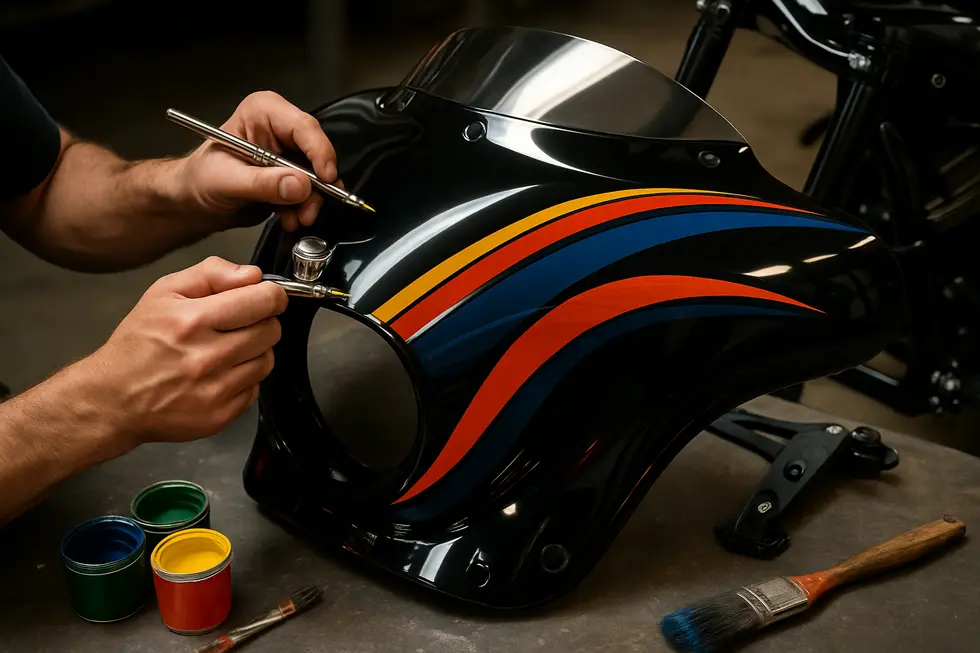
1. Revolutionizing Harley Fairings with Carbon Fiber and Composite Technology for Superior Strength and Style
Harley Davidson motorcycle fairings are experiencing a significant evolution through the use of advanced carbon fiber and composite materials, which deliver exceptional performance and durability. Carbon fiber’s lightweight yet extraordinarily strong nature makes it a preferred choice, enabling riders to enjoy enhanced aerodynamics without the burden of added weight. This improvement directly translates to more agile handling and responsive control, essential qualities for both city cruising and long-distance touring.
Customization of these fairings extends beyond simple aesthetics. Hybrid composites that blend carbon fiber with aramid fibers, such as Kevlar, or fiberglass can be engineered to offer targeted impact resistance and stiffness. This layered construction allows fairing manufacturers and riders to strike a balance between flexibility and strength tailored to specific riding conditions or preferences. For example, fairings can be designed to absorb vibrations and resist fatigue caused by constant wind pressures and road debris.
In addition to material composition, these high-tech fairings offer diverse finish options. While the natural carbon fiber weave often shines through a clear coat, riders frequently opt for painted or colored finishes to complement their Harley’s customized look. Furthermore, precision-engineered fitment kits ensure that each fairing aligns perfectly with the geometry of particular Harley models, preserving the bike’s original lines while enhancing functionality.
The superior thermal resistance and vibration-damping properties of composite materials also contribute to greater longevity and rider comfort. Unlike traditional plastic or metal fairings, carbon fiber composites resist environmental wear and temperature fluctuations that could degrade performance over time.
This blend of cutting-edge materials and customizable options exemplifies the perfect harmony between form and function, allowing Harley riders to tailor their motorcycles with fairings that not only look striking but also actively enhance the riding experience. For deeper insights into composite materials and their applications, see this detailed resource on advanced composite construction. To explore more about Harley Davidson fairing styles and customization, visit Summit Fairings’ blog on unmatched choices in motorcycle fairings.
2. Crafting Performance and Style: Material Innovations and Aerodynamic Engineering in Harley Davidson Fairings
Harley-Davidson motorcycle fairings exemplify a careful balance of durability, aerodynamic efficiency, and personalized style, achieved through the thoughtful choice of materials and cutting-edge design methods. Central to their construction is high-quality ABS plastic, preferred over alternatives like PVC for its superior longevity, impact resistance, and capacity to maintain shape under varying conditions. This material choice ensures a lightweight yet robust structure, contributing directly to improved handling and rider comfort by minimizing added weight without compromising strength.
The aerodynamic profile of these fairings is no accident; it is meticulously crafted with the aid of computational fluid dynamics (CFD). This advanced technique simulates airflow over the fairing’s surface, enabling engineers to optimize contours that reduce drag, enhance stability, and improve wind management around the rider. For instance, distinctive shapes such as the “sharknose” fairing are developed through CFD analysis to channel air smoothly, lessening wind buffeting and rider fatigue during long highway rides.
Customization is deeply woven into the design ethos of Harley fairings. The versatile ABS plastic surface allows for intricate finishes and paint applications, supporting both classic and contemporary aesthetics matching the individual rider’s vision. Beyond visuals, customization extends to integrated lighting solutions, like dual LED headlights, which not only enhance the bike’s appearance but also improve visibility and safety. Mounting systems are engineered to securely attach these lightweight fairings directly to the motorcycle frame, ensuring stability and ease of installation.
This confluence of material choice, aerodynamic science, and customization flexibility results in fairings that do more than shield riders—they amplify the riding experience through enhanced performance and personal expression. For riders interested in exploring a diverse array of fairing options combining functionality and style, a thorough resource is available at Explore the Best Motorcycle Fairings at Summit Fairings.
Additional insights into these design principles can be observed in the 2025 models of Harley-Davidson, where innovative shapes and materials come together to push forward the evolution of motorcycle fairings. Learn more from the detailed technical overview.
3. Seamless Audio Integration in Custom Harley Davidson Fairings: Performance Meets Precision
Harley Davidson motorcycle fairings have evolved beyond mere wind deflectors into sophisticated platforms that combine form and function. A critical aspect of this evolution is the integration of high-performance audio systems within custom fairings, made possible by their advanced material composition and tailored design. Carbon fiber, prized for its exceptional strength-to-weight ratio, often serves as the foundation for these fairings, providing a lightweight yet durable shell that supports the complexity of modern audio setups without compromising structural integrity or rider comfort.
Customization is key in optimizing Harley Davidson fairings for audio integration. Precision-engineered inner fairings are crafted to accommodate speakers, amplifiers, and wiring discreetly, preserving sleek aesthetics and aerodynamics. These inner modules are tailored to specific Harley models, ensuring that upgrades do not require extensive modifications or impair the bike’s iconic silhouette. The mounting hardware and speaker enclosures are designed to hold a range of speaker sizes securely, supporting multi-channel systems which significantly elevate the on-road sound experience.
Beyond housing speakers, these fairings frequently provide vibration-damping features that enhance audio clarity, countering the distortion typical of motorcycle travel. This combination of durable, high-tech materials and modular design enables riders to confidently personalize their motorcycles’ auditory environment without sacrificing style or performance. Embracing such customization allows the Harley-Davidson community to truly harmonize mechanical craftsmanship with immersive sound, elevating every journey.
For riders exploring these options, detailed resources and kits offer everything needed for professional-grade installation, ensuring that fairing modifications remain both accessible and reliable. Those interested in diving deeper into the range of motorcycle fairings and customizations will find valuable insights on Summit Fairings’ blog.
Additional technical details and integration examples of audio systems compatible with Harley fairings can be found through specialized audio providers dedicated to motorcycle sound enhancements.[4]
4. Enhancing Harley Davidson Fairings with Vinyl Decals and Pinstripe Styling: Durable and Removable Visual Customizations
Harley Davidson motorcycle fairings are usually crafted from high-quality ABS plastic, prized for its durability, lightweight nature, and resistance to impact. This material offers a sturdy foundation that can withstand daily road conditions while providing an ideal surface for various customization techniques. Among the most popular visual enhancements for these fairings are adhesive vinyl decals and pinstripe graphics, which allow riders to personalize their motorcycles without compromising the fairing’s structural integrity.
The decals are typically made from premium vinyl brands recognized for strong adhesion and longevity, even when exposed to outdoor elements. These vinyl materials adhere smoothly to the flat, polished surfaces of the fairings, providing a clean canvas for detailed designs. Classic pinstripes introduce sleek, elegant lines that accentuate the bike’s contours, often highlighting the aerodynamic shapes afforded by the fairing’s design. Flame decals and retro-style graphics are equally favored for evoking the iconic Harley heritage, giving the motorcycle a bold, timeless aesthetic.
This method of customization is especially appealing because it is reversible; riders can update or remove decals without damaging the fairing’s finish. The adhesive vinyl’s resilience ensures that it withstands road vibrations, weather, and frequent washes, maintaining a vibrant look through countless rides. Such flexibility encourages Harley enthusiasts to experiment with styling options that reflect their personality and the spirit of their machine.
For riders interested in exploring these visual upgrades further, numerous decal kits and design options are available, allowing easy application and a professional appearance. This approach fits seamlessly with broader customization trends and enhances the visual impact while respecting the premium materials and craftsmanship that define Harley Davidson fairings. For more on available options, exploring trusted sources like the Summit Fairings blog reveals unmatched choices in motorcycle fairings and styling ideas.
External reference: norcalcarculture.com discusses the advantages of ABS plastic in Harley fairing construction and its compatibility with vinyl customization.
5. Precision Engineered ABS Fairings with Tailored Fits and Vibrant Customization for Harley Riders
Harley Davidson motorcycle fairings are expertly crafted from high-quality ABS plastic, a material selected for its exceptional balance of strength, impact resistance, and lightweight properties. Unlike less durable alternatives, ABS withstands wear and road debris while maintaining the aerodynamic profile essential for optimal performance and rider comfort. This construction enables smooth installation without compromising structural integrity, solidifying ABS as the premier choice for modern Harley fairings.
Each fairing embodies precision engineering tailored to the unique frame geometries of Harley models, including Road Glide, Street Glide, Touring series, and Low Rider ST variants. This careful fitting process ensures seamless integration that preserves both the bike’s styling and the rider’s experience. Advanced design techniques, such as computational fluid dynamics, are employed to sculpt shapes that reduce drag and maximize airflow around the rider, blending aesthetic refinement with functional enhancement.
Beyond structural excellence, Harley fairings offer rich customization opportunities. Riders can select from a spectrum of anodized finishes—ranging through black, silver, green, red, gold, and blue—that provide vibrant, lasting color resistant to peeling or chipping. These finishes allow enthusiasts to express individuality while ensuring durability under diverse riding conditions.
Integrating precision-fit ABS fairings with personalized color options empowers Harley riders to elevate their motorcycles’ visual identity and performance ease. The result is a cohesive upgrade that enhances style, protection, and comfort, all with minimal installation complexity.
For a deeper exploration of diverse styles and customization choices, explore the comprehensive range of motorcycle fairings available at Summit Fairings hier.
Chapter 3: Accessory Integration and Installation Techniques for Harley Davidson Motorcycle Fairings
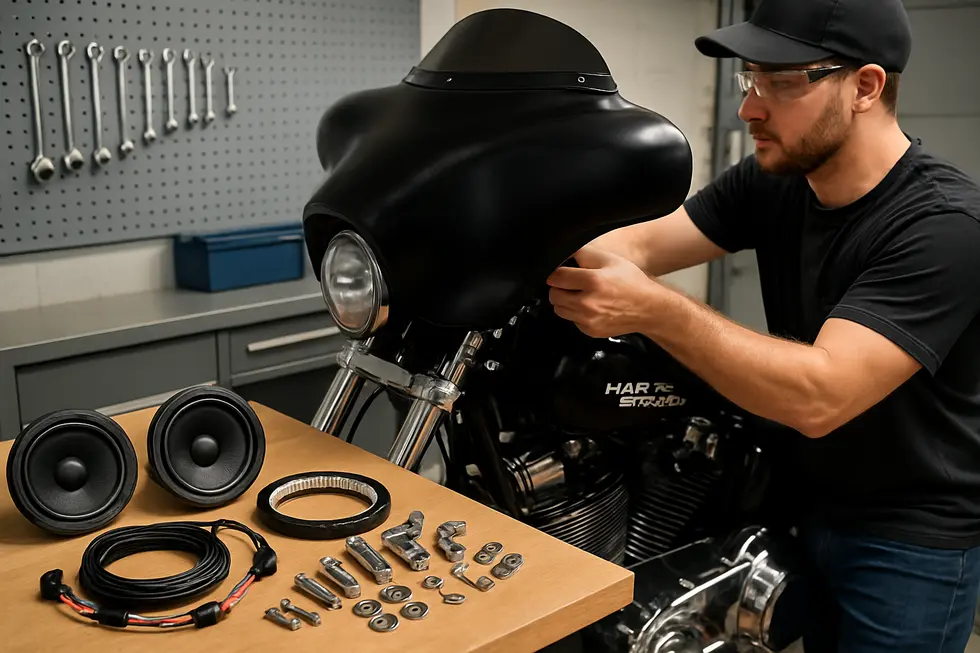
1. Mastering Disassembly and Reassembly for Seamless Accessory Integration on Harley Davidson Fairings
Integrating accessories into Harley Davidson motorcycle fairings demands a precise approach to disassembly and reassembly to preserve both functionality and aesthetics. The process begins with the careful removal of fasteners, commonly Torx or Phillips screws, used to secure the fairing panels and associated trim. Employing the correct tool size is essential to prevent stripping and enables hardware reuse, which maintains a factory-quality fit during reassembly.
Electrical components, integral to fairings’ lighting and audio systems, require gentle handling. Disconnecting connectors entails releasing locking tabs to avoid wire or terminal damage, and labeling wires simplifies reconnection. Trim and clips, often made from plastic or fiberglass, must be pried using specialized tools to avoid cracking. In some cases, applying controlled heat softens adhesives on vent bezels or decorative elements, allowing safer removal without compromising part integrity.
Preservation of all hardware—screws, bolts, clips—is vital. Unless damaged, the original components provide the best fit and reduce the risk of rattles or misalignment after reassembly. When reinstating adhesive-mounted trims, substituting old adhesive with premium automotive tape enhances durability and appearance. Reconnecting electrical connectors demands locking mechanisms be fully engaged while ensuring wiring is routed to prevent pinch or wear.
Model-specific service manuals are invaluable, detailing torque specifications and step sequences, particularly for newer Harley models. Consulting these resources ensures compliance with manufacturer standards, safeguarding the operational and safety features of integrated accessories.
Prior to beginning disassembly, disconnecting the motorcycle’s power supply protects against electrical hazards and preserves component