















Introduction
Motorcycle fairings play a crucial role in enhancing both the performance and aesthetics of motorcycles, making the selection of the right manufacturer vital for businesses in this sector. Understanding the landscape of motorcycle fairing manufacturers is essential for suppliers, dealers, and aftermarket specialists aiming to align their inventory with quality, innovation, and market demands. This overview explores the notable players dominating different market segments, the advances in material science and production, and how customization and OEM fitment guarantees impact buyer confidence. Further, it examines specialized manufacturers targeting racing and adventure riders, shedding light on their niche focus. Finally, it highlights the global supply chains and economic influence that define the fairing industry today. Each chapter collectively builds a detailed picture that empowers business owners to make informed decisions when sourcing motorcycle fairings.
Tables of Contents
Chapter 1: Overview of Notable Motorcycle Fairing Manufacturers and Their Market Positions
- Innovations in Materials and Customization Shaping Market Leadership Among Motorcycle Fairing Manufacturers
- Navigating Economic Trends and Market Shifts in Motorcycle Fairing Manufacturing
Chapter 2: Material Innovations and Production Techniques Among Motorcycle Fairing Manufacturers
- Cutting-Edge Composites and Adhesive Technologies Shaping Modern Motorcycle Fairings
- Advanced Production Techniques Driving Material Innovation and Performance in Motorcycle Fairings
Chapter 3: Customization and OEM Fitment Guarantees by Motorcycle Fairing Manufacturers
- Material Innovations and Custom Fitment Choices Elevating Motorcycle Fairings
- Achieving Perfect Fit and Superior Quality: The Pillars of OEM Fitment Guarantees in Motorcycle Fairings
Chapter 4: Cutting-Edge Innovations Driving Racing and Performance Motorcycle Fairings
- Revolutionizing Speed and Stability: Advanced Materials and Smart Aerodynamics in Racing Fairings
- Navigating Economic and Market Dynamics in Performance Motorcycle Fairings
Chapter 5: Adventure and Touring Motorcycle Fairing Manufacturers and Their Specialized Products
- Innovations Driving Performance and Comfort in Adventure and Touring Motorcycle Fairings
- Economic and Market Dynamics Driving Innovation in Adventure and Touring Motorcycle Fairing Manufacturing
Chapter 6: Global Supply and Economic Impact of Motorcycle Fairing Manufacturers
- Navigating the Complex Supply Chain and Manufacturing Landscape of Motorcycle Fairings
- Economic Powerhouses and Market Dynamics Shaping the Motorcycle Fairing Industry
Chapter 1: Overview of Notable Motorcycle Fairing Manufacturers and Their Market Positions
1. Innovations in Materials and Customization Shaping Market Leadership Among Motorcycle Fairing Manufacturers
The motorcycle fairing industry has evolved significantly through technological advancements and product innovation, establishing clear leaders based on their ability to integrate cutting-edge materials and customization options into their offerings. Manufacturers in this space continually push the boundaries of design and engineering to meet diverse rider demands, blending performance improvements with aesthetic appeal.
Emerging technologies emphasize the use of advanced composites such as carbon fiber, kevlar-carbon hybrids, and fiber-reinforced fiberglass. These materials provide crucial benefits—lightweight construction reduces drag and improves handling, while enhanced strength and heat resistance increase durability under extreme conditions. Leading manufacturers utilize specialized production processes like autoclave curing and multi-layered finishing techniques. This ensures fairings meet rigorous standards for endurance and visual finesse, enabling trusted collaborations with championship-winning racing teams and elite motorcycle brands.
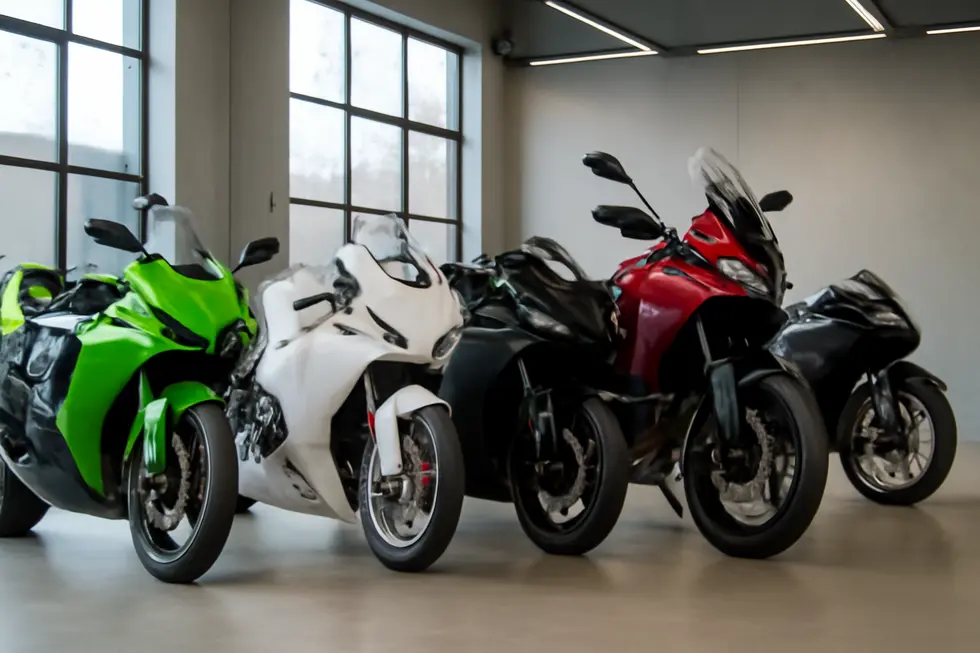
Alongside material innovation, manufacturers prioritize OEM fitment accuracy and versatile customization. This dual focus addresses both functional requirements and the modern rider’s desire for personalization. High-end producers deliver pristine paint finishes, UV protective coatings, and pre-drilled kits simplifying installation. Meanwhile, suppliers catering to sport, touring, and casual markets offer extensive color options and modular kit parts. These varied approaches allow riders to tailor their bikes visually without compromising quality, expanding market reach.
Moreover, global supply chains and partnerships have facilitated expanded availability and competitive pricing, broadening consumer access to advanced fairings. Asian manufacturers, in particular, have played a pivotal role in mass-market customization trends by offering extensive catalog selections aligned with popular models and color schemes. This synergy of innovation, quality assurance, and customization sustains the market positions of notable manufacturers across regions and segments.
As industry demands shift toward even more aerodynamic profiles and rugged durability for adventure and electric motorcycles, continual refinement of material science and design sophistication remains critical. Such advancements will further differentiate market leaders and enable them to respond swiftly to evolving rider preferences and emerging vehicle technologies.
For riders seeking both performance and personalization, exploring tailored solutions through established specialist providers is advised—sources like Summit Fairings offer a comprehensive range of carefully engineered options to suit varied needs and styles.
2. Navigating Economic Trends and Market Shifts in Motorcycle Fairing Manufacturing
The motorcycle fairing manufacturing industry operates within a complex web of economic and market forces that significantly influence its trajectory. As the global motorcycle market expands—projected to surpass USD 179 billion by 2035—manufacturers of fairings are presented with both growth opportunities and emerging challenges. This expansion is propelled largely by rising motorcycle adoption in emerging economies and continuous technological evolution in vehicle design. However, fairing producers must carefully navigate fluctuating costs of raw materials such as fiberglass, carbon fiber, and plastics, which directly impact production margins. Additionally, tightening emission regulations and safety standards exert pressure on manufacturers to constantly innovate and refine their products to remain compliant without compromising performance or cost-efficiency.
Market dynamics are also shaped by the dominant motorcycle brands, whose sales volumes and innovation pipelines dictate demand patterns for fairings. Industry leaders in key regions supply demand for original equipment manufacturer (OEM) quality fairings, setting a benchmark that suppliers must meet to secure lucrative partnerships. These collaborations not only ensure consistent sales volume but also bolster manufacturers’ reputations, demanding unwavering adherence to strict quality and design standards.
Technological advances intersect with regulatory mandates, compelling fairing manufacturers to adapt swiftly. The emphasis on lightweight materials such as genuine carbon fiber and composite blends serves to improve aerodynamics, fuel efficiency, and rider safety. Moreover, adherence to evolving crash safety requirements and environmental legislation requires persistent investment in research and development. For example, regulatory trends encourage fairings that accommodate newer powertrain configurations, such as electric motorcycles, pushing manufacturers to tailor products for emerging niches.
Regional market nuances further complicate the landscape. In Asian markets like Taiwan and India, the preferences for affordable, durable fairings align with the dominance of specific local and international motorcycle brands. Electric motorcycle segments demand innovative fairing designs to integrate batteries and electric components seamlessly. Conversely, in mature markets with a customer focus on premium performance and style, manufacturers prioritize high-end materials and aesthetic customization.
Manufacturers thriving in this environment skillfully balance cost, innovation, quality, and responsiveness to regional demands. Their ability to adapt to economic fluctuations, regulatory expectations, and shifting consumer trends ultimately defines their market position and longevity in the competitive fairing industry. For riders and industry stakeholders seeking insights into this evolving market space, exploring offerings and trends at a destination like Summit Fairings provides valuable perspectives on current economic and market influences.
Chapter 2: Material Innovations and Production Techniques Among Motorcycle Fairing Manufacturers

1. Cutting-Edge Composites and Adhesive Technologies Shaping Modern Motorcycle Fairings
Motorcycle fairings have evolved far beyond their traditional forms, propelled by urgent demands for lighter weight, enhanced strength, durability, and style. While ABS plastics remain the industry’s backbone due to cost-effectiveness and impact resistance, the rise of advanced composite materials is transforming what fairings can achieve. Carbon fiber reinforced polymers (CFRP), fiberglass, and hybrid composites that blend carbon with Kevlar® or steel fibers deliver unmatched strength-to-weight ratios. These composites not only surpass metals like aluminum in stiffness and corrosion resistance but also allow manufacturers to craft complex aerodynamic shapes crucial for racing and high-performance motorcycles.
Sophisticated production methods have emerged alongside these new materials. Resin transfer molding, vacuum infusion, prepreg layups cured in autoclaves, and even selective 3D printing are tailored to optimize composite properties. Automation plays a vital role, with technologies like automated tape laying and water-assisted injection molding permitting precise fiber alignment and consistent output at scale. These processes enable fairings to integrate functional features such as aerodynamic channels or embedded mounting points, enhancing both form and function.
Simultaneously, adhesive innovations have revolutionized the assembly of motorcycle fairings. Moving beyond traditional mechanical fasteners, specialized structural adhesives distribute loads uniformly across joints, minimizing stress concentrations that cause cracking or fatigue—common challenges due to constant vibrations and impacts during riding. Cutting-edge polymer chemistries enhanced with nanotechnology offer adhesives that combine exceptional bond strength with flexibility, plus resistance to UV, moisture, and temperature extremes. Some adhesives even facilitate embedding sensors or heating elements into fairings, expanding their functional capabilities.
Sustainability considerations also influence material and process choices. Recyclable thermoplastics and bio-based resins are increasingly integrated without compromising technical performance. The focus remains on reducing waste and environmental footprint while maintaining durability and rider safety.
Together, these material and adhesive advances, coupled with innovative manufacturing techniques, empower motorcycle fairing manufacturers to meet diverse rider needs—from racing agility and rugged touring resilience to customizable aesthetics—pushing the boundaries of performance and design with every new generation of fairings.
For further insights on the diverse selections and customization opportunities in fairings, see Explore the Best Motorcycle Fairings at Summit Fairings.
2. Advanced Production Techniques Driving Material Innovation and Performance in Motorcycle Fairings
Motorcycle fairing manufacturers continuously push boundaries through advanced production techniques, integrating precision molding, rapid prototyping, and aerodynamic optimization to maximize material potential and enhance performance. Central to this innovation is precision molding, particularly injection molding of thermoplastics like ABS plastic, fiberglass, and carbon fiber composites. This method delivers consistent, high-volume production of intricate fairing shapes that meet exact fitment requirements. Such tight tolerances are vital not only for aesthetic alignment but also for structural integrity, ensuring components resist vibration and impacts encountered during riding.
Complementing molding advances, rapid prototyping leverages 3D printing to accelerate the design cycle. Manufacturers can swiftly produce detailed prototype components, from air intakes to suspension parts, allowing iterative testing and refinements without the delays and expenses of traditional tooling methods. This flexibility facilitates the creation of highly customized, lightweight parts with complex geometries that traditional processes might struggle to replicate. These advancements support optimizing handling and fuel efficiency by closely tailoring fairing designs to aerodynamic and mechanical demands.
Aerodynamic refinement further distinguishes modern fairings. Employing Computational Fluid Dynamics (CFD) alongside wind tunnel testing, designers meticulously sculpt fairing contours to reduce drag and generate downforce, improving stability and thermal management. These aerodynamic insights guide material placement and thickness, balancing weight reduction with strength where airflow and cooling are critical. Utilization of advanced carbon fiber composites and prepregs within these optimized designs enables radical new forms that maintain structural rigidity while slashing weight, a key performance factor in competitive and touring motorcycles alike.
Beyond fabrication, specialized bonding and repair methods complement material advances. Epoxy adhesives and layered fiberglass resins create durable joints resistant to vibration and stresses, extending fairing longevity under demanding conditions. Such integrated production and material innovations collectively elevate motorcycle fairing production, blending cutting-edge manufacturing with precision engineering to meet the multifaceted needs of racing, touring, and customization markets.
For riders and manufacturers seeking comprehensive options that embody these materials and production advancements, exploring the extensive choices found at Summit Fairings offers valuable insights and solutions tailored to diverse performance and style preferences.
Chapter 3: Customization and OEM Fitment Guarantees by Motorcycle Fairing Manufacturers

1. Material Innovations and Custom Fitment Choices Elevating Motorcycle Fairings
Motorcycle fairings serve as both functional and aesthetic components, and customization options have evolved to meet diverse rider preferences without compromising fitment and durability. Material choices lie at the heart of this balance, influencing performance, appearance, and ease of installation.
ABS plastic remains a popular material due to its lightweight, impact resistance, and versatility. Injection-molded ABS fairings offer consistent OEM-style fitment, often supported by precision molding that replicates factory specifications. This ensures that fairings slide into place seamlessly, maintaining the bike’s original lines and structural integrity. Beyond standard black or white, customization via multi-layered paint jobs can match OEM colors exactly or venture into bold custom palettes with metallic, matte, or race-inspired finishes. For riders prioritizing practicality combined with personal style, these options provide an excellent balance.
For enthusiasts seeking advanced performance and unique aesthetics, fiberglass and carbon fiber fairings present higher-end customization possibilities. Fiberglass, while heavier than ABS, provides excellent repairability and allows intricate shaping. Carbon fiber, often produced through autoclave processes, delivers superior strength-to-weight ratios, heat resistance, and a distinctive weave pattern that appeals to riders aiming for a premium appearance. These materials demand specialized adhesives—epoxy or polyester resin—to maintain joint strength and longevity, especially important in racing or high-vibration environments.
Manufacturers focus heavily on OEM fitment guarantees to assure customers that customized fairings will perform and fit like the originals. This requires exacting design tolerances and thorough real-world testing on various motorcycle models. Precision pre-drilled mounting points and component kits reduce installation complexity, supporting both casual home mechanics and professional shops.
Moreover, the ability to mix-and-match or modify kit sections enables riders to tailor their motorcycles’ look further without sacrificing fit quality or durability. This flexibility empowers users to express individuality and meet specific riding conditions, from track days to daily commutes.
Understanding the interplay of materials, adhesives, and fitment standards is key when selecting a supplier. Riders benefit from manufacturers who combine reputable OEM guarantees with a broad customization palette, delivering both confidence and creativity.
For those exploring a comprehensive range of styling and fitment options, detailed insights can be found at a dedicated resource on premium motorcycle fairing selections and customization techniques.
2. Achieving Perfect Fit and Superior Quality: The Pillars of OEM Fitment Guarantees in Motorcycle Fairings
In the realm of motorcycle fairings, OEM fitment assurance and stringent quality control serve as foundational pillars that manufacturers build upon to meet rider expectations. Guaranteeing that a fairing fits precisely without requiring modifications is critical not only for preserving the motorcycle’s design integrity but also for maintaining its aerodynamic and structural performance. Manufacturers dedicated to delivering OEM fitment guarantee this precision by replicating original equipment standards through the use of advanced materials and exact modeling techniques.
The use of high-grade materials such as ABS plastic, favored for its impact resistance and flexibility, plays a significant part in achieving an exact fit and durable finish. Injection molding allows manufacturers to shape fairings with exceptional accuracy, ensuring each piece conforms closely to the contours of specific motorcycle models. This process facilitates a seamless installation experience that respects the quality and craftsmanship of the original parts.
Alongside fitment, comprehensive quality control protocols underpin these guarantees. Rigorous testing regimes assess the strength, flexibility, and finish of customized fairings to confirm they can withstand everyday wear and environmental challenges. This diligence extends to multi-layer paint applications, producing flawless finishes that resist chips and fading over time. By coupling aesthetic precision with functional durability, manufacturers instill confidence in riders who seek both style and reliability.
Customer satisfaction is further secured through policies offering replacements or refunds when fairings fail to meet OEM fitment promises. Support services, including detailed installation guides and accessible customer care, play a crucial role in addressing potential fitment challenges promptly and efficiently. This transparent approach builds trust and fosters loyalty in a market where precision and quality define the rider’s experience.
Such dedication to OEM fitment and quality assurance reflects the evolving landscape of motorcycle customization and maintenance, where riders demand products that honor the original design while offering superior craftsmanship. For a deeper understanding of how these guarantees impact overall rider satisfaction and market standards, exploring perspectives on premium motorcycle fairings can offer valuable insights.
Chapter 4: Cutting-Edge Innovations Driving Racing and Performance Motorcycle Fairings
1. Revolutionizing Speed and Stability: Advanced Materials and Smart Aerodynamics in Racing Fairings
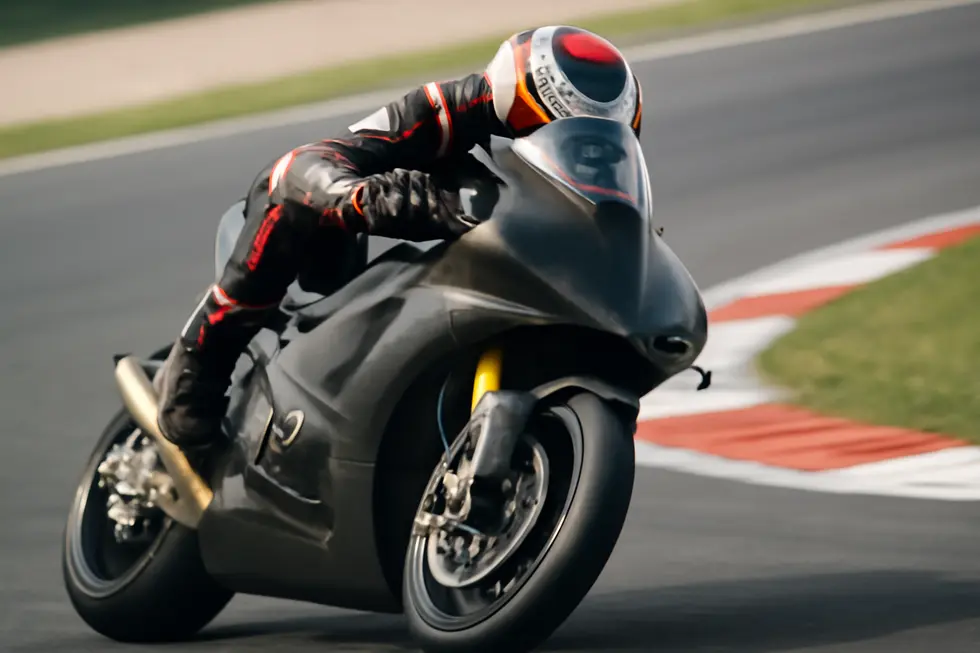
Racing and performance-oriented motorcycle fairings stand at the intersection of advanced materials science and aerodynamic innovation, radically shaping the capabilities of modern sportbikes. The relentless pursuit of speed, stability, and safety drives manufacturers to integrate cutting-edge technologies that redefine fairing design and functionality.
At the heart of this evolution lies the adoption of lightweight, high-strength composite materials such as carbon fiber-reinforced polymers and hybrid kevlar composites. These materials achieve remarkable strength-to-weight ratios, enabling manufacturers to create fairings with complex aerodynamic contours while drastically reducing mass. Such reductions are crucial, as lighter fairings contribute significantly to improved acceleration, handling responsiveness, and fuel efficiency on the track.
Equally transformative are advancements in aerodynamic engineering, heavily supported by computational fluid dynamics simulations and rigorous wind tunnel testing. These methods enable precise sculpting of fairing shapes to minimize drag while strategically generating downforce through integrated winglets and spoilers. This downforce enhances cornering grip and high-speed stability without compromising overall speed, directly influencing rider confidence and lap times. Beyond performance, these aerodynamic refinements reduce wind buffeting, mitigating rider fatigue during extended track sessions.
The integration of electronic systems within fairing assemblies marks another frontier in performance gains. Sophisticated traction control, lean-sensitive anti-lock braking, customizable ride modes, and adaptive suspension adjust dynamically to track conditions and rider inputs. These embedded technologies are facilitated by streamlined electronic networks that reduce wiring complexity and weight, all housed within the fairing’s aerodynamic envelope. This synergy of electronics and design not only elevates safety but also allows personalized performance tuning often vital during competitive racing.
Manufacturing innovations further accelerate design-to-production cycles. Techniques like 3D printing and CNC machining enable precise mold creation and rapid prototyping, allowing manufacturers to iterate complex aerodynamic geometries swiftly and cost-effectively. Automated composite layups and curing processes enhance material consistency and surface finish quality, critical factors for both aerodynamic efficiency and durability under the rigors of racing.
Together, these material, aerodynamic, electronic, and manufacturing advancements culminate in motorcycle fairings that deliver superior speed, handling, and safety. They exemplify how racing and performance-oriented manufacturers push technological boundaries, setting new benchmarks that benefit riders from the professional circuit to the spirited street enthusiast. For further insights on sourcing advanced fairings that blend innovation and quality, explore the best motorcycle fairings at Summit Fairings.
2. Navigating Economic and Market Dynamics in Performance Motorcycle Fairings
The economic landscape surrounding manufacturers of racing and performance motorcycle fairings is shaped by an intricate balance of consumer demand, innovation costs, and shifting industry trends. High-performance fairings appeal to dedicated enthusiasts and professional racers who prioritize cutting-edge materials and aerodynamic design. However, fluctuating global economic conditions influence buying power, occasionally dampening sales despite persistent interest in top-tier fairings. Manufacturers must continuously invest in research and development to keep pace with technological advances such as electrification and integrated electronics, both of which add complexity and cost to production.
Market dynamics in this specialized sector reveal fierce competition among established leaders and new entrants. Offering OEM-equivalent fitment and customizable design options has become essential for differentiation. The growing trend toward personalization allows manufacturers to capture niche segments, providing riders with tailored aesthetic and functional upgrades. Yet, market visibility faces challenges, especially during quieter product launch periods, requiring strategic maneuvers to maintain consumer attention and loyalty.
Technological progress directly impacts market positioning. Innovations in composite materials, including high-strength carbon fiber and advanced molding techniques, enhance performance while demanding precision manufacturing processes. Aerodynamic refinement and integration with modern motorcycle systems increasingly influence rider preferences and purchasing decisions, making innovation a vital competitive edge.
At a global scale, emerging markets offer fresh opportunities, spurred by rising demand for affordable, fuel-efficient motorcycles paired with performance enhancements. To succeed internationally, manufacturers must balance pricing strategies with the delivery of durable, high-quality fairings suited to diverse environmental conditions. This global perspective underscores the importance of adaptability and responsiveness to both regional trends and global consumer behaviors.
Understanding these economic and market forces equips stakeholders to anticipate shifts and navigate the complex terrain of racing and performance motorcycle fairing manufacturing. For riders and enthusiasts seeking insights into fairing options, resources such as explore the best motorcycle fairings at Summit Fairings offer comprehensive guidance on selection amidst this evolving market.
Chapter 5: Adventure and Touring Motorcycle Fairing Manufacturers and Their Specialized Products

1. Innovations Driving Performance and Comfort in Adventure and Touring Motorcycle Fairings
Advances in adventure and touring motorcycle fairings focus on enhancing aerodynamics, weight optimization, integrated electronics, and rider comfort to meet the dynamic demands of long-distance and off-road travel. Manufacturers employ computational fluid dynamics (CFD) in the design process to sculpt fairings that reduce drag and improve stability at highway speeds, making sustained rides more efficient and less taxing. This precise shaping of fairings also allows for refined airflow management that enhances engine cooling and overall bike performance.
Modern fairings increasingly incorporate smart electronic features to elevate rider experience and safety. Integrated LED lighting systems improve visibility in varying conditions, while built-in USB-C charging ports and multifunction digital displays provide essential ride information such as tire pressure, gear position, and customizable ride modes. These systems contribute to safer, more informed journeys, particularly in remote or challenging environments common to adventure motorcycling.
In off-road and rally contexts, fairing designs prioritize ruggedness and versatility without sacrificing aerodynamic efficiency. Rally-style fairings, paired with specialized components like spoked wheels and knobby tires, address the rigors of mixed terrain. Innovative intake duct integrations within fairings boost engine performance by channeling high-pressure air effectively, demonstrating a symbiotic balance between styling, protection, and mechanical enhancement.
Material innovation underpins many of these advances. Lightweight composites such as carbon fiber and fiberglass reduce overall bike weight, improving handling and responsiveness without compromising toughness. These composites also maintain structural integrity under strenuous conditions, from long-distance touring to aggressive off-road trails. Suspension and fairing tuning are increasingly coordinated to optimize ride comfort and stability, reflecting a holistic approach to motorcycle design.
This convergence of aerodynamic refinement, electronic integration, and material science results in fairings that fulfill multiple roles—protection, performance, and rider well-being—essential for the adventure and touring motorcycle segments. For riders seeking durable, multi-functional gear that meets diverse riding demands, understanding these technological trends is crucial. For more insights on premium motorcycle fairing options, explore the detailed offerings available at Summit Fairings.
<h3 i