














Introduction
Retro motorcycle fairings bring a classic, vintage flair to modern motorcycles, combining aesthetic nostalgia with functional advantage. For business owners in the motorcycle accessories market, understanding the design principles, installation nuances, and cultural significance of retro fairings is essential. This knowledge not only aids in product selection and inventory decisions but also sharpens marketing and customer engagement strategies. The first chapter delves into the distinct design elements that define retro motorcycle fairings and their visual appeal. The second chapter evaluates the practical benefits they offer riders alongside installation considerations critical for customer satisfaction. Lastly, the third chapter assesses the broader cultural and market impact, highlighting trends and opportunities for businesses ready to capitalize on the growing retro style movement.
Tables of Contents
Chapter 1: Design and Aesthetics of Retro Motorcycle Fairings
- Timeless Forms and Functional Structures: The Classic Design Language of Retro Motorcycle Fairings
- Crafting Classic Elegance: Materials and Manufacturing Behind Retro Motorcycle Fairings
- Timeless Hues and Iconic Graphics: Crafting Vintage Character in Retro Fairings
- Precision Fit and Authenticity: Harmonizing OEM Standards with Retro Fairing Designs
- Classic Charm Meets Modern Craftsmanship: Blending Authenticity and Innovation in Retro Motorcycle Fairings
Chapter 2: Functional Benefits and Installation Considerations of Retro Motorcycle Fairings
- Aerodynamic Enhancements of Retro Fairings: Elevating Rider Comfort and Control
- Ensuring Secure Fit and Lasting Durability: Practical Installation and Material Insights for Retro Motorcycle Fairings
- Navigating Compatibility and Integration: Overcoming Installation Challenges of Retro Motorcycle Fairings
- Enhancing Rider Endurance and Comfort: The Crucial Role of Retro Motorcycle Fairings in Long-Distance Riding
- Seamlessly Integrating Classic Style with Modern Performance: Installing Retro Motorcycle Fairings
Chapter 3: Cultural and Market Impact of Retro Motorcycle Fairings
- Shaping Rider Identity: The Cultural Resonance of Retro Motorcycle Fairings
- Navigating Economic Sustainability: Market Dynamics Shaping Retro Motorcycle Fairings
- How Global Enthusiast Communities Drive the Enduring Appeal of Retro Motorcycle Fairings
- Balancing Innovation with Authenticity: How Technology Elevates Heritage in Retro Motorcycle Fairings
- How Brand Legacies and Emerging Trends Bolster the Retro Motorcycle Fairing Market
Chapter 1: Design and Aesthetics of Retro Motorcycle Fairings
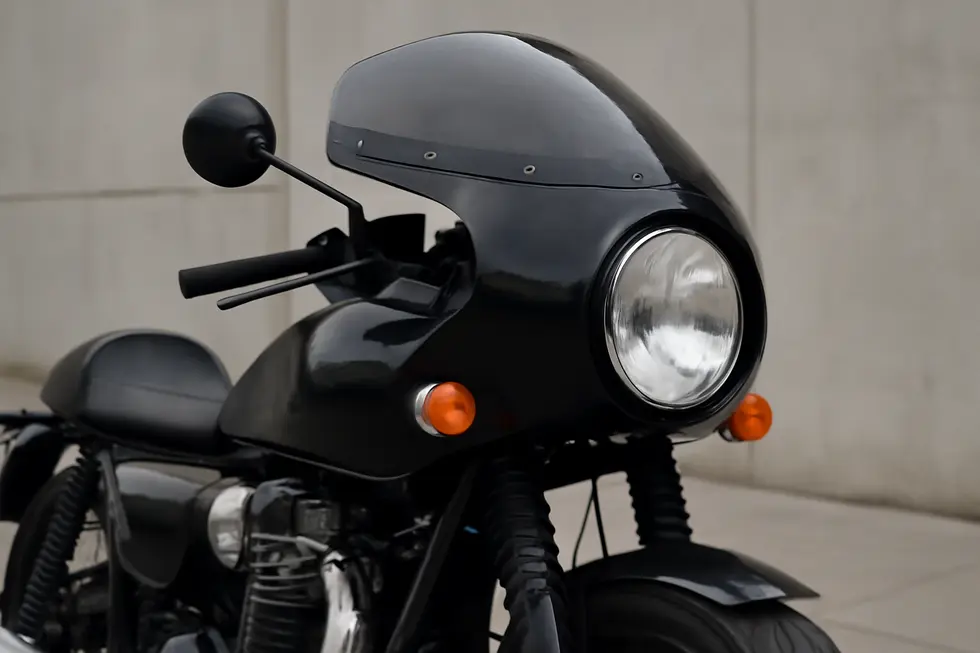
1. Timeless Forms and Functional Structures: The Classic Design Language of Retro Motorcycle Fairings
The distinctive charm of retro motorcycle fairings lies in their ability to evoke classic motorcycle styling while serving functional roles. Central to their design language are classic shapes—most notably half or quarter fairings—that emphasize simple, flowing curves and rounded edges. These forms minimize bulk and distraction, preserving the bike’s original silhouette and delivering a clean, timeless appearance reminiscent of motorcycles from the 1960s and 70s.
Beyond aesthetics, the structural design of these fairings respects the motorcycle’s frame geometry and ride dynamics. Their mounts and supports are engineered to provide secure, reliable attachment without compromising the bike’s handling or safety. Materials typically include durable ABS plastics for mass-produced versions or hand-shaped polyurethane resins in bespoke builds, with finishes that range from polished surfaces to subtle airbrushed detailing. The mounting hardware often employs aluminum or steel, precision-cut and bent to fit seamlessly, ensuring longevity while maintaining authentic visual cues.
Manufacturers producing retro fairings focus on OEM-accurate replacements that honor the original bodywork contours. This dedication to authenticity ensures these fairings integrate smoothly with existing frames and components, balancing vintage visual appeal with improved aerodynamics and wind protection tailored for modern riding conditions. While some kits subtly incorporate contemporary touches—like faux carbon fiber textures or geometric vinyl patterns—they remain true to classic proportions rather than embracing aggressive, angular shapes common in modern sportbike design.
This fusion of minimalist form and carefully engineered structure allows riders to achieve a nostalgic, refined look without sacrificing comfort or functionality. For those exploring restoration or retro-inspired customizations, detailed design elements combine heritage craftsmanship with practical benefits, making retro motorcycle fairings a compelling choice.
Further insights on blending classic aesthetics and precise design can be explored in this guide to motorcycle fairings.
Additional product information can be found here: https://www.revzilla.com/motorcycle/emgo-universal-viper-retro-cafe-fairing
2. Crafting Classic Elegance: Materials and Manufacturing Behind Retro Motorcycle Fairings
Retro motorcycle fairings achieve their distinctive blend of vintage charm and practical function through carefully chosen materials and sophisticated manufacturing methods. Central to their construction is ABS plastic, prized for its exceptional durability, resistance to impact, and capacity to be molded into the smooth, flowing shapes emblematic of retro design. This material also holds paint exceptionally well, enabling the crisp, vibrant finishes that complement classic aesthetics. Alongside ABS, fiberglass and polyurethane composites remain popular, especially for bespoke or limited-edition kits. Their hand-moldable nature allows artisans to shape nuanced curves and contours, although their added weight and labor intensity distinguish them from thermoplastic options.
In modern production, a hybrid approach combines artisanal craftsmanship with advanced technology. Processes such as CNC machining and laser cutting refine mold precision, allowing consistent replication of classic forms. Vacuum forming of ABS sheets over these molds creates lightweight yet robust panels that preserve period-accurate simplicity without sacrificing resilience. Selective incorporation of carbon fiber adds structural reinforcement where needed without undermining retro authenticity.
This fusion of methods ensures the iconic minimalist fairing profiles—often half or quarter coverage—retain clean lines and open exposure characteristic of vintage motorcycles, contrasting sharply with the full enclosures of contemporary sportbikes. Complex vintage finishes are frequently achieved through airbrushed graphics, using layered stencils to apply detailed, multi-colored artwork evocative of the era.
The design philosophy balances nostalgia with modern materials and precision techniques, ultimately producing fairings that are at once visually faithful and functionally superior. Enthusiasts seeking to blend timeless style with contemporary reliability find these manufacturing choices integral to achieving that harmony. For a deeper exploration of retro fairing craftsmanship and quality offerings, visit this source on unmatched motorcycle fairings.
For detailed insight into a leading manufacturer’s process combining digital and handcraft methods, see the Triumph Originals build example documented here: https://www.revzilla.com/motorcycle/emgo-universal-viper-retro-cafe-fairing
3. Timeless Hues and Iconic Graphics: Crafting Vintage Character in Retro Fairings
The essence of retro motorcycle fairings lies deeply in their color schemes and graphic styles, which work together to evoke a sense of nostalgia while maintaining timeless sophistication. These fairings typically embrace muted, earthy tones such as tan, cream, and subtle pastels, combining these with chrome or matte finishes to recall the subdued palettes of motorcycles from decades past. Unlike the bright, neon hues seen in modern sportbikes, retro fairings prioritize soft, monochromatic colors that allow the bike’s lines and silhouette to speak through understated elegance.
Graphics on retro fairings further emphasize simplicity and heritage. Rather than elaborate or aggressive patterns, they favor minimalist design elements like racing stripes, pinstripes, or classic logos that complement the vintage look without overpowering it. This restrained approach underscores the mechanical beauty and craftsmanship of the motorcycle itself, maintaining its clean, raw aesthetic. The use of traditional motifs and designs linked to motorcycle history reinforces the bike’s identity while creating an authentic, period-correct feel.
Structurally, retro fairings often take the form of half or quarter styles that balance wind protection with the desire to keep essential mechanical elements visible. The choice of materials and surface treatments, such as satin or matte paint finishes alongside chrome or brushed metallic accents, adds tactile dimension and visual depth reminiscent of bygone eras.
Ultimately, thoughtful pairing of muted color palettes with classic graphic touches creates retro motorcycle fairings that embody more than just protection—they serve as visual storytellers. They preserve the spirit and elegance of vintage motorcycles while subtly integrating modern craftsmanship. For riders seeking such authentic retro flair combined with functional benefits, exploring options at trusted sources can provide ideal solutions that stand the test of time.
For further insights on sourcing quality motorcycle fairings, consider exploring Summit Fairings’ comprehensive selection of options here.
More detailed information on a popular retro fairing style can be found here.
4. Precision Fit and Authenticity: Harmonizing OEM Standards with Retro Fairing Designs
Retro motorcycle fairings rely heavily on precision fitment and strict adherence to Original Equipment Manufacturer (OEM) standards to perfectly balance nostalgic styling with functional integrity. These fairings replicate factory contours and mounting configurations to ensure seamless integration with a bike’s frame, preserving both the classic silhouette and mechanical reliability. Achieving this exactness is essential—not only for maintaining the timeless visual appeal associated with vintage motorcycles but also for safeguarding ride quality and safety.
Authentic retro designs often incorporate half or quarter fairing formats, which emphasize minimalist coverage combined with aerodynamic benefits. Half fairings typically shield the upper front, including the windscreen and handlebars, providing moderate wind protection without overwhelming bulk. Quarter fairings offer more subtle coverage, focusing mainly on the headlight bezel and a small windshield area to enhance style with minimal obstruction. Manufacturers craft these fairings using modern materials like ABS plastic and fiberglass, chosen to closely replicate original textures and durability while offering UV resistance and compatibility with classic paint finishes.
The critical factor lies in maintaining precise alignment with original mounting points. Leading producers tailor their kits to specific motorcycle models, ensuring that the fairings fit as exact replacements and respect the ergonomics, such as windshield height and handlebar clearance. This fidelity upholds the aerodynamic profiles vital for stability at speed, reflecting the authentic ride experience of vintage machines without compromise.
Through modern fabrication techniques and rigorous quality control, retro fairings successfully marry the aesthetic essence of heritage motorcycles with the demands of contemporary riding. For riders committed to preserving or restoring that classic look, such precision-crafted components provide a practical, visually compelling upgrade.
For more insights into carefully designed motorcycle fairings and their selections, explore explore the best motorcycle fairings at Summit Fairings. Additionally, detailed examples highlighting these principles in action can be found here.
5. Classic Charm Meets Modern Craftsmanship: Blending Authenticity and Innovation in Retro Motorcycle Fairings
Retro motorcycle fairings strike a delicate balance between preserving timeless design and embracing advancements in material technology. These fairings typically replicate the vintage contours and minimalist forms that defined motorcycles of past decades, such as half or quarter fairings with clean lines and rounded profiles. The objective is to evoke nostalgia while providing practical benefits like wind protection without compromising the bike’s original character.
In restoration projects, precision and fidelity to the original factory look are paramount. Specialists produce replacement fairings that match the exact shapes, dimensions, and finishes of the original components, ensuring that the motorcycle maintains its authentic visual and aerodynamic integrity. These pieces often use modern materials that improve durability and resilience, subtly enhancing the longevity of classic motorcycles without altering their appearance.
Beyond restoration, contemporary adaptations personalize the retro form for modern riders. These fairings employ advanced composites and sometimes incorporate discreet design updates—such as enhanced aerodynamic features or subtle textures inspired by carbon fiber—that do not overshadow the classic silhouette. This approach provides riders with durable, lighter-weight fairings that blend retro aesthetics with everyday functionality and improved performance.
The synergy of classic appeal and modern innovation allows enthusiasts to experience the best of both worlds: the revered style of vintage motorcycles combined with cutting-edge manufacturing methods. This thoughtful fusion supports both faithful restorations and creative reinterpretations that keep the retro spirit alive on today’s roads.
For riders and builders interested in expanding their knowledge about motorcycle fairings blending style and function, detailed insights can be found by exploring the comprehensive resources available at Summit Fairings.
Additionally, detailed information on a prominent retro cafe fairing design can be reviewed here: https://www.revzilla.com/motorcycle/emgo-universal-viper-retro-cafe-fairing
Chapter 2: Functional Benefits and Installation Considerations of Retro Motorcycle Fairings
1. Aerodynamic Enhancements of Retro Fairings: Elevating Rider Comfort and Control
Retro motorcycle fairings are far more than nostalgic styling elements; they play a pivotal role in enhancing rider comfort and control through astute aerodynamic design. Unlike modern sportbike fairings that prioritize full-body coverage for maximal wind efficiency, retro fairings maintain classic lines while strategically channeling airflow to reduce wind resistance and buffeting around the rider. This balance not only preserves the vintage aesthetic but also effectively diminishes physical fatigue, especially on longer rides where constant wind pressure can waste rider energy.
The design of these fairings, often incorporating rounded shapes and vent placements, directs wind smoothly around the upper body and helmet area. By minimizing turbulent air pockets and excessive wind noise, retro fairings improve rider focus and reduce distractions. This is crucial for steady handling: less buffeting translates to less rider input correction and smoother cornering, contributing to a safer, more controlled riding experience.
Aerodynamic advantages also extend to stability. By smoothing airflow around the motorcycle’s front, retro fairings reduce wind-induced wobble, enabling riders to maintain precise control with less effort. While they might not offer the aggressive wind slicing of contemporary race-oriented fairings, their functional design is thoughtfully tuned to protect riders from the elements without compromising the iconic retro style.
Beyond airflow management, some retro fairings cleverly integrate lighting that complements aerodynamic form and rider visibility, enhancing safety in addition to comfort. For motorcyclists seeking that vintage look paired with practical benefits, these fairings provide an elegant synthesis of style and function.
To explore how classic aerodynamic concepts have been modernized in retro fairings, the 2025 Harley-Davidson Road Glide 3’s Sharknose fairing offers an instructive example. For further insights into various fairing styles balancing form and function, consider visiting Summit Fairings’ blog on unmatched choices in motorcycle fairings. Additionally, detailed product examples can be found at RevZilla: https://www.revzilla.com/motorcycle/emgo-universal-viper-retro-cafe-fairing
2. Ensuring Secure Fit and Lasting Durability: Practical Installation and Material Insights for Retro Motorcycle Fairings
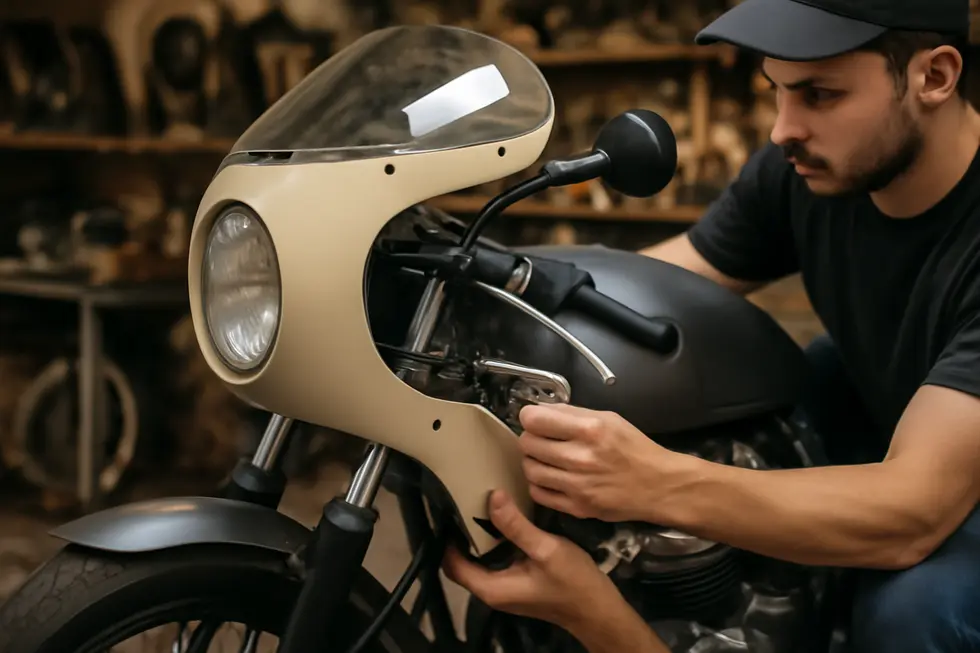
Achieving a secure fit and lasting durability with retro motorcycle fairings requires a blend of careful installation methodology and informed material selection. The process begins with the meticulous removal of existing fairings, preserving all fasteners and clips for potential reuse to maintain structural integrity. Thoroughly cleaning mounting surfaces is crucial to eliminate dirt, oils, or residues that could impair attachment or cause misalignment. When positioning new fairings, it is best to loosely fasten bolts initially, enabling fine adjustments to avoid undue stress and ensure perfect alignment before final tightening.
Materials play a pivotal role in the performance and longevity of retro fairings. Durable substances like ABS plastic or fiberglass composites strike an effective balance of toughness and flexibility, resistant to common stresses such as vibration or light impacts. Multi-layer paint applications not only contribute to authentic aesthetics but also provide protective barriers against UV exposure and weather-related wear, extending the life of the fairing’s finish. For custom installations, reinforcing vulnerable stress points with rubber grommets or additional brackets helps absorb vibrations and prevents cracks or fractures in the fairing material.
Utilizing pre-drilled mounting kits designed for specific models can streamline the installation process, guaranteeing precise fitment aligned with factory standards and reducing guesswork. This precision integration supports both the fairing’s visual authenticity and its structural stability, critical for riders embracing the retro aesthetic without sacrificing everyday functionality.
Following these guidelines preserves both the motorcycle’s vintage appeal and its operational reliability. For riders interested in detailed model-specific instructions and practical installation tips, comprehensive tutorials from expert sources like Summit Fairings offer valuable resources and proven best practices. Learn more about effective tips and kits at Summit Fairings’ blog.
For further detail on a popular example retro fairing model, see the Emgo Universal Viper Retro Cafe Fairing here: https://www.revzilla.com/motorcycle/emgo-universal-viper-retro-cafe-fairing
3. Navigating Compatibility and Integration: Overcoming Installation Challenges of Retro Motorcycle Fairings
Installing retro motorcycle fairings involves a nuanced balance between achieving authentic vintage aesthetics and addressing mechanical fitment challenges. Unlike modern fairings that often boast universal compatibility or ready-made mounting kits, retro styles typically require custom fabrication due to their distinct shapes and period-specific design cues. For instance, even fairings marketed as “universal” frequently demand bespoke mounts tailored to the unique frame geometry of each motorcycle. This necessity stems from the lack of standardized mounting points on many classic and contemporary bikes intended to accept retro-styled bodywork.
Additionally, retro fairings are often designed with specific motorcycle models in mind, limiting their interchangeability. This model-specific approach enhances visual coherence and preserves period-correct details but requires purchasers to ensure precise matchups or invest in supplementary hardware kits, which may be sold separately. The resulting installation process can be complex, sometimes demanding specialized tools and fabrication skills to secure the fairing firmly without compromising structural integrity or rider comfort.
Beyond mechanical considerations, the integration of retro fairings must skillfully balance aesthetics with function. While these fairings often improve wind protection compared to naked bikes, their minimalist profiles and materials—ranging from acrylic to aircraft-grade plastics—require careful alignment to optimize airflow and ergonomics. Attention must also be given to preserving the finish and coatings, which can be sensitive to improper handling or ill-fitting mounts.
Because these fairings rely solely on mechanical attachment, there are no concerns about electronic or digital compatibility, simplifying that aspect. However, the physical installation remains a key hurdle for many riders seeking to transform their motorcycles with classic flair. Successfully integrating a retro motorcycle fairing calls for a thoughtful approach to mounting solutions and a willingness to customize, ensuring both the timeless look and functional benefits coexist harmoniously.
For more insights into choosing fairings that blend style and practical fitment, visit the detailed resource on custom retro motorcycle fairings and explore the variety of options available.
4. Enhancing Rider Endurance and Comfort: The Crucial Role of Retro Motorcycle Fairings in Long-Distance Riding
Retro motorcycle fairings offer more than vintage style—they play an essential role in improving rider endurance and comfort on extended journeys. By effectively deflecting wind, these fairings reduce the constant buffeting that typically causes muscle strain and fatigue during long-distance rides. This wind protection allows riders to maintain a relaxed posture, minimizing exhaustion especially on highways or during touring. Constructed from modern, durable materials like high-quality ABS plastic, retro fairings combine classic aesthetics with functionality. Their streamlined design improves aerodynamics, stabilizing the ride and reducing wind drag for enhanced control and fuel efficiency.
Well-designed retro fairings fit precisely to specific motorcycle models, ensuring that the aerodynamic benefits do not come at the cost of handling or structural integrity. This precise fitment also simplifies installation by aligning with factory mounting points, maintaining the motorcycle’s authentic character without adding excessive weight or imbalance. Some fairing kits even include practical enhancements such as integrated lighting or storage solutions, further augmenting their utility for long rides.
The significant reduction in wind pressure not only aids physical endurance but also complements ergonomic seating to make long hours on the saddle far more comfortable. Adequate wind protection paired with cushioned seats dramatically decreases overall rider fatigue, which is vital for safety and enjoyment on the road. Installation requires careful attention to preserve the motorcycle’s heritage while incorporating these functional upgrades. Precision-fit kits are specifically designed to blend tasteful retro upgrades with reliable mounting, preserving both style and durability.
For riders seeking durability paired with classic retro charm, these fairings provide a valuable balance between form and function. By minimizing fatigue and enhancing aerodynamic stability, they transform long-distance rides into smoother, more enjoyable experiences. More detailed insights on compatible fairing designs can be found through dedicated resources such as the Emgo Universal Viper Retro Cafe Fairing. For a deeper understanding of various fairing options, explore the explore the best motorcycle fairings at Summit Fairings blog.
5. Seamlessly Integrating Classic Style with Modern Performance: Installing Retro Motorcycle Fairings
Achieving the perfect harmony between classic aesthetics and functional performance is essential when installing retro motorcycle fairings. Selecting fairings that evoke a vintage charm without sacrificing aerodynamic efficiency or rider protection requires careful consideration. High-quality, model-specific fairings—often offered as custom kits—ensure a precise fit that respects the motorcycle’s original lines while enabling smooth airflow and wind deflection. This precision fit is critical, not only to retain the fairing’s authentic look but to avoid vibrations or misalignments that could compromise safety and appearance.
The installation process demands meticulous attention to detail. Removing existing fairings carefully and cleaning mounting points prevents flaws that might detract from the final look or cause premature wear. Starting with loosely fitted bolts allows for subtle adjustments, ensuring all edges align flush with the bike’s frame. Such patience during installation balances both the fairing’s visual appeal and its aerodynamic function.
Material choice plays an influential role as well. Durable plastics or fiberglass composites maintain the retro appeal through resistance to cracking and fading, even after long-term exposure to elements. Additionally, proper fairings shield riders from wind and debris, improving comfort on extended rides without cluttering the bike’s silhouette. This dual role of style and practicality is what distinguishes effective retro fairings from superficial cosmetic parts.
Customization options vary: some riders prioritize strict authenticity, sticking to historically accurate designs, while others incorporate subtle modern touches that enhance functionality. Both approaches benefit from fairings designed to blend heritage-inspired appearance with today’s engineering standards.
For those aiming to master this balance, exploring comprehensive motorcycle fairing selections at trusted sources can provide helpful insights and options tailored to diverse preferences and models. More detailed guidance on fitting and selection is available here.
Chapter 3: Cultural and Market Impact of Retro Motorcycle Fairings
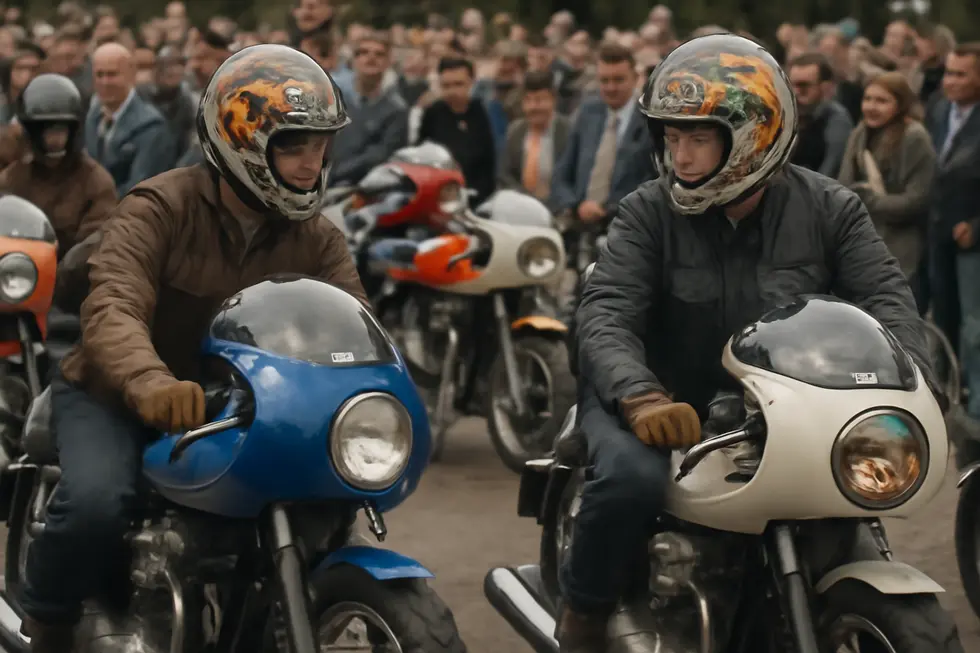
1. Shaping Rider Identity: The Cultural Resonance of Retro Motorcycle Fairings
Retro motorcycle fairings serve as powerful cultural signifiers that bridge tradition and individuality within the motorcycling world. Far beyond aesthetic appeal, these fairings offer riders a means to express personal style while anchoring their machines in a shared heritage. Enthusiasts often seek out original and custom kits that preserve the classic visual language of vintage motorcycles, yet allow room for creativity and innovation. This fusion nurtures a culture where craftsmanship and sustainability thrive—riders can rejuvenate their bikes affordably without severing ties to their legacy.
The connection to rider identity is deeply embedded in how customization reflects personal and communal values. Historical motorcycle cultures, such as those shaped by iconic brands, demonstrate a gradual shift from conservative expressions to more individualized statements shaped by gear, rituals, and bike modifications. Retro fairings naturally fit into this landscape, acting as visual markers that reveal a rider’s aesthetic preferences and cultural belonging. For example, subtle nods to tradition through streamlined shapes and classic headlight designs foster a sense of unity among like-minded riders.
From a market perspective, retro fairings cater to those drawn by both nostalgia and functional enhancements. This segment values the integration of vintage style with modern manufacturing techniques—like durable ABS plastics and layered paint finishes—ensuring the fairings provide longevity and performance without compromising classic looks. By appealing across generations, these fairings enable riders to own motorcycles that resonate with their identity rather than simply conforming to mass-market trends.
In essence, retro motorcycle fairings sustain a dynamic cultural role by encapsulating the intersection of heritage, creativity, and practical innovation. They reinforce community bonds, enable authentic self-expression, and support the continuing evolution of motorcycle cul