















Introduction
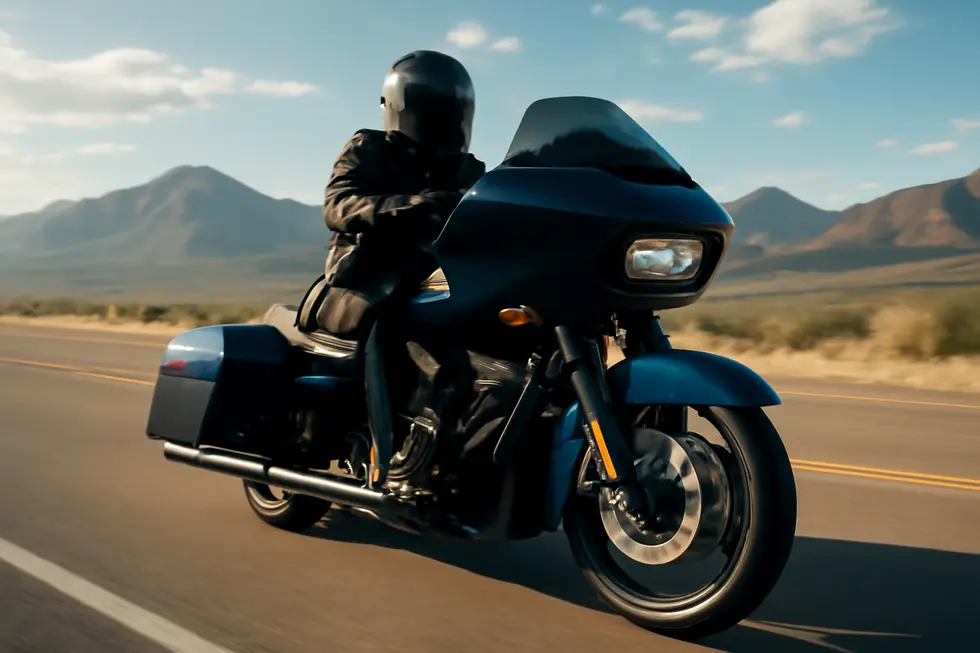
Fixed fairing motorcycles stand as a pivotal innovation in the domain of touring and cruising motorcycles, delivering unmatched stability and comfort for long-distance rides. Unlike traditional fork-mounted fairings, fixed fairings are rigidly attached to the motorcycle frame, offering superior aerodynamic benefits that translate into enhanced control and reduced rider fatigue. For business owners operating in the motorcycle retail, customization, or accessories market, understanding the unique advantages and applications of fixed fairing motorcycles is essential to meeting the demands of touring enthusiasts. This article delves into the core attributes of fixed fairing motorcycles, beginning with their handling and stability features, followed by an overview of prominent models leveraging this technology. From there, it explores the integral role fixed fairings play within the popular bagger motorcycle segment, examines racing regulations emphasizing their performance impact, and concludes by unveiling the extensive customization and aftermarket accessory potential. Each chapter underscores how fixed fairing motorcycles not only transform rider experience but also present lucrative prospects in the motorcycle business ecosystem.
Tables of Contents
Chapter 1: Handling and Stability Features of Fixed Fairing Motorcycles
- Aerodynamic Innovations Enhancing Stability and Control in Fixed Fairing Motorcycles
- Enhanced Wind Deflection and Rider Comfort Through Fixed Fairing Design
- Optimizing Weight Balance and Steering Dynamics for Enhanced Control
- Ergonomic Control and Rider Positioning Enhancing Stability in Fixed Fairing Motorcycles
- How Fixed Fairings Enhance Stability Compared to Handlebar-Mounted Designs
Chapter 2: Prominent Models Featuring Fixed Fairing Motorcycles
- Cutting-Edge Technologies Driving Performance in Fixed Fairing Motorcycles
- Economic Influence of Fixed Fairing Models on Motorcycle Market Dynamics
- Global Reach and Market Dynamics of Leading Fixed Fairing Motorcycles
- How Consumer Demands and Societal Trends Shape Design in Fixed Fairing Motorcycles
- Aerodynamic Design Evolution Elevating Stability in Fixed Fairing Motorcycles
Chapter 3: The Role of Fixed Fairing Motorcycles in Bagger Style Touring Bikes
- Optimizing Aerodynamics and Rider Endurance Through Fixed Fairings in Bagger Touring Motorcycles
- Seamless Styling Meets Touring Function: How Fixed Fairings Define Bagger Motorcycles
- Integrating Advanced Safety and Cutting-Edge Technology in Fixed Fairing Bagger Motorcycles
- Market Dynamics and Consumer Appeal of Fixed Fairing Bagger Motorcycles
- How Fixed Fairings Elevate Long-Distance Touring Comfort and Stability in Baggers
Chapter 4: Racing Regulations and Performance Implications of Fixed Fairing Motorcycles
- Navigating Technical Rules and Aerodynamic Impact in Fixed Fairing Motorcycle Racing
- Harnessing Aerodynamics and CFD: The Performance Edge and Regulatory Landscape of Fixed Fairing Motorcycles
- Navigating Homologation Rules: Balancing Aerodynamic Optimization and Competitive Performance in Fixed Fairing Motorcycles
- Balancing Static and Dynamic Aerodynamics: Regulatory Constraints and Performance in Fixed Fairing Racing Bikes
- Enhancing Racing Performance: How Fixed Fairings Boost Stability, Aerodynamics, and Efficiency
Chapter 5: Customization and Aftermarket Accessories for Fixed Fairing Motorcycles
- Precision-Control Adjustable Windshield Systems: Elevating Comfort and Aerodynamics on Fixed Fairing Bikes
- Harmonizing Style and Aerodynamics: Custom Fairings for Fixed Fairing Motorcycles
- Factory-Driven Enhancements: Blending Style and Performance in Fixed Fairing Motorcycles
- Enhancing Power, Aerodynamics, and Safety: Key Performance Upgrades for Fixed Fairing Motorcycles
- Navigating Premier Marketplaces for Tailored Parts and Maintenance Essentials on Fixed Fairing Bikes
Chapter 1: Handling and Stability Features of Fixed Fairing Motorcycles
1. Aerodynamic Innovations Enhancing Stability and Control in Fixed Fairing Motorcycles
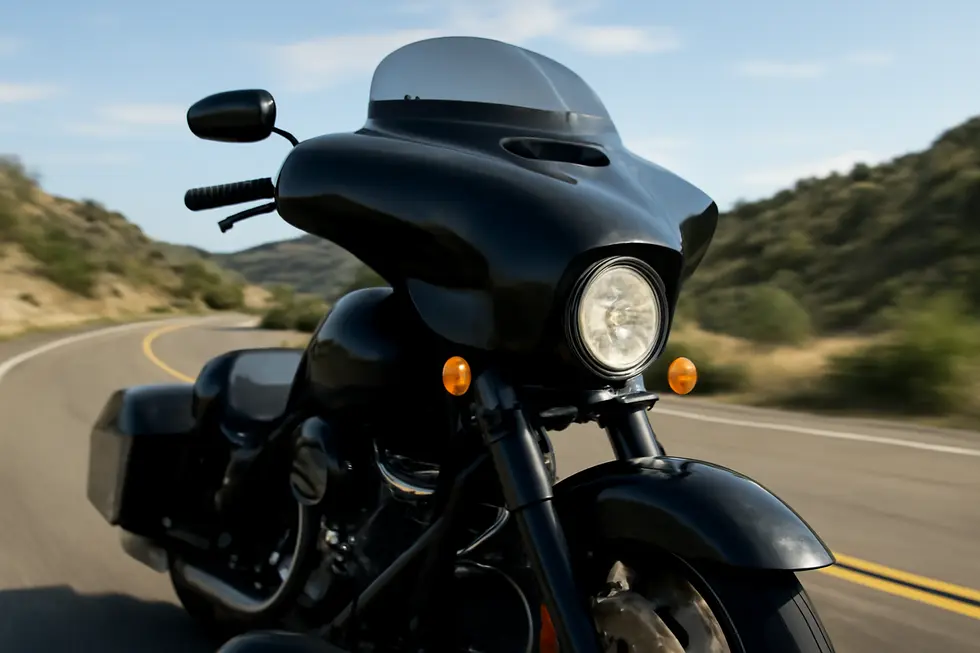
Fixed fairings contribute significantly to handling and stability by harnessing aerodynamic principles that balance downforce, drag reduction, and rider wind protection. Integrated winglets and aerodynamic extensions create downforce that presses tires firmly to the road, minimizing wheelies and enhancing grip during acceleration, braking, and cornering. This aerodynamic downforce translates to improved stability at high speeds and better control in aggressive maneuvers. Additionally, the fairing’s sculpted shape forms a calm air pocket around the rider, reducing wind buffeting and fatigue, thus supporting sustained focus and control on long rides. Drag reduction is another crucial benefit; a refined fairing lowers air resistance, boosting top speed and efficiency while maintaining nimble responsiveness. Optimized airflow also improves engine cooling, preserving performance under demanding conditions. These integrated aerodynamic features collectively elevate both the stability and the handling responsiveness that touring and high-speed riders expect from fixed fairing motorcycles. For those interested in customization, exploring affordable motorcycle fairings at Summit Fairings can provide options that enhance these aerodynamic benefits. More detailed aerodynamic insights can be found in the analysis of the 2025 Ducati Panigale V4’s fairing and wing design (https://www.totalmotorcycle.com/motorcycles/2025/2025-ducati-panigale-v4s/).
2. Enhanced Wind Deflection and Rider Comfort Through Fixed Fairing Design
Fixed fairing motorcycles elevate handling and stability by expertly managing wind deflection to reduce rider fatigue. Their frame-mounted fairings remain steady during steering, minimizing handlebar buffeting common with bar-mounted designs. Aerodynamically sculpted shapes, often incorporating winglets or extended windshields, guide airflow away from the rider while generating downforce that stabilizes the front end at highway speeds. Features such as windshield lips channel turbulent air upward, smoothing airflow around the helmet and reducing buffeting effects. These aerodynamic advances reduce sustained wind pressure, lessening physical strain on riders during long-distance rides, though taller riders may still feel some fatigue at extreme speeds. Collectively, these elements create a more secure, comfortable ride by improving front-end stability and diminishing wind-induced handlebar forces, directly enhancing overall control and endurance on the road. For further exploration of motorcycle fairing designs, see explore the best motorcycle fairings at Summit Fairings.
3. Optimizing Weight Balance and Steering Dynamics for Enhanced Control
The interplay of weight distribution and steering effort is pivotal in shaping the handling and stability of fixed fairing motorcycles. Typically, these bikes exhibit a rear-biased weight distribution, which enhances straight-line stability and contributes to their confident highway presence. Fixed fairings reduce aerodynamic drag and wind buffeting, preventing unwanted forces from shifting weight onto the front forks, thus easing steering input and improving overall control. Frame rigidity and mass centralization further refine handling; a well-engineered chassis keeps the weight compact and stiff, enabling precise rider feedback during turns and minimizing steering effort. Handlebar design, including strategically placed weights, dampens vibrations, reducing rider fatigue while sharpening steering responsiveness. These combined factors create a harmonious balance where stability at speed meets agile maneuverability, making fixed fairing motorcycles well-suited for sustained touring and spirited riding. For a deeper dive into effective fairing designs that support such dynamics, explore this comprehensive guide to motorcycle fairings. For detailed examples on how weight balance and steering characteristics integrate with aerodynamic design, see reviews of advanced models like the 2025 Harley-Davidson CVO Road Glide.
4. Ergonomic Control and Rider Positioning Enhancing Stability in Fixed Fairing Motorcycles
The riding position on fixed fairing motorcycles plays a crucial role in optimizing handling and stability by harmonizing aerodynamic efficiency with rider comfort. Unlike fork-mounted fairings, fixed fairings are anchored directly to the frame, allowing handlebars to pivot independently without disturbing the aerodynamic shell. This design minimizes wind buffeting at high speeds, enabling straighter, more stable rides that reduce rider fatigue over long distances. Typically, these motorcycles adopt an upright or sport-touring posture that balances rider control and visibility while easing strain during extended journeys. Ergonomic features such as thoughtfully sculpted seats and contoured tanks enhance rider integration with the bike, facilitating precise inputs for cornering and braking. Adjustable windshield systems, though separate from the fixed fairing frame, complement these benefits by allowing fine-tuning of airflow to reduce turbulence near the helmet without compromising overall stability. Together, these elements provide a cohesive riding experience that supports confident handling and enduring comfort, essential for touring and spirited riding alike. For further insights on aerodynamic enhancements relevant to fixed fairings, explore this comprehensive resource on motorcycle fairings.
Source: Kawasaki’s analysis of ergonomic and frame design in sport-tourers underlines how centralized mass and rider positioning improve handling dynamics [2].
5. How Fixed Fairings Enhance Stability Compared to Handlebar-Mounted Designs
Fixed fairings, mounted directly to the motorcycle frame, fundamentally improve handling by isolating aerodynamic forces from the steering system. Unlike handlebar-mounted fairings, which move with the handlebars and add weight to the front forks, frame-mounted fairings reduce steering effort and enhance high-speed stability. This design lessens wind buffeting and vibration transmitted to the rider, resulting in less fatigue during long-distance cruising. While handlebar-mounted fairings can provide a closer, more connected steering feel, their weight can cause twitchy handling and increased steering load, especially in crosswinds. By contrast, fixed fairings foster a steadier, more predictable ride and better front suspension performance. Enhancements such as aerodynamic winglets further refine stability by directing airflow effectively, improving confidence in various riding conditions. This balance between rider comfort, control, and aerodynamic efficiency is why fixed fairings are a favored choice for touring motorcycles focused on long-haul performance. For a deeper dive into motorcycle fairing options and designs, explore the wide range at Summit Fairings.
For an example of aerodynamic innovation influencing handling, the Ducati Panigale V4 incorporates winglets to generate downforce that stabilizes braking and cornering, demonstrating how fairing design shapes riding dynamics at a competitive level.
Chapter 2: Prominent Models Featuring Fixed Fairing Motorcycles
1. Cutting-Edge Technologies Driving Performance in Fixed Fairing Motorcycles
Prominent fixed fairing motorcycles showcase advanced technologies that enhance aerodynamics, rider comfort, and safety. Leading designs employ computational fluid dynamics (CFD) to create fixed fairings and winglets that reduce drag and generate downforce, improving stability at high speeds. Innovations such as integrated LED lighting enhance visibility without compromising style. Thermal management is optimized with liquid-cooled engines and brake cooling ducts, ensuring consistent performance on long journeys or racing conditions. Electronic rider aids like adaptive braking systems, traction control, and predictive sensor networks refine handling and safety through precise, real-time interventions. These features collectively elevate the riding experience, merging powerful engines with ergonomic refinements tailored to reduce fatigue and deliver superior control. Manufacturers leverage these technological advancements to redefine what fixed fairing motorcycles offer touring and performance riders alike, epitomizing the synergy between engineering and rider-centric design. For a deeper look into motorcycle fairing choices and customization, explore Summit Fairings’ premium source for custom styles.
[4] Ducati Panigale V4S Electronics and Brake Systems
2. Economic Influence of Fixed Fairing Models on Motorcycle Market Dynamics
Motorcycles equipped with fixed fairings profoundly impact the industry by driving innovation and elevating brand value. These fairings enhance stability and rider comfort while justifying premium pricing through advanced materials and aerodynamic design. High-performance models benefit from refined engineering that improves handling and downforce, appealing to enthusiasts who prioritize cutting-edge technology and touring capabilities. This demand supports growth in the premium segment, encouraging manufacturers to invest in aerodynamic refinement and upgraded components. Flexible financing schemes help broaden accessibility, enabling wider consumer adoption of sophisticated motorcycles featuring fixed fairings. Additionally, these advanced designs sustain higher resale values, positively affecting the used motorcycle market. Collectively, such economic dynamics reinforce the strategic importance of fixed fairing motorcycles in maintaining competitive advantage and profitability within global sport-touring and high-performance bike sectors. For further insight into fairing options, explore Summit Fairings’ comprehensive inventory. External reference: 2025 Harley-Davidson CVO Street Glide updates with redesigned fixed fairing enhancing performance.[2]
3. Global Reach and Market Dynamics of Leading Fixed Fairing Motorcycles
Fixed fairing motorcycles with iconic features have a stronghold in North America, particularly in the United States, where motorcycle culture is deeply ingrained. These bikes, equipped with advanced technologies such as cornering ABS and traction control, cater to touring enthusiasts seeking performance and comfort. Beyond their American base, growing demand emerges in Europe and Asia-Pacific, driven by rising disposable incomes and expanding luxury leisure travel markets. Regulatory environments vary, but premium customization and safety innovations maintain these motorcycles’ appeal across regions. Strategic dealership networks support their global distribution, enabling these models to symbolize both American motorcycling heritage and cutting-edge touring design worldwide. Their prominence in diverse markets reflects a balance between cultural affinity for long-distance riding and technological sophistication that addresses international road conditions. For those interested in technical details and specifications, further information is available Мы обновили наш систему сайта,.
4. How Consumer Demands and Societal Trends Shape Design in Fixed Fairing Motorcycles
Fixed fairing motorcycles have evolved significantly due to shifting consumer preferences focused on performance, safety, and style. Modern sportbikes incorporate aerodynamic winglets and streamlined fairings to enhance stability and reduce drag, appealing to riders seeking improved control at high speeds. The demand for advanced technology has led to intelligent aero systems and ergonomic designs that accommodate diverse rider needs without sacrificing aggressive aesthetics. Additionally, accessibility plays a key role—motorcycles blend sporty fairings with practical features like fuel flexibility and connectivity to broaden their appeal. These factors reflect a market driven by enthusiasts hungry for a blend of racing-inspired looks, rider comfort, and cutting-edge safety enhancements. For those interested in exploring the wide variety of fixed fairings available, Summit Fairings offers an excellent resource. Further insights on aerodynamic and ergonomic innovations can be found in expert reviews, such as the detailed analysis of rider-focused upgrades in sportbike models at Living With Gravity.
5. Aerodynamic Design Evolution Elevating Stability in Fixed Fairing Motorcycles
Fixed fairing motorcycles have undergone a significant aerodynamic evolution, balancing performance and rider comfort through design refinements. European sportbikes incorporate integrated fixed wings to generate essential downforce, improving cornering stability and reducing wheelies. For example, dual-profile wings not only cut drag by around 4% but also create calmer airflow zones that minimize rider fatigue and enhance control during aggressive riding. These wings boost front-wheel grip at high speeds and allow later braking, benefiting track performance. Conversely, American touring motorcycles emphasize aerodynamic efficiency focused on rider endurance. Their fixed fairings, sculpted using computational fluid dynamics, reduce helmet buffeting and smooth airflow, ensuring steady stability on long rides. Features like integrated lighting and refined contours extend these benefits into modern models, enhancing both style and function. This evolution reveals a clear distinction: sportbikes prioritize dynamic downforce and cornering prowess, while touring bikes optimize airflow for comfort and prolonged cruising ease. Together, these advances showcase the critical role of aerodynamics in fixed fairing design. For more insights on motorcycle fairings, explore Фиксация крепежа требует как заботы, так и правильных материалов. Использование резиновых манжет или прокладок в отверстиях болтов придает обтекателю защиту от стресса и вибрации, предотвращая трещины, часто встречающиеся на стекловолоконных или пластиковых поверхностях. Важно аккуратно затягивать болты, чтобы избежать перетяжки, которая может повредить точки крепления или сам обтекатель. В некоторых случаях, заклепки или задние пластины обеспечивают дополнительную стабильность. После затяжки все снятые компоненты, такие как фары и ветровые стекла, должны быть аккуратно прикреплены, проверяя их правильное расположение и полную функциональность..
External resource: https://www.asphaltandrubber.com/bikes/bmw-m-1000-rr-aerodynamics-winglets/
Chapter 3: The Role of Fixed Fairing Motorcycles in Bagger Style Touring Bikes
1. Optimizing Aerodynamics and Rider Endurance Through Fixed Fairings in Bagger Touring Motorcycles
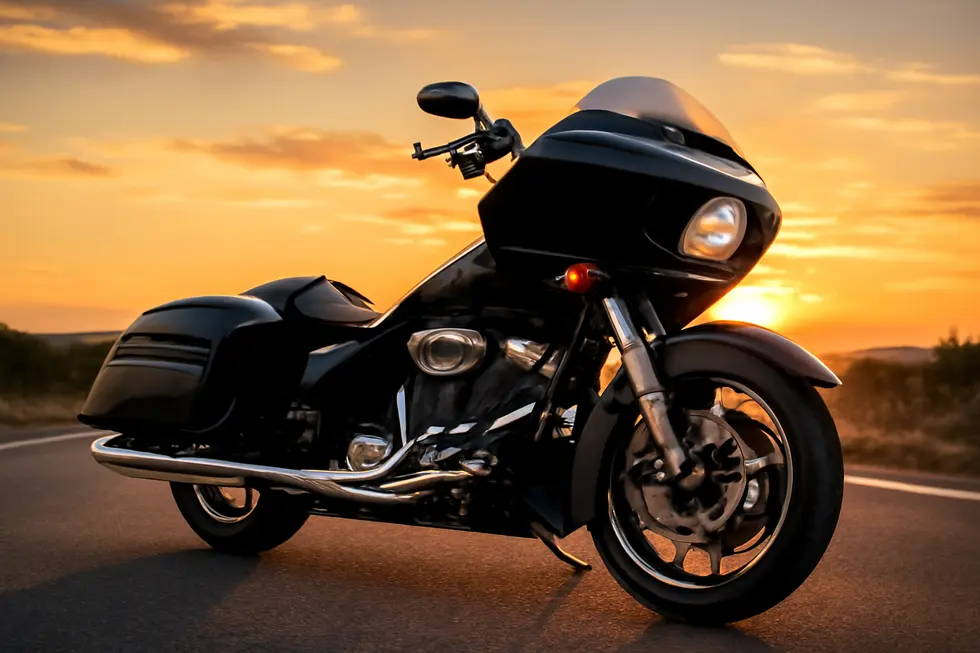
Fixed fairings on bagger-style touring motorcycles play a pivotal role in refining aerodynamic efficiency and enhancing rider comfort during long-distance rides. By being securely mounted to the motorcycle frame rather than the forks, these fairings streamline airflow around the bike and rider, significantly reducing drag and mitigating wind buffeting. This design creates a “bubble of calm air” around the upper body, helping riders maintain a relaxed posture with less physical effort. Engineering strategies such as computational fluid dynamics (CFD) optimize the shape and curvature of these fairings to balance stability and maneuverability, allowing handlebars to operate independently without compromising control.
Furthermore, fixed fairings integrate practical features like LED lighting and audio systems without disrupting aerodynamic performance or adding unnecessary weight. The overall effect reduces rider fatigue and improves handling stability, particularly at highway speeds where endurance matters most. These benefits make fixed fairings essential for bagger motorcycles focused on blending high-speed performance with sustained rider comfort. For those interested in exploring the positive impact of aerodynamic upgrades, further insights can be found at Summit Fairings’ range of motorcycle fairings.
2. Seamless Styling Meets Touring Function: How Fixed Fairings Define Bagger Motorcycles
Fixed fairings are integral to the distinctive identity and performance of bagger style touring motorcycles. Beyond their bold, aggressive contours that create the iconic “bagger” look, they serve a vital functional purpose. These fairings are meticulously designed to reduce wind buffeting and protect riders from harsh airflow, significantly lowering fatigue on long highway journeys. They also house essential elements like advanced LED lighting and instrumentation, combining safety with convenience. The aerodynamic profiles of fixed fairings streamline airflow, minimizing resistance and noise for an enhanced touring experience. Stylistically, their color-matched finishes and customizable options allow riders to personalize their machines without sacrificing performance. This integration of form and function achieves a balanced synergy where visual appeal supports practical touring needs, making fixed fairings indispensable in the bagger motorcycle niche. For riders seeking both style and substance, these fairings epitomize the perfect blend of design innovation and rider-focused engineering. More on customizing your motorcycle with fixed fairings can be found at explore the best motorcycle fairings at Summit Fairings and on the official Harley-Davidson page.
3. Integrating Advanced Safety and Cutting-Edge Technology in Fixed Fairing Bagger Motorcycles
Fixed fairing bagger motorcycles bring together aerodynamic precision and state-of-the-art safety technologies to elevate long-distance riding. The frame-mounted fairing design minimizes wind buffeting by reducing handlebar feedback, improving stability especially in crosswinds. This aerodynamic advantage is refined through computational fluid dynamics, ensuring smooth airflow and comfort at highway speeds. Complementing this are advanced electronic systems like cornering ABS, which adapts braking based on lean angle, and linked braking for balanced stopping power. Traction control and drag-torque slip control enhance stability during acceleration and downshifts, preventing slip or wheel lockup on varying road surfaces. Vehicle Hold Control eases hill starts by maintaining brake pressure until acceleration, improving rider confidence in diverse conditions. Modern infotainment interfaces further enrich the touring experience, offering convenience without distracting from safety. These integrated innovations define fixed fairing baggers as premier machines for both performance and protection on extended journeys. For more insights on customization, visit Explore the Best Motorcycle Fairings at Summit Fairings.
Reference: Electronic braking and traction control systems in bagger touring motorcycles
4. Market Dynamics and Consumer Appeal of Fixed Fairing Bagger Motorcycles
Fixed fairing motorcycles significantly influence the bagger touring segment by combining advanced aerodynamic design with rider-centric comfort. The rigidly mounted fairings improve wind deflection and reduce fatigue, making these motorcycles highly desirable for long-distance riders who prioritize stability and control. Economically, these bikes command premium prices due to their engineering complexity and integration of powerful engines, justifying their position in the high-end touring market. Consumers favor fixed fairings for their superior handling in crosswinds and extended ride comfort, driving strong market demand. Additionally, the availability of aerodynamic aftermarket fairings enhances customization options, further appealing to enthusiasts seeking both performance and style. This blend of technical innovation and consumer preference strengthens the fixed fairing motorcycle’s role as a standout choice in the bagger touring category. For more insights on fairing options that complement this market, explore affordable motorcycle fairings. External resource: Harley-Davidson Pricing and Features.
5. How Fixed Fairings Elevate Long-Distance Touring Comfort and Stability in Baggers
Fixed fairings play a pivotal role in enhancing the long-distance touring experience of bagger motorcycles by dramatically improving aerodynamic stability and rider comfort. By being securely mounted to the motorcycle’s frame rather than the handlebars, they maintain a steady shield against wind buffeting regardless of steering input. This reduces the turbulent airflow that typically causes rider fatigue during extended highway rides. Aerodynamically optimized through computational analysis, fixed fairings such as the sharknose style notably minimize crosswind effects, allowing for a more composed and less tiring ride. Compared to handlebar-mounted fairings, fixed fairings provide superior wind protection while still allowing crisp, independent handling. This design also supports the integration of advanced lighting and infotainment systems that further enrich touring comfort and safety. Such qualities make fixed fairing baggers exceptionally suited for long hauls, balancing rider endurance with confident control and distinctive styling. For deeper insights into fairing options that complement touring needs, explore this comprehensive guide on motorcycle fairings. External data affirms that frame-mounted fairings consistently lower fatigue and increase aerodynamic efficiency for touring riders during prolonged trips.[1]
Chapter 4: Racing Regulations and Performance Implications of Fixed Fairing Motorcycles
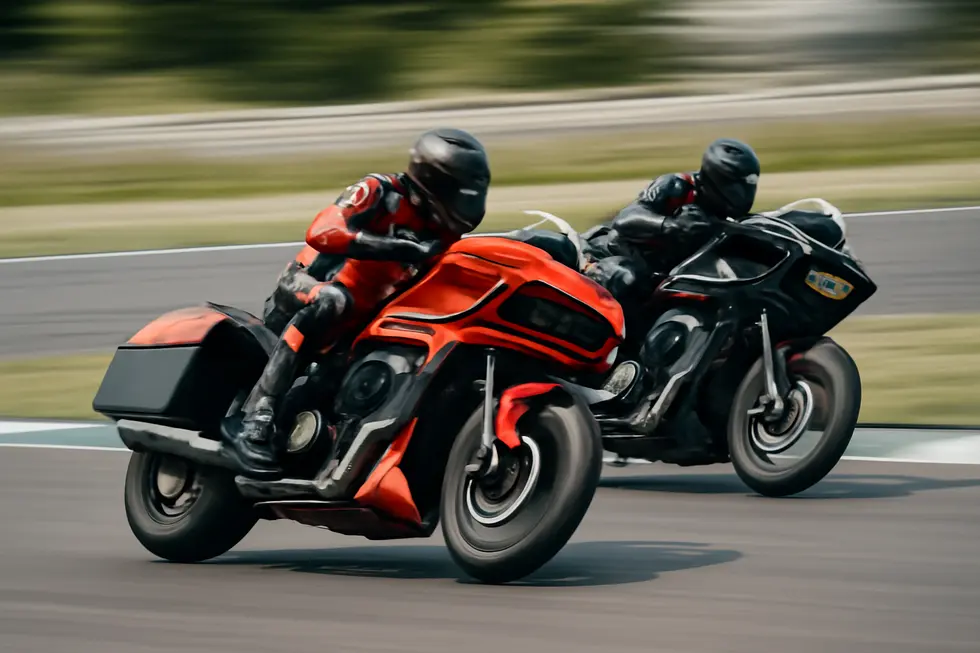
1. Navigating Technical Rules and Aerodynamic Impact in Fixed Fairing Motorcycle Racing
Racing motorcycles equipped with fixed fairings operate under a rigorous regulatory framework designed to balance safety, competitive fairness, and performance. Governing bodies like the Fédération Internationale de Motocyclisme (FIM) set precise technical regulations covering minimum weight limits, power output caps, and mandatory data-logging systems to ensure parity across competing machines. Fixed fairings significantly influence aerodynamic efficiency by reducing drag and enhancing stability at high speeds, prompting regulations to define permissible aerodynamic devices. Some series even allow active aero systems, provided they are homologated on production models, illustrating the evolving intersection of innovation and compliance. Class-specific rules, such as those in bagger racing, adjust allowances to equalize performance among large displacement V-Twin motorcycles with fixed fairings. Safety mandates, including lighting requirements and ballast regulations, monitor weight distribution and handling integrity. Continuous data monitoring enforces adherence to power and aerodynamic restrictions, showcasing how modern racing tightly integrates technology and rule enforcement. This dynamic regulatory landscape underscores the critical role fixed fairings play in competitive racing while maintaining equitable competition. Further insights into technical advancements and equipment options can be found at Summit Fairings. For detailed FIM 2025 regulations, visit the official championship documentation.
2. Harnessing Aerodynamics and CFD: The Performance Edge and Regulatory Landscape of Fixed Fairing Motorcycles
Aerodynamic innovation shapes the competitive realm of fixed fairing motorcycles, where Computational Fluid Dynamics (CFD) has become indispensable. Racing regulations strictly limit fairing dimensions to ensure rider safety and fairness, prohibiting protruding winglets yet allowing integrated aero features within defined size limits. Through CFD, manufacturers refine fairing designs to optimize drag reduction, downforce, and cooling efficiency, boosting stability and agility at race speeds. For instance, aerodynamic profiles minimize side surface area to resist crosswinds, while improved radiator airflow maintains engine performance under extreme conditions. Active aerodynamic system