















Мотоциклетные накладки критически важны как для эстетики, так и для производительности, защищая велосипед, одновременно улучшая его внешний вид. К сожалению, повреждения могут возникнуть, будь то из-за небольших аварий, износа и старения или факторов окружающей среды. Понимание того, как ремонтировать эти накладки, важно для владельцев бизнеса, которые зависят от мотоциклов для своей деятельности. Этот руководство рассматривает практические методы ремонта пластиковых накладок, выделяет проблемы, связанные с композитными накладками, и обсуждает стоимость, прочность и когда обращаться к профессионалам. Обеспечьте себя информацией, чтобы уверенно заниматься ремонтом накладок и поддерживать целостность вашего мотоцикла.
Перекрашивание поездки: Практические техники ремонта пластиковых мотоциклетных накладок
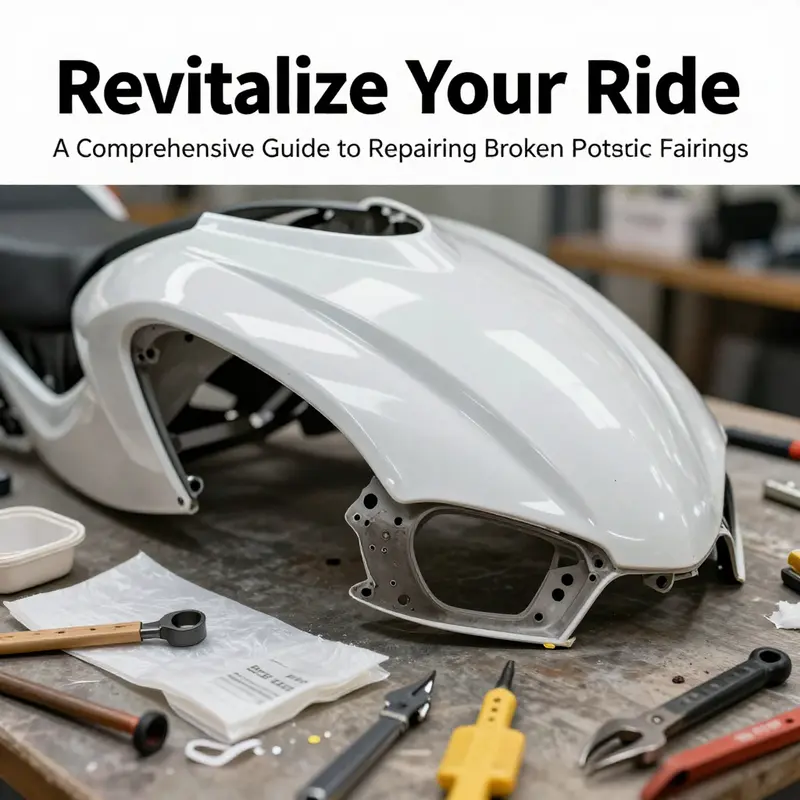 Пластиковые накладки делают больше, чем защищают двигатель; они придают мотоциклу силуэт и аэродинамику. Когда накладка трескается или ломается, желание ехать может столкнуться с дисциплиной, необходимой для ремонта. Хорошо выполненный ремонт пластика сохраняет не только внешний вид, но и структурную целостность, которая поддерживает выровненные точки крепления и защищает внутренние компоненты от ветра и мусора. Подход, описанный здесь, помогает восстановить как прочность, так и стиль, соблюдая реальность, что некоторые повреждения достаточно просты для тщательного домашнего ремонта, в то время как другие случаи требуют профессиональных инструментов и материалов OEM-класса, чтобы обеспечить безупречное соответствие и прочное соединение. Эта глава фокусируется на накладках на основе АБС, потому что они распространены на многих спортивных и уличных мотоциклах, но основные принципы переносятся на другие пластиковые и композитные конфигурации. Цель не только косметический ремонт, но и ремонт, который поддерживает роль накладки как несущего, отводящего ветер компонента, способного выдерживать дорожные нагрузки, связанные с высокой скоростью и переменной погодой. В этом духе следующее обсуждение объединяет оценку, подготовку, склеивание, заполнение, завершение и безопасную сборку в согласованном процессе, который вы можете адаптировать к масштабу повреждений, с которыми вы сталкиваетесь.
Начните с серьезной оценки: является ли трещина поверхностной, разрывом вдоль текстуры или разрывом, который нарушает поддерживающие ребра и отверстия крепления? Поверхностные трещины, которые не достигают внутренней конструкции, часто можно стабилизировать с помощью клея и заплаты, в то время как более глубокие повреждения рядом с или через ключевые ребра могут потребовать более консервативного ремонта или даже замены. Цель состоит в том, чтобы определить, отслоилась ли материал вокруг трещины, есть ли пропавший пластик, и были ли смещены какие-либо точки крепления. Четкая диагностика экономит время и деньги и снижает вероятность ремонта, который не выдержит сильный порыв ветра или удар от ямы. Если трещина находится в области, где находится точка крепления или пересекает шов с другим панелью, вам нужно проверить как внутреннюю опору, так и внешнюю кожу. Отслоение может скрываться под поверхностью, и соединение, которое кажется прочным снаружи, может не распределять нагрузку равномерно, если внутренняя часть остается поврежденной. Этот ранний этап осмотра задает курс для остального ремонта и помогает решить, сможете ли вы безопасно восстановить деталь дома или должны обратиться к профессиональному осмотру.
Перед любым склеиванием область ремонта должна быть чистой и готовой. Тщательная очистка с использованием моющего средства или мягкого мыла удаляет воск и масло, которые в противном случае саботируют сцепление. После мытья полностью вытрите область; влага, застрявшая за ремонтом, может ослабить соединение. Легкая шлифовка вокруг поврежденной зоны с помощью бумаги 400–600 grit создает микроповерхность, которая помогает клею схватиться. Это не означает удаление материала, а лишь обнажение свежей поверхности. Частая ошибка — торопиться с клеем на жирной, блестящей пластиковой поверхности; этот промах становится слабым швом, который отслаивается под напряжением. Если разрыв длиннее или есть пропавший кусок, вы можете подкрепить ремонт стекловолоконной сеткой или заплатой на внутренней поверхности. Сетка предоставляет место для смолы и снижает риск последующего растрескивания из-за гибкости и вибрации. Для больших ремонтов двухэтапный подход — сначала склеивание, затем структурное заполнение эпоксидной смолой или шпатлевкой — помогает восстановить как прочность, так и форму. Этап подготовки, тщательно выполненный, часто является наиболее решающим фактором в долгосрочной успешности ремонта.
Пластиковые крылья делают больше, чем защищают двигатель; они придают мотоциклу его силуэт и аэродинамику. Когда крыло трескается или ломается, желание продолжить езду может столкнуться с дисциплиной, необходимой для ремонта. Хорошо выполненный ремонт пластика сохраняет не только внешний вид, но и конструктивную целостность, которая поддерживает выравнивание точек крепления и защищает внутренние компоненты от ветра и мусора. Подход, описанный здесь, помогает восстановить прочность и стиль, соблюдая реальность, что некоторые повреждения достаточно просты для тщательного домашнего ремонта, в то время как другие случаи требуют профессиональных инструментов и материалов OEM-класса, чтобы обеспечить безупречное соответствие и прочное соединение. Эта глава фокусируется на крыльях на основе АБС, потому что они распространены на многих спортивных и уличных мотоциклах, но основные принципы применимы к другим пластиковым и композитным конфигурациям. Цель не только косметический ремонт, но и ремонт, который поддерживает роль крыла как несущего, отводящего ветер компонента, способного выдерживать дорожные нагрузки, связанные с высокой скоростью и переменной погодой. В этом духе следующее обсуждение объединяет оценку, подготовку, склеивание, заполнение, завершение и безопасную сборку в согласованном процессе, который вы можете адаптировать под масштаб повреждений, с которыми вы сталкиваетесь.
Начните с серьезной оценки: является ли трещина поверхностной, разрывом вдоль волокон или разрушением, которое влияет на опорные ребра и отверстия крепления? Поверхностные трещины, которые не достигают внутренней структуры, часто можно стабилизировать клеем и заплаткой, тогда как более глубокие повреждения рядом с или через важные ребра могут потребовать более осторожного ремонта или даже замены. Цель состоит в том, чтобы определить, отслоилась ли материал вокруг трещины, есть ли пропавший пластик и сместились ли какие-либо точки крепления. Четкая диагностика экономит время и деньги и снижает вероятность ремонта, который провалится под воздействием сильного ветра на высокой скорости или удара о яму. Если трещина находится в области, где расположен крепежный элемент или пересекает шов с другой панелью, вам нужно проверить как внутреннюю опору, так и внешнюю поверхность. Отслоение может скрываться под поверхностью, и соединение, которое кажется прочным снаружи, может не равномерно распределять нагрузку, если внутренняя часть осталась поврежденной. Этот ранний этап осмотра определяет дальнейший ход ремонта и помогает решить, сможете ли вы безопасно восстановить деталь дома или вам следует обратиться к профессиональной оценке.
Перед любым склеиванием область ремонта должна быть чистой и готовой. Тщательная очистка с использованием обезжиривателя или мыла удаляет воск и масло, которые в противном случае саботируют сцепление. После мытья полностью высушите область; влага, застрявшая за ремонтом, ослабит соединение. Легкая шлифовка вокруг поврежденной зоны абразивом 400–600 grit создает микрорельеф, который помогает клею схватываться. Это не означает удаление материала, а лишь экспонирование свежей поверхности. Частая ошибка — торопиться с наклеиванием на жирный, глянцевый пластик; этот промах становится слабым швом, который отслаивается под нагрузкой. Если разлом длиннее или есть пропавший кусок, вы можете подкрепить ремонт стекловолоконной сеткой или заплаткой на внутренней поверхности. Сетка предоставляет место для смолы и снижает риск будущих трещин из-за изгиба и вибрации. Для больших ремонтов двухэтапный подход — сначала склеивание, затем структурное заполнение эпоксидной смолой или массой для кузовных работ — помогает восстановить прочность и форму. Этап подготовки, тщательно выполненный, часто является наиболее решающим фактором долгосрочного успеха ремонта.
Для АБС или аналогичных автомобильных пластиков используйте качественный клей для пластика, предназначенный для этого типа материала. Нанесите его вдоль разорванного края, чтобы соединить части. Избегайте клея на основе растворителей, которые могут сделать пластик хрупким. После склеивания плотно зафиксируйте детали, чтобы сохранить выравнивание во время затвердевания клея, обычно на ночь в сухой среде. Если разлом длиннее или есть пропавший кусок, подкрепите ремонт стекловолоконной сеткой или заплаткой на внутренней поверхности. Сетка предоставляет место для смолы и снижает риск будущих трещин из-за изгиба и вибрации. Для больших ремонтов двухэтапный подход — сначала склеивание, затем структурное заполнение эпоксидной смолой или массой для кузовных работ — помогает восстановить прочность и форму. Время отверждения — практическое ограничение; планируйте около 24 часов, чтобы композит мог затвердеть без помех. В некоторых случаях использование мембраны или защитной пленки между ремонтом и слоем краски во время отверждения может предотвратить нежелательное склеивание или нагрев от солнца, если вы находитесь в жарком климате. На этом этапе многие водители осознают, насколько контроль над конечным результатом зависит от того, чтобы поддерживать постоянную среду и проявлять терпение.
Для зазоров или отсутствующих участков можно использовать двухкомпонентный эпоксидный заплаточный материал для восстановления пропущенной геометрии, а затем формировать, чтобы достичь плотного профиля, совпадающего с окружающим обтекателем. Нанесите заплаточный материал тонкими слоями, дождитесь высыхания каждого перед нанесением следующего. Такой слоистый подход минимизирует нагрев и снижает риск деформации. После шлифовки должна быть непрерывная линия с соседним материалом, а не заметный бугорок. Целью является воссоздание оригинальной формы, чтобы краска ложилась равномерно. При использовании эпоксидных заплат соблюдайте меры безопасности и убедитесь, что область хорошо проветривается. Обрабатывайте затвердевший заплаточный материал абразивной бумагой с постепенно увеличивающейся зернистостью от примерно 800 до 1500 grit, чтобы получить гладкую поверхность, готовую к грунтовке. Если ваш ремонтный участок распространяется на изогнутую или переходную зону, рассмотрите использование гибкого заплаточного материала или добавьте небольшой фасок к краю, чтобы сплавить ремонт с изгибом, что поможет краске течь и снизит риск поднятия края со временем. Чем гладче ваша поверхность после шлифовки, тем меньше вы заметите ремонт, когда цвет вернётся.
Грунтовка пластика требует тщательной подготовки поверхности и совместимого грунтовочного состава, который прилипает к выбранной системе покраски. Грунтовка, которая заполняет небольшие дефекты и принимает верхние слои одинаково, является необходимой для однородного подложного покрытия. Дайте грунтовке высохнуть в соответствии с инструкцией и проверьте наличие пузырьков или дефектов. Если вы видите какие-либо, заполните и повторно прогрунтуйте при необходимости. Когда поверхность действительно однородна, распылите тонкий слой основного тона равномерными слоями, позволяя каждому слою высохнуть перед следующим. Совпадение цвета критично для безупречного ремонта; если оттенок не совпадает, поврежденный участок будет выделяться, когда свет попадает на поверхность. Грунтовка также служит для защиты соединения, восстановленного влагой и воздействием окружающей среды, продлевая срок службы ремонта, превышающий эстетическое решение. Ключевое слово — терпение: тонкие слои, хорошее проветривание и контролируемые температуры создают чистую основу для цвета и прозрачного покрытия.
После основных слоев нанесите несколько тонких слоев автомобильной краски, чтобы создать глубину и блеск. Поддерживайте легкое прикосновение и избегайте толстых слоев, которые могут вызвать растекание или проседание. Когда цвет совпадает, прозрачное покрытие фиксирует финиш и добавляет защиту от УФ-излучения, чтобы предотвратить выцветание и потускнение при воздействии солнца и погоды. Последняя стадия шлифовки и полировки должна выполняться осторожно; используйте тонкую полировальную пасту и мягкую насадку, чтобы вернуть блеск без удаления краски вдоль шва. В итоге поврежденный участок должен исчезнуть в окружающей поверхности, с тем же текстурным и блестящим эффектом, как у остальной части обтекателя. Безупречный финиш часто является разницей между ремонтом, который длится, и тем, который преждевременно изнашивается под действием сопротивления и вибрации при езде. Если вы должны выполнять самостоятельный ремонт с композитными частями, действуйте с крайней осторожностью и держите ожидания минимальными относительно достижения OEM-уровня однородности цвета и текстуры.
Стоимость имеет значение, особенно когда обтекатель, который вы хотите сохранить, декоративный или усиливает определенную эстетику. Ремонт декоративных обтекателей может быть дорогим, а заменяемые детали могут быть редкими или дорогими из-за привлекательности обтекателя и возраста модели. Тяжелые обтекатели также влияют на управляемость и аэродинамику, если они не восстановлены до исходных спецификаций. Выбор между ремонтом и заменой часто представляет собой баланс между простой, точностью совпадения и риском слабых мест, которые могут проявиться после интенсивной езды. Даже если ремонт выглядит хорошо, незаметная гибкость может возникнуть во время езды на высокой скорости, вводя микротрещины, которые медленно распространяются, если соединение подвергнуто нагрузке. Лучший путь, в многих случаях, — обратиться к профессионалу, обеспечить совместимость материалов OEM, точное совпадение цвета и технологии, а также инструменты, гарантирующие почти невидимый финиш. Мелкие косметические повреждения, однако, могут эффективно решаться дома с правильными материалами и терпением. Всегда документируйте ремонт, включая фотографии трещины и процесс ремонта, на случай будущих работ или вопросов при перепродаже.
Безопасность и сборка — последние этапы. Как только ремонт завершен, аккуратно соберите и проверьте выравнивание с защелками и другими крепежными элементами. Обтекатель должен быть плотно прилегающим к смежным панелям, а краска не должна задерживать влагу на краях. Проверьте наличие зазоров вокруг краев, где ветер может захватить шов на высокой скорости. Пробная установка на мотоцикл обязательна перед окончательной затяжкой крепежных болтов. Если ремонт включал внутреннюю подкладку или заплаты, дважды проверьте, не мешают ли они кабелям, тормозным трубкам или электрическим жгутам. Даже небольшая неправильная установка может создать шум, вибрацию или трение, вынуждающее значительные корректировки позже. Уделите время проверке установки, и, если возможно, проедьтесь на низкой скорости в контролируемой среде, чтобы убедиться, что нет вибрации, вибрации или контакта. Цель — бесшовная интеграция, которая выглядит оригинально и чувствуется прочной для водителя. Honda fairings collection Когда повреждение достигает внутренних ребер, основной конструкции или близко к точкам крепления, или когда обтекатель уже подвергался воздействию тепла или предыдущим ремонтам, рекомендуется профессиональная услуга. Автосервис с опытом в OEM-совместимых красках, точной цветовой спектрометрии и контролируемой среде отверждения может предоставить результат, который выдерживает солнечный свет и дорожную грязь. Если обтекатель имеет признаки отслоения, мягких мест или деформации после попытки самостоятельного ремонта, разумно обратиться к профессиональной оценке. Инвестиция может быть компенсирована более долгим сроком службы ремонта и уверенностью в том, что ремонт выдержит нагрузки при езде на скоростных трассах или в плохой погоде. В конечном итоге, наиболее надежный подход — рассматривать критический ремонт как капиталовложение в безопасность и эстетику, обеспечивая, чтобы обтекатель продолжал защищать водителя и поддерживать стройную форму мотоцикла. Для водителей, которые хотят исследовать совместимые детали или новые варианты цвета, коллекция обтекателей Honda может быть практическим ресурсом, если вы работаете в рамках платформы Honda. Вы можете просматривать выбор и сравнивать формы, размеры и схемы крепления, чтобы найти обтекатель, соответствующий оригинальной геометрии, пока вы планируете ремонт косметического или умеренного структурного повреждения. Этот подход помогает сохранить баланс и выравнивание мотоцикла, обеспечивая, чтобы восстановленный обтекатель продолжал выполнять свою функцию на дороге с различными ветровыми и нагрузочными условиями..
Для водителей, которые хотят изучить совместимые детали или новые варианты цвета, коллекция крыльев Honda может быть практическим ресурсом, если вы работаете в рамках платформы Honda. Вы можете просматривать выбор и сравнивать формы, размеры и схемы крепления, чтобы найти крыло, соответствующее оригинальной геометрии, пока вы планируете ремонт косметического или умеренного структурного повреждения. Этот подход помогает сохранить баланс и выравнивание мотоцикла, обеспечивая при этом, чтобы отремонтированное крыло продолжало выполнять свою функцию на дороге с различными условиями ветра и нагрузки.
 позволяет оценить, является ли замена оболочки жизнеспособным путём, или можно ли продлить срок службы мотоцикла на практичном бюджете. Для подробного пошагового внешнего руководства см. этот ресурс:.
внешнее руководство.
Волокна, смола и дорожные опасности: Освоение искусства ремонта композитных крыльев мотоциклов.
Композитные мотоциклетные панели находятся на пересечении производительности и дизайна. Они спроектированы, чтобы быть легкими, но жесткими, изгибаться не больше, чем необходимо под динамическими нагрузками, и представлять визуально непрерывную форму на высоких скоростях. Однако, когда они трескаются, отслаиваются или получают внутренние повреждения от столкновения или удара, проблема ремонта принципиально отличается от ремонта листа пластика или листа металла. Ключ к прочному ремонту заключается в понимании поведения материала, скрытой природы некоторых неисправностей и тщательной последовательности подготовки, склеивания, отверждения и отделки. Это знание приводит к результатам, восстанавливающим не только внешний вид панели, но и её конструктивную целостность и аэродинамическую производительность. Хотя большая часть общей информации о ремонте пластиковых панелей широко доступна, композиты требуют более глубокого и дисциплинированного подхода, уважающего системы смол, ориентацию тканей и то, как свет и воздух взаимодействуют с отремонтированной поверхностью. Для водителей, владеющих или обслуживающих высокопроизводительные машины, нюансы важны. Это важно, когда мотоцикл делает чистые, разрезающие воздух проходы на высокой скорости, и это важно, когда водитель наклоняется в повороте, и панель продолжает выполнять свою работу без введения неожиданной гибкости или шума. В этом ландшафте проблемы реальны, но они не являются непреодолимыми. Они требуют дисциплинированного процесса, правильных помещений и, иногда, готовности обратиться за профессиональной помощью, особенно для сложных повреждений или больших структурных ремонтов. Эта глава объединяет анатомию композитных панелей, диагностические трудности, методы ремонта, которые действительно восстанавливают прочность, и практические реалии, влияющие на решения о ремонте или замене. Это история, построенная из того, что инженеры и опытные фабриканты признают как основные истины: композиты не изгибаются так, как металл, они отделяются и отслаиваются более тонкими способами, и путь к надежному ремонту должен уважать слоистую конструкцию от внешнего покрытия до сердцевины и обратно к идеальной поверхности.
Композитные панели обычно изготавливаются из слоев материалов, таких как стекловолокно или углеродное волокно, связанных эпоксидными смолами или другими системами смол. Жесткость и легкость обеспечиваются этими слоистыми архитектурами, но те же слои, которые придают прочность, могут скрывать повреждения, распространяющиеся через матрицу ткани. Когда панель получает удар, вы можете увидеть трещины или сколы на поверхности, но настоящая опасность часто скрывается ниже: микротрещины, микроповреждения или зоны с избытком смолы, ослабляющие связь между слоями. В отличие от металла, который может вмяться или согнуться, а затем быть изменен, поврежденная композитная панель часто показывает мало поверхностного движения, даже если внутренние повреждения продвинулись. Результатом является ремонт, который выглядит хорошо на первый взгляд, но проваливается под нагрузкой, если структура не является прочной. Поэтому этап диагностики должен быть тщательным и терпеливым. Визуальный осмотр должен быть followed by ощупывание подозреваемых областей, слушание глухих или пустых звуков при постукивании по поверхности, и, где возможно, методы неразрушающего контроля, такие как ультразвуковая сканирование или рентгеновское изображение, чтобы найти скрытые отслоения или пустоты. Эти техники, хотя и не всегда доступны для самостоятельного ремонта, составляют часть профессионального инструментария и помогают определить, достаточно ли простого поверхностного ремонта или необходим более масштабный ремонт.
Инъекция смолы выделяется как ключевая техника в ремонте композитов. Это не просто заполнение трещины; это восстановление соотношения ткани и смолы, так что отремонтированный участок несет нагрузки таким же образом, как окружающий материал. Инъекция смолы требует точного контроля потока смолы, ориентации ткани и условий отверждения. Целью является восстановление непрерывной сети волокон с смолой, которая проникает в ядро, где это необходимо, создавая связь, достаточно прочную, чтобы выдерживать напряжения, возникающие при езде и аэродинамике. Достижение этой связи часто требует контролируемого тепла во время отверждения, шаг, который помогает смоле достичь полного и свободного от напряжения состояния. Если температура отверждения слишком низкая или неравномерная, результатом может быть ремонт, который остается уязвимым для будущих трещин или отслоений. Финальный этап — шлифовка, формирование и окраска — становится последним испытанием успеха ремонта. Поверхность, которая выглядит идеально, но ощущается липкой на ощупь, или слой краски, который отслаивается по краям отремонтированной зоны, свидетельствует о поврежденной связи или несоответствующем отверждении. Этапы завершения должны уважать последовательность грунтования, шлифовки и нанесения лака, которые дают поверхность такой же равномерной, как и оригинальная, с тем же блеском и текстурой, которые гармонируют с соседними панелями.
В мире ремонта композитов существует практическое напряжение между восстановлением и заменой. Для некоторых водителей наиболее эффективный путь после серьезного удара — полностью заменить панель, особенно когда повреждение охватывает несколько слоев или включает критические точки крепления. Замена гарантирует, что вы начинаете с известной хорошей структуры и поверхности, соответствующей заводским допускам. Для других, особенно тех, кто ценит оригинальность или работает с ограниченным бюджетом, ремонт является жизнеспособным вариантом, когда повреждение локализовано в небольшом районе, где профессиональное предприятие может выполнить точную инъекцию смолы, заплатку и повторную отделку. Даже в этих случаях ремонт должен учитывать не только видимые повреждения. Отремонтированный участок должен плавно интегрироваться с оригинальной панелью по жесткости, цвету и текстуре. Если отремонтированный участок бросается в глаза или ощущается неоднородным на ощупь, это, вероятно, потому, что слои не были правильно выровнены, или процесс отверждения вызвал остаточные напряжения, которые проявляются в виде деформации или микротрещин со временем.
Эстетические соображения далеко не являются декоративным украшением. Цвет, текстура и блеск композитного обтекателя вносят свой вклад в восприятие качества машины водителем и могут влиять на стоимость перепродажи так же сильно, как любые механические показатели производительности. Достижение совпадения цвета на композитных панелях может быть художественным искусством. Пигмент в углеродном волокне, например, взаимодействует иначе с прозрачными покрытиями, чем пигментированный стекловолокно. Ремонт должен учитывать оптические характеристики основного материала, чтобы поверхность выглядела как единая плоскость при различных условиях освещения. Гладкость поверхности важна не только для внешнего вида, но и для аэродинамики; любая шероховатость или волнистость на отремонтированной поверхности может создавать сопротивление или турбулентность, что снижает эффективность мотоцикла при высокой скорости или устойчивость при поворотах. Искусство здесь сочетает науку и мастерство: выбирать совместимую систему смол, наносить правильную толщину для соответствия окружающей ламинат, и использовать процесс финишной обработки, который уважает оригинальную текстуру и уровень блеска.
Для владельцев или сервисных центров, занимающихся Ducati, Suzuki или Honda — моделей, часто встречающихся с высокопроизводительными композитными обтекателями — детали дизайна могут влиять на стратегию ремонта. На некоторых моделях форма обтекателя достигается многослойной ламинатной конструкцией, которая может включать внутренние ядра или пчелиные соты для жесткости. Ремонт такой панели означает понимание того, как эти ядра влияют на пути нагрузки и как смола должна течь, чтобы восстановить связь между ядром и кожей. На практике это означает, что универсальный, одинаковый набор для ремонта может оказаться недостаточным. Профессиональная ремонтная лаборатория, имеющая доступ к нужным инструментам и материалам, более способна адаптировать ремонт под точную конструкцию. Нюанс важен, потому что производительность композитной панели не только возвращение ее к первоначальному виду; это восстановление аэродинамической эффективности, контроля вибраций и устойчивости к удару, которые изначально предполагались конструкцией.
С точки зрения диагностики, наиболее сложной частью часто является решение, когда ремонт является целесообразным, а когда замена является более разумным вариантом. Маленькая трещина или скол на поверхности может подтолкнуть к самостоятельному ремонту, особенно если владелец имеет верстак или небольшую мастерскую и бюджет. Однако риск пропуска внутренней дефектной зоны или разделения слоев может оставить водителя с отремонтированным корпусом, который не выдержит нагрузку или, хуже того, с поврежденной панелью, которая отсоединится во время эксплуатации. В профессиональных условиях протоколы тестирования и проверки руководят этими решениями. Ультразвуковая проверка и методы компьютерной визуализации могут выявить изменения толщины и целостность соединений, которые невидимы для глаза. Эти данные переводятся в план ремонта, который приоритизирует безопасность и надежность, а не только восстановление внешнего вида.
Что касается фактического рабочего процесса ремонта, процесс можно свести к последовательности, которая, хотя знакома профессионалам, должна быть адаптирована к особенностям каждой панели. Сначала идет тщательная подготовка поверхности. Область должна быть очищена от масел, восков и загрязнений, которые будут мешать сцеплению. Легкая абразия используется для создания микроповерхности, которая повышает прочность сцепления. Затем разрабатывается план ламинирования: какой тканью пользоваться, сколько слоев и где разместить заплаты или поддерживающие материалы, чтобы учесть геометрию повреждения. Если есть дефект, то часто применяется метод инфильтрации смолы с заплатой или усилением кожи, чтобы восстановить структурную целостность. Фаза отверждения следует, с осторожным контролем температуры, чтобы избежать введения тепловых напряжений, которые могли бы деформировать панель. После отверждения поверхность шлифуется и формируется, чтобы воссоздать ровную форму обтекателя рядом с другими панелями. Затем идет подбор краски. Это не просто эстетическое дополнение; это завершает восстановление, так что панель визуально сливается с общим покрытием мотоцикла. Последний шаг — функциональная проверка: установите панель, проверьте выравнивание с точками крепления, оцените возможное взаимодействие с другими компонентами и, ideally, выполните короткую пробную поездку, чтобы убедиться, что вибрация и резонанс вернулись к ожидаемым уровням.
Практическое замечание о труде и помещениях помогает установить ожидания. Ремонт композитов не просто «клеить и идти». Они требуют контролируемых условий и специального оборудования, такого как установки вакуумного наполнения, стабилизированные печи отверждения или устройства нагрева, а также точные измерительные инструменты, чтобы убедиться, что ориентация волокон в отремонтированном слое соответствует исходному инженерному замыслу. Хорошо выполненный ремонт часто требует доступа к профессиональной лаборатории, которая может предоставить материалы OEM-класса и воспроизвести точный вид и цвет. Стоимость, конечно, отражает эти требования. Хотя незначительные косметические царапины на пластиковых крыльях можно устранить дома с правильной подготовкой и красками, ремонт композитов — особенно те, которые включают расслоение или повреждение сердцевины — обычно оправдывают привлечение профессионалов. Вложение не только в восстановление внешнего вида панели, но и в то, чтобы панель сохранила свою спроектированную прочность и аэродинамические свойства.
Истории от водителей демонстрируют диапазон вариантов. Некоторые водители используют ресурсы рабочего места или мастерские, чтобы сами провести ремонт, превращая потенциально дорогостоящую услугу в учебный проект. Другие выбирают замену целых крыльев, когда повреждение значительное или когда ремонт потребует нескольких операций по заплатке, которые могут накопить остаточные напряжения или несоответствующие поверхности. Эти реальные выборы подчеркивают основной принцип: целостность ремонта важнее скорости его выполнения. Если ремонт не гарантирует равномерную поверхность, предсказуемый перенос нагрузки и надежный аэродинамический профиль, выбор замены становится разумным решением. Это не признак поражения; это практичное решение относительно безопасности, производительности и долгосрочной стоимости текущего обслуживания. С точки зрения брендинга и логистики, главная крышка RC3-10-0065 является частью формализованной цепочки поставок. Официальные каталоги запчастей, справочники запчастей и документация на уровне завода являются основой операции. Команды зависят от этой инфраструктуры для получения стандартизированных, ориентированных на спонсора элементов кузова, соответствующих ливеру и аэродинамическим профилям, необходимым для серии, финансируемой Red Bull. В рамках Red Bull MotoGP Rookies Cup и связанных платформ KTM, эта стандартизация имеет значение не только для единообразия. Она минимизирует вариацию между мотоциклами, снижает риск несовместимости в выходные гонок и поддерживает предсказуемый процесс замены, когда панели повреждены или изношены. Экономика здесь значима: хотя гоночные крылья стоят дороже, чем уличные или уникальные предметы, затраты компенсируются меньшим временем простоя и уверенностью в том, что поверхность будет соответствовать как требованиям производительности, так и брендингу в условиях яркого света гран-при..
Для тех, кто стремится к ремонту с намерением и заботой, профессиональная помощь остается бесценной. Документация производителя и отраслевые стандарты предоставляют рамку для повторяемых, безопасных ремонтов. В сообществе ремонта композитов, стандартные органы и технические ресурсы — такие как Общество инженеров пластмасс — предлагают руководства, которые помогают техникам избегать распространенных ошибок, таких как недостаточное отверждение смол, использование несовместимых тканей или пренебрежение после-ремонтной отделкой, которая может удерживать влагу или вызывать несоответствие блеска. Следуя этим рекомендациям, вы обеспечиваете, что ремонт не только выглядит правильно, но и функционирует как часть общей структурной системы мотоцикла. На практике ремонт, который следует этим принципам, лучше выдерживает ежедневные испытания вождения, включая колебания температуры, УФ-излучение и циклические напряжения при ускорении, торможении и поворотах.
Чтобы соединить теорию с практикой, рассмотрите, как может развиваться ремонт композита на популярной высокопроизводительной модели. Панель крыла из стекловолокна или углеродного волокна получает трещину, проникающую несколько слоев. Ремонт начинается с оценки, подтверждающей, остается ли повреждение локализованным на внешней коже или повреждено ли покрытие под ним. Если повреждение ограничено, можно нанести заплатку на обратной стороне с усиливющей сеткой, а затем произвести наполнение смолой, чтобы заново встроить заплатку и восстановить путь нагрузки через покрытие. Если повреждение более серьезное, может потребоваться полный ремонт панели или даже частичная сборка, в этом случае техник может переформировать укладку вручную, перестрогать область и снова отшлифовать до уровня точности, которую ожидает команда автосервиса мотоцикла. Во всех случаях ремонт должен восстановить не только прочность панели, но и аэродинамику, что означает внимательное отношение к текстуре поверхности и непрерывности линий на стыках. Опыт водителя — ощущение, звук и уверенность на высокой скорости — зависит от этого соответствия. Сюжет не просто о заплатке дыры; это о сохранении спроектированного поведения материала под реальными нагрузками.
Важным ресурсом в этом пространстве является документированное руководство от авторитетных организаций и производителей. Эти руководства подчеркивают правильный дизайн соединений, подготовку поверхностей, склеивание, отверждение и завершение. Они также подчеркивают ценность использования совместимых материалов и распознавания того, когда регион должен быть заменен из-за сложности или глубины повреждения. Практический результат заключается в том, что ремонт композитов требует комплексного подхода: ремонт должен быть правильным на микроуровне и правильным на макроуровне — соответствовать жесткости, переносу нагрузки, поверхности и эстетической целостности с остальной частью мотоцикла. Для читателей, которые хотят конкретную точку входа, рассмотрите реальный пример распространенной модели, где композитные крылья распространены. Например, любители, рассматривающие полное собрание крыльев Honda на рынке сообщества, могут получить представление о разнообразии и геометрии этих панелей, исследуя коллекцию крыльев Honda CBR. Этот ресурс дает ощущение масштаба и сложности панелей, с которыми вы можете столкнуться при ремонте, и помогает установить ожидания относительно осуществимости ремонта и стоимости, когда работа включает многослойные композиты.
 В заключение, ремонт композитных мотоциклетных обтекателей находится на грани искусства и науки. Это требует линии из мира материаловедения — понимания ориентации волокон, поведения смолы и динамики отверждения, сочетаемого с практическими навыками мастерской в отделке и окраске. Если сделано хорошо, композитный ремонт возвращает панель к её первоначальной прочности, выглядит неразличимо от остальной части мотоцикла и сохраняет уверенность водителя в производительности мотоцикла. Если сделано небрежно, это может создать скрытый недостаток, который проявляется только после нескольких сотен миль, или хуже того, во время быстрого поворота или сильного торможения. Поэтому акцент на измеренной оценке, высококачественных материалах, контролируемой обработке и покрытии, которое уважает исходный дизайн обтекателя. Через всю главу ясно: с композитами ремонт должен учитывать всю систему — от жёсткой внешней поверхности до внутренних слоёв и обратно — чтобы восстановленная панель вела себя как единый интегрированный элемент, а не как заплатанный модуль. Выгода — восстановленный обтекатель, который не только выглядит правильно, но и работает правильно, обеспечивая ту же защиту, аэродинамику и эстетику, для которой эти панели были предназначены.