
















Introduction
Motorcycle fairings play a pivotal role in shaping the performance, aesthetics, and rider safety of motorcycles. For business owners in the moto-industry, understanding what motorcycle fairings are and how they function is essential to meet market demands and optimize product offerings. This article delves deeply into the key aspects of motorcycle fairings, beginning with an overview of their types and functional roles, followed by a detailed examination of materials and design adaptations that directly impact performance and durability. Finally, it explores how modern sportbikes integrate advanced aerodynamic enhancements in their fairings to push the boundaries of speed and stability. Together, these insights empower business owners to make informed decisions, boost product appeal, and stay competitive in an evolving market.
Tables of Contents
Chapter 1: Understanding What Is Motorcycle Fairings: Types and Functional Roles
- Exploring the Diverse Types of Motorcycle Fairings and Their Impact on Rider Experience
- Aerodynamic Mastery: How Motorcycle Fairings Enhance Speed, Stability, and Efficiency
- How Motorcycle Fairings Enhance Rider Safety and Protection
- Aerodynamics in Action: How Motorcycle Fairings Enhance Stability and Handling
- How Motorcycle Fairings Shape Visual Identity and Brand Character
Chapter 2: What Is Motorcycle Fairings: Materials and Design Adaptations for Performance
- The Essential Materials Behind High-Performance Motorcycle Fairings
- Shaping Speed: Aerodynamic Innovations and Material Choices in Motorcycle Fairings
- How Fairing Materials and Design Choices Elevate Motorcycle Performance and Protection
- Cutting-Edge Materials Shaping Performance and Sustainability in Motorcycle Fairings
- Advanced Materials and Computational Aerodynamics Shaping Modern Motorcycle Fairings
Chapter 3: What Is Motorcycle Fairings: Integration in Modern Sportbikes and Aerodynamic Enhancements
- Cutting-Edge Innovations Shaping Motorcycle Fairings in Modern Sportbikes
- Economic Influence of Aerodynamic Fairings on the Evolution of Modern Sportbikes
- Geopolitical Forces Shaping the Evolution and Integration of Motorcycle Fairings in Sportbike Design
- Enhancing Rider Experience and Safety Through Aerodynamic Innovation in Modern Motorcycle Fairings
- Advanced Materials and Progressive Design Shaping Modern Motorcycle Fairings
Chapter 1: Understanding What Is Motorcycle Fairings: Types and Functional Roles
1. Exploring the Diverse Types of Motorcycle Fairings and Their Impact on Rider Experience
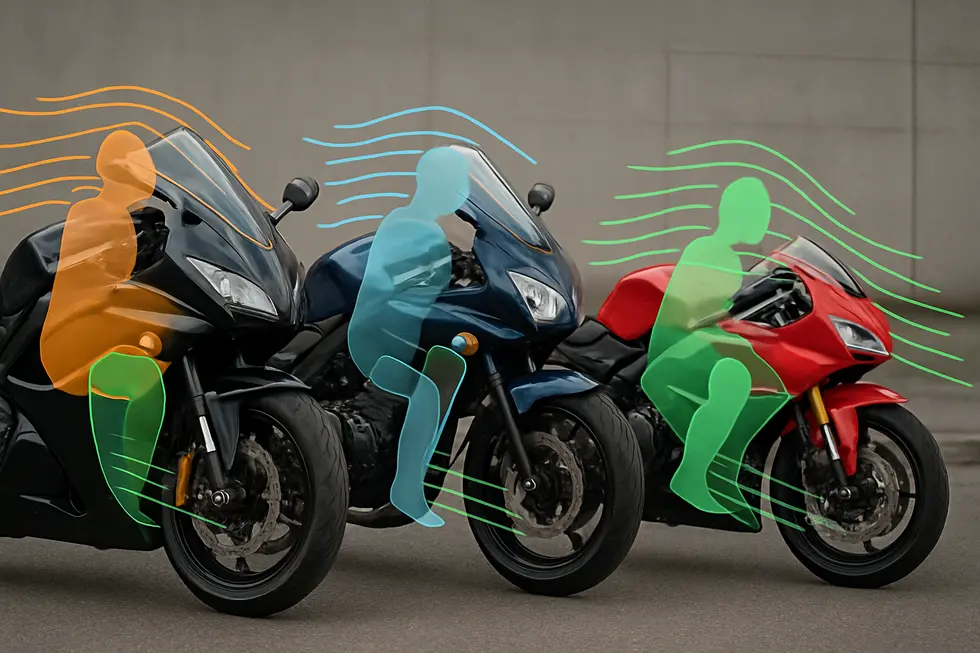
Motorcycle fairings vary widely in design and function, each tailored to meet specific needs related to aerodynamics, protection, and style. Among the most comprehensive is the full fairing, which envelops the front and sides of a motorcycle. This type is common on sport and racing bikes, where the priority is reducing drag and enhancing stability at high speeds. Full fairings not only improve acceleration and top-end velocity but also shield the engine and critical components from debris and impacts, offering the rider substantial protection from wind and weather. Integrated windscreens are typically part of this setup, effectively redirecting airflow to reduce rider fatigue.
In contrast, bikini fairings provide a more minimalist approach. These smaller panels cover just the upper front portion around the headlight and handlebars, offering wind resistance relief primarily to the rider’s torso and face. Favored by cruiser and retro-style motorcycles, bikini fairings strike a balance between functional wind deflection and preserving the bike’s naked, rugged aesthetic. Partial fairings occupy a middle ground, protecting selective areas such as just the windshield section or upper forks without full enclosure. These are common on street bikes that require moderate wind protection without the bulk of full coverage.
Materials used for fairings vary according to the purpose and performance demands. Lightweight composites like fiberglass and carbon fiber lend strength without excessive weight, crucial in racing or high-performance contexts. Conversely, ABS plastic is a popular choice for standard and aftermarket fairings due to its durability and cost-effectiveness. Beyond function, modern fairings often incorporate design elements enhancing visual appeal and accommodating lighting systems or airflow ducts that improve cooling.
For riders seeking both performance and style, understanding the distinct types of fairings is essential. Each type offers a unique combination of aerodynamic efficiency, rider comfort, and customization potential. For more insights on options and styles, the article on discovering unmatched choices in motorcycle fairings provides an excellent resource.
2. Aerodynamic Mastery: How Motorcycle Fairings Enhance Speed, Stability, and Efficiency
Motorcycle fairings serve as expertly engineered aerodynamic shells that dramatically influence a bike’s performance. By shaping airflow around both the motorcycle and rider, they significantly reduce drag, easing resistance and allowing higher top speeds and smoother acceleration. Beyond merely cutting wind resistance, well-designed fairings generate downforce—pressing the tires firmly against the road to improve traction and stability, especially during rapid cornering or high-speed straight runs. This balance between minimizing drag and creating beneficial downforce is crucial for both racing and street riding.
Types of fairings vary in coverage and impact. Full fairings extend around the front and sides, offering maximum aerodynamic streamlining and shielding the rider from buffeting winds. Half fairings cover the upper front area, notably around the windshield and handlebars, providing moderate aero benefits and wind protection. Quarter fairings, typically minimal around the headlight, offer limited aerodynamic advantage but still improve airflow slightly.
Modern design relies heavily on computational fluid dynamics (CFD) to refine these shapes for optimal airflow management. Racing regulations frequently evolve to balance aerodynamic gains with safety by limiting how large front fairings can be, as excessive downforce may compromise handling or rider control. Materials also influence performance: lightweight composites like carbon fiber reduce weight and increase rigidity on race fairings, while durable plastics prevail on street versions for longevity and cost-effectiveness.
Innovations inspired by aerospace principles now extend into electric motorcycles, where advanced fairings not only boost speed but also increase range by optimizing energy efficiency through reduced drag. Because motorcycle frames vary widely, fairings are custom-fit to each model to ensure their aerodynamic and protective functions perform effectively without interfering with mechanical components.
For a more comprehensive look at fairings designed for both style and performance, explore resources like Summit Fairings.
Source on racing aero regulations impacting fairing design
3. How Motorcycle Fairings Enhance Rider Safety and Protection
How Motorcycle Fairings Enhance Rider Safety and Protection
Motorcycle fairings are integral not just for aerodynamics but also for safeguarding both rider and machine from environmental and mechanical hazards. Their designs strategically shield riders from wind blast, flying debris, insects, and harsh weather, which can otherwise cause discomfort or distraction during riding. By redirecting airflow away from the rider’s body and face, fairings minimize fatigue on longer journeys and reduce the risk of wind-related injuries or loss of control.
Full fairings offer comprehensive coverage, enveloping the front and sides of a motorcycle, including vulnerable areas like the engine, frame, and handlebars. This extensive protection enhances rider safety, especially at high speeds where wind pressure and potential debris impacts are greater. Integrated windscreens further deflect airflow, shielding the rider’s upper body, eyes, and head from direct exposure. In contrast, half fairings provide a moderate level of protection focused mainly on the bike’s upper front, balancing weight and shielding benefits.
Race fairings push protection to the limits by enveloping substantial portions of the bike with lightweight, aerodynamic shells. These specialized fairings reduce drag and turbulence but also guard mechanical parts against damage during aggressive track riding or minor impacts. Their streamlined form helps stabilize the motorcycle, indirectly contributing to rider safety by supporting better control.
Beyond shielding riders, fairings shield sensitive mechanical elements from road debris, mud, and moisture. This defense preserves the motorcycle’s structural integrity and prevents damage that could impair performance or safety.
In sum, motorcycle fairings combine aerodynamic advantages with essential protective roles, elevating rider comfort, reducing exposure to environmental elements, and guarding key components. These benefits make fairings crucial for both everyday riding and high-performance scenarios. For those interested in exploring a variety of fairing styles that expertly balance protection and performance, the explore the best motorcycle fairings at Summit Fairings provides comprehensive insights.
For a deeper dive into how specialized race fairings optimize safety and performance, The Racing Xpert videos offer valuable visual explanations and expert analysis.
4. Aerodynamics in Action: How Motorcycle Fairings Enhance Stability and Handling
Motorcycle fairings play a pivotal role in enhancing a bike’s stability and handling by fundamentally improving its aerodynamic profile. These sleek outer shells reduce drag and smooth airflow around the motorcycle, allowing it to cut through wind resistance efficiently. The result is greater control at high speeds, which is especially critical when navigating tight corners or making sudden maneuvers.
Race motorcycle fairings exemplify this purpose by covering extensive portions of the frame, front, and sides to minimize turbulence. This streamlined design reduces wind pressure on both the rider and the motorcycle, fostering a steadier, more predictable ride even under aggressive riding conditions. The decrease in buffeting improves rider comfort and handling precision, vital for track performance.
Full fairings, which encase most of the front and sides of the bike including the engine, deliver comprehensive aerodynamic advantages. Their integrated windscreens deflect airflow away from the rider, lessening fatigue and maintaining focus during extended rides. Enhanced acceleration, increased top speeds, and improved fuel economy naturally follow from the reduced drag and optimized airflow. This aerodynamic efficiency directly translates to better handling, as the motorcycle remains planted and responsive.
Beyond aerodynamics, fairings complement essential motorcycle systems such as suspension. While fairings stabilize the bike through airflow management, suspension systems maintain tire-road contact and absorb shocks from road irregularities. Together, they form a cohesive system that balances smoothness, stability, and control.
Fairings also protect vulnerable components from debris and wind, preserving mechanical integrity during dynamic rides. This dual function—improving aerodynamics and providing protection—cements their role in overall riding performance. For readers interested in exploring the variety of fairings tailored for different models, a detailed resource is available at Summit Fairings’ blog.
For a deeper dive into race motorcycle fairings and their aerodynamic impact, refer to The Racing Xpert, August 2025.
5. How Motorcycle Fairings Shape Visual Identity and Brand Character
Motorcycle fairings do far more than enhance speed and rider protection; they also define the visual personality and branding of a motorcycle. Beyond their aerodynamic purpose, fairings serve as essential design elements that build a bike’s character and influence how it is perceived in the marketplace. The silhouette, lines, and contours created by a fairing can express aggressiveness, elegance, or futuristic appeal, drawing in riders who identify with those qualities.
Full fairings, covering most of the front and sides, provide expansive surfaces for designers to craft bold shapes and distinctive details that become signature styles for sportbikes. Race motorcycle fairings, while optimized for reducing drag and boosting stability at high speeds, also carry a unique visual language that signals performance and competition. This blend of form and function makes the fairings instrumental in shaping consumer expectations about speed, agility, and technological sophistication.
Manufacturers leverage these aesthetic qualities as powerful branding tools. The distinctive fairing designs create immediate visual recognition, helping differentiate models and reinforcing brand identity. Elements like integrated wings or sculpted air intakes both contribute to aerodynamic gains and give the bike an unmistakable look tied to its intended purpose—whether aggressive track racing or confident street riding. Such design consistency builds loyalty and conveys the motorcycle’s role within a brand’s lineup.
Additionally, custom motorcycles highlight fairings as artistic expressions, often integrating bodywork to form unique, seamless appearances that stand out and reflect individual taste. This intersection of engineering and creativity speaks to the emotional connection riders have with their machines, as well as the commercial impact fairing design holds.
Understanding fairings as both functional components and visual statements enables a fuller appreciation of their role in motorcycle culture, performance, and market presence. For a comprehensive exploration of race fairings and their functional impact, see the video “What Is A Race Motorcycle Fairing?” by The Racing Xpert (2025).
For those interested in exploring diverse styles and options, the explore the best motorcycle fairings at Summit Fairings provides a broad perspective on how design and function converge.
Chapter 2: What Is Motorcycle Fairings: Materials and Design Adaptations for Performance
1. The Essential Materials Behind High-Performance Motorcycle Fairings
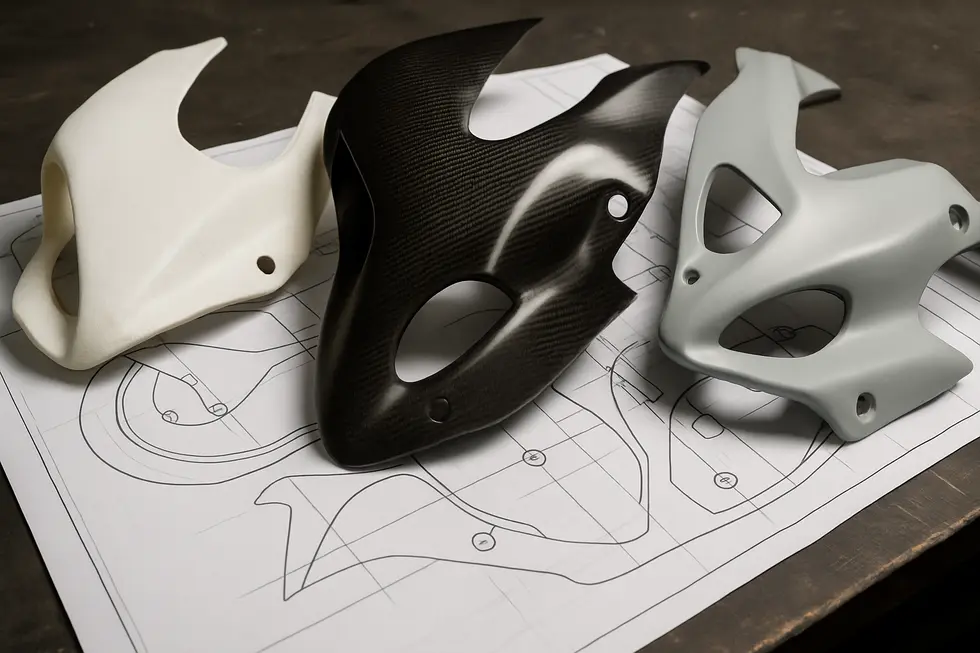
Motorcycle fairings owe much of their performance benefits to the carefully selected materials that compose them. These materials must balance strength, weight, and rigidity to optimize both aerodynamics and rider protection. Among the most common materials, ABS plastic stands out for its impact resistance, ease of molding into complex shapes, and affordability. This thermoplastic dominates production in mass-market motorcycles, offering a durable yet cost-effective option that also simplifies repairs.
For riders seeking customization or aftermarket upgrades, fiberglass fairings remain popular for their favorable strength-to-flexibility ratio and relatively low cost. Fiberglass allows more intricate shaping, enabling bespoke designs without a drastic weight penalty. However, for high-performance and racing applications, the demand shifts toward carbon fiber. This advanced composite is prized for having an exceptional strength-to-weight ratio and extreme stiffness. Carbon fiber fairings reduce overall bike weight while supporting aggressive aerodynamic forms, directly enhancing acceleration, handling, and fuel efficiency.
Occasionally, aluminum is integrated into fairing structures, particularly where added reinforcement or heat dissipation is required. While heavier than carbon fiber, aluminum offers durability and corrosion resistance, making it a practical choice for certain subcomponents.
The evolution of motorcycle fairing materials also reflects trends in electric bike design, where composites like carbon fiber and aluminum are emphasized for reducing mass without compromising structural integrity. These materials contribute to improved efficiency and sustainability goals by enhancing durability and recyclability.
In essence, the intelligent combination of ABS plastic, fiberglass, carbon fiber, and aluminum forms the backbone of modern fairing construction. This interplay of materials enables designers to tailor aerodynamic efficiency and rider protection to the specifications of each motorcycle model. For those interested in exploring a diverse range of fairings crafted from these materials, a comprehensive selection can be viewed at Summit Fairings’ extensive choices.
2. Shaping Speed: Aerodynamic Innovations and Material Choices in Motorcycle Fairings
Motorcycle fairings are meticulously engineered to harmonize form and function, with aerodynamic design at their core. These fairings feature streamlined contours and finely tuned shapes that guide airflow smoothly around the bike, significantly reducing drag and turbulence. Such aerodynamic precision not only boosts top speed but also enhances fuel efficiency by allowing the motorcycle to cut through air with minimal resistance. A crucial element of this design philosophy is the integration of winglets and spoilers, subtle yet powerful additions that generate downforce. This downforce improves high-speed stability, curbing lift and wheelies while enabling confident cornering and aggressive maneuvers.
The choice of materials plays a pivotal role in achieving these aerodynamic goals. Lightweight composites like carbon fiber afford strength without the penalty of excess weight, leading to reductions in drag by up to 20%. Their stiffness ensures that the smooth, contoured surfaces retain shape integrity even under intense airflow and vibration. Methacrylate windscreens contribute by providing impact resistance and maintaining laminar airflow over the rider and instrument cluster. Together, these materials allow designers to sculpt high-gloss, seamless fairings that minimize air resistance while offering durability.
Crafting such fairings demands advanced manufacturing techniques and precision fitting to align perfectly with the motorcycle’s frame and geometry. This complexity balances performance improvements with rider comfort and safety, ensuring that aerodynamic enhancements do not compromise handling or protection. The result is a finely tuned aerodynamic system where materials, shape, and aerodynamic aids work in concert to elevate speed, efficiency, and stability.
Enthusiasts seeking a deeper understanding or options in aerodynamic motorcycle fairings can explore expert guidance and selections tailored for performance and style. More on aerodynamic principles and material choices is also detailed in technical discussions on racing fairings, where lightweight carbon fiber and wings optimize track performance [3][5].
3. How Fairing Materials and Design Choices Elevate Motorcycle Performance and Protection
Motorcycle fairings are crucial not only for their sleek appearance but also for the significant performance benefits they provide. Their design focuses on reducing air resistance by smoothing airflow around the bike and rider, which minimizes drag and improves overall speed and stability. This aerodynamic shaping also reduces lift, enhancing grip and control, especially at high speeds or on race tracks.
Functionally, fairings shield riders from the relentless force of wind and flying debris, reducing fatigue and exposure to harsh elements. They also protect vital components such as the engine and frame from environmental wear and accidental impact. The choice between full and half fairings often reflects a balance between aerodynamic advantage and practical needs like engine access and maneuverability.
Material selection plays a pivotal role in optimizing these performance benefits. Lightweight composites like fiberglass and carbon fiber are preferred due to their strength-to-weight ratio. These materials lower the motorcycle’s overall weight, resulting in quicker acceleration, improved braking response, and enhanced handling dynamics. At the same time, they bolster durability and maintain resistance to impacts and vibrations common in racing and street riding.
Design adaptations extend beyond shape and weight. Integrating vents and ducts within fairings helps channel airflow to cool engine components effectively, preventing overheating during high-performance riding. Advanced coatings and pigments are applied to preserve the fairing’s surface, reduce heat absorption, and maintain aerodynamic smoothness over time.
In essence, fairings embody a sophisticated blend of materials science and aerodynamic engineering, crafted to enhance speed, stability, and protection harmoniously. Their thoughtful design and construction underscore their dual role: boosting performance while safeguarding rider comfort and mechanical integrity.
For those interested in exploring comprehensive options, Summit Fairings offers an insightful resource on discovering unmatched choices in motorcycle fairings.
External reference: https://www.pcimag.com/articles/113885-motorcycle-color-trends-push-the-limits-of-pigment-innovation
4. Cutting-Edge Materials Shaping Performance and Sustainability in Motorcycle Fairings
Motorcycle fairings have evolved dramatically through innovations in materials that balance lightweight performance with environmental responsibility. The shift from traditional fiberglass and aluminum toward advanced composites such as carbon fiber has transformed how fairings influence motorcycle dynamics. Carbon fiber composites stand out by reducing fairing weight by nearly half compared to older materials, directly enhancing acceleration, top speed, and fuel efficiency. Their superior heat resistance and corrosion durability also extend component longevity under demanding conditions. Additionally, carbon fiber’s moldability enables aerodynamic shaping that minimizes drag and contributes to improved stability during high-speed riding.
Alongside carbon fiber, manufacturers increasingly incorporate bio-engineered plastics that promote eco-friendly production. These innovative polymers reduce carbon emissions by eliminating painting processes and often include recycled polypropylene elements, embracing circular design principles. Recycled aluminum also finds use in components adjacent to fairings, lessening resource depletion while maintaining necessary structural strength.
Electric motorcycles particularly benefit from these material advances, where reducing weight directly boosts battery range and efficiency. The integration of recyclable composites aligns well with the electric vehicle ethos of sustainability without compromising high performance. This convergence of performance-driven and environmentally conscious materials reflects a broader industry trend prioritizing both rider experience and reduced ecological impact.
The continual refinement of fairing materials not only optimizes aerodynamics and rider protection but also supports a cleaner manufacturing footprint. These advances demonstrate how material science enables fairings to evolve from mere protective shells to highly engineered, eco-conscious performance enhancers.
For those interested in a deeper exploration of custom composite fairings and their performance advantages, see the detailed insights provided in customized carbon fiber motorcycle fairings.
5. Advanced Materials and Computational Aerodynamics Shaping Modern Motorcycle Fairings
Technological innovations have profoundly reshaped motorcycle fairings, marrying advanced materials with cutting-edge computational design to enhance performance and rider experience. Central to this evolution is the adoption of carbon fiber, a material that significantly reduces weight—down by approximately 50% compared to traditional steel components. This reduction lowers the bike’s overall mass and rotational inertia, sharpening acceleration and agility while also improving fuel efficiency. Carbon fiber’s corrosion resistance and durability maintain protective qualities necessary for varied riding conditions, though its higher production cost and more complicated repairs remain considerations for manufacturers and riders alike.
Leveraging powerful computational tools, designers now sculpt fairings that achieve remarkable aerodynamic efficiency. These precision-engineered shapes target drag reduction and turbulence control, with careful contouring of front and tail sections to refine airflow behavior. Such optimizations can diminish drag by up to 20% and turbulence by roughly 15%, directly translating to improved stability and top speeds without excessive rider fatigue. Enhanced aerodynamics also support better cooling strategies by channeling air through integrated ducts.
Manufacturing methods have evolved in tandem, incorporating techniques like 3D printing to produce complex, lightweight components tailored to specific motorcycle models, including emerging electric designs requiring unique accommodations. Modular fairing systems promote customization, allowing riders to balance aesthetics and function without compromise.
Looking ahead, experimental approaches involving robotics and flexible structures hint at adaptive fairings that might dynamically adjust stiffness or shape with riding conditions, although such concepts remain largely theoretical. Currently, the blend of carbon fiber materials and aerodynamic simulation marks the forefront of performance-driven fairing design, delivering not only speed and efficiency gains but also ensuring protection and visual appeal.
For riders and enthusiasts seeking deeper insight into the interplay between lightweight frames and aerodynamic enhancements, specialized reviews offer comprehensive detail on how these advancements collectively elevate motorcycle performance.
Explore more about the broad selections and tailored options of fairings available at Summit Fairings.
Chapter 3: What Is Motorcycle Fairings: Integration in Modern Sportbikes and Aerodynamic Enhancements
1. Cutting-Edge Innovations Shaping Motorcycle Fairings in Modern Sportbikes
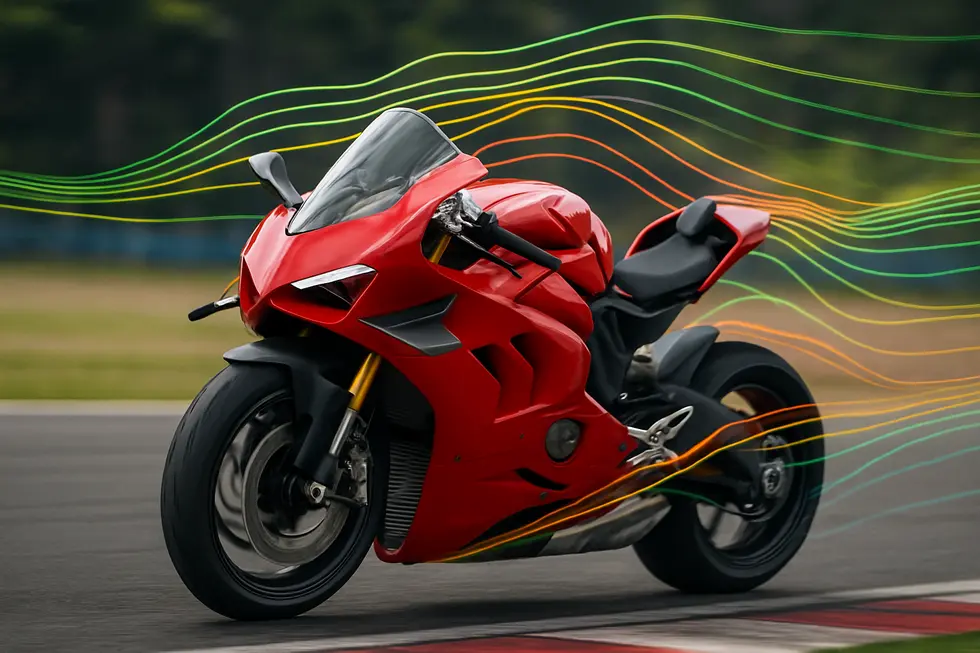
Motorcycle fairings in modern sportbikes represent a fusion of advanced engineering, materials science, and aerodynamic mastery that significantly elevates both performance and rider experience. These fairings are no longer static panels; they embody dynamic design philosophies shaped by sophisticated technologies such as Computational Fluid Dynamics (CFD). CFD enables engineers to meticulously sculpt the fairing’s shape to optimize airflow, drastically reducing drag and buffering wind turbulence around the rider. This process enhances high-speed stability and rider comfort, as illustrated by iconic aerodynamic designs developed to balance aggressive styling with functional airflow management.
One of the most transformative innovations is the integration of active aerodynamics within the fairing architecture. Retractable winglets, controlled by electric drives embedded seamlessly inside the fairing, deploy at critical speeds to generate downforce on the front wheel. This mechanism enhances grip and cornering stability at high velocity, while retracting at lower speeds to preserve aerodynamic purity and visual sleekness. These adaptive components mark a departure from traditional, fixed fairings, adding a new dimension of responsiveness and rider safety.
Material advancements have also contributed substantially to the evolution of motorcycle fairings. Lightweight composites, particularly carbon fiber, are increasingly favored for their exceptional strength-to-weight ratios. By significantly reducing weight, these materials support quicker acceleration and improved handling without sacrificing durability. Moreover, the growing adoption of precision manufacturing methods, including 3D printing, offers unparalleled customization options. Riders and designers can now rapidly prototype and tailor fairings to specific ergonomic and aesthetic preferences, pushing the boundaries of personalized motorcycle design.
Beyond structural elements, modern fairings integrate lighting and electronic components in ways that maintain aerodynamic integrity. LED systems embedded within fairing surfaces enhance visibility and style without disrupting airflow.
Together, these innovations illustrate the shift towards integrated, intelligent fairings that harmonize aerodynamic efficiency, rider protection, and adaptive technology, setting new standards for modern sportbike performance and design.
<p