















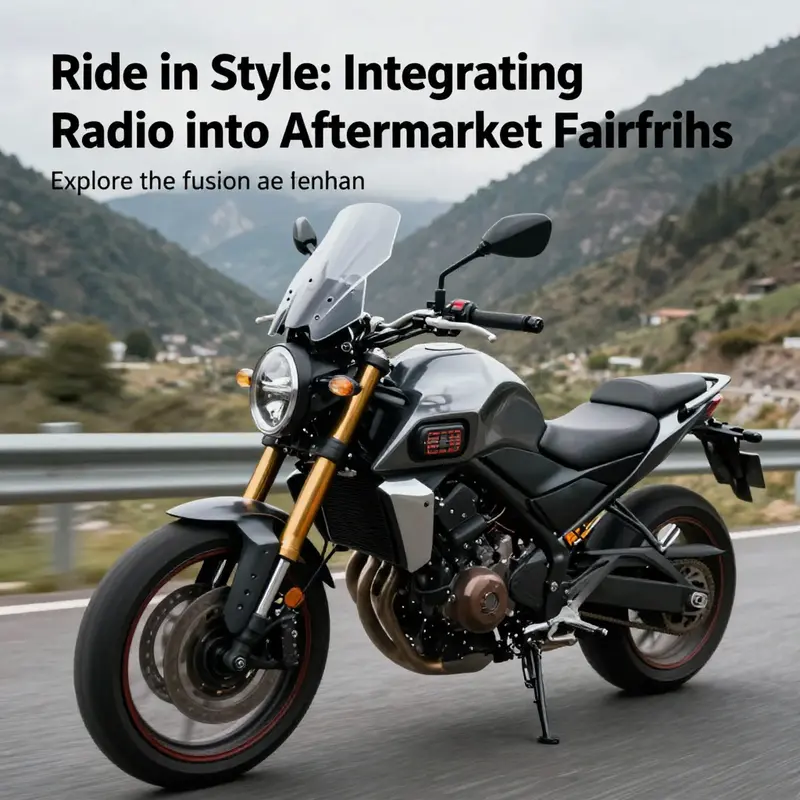
Motorlu bisiklet tutkunları, performans ve hızın yanı sıra kişiselleştirilmiş ve içe kapanan bir sürüş deneyimi de arar. Entegre radyo fonksiyonu olan aftermarket motorlu bisiklet kaskları bu talebe bir çözüm sunar ve motosikletleri mobil eğlence merkezlerine dönüştürür. Bu makale, radyo özellikli yüksek performanslı aftermarket kaskların arkasındaki yenilikleri inceler, bu gelişmiş eklentilerin avantajlarını ve dezavantajlarını tartışırlar, kurulum考虑事项larını anlar ve mevcut pazar trendlerini keşfeder. Her bölüm, bu küçük pazarda giriş yapan veya genişleyen iş sahiplerinin dikkate alması gereken kritik yönleri vurgular.
Ses, Hız ve Kapatılmış mükemmeldir: Entegre Radyo ile Yüksek Performanslı Aftermarket Kask Tasarımı
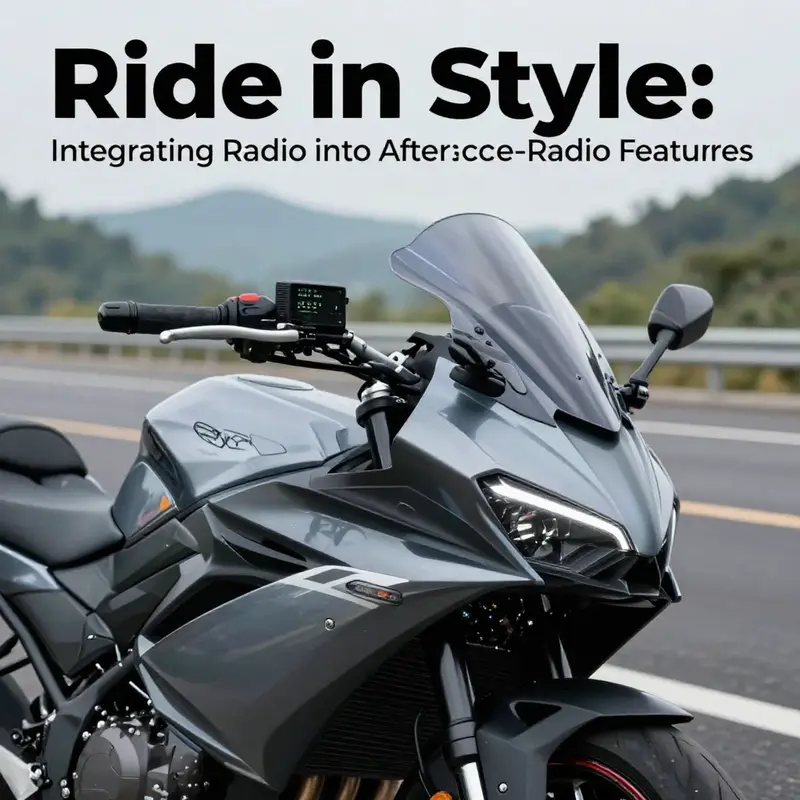 Riders who seek to fuse advanced listening experiences with high-speed aerodynamics are increasingly turning to aftermarket fairings that incorporate radio functionality as a core feature rather than as an add-on. The promise is straightforward: a single, purpose-built shell that protects the rider from wind and weather while hosting a compact, weatherproof audio system that can deliver music, turn-by-turn navigation prompts, or hands-free communication without shifting attention away from the road. Yet the reality rests on a careful balance. The design challenge is not simply about tucking a radio into a panel; it is about weaving electronics into a sculpture that must endure the buffeting of air at triple-digit speeds, the jolts of road irregularities, and the constant vibration of a motorcycle engine. In this context, a high-performance aftermarket fairing with radio features becomes more than a convenience. It becomes a co-creator of the riding experience, shaping how a rider perceives sound, how sound interacts with wind, and how reliably the system operates across years of service. The result is a product that speaks to a rider’s desire for immersive entertainment and practical convenience, while demanding a disciplined approach to engineering that marries acoustics, materials science, and electrical systems into one integrated solution. This integration, at its best, preserves the clean lines of the machine, maintains or even improves aerodynamics, and delivers a sound that feels natural rather than invasive. At its worst, the same integration can introduce drag, additional weight, potential water intrusion, and a vulnerability to EMI and electrical faults if not executed with precision and care. The tension between aesthetics, performance, and reliability is therefore at the heart of any thoughtful discussion about high-performance aftermarket fairings with built-in radio capabilities. It is not enough to claim that the fairing is weatherproof or that the speakers are rugged; a truly capable design must anticipate how the rider will use the system in real-world conditions, from a windy canyon road to a rain-soaked highway, and how it will age as miles accumulate and components wear. In this sense, the conversation about integrated radio fairings naturally moves beyond the surface appeal of a glossy panel and into the domain of tonal engineering, structural integrity, and maintenance predictability. When a rider powers up such a system, the first impression should be not a jolt of noise or a dull, muddy sound, but a sense that the audio system is a transparent extension of the bike’s performance ethos. The sound should feel balanced, with clear highs, controlled mids, and a bass response that respects the rider’s helmet and the wind-induced noise that inevitably accompanies high-speed cruising. Achieving this requires an acoustic design that respects the harsh acoustic environment of a helmeted rider, where wind and tire noise can dominate. Acoustic engineers approach this by crafting sealed enclosures for drivers that isolation mountings can dampen vibration, and by shaping internal volumes to create resonant characteristics that align with typical riding speeds and helmet types. In practice, this means speakers that are robust against water spray, sealed connectors that resist corrosion, and a chassis that maintains consistent performance across temperature swings. It also means the audio system must interpolate with the bike’s electrical system in a way that is both safe and unobtrusive. The electrical architecture is a critical piece of the puzzle. Aftermarket radio-integrated fairings draw on a compact, high-efficiency amplifier and a digital signal processor to manage audio channels, crossovers, and noise cancellation or suppression routines. The wiring harness must be organized to minimize harness length, reduce heat buildup, and protect lines from abrasion. Power demands, while modest compared with the demands of a modern head unit in a car, still matter on a motorcycle. A fairing that draws power directly from the bike’s electrical system needs robust fusing, a route that avoids heat sources, and a consideration of alternator or charging capacity to ensure that the audio system never competes with essential systems for electrical supply. The risk of electrical faults rises when installers take shortcuts or route harnesses through flexing panels without strain relief. The best installations separate the critical bike circuits from the audio harness with dedicated fuses and shielded grounds, and they use weatherproof grommets and sealed connectors to prevent ingress of moisture or dust. A premium build also recognizes the inevitability of maintenance work. The radio module, the four speakers, and the amplifier must be accessible for service without requiring a full disassembly of the fairing. In a well-thought-out design, service points are placed in protected, but accessible, zones, with quick-release mounting points that avoid long downtime during routine checks. Such practicality is especially important given the more challenging maintenance environment typical of aftermarket components, where routing through tight spaces and dealing with aftermarket hardware can complicate the process. The choice of material for the fairing itself plays a pivotal role in this equation. Hand-laid fiberglass, as opposed to standard ABS, offers a balance of strength and weight that is well-suited to the demands of performance-oriented fairings. Fiberglass can be engineered to resist impact with a predictable failure mode and can be molded to produce smooth aerodynamic surfaces that minimize drag. The weight implications, though not as dramatic as carbon fiber composites, remain significant enough to affect handling, especially for riders who tour or pursue aggressive cornering. A fairing that weighs less may deliver quicker feedback through the handlebars and a slightly more agile feel at the limit, while a heavier unit could dampen the steering input and require a longer cadence to maintain the same ride quality. From an aerodynamics standpoint, the integration of audio hardware must be designed so it does not disrupt the fairing’s primary function of reducing drag and managing lift. The fairing’s contours, skim lines, and turning vanes must be engineered with the radio hardware in mind, ensuring that speaker enclosures do not protrude in areas where airflow is most sensitive to separation, and that any ports are carefully integrated to avoid creating turbulent wake effects that would otherwise degrade stability at speed. Moreover, the installation must account for heat accumulation inside the fairing. Amplifiers and power electronics generate heat, and in a sealed environment, that heat needs to be dissipated without compromising the rider’s comfort or the integrity of seals. Strategic placement of cooling channels, the use of thermal barriers between electronic components and rider-facing surfaces, and the adoption of heat-resistant materials all contribute to a design that remains reliable across long rides and across seasons. Beyond the technicalities, there is the human aspect of using a fairing with radio features. Riders value the ability to adjust volume or switch tracks without taking their gloves off or glancing away from the road for more than a heartbeat. A well-established integration respects the natural ergonomic patterns of riding, offering control interfaces that are intuitive and accessible within the rider’s field of view, and that can be operated with the hand on the throttle or in one of the handlebar grips. This kind of usability translates into fewer eye movements away from the road and less cognitive load during high-speed maneuvers. It also implies a thoughtful approach to safety. For example, navigation prompts should be discrete, audible cues rather than intrusive alerts that would command undivided attention. The system should gracefully handle interruptions to audio during critical riding moments, such as sudden deceleration or the need to acknowledge a warning tone from the bike’s own instrumentation. On the provider side, the marketplace for aftermarket fairings with radio features emphasizes the importance of reliability, repeatability, and fit. Since the market is dominated by specialized manufacturers and tiered suppliers, a robust supply chain is essential. A capable supplier must demonstrate consistent quality control, the ability to deliver to multiple model lines, and the capacity to support customized requests, such as different speaker configurations or alternative mounting schemes. The procurement logic for such parts often hinges on a balance between performance, durability, and cost. The most successful sourcing strategies begin with clear specifications for acoustics, enclosure volumes, and mounting interfaces, then align those specs with manufacturers that have proven track records of producing composite fairings that can be tuned to strict tolerances. For buyers who operate at scale—dealers or workshop networks—there is added value in establishing partnerships with suppliers who can provide consistent documentation, testing results, and after-sales support. The global manufacturing ecosystem for motorcycle fairings remains heavily concentrated in Asia, with mature hubs in provinces that specialize in precision composite production, resin systems, and injection-molded components. This geographic reality means that buyers and repair shops should evaluate supplier capabilities in areas such as quality control processes, tooling maintenance, and the ability to scale production to meet demand without sacrificing fit, finish, or electrical integrity. When evaluating a potential supplier for a radio-integrated fairing, it is prudent to look for evidence of a systematic approach to fitment across model families, a track record of successful electrical integration projects, and a willingness to support post-sale service and warranty claims that address water ingress or connector failures. A professional installation remains a critical safeguard, and it should be treated as part of the overall value proposition rather than an optional add-on. To riders researching options, there is value in exploring model-agnostic, adaptable designs and catalogs that present compatibility across multiple sport and sport-touring platforms. Consumers should demand clear guidance on what years and variations are supported, the expected weight changes, and the maintenance implications of a radio-equipped fairing. It is also wise to consider how a given design handles upgrades, such as a higher-power amplifier or a larger speaker array, because the incremental heat and power demands can influence the overall system performance and longevity. For riders who want to explore model-specific options without compromising the integrity of their bikes, a careful reading of the available catalogues and a conversation with qualified installers can reveal whether a given fairing is a drop-in solution or if it will require adapters or minor structural modifications. The broader context of this market is also shaped by consumer expectations for clean aesthetics and minimal intrusion into the bike’s original silhouette. A well-executed radio-integrated fairing preserves the lines and silhouette of the motorcycle while offering a discreet, high-fidelity audio experience. Achieving this outcome often means concealing speaker grilles behind the fairing’s sculpted surfaces, designing grills that blend with the texture and color of the bike, and ensuring that all control hardware sits flush and accessible without catching on gear or gearshifts. For the rider, the end result is a sense that the fairing is a continuous extension of the machine, rather than a separate add-on. When one considers the practicalities of ownership, there is an undeniable appeal to a single, integrated solution that reduces clutter, minimizes the number of accessory mounts, and simplifies maintenance. The convenience of a unified unit becomes equally important on long trips where the rider must manage power budgets, ensure weather seals remain intact after a rainstorm, and trust that the system will perform in a variety of temperatures and altitudes. Yet the advantages do not come without responsibilities. The higher upfront cost of a radio-enabled fairing compared with simpler, non-electronic forms reflects the added engineering, materials, and testing required to meet performance and reliability standards. The weight penalty, though modest, must be weighed against potential gains in aerodynamics and ride quality. The potential for moisture-related failure, if seals degrade over time, is not purely theoretical; it is a practical concern that underscores the need for professional installation and scheduled inspections. As the market continues to mature, there is growing interest in more modular approaches. Future fairings may feature swappable speaker modules, plug-and-play power interfaces, and transparent cooling channels that allow riders to upgrade audio capability without replacing the entire shell. This evolution would also enable easier repairs when a speaker or amplifier fails, potentially reducing downtime and extending the life of the fairing. For now, riders and shops who pursue this path should anchor their decisions in a few guiding principles: fit and finish, weatherproofing, electrical safety, and a design that respects the bike’s original engineering philosophy. In practice, those principles translate into a few concrete expectations. The first is that the fairing must sit securely on the bike, with mounting points designed to distribute loads without compromising the frame. The second is that the enclosure volumes and speaker paths should be tuned to the rider’s helmet and typical riding velocity so as not to produce a wash of distortion at cruising speeds. The third is that all seals resist dust and water ingress, maintaining performance across seasons and after exposure to road spray and occasional immersion in rain. The fourth is that the electrical installation can be serviced, tested, and upgraded without specialized tools or invasive procedures. The fifth is that the design remains compatible with the rider’s broader electrical ecosystem, including any navigation devices, communications gear, or helmet-integrated audio. These thresholds help distinguish a well-engineered, high-performance fairing from a cosmetic add-on that does not deliver the intended improvements in sound, weather resilience, or ride quality. In the end, the decision to adopt an integrated radio fairing is a choice about how riders want to experience speed, weather, and music as a unified phenomenon. It is a choice about trusting the machine to deliver a consistent, high-fidelity acoustic environment without compromising the bike’s handling or the rider’s safety. It is about recognizing that the modern sport and sport-tour motorcycle is not only a machine to be ridden but a platform that can be tuned to the rider’s sensory preferences, turning each ride into a more immersive, more controllable, and more confident journey. For riders who want to explore the breadth of aftermarket options within a model family, there is a robust ecosystem of compatible fairings and accessories that can be tailored to different bikes and riding styles. For instance, those seeking Honda-compatible aftermarket options can start by exploring the Honda fairings catalog, which hosts a broad range of shells that can be paired with integrated audio solutions when properly configured. The goal is to find a balance where the beauty of the motorcycle remains intact while the rider reaps the benefits of an enhanced listening environment and a simplified, resilient installation. For readers who want a concrete starting point, consider examining available catalogs and model-fit options that emphasize compatibility and serviceability, and consult professional installers who can verify fit, seal integrity, and electrical safety before committing to a purchase. Internal resource: Motorsiklet sevenleri ve profesyonel yarışçılar için, yarış kasklarına yatırım kararı hem kısa vadeli bütçe sınırlamalarının değerlendirilmesini hem de uzun vadeli ekonomik avantajların analizini kapsamalıdır. Performans iyileştirmeleri arayışı içinde, başlangıç maliyetleri ile bakım, tamir ve yakıt verimliliği üzerindeki potansiyel tasarruf arasında denge kurmak anahtardır.. Dış kaynak: https://www.ebay.com/itm/375684973938
Rüzgar Üzerinde Ses: Entegre Radyo Aftermarket Kaskların Sanatı, Dikkatli Tasarımı ve Sonuçları
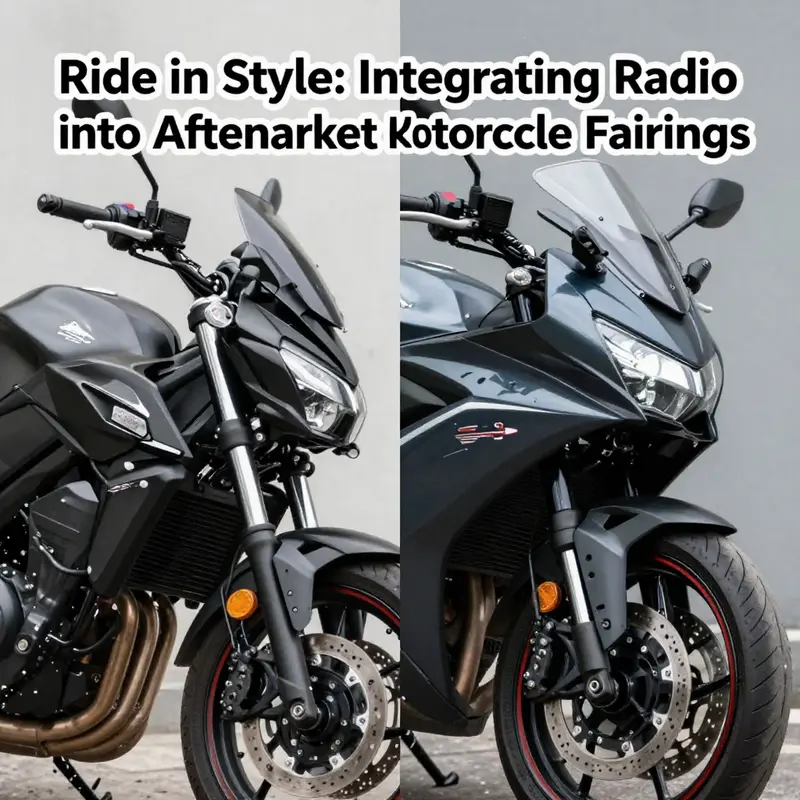 Sürekli performans ve varoluşun kesişimi pek çok bisiklet sürüşçüsü tarafından aranmıştır. Yol, rüzgarın hissini ve hışırtısını anlatan bir sahnedir ve motosikleti saran kask, bu konuşmanın şekillendirilmesi için kullanılan bir araçtır. Fabrikalar, sürüşçüyü rüzgârdan koruyan ve motosikleti tozdan koruyan aerodinamik olarak akıllı kabuklar tasarlamaya başladıklarında, aynı zamanda farklı bir tür etkileşim için bir kanal açtılar: eğlence. Pazar, bu isteye cevap verdi ve hem sürtünmeyi azaltan hem de motoru koruyan kasklar sunarken aynı zamanda entegre radyo sistemlerini de kucakladı, uzun bir otoyol yolculuğunu hareketli bir oturma odasına dönüştürdü. Bu, aerodinamik, akustik, elektrik sistemleri ve insan faktörleri gibi mühendislik disiplinlerinin harmanlanmasıdır. Sonuç, bazı sürüşçüler için dönüşümdür; favori bir playlist'in sesi, yönlendirme fısıltısı, sürüşçü-üstü interkom veya sadece açık, güvenilir telefon bağlantısı sunar, çünkü makine kendi hava geçirmez motoru ve yakıt ekonomisi savunmalarıyla açık yolda ilerler. Ancak bu faydalar, dikkatle düşünülmesi gereken maliyetler ve sınırlamalarla gelir. Sürücüler, yalnızca yenilikleri takip etmek yerine, toplam sistemi sürüş amaçlarına, motonun geometrisine ve rüzgarın en çok konuştuğu ortama karşı değerlendirmelidir.
En yakın ve somut fayda, aerodinamik incelemeye ek olarak pratik hava korumasıdır. Entegre radyo sistemleriyle birlikte gelen aftermarket kasklar genellikle üçte bir veya tam kasklardır. Onlar, sadece silüetin şekillenmesi değil, kritik çıkışlara ve mekanik parçalara etrafındaki havayı akıttırmak için biçimlendirilir. Bir kask, motorun altındaki türbülansı azaltmak ve direksiyonlar ve sürücü boyunca havayı düzgün şekilde yönlendirmek için şekillendirildiğinde, yakıt ekonomisinde ve motorda uzun ömürlülükte ölçülebilir kazançlar sağlayabilir. Uzun seyahatlere, rüzgar ve çapraz rüzgarların sürücü dayanıklılığını zorladığı zamanlarda, bu formlar, makinenin en maruz kalan parçaları için bir koruyucudur. Kask montajının eklenen ağırlığı sadece estetik bir seçim değildir; rüzgar tüneli tarzı eğriler ve diyafram, rüzgârın etkisini azaltarak sürücünün vücuttaki yorgunluğu azaltır, baş daha sabit kalır, pozisyon rahat kalır ve sürücü, aniden gelen rüzgârlara karşı kalmaktan ziyade direksiyona odaklanabilir. Rüzgârın etkisini azaltmak için, nem ve toz gibi tehditlerin devamlı olduğu iklimlerdeki sürüşçüler için daha dayanıklı dış kabuk, makine ile dış ortam arasında tahmin edilebilir bir sınır sunar. Dahili ses sistemi deneyime başka bir boyut ekler. Hızlı yolculuklarda, rüzgâr gürültüsünün önemli ipuçlarını bastırdığı zamanlarda, iyi ayarlanmış bir radyo, müzik, hava ve trafik güncellemeleri, GPS talimatları ve temel iletişimleri, sürücünün telefonu veya ayrı bir hoparlör sistemiyle uğraşmasına gerek kalmadan sunabilir. Entegrasyon, bir sonradan düşünceden ziyade, motonun elektrik yapısına uyum sağlaması gereken tasarlanmış bir özellik setidir. Akustik ayarı, artık küçük, koruyucu bir alan olan sürücü kabininin, bozulmadan sesi üretmesi için temel mühendislik aktivitesidir. Sadece sesi daha güçlü çalmak değil, sürücünün müzik ve yönlendirme talimatlarını en az rahatsızlıkla ve en yüksek anlaşılırlıkla duyması için ses ortamını yönetmektir.
[PAGE CONTEXT].
Bu sayfa hakkında: "Motorsiklet tutkunları sadece performans ve hız arar, aynı zamanda kişiselleştirme de arar…" | "Ses, Hız ve Kapatılmış mükemmeldir: Yüksek Performanslı Aftermarket Kaportaların Tasarımı" | "Hızlı aerodinamikle ilgili gelişmiş dinleme deneyimlerini birleştirmek isteyen sürücüler...".
Bu sayfadaki tekrar eden terimler: the, in, and, er, re, on, at, of, ng, to.
Bu terimleri tutarlı şekilde çeviri.
Kurulum karmaşıklığı nadiren önemsiz bir konu değildir. Entegre radyo sistemi için tasarlanmış bir kaput, kaputun yapısal bütünlüğünü elektrikli ve akustik bileşenlerle uyumlu hale getirmelidir. Bu genellikle özel bir kablo düzeneği, kablolar için kapalı bir yol ve titreşimlere karşı dayanıklı bir montaj çerçevesi anlamına gelir; bu da dinleme deneyimini bozan salınmalar oluşturmadan kopmaz. Sıkıştırma işi özellikle kritiktir. Entegrasyon nem korumasını bozar ise, sonuçlar elektriksel arızalar, paslanma veya rahatsız eden değil tatmin edici olan aralıksal performans olabilir. Bu, hava geçirmezlik ve elektroniklerin yüksek riskli bir kombinasyonu olduğu için, birçok sürücü profesyonel kurulum talep eder. Dikkatli bir kurucu sadece uyum ve görünümü kontrol etmez; kaputun tekrar tekrar açılması ve kapanması sonrası hava geçirmezliklerinin sağlam kaldığını doğrular ve radyonun amplifikasyonu ve hoparlör yerleştirilmesinin rüzgârın en güçlü darbelerine karşı sesi bozmadan direnç gösterdiğini sağlar. Yanlış sıkıştırma riski maliyeti artırır, ancak aynı zamanda daha geniş bir gerçekliği vurgular: entegre sistemdeki değer, donanımın kalitesi kadar kurulumun kalitesine de bağlıdır. Bazı sürücüler için bu, engel değil, yatırımın uzun vadeli memnuniyeti sunmasının gerekli bir sınırıdır.
Upgrade seçeneklerinin kapsamı başka bir pratik kısıtlamadır. Entegre bir sistem, tasarlanmış bir ekosistem içinde yer alır. Standalone ses kurulumları genellikle parçalı olarak değiştirilebilir veya geliştirilebilirken, entegre kaputlar sürücüyü daha sabit bir upgrade yoluyla sınırlar. Daha sonra bir hoparlör seti veya radyo modülü yükseltme fikri, sadece seviye koruması ve elektriksel uyumun korunması açısından dengelenmelidir. Bu, yolda kapanmadığını söylemek değildir; sadece daha dikkatli bir yoldur. Bileşenlerin uyumlu dengesi yükseltmeleri daha öngörülebilir kılar, ancak modüler cihazların minimum emekle değiştirilebilmesi gibi daha esnek olmayan bir anlamda daha az esnek olur. Uzun vadede bu ticari tercih, genel sahiplik deneyimini etkileyebilir. Modüleriteyi seven sürücüler tereddüt edebilirken, motosiklet üzerinde güzel, tutarlı, hava geçirmez bir çözümün hem görünüm hem de ses açısından motorun parçası gibi hissettirdiği değerli stabilite ve entegre performansı görenler, bu avantajı son derece önemli bulabilir.
Entegre radyo kaputları hakkında konuşmak doğal olarak model uyumuna ve servis ömrüne dair gerçeklere döner. Bir kaput, çeşitli şasi yapılandırmalarına uygun olacak şekilde tasarlanabilir; ancak radyatör yönlendirme, çerçeve geometrisi ve rüzgar perdesi şekli, uyumun genel spektrumu nadiren evrenseldir. Görsel siluet aynı olsa bile, arka planda uyum, küçük ama anlamlı şekilde değişebilir. Sonuç olarak, bazı sürücülerin tamamen hava geçirmez bir sıcağa sahip olmak için özel ayarlar veya hatta alternatif montajlar gerekebilir. Bu, trivial bir sonuç değildir; çünkü bir kaputun bir versiyonda mükemmel şekilde oturduğu görülebilirken, diğerinde dikkatli modifikasyonlara ihtiyaç duyulabilir. Sonuç, tutarlılık ve güvenilirlikle faydalı bir sürüş deneyimi sunar; ancak bu istikrarın başlangıç yolu, dikkatli ve profesyonel bir dokunuş gerektirebilir.
Entegre radyo ifadesi, sürücünün makineyle nasıl etkileşime gireceği konusunda beklentileri beraberinde getirir. Dahili bir radyo sadece müzik dinlemekten ibaret değildir; yön bulma, iletişim ve güvenlik için güvenilir, el serbesti ortamı kurmak anlamına gelir. Rüzgârın üstüne bağırmadan etkisiz kalan koşullarda iki kişilik sürüşü dönüştürebilecek interkom fonksiyonu vardır. Sürücünün işitsel alanındaki GPS yön bulma talimatları, ekrana bakmaktan ziyade yola odaklanmayı mümkün kılar. Ancak bu vaatler, ses zincirinin dikkatli ayarlanması üzerine dayanır. Hoparlörlerin konumu yetersizse veya kasa motordan gelen sesle rezonansa uğrarsa, ses kalitesi bozulur. Akustik tasarım, rüzgâr zengin bir ortamda dengeli bir frekans tepkisiyle hızla netlik sunmayı amaçlar. Sonuç, yolcu işaretlerini, trafik sinyallerini veya asfaltta lastik sesini bastırmadan içselleştirilmiş bir ses deneyimi olmalıdır. Bu dengenin elde edilmesi, yalnızca sesi artırmakla değil, sürücünün çalıştığı ses dünyasını şekillendirmekle ilgilidir.
Sürücülerin motosikletini günlük hayatlarının bir uzantısı olarak gören, sadece işlevsel bir makine değil, aynı zamanda yaşam tarzının yansıması olanlar için entegre radyo, anlamlı bir geliştirme olabilir. Bu, sürücünün uyanık hayatı ile yolculuğu arasında bir süreklilik yaratır. Ses ortamı, hafızayı bağlayan, rotaları paylaşan veya yalnızca uzun bir yolculukta dünya ile ilişkisizlik hissini yaşamanın bir yolu olan bir eş olur. Ancak bu herkes için geçerli değildir. Bazı sürücüler, yol yüzeyiyle saf mekanik bir iletişim tercih eder - kaputta rüzgarın çatırtısı, motorun hafif gürültüsü, yolun ritmi - elektrikli bir eş olmadan. Onlar için ek ağırlık ve elektrik hatası olasılığı, daha iyi eğlence vaadinden daha ağır konulardır. Bu nedenle seçim, sürücünün önceliklerine dayanır: eğlence, yön bulma ve iletişim konularının yolculuk deneyiminde ne kadar önemli olduğu ve daha karmaşık bir elektrik sistemiyle ilgili sorumlulukları kabul etme isteğinin.
İkinci el sistemlerinin genel bağlamında, entegre radyo kaputları, gelenek ve teknoloji arasında bir çatıda yer alır. Bu, motosikleti sürücünün yaşamına uygun hale getirmekten ziyade, sürücünün motosiklete uyum sağlamasını değil, tam tersini temsil eder. Aynı zamanda güvenilirlik, bakım kolaylığı ve hava direnci gerçeklikleriyle dengelenir. İyi bir kurulum, motosikletin yapısal bütünlüğünü korur, orijinal çizgileri korur ve doğal hissettiren ses sunar. Böyle bir sisteme sahip olan sürücü, genellikle uzun yolculuklara düşkün, günlerce ve haftalara yayılan yol zamanı planlayan ve yolculukta ona konuşan bir eş isteyen bir seyahatcidir. Bu konuşma, doğru malzemeler, doğru akustik ayarlamalar ve doğru kurulumla mühendislik edilir. Sürücü sonunda, yatırımın yolculuğun daha iyi, daha eğlenceli veya daha verimli olmasına dönüştüğünü keşfeder.