















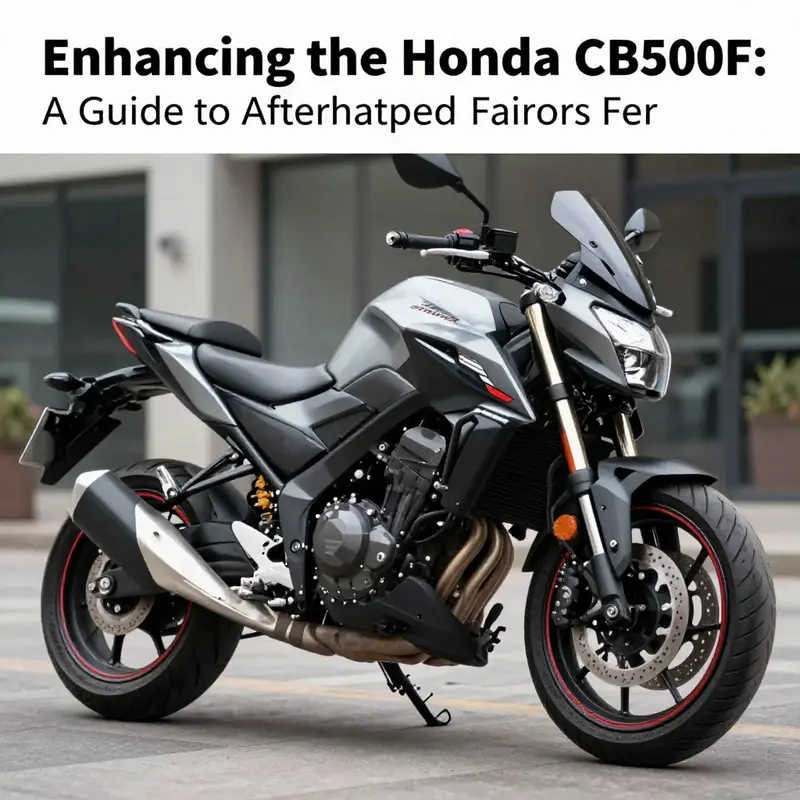
Otomotiv ve motosiklet sektöründeki iş sahipleri için, Honda CB500F için aftermarket motosiklet kasklarının detaylarını anlayarak, ürün sunumları ve müşteri memnuniyeti açısından yeni kapılar açabilirsiniz. Farklı malzeme seçenekleri, değişken tedarik kaynakları ve ilgi çekici özel tasarım opsiyonlarıyla aftermarket kask pazarı büyümektedir. Her bölüm, okuyuculara malzeme考虑, popüler tedarikçiler ve daha fazla müşteri çeken özel tasarımların potansiyelini aydınlatır, bu da işletmelerin rekabetçi ortamda öne geçmesini sağlar.
Dayanıklılık İçin: CB500F'niz İçin En İyi Kask Malzemesini Seçin
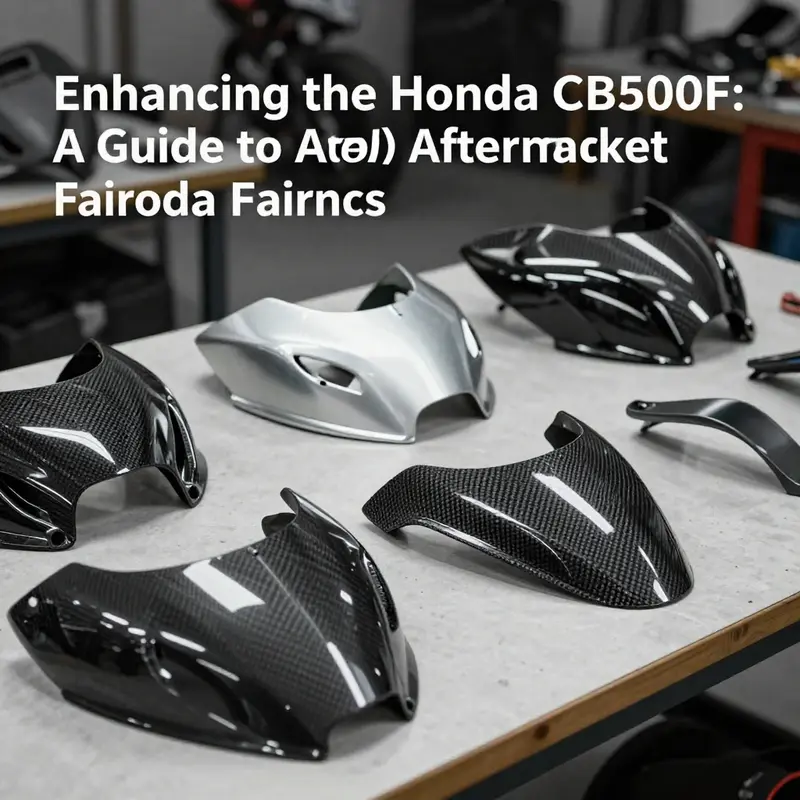 CB500F'de malzeme sadece görünümden fazlasını şekillendirir. Seçtiğiniz kask, dayanıklılık, tamir seçenekleri, yüzey kalitesi ve motosikletin ters düşme sonrası davranışını belirler. Kaskları yükseltmek veya değiştirmek odaklı sürücüler için malzeme seçimi tek en önemli karardır. Günlük dirençten uzun vadeli maliyete kadar her şeyi etkiler. Bu bölüm, üç yaygın seçeneğin pratik gerçekliklerini açıklar. Neden enjeksiyon kalıplama ABS'in CB500F sahipleri için çoğu zaman en mantıklı seçim olduğunu ve neden fiberglas veya karbon fiber’in doğru seçeneği olabileceğini anlatır.
Aftermarket kasklar için enjeksiyon kalıplama ABS genellikle listede yer alır. Çekiciliği basit ve ölçülebilirdir. Enjeksiyon kalıplama, tutarlı kalınlık ve hassas biçimlendirilmiş montaj noktaları üretir. Bu, panelin CB500F'nin çerçevesine uyumunu ve kurulumdan sonra hala hizalanmasını sağlar. ABS, kendisi güçlü ve esnek bir malzemedir. Düşük hızda kayma sırasında, kaliteli bir ABS panel esner ve şekline döner. Darbeleri kırılmadan emer, bu da tamirleri küçük tutar. ABS, kurulum sırasında da affedici bir malzemedir. ABS'ten yapılan tabakalar ve vidalı başlıklar, daha kırılgan malzemelere göre daha kolay parçalanmadan vida sokar.
Maliyet ve yüzey kalitesi de ABS seçiminin güçlü sebeplerindendir. Karbon fiber'e göre üretim maliyeti çok daha düşüktür ve el yapımı fiberglas'a göre daha az emek gerektirir. Bu düşük maliyet, erişilebilir değiştirme panelleri anlamına gelir. ABS setleri genellikle fabrikada düz yüzeyli olarak hazır gelir ve boyaya hazırdır. Boya gerekirse, ABS, yüzeyin doğru şekilde hazırlanması koşuluyla otomotiv esnek primerler ve üst kaplamaları iyi kabul eder. Doğru zımparalama ve doğru tutunma promotörü temel gerekliliktir. Doğru şekilde yapıldığında, boya panel ile birlikte tutunur ve esner, bu da vidalı deliklerde ve kenarlarda çatlak olma riskini azaltır.
Gerçek dünya sürüşünde dayanıklılık, spesifikasyon tablolarından daha önemlidir. ABS yol parçacıklarına, UV maruziyetine ve sürekli titreşime karşı direnç gösterir. Yolcu ve spor sürücülerin karşılaşacağı günlük darbeleri karşılar. ABS tamirleri kolaydır. Küçük çatlaklar genellikle plastik kaynak veya özel iki parçalı yapıştırıcılarla onarılabilir, ardından içten güçlendirilir. Bu onarım kolaylığı nedeniyle, sık sık bodrum atölyesine gitmek istemeyen sürücüler için ABS, uzun süreli, bakıma açık bir çözüm olarak en pratik seçenektir.
Fiberglasın yeri vardır, ancak farklı bir rol oynar. Hafif ve şekillendirilmesi kolaydır. Yapımcılar ve özel atölyeler, uyum sağlamak, yüzeyleri yeniden şekillendirmek veya özel parçalar oluşturmak için fiberglası tercih eder. Bir sürücü, benzersiz bir siluet istiyorsa veya panelleri özel braketlere adapte etmesi gerekiyorsa, fiberglas daha fazla el ile modifikasyon imkanı sunar.
Ancak fiberglas panelleri ticari bir farkındalık taşır. ABS'e göre daha kırılgandırlar. Direkt bir çarpma, ABS'in esnediği yerde fiberglası kırabilir. Başarısızlık modu farklıdır: şekil bozulmadan, daha keskin parçalara ayrılır. Tamir mümkündür; dokunulmaz kumaş ve rezinyi parçalarla yapılabilmektedir. Ancak bu süreç daha zaman alıcı ve onarım sonrası daha ağırdır. Fiberglas ayrıca daha fazla yüzey işleme gerektirir. Çoğu aftermarket fiberglas parçası, düzgün, dayanıklı bir yüzey elde etmek için zımparalama ve birkaç tabak primer uygulaması gereken bir gelkoyt yüzeyiyle gelir.
Karbon fiber, ağırlık tasarrufunda ve estetikte en dramatik kazanımları sunar. Görünen kumaş ve parlak şeffaf kaplama görsel etkisi inkar edilemezdir. Sadece gram kaybı arayan yarışçılar için, karbon fiber ağırlığı azaltır ve sertlik ekler. Temiz bir yarış makinesinde bu önemli olabilir.
Ancak şehirde sürüş yapanlar için, karbon fiber, dikkate değer olan bazı konulara sahiptir. Yüksek kaliteli karbon fiber paneller, yüksek fiyatlar talep eder. Malzeme, lokal etki altında daha kırılgandır. Küçük bir nokta yükü, rezin matrisini parçalayabilir ve onarımı maliyetli hale getirebilir. Onarım, özel malzemeler ve teknikler gerektirir; hızlı bir tamir genellikle yeterli değildir. Bazı aftermarket karbon seçeneklerinde görünen kumaş, daha ucuz bir alt tabaka üzerinde sadece bir kosmetik katman olabilir. Bu hibrit parçalar, karbonun görünüşünü sunabilir ancak yapısal avantajları sunamaz.
Ancak, cam elyafası panellerin ticari karşılıkları vardır. ABS'e göre daha kırılgandırlar. Doğrudan bir çarpma cam elyasında çatlak oluştururken, ABS bükülür. Başarısızlık modu farklıdır: deformasyon yerine cam elyası daha keskin parçalara ayrılır. Tamir mümkündür; dokuma kumaş ve rezinyle parçalar yapısı yeniden kurulur. Ancak bu süreç daha zaman alıcı ve tamir sonrası ABS tamirlerinden daha ağırdır. Cam elyası daha fazla son işleme gerektirir. Çoğu aftermarket cam elyası parçası, düzgün, dayanıklı bir yüzey elde etmek için sıva ve çok sayıda tabak primer uygulaması gereken bir gelcoat yüzeyiyle gelir.
Karbon fiber, ağırlık tasarrufunda ve estetikte en dramatik kazanımları sunar. Görünen doku ve parlak net kaplama görsel etkisi inkar edilemezdir. Saniyede her gram tasarrufa koşan yarışçılar için, karbon fiber ağırlığı azaltabilir ve sertlik ekleyebilir. Temiz bir yarış aracı üzerinde bu önemli olabilir.
Ancak şehir bisikletçileri için, karbon fiber, dikkate değer maliyetleri olan unsurlar getirir. Yüksek kaliteli karbon fiber parçalar pahalı bir fiyat öder. Bu malzeme lokal etki altında daha kırılgandır. Küçük bir nokta yükü rezin matrisini bölebilir, maliyetli tamirlerle delaminasyona neden olur. Tamirler özel malzemeler ve teknikler gerektirir; hızlı bir parcha genellikle yeterli değildir. Bazı aftermarket karbon seçeneklerinde görünen doku sadece ucuz bir alt yapı üzerine ince bir estetik katmanıdır. Bu hibrit parçalar, karbonun görünümünü sunar ama yapısal avantajları sunmaz.
Ham madde özelliklerinin ötesinde, üretim yöntemi kritiktir. Enjeksiyon kalıplama, tekrarlanabilir toleranslara sahip eşit parçalar üretir. Bir sağlayıcı uygun kalıplar kullanıyorsa, bir takımdaki uyum tutarlı olacaktır. Termoform ve vakum formasyonu da kabul edilebilir parçalar üretebilir, ancak genellikle değişken kalınlık sonuçları verir. Bu değişkenlik, kaskların montaj noktaları ve kenarlarında nasıl dayandığını etkiler. En iyi şansı doğrudan kurulum ve uzun vadeli uyum için, enjeksiyon kalıplı ABS parçalarına öncelik verin.
Her malzeme sınıfında kalınlık ve esneklik özellikleri önemlidir. Daha kalın ABS panelleri deforme olmaya karşı direnç gösterir ve tekrarlayan streslere daha iyi dayanır. Ancak ekstra kalınlık ağırlığı artırır ve panelleri daha sert hale getirir, bu da montaj ekipmanlarına güç aktarır. Dengeleyici kalınlık, dayanıklılık sağlarken aynı zamanda kontrol edilebilir esnemeye izin vermelidir. CB500F için idealdir. Cam elyası için, arka tabaka eklemek veya kırpılmış strand mat yerine dokunmuş kumaş kullanmak çarpma tolereansını artırır. Karbon için, layup planı ve rezin sistemi, görsel doku yerine sertlik ve dayanıklılığı belirler.
Boya ve bitirme, memnuniyeti etkileyen sıkça göz ardı edilen faktörlerdir. Hazır boyalı takımlar çekicidir. Kutudan çıkarıldığında hemen kurulum yapabileceğiniz bir görünüm sunar. Ancak boyama kalitesi genişçe değişir. Düşük maliyetli boyalı setler portakal kabuğu, düzensiz kaplama veya zayıf net kaplamalar gösterebilir. Zayıf boyama tutunması, fabrikada yetersiz yüzey hazırlığından kaynaklanır. Ham paneller hazırlık gerektirir. ABS için, adhezyon promotoru ardından esnek primer ve birkaç ince üst tabaka en iyi sonucu verir. Cam elyası ve karbon fiber için, doğru sıvama ve uyumlu bir primer sistemi, normal esneme ve titreşim altında çatlak ve delaminasyonu önlemek için gerekli olur.
Montaj cıvataları ve vida durumu, kask ömrünü korumada büyük rol oynar. Doğru grometler ve yataklar, gerilme odaklarını önler. Eski lastik grometleri ve kırılgan plastik yatakları değiştirin. Korozyon direnci için paslanmaz vida kullanın. Cıvataları aşırı sıkma. Aşırı sıkma, herhangi bir kask malzemesi için çatlaklara neden olabilir.
Nakliye ve paketleme, aftermarket kaskların varış sırasında durumunu etkiler. Paneller seyahat sırasında hasar görebilir, çatlaklar veya bükülmüş kenarlar uyumu bozar. Güvenilir sağlayıcılar, güçlendirilmiş köşeler, köpük bloklar ve dayanıklı kutular kullanır. Satıcılar hakkında paketleme standartlarını sorun ve yakın müşterilerin parçaların nasıl geldiğini dokument eden fotoğraflara bakın. İsterseniz, nakliye hasarı için açık bir iade politikası olan satıcıları seçin.
Yıl bazlı uyum, başka bir temel kontroldür. CB500F, model yıllarına göre stil güncellemeleri geçmiştir. ışık alanı, braketler veya yan profildeki küçük değişiklikler, verilen kaskın temiz şekilde monte edip edemeyeceğini etkiler. Parçanın tam olarak hangi yıl ve donanım için uygun olduğunu doğrulayın. Eğer bir listede birden fazla yıl referansı varsa, montaj desenlerini net fotoğraflar isteyin. Delik konumundaki küçük uyuşmazlıklar delik açma ve modifikasyon gerektirebilir. Plug-and-play değişim tercih ediyorsanız, doğrulanmış uyumu ister.
Estetik ve fonksiyonel tasarım çakışabilir. Aerodinamik şekil, ventler ve panel ek yerleri hava akımını ve soğutmayı etkiler. Bazı aftermarket kasklar, havanın radyatöre ve motora ulaşmasını değiştirir. Ventlerin ve kanalların orijinal soğutma düzenine uyduğundan emin olun. Yanlış tasarım, hava akışını azaltabilir veya basınç dengesini değiştirebilir, bu da motordan sıcaklık artmasına neden olur. Sürüşü sert veya sıcak iklimlerde planlıysanız, doğru soğutma yollarını koruyan bir kask seçin.
Pratik göz önünde bulundurmalarda tamir edilebilirlik ve uzun vadeli maliyetler de yer alır. ABS, temel araçlarla kolayca tamir edilebilir. Özel yapıştırıcılar ve plastik kaynatma setleri alan tamirler için pratiktir. Cam elyafı tamirleri rezin, kumaş ve sonlandırma malzemeleri gerektirir. Karbon fiber tamirleri genellikle uzman epoksi sistemleri gerektirir. Sahip olma maliyetini değerlendirdiğinde, düşme sonrası tamir olasılığı ve maliyetini dahil edin.
Dayanıklılık ve görünüm arasında orta yol arayan sürücüler için hibrit yaklaşımlar iyi çalışır. ABS seti ile karbon fiber kaplama veya yapıştırılmış karbon estetik panel, dayanıklılığı olmadan görünüm sunar. Alternatif olarak, üst kovuklar veya kuyruk bölümleri için karbon fiberin seçili kullanımı, ana bölgelerde ağırlık tasarrufu sağlarken, daha çok parçalara ve temas alanlarına sahip alt paneller için ABS'e güvenir.
Alışveriş önerileri eylem maddelerine indirgenerek yaygın hatalardan kaçınmanıza yardımcı olur. İlk olarak, listelenen malzemenin doğruluğunu her zaman kontrol edin. Satıcının tanımı belirsizse, parçaların enjeksiyon kalıplama ABS, cam elyafı veya gerçek karbon fiber olup olmadığını doğrudan sorun. İkinci olarak, iç yüzey ve montaj noktaları resimlerini isteyin. Güçlendirilmiş boss'lar, tutarlı duvar kalınlığı ve temiz kalıp çizgileri arayın. Üçüncü olarak, ne tür donanımın dahil olduğunu kontrol edin. Bazı kitleler ana grommet'leri veya vidaları atlar, bu da kurulum maliyetinizi artırır. Dördüncü olarak, müşteri resimlerini ve incelemelerini okuyun. Gerçek kurulum resimleri ürün fotoğrafları gizleyen uyum ve bitiş detaylarını gösterir. Beşinci olarak, iade ve garanti koşullarını doğrulayın. Kask hasarlı gönderildiğinde, sağlayıcı hızlı yerine koyma ve kargo ücretini karşılayorsa, kabul edilebilir bir satın alma olabilir.
Kurulum planlaması zaman ve frustrasyonu kurtarır. Tüm panelleri boyadan önce test uygulayın. Ön kovuk, yan yana ve kuyruk bölümlerinde uyumu sağlayın. Her vidalı deliği işaretleyin ve test edin. Gerektiğinde küçük kesimler yapın. Yüzeye zarar vermemek için maskeli bant kullanın. Yeni delikler açarken, iç yüzeyde çıkıntıyı önlemek için deliğin arkasına bir parça koyun. Uygun tork ayarlarını kullanın ve hasarlı klipleri hemen değiştirin. Kurulum sırasında küçük hatalar, ileride sarsıntı ve stres noktalarına dönüşür.
Çevresel faktörler de malzeme seçimini etkiler. UV maruziyeti zamanla polimerleri ve rezinleri bozar. ABS yoğun güneş ışığı altında sararabilir. Kaliteli UV stabil boyar ve şeffaf tabaka sistemi seçin. Cam elyafı gelkotu kahverengileşebilir ve solabilir. Karbon fiber şeffaf tabakaları dokuyu korur ancak amberleşme önlemek için UV inhibitörleri gerekebilir. Eğer sık sık dışarıda park ediyorsanız, UV direncini öncelikli kılar ve koruyucu bakım ürünlerini düşünün.
Malzemeler arasındaki ağırlık ve performans farkları, yol kullanımında beklenenden daha küçüktür. CB500F, her onsun önemli olduğu çıplak yarış chassis'i değildir. Hafif panellerin pratik avantajları, tekrarlayan agresif manevraların etkilediği rekabetçi ortamlarda en çok hissedilir. Günlük sürüş için dayanıklılık ve maliyet, küçük ağırlık azalmalarından daha anlamlı kazançlardır.
Son olarak, uzun vadeli düşünün. Bir kask sadece estetik değildir. Bisikletinizin yapısının bir parçası haline gelir ve bakımı etkiler. Bakım noktalarını koruyan panelleri önceliklendirin ve rutin kontroller için kolay kaldırılabilir olmalarını sağlayın. Sürücü stilinize uygun malzemeler seçin. Şehir koşullarında günlük sürüş yaparsanız dayanıklılığı seçin. Gösteri bisikleti veya pist montajı yaparsanız, bütçenize uygun olan en hafif veya en estetik seçeneği seçin.
Basit bir önerisi olan sürücüler için enjeksiyon kalıplama ABS, CB500F için en iyi genel dengeyi sunar. Güvenilir uyum, güçlü çarpma dayanımı, maliyet etkinliği ve düzgün tamir yolları sağlar. Şekillendirme gerektiğinde cam elyafı işler. Ağırlık tasarrufu ve görünüm için maliyet ve tamir karmaşıklığı kabul edilebilir olan özel kullanım durumlarında karbon fiber uygundur.
 The Honda CB500F invites riders to rethink its naked-road identity through the look and feel of its fairing assembly. The fairing is more than a cosmetic shell; it shapes the bike’s aerodynamics, protection, and how the rider connects with the road. In the aftermarket landscape, the search for a set that fits well, lasts, and reflects a rider’s personal mood can feel like navigating a bazaar of options. This chapter travels through the most influential sources, what makes each source reliable, and how to balance aesthetics with function, so a CB500F owner can move from browsing to a confident upgrade without getting lost in the blur of choices. The journey begins with the broad terrain of online marketplaces where fairings surface in abundance, then narrows to the specialized stores that frame compatibility around specific model years and configurations. It is not merely a matter of ownership, but of alignment—alignment of materials, fit, finish, and the mechanical realities that underlie precise installation. A well-chosen aftermarket kit can elevate the CB500F’s stance, create a more integrated wind profile, and deliver a surface worthy of a rider’s pride, yet it must be matched with care to the bike’s structural points, mounting hardware, and paint compatibility. The market’s complexity is a feature, not a flaw, because it compels a buyer to understand what truly matters when upgrading a machine that thrives on balance, maneuverability, and a practical, sport-touring persona. Within that complexity, three core ideas emerge as touchstones: material integrity, precise fit, and a coherent aesthetic that remains harmonious with the bike’s original lines while still allowing a personal statement to register in the saddle and on the street. The first consideration is material consistency. The most durable aftermarket assemblies for a CB500F tend to rely on injection-molded ABS or other high-quality plastics that mirror the stiffness, impact resistance, and surface behavior of factory panels. ABS, when properly processed and finished, offers the best combination of rigidity, light weight, and resilience to common riding hazards such as gravel, nails, or a light scrape at a stoplight. It also accepts paint and clear coats with predictable adhesion, gloss, and color retention when prepared with correct primers and base coats. For a rider who intends to ride daily and occasionally push toward the edge of performance, material quality translates directly into longer service life and fewer repaint cycles. The second core idea—fit and installation—turns on the relationship between the panel geometry and the bike’s mounting points. The CB500F’s mid-size chassis presents a frame with position-sensitive screw patterns, multiple clip points, and sometimes subtle variances between model years that affect how a fairing kit aligns with the headstock, radiator guards, and side panels. A kit described as a direct replacement should, on paper, align with the same mounting tabs, grommets, and fastener points as the stock pieces. In practice, the most reliable options come from retailers and brands that publish explicit year- and model-specific compatibility lists. Even then, some fine-tuning is almost inevitable: aligning gaps to achieve uniform seams, ensuring that the lower panels do not rub the front tire at full lock, and confirming that the windscreen’s angle and height do not introduce new air-bleed paths that alter buffeting. Those details matter not only to aesthetics but to the rider’s comfort and the bike’s overall handling. The third guiding thread—finish and attention to color match—also deserves careful attention. A visually coherent kit avoids the jarring effect of mismatched hues where a panel slides into view during cornering or braking. The paint quality should be stable under UV exposure and temperature cycling, with clear coats that resist hazing and peel. In practice, this means looking for canvases that have been prepared to accept durable top coats, with surfaces that respond evenly to sanding and polishing. The end result is a surface that remains vibrant through miles on the road, rather than one that reveals wear long before the bike accumulates its first full season’s worth of road scuffs. With these fundamentals in mind, the market reveals itself as a tapestry of sourcing options, each with its own strengths and caveats. Large general marketplaces host broad inventories, including a mix of new and used panels. The sheer volume is a relief for price-sensitive riders who want to compare options quickly, but it also requires diligence. When shopping in that kind of venue, a rider should filter for compatibility with the CB500F, verify return policies, and scrutinize photos for signs of wear, fitment issues, or non-standard attachments that might complicate installation. The risk here is not only a potential misfit, but a mismatch in material quality—an off-brand plastic that looks similar in a photo but fails to hold its shape after a few highway miles or a cold morning start. In contrast, specialized motorcycle parts retailers tend to curate their listings around models and years, offering more precise fitment data, paint-ready finishes, and, in some cases, direct replacement kits that promise straightforward installation. These retailers can present carbon-fiber options or composite shell sets that balance weight, rigidity, and cost. The climb in price often tracks to the sophistication of the materials, the degree of surface finish, and the availability of mounting hardware that aligns with the bike’s original engineering. For riders who value originality, carbon fiber or carbon-inspired panels can deliver a performance-driven aesthetic—an impression of speed and precision without altering the fundamental ergonomics of the machine. It is in these specialist channels that one can expect to find clear compatibility notes for the CB500F across different production windows. These notes help riders discern whether a kit was designed for the early 2013–2015 frames or the later 2016–2018 revisions, and whether the set includes the full upper fairing, side panels, lower fairings, or half-fairing configurations that some sport-touring enthusiasts favor. The availability of half-fairing configurations, for example, signals a shift toward balancing aerodynamics with practical access to the engine and radiator during maintenance. It also speaks to a broader trend in the riding community: many riders are seeking not just a glossy exterior, but a modular aesthetic that can be adapted over time as styles evolve and riding needs change. Another facet of the sourcing conversation centers on information and education. Reputable sources provide more than product images; they deliver application guides, measurements, and installation tips that help a prospective buyer anticipate how the panels will align with existing hardware and whether any modifications will be necessary. Detailed technical overviews, like those found in independent rider-focused publications, help set expectations about performance implications and aesthetic outcomes. They might discuss how a particular kit changes the bike’s profile at speed or how it affects cornering clearance, not in speculative terms, but with measured observations gleaned from testing and rider feedback. Such reviews encourage buyers to weigh the value of a kit not only by its visual impact but by its contribution to the bike’s daily practicality and long-term reliability. In this landscape, an important but often overlooked thread is the role of installation ease and the quality of included hardware. Some kits are engineered as direct replacements with pre-drilled mounting points and factory-style fasteners, while others require a bit more hands-on alignment, possibly with solution-driven short-cuts like self-tapping screws or alternative mounting brackets. A thoughtful buyer will examine whether the kit includes looms for electrical connections, considerations for fairing stay adjustments, and alignment references that confirm the panels sit flush against the frame once torqued to spec. The value of a precise fit extends beyond the eye; it reduces rattling, preserves paint integrity, and minimizes hotspots where vibration could contribute to long-term panel fatigue. One of the practical realities in this space is the existence of year-specific differences. The CB500F, like many mid-displacement sport bikes, saw incremental refinements across model years. Some fairing sets are designed to be universal within a narrow year band, while others claim broader compatibility but produce variable results in real-world installation. The prudent approach is to confirm the exact year and sub-model compatibility, and to seek confirmation from the retailer about any known fitment quirks or required adjustments. This approach is not a sign of pessimism; it is a pathway to predictability, ensuring that investment yields lasting satisfaction rather than a fleeting, mismatched aesthetic. Beyond the mechanics of material and fit, the philosophical dimension of selecting an aftermarket fairing kit centers on how riders want their CB500F to speak to the world. The naked bike’s original silhouette is balanced and compact, and the fairing choice should complement that balance while offering room for personal expression. Some riders gravitate toward a clean, factory-aligned look that preserves the bike’s understated lines, while others experiment with more aggressive angles, higher windscreens, or carbon textures that conjure a race-inspired character. Either direction is valid as long as the choice aligns with the rider’s daily use, maintenance habits, and tolerance for upkeep. It is also worth acknowledging the role of community knowledge in making informed decisions. Riders often exchange notes about their experiences with specific kits, detailing what to expect during installation, how the paint held up after a season of mileage, and whether the panels required refinishing due to sun exposure. This tacit knowledge—gained through hands-on use—can prove more valuable than glossy product pages and can save a buyer from common errors. The modern rider has a broader range of sources than ever before, yet the core of a satisfying upgrade remains consistent: choose materials that behave well under stress, verify fit against the exact bike year, and select a finish that stands up to the realities of daily riding. One practical way to navigate these choices is to visualize the entire upgrade as a single journey rather than a series of separate purchases. Start by mapping the exact year of your CB500F and the intended riding style. Decide whether you want a complete fairing set or a partial kit. Consider whether a carbon-fiber option or a high-grade ABS variant better suits your goals for stiffness, weight, and finish longevity. Then, when you browse, target retailers who publish explicit fitment data and provide installation guidance. In the end, the objective is a cohesive upgrade that respects the bike’s geometry and preserves or enhances the riding experience. An appropriate final step is to engage with the sources that frame the CB500F’s aftermarket ecosystem. The chapter’s guiding thread is to identify robust, reputable channels that consistently deliver accurate compatibility information and high-quality materials. The broad marketplaces can be fertile ground for initial exploration, but the most reliable, year-specific options generally emerge from specialist catalogs that treat the CB500F with the attention it deserves. These catalogs frequently present a choice spectrum—from cost-conscious, paint-ready ABS kits to premium carbon alternatives—while keeping the installation straightforward for riders who are documenting the upgrade themselves. It is in this synthesis of access, accuracy, and quality that the value of the best sources is finally measured. Riders who invest the time to study compatibility notes, assess material properties, and understand the installation requirements often conclude that the upgrade is less about a single panel and more about achieving a unified aesthetic and performance package. One practical takeaway from the broader market is to treat the fairing selection as a step in a larger project—one that might include adjusting plastics, rechecking air flow around the radiator area, or even considering a windscreen that integrates with the new profile. In this sense, the process mirrors a well-planned refurbishment: it starts with a clear objective, builds on precise data, and ends with a result that harmonizes styling with function. For readers who want a point of entry into the landscape of CB500F fairings, a considered approach is to begin with a catalog that focuses on Honda-compatible sets, and then expand to sources that share detailed fitment notes and real-world installation guidance. The path from curiosity to confidence hinges on choosing sources that acknowledge the bike’s year-specific nuances and that present a transparent picture of what the kit includes and what may require additional hardware or refinishing. As with any significant rider modification, the final decision rests on a blend of practicality and personality. The CB500F remains a versatile platform; its fairing system offers a canvas that can reflect a rider’s daily grind as well as weekend enthusiasm. The best sources recognize this dual purpose and present options that respect both the pragmatic realities of maintenance and the expressive aspiration of the rider. When cross-checking options, it can be helpful to review a few essential questions: Will the kit align with my bike’s frame anchors and mounting points? Does the finish align with the current color and tone of the rest of the bike? Is the total package compatible with my maintenance routine, including access to the engine, radiator, and other core components? And finally, does the source provide clear guidance about painting, prep work, and any required alterations to maintain full wind protection and highway stability? The answer, for many CB500F enthusiasts, lies in a balanced mix of careful material choice, precise fitment, and thoughtful aesthetics, guided by sources that respect the bike’s design language and the rider’s expectations. For readers who want to explore further, a practical starting point in the online landscape is a catalog that curates Honda-compatible fairings, offering a focused view of the options that matter most to the CB500F community. This option often presents a straightforward path to comparing different finishes and configurations without wading through unrelated compatibility notes. By engaging with such a resource, a rider can develop a clearer sense of which direction suits their bike—whether that means a clean, stock-like appearance or a bolder, carbon-textured statement that signals sport-touring intent. A final reminder remains relevant: the best choice is not the most expensive or the most visible option, but the one that preserves the CB500F’s reliability, fits well, and aligns with the rider’s goals. The journey to a more personal, capable bike benefits from patient research, careful assessment of materials, and an understanding of how a fairing assembly interacts with the mechanical realities beneath the surface. In this way, the CB500F’s aftermarket fairing market becomes not just a shopping trip but a thoughtful progression toward a bike that better reflects who the rider is while maintaining the steady, well-balanced core that makes the CB500F appealing in the first place. For those who want a concrete starting point within the broader ecosystem, a visit to a focused catalog can serve as a useful compass on the map of choices. The catalog organizes options around fitment, material type, and finish quality, guiding a rider toward a category that best matches their aims—whether a simple restoration, a modest styling update, or a more aggressive, performance-oriented profile. In exploring sources, riders should remember that the report of a fairing’s success is not simply measured by its gloss under showroom lights but by its behavior on the road: the way it preserves the bike’s balance, the ease with which it can be maintained, and how it endures the miles that shape a rider’s relationship with the machine. A good source will translate those rider experiences into reliable expectations, offering practical tips, common pitfalls, and real-world data about fit and finish. The CB500F community thrives when information is precise and accessible, enabling riders to move from curiosity to confidence with a sense of shared understanding. The end goal remains an upgraded machine that feels like it always belonged to the rider, with the fairing acting as a functional, protective, and expressive shell that respects the bike’s heritage while inviting personal interpretation. For readers who want to test the waters further, the next step is to compare a few carefully chosen options from a source that emphasizes year-specific compatibility and straightforward installation. A careful evaluation of the kit’s hardware, included instructions, and the presence of any necessary adapters will often reveal the most practical path forward. In this sense, the aftermarket world for the CB500F continues to offer a balanced blend of accessibility, craftsmanship, and customization potential, inviting riders to participate in a process that respects the bike’s core virtues while inviting a new surface language to speak for the road ahead. External resource: https://www.motorcycle.com
Internal link for further exploration: Summit Fairings Honda kapağı
Görünüm ve Uyumun Uyarlaması: CB500F Aftermarket Kapağı İçin Özel Tasarım Stratejileri
 Görünüm ve Uyumun Uyarlaması: CB500F Aftermarket Kapağı İçin Özel Tasarım Stratejileri
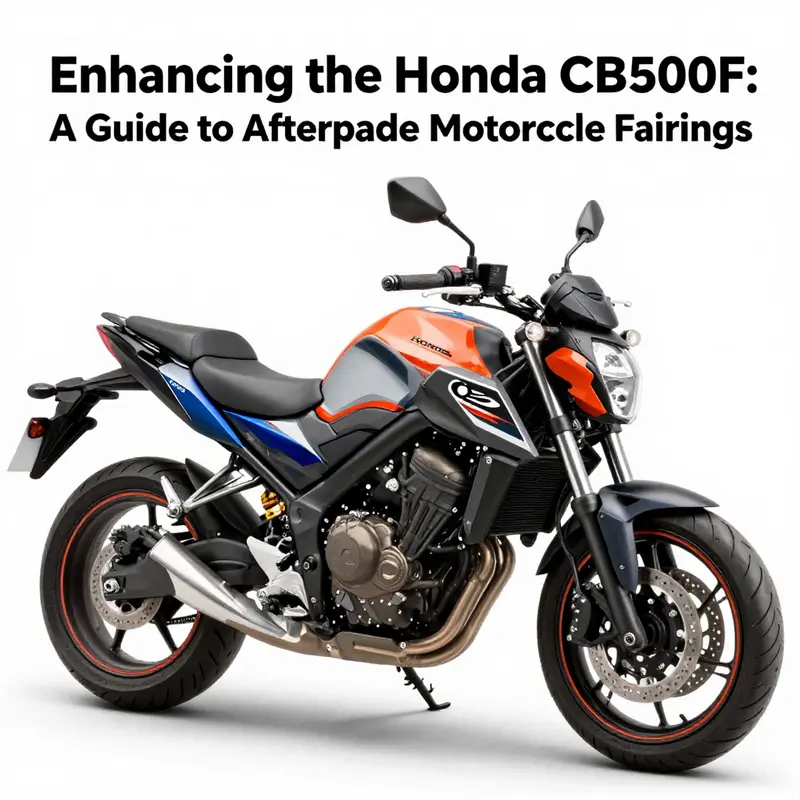
Honda CB500F için aftermarket kapağı için özel bir tasarım seçimi, estetik karar ve mühendislik yargısıdır. Doğru özel seçenek, yoldaki bisikletin varlığını değiştirirken sürüş kalitesini, soğutmayı ve sürücü ergonomisini korur. Başarılı bir değişim, net bir hedefle başlar. Yakın fabrika görünümü, cesur pist tarzında bir yeniden yapılandırma, hafif yarış tarzı dönüşüm veya tekil görsel bir ifade mi istiyorsunuz? Hedef belirlendikten sonra, malzemeler, uyum, bitiş ve kurulum konusunda kararlar mantıklı bir sırayla gelir.
Malzemeler sonucun büyük kısmını belirler. Sürücüler için en güvenilir seçenek enjeksiyon kalıplama ABS'dir. Dayanıklılıkla esnekliği dengeler ve küçük çarpmalara ve titretime karşı kırılmayı reddeder. ABS'ten enjeksiyon kalıplama panellerinde uyum genellikle tahmin edilebilirdir. Kenarlar yüzeyle eşleşir