















Introduction
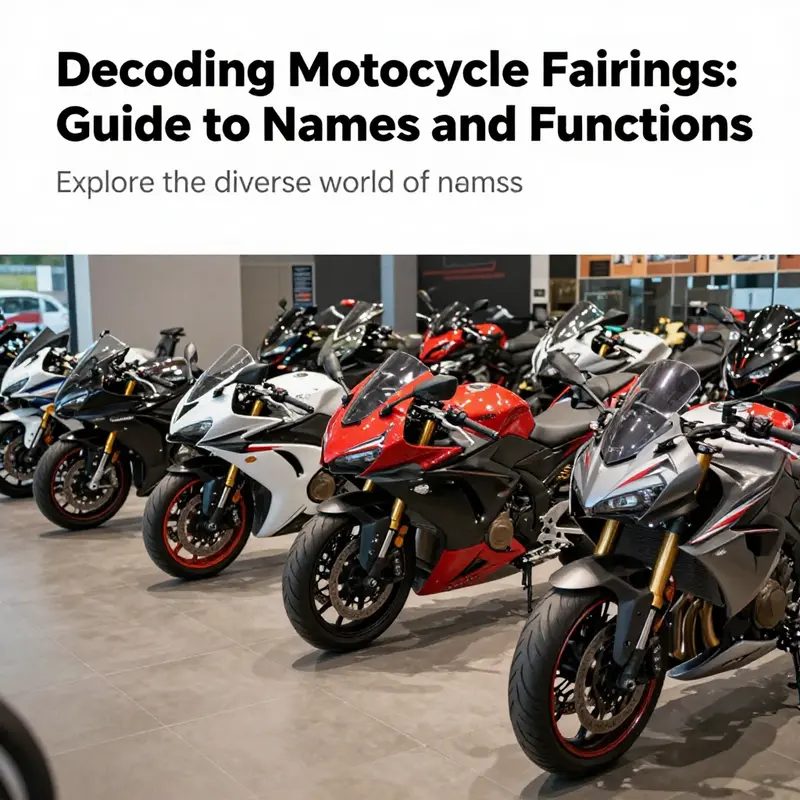
Motorcycle fairings serve as both a technical and aesthetic hallmark of bike design. Understanding the various types of fairings—from full to aftermarket options—enables business owners to cater to diverse customer needs and preferences. Each chapter will delve into specific fairing types, highlighting their roles, advantages, and industry relevance. This comprehensive overview will equip readers to make informed decisions while navigating the motorcycle fairing market.
Tables of Contents
Chapter 1: Navigating the Aerodynamics of Full Fairings in Motorcycle Design
- Aerodynamics and Performance: The Essential Role of Full Fairings in Motorcycle Design
- Crafting Performance and Protection: Insights into Full Fairing Materials and Design
Chapter 2: Half Fairings: Balancing Aesthetics and Functionality in Motorcycle Design
- Decoding Half Fairings: Their Critical Influence on Motorcycle Aesthetics and Performance
- Understanding the Economic Dynamics and Nomenclature of Half Fairings in Motorcycle Manufacturing
Chapter 3: The Integral Nature of Lower Fairings in Motorcycle Performance and Styling
- The Design and Aerodynamics of Lower Fairings: Enhancing Motorcycling Experience
- Decoding Market Dynamics: Lower Fairings as Pivotal Players in Motorcycle Design and Manufacturing Trends
Chapter 4: Exploring the Aesthetic and Functional Evolution of Motorcycle Windshields
- The Enigmatic Batwing Fairing: A Fusion of Form and Function
- Windshields and Their Classification in Motorcycle Fairing Names: The Distinct Roles of Wind Splitter and Adventure Styles
Chapter 5: Revolutionizing Aesthetics and Performance: Custom Motorcycle Fairings
- Harnessing Advanced Materials: The Evolution of Aftermarket Custom Fairings
- Unpacking the Global Supply Chain for Aftermarket Custom Fairings
Chapter 1: Navigating the Aerodynamics of Full Fairings in Motorcycle Design
1. Aerodynamics and Performance: The Essential Role of Full Fairings in Motorcycle Design
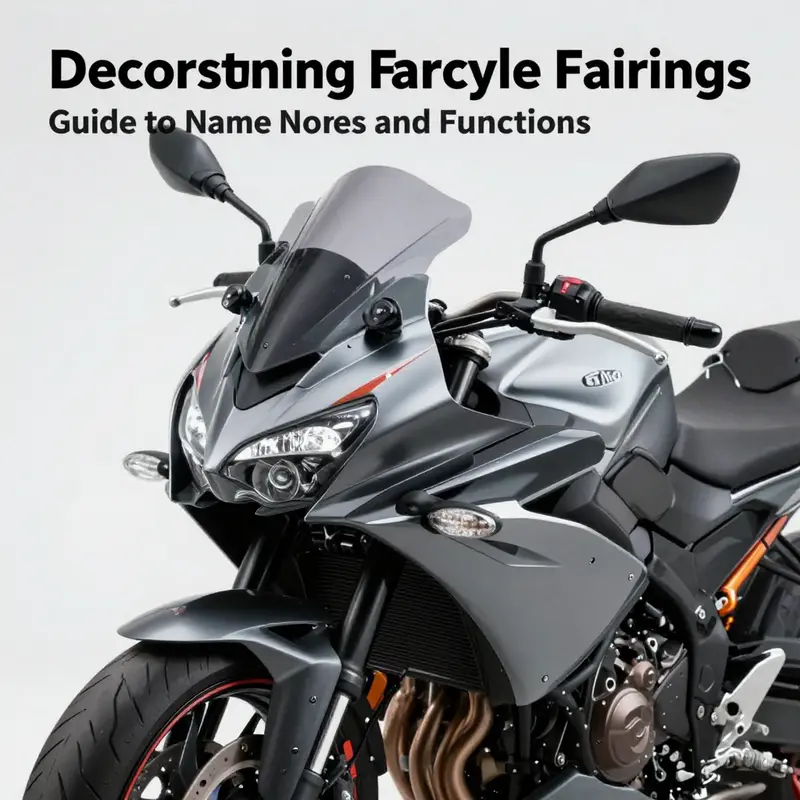
The integration of full fairings into motorcycle design plays a pivotal role in enhancing performance through advanced aerodynamics. Full fairings encompass the entire front, sides, and top of the motorcycle, creating a streamlined profile that significantly mitigates air resistance. This aerodynamic form is critical, particularly for riders seeking speed and stability at high velocities. By effectively managing the airflow around the motorcycle, full fairings allow for elevated performance levels in both racing and touring scenarios.
One of the key advantages of full fairings is their ability to reduce drag. As motorcycles advance in speed, the impact of wind resistance becomes increasingly pronounced. Full fairings optimize the motorcycle’s shape, enabling it to glide smoothly through the air. The result is that the engine can operate more efficiently, requiring less power to maintain high speeds. This reduction in drag not only enhances top speed but also plays a vital role in achieving better fuel economy. Motorcycles equipped with full fairings often demonstrate improved energy efficiency, making them more sustainable for long-distance travel.
Additionally, full fairings are adept at channeling airflow away from both the rider and critical components of the motorcycle. This aspect is vital for maintaining comfort on extended rides, as it minimizes turbulence and reduces noise. Effective airflow management also contributes to cooling, as it directs cooling air around the engine, ensuring optimal operating temperatures and performance. Features such as scoops or vents integrated into the fairing design further assist in directing airflow, enhancing both comfort and the bike’s competitive edge.
However, while the performance benefits of full fairings are clear, there are important considerations that riders and manufacturers must take into account. The complexity of full fairing structures can lead to increased repair costs in the event of damage. Unlike simpler fairings, full fairings encompass more extensive bodywork, which can be not only challenging to replace but also costly. Riders who frequently navigate tight environments or engage in aggressive riding styles should be aware of this potential risk.
Moreover, another trade-off associated with full fairings is the type of wind protection they offer. While the aerodynamic profile reduces drag, the shielding it provides may not be as effective as that offered by a windshield. Riders seeking comprehensive protection from wind and weather may need to invest in additional accessories, such as wind deflectors or custom screens, tailored to their specific motorcycle model. This consideration highlights the need for riders to balance their desire for performance and aerodynamics with comfort and protection on their journeys.
When discussing the application of full fairings, it’s essential to recognize that they are often deployed alongside other fairing types to enhance specific motorcycle functionalities. Their design primarily focuses on aerodynamic enhancement rather than comprehensive rider shielding. This can influence how riders perceive the bike’s overall design and utility, encouraging manufacturers to create innovative combinations that cater to diverse riding preferences and styles.
In summary, full fairings are not just an aesthetic choice; they are a critical component of motorcycle performance in terms of aerodynamics. By reducing drag, enhancing fuel efficiency, and contributing to stability at high speeds, they directly impact the riding experience. However, the increased complexity and repair costs should also be part of the decision-making process for enthusiasts and riders alike. For a deeper exploration of full fairing options for various models and their specific aerodynamic advantages, resources like Motorcycle.com provide comprehensive discussions and technical insights that further illuminate this essential aspect of motorcycle design.
For those interested in exploring a range of motorcycle fairings that balance performance with design, consider visiting the Honda Fairings Collection where various models showcase the practical applications of full fairings.
2. Crafting Performance and Protection: Insights into Full Fairing Materials and Design
Full fairings are a hallmark of modern motorcycle design, particularly in high-performance models like the Suzuki GSX-R750. These intricate structures are not only aesthetic enhancements but are also fundamental to the motorcycle’s aerodynamics and rider protection. Understanding the materials and manufacturing processes behind full fairings reveals their pivotal role in the overall biking experience, emphasizing both safety and performance.
At the core of full fairing construction are advanced materials, primarily thermoplastics such as Acrylonitrile Butadiene Styrene (ABS) and polycarbonate composites. ABS is recognized for its impressive strength and resilience, providing a reliable barrier against impacts and environmental elements. Its excellent impact resistance ensures that the fairing can withstand minor accidents and road debris without significant damage. On the other hand, polycarbonate composites take this a step further. They offer superior impact resistance while being lighter, resulting in enhanced performance as a whole. The choice of material is crucial, as it influences not just the physical characteristics of the fairing, but also how it performs in real-world conditions.
The manufacturing processes used to create full fairings are equally sophisticated. Predominantly utilizing injection molding, manufacturers can craft complex shapes that are essential for optimizing aerodynamic efficiency. This allows for the creation of contours that minimize drag, directing airflow smoothly over the motorcycle. Kalıp imalatı detayları hakkında ilgilenenler için, is another technique used in the shaping of these fairings, allowing for detailed designs that can enhance both the visual appeal and functional attributes of the motorcycle. The precision in engineering ensures that full fairings fit seamlessly onto the bike, reducing the potential for airflow disruption.
Aerodynamics is a prime concern in motorcycle design, especially for performance-oriented machines where every fraction of a second counts. Full fairings significantly contribute to reducing air resistance, or drag, which is crucial for maintaining high speeds without overexerting the engine. By channeling airflow efficiently around and over the motorcycle, full fairings not only improve speed but also enhance fuel economy, making them a smart choice for both sports riders and long-distance travelers.
Beyond performance, full fairings play a vital role in rider comfort and protection. They act as shields against the elements, protecting riders from harsh winds, rain, and debris, thereby enhancing overall riding comfort. This aspect is particularly important for enthusiasts who spend extended hours on the road. Full fairings also safeguard critical motorcycle components such as headlights and wiring from environmental damage, increasing the longevity of these parts and reducing maintenance costs.
Safety features embedded in full fairings cannot be overlooked. In the event of a collision, the fairing serves as a sacrificial element that absorbs and disperses impact energy, protecting more expensive internal components. This design philosophy not only minimizes repair costs but can also provide peace of mind for riders who venture on high-speed journeys.
The aesthetic value of full fairings is another significant consideration. These components define the motorcycle’s character and make a bold visual statement. The streamlined design gives motorcycles an aggressive, dynamic silhouette that sets them apart from naked bikes or café racers. Furthermore, the expansive surface area of full fairings serves as an ideal canvas for showcasing graphics, branding, and sponsorships, particularly in the world of professional motorsport. This fusion of form and function makes full fairings not only a practical choice but also a stylistic one.
In looking at high-performance models such as the Suzuki GSX-R750, one can appreciate how well-engineered full fairings are. They meet stringent performance and safety standards while enhancing the overall aesthetic appeal. By marrying cutting-edge materials with innovative design principles, manufacturers create fairings that offer functional superiority without compromising on style. This intricate interplay between materials, design, and technology solidifies the importance of full fairings in motorcycle culture and performance, laying the groundwork for ongoing developments in motorcycling excellence.
For those interested in exploring various options for full fairings, platforms featuring a wide array of custom and OEM choices can provide the ideal solutions to match specific motorcycles. Among these, the collection of fairings on websites specializing in motorcycle parts showcases an extensive variety, catering to the diverse needs of riders and their machines.
Chapter 2: Half Fairings: Balancing Aesthetics and Functionality in Motorcycle Design

1. Decoding Half Fairings: Their Critical Influence on Motorcycle Aesthetics and Performance
Half fairings, often referred to as ‘clip-on’ or ‘partial’ fairings, are a compelling testament to the blend of design, function, and rider preference in motorcycle engineering. Unlike their full fairing counterparts, which encompass the entire front section of the bike, including the rider’s body, half fairings cover only the essential front components—primarily the engine, fuel tank, and handlebars—while leaving the rider’s torso exposed. This construction results in a sleek look preferred by many motorcycle enthusiasts and represents a strategic compromise between aerodynamics and rider experience.
The Advantages of Half Fairings
One of the standout benefits of half fairings is their increased accessibility in terms of cost and installation. Typically more affordable than full fairing kits, half fairings attract a wide range of riders, especially those who value the sporty and aggressive aesthetic but do not want to invest heavily in bodywork. This cost-effectiveness makes them popular choices for sport bikes and café racers, where a streamlined profile is desired without overwhelming complexity.
However, the appeal of half fairings extends beyond mere pricing. Their usage often leads to enhanced maneuverability and a more intimate riding experience, allowing riders to feel more connected to the road. The open cockpit can foster a more engaging interaction with the motorcycle’s dynamics, which many riders find exhilarating.
Trade-offs of the Design
On the flip side, opting for half fairings comes with critical trade-offs that potential buyers must contemplate. One notable downside is the absence of significant wind protection for the upper body, which can lead to rider fatigue on long journeys. Users may notice that cruising at higher speeds can expose them to turbulent wind blasts and adverse weather; thus, those embarking on long-distance rides might find this aspect increasingly taxing.
While half fairings do afford some protection against debris and environmental elements, they may necessitate supplementary items like wind deflectors to enhance comfort. The balance between aesthetics and functionality can be fragile, and investing in lower-quality aftermarket parts can further jeopardize the integrity and performance of the fairing. It is crucial for riders to consider the materials used; subpar ABS plastic or fiberglass can deteriorate swiftly under the sun’s UV rays or buckle under stress, defeating their intended protective role.
Understanding Aerodynamic Performance
From an aerodynamic perspective, half fairings undeniably contribute to diminishing air turbulence around the motorcycle’s front, which can culminate in marginal improvements in fuel efficiency and stability at speed. However, their aerodynamic benefits pale compared to those offered by full fairings. Expert discussions reveal that riders transitioning to improved half fairings often report experiences of enhanced comfort levels and fewer maintenance concerns over time. This sentiment echoes the essential need for high-quality manufacturing; top-tier half fairings not only need to look appealing but also align with the robust material standards required in today’s competitive motorcycle market.
The Upgrade Consideration
For riders contemplating an upgrade to half fairings, assessing both the advantages and limitations is paramount. Understanding how this particular design impacts riding style, comfort, and overall performance is key to making an informed decision. The allure of half fairings lies in effectively meeting the needs of those who prioritize a sporty look and a responsive bike without the extensive commitment that accompanies full fairings.
In summary, the choice of half fairings presents an intriguing conundrum for motorcycle enthusiasts. By weighing their aesthetic appeals and performance benefits against the challenges they present, riders can enhance their motorcycles in a way that aligns with personal style and practical requirements. As the landscape of motorcycle design continues to evolve, half fairings represent a unique category that merges traditional motorcycle culture with modern technological advancements, fostering not just speed, but a vibrant, expressive riding experience. For anyone interested in optimizing their riding experience, exploring options available through specialized suppliers, such as those offering parts for specific models like the Honda CBR series, can yield impressive results. An informed choice can enhance both the visual aesthetics of a bike and the comfort of the ride, thus becoming a valuable upgrade in the motorcycle community.
2. Understanding the Economic Dynamics and Nomenclature of Half Fairings in Motorcycle Manufacturing
Half fairings, commonly referred to as “clipped-on” or “partial” fairings, epitomize a balance between functionality and aesthetic appeal in motorcycle design. By covering just the upper section of a motorcycle—including the headlight and instrument cluster—this design leaves the lower engine areas exposed. Such an arrangement not only endorses aerodynamic efficiency but also promotes an economical edge in manufacturing.
From a manufacturing perspective, half fairings present substantial cost savings. The notable reduction in material required compared to full fairings directly translates into lower production costs. Furthermore, the simpler assembly processes associated with half fairings reduce labor expenses. As manufacturers strive to provide quality products while managing costs, half fairings emerge as a strategic choice, allowing for streamlined operations and competitive pricing.
Rider comfort is another key factor attributing to the economic advantages of half fairings. Designed to mitigate wind buffeting, half fairings enhance the comfort of riders, particularly at moderate highway speeds—a crucial consideration for sport-touring or long-distance motorcyclists. By offering notable aerodynamic benefits without the added bulk of full fairings, half fairings appeal to a significant segment of the riding community, helping manufacturers tap into diverse market demands.
Moreover, the maintenance and service accessibility afforded by half fairings cannot be overstated. The partial coverage they provide allows for easier access to essential engine components, thus reducing the time and expense associated with maintenance and repairs. Lower long-term service costs not only benefit motorcycle owners but also cultivate brand loyalty, facilitating repeat purchases and sustaining manufacturer revenues.
As consumer preferences evolve, the market appeal of half fairings has only intensified. Sport-touring and long-distance riding enthusiasts gravitate towards these components due to their practicality and aerodynamic benefits, which solidifies their position in the competitive motorcycle market. This preference supports scalable production models that allow manufacturers to meet varying market demands efficiently, further solidifying half fairings as a valuable asset in any manufacturer’s lineup.
The nomenclature of half fairings is interesting, particularly in relation to standardization across global markets. The term “half fairing” is widely recognized and accepted, facilitating clear communication in technical documentation, production manuals, and marketing materials. Such standardization is vital in an industry where clarity can enhance supply chain efficiency and illuminate product specifications.
Yet, while the term remains consistent internationally, regional terminology exhibits variation. In markets like China, half fairings may be termed “part fairings” or described according to specific industrial standards that focus on material performance and safety compliance. Chinese manufacturers, responding to both domestic demands and international export markets, ensure that their half fairings adhere to stringent quality standards, as set forth by organizations like the China Motorcycle Association (CMA). This includes criteria regarding impact resistance and structural integrity, further underscoring the growing importance of half fairings in the market.
International manufacturers tend to employ a unified terminology in their product manuals, engineering schematics, and marketing. This consistency not only aids clarity across various stakeholders within the supply chain but also reinforces the universal appeal of half fairings as a product line. As riders seek reliable and versatile motorcycles, manufacturers can leverage such standardization to foster a reputation for quality and innovation, thereby gaining a competitive edge.
In conclusion, half fairings indeed serve as a vital component within the motorcycle industry, offering significant economic advantages while retaining a standardized nomenclature that benefits communication across varying markets. Bridging performance and affordability, these components emerge as the optimal middle ground in motorcycle design, meeting the needs of both manufacturers and riders alike. The multifunctionality of half fairings, alongside their widespread recognition, ensures their place in the annals of motorcycle history as a favorite choice for enthusiasts and manufacturers alike. For those looking to explore the integration of half fairings with specific models, an extensive selection can be found at Summit Fairings, showcasing how these components contribute to both aesthetic appeal and performance.
Chapter 3: The Integral Nature of Lower Fairings in Motorcycle Performance and Styling
1. The Design and Aerodynamics of Lower Fairings: Enhancing Motorcycling Experience
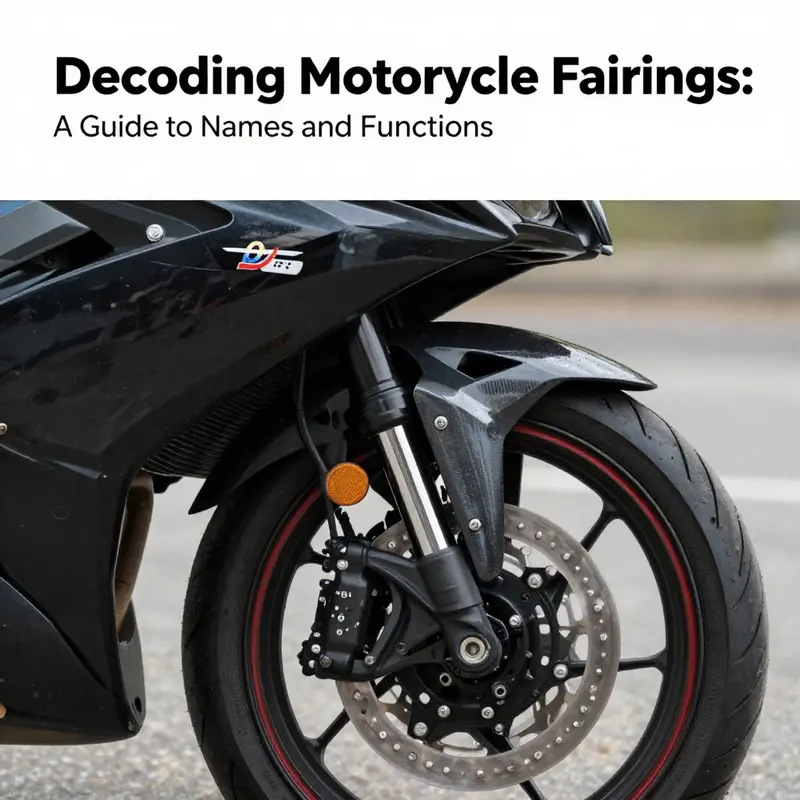
Lower fairings are more than just visual enhancements on motorcycles; they are a critical factor in the overall aerodynamic performance and rider experience. Positioned strategically beneath the main fairing, these components shape the airflow around the motorcycle and play a pivotal role in achieving stability and efficiency, particularly in high-speed scenarios. The design of lower fairings directly affects how air moves around the bike, which can significantly impact drag, comfort, and the safety of the rider.
One of the primary benefits of lower fairings is drag reduction. As motorcycles reach higher speeds, the forces of air resistance begin to affect their handling and performance. Lower fairings are designed to minimize turbulent air caused by exposed mechanical components, which can create drag. By smoothing the airflow over and around the bike, they enhance aerodynamic efficiency and allow the motorcycle to cut through the wind with greater ease. This aerodynamic refinement becomes increasingly vital during long-distance tours or high-speed rides where every little decrease in drag translates to better overall performance.
Beyond reducing drag, these fairings contribute to high-speed stability. The streamlined design helps in channeling air away from the rider and the engine system, allowing for a more controlled riding experience. Riders will often notice that motorcycles equipped with well-designed lower fairings maintain steadiness even when cruising at speeds that would typically cause instability. This attribute is particularly important for sport touring bikes and high-performance motorcycles, where handling precision is vital.
In addition to enhancing aerodynamic properties, lower fairings significantly affect fuel efficiency. When a motorcycle is optimized for aerodynamics, it often demands less energy to overcome air resistance. A lower fairing effectively improves fuel consumption because the engine uses less power to maintain a certain speed, potentially extending the range of a motorcycle during long rides.
Entegre sistemlerin önemli bir yönü, dikkate alınması gereken is another essential consideration that lower fairings address. Wind buffeting can be a major concern for riders, especially when traveling at high speeds. The design of lower fairings acts to deflect wind away from the rider’s legs and lower body, minimizing the physical strain from wind pressure and allowing for a more enjoyable journey. For riders who frequently embark on prolonged trips, the comfort provided by these components is invaluable.
Lower fairings are not solely about function; their aesthetic integration into the overall motorcycle design is also crucial. Manufacturers have embraced the idea of creating visually appealing aerodynamic components that complement the bike’s style. For instance, many lower fairings now incorporate design elements such as vented placements, which not only serve a functional purpose by enhancing airflow but also increase the visual allure of the motorcycle. Furthermore, the integration of LED lighting into lower fairings is now a common design feature, merging safety and style in a way that keeps motorcycles looking sleek while ensuring that they are visible to other road users.
In addition to aesthetic enhancements, modern lower fairings often include beneficial practical features such as vented leg fairings. These components help redirect airflow away from the rider’s legs, which not only contributes to comfort but also improves thermal management during rides across variable weather conditions. Some models incorporate innovative storage options, like glove box compartments, within the fairings, offering riders added convenience without compromising their bike’s aerodynamic integrity.
An example of advanced engineering in lower fairings is evident in products like the “Lower Vented Leg Fairings Glove Box with LED Turn Signals Light,” designed for specific models such as Harley Touring. These pieces not only adhere to OEM specifications for a perfect fit but also enhance safety with integrated lighting and provide functional storage for essential items. Such advancements highlight the growing emphasis on taking lower fairings beyond basic protection and aesthetics, making them integral to modern motorcycle design.
In conclusion, the significance of lower fairings extends beyond mere styling; they are essential components that enhance the motorcycle’s aerodynamic efficiency, rider comfort, and overall performance. By integrating advanced features and thoughtful designs, manufacturers continue to elevate the importance of lower fairings in the naming and marketing of motorcycle fairing systems, underscoring their role in creating a superior riding experience. For additional insights into compatible components and detailed specifications, resources like the Harley-Davidson Parts Catalog can provide further guidance.
2. Decoding Market Dynamics: Lower Fairings as Pivotal Players in Motorcycle Design and Manufacturing Trends
In the evolving landscape of motorcycle manufacturing, lower fairings—often seen as mere aesthetic additions—have blossomed into key components, driving both functionality and market appeal. As the industry aligns with rider preferences that increasingly prioritize aerodynamics, comfort, and personalization, lower fairings have transformed from simple protective structures to sophisticated design elements integral to overall vehicle performance. This paradigm shift underscores the growing recognition of lower fairings in the broader classification of motorcycle fairings.
The global motorcycle fairing market is currently navigating a trend towards modularity and enhanced performance, with lower fairings leading this charge. These components, which are strategically positioned to optimize airflow around the front wheel and engine, serve dual purposes of reducing drag and enhancing fuel efficiency. Riders are becoming more discerning, seeking motorcycles that not only look good but also ride better—attributes that lower fairings can significantly contribute to. Thus, the manufacturing industry is rapidly pivoting to meet these evolving consumer demands, focusing on lightweight yet durable materials like ABS and fiberglass-reinforced polymers, which bring complex shapes and high-performance capabilities to life.
In light of these trends, manufacturers are increasingly concentrated in regions known for motorcycle part production. China, particularly in cities such as Foshan and Guangzhou, stands out as a center of motorcycle fairing manufacturing. These areas are characterized by a unique clustering of facilities that handle various phases of production—ranging from injection molding to surface finishing. This consolidation allows for rapid prototyping and quick adaptation to marketplace changes, enhancing the ability of manufacturers to meet global demands efficiently. As a consequence, suppliers such as Guangzhou Tengchang Motorcycle Parts Co., Ltd. are not only able to produce high-quality lower fairings but do so adhering to strict international standards, ensuring compliance that caters to markets in North America and Europe.
Furthermore, the customization trend within the motorcycle industry cannot be understated, as it aligns seamlessly with the advancements in lower fairing designs. Riders today desire personalization options that do not hinder performance; thus, the ability to create interchangeable lower fairings compatible with various body kits is becoming essential. Manufacturers are leveraging cutting-edge digital design tools and 3D simulation software to conduct airflow dynamics testing prior to physical production. This innovation not only accelerates product development cycles but also fosters greater creativity in design, where aesthetic choices are informed by performance considerations.
From a durability perspective, the current trajectory includes the integration of smart materials and surface treatments. Features like UV-resistant coatings and scratch-resistant finishes are now standard, addressing the concerns faced by riders in diverse climates. This, in turn, is harmonizing with the drive towards sustainability that the motorcycle manufacturing sector is gradually adopting, with several manufacturers exploring recyclable materials and low-VOC processes.
For businesses operating within this frame, the selection of a reliable supplier is paramount. A robust evaluation process goes beyond simple catalog comparisons and dives deep into suppliers’ technical capabilities. It is critical for manufacturers to assess whether potential partners can handle intricate molds and maintain stringent quality control protocols. Certifications such as ISO 9001 and IATF 16949 provide crucial indicators of quality assurance and adherence to international standards, which are non-negotiable for B2B procurement today.