












Introduction
Hannigan motorcycle fairings have gradually carved a niche in the aftermarket motorcycle parts industry, offering businesses a valuable avenue to expand product offerings and meet diverse customer needs. As crucial components designed to enhance both the aesthetics and aerodynamics of motorcycles, these fairings serve not only as replacements but also as customization options for riders seeking to personalize or repair their bikes. Understanding the variety, materials, compatibility factors, market pricing, and maintenance considerations linked with Hannigan fairings empowers business owners to make informed decisions in sourcing and retailing these products. The following chapters delve into the essential aspects of Hannigan motorcycle fairings, providing a layered understanding that supports strategic business growth and customer satisfaction.
Tables of Contents
Chapter 1: Overview of Hannigan Motorcycle Fairings as Aftermarket Components
- Advanced Materials and Design: Technological Evolution in Hannigan Motorcycle Fairings
- Economic Influence of Hannigan Fairings on the Premium Motorcycle Aftermarket
- Personalization and Performance: How Hannigan Motorcycle Fairings Reflect Modern Customization Trends
Chapter 2: Materials and Design Considerations in Hannigan Motorcycle Fairings
- Balancing Lightweight Composites and Structural Strength in Hannigan Motorcycle Fairings
- Harmonizing Aerodynamics and Structural Integrity in Hannigan Motorcycle Fairings
- Balancing Precision Fit and Performance: Overcoming Customization Challenges in Hannigan Motorcycle Fairings
Chapter 3: Compatibility and Installation of Hannigan Motorcycle Fairings on Various Motorcycle Models
- Understanding Fitment Challenges and Installation Nuances of Hannigan Motorcycle Fairings
- Balancing Cost, Fit, and Quality: Economic and Market Insights on Hannigan Motorcycle Fairings Installation
- Community Dynamics and User Insights Shaping Hannigan Motorcycle Fairing Compatibility and Installation
Chapter 4: Market Availability and Pricing Trends of Hannigan Motorcycle Fairings
- Navigating the Specialized Supply Chain and Niche Market Availability of Hannigan Motorcycle Fairings
- Economic Dynamics Shaping the Pricing and Availability of Hannigan Motorcycle Fairings
- Niche Demand and Distribution Dynamics Shaping Hannigan Motorcycle Fairings’ Market Presence
Chapter 5: Maintenance and Durability Factors of Hannigan Motorcycle Fairings
- How Material Quality Shapes the Longevity and Upkeep of Hannigan Motorcycle Fairings
- Mastering Installation Techniques to Enhance Durability and Ease of Maintenance for Hannigan Motorcycle Fairings
- How Environmental Exposure and Cleaning Habits Shape the Longevity of Hannigan Motorcycle Fairings
Chapter 1: Overview of Hannigan Motorcycle Fairings as Aftermarket Components
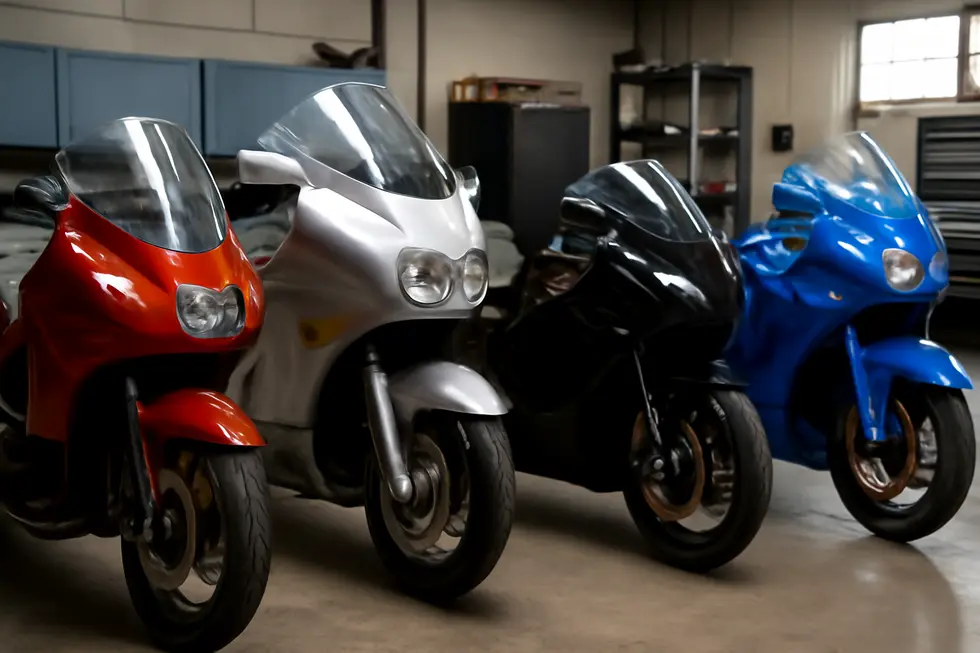
1. Advanced Materials and Design: Technological Evolution in Hannigan Motorcycle Fairings
Hannigan motorcycle fairings, as part of the aftermarket landscape, reflect notable technological progress in materials science, design, and manufacturing. These advancements have transformed fairings from mere cosmetic additions into functional components that enhance a motorcycle’s aerodynamics, durability, and visual appeal. Key innovations involve utilizing composite materials such as fiberglass, carbon fiber, and advanced thermoplastics, all of which offer an optimal balance between lightweight performance and impact resistance. This allows riders to benefit from enhanced safety alongside improved handling and speed.
Design evolution is largely driven by computer-aided design (CAD) and aerodynamic testing, enabling fairings to reduce drag and increase stability. These digital tools ensure that fairings conform closely to each motorcycle’s frame, improving fuel efficiency and reducing wind buffeting at higher speeds. Precision molding techniques paired with modern finishing methods yield a seamless fit and an attractive finish that meet growing consumer demands for both form and function.
Customization has also been revolutionized by 3D modeling and modular manufacturing processes, empowering riders to select or tailor fairings for specific models and personal styles. Although direct data about Hannigan’s specific offerings remain limited, these broader aftermarket trends embody the technological thrust shaping components within this sector. To explore more about the technological advances influencing aftermarket fairings, it is useful to visit resources like the Summit Fairings blog, which discuss contemporary production technologies and design philosophies.
2. Economic Influence of Hannigan Fairings on the Premium Motorcycle Aftermarket
Hannigan motorcycle fairings occupy a distinctive niche within the aftermarket components industry, where economic impact is tied closely to their premium positioning and specialized appeal. These aftermarket parts, often associated with high-value customizations such as luxury trike conversions, command significant investment—frequently adding tens of thousands of dollars over a motorcycle’s base price. This pricing strategy reflects the brand’s ability to attract enthusiasts who value unique aesthetics and enhanced performance beyond stock offerings.
This niche appeal fosters market differentiation by catering to riders seeking exclusive upgrades that standard parts cannot match. Such differentiation supports a pricing premium, underscoring a willingness among consumers to invest in bespoke enhancements. The economic effects extend beyond direct sales: the demand for these high-end fairings stimulates adjacent industries, including professional installation services, maintenance providers, and specialty retailers, all fostering a robust secondary market.
Moreover, companies producing these luxury aftermarket components help sustain specialized jobs from design through fabrication, promoting innovation in motorcycle customization. While comprehensive data on overall market size or employment tied specifically to Hannigan fairings is limited, their role in driving niche growth and encouraging ancillary services is clear. For riders and businesses alike, Hannigan fairings symbolize investment in quality, craftsmanship, and exclusivity—a dynamic combination that fuels the premium aftermarket economy.
For those interested in exploring further options in quality motorcycle fairings, resources such as unveiling elite motorcycle fairings offer valuable insights.
3. Personalization and Performance: How Hannigan Motorcycle Fairings Reflect Modern Customization Trends
The appeal of aftermarket motorcycle fairings from manufacturers like Hannigan captures a larger cultural movement in motorcycling that values individuality and enhanced performance. Riders today crave personalization that allows their bikes to stand out, both visually and functionally. Hannigan fairings offer a range of styles, colors, and materials, enabling motorcyclists to tailor their machines to their unique tastes and specific riding styles, whether for sport, touring, or daily use.
Beyond aesthetics, these fairings often contribute to improved aerodynamics and weight reduction compared to original equipment, appealing to riders focused on speed, handling, and overall performance. This dual focus on look and function underscores a modern ethos in the motorcycle community—where customization is as much about self-expression as it is about optimizing the ride.
Accessibility plays a critical role in this trend. The availability of quality aftermarket parts like Hannigan’s supports the widespread do-it-yourself spirit among enthusiasts who seek cost-effective upgrades and repairs without depending entirely on OEM components. These possibilities foster an engaged community, both online and offline, that exchanges ideas, styles, and modifications.
Social media and rider groups amplify these customization trends, shaping demand for designs that resonate broadly yet allow for personal twists. This dynamic interaction between rider culture and product offerings helps explain why Hannigan’s fairings hold a strong position in the market, embodying the balance between individual expression, performance gains, and community influence.
For riders interested in exploring diverse and affordable customization options, this resource offers a comprehensive guide to aftermarket fairing choices.
Chapter 2: Materials and Design Considerations in Hannigan Motorcycle Fairings
1. Balancing Lightweight Composites and Structural Strength in Hannigan Motorcycle Fairings
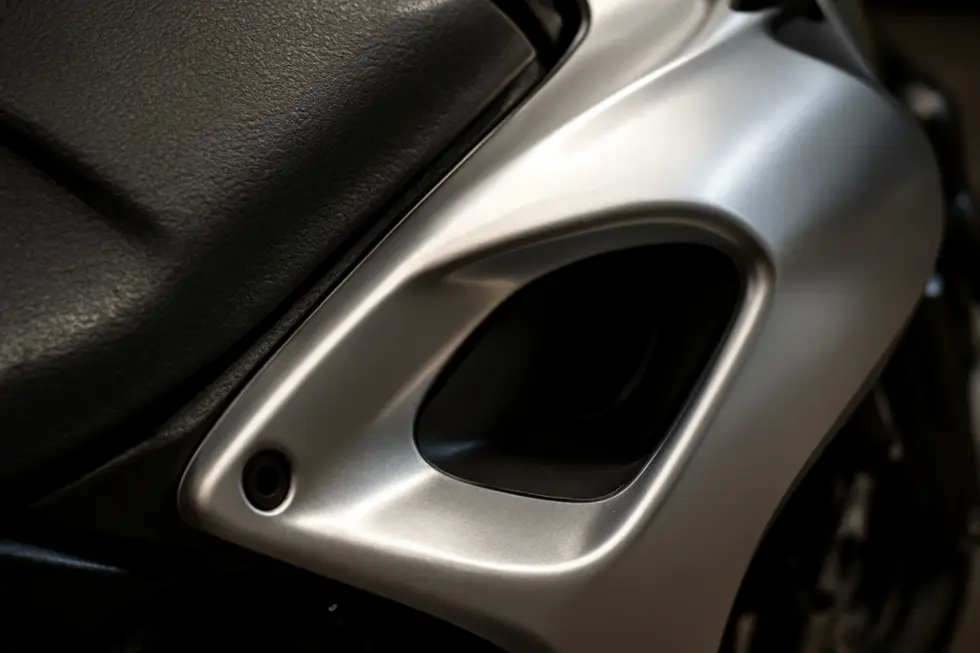
Selecting materials for motorcycle fairings requires a careful balance between weight reduction and mechanical resilience, especially for high-performance aftermarket components like those associated with Hannigan. Lightweight composites such as carbon fiber reinforced polymers (CFRP), fiberglass, and advanced thermoplastics dominate the industry due to their superior strength-to-weight ratios. Carbon fiber composites, in particular, provide exceptional stiffness and tensile strength while minimizing mass, which is crucial to enhancing acceleration and maneuverability without compromising safety.
Fairings must endure diverse mechanical stresses—impact resistance to absorb shocks from road debris or minor collisions, fatigue resistance to withstand repetitive vibrations, and thermal stability to maintain performance near engine heat zones. The design intricacies extend beyond material choice; optimized fiber orientation and composite layup thickness ensure maximum durability where load paths concentrate. Manufacturing processes like vacuum bagging and autoclave curing improve fiber alignment and bonding quality, further enhancing structural integrity.
Yet, the pursuit of strength cannot render fairings brittle. Hybrid composite strategies combining carbon and glass fibers increase toughness and impact resistance, preventing catastrophic failure. Aerodynamics and rider protection also shape the material and design decisions—fairings sculpt airflow efficiently without sacrificing rider mobility or durability.
Though specific data on Hannigan’s material approaches is unavailable, it is reasonable to conclude their fairings adhere to these advanced composite engineering principles. For those seeking broader insight into aftermarket fairings’ material innovations, resources such as this detailed overview on composite materials and manufacturing offer valuable context.
2. Harmonizing Aerodynamics and Structural Integrity in Hannigan Motorcycle Fairings
The design of Hannigan motorcycle fairings reflects a careful balance between aerodynamic efficiency and structural resilience, essential for enhancing both performance and rider safety. These fairings are crafted to reduce drag by channeling airflow smoothly over the motorcycle and rider, which not only improves fuel economy but also stabilizes handling at high speeds. Minimizing lift forces helps maintain tire contact with the road, crucial for torque transmission and precise control.
Material choice plays a pivotal role in achieving this balance. Lightweight composites such as fiberglass and carbon fiber likely dominate Hannigan’s construction choices, offering high strength without burdening the motorcycle with unnecessary weight. Such materials also absorb impact energy effectively, protecting vital mechanical components and the rider during unforeseen collisions or debris strikes.
Structurally, fairings must endure constant vibrations and dynamic stresses. Secure yet flexible mounting systems prevent cracking while maintaining seamless integration with the motorcycle frame. Advanced design tools including Computational Fluid Dynamics (CFD) and Finite Element Analysis (FEA) may be employed to optimize both the aerodynamic profile and mechanical durability, ensuring that aesthetics and function coalesce effortlessly.
Beyond performance, these fairings enhance visual appeal, mirroring the rider’s desire for a sleek, modern look. Practicality is addressed through universal compatibility and ease of installation, contributing to a user-friendly experience. For a deeper dive into the broad landscape of motorcycle fairings and their material innovations, exploring affordable motorcycle fairings options provides valuable perspective.
3. Balancing Precision Fit and Performance: Overcoming Customization Challenges in Hannigan Motorcycle Fairings
Achieving a seamless integration of Hannigan motorcycle fairings demands careful attention to both customization and fitment complexities. Since these fairings are crafted as aftermarket or bespoke components, they must align precisely with the existing motorcycle frame, which inherently varies between models and production batches. Material choice is pivotal; lightweight composites such as fiberglass and ABS plastic offer the optimal blend of resilience and flexibility, allowing designers to mold intricate shapes without adding unnecessary weight. This ensures that handling agility is preserved, even as the bike’s visual identity is transformed.
One notable application lies within Hannigan’s trike conversions, especially for models like the BMW K 1600 GTL, where custom foot fairings and auxiliary bodywork must accommodate original components seamlessly. The fitment process often uncovers subtle discrepancies in manufacturing tolerances, which require in-field adjustments to eliminate gaps or misalignments that could impair aerodynamics or rider comfort. The fairings’ design must also harmonize with operational elements including handlebars, mirrors, and lighting to ensure functionality remains uncompromised.
Aerodynamic optimization is intertwined with aesthetic appeal, with shapes engineered to minimize drag while contributing to the motorcycle’s distinctive style. Installing these fairings may involve custom brackets, enhancing secure mounting without imposing stress on the frame. This iterative design philosophy, involving prototype test fits and refinements, ensures that Hannigan fairings deliver both visual enhancement and sustained performance reliability without sacrificing safety.
For insights into these principles demonstrated on real-world applications like the BMW K 1600 GTL Hannigan Trike conversion, including cosmetic condition details, see the related external resource. For those interested in exploring a broad spectrum of aftermarket fairings with similar balance, visit this ultimate source for affordable motorcycle fairings.
Chapter 3: Compatibility and Installation of Hannigan Motorcycle Fairings on Various Motorcycle Models
1. Understanding Fitment Challenges and Installation Nuances of Hannigan Motorcycle Fairings
Hannigan motorcycle fairings are primarily designed to enhance the aesthetics and aerodynamics of specific Harley-Davidson models, such as the Road Glide and Street Glide. Their compatibility hinges significantly on the year, model type, and frame architecture, as these elements dictate mounting points and the integration of electrical components. Because fairings must seamlessly align with the motorcycle’s contours and existing hardware, selecting the correct model-specific fairing is essential to ensure a proper fit.
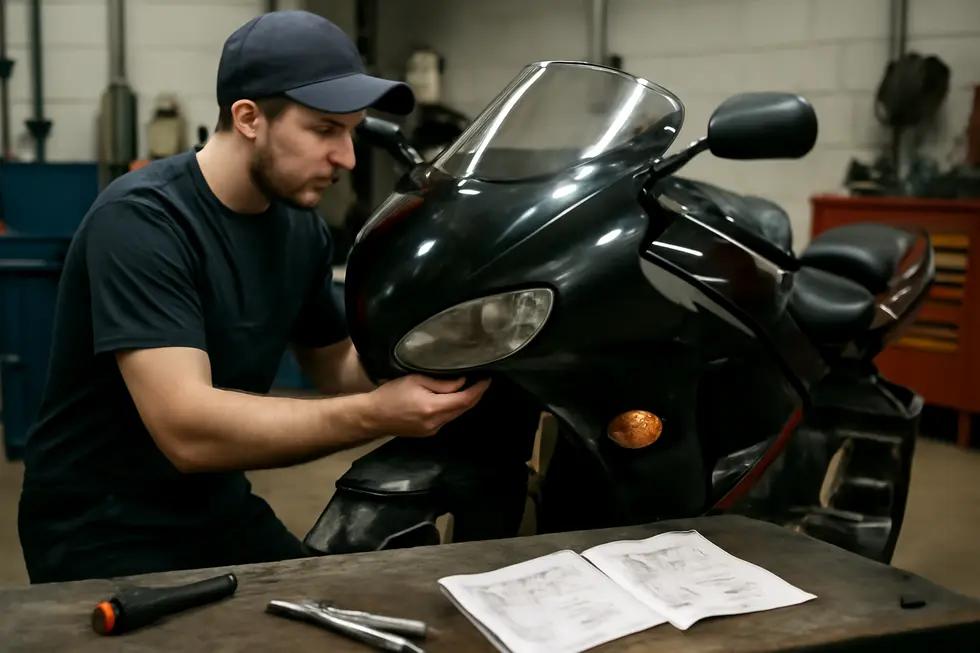
Installation typically involves aligning the fairing with factory mounting brackets, yet it often requires precise mounting hardware and fasteners compatible with both the bike and the aftermarket panel. Electrical considerations come into play when the fairing houses integrated lighting like turn signals or running lights. Modifications to wiring harnesses or bulb replacements—sometimes simple plug-and-play LED swaps—might be necessary depending on compatibility.
Given these complexities, professional installation is highly recommended, especially if modifications or wiring adjustments are anticipated. Enthusiasts with detailed knowledge of their motorcycle model may manage some installations independently, particularly when supported by community forums or manufacturer specifications. For those seeking further clarity and options in motorcycle fairings, exploring resources such as the Summit Fairings blog can offer valuable insights and guidance.
Ultimately, while Hannigan fairings aim to offer a tailored fit primarily for Harley touring bikes, checking model-specific details and preparing for moderate installation challenges ensures the best results and preserves the integrity of both the fairings and the motorcycle’s original design.
2. Balancing Cost, Fit, and Quality: Economic and Market Insights on Hannigan Motorcycle Fairings Installation
The process of selecting and installing Hannigan motorcycle fairings involves more than just aesthetic preference—it demands careful economic and market considerations centered on compatibility and long-term value. Fairings are not universally interchangeable; fitting them properly requires matching the specific make, model, and year of a motorcycle to ensure secure mounting and seamless integration. While some universal fairings exist, they often need modifications during installation, which can raise labor costs significantly. For many enthusiasts, hiring professional installation is advisable, especially when complex adjustments or added brackets are necessary, boosting overall expenses.
Material quality directly impacts both price and durability. Fairings made from fiberglass or carbon fiber command higher prices but offer superior strength and reduced weight compared to cheaper plastics, which may sacrifice longevity. Market dynamics also shape availability and cost; niche styles or limited production runs heighten price due to scarcity, while popular designs benefit from wider distribution and competitive pricing.
Another crucial economic factor is warranty and customer support. A robust warranty reduces the risk of unforeseen expenses tied to defects or poor fitment. Buyers should verify the terms offered to enhance confidence in their purchase. To navigate these considerations effectively, it is essential to confirm compatibility, anticipate installation complexity, weigh material quality against price, and assess market accessibility. This strategic approach aligns cost with performance and satisfaction, ensuring a successful upgrade.
For those seeking a broader selection with affordability in mind, exploring affordable motorcycle fairings offers insights on balancing quality and budget in aftermarket options.
3. Community Dynamics and User Insights Shaping Hannigan Motorcycle Fairing Compatibility and Installation
Hannigan motorcycle fairings have carved a niche within the motorcycle customization community, predominantly catering to Harley-Davidson models. Their tailored design demands a precise fit, often limiting direct compatibility outside this range. Riders frequently encounter the need to adjust or add mounting components when fitting these fairings on other cruiser-style motorcycles, highlighting that universal compatibility is seldom guaranteed. This demands not only mechanical skill but also patience and resourcefulness from users.
The installation journey varies widely—from straightforward bolt-on methods to more complex adaptations requiring professional expertise or custom fabrication. The clarity and availability of installation instructions and mounting kits substantially influence user satisfaction, with detailed guidance proving invaluable. Importantly, rider forums and enthusiast communities serve as crucial support networks. These spaces foster knowledge sharing, troubleshooting, and tips, which collectively elevate installation success and enhance the overall experience.
Beyond technical considerations, Hannigan fairings impact social dynamics among motorcyclists by reinforcing the culture of personalization and creative expression. This culture stimulates small businesses and craftsmanship, promoting innovation within the aftermarket industry. However, improper installation poses safety risks, emphasizing the responsibility users bear to ensure compatibility and secure fitting. Ultimately, the synergy between an engaged community and practical expertise shapes the user experience, balancing creative passion with technical demands. For riders seeking detailed installation guidance or model-specific compatibility, specialized forums offer invaluable peer insights, complementing manufacturer recommendations. Explore more about creative customization options and fairing selections at Summit Fairings for enhanced versatility and support: Explore the Best Motorcycle Fairings at Summit Fairings.
Chapter 4: Market Availability and Pricing Trends of Hannigan Motorcycle Fairings
1. Navigating the Specialized Supply Chain and Niche Market Availability of Hannigan Motorcycle Fairings
Hannigan motorcycle fairings occupy a unique place within the aftermarket landscape, primarily tied to custom trike conversion kits for premium motorcycles such as the BMW K 1600 GTL. Their production involves highly specialized fabrication processes, often relying on smaller-scale, regional manufacturers supplying plastics and composites. This contrasts with the mass-produced nature of mainstream motorcycle components and reflects a broader trend in the automotive sector toward supplier localization, aimed at mitigating geopolitical risks and improving lead times. However, the limited scale of manufacturing inherently poses challenges related to material availability and labor capacity, occasionally impacting supply consistency.
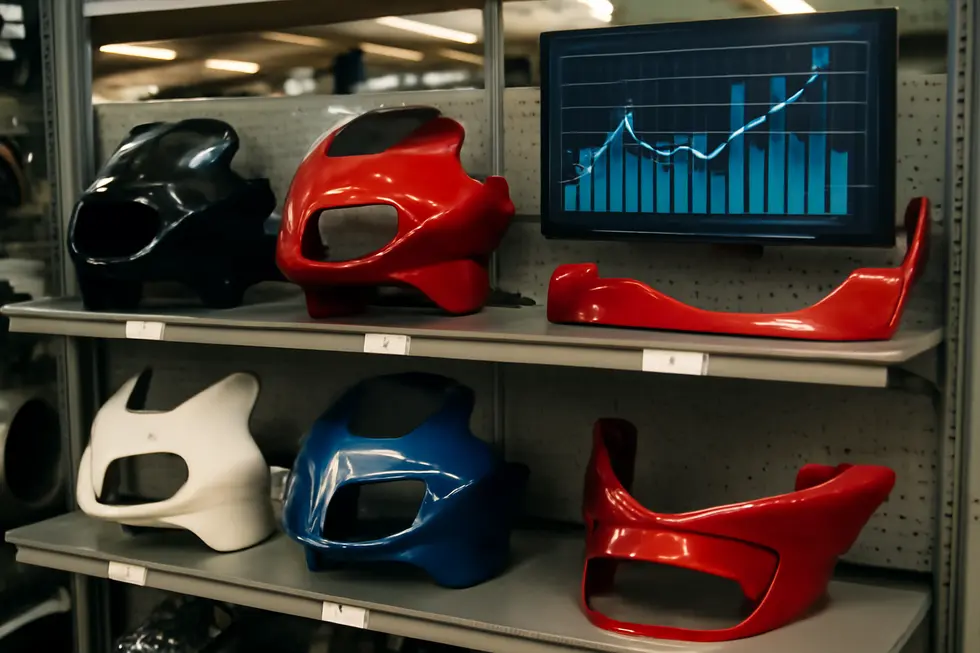
Market availability of these fairings remains steady but limited, given the niche appeal and specialized application in trike conversions. Enthusiasts and specialists form the core customer base, typically sourcing through specialty dealers rather than mainstream outlets. Online communities focused on motorcycle customization actively discuss upgrades, although they do not report significant shortages or surpluses of these fairings, suggesting a stable market equilibrium. Pricing aligns with the demanding nature of custom fabrication and high-quality materials, reflecting a premium tier consistent with the product’s bespoke positioning. Historical pricing data illustrates an upward trend consistent with inflation and increases in material and labor costs, with past trike conversions costing upwards of $19,000 in addition to the motorcycle base price.
For riders and modifiers seeking reliable supply and detailed offerings, consulting authorized dealers is essential. Those interested in exploring wider affordable options in motorcycle fairings might find useful resources at Summit Fairings’ blog. For further insight into supply chain localization trends impacting similar niche automotive products, refer to external industry analyses here.
2. Economic Dynamics Shaping the Pricing and Availability of Hannigan Motorcycle Fairings
Pricing and availability of Hannigan motorcycle fairings are influenced by complex economic dynamics drawn from broader industry parallels. Central to these are supply chain challenges, such as fluctuations in raw material costs for plastics and composites commonly used in fairing production. Shortages or heightened demand for these inputs tend to increase manufacturing expenses, often reflected in retail prices. Additionally, manufacturing capacity and localization play a crucial role; regions with tariffs or trade incentives impact production costs and therefore pricing strategies. For example, policies incentivizing domestic manufacturing can stabilize supply and reduce dependency on imports—potentially balancing costs over time.
Consumer demand directly affects pricing trends, as disposable income levels and motorcycle market growth determine spending patterns on accessories like fairings. During strong economic periods, demand may push prices upward, while downturns often lead to promotional pricing or reduced inventory turnover. Despite no direct data on Hannigan fairings pricing, these economic factors suggest that their market availability and cost likely mirror wider trends observed in related sectors.
For enthusiasts and buyers seeking more specific information, exploring specialized retailers or official channels remains essential. These sources may provide clearer insights amid the economic fluctuations impacting the motorcycle aftermarket. For further perspective on affordable options within the motorcycle fairings market, consider exploring affordable motorcycle fairings.
3. Niche Demand and Distribution Dynamics Shaping Hannigan Motorcycle Fairings’ Market Presence
The market availability and pricing trends of Hannigan motorcycle fairings are closely linked to a highly specialized niche within the powersports industry. Hannigan Motorsports, primarily known for premium trike conversions, attracts a discerning customer base that values craftsmanship and bespoke customization. This focus influences consumer demand for their fairings, which are typically sought after by enthusiasts looking to complement custom trike builds or enhance motorcycles with unique aesthetic and functional upgrades.
Unlike commodities found in mass-market outlets, Hannigan fairings are distributed mainly through specialty dealers serving premium motorcycle and trike markets. This selective dealership network limits widespread availability but strengthens direct engagement with dedicated customers who prioritize quality over convenience. Consequently, the product’s accessibility reflects the brand’s exclusivity and aligns with a tendency among enthusiasts to invest in durable, tailor-made aftermarket components.
Pricing for these fairings aligns with their premium positioning, often commanding a higher price point. Factors such as material quality, detailed craftsmanship, and low-volume production run contribute to this trend. While exact pricing data is scarce, the market trend suggests consistent valuation above generic options. Dealers targeting high-end market segments often provide the best insights on current pricing and availability patterns.
This nuanced demand and controlled distribution are characteristic of niche aftermarket products, where brand loyalty and quality drive purchasing decisions. For those seeking detailed market intelligence or price trends for Hannigan motorcycle fairings, specialized retailers and bespoke market research are the most reliable sources. Interested buyers may also explore broader aftermarket options in premium fairings, such as those featured in this comprehensive resource on premium motorcycle fairings.
More detailed data can be accessed through specialized powersports industry reports and dealer collaborations that track evolving consumer preferences and inventory flows.
Chapter 5: Maintenance and Durability Factors of Hannigan Motorcycle Fairings
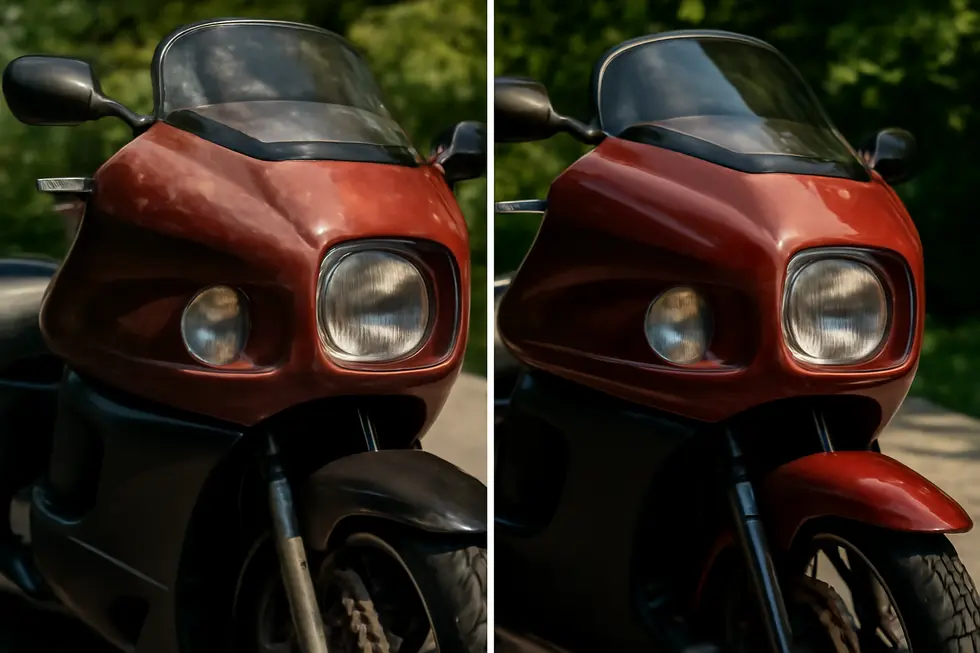
1. How Material Quality Shapes the Longevity and Upkeep of Hannigan Motorcycle Fairings
The quality of materials used in Hannigan motorcycle fairings is a decisive factor in their maintenance requirements and durability over time. While specific data on Hannigan’s material choices is scarce, general industry standards highlight that high-quality composites such as fiberglass and carbon fiber, or premium ABS plastics, greatly influence a fairing’s resistance to physical damage and environmental wear. These materials mitigate risks of cracking, w