















Introduction
Motorcycle fairings are vital not only for aesthetics but also for performance and protection. As a business owner in the motorcycle aftermarket, understanding how to effectively buff motorcycle fairings can significantly elevate your service quality and customer trust. This process goes beyond surface polishing; it involves careful cleaning, precise use of compounds, correct buffing methods, and ongoing maintenance to preserve the fairings’ appearance and durability. Each chapter in this guide breaks down these essential steps into practical, actionable insights tailored for professional application. From thorough cleaning tactics that prepare surfaces, to the strategic application of cutting compounds and fine polishes, we delve into techniques designed to enhance gloss and clarity. You will learn recommended buffing practices to safeguard delicate plastics and the importance of protecting post-buffing finishes. Finally, we address common pitfalls to avoid, ensuring your business delivers consistent, high-quality results that keep customers returning. This comprehensive approach supports your goal of providing excellent repairs, restorations, or upgrade services that increase your shop’s reputation and bottom line.
Tables of Contents
Chapter 1: Thorough Cleaning Procedures for How to Buff Motorcycle Fairings
- Essential Cleaning Techniques to Prepare Motorcycle Fairings for Buffing
- Mastering Sanding and Surface Refinement in Motorcycle Fairing Buffing
- Mastering Polishing Compound Application for Immaculate Motorcycle Fairings
- Achieving a Flawless Finish: Mechanical Buffing Techniques in Thorough Cleaning
- Essential UV Protection and Maintenance to Preserve Buffed Motorcycle Fairings
Chapter 2: Mastering Cutting Compounds for Flawless Motorcycle Fairing Finishes
- Essential Surface Cleaning and Preparation Techniques Before Applying Cutting Compounds
- Choosing the Right Cutting Compounds to Safely Restore Plastic Motorcycle Fairings
- Effective Techniques and Optimal Speeds for Buffing Motorcycle Fairings with Cutting Compounds
- Finishing Touches: Polishing and Protecting After Cutting Compounds in Motorcycle Fairing Buffing
- Protecting Plastic and Fiberglass Surfaces: Essential Material Insights and Damage Prevention When Using Cutting Compounds
Chapter 3: Applying Fine Polishes to Achieve a Mirror-Like Shine on Motorcycle Fairings
- Mastering Polishing Techniques: Tools and Methods for a Flawless Finish on Motorcycle Fairings
- Ensuring Material Compatibility and Safe Testing for Fine Polish Application on Motorcycle Fairings
- Mastering the Progressive Polishing Technique: From Cutting Compounds to Finishing Polish for Motorcycle Fairings
- Long-Term Shine: Advanced Protective Coatings and UV Defense After Buffing Motorcycle Fairings
- Sustaining Shine and Protection: Essential Maintenance for Polished Motorcycle Fairings
Chapter 4: Correct Buffing Techniques in How to Buff Motorcycle Fairings
- Essential Tools and Techniques for Buffing Motorcycle Fairings to Perfection
- Essential Step-by-Step Buffing Process to Revive Motorcycle Fairings’ Shine
- Mastering Buffing Precision: Avoiding Common Pitfalls in Motorcycle Fairing Care
- Mastering Material-Specific Buffing: Essential Care for Plastic and Painted Motorcycle Fairings
- Essential Aftercare: Maintaining and Protecting Your Buffed Motorcycle Fairings
Chapter 5: Protecting and Maintaining Surfaces After How to Buff Motorcycle Fairings
- Choosing Advanced Protective Coatings to Sustain Buffed Motorcycle Fairings’ Shine and Durability
- Sustaining Shine: Effective Routine Cleaning to Preserve Buffed Motorcycle Fairings
- Shielding Your Motorcycle Fairings: Battling Environmental Wear After Buffing
- Balancing Investment and Longevity: Economic Insights into Post-Buff Maintenance
- Essential Long-Term Care and Storage Strategies for Maintaining Buffed Motorcycle Fairings
Chapter 6: Common Mistakes to Avoid When Learning How to Buff Motorcycle Fairings
- Why Harsh Materials and Abrasive Tools Can Ruin Your Motorcycle Fairings
- Mastering Heat Control and Gentle Buffing to Protect Motorcycle Fairings
- Mastering Surface Preparation: The Key to Flawless Buffing and Avoiding Common Pitfalls
- Why Skipping Protective Waxing After Buffing Undermines Your Motorcycle Fairings’ Finish
- Protecting Motorcycle Fairings from Sun Damage: Avoiding Buffing Pitfalls That Accelerate UV Wear
Chapter 1: Thorough Cleaning Procedures for How to Buff Motorcycle Fairings

1. Essential Cleaning Techniques to Prepare Motorcycle Fairings for Buffing
Properly preparing motorcycle fairings begins with a gentle yet thorough wash using mild soap and soft cloths or sponges. This removes dirt, grease, and debris without harming the plastic’s finish. Following drying, any oxidation or fading can be addressed with careful wet sanding, starting with coarser grits and progressing to finer ones to remove dull surface layers evenly. Applying a specialized plastic polish or rubbing compound with gentle pressure helps restore clarity and shine, while avoiding high-speed methods that risk melting or warping the surface. Finally, a protective wax or ceramic coating seals the finish, guarding against UV damage and environmental wear for enhanced gloss and durability. These steps ensure fairings are impeccably clean and ready for effective buffing. For a visual walkthrough, see the detailed video guide on polishing motorcycle plastics.
2. Mastering Sanding and Surface Refinement in Motorcycle Fairing Buffing
Sanding and Surface Refinement play a pivotal role in preparing motorcycle fairings for a flawless buffing finish. After thoroughly cleaning the fairing to eliminate dirt and grease, gently wet sanding with fine grit sandpaper (1500–2000 grit) smooths out minor scratches and surface imperfections. This step not only refines the texture but also readies the surface for optimal adhesion of polishing compounds or clear coats. Removing all sanding residue by washing and drying ensures no particles interfere with the final finish. For deeper scratches, carefully applying touch-up paint and clear coat followed by further fine sanding blends repairs seamlessly with the original surface. Maintaining a gentle touch during sanding prevents damage, creating a pristine base for subsequent polishing stages. For detailed visual guidance on this preparation process, refer to this comprehensive video tutorial. For insights into selecting the right fairings and further care, explore the collection available at >br.
3. Mastering Polishing Compound Application for Immaculate Motorcycle Fairings
An essential part of thoroughly cleaning motorcycle fairings is the precise application of polishing compounds, which corrects surface imperfections while enhancing gloss. After initial cleaning and any necessary sanding, apply a fine polishing compound sparingly using a foam or microfiber pad. Employ light, even pressure and work in crosswise, overlapping motions—horizontal then vertical—to cover the entire surface uniformly. Whether used by hand or with a low-speed dual-action polisher, it’s vital to keep the tool moving steadily to avoid heat buildup that could damage plastic fairings. Following compounding, a clean microfiber cloth gently buffs away residue, revealing a deep, clear shine. To safeguard this finish, finish with a protective sealant that shields against UV damage and environmental wear. Always test compounds on hidden areas to ensure compatibility and avoid polishing over decals to prevent lifting. This careful technique restores clarity and vibrance, forming a critical link in the comprehensive fairing care process, as detailed in professional polishing tutorials. For more insights on maintaining your motorcycle’s aesthetic, visit our article on explore the best motorcycle fairings at Summit Fairings.
4. Achieving a Flawless Finish: Mechanical Buffing Techniques in Thorough Cleaning
Mechanical buffing is a vital step in thoroughly cleaning and restoring motorcycle fairings to a polished, high-gloss finish. After initial cleaning removes all dirt and grime, wet sanding with fine grit sandpapers smooths out scratches and oxidation without harming the paint or clear coat. Following this, polishing compounds paired with cone-shaped foam pads refine the surface, preparing it for the final mechanical buffing stage. Using a specialized buffing machine with appropriate foam pads and compounds, such as rouge, helps eliminate fine imperfections and brings out a mirror-like shine even on curved or intricate fairing contours. Gentle, consistent pressure is critical to avoid damage during this process. This multi-stage approach ensures the fairings achieve uniform gloss and smoothness, significantly enhancing their appearance and longevity. For practical demonstrations, video tutorials on polishing plastic and aluminum motorcycle parts can guide enthusiasts through each step. To explore comprehensive resources on motorcycle fairings and maintenance, visit Explore the Best Motorcycle Fairings at Summit Fairings.
5. Essential UV Protection and Maintenance to Preserve Buffed Motorcycle Fairings
Protecting motorcycle fairings from UV damage is a vital step following thorough cleaning and buffing. After restoring shine and clarity, applying a UV-protective wax or ceramic coating seals the surface, shielding it from sun-induced fading and oxidation. These coatings not only enhance gloss but also repel moisture and contaminants, extending the fairing’s vibrant appearance. To safeguard the finish long-term, always use gentle cleaning agents with soft microfiber cloths to avoid scratches that weaken UV defense. Minimizing direct sunlight exposure by parking in shaded areas or covering the bike further prevents premature aging. Regularly inspect the fairings for dull spots or damage and reapply protective layers as needed. This proactive maintenance ensures a durable, radiant finish that complements the initial buffing process and keeps fairings looking their best over time. For specialized advice on protecting plastic and painted surfaces, consider insights from professional maintenance resources like Kings Motorcycle Fairings.
Chapter 2: Mastering Cutting Compounds for Flawless Motorcycle Fairing Finishes

1. Essential Surface Cleaning and Preparation Techniques Before Applying Cutting Compounds
Achieving a flawless finish on motorcycle fairings begins with meticulous surface cleaning and preparation. Removing all dirt, grease, and contaminants using a suitable cleaner or degreaser ensures cutting compounds work effectively without embedding abrasives into the surface. For deeper scratches or imperfections, light sanding with fine-grit sandpaper evens out flaws, allowing the compound to smooth and blend the area properly. Selecting the right polishing pads—starting with a hard cut pad for the initial compound and transitioning to a soft finishing pad—helps target imperfections while refining the surface gloss. Working in a dust-free, temperature-controlled environment avoids interference during polishing. Always test compounds on a small, hidden section first to confirm compatibility with the fairing’s plastic and paint. These preparation steps establish a clean, even base crucial for achieving the brilliant shine that cutting compounds offer. For further polishing guidance, see this comprehensive automotive polishing system guide.
2. Choosing the Right Cutting Compounds to Safely Restore Plastic Motorcycle Fairings
Selecting an appropriate cutting compound is essential for effectively buffing plastic motorcycle fairings without causing damage. Specialized compounds designed for plastics or clear coats provide fine abrasives gentle enough to remove light scratches, swirl marks, and oxidation while preserving the surface integrity. Starting with a fine-cut compound avoids the risks of hazing or over-polishing common with heavy-cut abrasives. For deeper scratches, a combination of plastic filler compounds and controlled heat treatment can restore the fairing before buffing. After the cutting stage, using a polishing compound refines the finish and enhances gloss. Testing any product on a hidden area is crucial to ensure compatibility, preventing unwanted cloudiness or damage. This careful selection and application of plastic-safe compounds ensure a smooth, glossy finish that extends the life of the fairings. For detailed product insights and techniques, visit Explore the Best Motorcycle Fairings at Summit Fairings.
3. Effective Techniques and Optimal Speeds for Buffing Motorcycle Fairings with Cutting Compounds
Achieving a flawless finish when buffing motorcycle fairings hinges on the precise application of cutting compounds and careful management of buffering speeds. Begin by applying the compound with a wool or cutting pad attached to a dual-action or rotary buffer. Use slow, overlapping passes covering about 50% of the preceding area to ensure even correction without missing spots or causing uneven abrasion. Buffer speeds should be set moderately—around 4,000 to 5,000 RPM or a machine setting of 4 to 5—to prevent heat buildup that can warp or melt plastic surfaces. Maintain steady, gentle pressure and avoid lingering on one spot, which risks damaging the fairing finish. After cutting, transition to finer polishing pads and compounds to remove any haze and restore gloss. Regular application of a protectant or ceramic coating every 3 to 6 months further preserves the surface, guarding against UV rays and environmental damage. This controlled method not only corrects oxidation and scratches but also extends the longevity and shine of your motorcycle’s fairings. For deeper insights, explore detailed buffing techniques at Fresh Layer’s guide on paint oxidation and polishing.
4. Finishing Touches: Polishing and Protecting After Cutting Compounds in Motorcycle Fairing Buffing
After using cutting compounds to eliminate major scratches on motorcycle fairings, refining the surface with a finer polish is essential for restoring clarity and gloss. Employ a soft polishing pad at moderate buffer speeds to evenly enhance the finish while preventing overheating or warping of the plastic. Working in small sections maintains control and ensures consistent results. Between steps, thorough cleaning removes residue that might dull the surface or cause new scratches. For deeper imperfections, wet sanding prior to polishing can smooth the area effectively. The process culminates with a protective wax or sealant, safeguarding against UV damage and oxidation, preserving the fairing’s shine longer. Using microfiber towels to buff away excess product avoids introducing scratches while applying products in shaded conditions prevents streaking and premature drying. This comprehensive post-cutting approach yields a brilliant, durable finish that elevates your motorcycle’s appearance. For additional insights, the video How To Wetsand Custom Motorcycle Paint? offers practical demonstrations. Learn more about quality fairings and maintenance at Explore the Best Motorcycle Fairings at Summit Fairings.
5. Protecting Plastic and Fiberglass Surfaces: Essential Material Insights and Damage Prevention When Using Cutting Compounds
Motorcycle fairings are commonly made from sensitive materials like ABS plastic and fiberglass, requiring careful selection of cutting compounds and techniques. ABS is lightweight and impact-resistant but vulnerable to scratches and melting from heat buildup, while fiberglass can crack or delaminate under aggressive buffing. Using milder compounds designed for plastics is crucial to avoid stripping paint or clear coats. Heat control is equally important; moderate polisher speed settings and avoiding prolonged contact prevent warping or melting. The choice of buffing pads also influences results—sturdy wool or foam pads suit initial compounding, followed by softer microfiber pads for polishing. Always test compounds on a hidden area and apply gentle pressure to prevent damage. Following these precautions ensures scratches and imperfections are removed without compromising the fairing’s structural integrity or finish. For further detailed guidance on polishing plastics like motorcycle fairings, professional resources on car paint oxidation removal techniques offer valuable insights. Exploring reliable sources such as Summit Fairings’ expert advice can deepen understanding and elevate your buffing process.
Chapter 3: Applying Fine Polishes to Achieve a Mirror-Like Shine on Motorcycle Fairings
1. Mastering Polishing Techniques: Tools and Methods for a Flawless Finish on Motorcycle Fairings
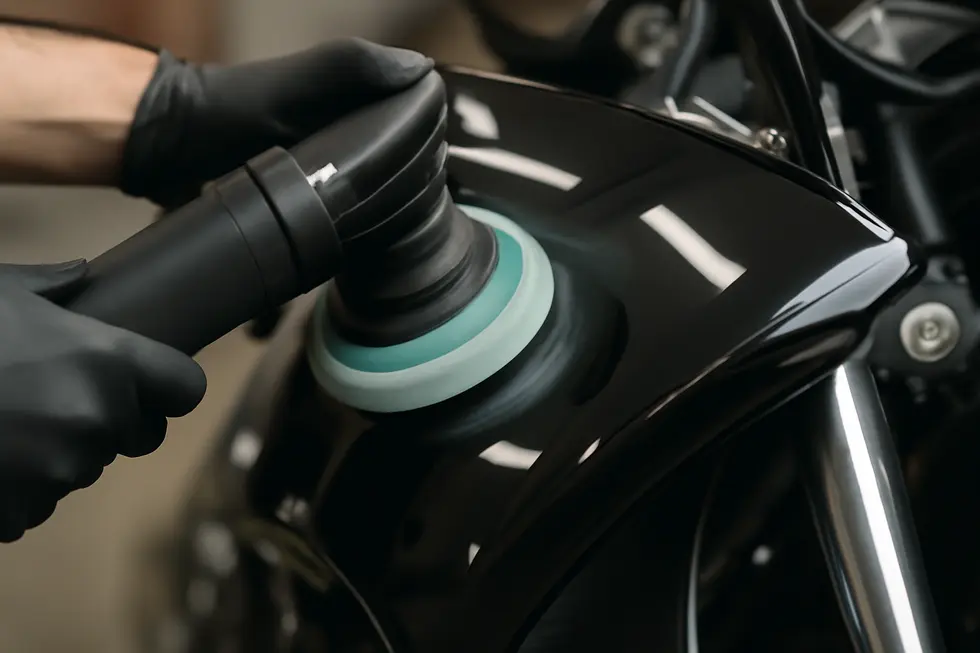
Achieving a flawless finish on motorcycle fairings requires mastery of polishing techniques tailored to delicate plastic surfaces. Begin by using a soft polishing pad paired with a fine polishing compound, applying it in small, overlapping circular motions for consistent coverage. Maintaining moderate buffer speed—around 15-17 on a dual-action tool—prevents overheating which can damage the fairing. Working section by section, keep the polishing pad slightly damp to reduce friction and protect the plastic from melting or warping. After machine polishing, hand-buff with a clean microfiber cloth to eliminate residue and intensify gloss. Using a low-speed orbital buffer offers greater control and safety for plastics than high-speed alternatives, ensuring an even, controlled finish. Once polishing is complete, sealing the surface with a protective layer guards against UV exposure and oxidation, preserving the shine and prolonging the fairings’ vibrant appearance. For enthusiasts seeking additional visual guidance, the YouTube video “How To Wetsand Custom Motorcycle Paint?” provides an excellent demonstration of these polishing methods. To explore options for custom accessories and finish enhancements, visit Summit Fairings’ blog.
2. Ensuring Material Compatibility and Safe Testing for Fine Polish Application on Motorcycle Fairings
Successfully buffing motorcycle fairings requires careful attention to material compatibility and proper testing before applying any fine polish. Most fairings are crafted from plastics like ABS or fiberglass-reinforced plastic, often coated with acrylic or urethane paint layers. Selecting a polish formulated specifically for these substrates prevents chemical reactions that cause discoloration or surface damage. Testing polish on a small, hidden area first verifies safety, ensuring no cloudiness or degradation will occur. Avoid abrasive compounds on delicate clear coats by choosing gentle, plastic-safe polishes that still effectively remove minor scratches and restore gloss. For mechanical polishing, use compatible pads and speeds to reduce heat buildup that might warp plastics. This careful approach protects the integrity and enhances the appearance of your fairings, setting a strong foundation before applying polishing compounds. For more detailed insights, explore comprehensive motorcycle fairings resources at Explore the Best Motorcycle Fairings at Summit Fairings.
3. Mastering the Progressive Polishing Technique: From Cutting Compounds to Finishing Polish for Motorcycle Fairings
Buffing motorcycle fairings requires a methodical polishing progression, beginning with a cutting compound that aggressively removes oxidation and deep scratches by leveling the surface. Once these imperfections are addressed, a medium polish is applied to eliminate micro-scratches and haze left by the cutting stage, significantly refining smoothness and clarity. The final polish uses a fine finishing agent to impart a vibrant gloss, removing any residual haze and enhancing depth. Some intricate or recessed areas demand gentle hand polishing to maintain uniformity. Before sealing the surface with a protective coating, thorough cleaning with isopropyl alcohol removes residual polish, ensuring better adhesion and durability of waxes or sealants. This progressive technique balances effective defect removal with preserving the integrity of plastic fairings, resulting in a radiant, long-lasting finish. For a detailed walkthrough on restoring motorcycle plastics, see this step-by-step polishing guide and explore more about quality parts at >br.
4. Long-Term Shine: Advanced Protective Coatings and UV Defense After Buffing Motorcycle Fairings
After carefully buffing motorcycle fairings with fine polishes, it is essential to apply protective coatings that guard against UV rays and oxidation. High-performance sealants, such as graphene-infused ceramic coatings, form a durable shield offering exceptional scratch resistance and lasting hydrophobic properties. These coatings bond tightly to plastic surfaces, enhancing adhesion by ensuring the fairings are impeccably clean beforehand. Complementing this, plastic restorers rejuvenate coloration and provide a secondary barrier against environmental damage, while dedicated UV-protectant sprays slow down fading and chalking caused by sunlight exposure. Regular maintenance washes using gentle cleaners help preserve these protective layers, minimizing the need for frequent re-polishing. For optimal results, fairings composed of UV-resistant materials benefit greatly from these treatments, extending the showroom gloss and safeguarding overall aesthetics. Discover detailed strategies on fairing care and maintenance at Explore the Best Motorcycle Fairings at Summit Fairings.
[1] Properties and benefits of graphene-infused ceramic coatings such as Wash&Shine 66.
5. Sustaining Shine and Protection: Essential Maintenance for Polished Motorcycle Fairings
Achieving a flawless buff requires more than just polishing—it demands thoughtful maintenance to extend the life and luster of motorcycle fairings. Start by gently smoothing minor scratches with fine-grit sandpaper, always following the scratch direction to avoid further damage. Once polished, applying a clear coat or specialized wax seals the surface, guarding against UV rays and environmental wear. Polishing once yearly preserves a showroom shine, while waxing two to four times annually maintains protection, especially for frequently ridden bikes. Avoid polishing under direct sunlight to prevent uneven finishes, and always use soft microfiber towels to remove residual polish or wax, preventing tiny scratches. When buffing plastic fairings, rely on dedicated plastic polishes to restore clarity and UV resistance. This careful balance of restoration and protection enhances both appearance and durability, making polishing a key ritual rather than a one-time fix.
For additional expert techniques, see this video tutorial.
Chapter 4: Correct Buffing Techniques in How to Buff Motorcycle Fairings

1. Essential Tools and Techniques for Buffing Motorcycle Fairings to Perfection
Executing the perfect buff on motorcycle fairings demands the right tools paired with precise techniques. Start by ensuring the surface is thoroughly cleaned to eliminate any dirt or grime that could scratch during buffing. Use a polishing machine equipped with foam or microfiber pads tailored for delicate painted plastics. Apply polish sparingly—small, pea-sized amounts—spreading it methodically in crosswise patterns to guarantee uniform coverage. Operating the buffer at low to medium speeds with gentle pressure prevents overheating and potential damage to the fairings. Non-abrasive compounds are crucial, as aggressive materials can cause swirl marks or scratches on plastic or fiberglass surfaces. Once buffing restores a deep gloss, sealing the finish with a ceramic coating or protective sealant prolongs shine and guards against UV damage and oxidation. For an expert overview of tool selection and techniques, see this detailed guide on motorcycle buffing, which provides comprehensive insights into optimizing each step.
2. Essential Step-by-Step Buffing Process to Revive Motorcycle Fairings’ Shine
Properly buffing motorcycle fairings starts with thorough cleaning to eliminate all dirt and grime. This prevents contaminants from scratching the surface during polishing. Once clean, inspect for scratches; deeper imperfections may require gentle wet sanding with fine grit sandpaper to smooth the area. Next, apply a cutting compound or polish designed for plastics using a foam or microfiber pad. Spread it evenly in small, overlapping circles with light pressure, keeping the pad slightly damp to avoid heat damage. Moving the buffer in both horizontal and vertical directions ensures even polishing and eliminates swirls. Follow this with a finer polish to enhance clarity and gloss. Finish by hand buffing with a clean microfiber cloth to remove residue and heighten shine. Sealing the surface with a protectant guards against UV damage and oxidation, maintaining the fairings’ refreshed look. For detailed visual guidance, see this How To Repair Scratches In Motorcycle Paint – YouTube. For additional tips on choosing quality parts, visit Explore the Best Motorcycle Fairings at Summit Fairings.
3. Mastering Buffing Precision: Avoiding Common Pitfalls in Motorcycle Fairing Care
Buffing motorcycle fairings requires precision and care to avoid common mistakes that jeopardize the finish. Using a low-speed orbital buffer or hand applicators with foam or microfiber pads prevents heat buildup that can warp or melt plastic surfaces. Polishing should be done with small, overlapping circular motions to ensure even coverage, while keeping pads slightly damp to reduce friction. Always start with thorough cleaning to remove dirt that could cause scratches, and avoid buffing over decals or stickers to prevent lifting. Gentle, steady pressure combined with crosswise movement helps maintain surface integrity. Testing products first on an inconspicuous spot safeguards against adverse reactions. Multi-stage polishing—with cutting compounds followed by finer polishes—restores clarity effectively. Finish by hand buffing with a clean microfiber towel and apply a UV protectant to prolong the fairings’ glossy appearance. For more tips on quality fairing care, explore this guide on affordable motorcycle fairings options.
4. Mastering Material-Specific Buffing: Essential Care for Plastic and Painted Motorcycle Fairings
Buffing motorcycle fairings demands a precise understanding of the material involved to avoid damage and achieve the best finish. Plastic fairings, often made of ABS or fiberglass composites, require a gentler touch with plastic-specific restorers that rejuvenate without abrasive harm. Using microfiber pads and avoiding high-speed buffing minimizes heat buil