
















Introduction
Custom motorcycle fairings combine aesthetics and functionality to transform the riding experience while driving business growth in a competitive aftermarket industry. Understanding the core steps—from precision design and CAD modeling to mold fabrication, material selection, and expert finishing—enables business owners to efficiently produce high-quality, durable, and visually appealing fairings. This guide breaks down the essential stages of making custom fairings, starting with digital design techniques critical to achieving perfect fitment. It then explores mold creation and the importance of selecting optimal materials like ABS plastic for resilience and flexibility. Next, it details forming and finishing processes that ensure precision and professional-grade results. Finally, it examines the advantages and challenges of DIY fabrication compared to leveraging aftermarket kits. This strategic insight equips business owners with the knowledge to optimize production processes, enhance product offerings, and meet diverse customer needs.
Tables of Contents
Chapter 1: Design and Modeling Techniques for How to Make Custom Motorcycle Fairings
- Material Innovation and Engineering Fundamentals Shaping Custom Motorcycle Fairings
- Harnessing CAD and 3D Modeling for Precision Custom Motorcycle Fairing Design
- Precision Mold Crafting and Prototype Techniques for Custom Motorcycle Fairings
- Crafting Stunning Custom Finishes: Paint, Graphics, and Precision Fit in Motorcycle Fairing Design
- Precision Fitment and Seamless Assembly: Ensuring Perfect Installation of Custom Motorcycle Fairings
Chapter 2: Mold Creation and Material Selection in How to Make Custom Motorcycle Fairings
- Strategic Design and Material Choices for Precision Mold Creation and Durable Fairings
- Choosing the Optimal Mold Materials for Durable and Precise Motorcycle Fairings
- Precision Mold Fabrication: Elevating Custom Motorcycle Fairing Production through Advanced Techniques
- Selecting Optimal Resin Materials for Durable and Precise Fairing Molds
- Precision Installation and Fine-Tuning Methods in Molded Motorcycle Fairings
Chapter 3: Forming and Finishing Processes for Custom Motorcycle Fairings: From Material to Masterpiece
- Mastering Material Selection and Surface Preparation for Durable, Custom Motorcycle Fairings
- Precision Injection Molding: Crafting Durable and Custom-Fit Motorcycle Fairings
- Mastering Vacuum Forming and Effective Repair Techniques for Custom Motorcycle Fairings
- Mastering Surface Preparation and Sanding for Flawless Custom Motorcycle Fairings
- Building Lasting Beauty: Multi-Step Painting and Protective Coatings for Custom Motorcycle Fairings
Chapter 4: DIY vs. Aftermarket Kits: Approaches to How to Make Custom Motorcycle Fairings
- Balancing Creativity and Convenience: Customization Control in DIY and Aftermarket Motorcycle Fairings
- Navigating Technical Skills and Challenges: From DIY Fabrication to Aftermarket Fairing Kits
- Balancing Budget and Quality: Economic Realities of DIY Versus Aftermarket Motorcycle Fairings
- Ensuring Perfect Fit and Lasting Strength: Evaluating DIY and Aftermarket Custom Fairings
- Streamlined Installation and Time Commitment: Comparing DIY Builds with Aftermarket Fairing Kits
Chapter 1: Design and Modeling Techniques for How to Make Custom Motorcycle Fairings

1. Material Innovation and Engineering Fundamentals Shaping Custom Motorcycle Fairings
Choosing the right materials is foundational in crafting custom motorcycle fairings that balance durability, aesthetics, and performance. The widespread use of ABS plastic stems from its exceptional resistance to heat, vibration, and impact—conditions that fairings endure daily. Its flexibility also allows precise molding and a smooth surface ideal for multi-stage paint applications featuring UV-resistant and high-gloss finishes, which preserve color and protect against weathering.
For enthusiasts seeking enhanced performance, composite materials like carbon fiber or fiberglass enter the equation. These composites integrate fiber reinforcements within polymer or other matrices, significantly reducing weight while increasing strength. This advanced engineering improves structural integrity and aerodynamic efficiency but requires sophisticated fabrication and design considerations.
Integrating these materials effectively depends on the precision of digital 3D modeling. Modeling not only ensures each fairing fits the bike frame flawlessly but also enables simulation of material behavior, guiding choices between ABS or composites based on desired strength and weight characteristics. Moreover, modeling supports customization of surface textures and paint schemes, allowing riders to blend form with function.
This synergy of material selection and engineering underpins every stage of custom fairing production, enhancing both performance and visual appeal. For deeper insights into material technologies for composites, industry resources like Hexcel Composites offer valuable expertise.
2. Harnessing CAD and 3D Modeling for Precision Custom Motorcycle Fairing Design
The use of CAD (Computer-Aided Design) and 3D modeling has revolutionized custom motorcycle fairing design by enabling intricate, precise digital representations tailored to each bike. Beginning with detailed measurements or a 3D scan of the motorcycle frame, designers build exact virtual models that incorporate specific contours, mounting points, and aerodynamic factors. These tools allow rapid iterations to optimize shape and fit before any physical production, ensuring a flawless OEM-level fit and improved airflow.
Advanced CAD systems simulate material behaviors and aerodynamic performance, allowing designers to refine the fairing structure for durability and ride stability. Once the design is finalized digitally, it directly informs CNC machining processes or 3D printing for mold creation, streamlining the transition from concept to production. The integration of ABS plastic’s resilient properties further enhances the fairings’ functional reliability.
This digital workflow minimizes errors and material waste while accelerating prototyping. For those eager to explore more about custom fairing options shaped by modern design techniques, check out this resource on discovering affordable motorcycle fairings at Summit Fairings.
More on CNC machining and mold fabrication can be found via Alibaba suppliers, highlighting how digital design data accelerates fairing mold production for complex shapes.
3. Precision Mold Crafting and Prototype Techniques for Custom Motorcycle Fairings
Precision Mold Crafting and Prototype Techniques for Custom Motorcycle Fairings focus on translating detailed digital designs into tangible parts that fit and perform flawlessly. Starting from a refined 3D CAD model, the creation of molds typically involves CNC machining to carve aluminum or steel molds, balancing ease of production with durability for repeated use. These molds must precisely reflect a motorcycle’s unique curves and mounting points to ensure a perfect fit and rider safety.
Prototyping methods vary according to the project’s scale and complexity. CNC machining delivers highly accurate prototypes with smooth surfaces, ideal for testing fitment and design adjustments. Vacuum casting offers economical small-batch replication using silicone molds, while 3D printing accelerates early-stage prototyping with complex geometries, though often requiring additional finishing for surface quality. Choosing the mold and prototype material—commonly ABS plastic, fiberglass, or carbon fiber—affects final durability and weight.
Additionally, some fairing designs integrate vibration-damping mounts using layered composites or rubber inserts to improve ride stability. This blend of advanced mold fabrication and prototype production ensures custom motorcycle fairings achieve precise fit, robust strength, and refined aesthetics. For more insights on high-quality fairings, explore comprehensive solutions at >br.
Detailed mold materials and methods are essential to mastering the production of tailored, durable bike fairings.
4. Crafting Stunning Custom Finishes: Paint, Graphics, and Precision Fit in Motorcycle Fairing Design
The visual impact of custom motorcycle fairings hinges not only on their shape but also on expert paintwork and graphics that marry durability with style. ABS plastic, favored for heat and impact resistance, forms the ideal base for these finishes. Applying professional-grade UV-resistant paints ensures colors remain vibrant despite sun exposure and road wear. A multi-layer clear coat adds deep gloss and long-lasting protection, preserving the crispness of hues and details.
Custom graphics offer limitless personalization through decals, airbrushing, or graphic overlays, allowing riders to express unique identities or replicate racing aesthetics. These designs must seamlessly conform to each precisely molded fairing piece—front, upper, and lower sections—maintaining aerodynamic efficiency while shielding bike components from debris.
The synergy of cutting-edge digital modeling with skilled finishing techniques results in fairings that are both visually captivating and functionally superior. This balance of art and engineering empowers riders to combine performance improvements with personalized style. For inspiration and professional-grade examples, explore a wide range of customizable options featuring rigorous fitment standards and advanced paint finishes in dedicated motorcycle fairing collections such as those available through specialized suppliers.
5. Precision Fitment and Seamless Assembly: Ensuring Perfect Installation of Custom Motorcycle Fairings
Achieving a flawless installation of custom motorcycle fairings hinges on meticulous fitment testing and careful assembly. The process starts by selecting or fabricating fairing parts tailored specifically to the motorcycle’s make, model, and year, ensuring initial compatibility. During fitment testing, each piece is mounted on the motorcycle frame to verify alignment with mounting points like brackets and bolt holes. Small adjustments may be required to accommodate subtle frame variations or suspension differences. Precision in molding and CNC machining enhances this alignment, often achieving tolerances within ±0.005 mm for an OEM-level fit. This stage includes stress and vibration checks to confirm durability under real-world conditions. Once fitment is validated, final assembly involves securely fastening all parts with appropriate hardware, verifying no obstruction of control functions or suspension travel. The design of custom molds simplifies this process by producing consistent shapes that reduce the need for post-production modifications. This optimized approach balances aesthetic appeal, functional integrity, and rider safety, completing the transformation from digital design to a perfectly integrated motorcycle fairing. For further insights into selecting quality fairing components, explore reliable options at Summit Fairings’ blog.
Chapter 2: Mold Creation and Material Selection in How to Make Custom Motorcycle Fairings
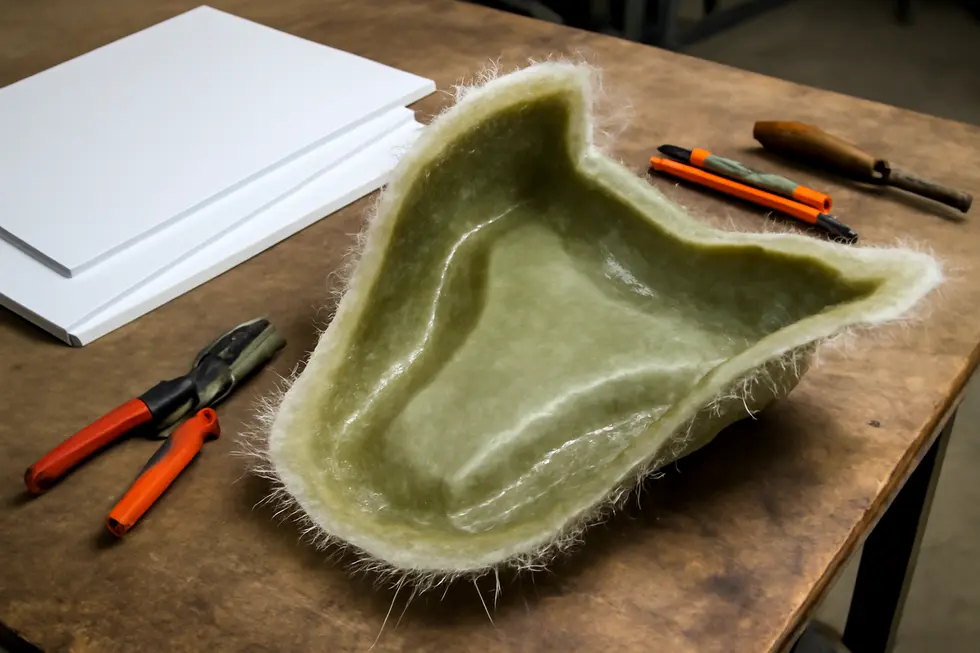
1. Strategic Design and Material Choices for Precision Mold Creation and Durable Fairings
Creating custom motorcycle fairings begins with strategic design planning that ensures molds accurately capture the bike’s unique contours. Using CAD software, designers craft detailed 3D models that serve as blueprints for molds, enabling precision and smoothness essential for OEM-level fitment. Selecting the right mold material is vital; steel molds offer superior durability and reliability for high-volume production, delivering consistent results over time. On the other hand, aluminum molds provide a lightweight, cost-effective option ideal for prototyping or limited runs, allowing quick iteration without compromising essential surface quality.
Simultaneously, the fairing material choice impacts functionality and aesthetics. High-quality ABS plastic is favored for its ideal balance of toughness, flexibility, and ease of finishing. ABS fairings can withstand riding stresses while supporting complex shapes molded to exact specifications. The multi-step painting process applied to ABS ensures resistance against environmental wear and mechanical impact, preserving both protection and visual appeal. This coordinated approach to design, mold fabrication, and material selection is foundational to producing custom fairings that are both visually striking and robust for real-world use.
For deeper insights into fairing options and finishes, explore available resources at Summit Fairings’ blog.
Reference: Alibaba guide on motorcycle fairing mold creation.
2. Choosing the Optimal Mold Materials for Durable and Precise Motorcycle Fairings
Selecting the right mold material is fundamental when fabricating molds for custom motorcycle fairings. Steel and aluminum are primary choices, with steel prized for its exceptional durability and suitability for high-volume production, while aluminum’s lightweight and cost-effective nature make it ideal for prototyping or smaller runs. The mold’s material must also support the production of common fairing materials like ABS plastic, fiberglass, and carbon fiber, ensuring excellent fitment, strength, and surface finish.
Epoxy resin offers a high-strength, heat-resistant option for resin mold making, delivering detailed, glossy molds reusable across multiple cycles, though it demands careful handling and higher costs. Polyester resin cures faster but shares concerns like shrinkage and toxicity. For ultra-precise, intricate designs, liquid silicone rubber molds provide smooth finishes but are often reserved for specialized molding needs due to their greater tooling expenses.
Choosing mold materials balances production scale, product durability, and cost constraints. Understanding these factors aids in creating molds that uphold the final fairings’ quality and longevity. For a comprehensive approach to mold materials and fabrication, the Alibaba guide on motorcycle fairing molds provides valuable insights.
Learn more about the process and choices in material selection from this detailed exploration of motorcycle fairings.
3. Precision Mold Fabrication: Elevating Custom Motorcycle Fairing Production through Advanced Techniques
Creating molds for custom motorcycle fairings demands a seamless fusion of design precision, material expertise, and advanced machining. The process starts with an exacting CAD design that anticipates moldability challenges such as draft angles and wall thickness, ensuring the fairing’s shape can be formed without compromising structural integrity. From there, high-speed CNC milling and hard milling craft intricate three-dimensional mold cavities with exceptional accuracy and surface finish, while electrical discharge machining (EDM) refines fine details in hardened mold steel.
Selecting the right mold steel balances hardness with wear resistance, enabling molds to endure repetitive shaping of durable plastics like ABS. Injection molding and reaction injection molding (RIM) are employed to inject molten or chemically reactive polymers into these precision molds, each technique tailored to production scale and fairing complexity. Innovations like in-mold decorating integrate graphics and structural elements directly during molding, enhancing both durability and visual appeal without extra assembly.
These combined approaches ensure fairings are robust, visually flawless, and dimensionally accurate. For a deeper dive into mold design essentials, see resources on mold basics and machining techniques from Modern Machine Shop source. For additional insights on sourcing quality fairings, explore the best motorcycle fairings at Summit Fairings.
4. Selecting Optimal Resin Materials for Durable and Precise Fairing Molds
Choosing the right resin material is foundational in crafting molds for custom motorcycle fairings, directly impacting mold longevity and the fidelity of the final product. Polyester resin is popular for its cost-effectiveness and rapid curing time, making it suitable for quick prototyping, but it tends to be brittle and less durable for repeated use. Epoxy resin, while more expensive, offers superior strength, minimal shrinkage, and excellent adhesion that yields smooth, high-detail surfaces essential for precision fairings. Polyurethane resin introduces flexibility and toughness beneficial for complex mold geometries but demands careful handling and specific curing conditions.
Beyond resin choice, applying a gel coat enhances surface smoothness and mold release, protecting the mold during composite layups or vacuum forming. The selection of the resin mold aligns with the production method and usage frequency—epoxy and polyurethane molds are preferred for repeated, high-quality ABS plastic or composite fairing fabrication. Understanding these material properties ensures molds withstand repeated shaping processes without degradation, maintaining form precision critical for fitting aftermarket or custom fairings.
For deeper insights into high-quality motorcycle fairings and materials, explore affordable motorcycle fairings and further technical details via Alibaba’s fairing kit resources.
5. Precision Installation and Fine-Tuning Methods in Molded Motorcycle Fairings
Creating custom motorcycle fairings demands meticulous installation and adjustment to ensure flawless fitment and performance. The process begins with molds crafted from either durable steel for high-volume production or lightweight aluminum for prototyping, each influencing durability and cost. Molten ABS plastic, prized for its impact resistance and flexibility, is injection molded under pressure into these molds. Once cooled, the parts undergo precise trimming and sanding to remove excess material and perfect alignment with motorcycle mounting points. Installation employs bolt-on kits meticulously designed to match OEM specifications, allowing fairings to attach securely without frame modifications. This step minimizes fitment issues and accelerates assembly time. Beyond mechanical fit, final customization includes color adjustments and decal placements prior to painting, enhancing aesthetic appeal while preserving material integrity. These combined steps ensure that custom fairings deliver both the durability needed for road use and the exact contours to blend seamlessly with the bike’s structure. For more insights on quality fairings and fitment, explore affordable motorcycle fairings. Detailed molding and material guidance can be found at Monster Fairings – Yamaha R6 17-22 Nardo Gray Shark ABS Fairings.
Chapter 3: Forming and Finishing Processes for Custom Motorcycle Fairings: From Material to Masterpiece

1. Mastering Material Selection and Surface Preparation for Durable, Custom Motorcycle Fairings
Crafting custom motorcycle fairings begins with selecting the ideal material, where high-grade ABS plastic stands out for its remarkable flexibility, impact resistance, and heat tolerance. This thermoplastic allows precise injection molding, shaping complex parts with OEM-level fitment and smooth surfaces essential for quality finishes. Occasionally, advanced composites like carbon fiber are chosen for their superior strength-to-weight ratio, though at a higher cost.
Once molded, meticulous surface preparation sets the foundation for durability and aesthetics. A multi-stage painting process applies primer, base coats, and UV-resistant clear coats to protect against chips, fading, and heat damage near exhaust areas. This layered finish not only enhances visual appeal but also extends the fairings’ lifespan amid road vibrations and weather exposure.
Customization flourishes at this stage, with personalized graphics and finishes seamlessly integrated into the paintwork. This combination of robust material selection and detailed surface finishing creates fairings that balance resilience with striking, personalized style.
For those exploring options, affordable motorcycle fairings offer insight into achieving quality and customization without compromise.
2. Precision Injection Molding: Crafting Durable and Custom-Fit Motorcycle Fairings
Injection molding plays a pivotal role in producing custom motorcycle fairings with high precision and durability. By injecting molten ABS plastic into intricately engineered molds, this technique shapes fairing components that perfectly contour to motorcycle frames. The molds, often made from fiberglass or metal, are designed to achieve tight tolerances and smooth surface finishes, minimizing the need for extensive post-processing.
Following molding, parts undergo trimming to remove excess flash and are carefully sanded. Multi-stage professional painting enhances the surface, allowing for vibrant colors and durable finishes. Additional customization options include the application of decals and heat shield coatings, which improve both aesthetics and functionality.
This method excels by combining rapid production with consistent OEM-quality results, enabling color variations and branding through logos. Final installation involves precise fitting and secure fastening, ensuring seamless integration with the motorcycle. Compared to other fabrication approaches, injection molding offers superior repeatability and cost-effectiveness, making it ideal for both aftermarket suppliers and DIY builders with access to the right equipment.
For those interested in mold fabrication specifics, a variety of resources and suppliers can be explored at motorcycle fairing molds.
3. Mastering Vacuum Forming and Effective Repair Techniques for Custom Motorcycle Fairings
Vacuum forming remains a cornerstone method for crafting custom motorcycle fairings due to its efficiency and precision. This process involves heating ABS plastic sheets until pliable, then using vacuum pressure to closely contour the material over detailed molds. The result is a lightweight, durable fairing with smooth surfaces ideal for further finishing. ABS plastic is preferred for its flexibility, impact resistance, and ease of painting, producing parts that align perfectly with a bike’s design. When damage occurs, repairs demand methods compatible with ABS’s properties—plastic welding fuses cracks seamlessly, while epoxy fillers smooth out gouges before sanding and repainting. Minor warping can sometimes be corrected by carefully reheating and reshaping affected areas. For added strength, reinforcements with fiberglass or carbon fiber patches bonded with resin ensure structural integrity without compromising appearance. These repair approaches maintain both the fairing’s durability and its aesthetic appeal, making vacuum forming a practical choice for enthusiasts. For more insights on expertly crafted fairings, explore an excellent resource on motorcycle fairings. Additionally, visual guides detailing vacuum forming, especially for carbon fiber components, offer valuable practical demonstrations.
4. Mastering Surface Preparation and Sanding for Flawless Custom Motorcycle Fairings
Achieving a smooth, durable finish on custom motorcycle fairings begins with meticulous surface preparation and sanding. This critical phase removes dirt, grease, and imperfections, ensuring excellent adhesion for fillers, primers, and paints. Starting with thorough cleaning, the surface must be free of contaminants to allow repair materials and coatings to bond effectively. Sanding plays a dual role: it eliminates scratches, air bubbles, or old paint layers and lightly roughens the surface to improve layer adhesion. For plastic fairings, gentle sanding with progressively finer grit sandpapers is essential to avoid damage while refining the texture. Damaged sections often require V-grooving before filler application to reinforce repairs and achieve a seamless contour. After applying fillers, additional sanding smooths the area, creating an even base for priming. Between each primer and paint coat, careful sanding helps eliminate imperfections and prepares the finish for professional-quality results. Post-paint polishing and protective coatings benefit from this comprehensive prep cycle, enhancing both aesthetics and longevity. For detailed sanding techniques tailored to ABS and fiberglass fairings, exploring specialized resources can greatly elevate your custom fabrication skills. For additional insights, see this ultimate source for affordable motorcycle fairings.
5. Building Lasting Beauty: Multi-Step Painting and Protective Coatings for Custom Motorcycle Fairings
Creating custom motorcycle fairings that endure requires a meticulous multi-step painting and protective coating process. Initially, the molded ABS plastic fairings undergo thorough surface preparation to eliminate impurities and achieve a smooth base for paint adhesion. A primer layer follows, sealing the surface and filling minor flaws, which ensures corrosion resistance and a flawless finish. The base coat, applied in thin, even layers, defines the fairing’s vibrant color and depth, while optional decals or custom airbrushed designs add personalized flair.
Once decoration is complete, a high-gloss clear coat protects against UV rays, scratches, and chemical exposure, preserving the paint’s richness and shine. Controlled curing—often through timed drying or baking—solidifies the finish for maximum durability. Finally, polishing refines the surface to a sleek gloss that stands up to road wear. Advanced options like UV-resistant vinyl wraps offer extra protection and unique textures, complementing painted surfaces.
This blend of precision forming and layered finishing results in custom fairings that combine perfect fit with exceptional resilience and visual appeal. For further insights on custom fairings and finishes, explore this comprehensive motorcycle fairings resource and detailed industry references.
Chapter 4: DIY vs. Aftermarket Kits: Approaches to How to Make Custom Motorcycle Fairings
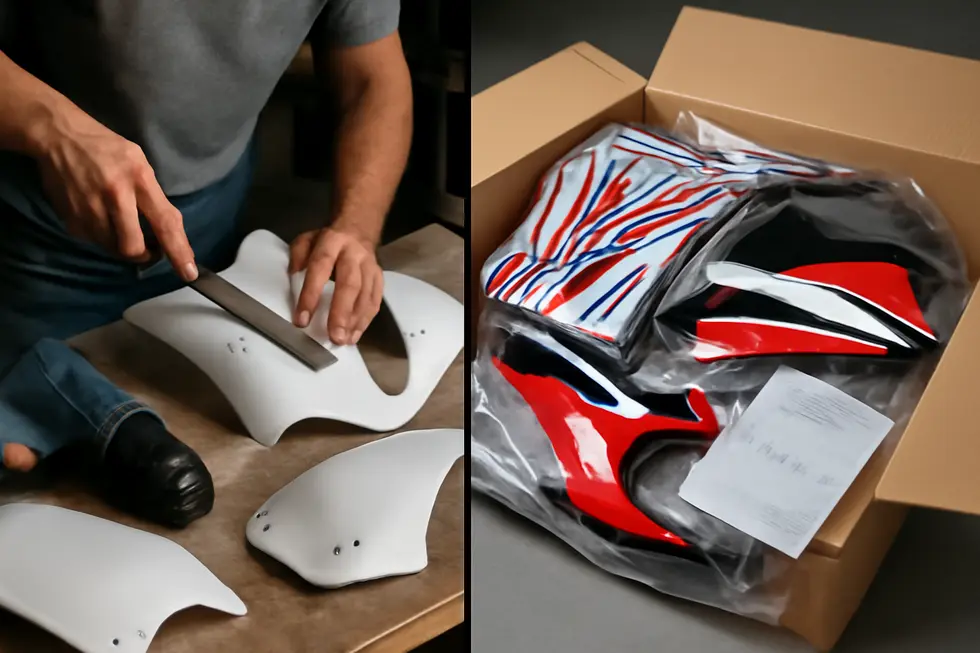
1. Balancing Creativity and Convenience: Customization Control in DIY and Aftermarket Motorcycle Fairings
Balancing Creativity and Convenience: Customization Control in DIY and Aftermarket Motorcycle Fairings
Choosing between DIY fairings and aftermarket kits largely hinges on the level of creative control versus convenience a rider desires. DIY fairings offer unmatched freedom, allowing enthusiasts to design, shape, and paint parts exactly as they envision. Starting often from primered blanks or raw materials, this hands-on approach demands skill, time, and precision but results in truly unique, personalized fairings that reflect individual style perfectly. In contrast, aftermarket kits provide pre-molded fairings shaped to OEM standards, ensuring precise fitment and durability. Though the shape is fixed, riders retain some customization by applying paint and decals to primered surfaces, delivering a satisfying blend of reliability and personal flair with less time and effort.
This balance means DIY is ideal for those seeking complete originality and willing to invest in fabrication skills, while aftermarket kits suit riders prioritizing quality fit and faster installation with moderate creative input. Considering skill level, budget, and time helps determ