
















Introduction
Motorcycle fairings designed for cruisers hold significant commercial value for business owners catering to the custom and aftermarket bike accessory market. These components not only enhance the aesthetic appeal of cruiser motorcycles like Harley-Davidson and Indian models but also improve rider comfort and aerodynamic efficiency. Understanding the nuances—from the materials and construction techniques to popular brand offerings and installation methods—equips business owners to better serve their clientele and streamline operations. This guide delves into the crucial aspects of cruiser fairings, including customization possibilities and retail considerations, that collectively shape product selection, inventory management, and customer satisfaction in this niche segment.
Tables of Contents
Chapter 1: Materials and Construction of Motorcycle Fairings for Cruisers
- Balancing Strength and Lightness: Impact-Resistant Plastics and Fiberglass in Cruiser Fairings
- Balancing Strength and Weight: Steel and Aluminum Mountings in Cruiser Fairings
- Harmonizing Style and Streamlining Performance: Design Driven Material Choices in Cruiser Fairings
- Achieving Durability, Aerodynamics, and Installation Ease Through Material Innovation in Cruiser Fairings
Chapter 2: Popular Brands and Styles of Motorcycle Fairings for Cruisers
- Cutting-Edge Aerodynamics and Smart Technology Driving Cruiser Fairing Innovation
- Market Dynamics and Economic Influence of Cruiser Motorcycle Fairings
- How Geopolitical Factors Shape Cruiser Motorcycle Fairing Brands and Designs
- Cultural Currents Shaping Modern Cruiser Fairing Styles and Brand Preferences
Chapter 3: Installation Techniques for Motorcycle Fairings for Cruisers
- Advanced Installation Innovations Enhancing Cruiser Fairing Fit and Function
- Balancing Cost and Quality: Economic Insights into Installing Cruiser Motorcycle Fairings
- Global Influences Shaping Installation Practices for Cruiser Motorcycle Fairings
- How Rider Communities Embrace Installation to Enhance Comfort, Style, and Safety
Chapter 4: Customization Options for Motorcycle Fairings for Cruisers
- Dynamic Style Choices and Visual Enhancements for Cruiser Fairings
- Material Choices and Durability: Crafting Resilient Cruiser Fairings
- Precision Fit and Mounting Strategies: Ensuring Seamless Integration for Cruiser Fairings
- Enhancing Cruiser Fairings: Styling, Functional Accessories, and Performance Boosts
Chapter 5: Enhancing Cruiser Motorcycles: Advanced Aerodynamics and Rider Comfort with Fairings
- Cutting-Edge Aerodynamic Designs and Comfort Innovations in Cruiser Motorcycle Fairings
- Balancing Economic Benefits and Market Realities of Aerodynamic Cruiser Fairings
- How Geopolitical Dynamics Shape Aerodynamic Design and Rider Comfort in Cruiser Fairings
- How Enhanced Aerodynamics and Comfort Elevate Rider Experience and Societal Impact
Chapter 6: Retail and Compatibility Considerations for Motorcycle Fairings for Cruisers
- Ensuring Precise Model Fitment and Compatibility for Cruiser Motorcycle Fairings
- Precision Mounting and Seamless Accessory Integration: Ensuring Compatibility of Cruiser Motorcycle Fairings
- Navigating Economic Factors and Model Compatibility in Cruiser Motorcycle Fairing Purchases
- Navigating Customization and Installation Challenges with Cruiser Motorcycle Fairings
Chapter 1: Materials and Construction of Motorcycle Fairings for Cruisers
1. Balancing Strength and Lightness: Impact-Resistant Plastics and Fiberglass in Cruiser Fairings
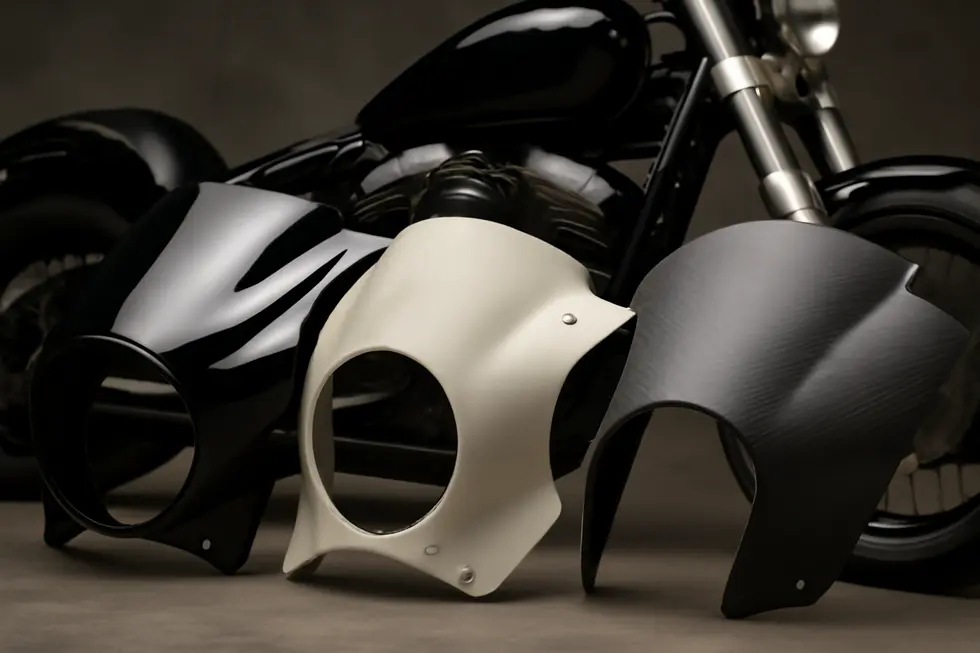
Motorcycle fairings for cruisers strike a crucial balance between durability, weight, and aesthetics by primarily using impact-resistant ABS plastics and fiberglass. ABS offers excellent resistance to impacts and can be molded into aerodynamic forms that reduce drag, enhancing rider comfort on long rides. Its lightweight nature and cost-effectiveness make it the preferred choice for many semi-fairings. Fiberglass, while slightly heavier, delivers increased rigidity and strength, making it ideal when structural stiffness is prioritized over minimal weight. Additionally, advances in composite technology have introduced carbon fiber options, prized for their superior strength-to-weight ratio, though typically reserved for premium applications due to cost. Overall, the choice of material is driven by a combination of crash protection, ease of manufacturing, and the cruiser’s styling demands, ensuring riders enjoy both function and form. For a broader selection of quality fairings crafted from these materials, enthusiasts can explore affordable cruiser motorcycle fairings. For detailed material insights, see Rock West Composites’ overview of carbon fiber composites[4].
2. Balancing Strength and Weight: Steel and Aluminum Mountings in Cruiser Fairings
The structural integrity of cruiser motorcycle fairings relies heavily on the combined use of steel and aluminum in their mounting systems. Steel offers exceptional strength and rigidity, forming the durable backbone required to securely attach fairings to the motorcycle frame. Its fabrication often involves precise laser cutting, followed by powder coating to enhance corrosion resistance and durability under diverse riding conditions. Meanwhile, aluminum complements steel by providing critical weight savings and natural corrosion resistance. This metal is commonly shaped through waterjet cutting and heat forming, enabling braces and supports to contour accurately without compromising strength. Together, these metals create a hybrid mounting framework that ensures fairings remain firmly affixed while minimizing added weight, directly improving rider comfort and cruiser performance. This blend of materials exemplifies how thoughtful material selection and craftsmanship contribute to the durability and functionality prized in cruiser fairing construction. For more on cruiser fairing options and materials, explore affordable and diverse choices in motorcycle fairings at Summit Fairings. For detailed fabrication insights, see Eagle Lights’ documentation on steel and aluminum mount plate construction.
3. Harmonizing Style and Streamlining Performance: Design Driven Material Choices in Cruiser Fairings
Cruiser motorcycle fairings artfully balance sleek aesthetics with aerodynamic function through thoughtful material selection and construction. These fairings often feature classic-inspired styling—bold colors, signature textures, and integrated detailing that celebrate brand heritage—while embracing smooth, contoured shapes that reduce drag and rider buffeting. Lightweight composites such as fiberglass-reinforced plastics and ABS allow artisans to craft the complex forms crucial for aerodynamic refinement without sacrificing durability. Premium models may incorporate higher-grade composites to elevate both appearance and resilience. Construction methods like injection molding and hand-laid fiberglass ensure precise, streamlined profiles that manage airflow effectively, while features like tinted windscreens maintain clarity and protection against impacts. This integrated design philosophy enhances rider comfort and preserves the iconic cruiser image. For riders seeking detailed insights into combining aesthetics and aerodynamics in cruiser fairings, the review of the 2025 BMW R12S’s retro-modern cockpit fairing offers valuable examples. Explore more on design and materials at Summit Fairings’ blog.
4. Achieving Durability, Aerodynamics, and Installation Ease Through Material Innovation in Cruiser Fairings
Motorcycle fairings for cruisers strike a vital balance between durability, aerodynamic efficiency, and installation simplicity. Common materials like ABS plastic and fiberglass dominate, each contributing distinct strengths. ABS offers high impact resistance and structural rigidity, maintaining fairing shape under stress, which is crucial for consistent aerodynamic performance. Fiberglass, while strong, tends to be heavier and less forgiving during installation. Thickness variations and precise molding techniques enhance rigidity where needed without adding excessive weight, preserving aerodynamic integrity at highway speeds. Installation benefits from customized mounting kits designed for specific cruiser models, often featuring modular fairings that ease handling and fitment. This integration of material properties and construction methods ensures fairings are robust, reduce wind drag effectively, and remain user-friendly for riders upgrading their motorcycles. For more insights on cruiser fairings, visit Explore the Best Motorcycle Fairings at Summit Fairings.
External details on material impact resistance and mounting can be further studied through CustomAcces Dark Night Semi-Fairing details.
Chapter 2: Popular Brands and Styles of Motorcycle Fairings for Cruisers
1. Cutting-Edge Aerodynamics and Smart Technology Driving Cruiser Fairing Innovation
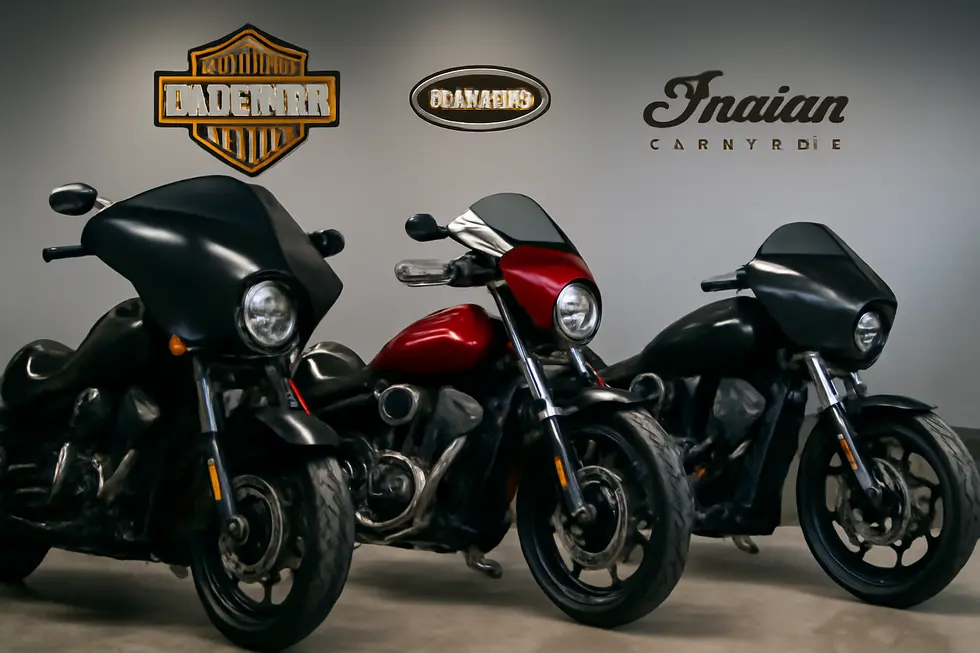
Leading cruiser manufacturers are revolutionizing motorcycle fairings with advanced aerodynamic designs and integrated smart features that prioritize rider comfort and safety. Using computational fluid dynamics, recent fairing models minimize helmet buffeting and optimize airflow for long-distance cruising. Iconic styles like the Sharknose and Batwing fairings not only enhance aesthetics but also embed LED lighting seamlessly to improve visibility without compromising aerodynamics. Adjustable vents and windshields cater to rider preferences, striking a balance between protection and airflow. Emerging tech such as adaptive LED headlights respond dynamically to speed and lean angles, while early integration of radar systems and AI-triggered airbags indicate a strong move toward proactive safety. These innovations underscore a new era where cruiser fairings are no longer just stylistic components but pivotal elements enhancing the riding experience. For a deeper look at diverse cruiser fairing styles and custom options, explore comprehensive resources at >br.
2. Market Dynamics and Economic Influence of Cruiser Motorcycle Fairings
The market for cruiser motorcycle fairings is a vibrant segment within the expanding global motorcycle accessories industry, valued at over USD 21 billion in 2025 and projected to reach nearly USD 34 billion by 2034. Cruiser fairings hold a distinct appeal, merging style and function for riders who prioritize comfort, wind protection, and personalized aesthetics. North America leads demand due to its strong cruiser culture, with Asia Pacific emerging rapidly as riders there seek scenic, long-distance touring experiences. Popular brands—ranging from OEMs to specialized aftermarket providers—fuel this market by offering tailored fairings that enhance both performance and the classic cruiser look. This economic ecosystem supports retail outlets and drives brand loyalty influenced by customization trends and safety awareness. Growing global biker communities continue to boost fairing demand, making it a key driver within the motorcycle accessories sector. For further insight, see the detailed global motorcycle accessories market report.
3. How Geopolitical Factors Shape Cruiser Motorcycle Fairing Brands and Designs
Geopolitical dynamics profoundly influence the styles and brands of motorcycle fairings for cruisers by shaping regional demand, manufacturing capabilities, and regulatory requirements. In emerging markets across Latin America and Southeast Asia, where motorcycles often serve as primary transportation, local economic conditions and infrastructure encourage fairing designs prioritizing durability and functional protection. Trade agreements across regions facilitate cross-border supply chains, allowing brands to source components efficiently and tailor fairings to diverse cultural tastes. However, tariffs and political instability can disrupt production timelines or raise costs, indirectly influencing available styles. Environmental policies in various countries push manufacturers to adopt lightweight, eco-friendly materials in cruiser fairings, enhancing aerodynamic efficiency while meeting emission standards. Additionally, strategic technological partnerships driven by shifting geopolitical alliances encourage design innovation, integrating advanced features that reflect market-specific needs. These complex geopolitical forces collectively guide the evolution of cruiser fairing aesthetics and brand positioning worldwide, balancing classic appeal and modern performance. For a deeper dive into motorcycle fairing selections, explore the unmatched choices available at >br. Further insights on market patterns and trade impacts can be found at Coherent Market Insights.
4. Cultural Currents Shaping Modern Cruiser Fairing Styles and Brand Preferences
Cruiser motorcycle fairings today reflect a nuanced blend of timeless heritage and cutting-edge innovation, driven by evolving societal tastes. Riders increasingly favor designs that merge classic cruiser silhouettes with aerodynamic enhancements, such as computationally refined shapes that improve wind protection without compromising iconic style. Integrated LED lighting has become a hallmark, combining safety and flair to meet demands for visibility and modern aesthetics. Personalization trends reveal a strong preference for bold finishes like color-shifting chrome and faux carbon fiber with vivid accents, catering to riders’ desires for unique expression within the cruiser culture. Broader social shifts—like urbanization and growing disposable incomes—fuel demand for stylish, functional fairings that enhance both daily rides and standout appearances. These developments capture how cultural identity, safety awareness, and performance expectations intertwine, crafting a dynamic marketplace for cruiser fairings that honors legacy while embracing contemporary trends. For an in-depth look into innovative cruiser fairing choices, explore Summit Fairings’ curated selections.
Chapter 3: Installation Techniques for Motorcycle Fairings for Cruisers
1. Advanced Installation Innovations Enhancing Cruiser Fairing Fit and Function
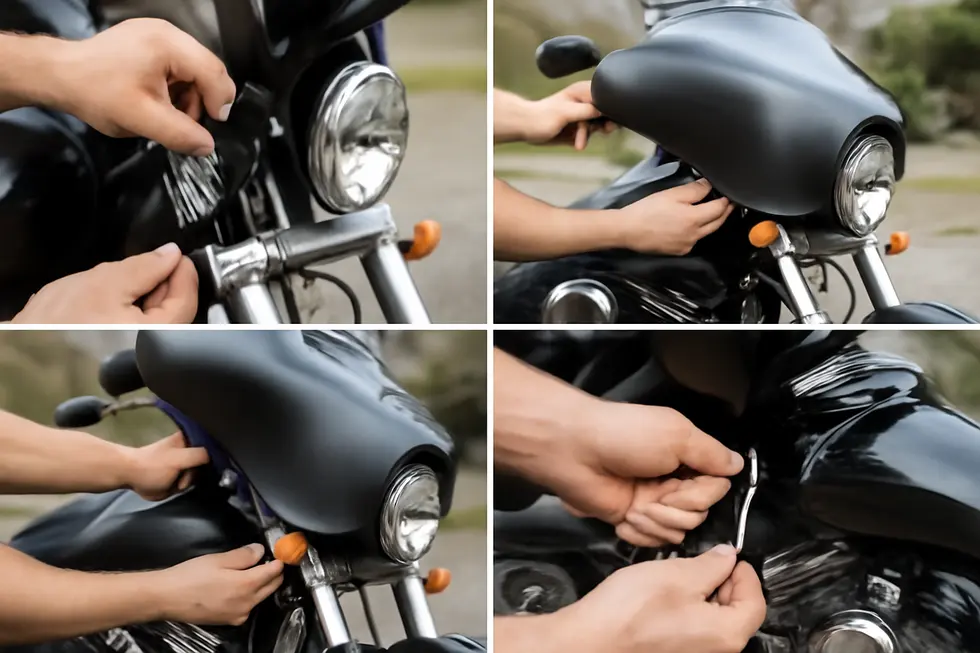
Technological advancements in installing cruiser motorcycle fairings have transformed both the rider’s experience and the installation process itself. Precision-engineered pre-drilled kits and bolt systems now allow for seamless assembly with OEM-level fitment, minimizing the need for modifications. Utilizing lightweight yet durable materials like polycarbonate, these kits enable straightforward handling and mounting, reducing installation complexity. Aerodynamic designs developed through computational fluid dynamics are incorporated directly into fairings, improving long-distance comfort and mitigating wind buffeting, while modular mounting brackets offer customizable positioning tailored to various cruiser models. Furthermore, these innovations support a growing aftermarket ecosystem where accessory integration is simplified, allowing riders to easily add wind deflectors or lighting. Together, these technologies streamline installation while enhancing durability, adaptability, and rider comfort, aligning with the evolving demands of cruiser enthusiasts seeking both performance and style. For deeper insight into aerodynamic design and installation features, explore details on the 2025 Road Glide fairing system here.
2. Balancing Cost and Quality: Economic Insights into Installing Cruiser Motorcycle Fairings
Economic considerations are vital when installing motorcycle fairings on cruisers, as riders must balance component costs, installation expenses, and customization investments. Fairing prices vary from modest decorative parts around $60 to full kits exceeding $300, influencing the initial budget. Installation complexity influences labor costs; while frame-mounted fairings require precise alignment, DIY installation can reduce expenses but demands technical skill and tools. Customization such as vinyl wraps adds aesthetic appeal yet raises costs significantly, ranging from $1,500 to over $3,500. Opting for higher-quality fairings often results in long-term savings through durability, whereas cheaper parts may incur future repair costs. Understanding these trade-offs helps riders achieve an optimal blend of affordability, functionality, and style. For more on affordable fairing options, explore our detailed insights at Discover Affordable Motorcycle Fairings at Summit Fairings. Additional information on installation expenses and parts pricing can be found at RevZilla Motorcycle Body Parts and Installation Costs.
3. Global Influences Shaping Installation Practices for Cruiser Motorcycle Fairings
Installation techniques for cruiser motorcycle fairings are subtly shaped by global factors such as trade policies, regional regulations, and local preferences. Tariffs and import restrictions impact the availability of key materials like fiberglass and carbon fiber, often requiring installers to adjust mounting methods based on what components can be sourced locally. Variations in safety and environmental standards across countries dictate permissible installation materials and hardware, influencing how fairings are fitted to meet legal requirements. Additionally, geopolitical stability affects supply chain reliability, encouraging simpler, more robust mounting solutions in regions where specialized parts might be scarce. Cultural and climatic conditions further guide customization and installation choices to enhance durability and aesthetics for specific riding environments. Together, these global forces form a complex backdrop that installers navigate to deliver effective, compliant fairing setups. Learn more about comprehensive fairing options and installation considerations at this resource.
For further insight into aerodynamic mounting precision, the advanced designs on racing motorcycles offer a useful contrast to the broader, adaptable methods used for cruisers [1].
4. How Rider Communities Embrace Installation to Enhance Comfort, Style, and Safety
Installation techniques for cruiser motorcycle fairings significantly influence rider adaptation and community culture. Designed for straightforward mounting with minimal modifications, these fairings empower riders to personalize their machines easily, fostering a vibrant DIY ethic. The process usually involves bracket alignment, careful bolt tightening, and protective measures like rubber grommets to prevent material stress. This accessibility not only enhances rider confidence but also promotes safer, more comfortable rides by improving wind protection. As riders share tips and tutorials within their communities, they strengthen social bonds and broaden mechanical skills. Additionally, this thriving customization culture stimulates local markets, supporting businesses that supply aftermarket parts. By blending practical ease with creative freedom, installation techniques uphold the cruiser ethos of individuality while encouraging safer, more engaging riding experiences. For those seeking detailed guides and products, exploring a reliable source like >br can provide valuable insight and options.
Chapter 4: Customization Options for Motorcycle Fairings for Cruisers
1. Dynamic Style Choices and Visual Enhancements for Cruiser Fairings
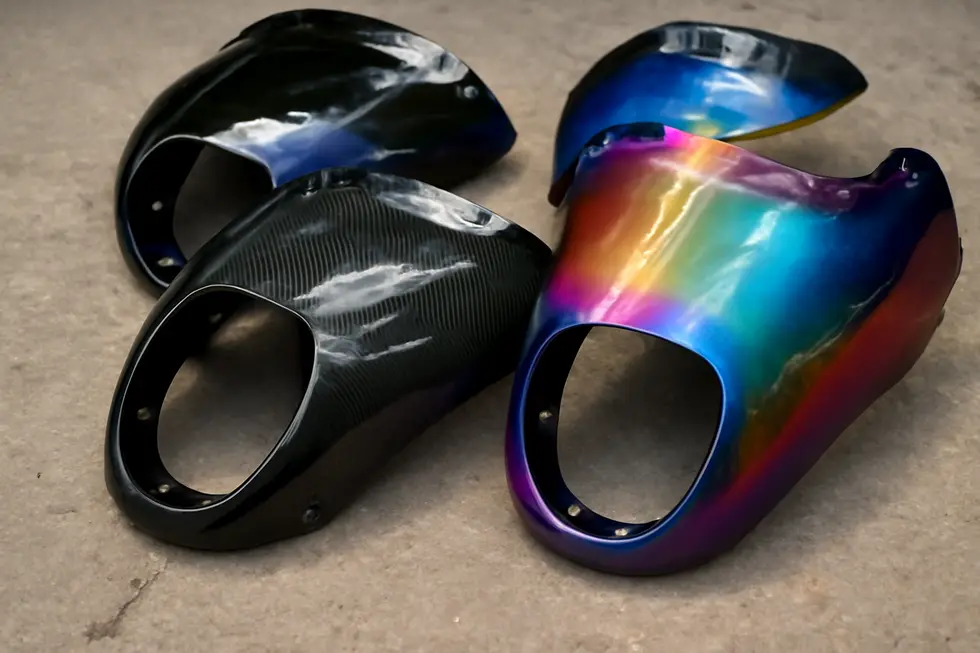
Customization of cruiser motorcycle fairings allows riders to express individuality while enhancing their bike’s presence. These options include a spectrum of color schemes, from bold contrasts to subtle textured finishes like faux carbon fiber, supporting both flashy and understated looks. Materials mostly feature durable ABS plastic with precision molding ensuring a fit that complements each cruiser’s signature silhouette. Beyond base colors, vinyl wraps offer cost-effective graphic changes with angular or geometric designs that dramatically shift appearance without permanent alteration. Coordinated accessories such as matching tank covers, race-inspired wing details, and decorative mesh inserts unify the bike’s style, delivering a polished and aggressive impression. Many kits target specific cruiser models for seamless integration and allow riders to choose windshield types separately. These layered choices balance aesthetics and rider identity, creating motorcycles that ride boldly and look distinctly personal. For a wide range of tailored fairing styles and kits, explore the detailed options at Kings Motorcycle Fairings.
2. Material Choices and Durability: Crafting Resilient Cruiser Fairings
Customization of cruiser fairings hinges on selecting materials that balance durability, weight, and style. ABS plastic remains a favorite, offering toughness and flexibility that endures daily riding conditions without cracking. Its lightweight nature and molded precision fit simplify installation, making it ideal for versatile use. In contrast, carbon fiber elevates performance with superior strength-to-weight ratios, appealing to riders seeking a premium look and enhanced resilience, though its brittleness under sharp impacts and higher cost require consideration. Beyond base materials, finishes such as faux carbon fiber and vibrant vinyl wraps allow riders to personalize aesthetics without sacrificing protection. These options support unique color schemes and textures that complement the classic cruiser styling while standing up to road stresses. Integration with aftermarket accessories also benefits from choosing materials that endure long rides and exposure. This strategic material selection ensures cruiser fairings meet both functional demands and individual rider expression. For more insight into tailored fairing options, explore the explore the best motorcycle fairings at Summit Fairings.
[1] https://www.motorcyclerider.com/carbon-fiber-vs-abs-cruiser-fairing-materials/
3. Precision Fit and Mounting Strategies: Ensuring Seamless Integration for Cruiser Fairings
Effective customization of motorcycle fairings for cruisers hinges on precise fitment and thoughtful mounting solutions. Fairings crafted from durable ABS plastic often feature exact moldings with pre-drilled holes to match specific cruiser models, allowing a snug and OEM-accurate installation. Selecting kits tailored to your motorcycle’s make and year is crucial, as improper fit can lead to interference with controls or electrical components such as turn signals. Mounting hardware varies between manufacturers; some kits include comprehensive brackets, bolts, and clamps, while others require separate purchases. Using corrosion-resistant materials improves longevity, and minor adjustments—like relocating signals or tweaking wiring—are common to achieve perfect alignment. For riders seeking detailed product options and installation advice, resources like Kings Motorcycle Fairings provide model-specific kits with hardware and installation support. This focused fitment approach ensures fairings enhance styling and rider comfort without compromising functionality or safety. For further insights, see Kings Motorcycle Fairings installation guidance.
4. Enhancing Cruiser Fairings: Styling, Functional Accessories, and Performance Boosts
Customization of cruiser motorcycle fairings extends well beyond basic styling, blending aesthetic choices with practical accessory integration and performance enhancements. Riders can choose from a variety of finishes such as gloss, faux carbon fiber textures, or vinyl graphics that maintain durability and OEM fitment while elevating the bike’s visual appeal. Integration of accessories like tinted or flared windshields, customized fenders, and dash extensions enhances rider comfort and functionality without compromising the cruiser’s classic design. Mounting points for gadgets like phone holders add convenience and modern utility seamlessly. On the performance front, aerodynamic refinements—including winglets or reshaped fairings—improve airflow, reduce drag, and increase stability at speed. These upgrades often coincide with complementary performance parts such as upgraded exhausts and suspension components to elevate the overall riding experience. Supported by a robust aftermarket, this synergy of visual and functional upgrades allows riders to tailor their cruisers with precision and style. For further insights on motorcycle fairings customization, explore more at Summit Fairings blog and detailed options via Додаткове значення отримується завдяки безкоштовним аксесуарам, таким як теплоізоляційні щити та прозорі вітрила, які покращують комфорт і корисність без додаткових витрат. Опції налаштування дозволяють водіям особисто відобразити свій мотоцикл доступно, зберігаючи конструктивну цілісність, додаючи унікальність без порушення якості..
Chapter 5: Enhancing Cruiser Motorcycles: Advanced Aerodynamics and Rider Comfort with Fairings
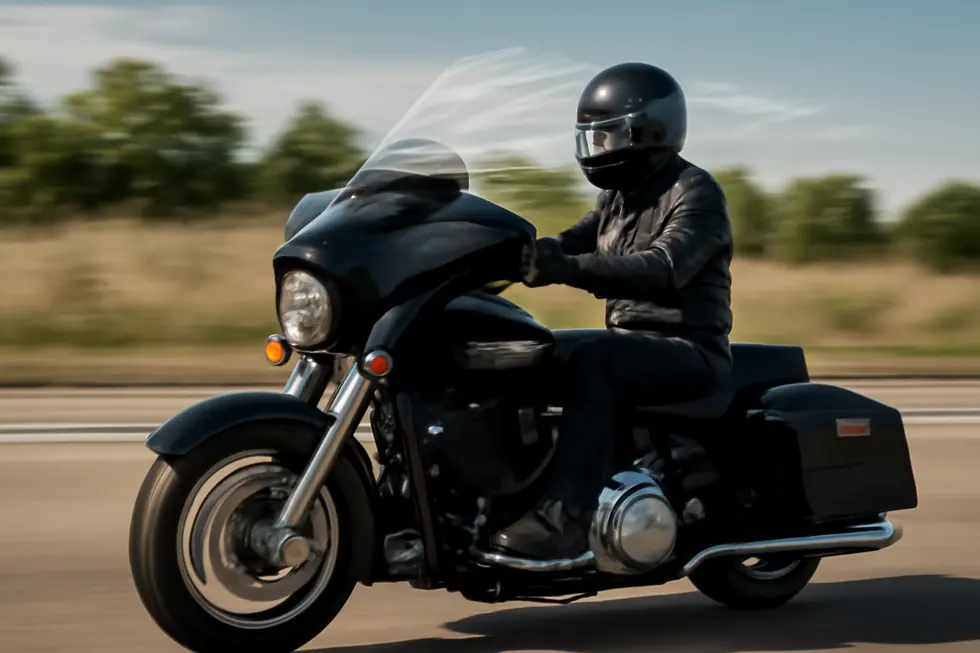
1. Cutting-Edge Aerodynamic Designs and Comfort Innovations in Cruiser Motorcycle Fairings
Modern cruiser motorcycle fairings integrate advanced aerodynamic technologies inspired by racing and automotive engineering. Dynamic wing-like panels on swingarms create downforce and lateral stability, improving cornering by counteracting centrifugal forces. Complementing this, ground effect principles optimize airflow near the road surface, enhancing tire grip for better traction. Computational Fluid Dynamics (CFD) shapes fairings to form a calm air pocket around the rider, significantly reducing wind buffeting and fatigue on long rides. These aerodynamic refinements are paired with ergonomic features such as thoughtfully designed hand controls and lightweight materials that maintain handling agility without adding excess weight. This synergy between airflow management and rider-centric design elevates both performance and comfort, making fairings essential for cruiser enthusiasts seeking extended ride enjoyment. Further insights on tailored cruiser fairings can be found at Summit Fairings’ comprehensive resource.
[1] Harley-Davidson’s 2025 cruiser model fairing and ergonomic innovations.
2. Balancing Economic Benefits and Market Realities of Aerodynamic Cruiser Fairings
Aerodynamic fairings on cruiser motorcycles not only enhance rider comfort by reducing wind buffeting but also contribute significantly to fuel efficiency. Designs optimized through computational fluid dynamics decrease drag, lowering fuel consumption and cutting operating costs. This efficiency encourages longer rides with less fatigue, promoting greater use and indirectly supporting the aftermarket industry through accessory and maintenance demand. Moreover, cruisers equipped with advanced fairings often enjoy improved resale values due to these performance advantages. However, the economic impact is nuanced as recent market fluctuations and tariffs on production materials, such as steel and aluminum, can increase manufacturing costs by up to 50%. These cost pressures may offset savings gained through aer