















Introduction
Motorcycle fairings, predominantly made from ABS plastic, are vulnerable to heat damage from engines and exhaust systems, causing melting, warping, or discoloration. For business owners in the aftermarket motorcycle parts industry, understanding the role of heat shields in preserving these components is vital. This guide explores how integrated heat shields in aftermarket ABS fairing kits enhance product value and customer satisfaction by preventing heat-related failures. It further delves into the advanced materials used in manufacturing these shields, standalone exhaust heat shields as a complementary protective solution, and the critical factors of durability and fitment that ensure long-term fairing performance. Each chapter offers actionable insights to help businesses optimize their offerings and meet market demands effectively.
Tables of Contents
Chapter 1: Integrated Motorcycle Heat Shield for Fairings in Aftermarket ABS Kits
- Advanced Materials and Layered Construction of Integrated Heat Shields in Aftermarket ABS Fairing Kits
- How Integrated Heat Shields Enhance Fairing Protection and Rider Comfort in ABS Kits
- Navigating Installation Challenges of Integrated Heat Shields in Aftermarket ABS Fairing Kits
- Precision Fit and Model-Tailored Design in Integrated Motorcycle Heat Shields for ABS Fairings
- Enhancing Protection and Style: Key Features in Integrated Heat Shield ABS Fairing Kits
Chapter 2: Material Science Behind Motorcycle Heat Shields for Fairings
- Harnessing Reflective Metals and Composite Layers to Defend Fairings from Heat
- Aerospace-Derived Carbon Fiber Composites Transforming Motorcycle Heat Shield Technology
- How Reflective Surfaces and Air Barriers Work Together to Shield Fairings from Heat
- Harnessing Structural Plastics: Lightweight, Durable Solutions in Heat Shield Design
- Harnessing Reflective Heat Tapes: Advanced Thermal Defense for Motorcycle Fairings
Chapter 3: Standalone Exhaust Heat Shields for Protecting Motorcycle Fairings
- Advanced Material Solutions Shaping Durable Standalone Exhaust Heat Shields
- Essential Design and Installation Factors Enhancing Standalone Exhaust Heat Shields for Motorcycle Fairings
- Material Excellence and Thermal Resilience of Standalone Exhaust Heat Shields Shielding Fairings
- Economic Dynamics and Market Growth Shaping Motorcycle Exhaust Heat Shields
- Balancing Safety and Style: The Dual Role of Standalone Exhaust Heat Shields
Chapter 4: Durability and Fitment of Motorcycle Heat Shields for Fairings in Common Models
- Innovations in Materials and Manufacturing Enhancing Heat Shield Durability and Precision Fitment
- Precision Engineering and Streamlined Installation: Enhancing Durability and Fitment of Motorcycle Heat Shields for Common Fairings
- Enhancing Durability through Advanced Coatings and Environmental Resistance in Motorcycle Heat Shields
- Tailored Engineering in Motorcycle Heat Shields: Balancing Durability and Precision Fit for Popular Fairings
- Balancing Rider Comfort and Economic Benefits Through Durable, Precisely Fitted Motorcycle Heat Shields
Chapter 1: Integrated Motorcycle Heat Shield for Fairings in Aftermarket ABS Kits
1. Advanced Materials and Layered Construction of Integrated Heat Shields in Aftermarket ABS Fairing Kits
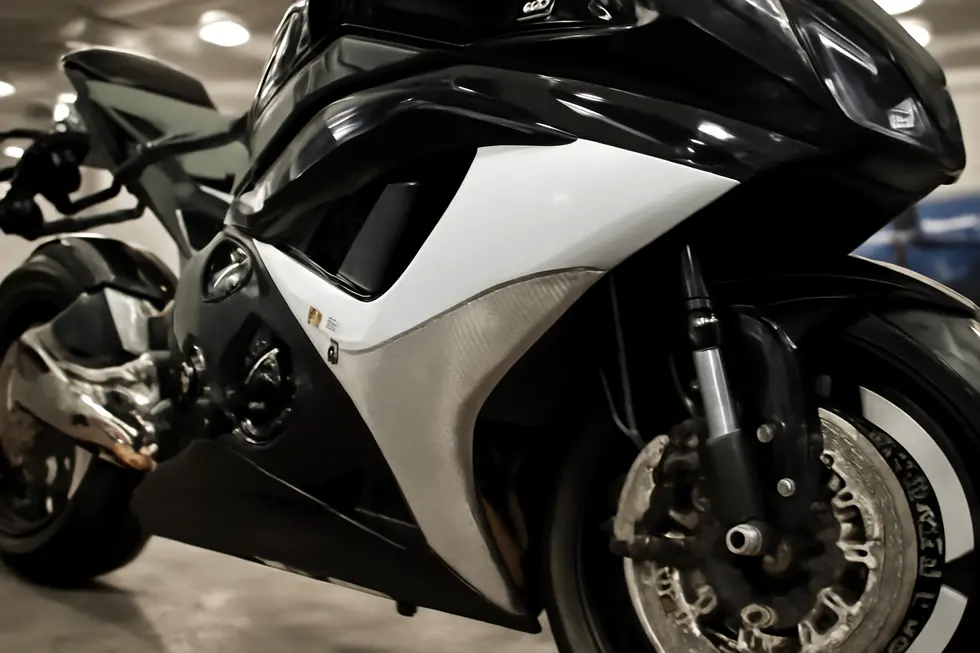
Integrated heat shields within aftermarket ABS fairing kits are engineered using advanced, heat-resistant materials to ensure long-lasting protection against the high temperatures generated by motorcycle engines and exhaust systems. These shields commonly utilize an inner core composed of silica, ceramic, or basalt fibers—materials capable of withstanding temperatures beyond 800°C (1472°F) without degradation. This fiber core acts as the primary thermal barrier, containing and managing extreme heat before it can affect the ABS fairings.
Surrounding the core, an outer protective layer often features aluminized fiberglass, stainless steel mesh, or titanium fiber. This layer not only enhances abrasion resistance but also provides oil repellency and weatherproofing crucial for maintaining durability during regular use. The assembly is reinforced with stainless steel stitching or rivets, which offer resilience to vibrations and mechanical stresses encountered during riding.
Some premium liners employ dual-layer designs combining aluminum foil with proprietary insulating materials like specialized composites, reducing heat transfer by over 60%. These precision-cut liners are designed for seamless integration, preserving the fit and aerodynamic styling of the fairings without requiring permanent modifications. By combining these sophisticated materials and construction techniques, integrated heat shields effectively shield ABS plastics, preserving both structural integrity and visual appeal.
For more insights on protective fairing solutions, explore the wide selection of options at >br.
Reference: Exhaust insulation blanket materials and titanium/silica composite properties for high-temperature resistance.
2. How Integrated Heat Shields Enhance Fairing Protection and Rider Comfort in ABS Kits
Integrated heat shields in aftermarket ABS fairing kits play a crucial role in protecting both the motorcycle and rider from excessive heat. By effectively deflecting engine and exhaust heat away from plastic fairings, they prevent warping, melting, and discoloration that can result from prolonged exposure to high temperatures. This safeguards the fairings’ structural integrity, maintaining the bike’s appearance and performance over time. Beyond protecting the fairings, these heat shields reduce radiant heat around sensitive mechanical areas such as the engine bay and braking components, which prevents heat-induced wear and helps maintain braking efficiency. From the rider’s perspective, integrated shields significantly minimize heat felt on exposed skin during rides, especially on long journeys or in warm weather, enhancing comfort and reducing fatigue. This dual functionality—preserving vital bike components while improving rider experience—makes integrated heat shields a valuable feature of aftermarket ABS fairing kits. For riders seeking durable, heat-resistant upgrades, exploring affordable motorcycle fairings with integrated heat protection offers an effective solution.
3. Navigating Installation Challenges of Integrated Heat Shields in Aftermarket ABS Fairing Kits
Installing integrated heat shields within aftermarket ABS fairing kits demands meticulous attention to fitment and thermal management. The process begins with preparing the motorcycle on a stable stand and ensuring all components are cool to prevent injury. Precision-molded ABS panels designed for specific models simplify alignment through pre-drilled mounting points, yet mixing OEM parts with aftermarket components often brings minor dimensional discrepancies that installers must address.
A critical part of installation involves trimming and fitting silicone or multi-layer heat shields inside fairings or around exhaust pipes, ensuring optimal coverage without hindering airflow. Limited space near tight-packed exhaust systems challenges positioning, requiring careful clearance adjustments and sometimes accessory repositioning.
Securing the shields with supplied hardware reduces vibration issues, but maintaining adhesive stability under heat and movement remains essential to long-term protection. Balancing the shield’s protective role with aesthetic preferences demands thoughtful placement to avoid intrusive appearances. Comprehensive kits often include detailed instructions and support, enabling users to navigate these hurdles and preserve both safety and style.
For more tips on selecting and installing refined fairing kits, visit Explore the Best Motorcycle Fairings at Summit Fairings.
4. Precision Fit and Model-Tailored Design in Integrated Motorcycle Heat Shields for ABS Fairings
Integrated heat shields within aftermarket ABS fairing kits are meticulously engineered to provide model-specific protection, ensuring a seamless fit that aligns perfectly with motorcycle contours and mounting points. This precise design is essential for targeting heat sources like exhaust pipes and engine parts, effectively shielding the fairings from thermal damage without compromising the bike’s aesthetics or aerodynamics. Constructed from robust materials—ranging from injection-molded ABS to heat-resistant metal alloys—these integrated shields maintain durability and an OEM-like appearance despite prolonged heat exposure. Their integration can be either pre-attached or included as discrete elements, preserving easy assembly while enhancing functionality. Additionally, these kits maintain full compatibility with motorcycles equipped with ABS braking systems, avoiding interference with sensors or components. This tailored approach not only offers an economical alternative to OEM parts but also delivers high-quality heat resistance and precise fitment, ultimately extending the life of aftermarket fairings. For further insights into premium fairing options that complement such heat shield technology, explore comprehensive resources at Summit Fairings. More detailed examples of these protective components can be found at Heat Shield Cover Guard Example.
5. Enhancing Protection and Style: Key Features in Integrated Heat Shield ABS Fairing Kits
Integrated heat shields in aftermarket ABS fairing kits go beyond mere thermal protection, offering a blend of practical and aesthetic enhancements that elevate the rider’s experience. These kits typically incorporate heat shields that safeguard fairings from engine and exhaust heat, preserving plastic integrity and appearance over time. Additional features often include pre-fitted windshields designed to improve aerodynamics and reduce rider fatigue by deflecting wind efficiently. Complementing this, tank pads provide crucial protection against scratches and scuff marks from gear contact while enhancing grip for confident control during rides. The kits frequently sport premium finishes, such as triple-clear-coated paint, which resist environmental wear and maintain a sharp look. Precision is assured with OEM-fit pre-drilled holes enabling seamless installation without modifications. Value-added components like CNC-machined bolts and customizable options—ranging from coordinated fairing colors to tinted windscreens—further refine both function and form. Together, these integrated elements create a comprehensive upgrade that balances heat protection with style and usability, making installation straightforward and ensuring durable performance tailored to specific motorcycle models equipped with ABS braking systems. For riders seeking a reliable source for these enhancements, exploring affordable motorcycle fairings at Summit Fairings is highly recommended. More details on integrated feature kits can be found here.
Chapter 2: Material Science Behind Motorcycle Heat Shields for Fairings
1. Harnessing Reflective Metals and Composite Layers to Defend Fairings from Heat
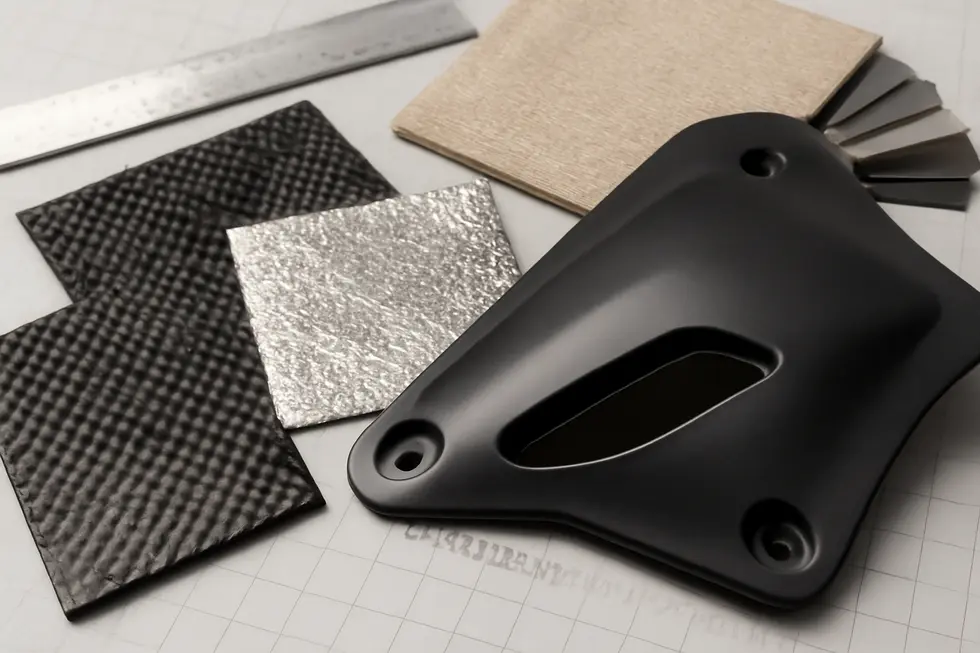
Motorcycle heat shields utilize a sophisticated blend of reflective metals and composite insulating layers to effectively manage heat transfer and protect fairings. The outer metal layer, typically aluminum, boasts high reflectivity and low emissivity, which allows it to bounce radiant heat away from underlying surfaces. Beneath this reflective barrier lies a composite insulating layer made from advanced fibers such as carbon fiber, fiberglass, or aramid embedded in thermoplastic or thermoset matrices. This layer primarily inhibits conductive and convective heat flow, ensuring minimal heat penetration.
Integrating these materials results in a hybrid system that combines the reflective properties of aluminum with the structural and thermal resistance of composites, delivering superior protection without adding significant weight. Precision in manufacturing, through techniques like CNC machining and laser cutting, guarantees these multilayer shields fit complex fairing contours seamlessly, preserving aerodynamic form and aesthetic quality.
Such material synergy ensures effective thermal management, reducing heat transfer by over 60% in some applications, enhancing both rider comfort and durability of fairings. For a deeper look into motorcycle fairing options supported by advanced materials, explore the comprehensive insights at Discover Affordable Motorcycle Fairings at Summit Fairings.
More on the principles behind these materials can be found at Design Engineering, Inc.’s resource on thermal protection construction.
2. Aerospace-Derived Carbon Fiber Composites Transforming Motorcycle Heat Shield Technology
The adoption of aerospace-grade carbon fiber reinforced epoxy composites has revolutionized the material science of motorcycle heat shields for fairings. These advanced composites offer exceptional strength-to-weight ratios and thermal stability, critical for enduring the high temperatures near engines and exhausts without compromising fairing integrity. Aerospace engineering techniques, including precise fiber-matrix matching and the use of carbon fiber prepregs, enable the production of lightweight yet highly thermally resistant shields that maintain shape and performance under stress. Manufacturing processes adapted from aerospace, such as stamp forming combined with digital twin simulations, ensure complex curved fairing components achieve consistent quality and minimal defects like delamination or voids. Moreover, innovations in hybrid composites—integrating natural fibers or enhancing fire resistance—are beginning to influence motorcycle applications, promising even greater durability and safety. This cross-industry transfer accelerates the evolution of heat shields that protect fairings effectively while supporting aerodynamic styling and rider comfort. For a deeper understanding of composite material selection challenges relevant to these advancements, see NIT Pro Composites.
3. How Reflective Surfaces and Air Barriers Work Together to Shield Fairings from Heat
Motorcycle heat shields protect fairings by employing multiple thermal insulation strategies that work in harmony to reduce heat transfer. Primarily, these shields feature reflective surfaces made from materials like electroplated stainless steel, which bounce radiant infrared heat away from the plastic fairings. This reflection significantly lowers the amount of heat absorbed by the fairings, preventing melting or discoloration. In addition to reflection, heat shields act as conduction barriers, physically separating hot exhaust pipes from delicate fairings. Materials with low thermal conductivity or those structured to trap air gaps impede heat flow through direct contact, limiting conduction.
Furthermore, heat shields are designed to promote convection cooling by maintaining a controlled air gap. This space encourages airflow that convects heat away from the shield, enhancing overall insulation. The combination of these mechanisms—radiation reflection, conduction interruption, and convection enhancement—ensures efficient thermal protection. Corrosion-resistant coatings and durable composites maintain the shield’s effectiveness over time, keeping fairings safe without compromising aerodynamics or style.
For riders seeking insights on fairings with integrated heat protections, explore the best motorcycle fairings to understand how material choices impact performance.
4. Harnessing Structural Plastics: Lightweight, Durable Solutions in Heat Shield Design
Structural plastics are fundamental in crafting effective motorcycle heat shields for fairings, combining thermal resistance with mechanical strength. These materials—often carbon fiber reinforced polymers (CFRP) or thermoplastic composites—are engineered to withstand intense heat from engines and exhaust pipes while remaining lightweight. Their ability to be molded precisely to the contours of fairings enables seamless integration that preserves aerodynamic and stylistic integrity. Enhanced thermal insulation is often achieved by layering materials such as Kevlar within composites, reducing heat transfer to vulnerable ABS plastic panels. Compared to conventional metal shields, structural plastics offer superior corrosion resistance and design flexibility, improving both durability and aesthetic appeal. Additionally, thermoplastic composites facilitate efficient manufacturing processes through weldability and enable sustainable production innovations that reduce environmental impact. This balance of heat management, strength, and adaptability makes structural plastics indispensable in modern motorcycle heat shield applications, protecting fairings without compromising vehicle performance or rider comfort. For insights on compatible protective components and replacement parts, explore the comprehensive resources available at >br.
5. Harnessing Reflective Heat Tapes: Advanced Thermal Defense for Motorcycle Fairings
Reflective heat tapes play a crucial role in the material science of motorcycle heat shields by effectively managing radiant heat exposure on fairings. These tapes incorporate a metallic reflective layer—commonly aluminum foil—that reflects infrared radiation away from heat-sensitive fairing plastics, such as ABS, preventing deformation and discoloration. Their low emissivity and high reflectivity minimize heat absorption, guarding not only fairing panels but also critical components like intake pipes, thereby supporting improved engine efficiency.
Designed to endure elevated temperatures and environmental wear, reflective heat tapes adhere securely even on curved motorcycle surfaces without adding significant weight, maintaining the bike’s aerodynamic performance. When paired with composite materials or sound-dampening layers, they contribute to both thermal and acoustic comfort for the rider.
By serving as a lightweight, versatile thermal barrier, reflective heat tapes exemplify the application of fundamental material science principles—reflective radiation control and durable adhesion—within modern motorcycle heat shield solutions.
For further insight into durable fairing materials and accessories, explore affordable motorcycle fairings and protection.
External research on reflective heat tape applications highlights their importance in balancing thermal protection with performance [1][2].
Chapter 3: Standalone Exhaust Heat Shields for Protecting Motorcycle Fairings
1. Advanced Material Solutions Shaping Durable Standalone Exhaust Heat Shields
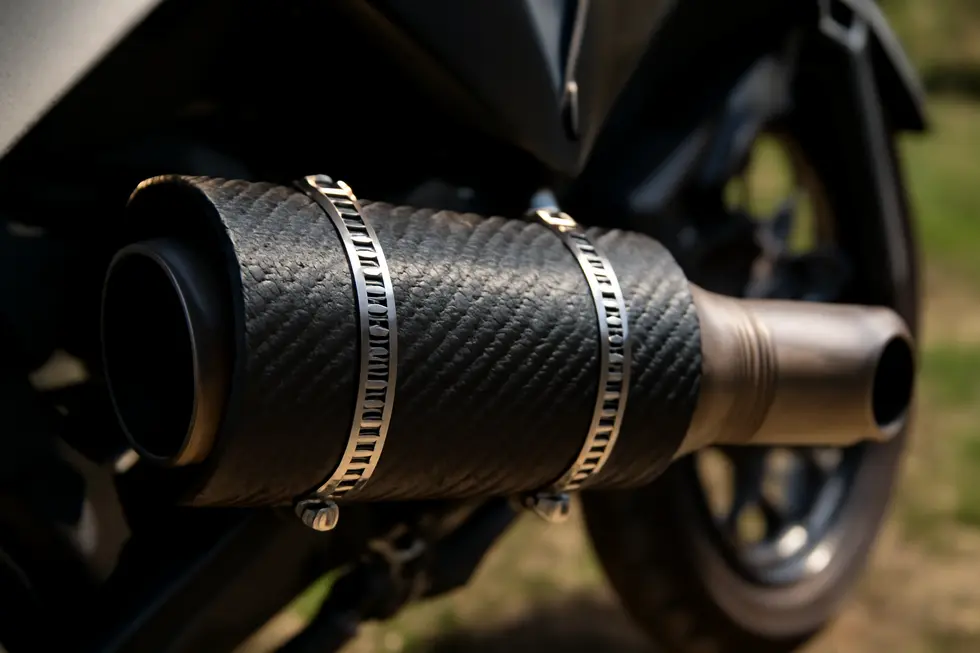
Standalone exhaust heat shields rely on innovative materials to effectively protect motorcycle fairings from extreme exhaust heat. A common technology is braided fiberglass sleeving with an aluminum outer layer. The fiberglass core offers excellent thermal insulation, while aluminum’s reflective surface deflects radiant heat away from delicate ABS plastic fairings. This dual action significantly limits heat transfer, preventing warping and discoloration. Another frequent combination involves aluminum shields paired with stainless steel mounting hardware. Aluminum’s lightweight design dissipates heat rapidly, and corrosion-resistant stainless steel tangs ensure secure, lasting attachment to exhaust pipes. This pairing balances heat scattering with structural durability, allowing for reliable protection under harsh conditions. High-performance applications also employ titanium/silica composites, which withstand temperatures exceeding 1300°F. Titanium lends unmatched strength and corrosion resistance, while silica enhances insulation, making these shields ideal for intense thermal environments. Many shields incorporate additional insulating layers like high-temperature silicone strips to reduce direct metal contact, further enhancing thermal barriers. These material innovations create robust standalone solutions that protect fairings without compromising style or aerodynamics, offering riders peace of mind and improved comfort. For more on high-temperature heat shield technologies, see Fernway Solutions.
2. Essential Design and Installation Factors Enhancing Standalone Exhaust Heat Shields for Motorcycle Fairings
Standalone exhaust heat shields serve as critical barriers that protect motorcycle fairings from harmful heat generated by exhaust pipes. Their design prioritizes materials that combine durability and thermal resistance, often utilizing dual-layer constructions with aluminum outer shells and insulating cores to dramatically reduce heat transfer. These layered designs can cut heat by over 60%, effectively preventing melting or discoloration of ABS fairings while also improving rider comfort by lowering surface temperatures. Fitment precision is equally vital; shields are CNC-cut or specially molded to contour exhaust pipe diameter and bends, maximizing coverage without gaps that allow heat escape. Installation approaches emphasize non-permanent attachment, typically employing clamps or brackets that avoid modification to the motorcycle’s bodywork, preserving aesthetic integrity and resale value. Lightweight components facilitate easy installation with basic tools, encouraging proper fit and user-friendly maintenance. Additionally, these heat shields are engineered to resist vibration, weather exposure, and heat-induced degradation, ensuring long-lasting protection without odors or smoke. This thoughtful balance of materials, fit, and installation reflects the core goals of standalone exhaust heat shields in shielding fairings while maintaining motorcycle style and functionality. For more insights on protective gear and fairing options, explore affordable motorcycle fairings at Summit Fairings. Further details on advanced heat shield designs and installation can be found at RevZilla.
3. Material Excellence and Thermal Resilience of Standalone Exhaust Heat Shields Shielding Fairings
Standalone exhaust heat shields serve as critical barriers, reducing the intense heat transfer from exhaust pipes to adjacent motorcycle fairings. Crafted from materials like carbon fiber, fiberglass wraps, and embossed aluminum, these shields combine exceptional heat resistance with durability to protect fairings made of heat-sensitive plastics. Carbon fiber offers a lightweight yet robust shield, maintaining its integrity under high thermal stress and mechanical wear. Fiberglass wraps not only insulate but also improve exhaust flow efficiency by retaining heat within the pipes, indirectly reducing surface temperatures near fairings. Embossed aluminum adds a cost-effective yet resilient defense that withstands repeated thermal cycling without deformation. The longevity and effectiveness of these shields rely heavily on quality construction and precise installation, ensuring consistent protection against melting, warping, or discoloration caused by exhaust heat. This blend of advanced materials and design provides riders with dependable, long-term safeguarding for their fairings without compromising style or function. For an in-depth look at high-performance thermal shields in demanding conditions, explore the detailed insights available on CNC Racing Ducati Carbon Exhaust Heat Shield.
4. Economic Dynamics and Market Growth Shaping Motorcycle Exhaust Heat Shields
Standalone exhaust heat shields for motorcycle fairings represent a growing segment shaped by cost efficiency, material innovation, and evolving market demands. These shields effectively reduce heat transfer from exhaust pipes, preserving the integrity of fairings and improving rider comfort while lowering long-term maintenance expenses. Innovations in dual-layer aluminum and advanced insulating materials deliver high thermal resistance without compromising bike aesthetics, making them attractive to consumers who prioritize durability and ease of installation. Market-wise, the global automotive heat shield industry is expanding moderately, driven by stricter regulations and the rise of electric vehicles that require sophisticated thermal management solutions. Although motorcycles occupy a specialized niche, advancements in lightweight composites such as carbon fiber enable superior performance tailored to motorcycle designs. Emerging regions exhibit notable demand growth, presenting new opportunities for aftermarket providers focused on quality and model-specific fit. This economic and market context underscores the strategic value of standalone exhaust heat shields as practical, cost-effective protections within a steadily advancing heat shield industry. For further insights into product specifics and market trends, explore detailed automotive component data here.
5. Balancing Safety and Style: The Dual Role of Standalone Exhaust Heat Shields
Balancing Safety and Style: The Dual Role of Standalone Exhaust Heat Shields
Standalone exhaust heat shields function beyond simple protection; they embody a crucial synthesis of rider safety and aesthetic enhancement. These shields prevent burns by creating a barrier between hot exhaust pipes and the rider’s legs or belongings, significantly reducing injury risk and heat damage. The heat emitted by exhaust systems can reach temperatures hazardous to both riders and the motorcycle’s ABS plastic fairings, making these shields vital for practical safety.
Aesthetically, these components contribute to the bike’s overall design language. Crafted from materials like carbon fiber or aluminum alloy, heat shields add a visually striking layer of sophistication that meshes with the motorcycle’s styling. Their precise, model-specific fit ensures they complement aerodynamic contours without disrupting the bike’s sleek lines. This fusion of function with style reflects a growing trend where protective parts are expected to reinforce, not detract from, a motorcycle’s visual appeal.
This thoughtful combination of safety and design aligns closely with the values of many riders who prioritize both protection and personalization in their upgrades. For more insights on tailored motorcycle components, explore expert tips on motorcycle fairings.
Chapter 4: Durability and Fitment of Motorcycle Heat Shields for Fairings in Common Models
1. Innovations in Materials and Manufacturing Enhancing Heat Shield Durability and Precision Fitment
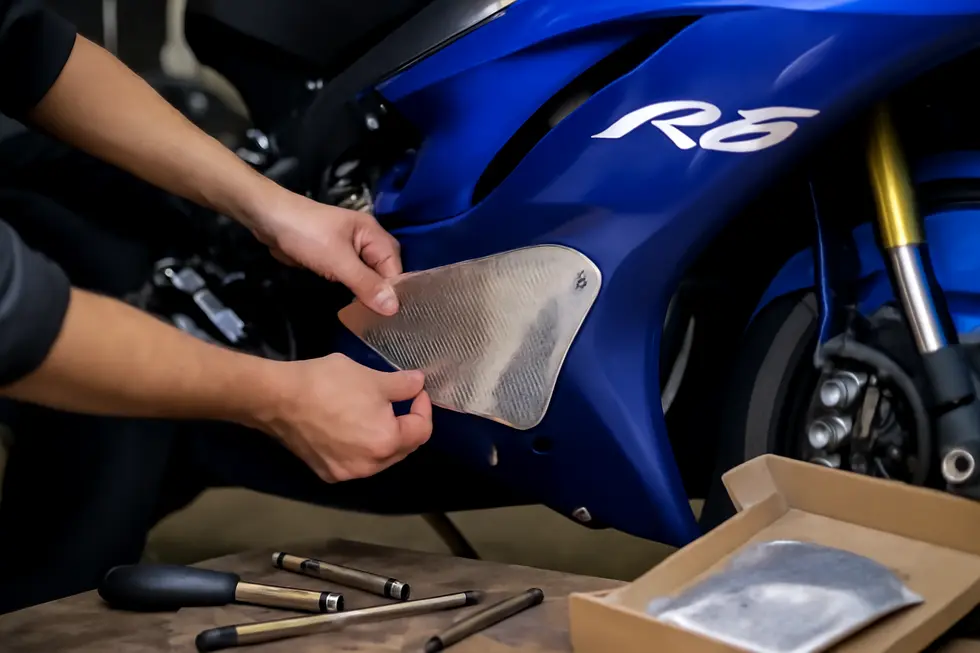
Motorcycle heat shields designed for fairings employ cutting-edge composite materials expertly balancing heat resistance, durability, and lightweight properties. Carbon fiber composites dominate premium applications due to their exceptional tensile strength and thermal endurance, making them ideal for high-performance bikes like the Kawasaki Ninja series. Alongside carbon fiber, polymer composites infused with ceramic fillers such as boron nitride provide enhanced thermal conductivity and mechanical flexibility, crucial for intricate fairing designs.
Technological advances in injection molding enable seamless integration of heat shields into ABS fairing kits tailored for models like the Kawasaki Ninja ZX6R 636. These methods ensure exact fitment that preserves aerodynamics and rider comfort without compromising protection. Moreover, aerospace-derived materials like high-temperature honeycomb cores contribute significantly to the shields’ ability to withstand intense exhaust heat while