














Introduction
Ốp xe máy rất quan trọng không chỉ về mặt thẩm mỹ mà còn về hiệu suất khí động học. Tuy nhiên, việc tiếp xúc với nhiệt độ từ động cơ và ống xả có thể khiến các ốp xe, đặc biệt là những chiếc làm bằng nhựa hoặc vật liệu composite, bị cong vênh, đổi màu hoặc yếu đi theo thời gian. Bộ chống nhiệt cho ốp xe máy tạo ra một rào cản quan trọng giúp bảo vệ các bộ phận này khỏi hư hại do nhiệt mà không ảnh hưởng đến phong cách hoặc chức năng của chiếc xe. Bài viết này giải thích các yếu tố chính mà chủ doanh nghiệp cần hiểu về các giải pháp bộ chống nhiệt - bắt đầu bằng các công nghệ và vật liệu mới nhất được sử dụng để giảm truyền nhiệt hiệu quả. Tiếp theo, nó phân tích cách các bộ chống nhiệt được tích hợp vào các bộ ốp sau thị trường được thiết kế để vừa khít và đạt chất lượng cấp OEM. Cuối cùng, cuộc thảo luận đề cập đến quy trình lắp đặt, độ chính xác trong lắp ráp và các yếu tố bền vững ảnh hưởng đến hiệu suất lâu dài và sự hài lòng của khách hàng. Cùng nhau, những thông tin này mang lại cái nhìn toàn diện cho các doanh nghiệp muốn tối ưu hóa danh mục sản phẩm hoặc khả năng dịch vụ trong thị trường ốp xe máy.
Tables of Contents
Chương 1: Bộ chống nhiệt cho ốp xe máy: Công nghệ và vật liệu
- Tận dụng sức mạnh và khả năng chịu nhiệt của nhôm, nhựa ABS và sợi carbon để bảo vệ ốp xe
- Độ chính xác và hiệu suất: Bộ chống nhiệt đa lớp được chế tạo bằng công nghệ CNC để bảo vệ nhiệt vượt trội
- Đúc chính xác và vật liệu chịu va đập: Đảm bảo hiệu suất bền bỉ của bộ chống nhiệt cho ốp xe máy
- Nâng cao sự thoải mái và an toàn cho người lái nhờ lớp cách nhiệt tiên tiến
- Những đổi mới trong bộ chống nhiệt cho ốp xe máy: Kết hợp phong cách, hiệu suất và thiết kế nhẹ
Chương 2: Bộ chống nhiệt cho ốp xe máy: Tích hợp với các bộ ốp sau thị trường
- Đổi mới vật liệu và độ chính xác trong thiết kế khi tích hợp bộ chống nhiệt vào ốp xe sau thị trường
- Vượt qua các thách thức về lắp ráp và chức năng khi tích hợp bộ chống nhiệt vào ốp xe sau thị trường
- Chiến lược lắp đặt chuyên gia để tích hợp bộ chống nhiệt một cách mượt mà với ốp xe máy sau thị trường
- Tối ưu hóa bảo vệ nhiệt: Đổi mới vật liệu và hiệu quả trong bộ chống nhiệt cho ốp xe sau thị trường
- Lắp ráp chính xác và chất lượng vật liệu: Xử lý tích hợp bộ chống nhiệt phù hợp với từng mẫu xe trong các bộ ốp sau thị trường
Chương 3: Bộ chống nhiệt cho ốp xe máy: Các yếu tố lắp ráp, độ chính xác và độ bền
- Thành thạo kỹ thuật lắp ráp: Đạt được độ vừa khít tối ưu và độ bền lâu dài cho bộ chống nhiệt của ốp xe máy
- Thành thạo lắp ráp chính xác: Vượt qua các thách thức trong việc tích hợp bộ chống nhiệt với ốp xe máy
- Chọn lựa và kết hợp vật liệu để đạt được độ bền và khả năng chịu nhiệt tối ưu cho các bộ chống nhiệt của ốp xe máy
- Cách tùy chỉnh theo mẫu xe nâng cao quá trình lắp ráp, độ vừa khít và tuổi thọ của bộ chống nhiệt cho ốp xe máy
- Vật liệu hiện đại và kỹ thuật chính xác thúc đẩy lắp ráp mượt mà và bộ chống nhiệt bền bỉ
Chương 1: Bộ chống nhiệt cho ốp xe máy: Công nghệ và vật liệu
Tận dụng sức mạnh và khả năng chịu nhiệt của nhôm, nhựa ABS và sợi carbon để bảo vệ ốp xe
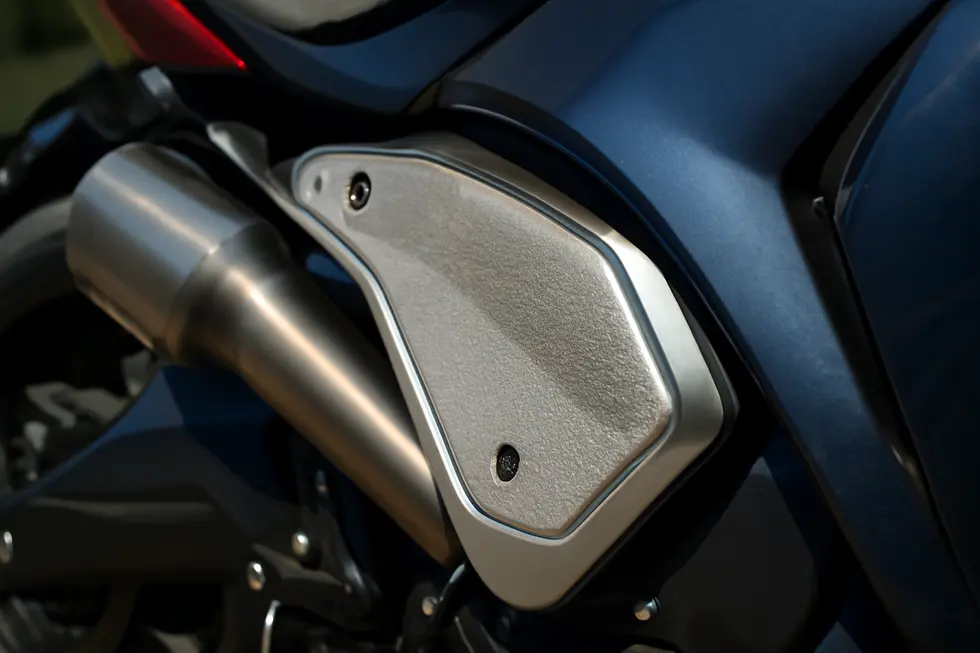
Hiệu quả của bộ chống nhiệt cho ốp xe máy phần lớn phụ thuộc vào lựa chọn vật liệu - mỗi loại đều đóng góp độc đáo vào cách nhiệt, độ bền và hiệu suất tổng thể. Nhôm nổi bật như vật liệu được ưa chuộng trong lớp lót bộ chống nhiệt nhờ khả năng dẫn nhiệt tuyệt vời và trọng lượng nhẹ. Khả năng tản nhiệt nhanh của nó giúp hạn chế hư hại cho các ốp xe tiếp xúc với nhiệt độ động cơ hoặc ống xả mạnh. Nhiều bộ sản phẩm cao cấp sử dụng lớp nhôm kép kết hợp với lớp cách nhiệt đặc biệt để giảm truyền nhiệt hơn 60%, cung cấp bảo vệ vững chắc mà không làm tăng trọng lượng hay phức tạp quá trình lắp đặt.
Nhựa ABS thường là nền tảng của các ốp xe máy, được đánh giá cao nhờ sự cân bằng giữa độ bền, tính linh hoạt và hiệu quả chi phí. Nhựa ABS đúc injection tạo ra các tấm thân chất lượng OEM vừa khít chính xác với đường nét ban đầu. Mặc dù nó cung cấp khả năng chịu va đập đáng kể và khả năng chịu nhiệt trung bình, nhưng nó thường cần được hỗ trợ bởi lớp chống nhiệt bằng nhôm hoặc vật liệu composite khi tiếp xúc với nhiệt độ cực cao gần các bộ phận ống xả. Thiết kế lớp này ngăn ngừa biến dạng do nhiệt trong khi duy trì tính thẩm mỹ của chiếc xe.
Vật liệu sợi carbon composit là lựa chọn cao cấp dành cho những người lái xe mong muốn tỷ lệ cường độ trên trọng lượng vượt trội cùng khả năng chịu nhiệt được cải thiện. Độ cứng và trọng lượng nhẹ của chúng khiến chúng lý tưởng cho các ốp xe máy hướng tới hiệu suất, đòi hỏi hiệu quả khí động học và quản lý nhiệt độ đáng tin cậy. Các tấm chắn bằng sợi carbon có thể chịu nhiệt tốt hơn so với nhựa thông thường và mang lại vẻ ngoài thanh lịch, hiện đại được ưa chuộng trong các giải đua và xây dựng cá nhân.
Hiệu quả của lớp cách nhiệt cho ốp xe máy chủ yếu đến từ việc lựa chọn vật liệu—mỗi loại đều đóng góp độc đáo vào khả năng cách nhiệt, độ bền và hiệu suất tổng thể. Nhôm nổi bật là vật liệu được ưa chuộng trong lớp lót cách nhiệt do khả năng dẫn nhiệt tuyệt vời và nhẹ. Khả năng tản nhiệt nhanh của nó giúp hạn chế hư hại cho ốp xe tiếp xúc với nhiệt độ động cơ hoặc ống xả mạnh. Nhiều bộ phận hiện đại sử dụng lớp nhôm kép kết hợp với lớp cách nhiệt đặc biệt để giảm truyền nhiệt hơn 60%, cung cấp bảo vệ vững chắc mà không làm tăng trọng lượng hay phức tạp quá trình lắp đặt.
Nhựa ABS thường là nền tảng của ốp xe máy, được đánh giá cao nhờ sự cân bằng giữa độ bền, độ dẻo và hiệu quả chi phí. Nhựa ABS đúc injection tạo ra các tấm thân chất lượng OEM vừa khít với hình dạng ban đầu. Mặc dù nó có khả năng chịu va đập tốt và chịu nhiệt độ trung bình, nhưng thường cần được hỗ trợ bởi lớp cách nhiệt bằng nhôm hoặc composite khi tiếp xúc với nhiệt độ cực cao gần các bộ phận ống xả. Thiết kế lớp này ngăn biến dạng do nhiệt trong khi duy trì tính thẩm mỹ của xe. Discover Affordable Motorcycle Fairings at Summit Fairings.
Các composite sợi carbon là lựa chọn cao cấp dành cho những người lái xe muốn đạt được tỷ lệ cường độ-khối lượng vượt trội cùng khả năng chống nhiệt nâng cao. Độ cứng và nhẹ của chúng khiến chúng lý tưởng cho các ốp xe mang tính hiệu suất cao đòi hỏi hiệu quả khí động học và quản lý nhiệt đáng tin cậy. Các lớp cách nhiệt dựa trên sợi carbon có thể chịu nhiệt tốt hơn nhựa thông thường và mang lại vẻ ngoài bóng bẩy, hiện đại được ưa chuộng trong đua xe và các phiên bản tùy chỉnh.
Các nhà sản xuất thường kết hợp các vật liệu này một cách khéo léo—ABS nhựa cho thân chính, nhôm cho cách nhiệt, và sợi carbon cho các tấm cao cấp—tạo nên sự cân bằng tối ưu giữa bảo vệ, trọng lượng, độ bền và phong cách. Các lớp sơn cao cấp trên các vật liệu này còn kéo dài tuổi thọ bằng cách chống mài mòn môi trường. Sự tích hợp vật liệu này đảm bảo ốp xe máy vẫn nguyên vẹn và sắc nét dù tiếp xúc liên tục với nhiệt độ cao. Để biết thêm thông tin về cách chọn ốp phù hợp, truy cập and Chính xác và Hiệu suất: Lớp cách nhiệt đa lớp được chế tạo bằng công nghệ CNC để bảo vệ nhiệt vượt trội, Sự tiến bộ của lớp cách nhiệt cho ốp xe máy phụ thuộc nhiều vào sự phối hợp giữa.
các cấu trúc composite đa lớp.
sản xuất chính xác bằng CNC.
, điều này cùng nhau cải thiện khả năng bảo vệ nhiệt, độ vừa vặn và độ bền. Những lớp cách nhiệt này sử dụng các khối lắp ráp lớp, kết hợp các vật liệu được chọn vì tính chất bổ trợ của chúng: các lớp ngoài thường sử dụng các composite bền như sợi carbon hoặc kính thủy tinh để cung cấp độ cứng và khả năng chống va đập trong khi duy trì đặc tính nhẹ. Dưới đây là các lớp cách nhiệt bao gồm lớp phủ cách nhiệt hoặc foam đặc biệt được thiết kế để giảm dẫn nhiệt hiệu quả. Các lớp bên trong thường gồm kim loại phản chiếu nhiệt hoặc nhựa bền để ngăn truyền nhiệt đến các tấm ốp nhạy cảm. here. Sự sắp xếp lớp phức tạp này không chỉ làm giảm hấp thụ nhiệt mà còn duy trì tính toàn vẹn cấu trúc và giảm thiểu khối lượng thêm. Trong khi đó, tích hợp gia công CNC cho phép sản xuất các khối đa vật liệu này với độ chính xác đáng kinh ngạc, đạt độ chính xác thường trong vài phần nghìn inch. Mức độ chính xác này rất quan trọng để đảm bảo các lớp cách nhiệt ôm khít các đường cong ốp xe và khớp chính xác với điểm gắn, đơn giản hóa việc lắp đặt mà không cần sửa đổi. Khả năng gia công đa trục của CNC cho phép các hình dạng và đường cong phức tạp khớp với các mẫu OEM, tạo ra sự tích hợp liền mạch giữ nguyên tính thẩm mỹ và đặc tính khí động học của xe máy. Discover unmatched choices in motorcycle fairings at Summit Fairings.
Xu hướng sử dụng các bộ linh kiện vật liệu lai kết hợp các composite sợi carbon với nhựa được thiết kế kỹ lưỡng, kết hợp độ bền, giảm trọng lượng và khả năng chống nhiệt—lý tưởng cho các ứng dụng đua xe và đường phố. Cách tiếp cận sản xuất này phản ánh ảnh hưởng ngày càng lớn của quy trình cấp hàng không trong sản xuất linh kiện xe máy, cung cấp các lớp cách nhiệt tối ưu hiệu suất nhiệt mà không làm ảnh hưởng đến sự thoải mái của người lái hoặc tuổi thọ của ốp xe.
Những đổi mới này nhấn mạnh cách kết hợp các vật liệu đa lớp được thiết kế cùng với độ chính xác CNC thúc đẩy hiệu quả của lớp cách nhiệt, duy trì vẻ ngoài và chức năng của ốp xe dưới điều kiện nhiệt độ cao. Để biết thêm thông tin về các kỹ thuật sản xuất đa lớp tiên tiến, hãy khám phá các tài liệu chi tiết về quy trình chế tạo composite. Để tìm hiểu sâu hơn về các thiết kế lớp cách nhiệt chất lượng cao và ốp xe máy, truy cập nguồn đầy đủ này cung cấp nhiều lựa chọn:.
Đúc chính xác và vật liệu chống va đập: Đảm bảo hiệu suất lâu dài của lớp cách nhiệt cho ốp xe máy.
Độ bền và hiệu quả của lớp cách nhiệt cho ốp xe máy phụ thuộc vào sự phối hợp giữa sản xuất chính xác và lựa chọn vật liệu tiên tiến.
Các kỹ thuật đúc cấp OEM, đặc biệt là đúc phun chính xác bằng nhựa ABS cấp cao, đóng vai trò quan trọng trong việc đạt được kích thước phù hợp. Sự chính xác này duy trì cả tính toàn vẹn cấu trúc và hình dạng khí động học của ốp, đảm bảo chúng chịu được các lực vận hành mà không làm ảnh hưởng đến hiệu suất hoặc vẻ ngoài của xe máy. Việc sử dụng nhựa ABS đặc biệt quan trọng do sự cân bằng lý tưởng giữa độ bền, độ dẻo và khả năng chống va đập, cho phép các bộ phận ốp chịu được mảnh vỡ đường, rung động và va chạm nhỏ một cách dễ dàng. affordable motorcycle fairings at Summit Fairings.
Trong xây dựng lớp cách nhiệt, cách tiếp cận theo lớp vẫn là tiêu chuẩn ngành. Thường bao gồm vỏ ngoài bằng nhôm bền kết hợp với các lớp cách nhiệt đặc quyền được thiết kế để giảm truyền nhiệt hơn 60%. Thiết kế hai lớp này giảm căng thẳng nhiệt trên các ốp nhựa nhạy cảm, kéo dài tuổi thọ và duy trì vẻ ngoài của chiếc xe. Các lớp cách nhiệt thường được cắt CNC hoặc đúc theo tiêu chuẩn OEM, cho phép lắp đặt dễ dàng với các lỗ đục sẵn và không cần sửa đổi vĩnh viễn. Sơn và lớp phủ bóng giúp tăng cường độ bền bề mặt bằng cách bảo vệ khỏi tia UV và mài mòn. here.
Các composite tiên tiến như sợi carbon hoặc vật liệu lai ngày càng được tích hợp để tăng khả năng chống va đập đồng thời giảm trọng lượng, cải thiện chất lượng lái mà không hy sinh bảo vệ. Khả năng chống va đập được kiểm tra nghiêm ngặt để đáp ứng các tiêu chuẩn như ISO 2631, thường thể hiện mức độ chống va đập từ 7 đến 10 joule năng lượng va đập - điều này cho thấy độ bền mong đợi từ các thành phần cấp cao.
Nâng cao sự thoải mái và an toàn cho người lái nhờ lớp cách nhiệt tiên tiến
Cùng nhau, nhựa ABS được đúc chính xác, các bộ phận cách nhiệt đa lớp vững chắc và các composite được thiết kế tạo thành hệ thống phòng thủ toàn diện. Hệ thống này không chỉ bảo vệ ốp khỏi nhiệt độ cao mà còn bảo vệ chống lại hư hại vật lý thông qua các vật liệu bền, nhẹ và vừa vặn hoàn hảo. Để có thêm thông tin về ốp xe máy bền và được thiết kế chính xác, hãy khám phá.
Thông tin chi tiết bổ sung về các bộ kit lớp cách nhiệt chuyên dụng thể hiện những nguyên tắc này có thể được tìm thấy.
Nâng cao sự thoải mái và an toàn cho người lái nhờ cách nhiệt tiên tiến.
Các lớp cách nhiệt được thiết kế cho ốp xe máy đóng vai trò quan trọng trong việc bảo vệ người lái khỏi nhiệt độ quá cao đồng thời duy trì tính toàn vẹn của các bộ phận bên ngoài của xe. Những lớp cách nhiệt này sử dụng hệ thống cách nhiệt nhiều lớp tinh vi, làm giảm đáng kể truyền nhiệt từ các bộ phận động cơ và ống xả đến các bề mặt mà người lái thường tiếp xúc. Bằng cách sử dụng các kim loại phản chiếu và các composite cách nhiệt tiên tiến, các lớp cách nhiệt làm giảm nhiệt độ bề mặt của ốp để ngăn ngừa sự khó chịu, bỏng và suy thoái do nhiệt lâu dài.
Thường thì một lớp cách nhiệt có lớp ngoài kim loại - thường là nhôm - kết hợp bên trong với các vật liệu cách nhiệt đặc biệt có thể hấp thụ và chặn năng lượng nhiệt bức xạ và dẫn nhiệt. Cấu trúc lớp này có thể giảm truyền nhiệt hơn 60%, bảo vệ chân và cơ thể người lái khỏi tiếp xúc trực tiếp với nhiệt trong khi lái xe. Loại cách nhiệt này đặc biệt quan trọng đối với những người đam mê xe máy gặp phải điều kiện nhiệt độ cao kéo dài hoặc giao thông dừng và đi liên tục, nơi tích tụ nhiệt tương tự như két nước xung quanh thân xe là phổ biến. discover affordable motorcycle fairings at Summit Fairings.
Ngoài việc giảm nhiệt, các vật liệu được sử dụng trong những lớp cách nhiệt này góp phần vào an toàn và sự thoải mái tổng thể cho người lái. Các lớp cách nhiệt tránh các điểm nóng và mệt mỏi do nhiệt bằng cách quản lý năng lượng nhiệt mà không làm tăng khối lượng đáng kể hay thay đổi kiểu dáng xe. Các cải tiến bổ sung bao gồm các cuộn cách nhiệt và tấm chắn vải mở rộng quản lý nhiệt cho hệ thống ống xả, cân bằng bảo vệ với khả năng thoáng khí. here.
Các ốp được trang bị lớp cách nhiệt tích hợp, được chế tạo từ nhựa chịu nhiệt bền hoặc composite sợi carbon, kết hợp sức mạnh cấu trúc với bảo vệ nhiệt. Việc lắp ráp chính xác và thiết kế đảm bảo các lớp cách nhiệt được lắp đặt mà không cần sửa đổi, duy trì vẻ ngoài thanh lịch và chức năng khí động học của chiếc xe.
Bằng cách tích hợp cách nhiệt nhiều lớp tiên tiến, các lớp cách nhiệt hiện đại cung cấp giải pháp tinh tế giúp cải thiện sự thoải mái của người lái, bảo vệ khỏi bỏng và kéo dài tuổi thọ của ốp. Để khám phá sâu hơn về các lựa chọn ốp kết hợp phong cách với chức năng, xem.
Để biết thêm thông tin kỹ thuật về hiệu suất cách nhiệt của lớp cách nhiệt, tham khảo tài nguyên bảo vệ nhiệt toàn diện.
Những đổi mới trong lớp cách nhiệt ốp xe máy: Kết hợp phong cách, hiệu suất và thiết kế nhẹ.
Lớp cách nhiệt cho ốp xe máy đã phát triển thành các bộ phận phức tạp, kết hợp tinh tế giữa bảo vệ nhiệt với hiệu quả khí động học và vẻ đẹp thẩm mỹ. Nhu cầu thị trường liên tục về sự thoải mái cho người lái và độ bền của ốp xe thúc đẩy đổi mới tập trung vào việc cân bằng giữa phong cách, chức năng và trọng lượng tối thiểu. Nhựa ABS cấp cao vẫn là vật liệu được ưa chuộng nhờ khả năng chịu va đập mạnh và độ linh hoạt, cung cấp khả năng chống nhiệt đáng tin cậy nhưng giá cả phải chăng cho người dùng hàng ngày. Ngược lại, xe máy cao cấp và đua thường sử dụng các composite tiên tiến như sợi carbon hoặc hỗn hợp lai mới. Những vật liệu này mang lại khả năng cách nhiệt tuyệt vời cùng tỷ lệ cường độ trên trọng lượng xuất sắc, rất quan trọng đối với các phương tiện có hiệu suất cao nơi mà mỗi gram đều có ý nghĩa. Kỹ thuật gia công chính xác đóng vai trò quan trọng trong việc cung cấp sự vừa vặn cấp OEM, với kỹ thuật đúc nhựa đảm bảo tích hợp mượt mà trên các mẫu cụ thể. Các điểm lắp đặt đã khoan sẵn giúp việc lắp đặt đơn giản, duy trì tính toàn vẹn cấu trúc mà không cần sửa đổi phức tạp. Ngoài cách nhiệt thụ động, một số thiết kế áp dụng quản lý nhiệt chủ động, sử dụng kiểm soát luồng không khí động lực qua các lỗ thông gió ốp xe để giảm nhiệt động cơ bức xạ đồng thời tối ưu hóa làm mát và giảm lực cản khí động học. Sự hòa hợp thẩm mỹ vẫn là yếu tố quan trọng, nơi lớp cách nhiệt được tích hợp vô hình vào kiến trúc ốp xe bằng lớp sơn nhiều lớp bền vững chịu được tác động môi trường và giữ màu sắc tươi sáng. Người lái cũng có thể cá nhân hóa ngoại hình thông qua decal hoặc màu nhấn, củng cố sự cân bằng giữa chức năng và thời trang. Việc tiết kiệm trọng lượng đạt được thông qua các composite nhẹ hơn cải thiện đặc tính điều khiển, đặc biệt quan trọng đối với xe thể thao và đua. go-to destination for motorcycle fairings.
Thị trường hiện tại rõ ràng ưu tiên các giải pháp lớp cách nhiệt không buộc phải hy sinh giữa bảo vệ nhiệt, tinh tế về mặt thẩm mỹ và nâng cao hiệu suất. Những
tiến bộ trong vật liệu và thiết kế
Chương 2: Bộ chống nhiệt cho ốp xe máy: Tích hợp với các bộ ốp sau thị trường

phản ánh một cách tiếp cận toàn diện đáp ứng nhu cầu đa dạng của người lái và loại xe máy. Để hiểu sâu hơn về công nghệ ốp xe hiện đại và các lựa chọn sản phẩm, khám phá danh mục rộng lớn có sẵn thông qua này
[1] https://summitfairings.com/explore-summit-fairings-your-go-to-destination-for-motorcycle-fairings/.
[4] https://patents.google.com/patent/US20190329506A1/en.
Đổi mới vật liệu và độ chính xác trong tích hợp lớp cách nhiệt cho ốp xe máy sau bán hàng.
Việc tích hợp lớp cách nhiệt với ốp xe máy sau bán hàng hiệu quả đòi hỏi sự kết hợp chiến lược giữa vật liệu và thiết kế chính xác để giải quyết những thách thức về khả năng chống nhiệt, độ bền, sự vừa vặn và trọng lượng. Cốt lõi, các vật liệu nhẹ như vải aluminized hoặc lá kim loại cung cấp bảo vệ nhiệt linh hoạt bằng cách phản chiếu nhiệt bức xạ ra khỏi bề mặt ốp xe dễ bị tổn thương. Những loại vải này thích nghi thoải mái xung quanh hình dạng ống xả phức tạp và được ưa chuộng nhờ dễ lắp đặt và khả năng phản xạ nhiệt đáng kể.
Đối với người lái muốn tăng độ bền và vẻ ngoài cao cấp, các lớp cách nhiệt cứng được chế tạo từ composite tiên tiến như sợi carbon cung cấp giải pháp hấp dẫn. Những tấm chắn này chịu được nhiệt độ cao mà không làm ảnh hưởng đến độ bền, trong khi vẻ ngoài thanh lịch của chúng phù hợp với các đường nét khí động học của ốp xe sau bán hàng cao cấp. Độ cứng tự nhiên của sợi carbon cũng bổ sung thêm độ cứng cấu trúc, cân bằng giữa hình thức và chức năng. Discover Affordable Motorcycle Fairings.
Hầu hết các ốp xe sau bán hàng được đúc từ nhựa ABS cấp cao, được đánh giá cao nhờ sự kết hợp giữa độ bền, khả năng chịu va đập và khả năng đúc linh hoạt để đáp ứng tiêu chuẩn OEM. Trong các tình huống tập trung vào hiệu suất, nền tảng ABS này thường kết hợp với các composite lai, chẳng hạn như hỗn hợp sợi đặc trưng, để nâng cao độ bền cấu trúc và giảm trọng lượng - điều rất quan trọng đối với hiệu suất khí động học và động lực học lái.
Quy trình thiết kế bao gồm cắt CNC chính xác các lớp lót và bộ phận của lớp cách nhiệt để đảm bảo sự vừa vặn hoàn hảo, loại bỏ nhu cầu sửa đổi vĩnh viễn. Sự chú ý đến độ chính xác này mở rộng sang các điểm lắp đặt đã khoan sẵn được tích hợp bên trong ốp xe, cho phép lắp ráp liền mạch các rào cản nhiệt. Các biện pháp bảo vệ bổ sung, như lớp sơn nhiều lớp, bảo vệ ốp xe khỏi mài mòn do tiếp xúc với môi trường gần khu vực động cơ hoặc ống xả nóng.
Vượt qua các thách thức về lắp ráp và chức năng khi tích hợp bộ chống nhiệt vào ốp xe sau thị trường
Cùng nhau, những tiến bộ về vật liệu và cải tiến thiết kế tạo ra hệ thống lớp cách nhiệt hiệu quả giảm nhiệt độ bề mặt hơn 60%. Chúng bảo vệ cả người lái và ốp xe trong khi duy trì vẻ ngoài hấp dẫn và hiệu suất khí động học của các bộ ốp sau bán hàng tùy chỉnh. Để tìm hiểu sâu hơn về các ốp xe sau bán hàng tương thích, truy cập.
Đối với tài liệu tham khảo về vật liệu lớp cách nhiệt mềm dẻo, xem ví dụ lớp cách nhiệt bằng vải aluminized tại https://www.oreillyauto.com.
Xử lý vấn đề lắp đặt và chức năng trong việc tích hợp lớp cách nhiệt với ốp thân sau thị trường.
Việc tích hợp lớp cách nhiệt vào bộ ốp thân xe máy sau thị trường đòi hỏi sự chú ý chính xác đến các thách thức tương thích có thể ảnh hưởng đến việc lắp đặt, hiệu quả nhiệt và khả năng tiếp cận linh kiện. Khác với các bộ phận OEM được thiết kế để hoạt động mượt mà, các ốp thân sau thị trường thường gặp phải giới hạn khoảng trống do sự khác biệt trong việc lắp đặt phụ kiện và các thành phần cấu trúc bên dưới. Ví dụ, các ốp thân dưới được thiết kế cho các mô hình du lịch cụ thể vừa vặn trên thanh chống va chạm của nhà sản xuất nhưng thường gặp khó khăn trong việc chứa các bộ lọc không khí nặng sau thị trường. Những bộ lọc này không chỉ làm giảm không gian có sẵn mà còn có thể gây cản trở chuyển động của hộp đựng găng tay, phản ánh sự cân bằng tinh tế giữa nâng cấp phụ kiện và vị trí lắp đặt lớp cách nhiệt. Các lớp cách nhiệt trong các bộ kit này phải đáp ứng các thông số không gian hẹp mà không làm ảnh hưởng đến sự thoải mái của người lái hoặc độ bền của ốp thân. Các nhà sản xuất sử dụng vật liệu bền như nhựa ABS được tạo hình để bắt chước các đường nét OEM, giảm thiểu khả năng gây nhiễu và ngăn ngừa tiếng ồn hoặc khe hở làm giảm khả năng cách nhiệt. Tuy nhiên, ngay cả những sai lệch nhỏ về hình dạng hoặc độ dày cũng có thể dẫn đến khó khăn trong quá trình lắp đặt hoặc tạo ra tiếp xúc không mong muốn với sàn Vengeance hoặc các bộ phận như nắp chắn gió trên, thường yêu cầu phải sử dụng các bộ chuyển đổi hoặc thay đổi linh kiện. provides valuable information.
Tính tương thích vật liệu là rất quan trọng; lớp cách nhiệt phải chịu được nhiệt độ cao đồng thời ngăn biến dạng của lớp nền ốp thân, thường là nhựa ABS. Ngoài ra, việc tích hợp các giá đỡ âm thanh OEM, dây điện và các linh kiện điện tử đưa thêm phức tạp. Việc bố trí các yếu tố này xung quanh lớp cách nhiệt đòi hỏi thiết kế chính xác để tránh mài mòn dây cáp hoặc can thiệp loa trong khi vẫn duy trì chức năng tổng thể của hệ thống.
Cuối cùng, việc tích hợp thành công đạt được nhờ chọn lựa các kết hợp lớp cách nhiệt và ốp thân được thiết kế riêng biệt cho từng mô hình xe máy và bất kỳ phụ kiện sau thị trường nào đã được lắp đặt. Việc xem xét các hướng dẫn lắp đặt và triết lý thiết kế của nhà sản xuất giúp giảm đáng kể xung đột. Để hiểu rõ hơn về cách phối hợp hiệu quả giữa ốp thân sau thị trường và các giải pháp bảo vệ, hãy khám phá các nguồn tài nguyên như.
bộ sưu tập ốp thân xe máy toàn diện.
Chiến lược lắp đặt chuyên gia để tích hợp lớp cách nhiệt một cách liền mạch với ốp thân xe máy sau thị trường.
Việc tích hợp lớp cách nhiệt với ốp thân xe máy sau thị trường đòi hỏi sự chú ý tỉ mỉ đến kích thước, hoàn thiện và chức năng để đảm bảo bảo vệ nhiệt tối ưu mà không làm ảnh hưởng đến tính thẩm mỹ. Các lớp lót cách nhiệt được cắt chính xác, thường được chế tạo từ nhôm hai lớp kết hợp với vật liệu cách nhiệt tiên tiến, được thiết kế riêng để vừa khít giữa các bộ phận xả và ốp thân. Sự vừa khít chính xác này giảm truyền nhiệt hơn 60%, ngăn ngừa hư hại đồng thời duy trì phong cách ban đầu của chiếc xe. Khác với các giải pháp phổ thông, những lớp lót này không yêu cầu thay đổi vĩnh viễn, bảo vệ tính toàn vẹn cấu trúc của xe máy.
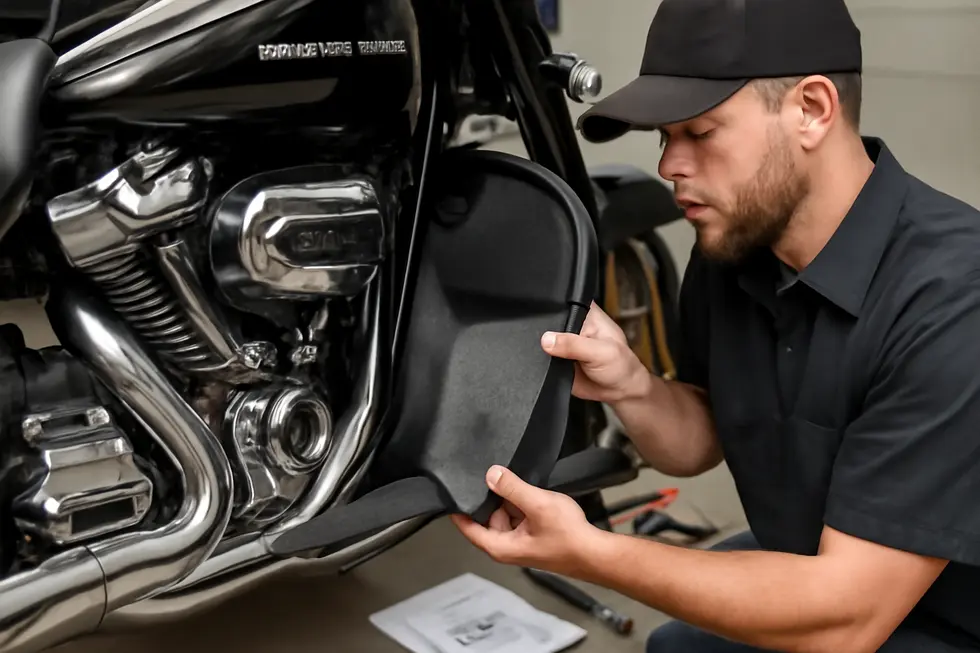
Các bộ ốp thân sau thị trường thường có nhựa ABS đúc hoặc composite được gia cường, được tạo hình với các lỗ vít đã khoan sẵn và các tấm cách nhiệt được tích hợp có khả năng chịu nhiệt cao. Những tấm cách nhiệt tích hợp này được thiết kế riêng cho từng mô hình xe máy, phù hợp hoàn hảo với các đường cong nơi nhiệt độ cao nhất. Thiết kế đặc trưng cho từng phương tiện này đơn giản hóa việc lắp đặt chuyên nghiệp và đảm bảo kết thúc giống như OEM, hòa quyện một cách mượt mà với hệ thống hiện tại. Explore the Best Motorcycle Fairings at Summit Fairings Quy trình lắp đặt bắt đầu bằng việc tháo các bộ phận hiện có cẩn thận, sau đó làm sạch bề mặt gắn kết kỹ lưỡng để đảm bảo bám dính và lắp vừa đúng. Vị trí chính xác của các lớp lót cách nhiệt là rất quan trọng, sử dụng các phần được cắt CNC hoặc đúc để đạt được phạm vi bao phủ đều mà không cản trở chuyển động của ống xả hoặc chức năng cơ khí. Cố định các bộ phận này bằng linh kiện đi kèm đảm bảo độ bền đồng thời duy trì khoảng trống và sự thoải mái cho người lái. Ngoài ra, tránh bất kỳ khoan hoặc cắt nào sẽ bảo vệ giá trị tái bán và thiết kế ban đầu của xe máy.
Các bộ kit sau thị trường uy tín thường cung cấp đầy đủ linh kiện lắp đặt và hướng dẫn chi tiết, giúp quá trình lắp đặt dễ dàng và đảm bảo bảo vệ nhiệt lâu dài. Cách tiếp cận chuyên nghiệp này đảm bảo rằng các lớp cách nhiệt không chỉ hoạt động như rào cản mà còn tích hợp một cách toàn diện với ốp thân để kéo dài tuổi thọ và hiệu suất của chúng.
Đối với những người đam mê muốn tìm hiểu thêm về các lựa chọn ốp thân xe máy đáng tin cậy, các nguồn tài nguyên như
cung cấp lời khuyên hữu ích. Thông số kỹ thuật sản phẩm chi tiết và hướng dẫn lắp đặt cũng có thể được tìm thấy qua các tài liệu ngành chuyên biệt, đảm bảo kết quả lắp đặt tự tin và chính xác.
Để biết thông tin sản phẩm chi tiết và hướng dẫn lắp đặt, xem: https://www.revzilla.com/motorcycle/design-engineering-inc-heat-shield-liner-kit-for-harley-touring-2017-2021.
Tối ưu hóa bảo vệ nhiệt: Đổi mới vật liệu và hiệu quả của lớp cách nhiệt ốp xe máy sau sản xuất.
Các bộ ốp xe máy sau sản xuất cải thiện đáng kể bảo vệ nhiệt bằng cách tích hợp các lớp cách nhiệt tiên tiến được thiết kế để giảm truyền nhiệt từ các bộ phận động cơ và hệ thống xả. Những lớp cách nhiệt này sử dụng các vật liệu đổi mới như sợi carbon và nhựa ABS cấp cao, mang lại sự cân bằng lý tưởng giữa độ nhẹ, độ bền và khả năng chịu nhiệt tuyệt vời. Việc áp dụng các vật liệu composite đảm bảo không chỉ độ bền vững dưới tác động mà còn khả năng cách nhiệt hiệu quả để bảo vệ cả người lái và ốp xe khỏi tổn thương do nhiệt.
Yếu tố then chốt giúp các lớp cách nhiệt này hoạt động vượt trội là cấu trúc nhiều lớp. Ví dụ, sự kết hợp giữa sợi gốm hoặc đá bazan với bề mặt phản chiếu nhôm làm việc cùng nhau để chặn và phản chiếu nhiệt bức xạ ra xa các bề mặt dễ bị tổn thương. Những lớp này giữ nhiệt trong các rào cản cách nhiệt, giảm truyền nhiệt dẫn và đối lưu. Phương pháp này tương tự các kỹ thuật tìm thấy trong các tấm bọc ống xả có hiệu suất cao, có thể giảm nhiệt độ bề mặt đến 50%, minh chứng cho tác động đáng kể của quản lý nhiệt đúng cách. Explore the Best Motorcycle Fairings at Summit Fairings.
Sự chính xác trong thiết kế còn làm tăng hiệu quả bảo vệ. Các bộ sau sản xuất được chế tạo với độ vừa vặn cấp OEM, đảm bảo mỗi lớp cách nhiệt đều ôm sát hình dạng ốp và điểm lắp đặt. Sự tích hợp chặt chẽ này làm giảm khoảng trống không khí và sự tích tụ nhiệt do luồng không khí, yếu tố quan trọng trong việc ngăn ngừa các điểm nóng có thể gây biến dạng hoặc khó chịu cho người lái. Ngoài ra, lớp phủ bề mặt có độ phát xạ cao phản xạ nhiệt bức xạ hiệu quả, bổ sung cho độ vừa vặn cơ học để tạo ra một rào cản nhiệt toàn diện. here.
Lợi ích không chỉ dừng lại ở việc bảo vệ các bộ phận xe. Bằng cách giảm nhiệt bức xạ và nhiệt do gió mang theo, những lớp cách nhiệt này nâng cao sự thoải mái cho người lái trong những chuyến đi dài hoặc trong môi trường nhiệt độ cao. Chúng cũng góp phần kéo dài tuổi thọ của ốp bằng cách duy trì nhiệt độ hoạt động thấp hơn, ngăn ngừa mòn sớm do tiếp xúc lâu dài với nhiệt. Sự kết hợp hài hòa giữa khoa học vật liệu, kỹ thuật chính xác và thiết kế chức năng đưa các lớp cách nhiệt sau sản xuất thành những đóng góp quan trọng cho an toàn và hiệu suất trong việc tùy chỉnh xe máy.
Để tìm hiểu thêm về sự đa dạng và lợi ích của các ốp chất lượng phù hợp với các giải pháp lớp cách nhiệt tiên tiến này, vui lòng truy cập.
Để có thêm thông tin về cách cách nhiệt ống xả và công nghệ kiểm soát nhiệt, hãy xem nghiên cứu về thảm và lớp bọc ống xả chịu nhiệt cao có thể chịu nhiệt độ liên tục lên đến 1100°C, tối ưu hóa hiệu quả quản lý nhiệt.
Độ chính xác và chất lượng vật liệu: Hướng dẫn tích hợp lớp cách nhiệt đặc thù mô hình trong các bộ ốp xe máy sau sản xuất.
Việc tích hợp lớp cách nhiệt vào các bộ ốp xe máy sau sản xuất đòi hỏi sự chú ý tỉ mỉ đến chất lượng vật liệu và thiết kế đặc thù mô hình để đạt được bảo vệ và hiệu suất tối ưu. Nhựa ABS cao cấp thường được sử dụng cho các bộ này, được đúc chính xác để phù hợp với tiêu chuẩn OEM. Điều này đảm bảo rằng ốp xe - và các lớp cách nhiệt được tích hợp bên trong - khớp hoàn hảo với bố cục ống xả và cấu hình động cơ của từng chiếc xe máy, tránh ảnh hưởng đến aerodynamics hoặc điểm lắp đặt.
Các nhà sản xuất tùy chỉnh các bộ này cho các mô hình xe thể thao phổ biến, tích hợp các lớp cách nhiệt được đặt chính xác để ngăn nhiệt động cơ và ống xả tiếp cận các bề mặt nhựa dễ bị tổn thương. Những lớp cách nhiệt này thường được gắn sẵn hoặc tích hợp một cách liền mạch trong quá trình lắp ráp, được cố định bằng các lỗ khoan sẵn và phụ kiện đi kèm để đơn giản hóa việc lắp đặt. Sự sắp xếp cẩn thận này giảm sự suy giảm nhiệt của ốp xe và bảo vệ người lái khỏi nhiệt thừa, nâng cao sự thoải mái và kéo dài tuổi thọ linh kiện. Độ bền không chỉ dừng lại ở khả năng chống va đập mà còn bao gồm việc tiếp xúc với tia UV, biến đổi nhiệt độ, độ ẩm và mảnh vỡ đường bộ. Vật liệu được ổn định bằng tia UV là cần thiết để ngăn hiện tượng giòn và phai màu theo thời gian, đặc biệt khi giá đỡ được gắn trực tiếp trên bề mặt thân xe máy. Màng phủ chống nước hoặc xử lý bổ sung giúp bảo vệ giá đỡ khỏi gỉ sét hoặc suy thoái vật liệu do mưa hoặc độ ẩm..
Việc tích hợp lớp cách nhiệt không chỉ giới hạn ở bảo vệ mà còn có yếu tố thẩm mỹ đóng vai trò quan trọng. Nhiều bộ sau sản xuất có lớp cách nhiệt hài hòa với màu sắc của ốp, sử dụng quy trình sơn nhiều giai đoạn để đảm bảo độ bền và duy trì vẻ ngoài tinh tế, mang phong cách đua. Thiết kế này cân bằng giữa hình thức và chức năng, giữ nguyên vẻ ngoài hấp dẫn của xe máy đồng thời cung cấp biện pháp giảm nhiệt thực tế.
Chương 3: Bộ chống nhiệt cho ốp xe máy: Các yếu tố lắp ráp, độ chính xác và độ bền