
















Các bộ phận áo xe mô tô đóng vai trò quan trọng trong việc nâng cao tính thẩm mỹ và chức năng của xe mô tô trên khắp Australia. Khi các doanh nghiệp trong ngành mô tô vận hành trong một môi trường cạnh tranh, việc hiểu rõ các đặc điểm của bộ phận áo xe có thể mở ra những cơ hội mới cho sự phát triển và sự hài lòng của khách hàng. Từ các loại có sẵn đến lợi ích về hiệu suất mà chúng mang lại, tác động kinh tế đối với ngành công nghiệp, và xu hướng tương lai định hình thị trường, cuộc khám phá chi tiết này sẽ trang bị cho các chủ doanh nghiệp những thông tin cần thiết để đưa ra quyết định sáng suốt.
Bờ biển, Vách đá và Động lực học không khí: Bối cảnh địa lý Australia của các bộ phận áo xe mô tô
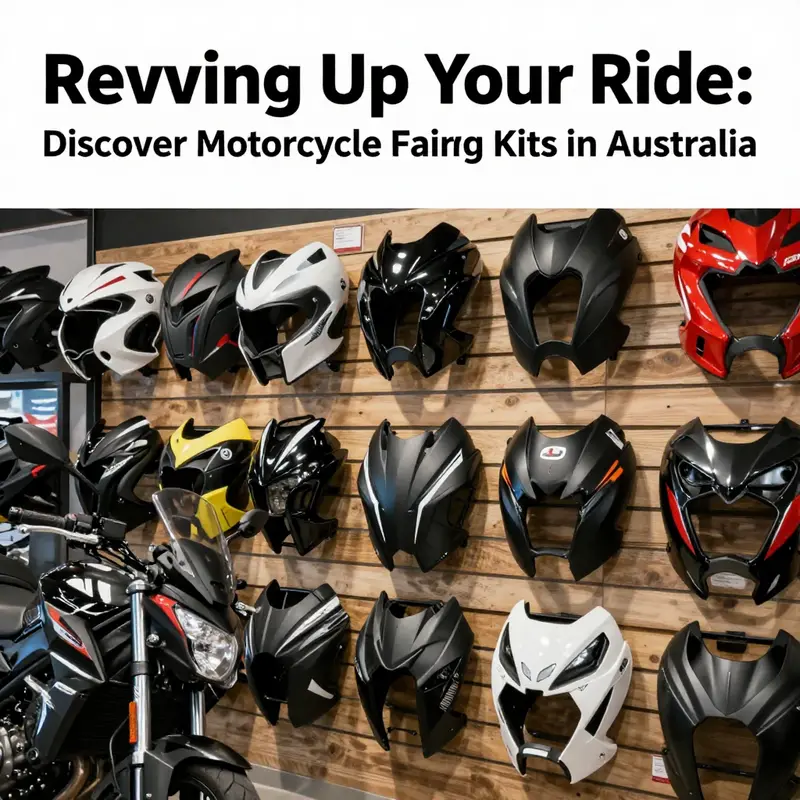 Môi trường lái xe ở Australia tạo ra một nền tảng độc đáo cho thiết kế áo xe. Từ những con đường ven biển nắng vàng đến các con đường hẻo lánh ở nội địa, người lái xe tìm kiếm các bộ phận cân bằng giữa bảo vệ gió, trọng lượng và khả năng tiếp cận. Chương này xem xét cách người lái xe Australia lựa chọn giữa áo xe nửa, áo xe một phần và áo xe toàn phần, xem xét thời tiết, điều kiện đường đi và mạng lưới dịch vụ địa phương. Áo xe nửa bảo vệ ngực trong khi vẫn giữ cho việc bảo trì dễ dàng, áo xe một phần nhấn mạnh kiểu dáng thanh mảnh và lắp đặt nhanh chóng, và áo xe toàn phần tối ưu hóa ổn định ở tốc độ cao và khả năng chống nước. Các vật liệu như nhựa bền và composite được củng cố chịu được tia UV và nhiệt, trong khi các xưởng sửa chữa địa phương cung cấp hướng dẫn lắp đặt và hỗ trợ. Một bộ phận áo xe được chọn đúng sẽ hòa hợp với hình dạng của xe và tư thế của người lái, mang lại sự thoải mái, kiểm soát và vẻ ngoài tự tin. Hành trình thường bắt đầu bằng việc đánh giá mục đích lái xe - lái thể thao, du lịch hay phong cách cafe-racer - và sau đó liên kết nó với một dòng khung phù hợp và điểm gắn. Ở Australia, các nhà phân phối và chuyên gia là một phần của hệ sinh thái rộng lớn giúp việc nâng cấp với thời gian dừng ngắn nhất có thể, đảm bảo rằng việc nâng cấp áo xe luôn dễ tiếp cận và có thể bảo trì. Cuối cùng, một bộ áo xe tốt giảm mệt mỏi do gió, cải thiện ổn định hướng và bổ sung cho tính cách của xe trên những chuyến đi dài dọc theo bờ biển hoặc qua các con đường núi uốn lượn.
Từ Nửa Đến Toàn Phần: Định hướng trong thị trường bộ phận áo xe mô tô ở Australia
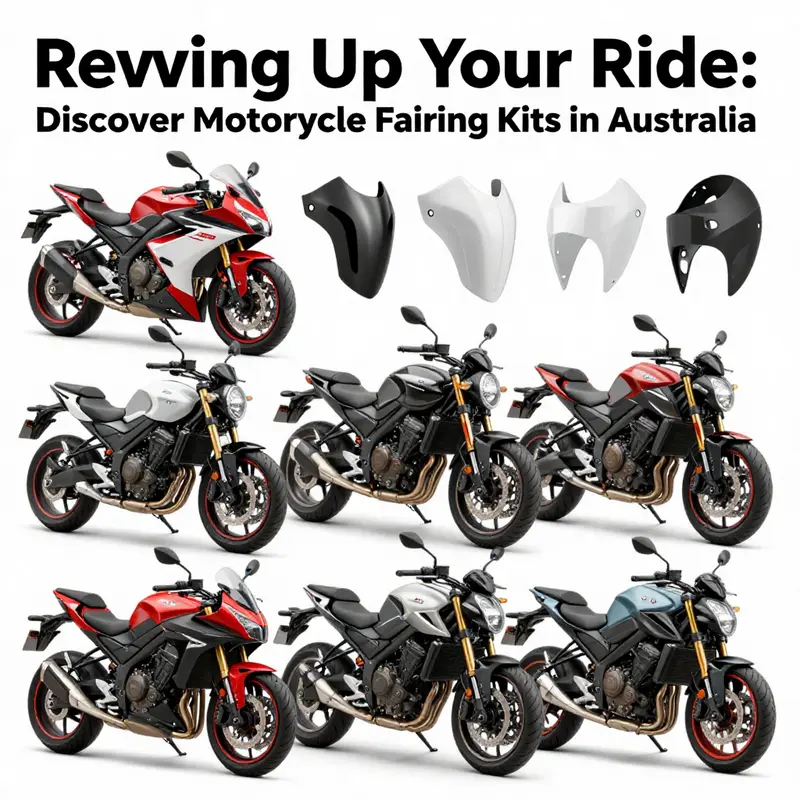 Across Australia, the market for motorcycle fairing kits mirrors the country’s diverse riding culture, where urban commutes, coastal highways, and remote backroads demand more than a simple aesthetic upgrade. Riders who seek both form and function do not have to settle for a one size fits all solution. Instead, they can choose from a spectrum of fairing configurations that balance protection, aerodynamics, serviceability, and personal style. This chapter surveys the principal types available, translating how each category translates into real on road benefits and practical considerations for Australian riders who want to upgrade without compromising safety or legality. The landscape is not merely about bling; it is about optimizing airflow, reducing fatigue on long rides, and ensuring that maintenance access or warranty considerations remain manageable within the country’s service networks and regulatory framework. To orient readers within this landscape, imagine the fairing as a command line interface between machine and environment. It channels air, shields vital components, and signals character in a way that affects every mile traveled, from the city glare to the highway wind pressure. In Australia, where roads can vary from smooth asphalt to wind exposed stretches, the choice of fairing must harmonize with both riding style and the local support ecosystem.nnThe most common entry point in the fairing spectrum is the half fairing. This design covers only the upper front portion of the bike, extending from the headlight area down to the instrument cluster and handlebars. The appeal of a half fairing lies in its balance: it delivers basic protection for essential mechanical components and a shield against rain and debris, yet it keeps the engine and exhaust more exposed for easier inspection and maintenance. For riders who value lower initial cost and simpler repair work, the half fairing offers a practical compromise. Its light footprint translates into lower rotational inertia and easier handling when maneuvering in tight urban spaces or making a bold statement at traffic lights. However, because the rider sits higher relative to the wind block, long rides at highway speeds can feel more exposed, and wind buffering is less pronounced than with a full enclosure. This is not a flaw but a design choice aligned with certain riding personalities and street oriented goals.nnBeyond the half shell, the full fairing represents a substantial shift in both performance and comfort. By enveloping a larger portion of the motorcycle’s front end, the full fairing creates a smoother aerodynamic profile, reduces air resistance, and directs the wind in a way that eases rider fatigue on longer journeys. For touring and sport touring configurations, a full fairing can transform the riding experience by providing a robust windscreen, reducing turbulence around the chest and shoulders, and preserving energy for those long rides that span hundreds of kilometers. The advantage becomes noticeable on open Australian highways where gusts and crosswinds can be a factor. Yet, this gain comes with trade offs: the full enclosure adds weight, increases the complexity of access to certain engine compartments, and raises costs for installation and potential repairs. In practice, owners weighing a long term commitment to comfort and efficiency will assess how much wind protection aligns with their maintenance expectations and the service options available in regional Australia.nnA more aggressive aesthetic and performance direction sits with sport or race fairings. These kits profile the bike with a streamlined silhouette and often incorporate lightweight materials like carbon fiber composites or advanced resins. The intent is clear: maximize downforce and minimize drag for high speed stability and a visual that communicates intent. For riders who spend time on track days, attend performance focused events, or simply want a bold stance, sport fairings can deliver a tangible edge. The reality, however, is that these configurations tend to be more delicate than standard, prone to cracking in low speed impacts or incidental drops, and usually come at a higher price point. They demand careful fitting and often more meticulous maintenance, especially if the rider frequently navigates urban serpentine roads or rough surfaces. The enhanced look and the aerodynamic payoff must be weighed against durability needs and Australia’s varied road quality.nnA different spirit of customization emerges with graphics or decal kits. These are not structural changes but decorative, designed to alter surface aesthetics while preserving the OEM silhouette and access points. For riders who want a personal statement, a graphic kit offers a high impact, cost efficient route to a unique appearance. Applications range from classic racing stripes to bold, modern artwork or subtle tonal variations. The advantage is immediate and reversible; installation is typically straightforward, and removal leaves the original panels intact, keeping resale or return options flexible. The emotional payoff—an individual look that reflects the rider’s personality—often drives the choice for many motorcyclists who live in a market where personal expression is valued as much as performance.nnA more advanced and increasingly popular option is modular or removable fairing systems. These setups give riders the flexibility to adapt the front end according to riding context. For instance, a rider may configure a lighter, more ventilated shell for urban commuting and reinstall larger side panels or a full fairing for high speed cruising or longer trips. The modular approach resembles a tool kit with adaptive pieces that snap into place, offering a practical compromise between the extremes of minimal and full coverage. In Australia, where riders frequently switch between city travel and open road exploration, modular systems can be especially appealing. They enable quick adaptation to weather, terrain, or personal preference without committing to a single, static configuration.nnAll these categories sit within a broader ecology of materials and assembly practices. Carbon fiber and advanced fiberglass composites dominate sport and race lines for their strength to weight advantages, while traditional plastics and fiberglass remain common for everyday touring and street configurations due to cost and resilience. The selection of material directly informs handling characteristics, repairability, and long term ownership costs. For Australian riders, this material spectrum is intertwined with a network of authorized dealers and local shops that specialize in fitment, paint, and color matching, as well as with the constraints of warranty and regulatory compliance. The regulatory environment, including road usage standards, guides how far a rider can push the envelope in terms of aerodynamic enhancement while keeping the installation within safe and lawful limits. In practical terms this means choosing a kit whose installation protocol aligns with manufacturer specifications and complies with ADR related safety considerations that govern aftermarket components.nnAs a consumer moves through these choices, a few pragmatic questions arise that frame all of the above. How much wind protection is needed for the rider’s typical routes and climate zones? Will the weight addition from a full enclosure complicate handling at low speeds or influence braking dynamics? How easily can maintenance and inspections be performed with the chosen fairing in place, and are there accessible service networks in regional Australia if repairs are necessary? For those who travel long distances, does the design permit straightforward weatherproofing and effective channeling of airflow to reduce fatigue? And crucially, what is the overall cost of ownership when factoring in installation, potential repainting after a crash, and the ease of returning to a stock appearance if desired? These considerations are not merely about the look but about the day to day realism of owning and riding after market fairing kits in a country where road conditions and travel patterns vary considerably.nnIn practical terms, buyers frequently start by identifying a preferred riding style and corridor of use—urban, sport, or touring—and then select a configuration that offers the best alignment with those needs. Semi integrated, full enclosure, and sport lines each have their advocates depending on whether the priority is comfort, performance, or a dynamic appearance. For those who value the ability to adapt, modular systems present a compelling path forward, enabling on the fly reconfiguration as seasons change or as travel plans evolve. An important caveat accompanies any upgrade: ensure that the chosen kit complies with local safety standards and that installation follows the vehicle manufacturer’s technical specifications. In Australia, aligning with ADR related guidelines is not a mere bureaucratic formality; it is a practical safeguard that helps ensure that aerodynamic enhancements do not undermine visibility, stability, or access to critical components during maintenance.nnFor readers who want to investigate specific options within a given country-specific ecosystem, the market offers a spectrum of retailers and specialty shops. While the choices can seem overwhelming, the core aim remains consistent: find a fairing solution that enhances protection, improves comfort on longer rides, and preserves or enhances the bike’s personality without compromising safety or serviceability. As you explore, consider starting with a consolidated catalog from a reputable retailer that emphasizes fitment accuracy, compatibility with a broad range of models, and clear installation guidance. This approach helps ensure that the upgrade contributes positively to the riding experience rather than creating unexpected maintenance hurdles down the line. If you want to glimpse a representation of how a cataloged fairing system can be navigated, a nearby supplier’s online collection can serve as a useful reference point. A practical way to begin is to examine pieces that maintain the integrity of access points for servicing and inspection, while still delivering the aerodynamic and aesthetic benefits riders seek.
Chạy theo Gió: Động lực học, Địa hình và Sự Phát Triển của Bộ Cánh Khiên Xe Máy tại Úc
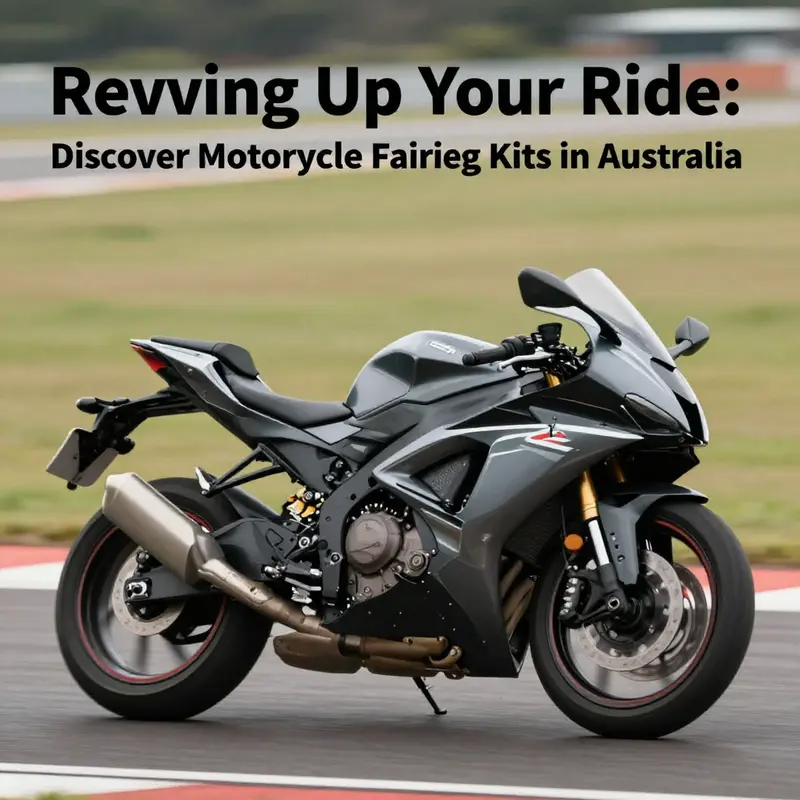 Tại Úc, các tay lái ngày càng xem bộ cánh khuỷn xe máy không chỉ là nâng cấp thẩm mỹ mà còn là công cụ hiệu suất được điều chỉnh phù hợp với một lãnh thổ rộng lớn và đa dạng. Thị trường bao gồm từ những vỏ thể thao làm nổi bật phong cách xe đến những vỏ dành cho chuyến đi dài cân bằng giữa bảo vệ và sự thoải mái, và cả những cánh khuỷn tối giản, kiểu streetfighter nhấn mạnh trọng lượng nhẹ và khả năng tiếp cận. Sự đa dạng này phản ánh cách các tay lái Úc di chuyển qua những con đường nắng cháy đến những con đèo quanh co, và cách các đại lý và đối tác sau thị trường đã đáp lại với các lựa chọn được thiết kế để phù hợp, chức năng và phong cách. Thay vì một xu hướng duy nhất, khung cảnh này giống như một bức tranh dệt nên từ kỹ thuật thực tiễn kết hợp với phong cách cá nhân, mỗi bộ cánh khuỷn hứa hẹn sẽ thay đổi cách chiếc xe cắt qua gió, khoảng cách và bề mặt đường. Kết quả là một hệ sinh thái đang phát triển nơi động lực học, thẩm mỹ và tính tiện dụng hàng ngày giao thoa theo cách phù hợp với một quốc gia nổi tiếng với những con đường mở và khí hậu đa dạng.
Động lực học nằm ở trung tâm lý do người lái xem xét việc sử dụng bộ cánh khuỷn ban đầu. Khi một phương tiện cắt qua không khí, lực cản trở thành kẻ thù liên tục, kéo giảm tốc độ tối đa, hiệu suất nhiên liệu và độ ổn định. Một bộ cánh khuỷn được thiết kế tốt làm mượt hình dáng xe, giảm vệt khí và nhiễu loạn trong khi hướng không khí xung quanh động cơ và người lái. Trên những đoạn đường cao tốc dài, nơi lực cản cộng dồn theo quãng đường, ngay cả việc giảm lực cản nhỏ cũng mang lại hiệu quả vận hành tốt hơn và tiêu thụ nhiên liệu sạch hơn. Lợi ích thực tế này rất quan trọng tại một quốc gia nổi tiếng với những tuyến đường dài nơi trạm xăng có thể ít và xa. Ngoài ra, quản lý luồng không khí ảnh hưởng trực tiếp đến khả năng xử lý. Một luồng không khí mượt mà xung quanh phần trước xe có thể giúp giảm các cơn gió giật và gió ngang, khiến xe cảm giác ổn định hơn ở tốc độ cao và qua các khu vực ven biển có gió mạnh. Đối với những người lái muốn thử thách trong các con đường quanh co, một cánh khuỷn được thiết kế cẩn thận cũng có thể giảm mệt mỏi cho người lái. Tác động của gió trở nên ít dữ dội hơn, mang lại cảm giác kiểm soát vững chắc cho cơ thể và vai sau nhiều giờ ngồi trên yên xe. Những lợi ích về động lực học này rõ rệt nhất trên các nền tảng hiệu suất cao được thiết kế cho việc lái nhanh, nhưng cùng nguyên tắc đó cũng giúp người lái thường xuyên tận hưởng một chuyến đi tự tin hơn qua địa hình đa dạng của đất nước.
Thị trường Úc nhận ra rằng hành vi gió thay đổi theo địa hình. Các con đường ven biển phải đối mặt với muối và gió biển, các con đường nông thôn có gió ngang gián đoạn và độ dốc thay đổi, trong khi các con đường nội địa và núi non đưa vào nhiễu loạn từ tương tác địa hình và gradient nhiệt độ. Một bộ cánh khuỷn đáp ứng các điều kiện này thường nhấn mạnh tính linh hoạt và phù hợp với nhiều tốc độ khác nhau. Nó cung cấp một hình dạng sạch sẽ, liên tục ở tốc độ cao đường cao tốc đồng thời cho phép không gian để điều chỉnh hoặc nâng cấp ở các khu vực như chiều cao màn hình, tấm bên và tấm cằm. Đối với những người lái xe đi làm qua các khu phố trước khi đi vào các khu vực hẻo lánh, việc áp dụng một bộ cánh khuỷn có thể là sự cân bằng có chủ ý giữa bảo vệ, làm mát và tầm nhìn. Khả năng tích hợp các biện pháp ngăn gió nhẹ với các điểm gắn đèn phụ, gương và thiết bị điện tử tăng cường tính thực tiễn. Kết quả là một chiếc xe toàn diện hơn, nơi cánh khuỷn không chỉ trông đẹp mà còn tham gia vào một hệ thống rộng lớn về hiệu suất và độ tin cậy.
Ngoài lợi ích động lực học chính, một bộ cánh khuỷn được thiết kế tốt đóng góp vào độ ổn định ở tốc độ cao. Khi không khí được định hướng sạch sẽ xung quanh xe máy, các xoáy không khí sẽ giảm thiểu, làm giảm mệt mỏi và tạo cảm giác ổn định hơn khi đi qua các khúc cua nhanh và các đoạn đường cao tốc dài. Độ ổn định bổ sung này cũng chuyển hóa thành sự tự tin hơn cho người lái khi lái ở giới hạn trên sân đua hoặc các con đường hẻo lánh nơi điều kiện có thể thay đổi nhanh chóng. Trong bối cảnh Úc, nơi bề mặt đường có thể thay đổi từ bề mặt có độ bám cao đến đá vỡ, khả năng kiểm soát cách không khí chảy quanh xe giúp người lái thích nghi với mức độ bám thay đổi mà không cần liên tục tìm kiếm sự ổn định thông qua vị trí cơ thể hoặc lực phanh. Theo nghĩa này, hiệu suất động lực học trở thành một yếu tố an toàn thực tiễn, bổ sung cho kỹ năng người lái với một giao diện dễ chịu hơn giữa máy móc và môi trường.
Lực cản không khí nằm ở trung tâm của lý do mà người lái xe xem xét việc sử dụng bộ ốp thân. Khi một phương tiện cắt qua không khí, lực cản trở thành kẻ thù thường trực, kéo giảm tốc độ tối đa, hiệu suất nhiên liệu và sự ổn định. Một bộ ốp thân được thiết kế tốt sẽ làm mượt đường nét của xe, giảm hiện tượng xoáy và nhiễu loạn, đồng thời hướng không khí xung quanh động cơ và người lái. Trên những đoạn đường cao tốc dài, nơi lực cản không khí tích lũy theo quãng đường, ngay cả việc giảm lực cản nhỏ cũng chuyển thành việc lái xe hiệu quả hơn và tiêu thụ nhiên liệu sạch hơn. Lợi ích thực tế này rất quan trọng trong một quốc gia nổi tiếng với những con đường rộng lớn nơi các trạm xăng có thể ít và xa nhau. Ngoài tốc độ và hiệu quả, quản lý luồng không khí có ảnh hưởng trực tiếp đến khả năng điều khiển. Một luồng không khí mượt mà xung quanh phần đầu xe có thể giúp giảm bớt gió và gió bên, khiến chiếc xe cảm giác ổn định hơn ở tốc độ cao và qua các khu vực ven biển có gió mạnh. Đối với những người lái xe thích thử thách trong điều kiện đường đèo, một bộ ốp thân được thiết kế kỹ lưỡng cũng có thể giảm mệt mỏi cho người lái. Tác động của gió sẽ ít dữ dội hơn, mang lại cảm giác kiểm soát ổn định cho cơ thể và vai sau ngay cả khi ngồi lâu trên xe. Những lợi ích về lực cản không khí này rõ rệt nhất trên các nền tảng hiệu suất cao dành cho việc lái xe mạnh mẽ, nhưng cùng nguyên tắc đó cũng giúp người lái hàng ngày tận hưởng một chuyến đi tự tin hơn trên địa hình đa dạng của đất nước.
Thị trường Úc nhận ra rằng hành vi của gió thay đổi theo địa hình. Các tuyến đường ven biển phải đối mặt với muối và gió biển, các con đường nông thôn có gió bên gián đoạn và độ dốc thay đổi, trong khi các con đường nội địa và núi non đưa vào nhiễu loạn từ tương tác địa hình và gradient nhiệt độ. Một bộ ốp thân tôn trọng các điều kiện này thường nhấn mạnh tính linh hoạt và phù hợp với nhiều tốc độ. Nó cung cấp một hình dạng sạch sẽ, liên tục ở tốc độ đường cao tốc đồng thời cho phép không gian để điều chỉnh hoặc nâng cấp ở các khu vực như chiều cao màn hình, tấm bên và ốp mũi. Đối với những người lái xe di chuyển qua các khu phố trước khi đi vào các vùng hẻo lánh, việc áp dụng một bộ ốp có thể là sự cân bằng có chủ ý giữa bảo vệ, làm mát và tầm nhìn. Khả năng tích hợp các biện pháp ngăn gió nhẹ với các điểm gắn đèn chiếu sáng phụ, gương và thiết bị điện tử càng tăng tính thực tiễn. Kết quả là một chiếc xe hoàn chỉnh hơn, nơi bộ ốp không chỉ trông đẹp mà còn tham gia vào một hệ thống rộng lớn hơn về hiệu suất và độ tin cậy.
Ngoài lợi ích lực cản không khí cốt lõi, một bộ ốp thân được thiết kế tốt góp phần vào sự ổn định ở tốc độ cao. Khi không khí được đẩy sạch xung quanh xe máy, các vòng xoáy không khí sẽ bị giảm thiểu. Điều này giảm mệt mỏi và tạo cảm giác ổn định hơn khi đi qua các khúc cua nhanh và các đoạn đường cao tốc dài. Sự ổn định bổ sung này cũng chuyển hóa thành sự tự tin lớn hơn cho người lái khi lái ở giới hạn trên ngày đua hoặc các con đường hẻo lánh nơi điều kiện có thể thay đổi nhanh chóng. Trong bối cảnh Úc, nơi bề mặt đường có thể thay đổi từ bề mặt bám tốt đến cát rời, khả năng kiểm soát cách không khí chảy xung quanh xe giúp người lái thích nghi với mức bám thay đổi mà không cần liên tục tìm kiếm sự ổn định thông qua vị trí cơ thể hoặc nỗ lực phanh. Trong nghĩa đó, hiệu suất lực cản không khí trở thành một thành phần thực tế của an toàn, bổ sung cho kỹ năng người lái bằng một giao diện dễ chịu hơn giữa xe và môi trường.
Bộ ốp thân mang lại nhiều hơn lực cản không khí. Thiết kế hiện đại thường bao gồm các điểm gắn và kênh tương thích cho đèn, hệ thống điện và thiết bị chẩn đoán. Điều này tạo ra một vẻ ngoài sạch sẽ, chuyên nghiệp hơn trong khi vẫn giữ hoặc cải thiện tính năng. Các điểm gắn đèn tích hợp có thể cải thiện tầm nhìn trong các chuyến đi ban đêm hoặc thời tiết xấu, trong khi các đường dẫn dây điện được định sẵn giữ cho việc lắp đặt gọn gàng và dễ tiếp cận khi bảo trì. Việc nhấn mạnh vào sự phù hợp với OEM và độ tin cậy vẫn là ưu tiên trong thị trường Úc, nơi người lái muốn nâng cấp mà vẫn giữ được tính dễ bảo trì và không làm phức tạp công việc bảo trì hàng ngày. Thực tế, điều này có nghĩa là các bộ ốp được thiết kế để khớp với hình dạng ban đầu và điểm gắn của xe, giảm bớt sự suy đoán trong quá trình lắp đặt và đảm bảo rằng ốp thân vẫn an toàn qua các con đường gồ ghề và chuyến đi dài.
Thẩm mỹ đóng vai trò quan trọng trong lý do tại sao người lái chọn bộ ốp thân. Một thiết kế hoàn hảo có thể phản ánh cá tính của người lái, từ những đường nét sắc nét gợi lên tư thế giống như đua xe đến các hình khối tròn hơn phù hợp với phong cách du lịch. Đối với nhiều người, ngôn ngữ thị giác là sự mở rộng trải nghiệm lái xe chính – một tín hiệu rằng chiếc xe được điều chỉnh cho mục đích cũng như ngoại hình. Để duy trì tính cá nhân hóa dễ tiếp cận mà không làm thay đổi hiệu suất cốt lõi, các tùy chọn đồ họa không xâm nhập đã trở nên phổ biến. Tem, dải sọc đua và các mẫu được áp dụng cẩn thận cho phép dấu ấn cá nhân mà không cần thay đổi cấu trúc có thể ảnh hưởng đến luồng không khí hoặc phân bố trọng lượng. Trong cách này, thị trường Úc đáp ứng cả nhu cầu về tốc độ và khát vọng thể hiện cá nhân, cho người lái một cách để phân biệt xe của họ trong khi vẫn giữ nguyên tính toàn vẹn cơ khí dưới nền tảng hiệu suất.
Từ góc độ thực tế, các yếu tố lắp đặt ảnh hưởng đến cách người lái tương tác với bộ phận chắn gió. Những bộ phận hấp dẫn thường được mô tả là giải pháp lắp ráp nhanh, được thiết kế để giảm thiểu tháo dỡ và đơn giản hóa việc căn chỉnh với các tấm panel hiện có. Đối với những người lái xe coi trọng việc nâng cấp đơn giản, sự tiện lợi này chuyển thành thời gian ít hơn để nghỉ ngơi và nhiều thời gian hơn trên đường. Tuy nhiên, câu chuyện vẫn phức tạp: đối với một số thiết lập, cách tiếp cận tùy chỉnh hơn có thể được ưa chuộng để đáp ứng các kích thước kính chắn gió độc đáo, hình dạng của pan lò xo hoặc hướng dẫn ống xả. Trong mọi trường hợp, mục tiêu là giữ cho bộ phận chắn gió trở thành phần mở rộng liền mạch của kiến trúc xe, đảm bảo người lái không cần phải hy sinh khả năng kiểm soát để đổi lấy phong cách. Thị trường Úc, với sự kết hợp giữa các trung tâm đô thị và các trung tâm vùng, khen thưởng các lựa chọn không chỉ hấp dẫn về mặt thẩm mỹ mà còn đáng tin cậy trong nhiều điều kiện môi trường khác nhau.
Hệ sinh thái hỗ trợ những nâng cấp này quan trọng không kém chính các bộ phận. Các kênh chính thức và các nhà cung cấp phụ tùng uy tín là yếu tố thiết yếu để đảm bảo rằng việc lắp đặt và hoàn thiện đáp ứng kỳ vọng. Đối với những người lái xe coi trọng sự an tâm, làm việc với các nguồn nhấn mạnh tính tương thích với các linh kiện gốc và lịch sử dịch vụ đáng tin cậy là lựa chọn thực tế. Cách tiếp cận này phù hợp với triết lý tổng thể về việc giữ các nâng cấp có thể đảo ngược và dễ bảo trì, cho phép người lái có thể quay lại cấu hình gốc khi hoàn cảnh hoặc sở thích thay đổi. Nói ngắn gọn, hành trình từ việc lướt web đến việc lắp đặt có thể trơn tru và dự đoán được khi trọng tâm vẫn nằm ở tính toàn diện kỹ thuật, tài liệu rõ ràng và dịch vụ hậu mãi hiểu rõ thực tế của văn hóa lái xe Úc - từ những chuyến đi dài trên đường cao tốc nắng vàng đến sự thay đổi đột ngột về thời tiết khi leo lên núi. .
null
 null
null
Ngoài hiệu suất và tính thực tiễn, còn có một khía cạnh xã hội trong việc áp dụng bộ phận chắn gió. Việc theo dõi cách người lái kết nối với những nâng cấp này cho thấy một cộng đồng coi trọng cả kiến thức kỹ thuật và trải nghiệm chung. Quyết định đầu tư vào một bộ phận thường theo sau một giai đoạn nghiên cứu, bao gồm đánh giá tính tương thích với hệ thống điện tử của xe, tiềm năng của hệ thống đèn chiếu sáng được nâng cấp, và khả năng duy trì khoảng thời gian bảo dưỡng ban đầu. Nhiều trường hợp, người lái xem bộ phận chắn gió như một cánh cửa mở ra các tùy chỉnh lớn hơn - các gói đồ họa, màu sắc, và cả các yếu tố thương hiệu phản ánh di sản và lòng tự hào của người lái trong hành trình qua các địa hình đa dạng của Úc. Sự kết hợp giữa kỹ thuật và bản sắc này khiến các bộ phận chắn gió không chỉ là phụ kiện mà còn là cách để định hình tính cách của chiếc xe trong khi vẫn giữ nguyên hiệu năng cơ bản.
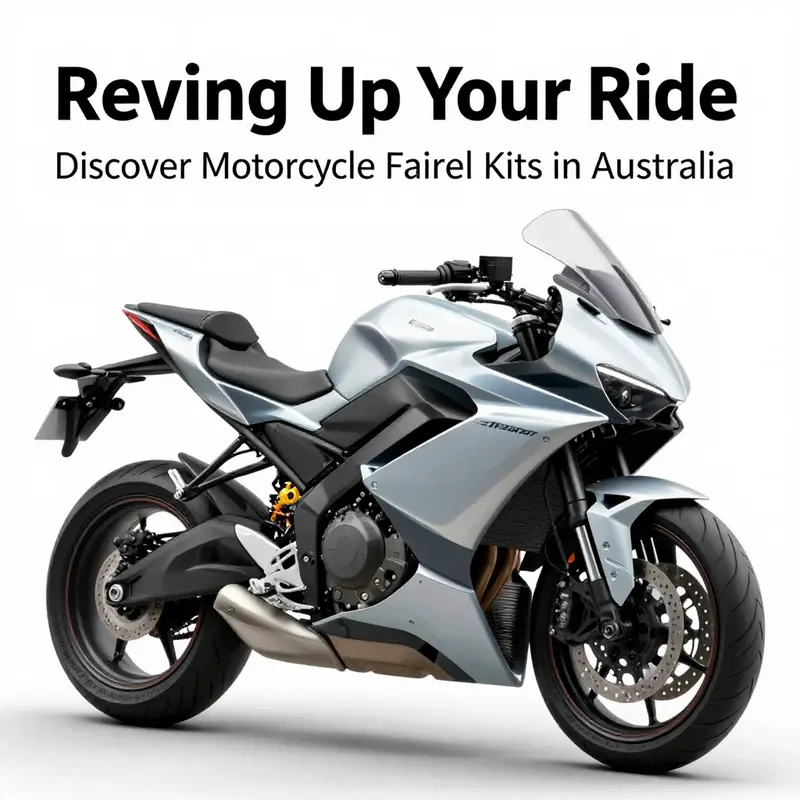 Australian riders have long treated the open road as a workshop and a stage. The country’s geography—long coastlines, arid expanses, winding mountain passes, and sprawling urban belts—creates a appetite for fairing kits that are as versatile as the landscapes they conquer. Bikers who tilt toward sport, touring, or naked-bike minimalism all share a need: wind management that does not sacrifice practicality or personality. In this evolving scene, fairing kits become more than cosmetic upgrades; they are aerodynamic tools, modular canvases, and conduit for the rider’s tech lifestyle. The future, in Australia, is about shaping air with intention, then shaping that air into a more efficient, more expressive ride. And as the market matures, the conversation about fairings shifts from “what looks fast” to “how fast, how efficiently, and how intelligently can a fairing work for my specific journey?” What follows is a look at the trends likely to define Australian fairing kits in the coming years, supported by the region’s riding culture, manufacturing pivots, and the growing appetite for integrated technology and sustainable design.nnAerodynamics remains the heartbeat of the next era. Riders and manufacturers alike are pushing for greater efficiency without compromising control or style. In the high-speed domain, even small drag reductions translate into meaningful gains—longer range on touring models, improved top-end stability on sport machines, and more predictable handling in crosswinds that can take the wind out of a rider’s sails. Australian developers approach aerodynamics with both global research and a local sensitivity to road texture and climate. Wind tunnels and computational fluid dynamics are not abstract instruments; they map the way air kisses a fairing at Australian highway speeds, where heat shimmer and long straights meet tight bends. The result is not just a sleeker silhouette but a practical reduction in fuel consumption and a more stable ride in gusty coastal corridors or inland thermals. For riders, that translates into longer confidence intervals between fuel stops, smoother throttle response at high speed, and a calmer cockpit where instruments are easier to read in changing light.nnMaterials science continues to reshape what a fairing can be. The push toward lightweight composites—carbon fiber and high-strength polymers, often in smart hybrids—offers a triple payoff: lower dead weight, higher stiffness for precise airflow, and improved heat management around the engine and exhaust zones. The Australian context emphasizes durability under varied conditions: heat cycling in sun-baked outback stretches, humidity and corrosion resistance near coastal routes, and the occasional impact resilience needed on weekend track days or urban commutes. Weight savings are not merely a matter of speed; they influence handling, tire wear, and even suspension behavior as the mass ahead of the rider shifts. In this landscape, the best kits balance performance with repairability. They are designed to be disassembled with reasonable ease, allowing riders to swap panels, replace damaged sections after a fall, or reconfigure for a different riding purpose with minimal downtime. Sustainable practice enters here as well: recyclable fibers, resin systems chosen for lower environmental impact, and manufacturing routes that minimize waste. The long arc points toward materials that can do more with less, letting riders tailor a fairing’s strength and stiffness to the demands of a trip to the coast or a sprint on the circuit.nnModularity is becoming a defining feature of the Australian market. Riders want fairings that can morph with the ride. A modular kit, with interchangeable panels and vent configurations, enables a single chassis to serve multiple personalities—an aggressive look for a weekend track day, a warmer, more wind-shedding assembly for a long touring ride, or a light, compact option for city riding. This flexibility dovetails with a culture that values customization without compromise. Rather than buying one fixed design, riders assemble their own aerodynamics-on-demand kit, swapping in vents or shields according to weather, route, or mood. The modular approach also lowers the barrier to entry for new riders who want a staged upgrade path—starting with a lighter fairing and moving toward a complete, integrated system as expertise and budget allow. Additive manufacturing, especially 3D printing, accelerates this trend by turning digital ideas into physical prototypes with speed. Shops can iterate shapes and fitments for a wide variety of models without the overhead of bespoke tooling for every single frame. The result is a more responsive market where a rider’s aesthetic and aerodynamic preferences can be matched with less lead time and lower cost, all while preserving compatibility with time-tested chassis layouts.nnA new frontier is the integration of electronics into the fairing itself. Today’s riders expect more than a pretty shell; they want to manage navigation, communications, and ride data without digging under the seat or tearing into loose cables. Built-in or easily mountable LED lighting, clean channels for power and data cables, and dedicated mounting points for GPS devices or smartphones are becoming standard in many new kit designs. This reflects a broader shift toward a bike cabin that feels like a cockpit, where information is accessible at a glance and in a way that minimizes distraction. As Australia’s riders embrace more digital companion devices, fairings adapt by offering sleeker wire paths, modular electronics pockets, and standardized interfaces that compatibility across models and brands can exploit. The practical upshot is a ride that is not only faster but smarter: better visibility in low light, easier route planning, and a more coherent display of ride information without adding fatigue during long days in the saddle. In parallel, manufacturers are exploring weatherproof connectors and modular power solutions that can be added or removed with the same ease as swapping a panel—features that speak to the practical realities of Australian riding, where long days and open roads demand reliability.nnSustainability threads through all of these developments. There is a growing emphasis on the complete lifecycle of a fairing kit—from raw materials to end-of-life recycling. Designers imagine fairings that are not only lighter and stronger but easier to reclaim and repurpose. This means rethinking the way panels are bonded, how fasteners are chosen, and how the whole structure disassembles for repair or upgrade. A culture of responsible consumption is taking root, and it aligns with broader shifts in manufacturing toward circular economy principles. Lightweight composites contribute to a smaller ecological footprint by reducing fuel burn, while recycling programs and modular disassembly reduce waste when a rider replaces a panel or opts for a different aesthetic. Australian riders, who travel diverse routes from coastal highways to arid backroads, increasingly demand durability that respects the landscape as well as the rider’s wallet. In practice, this translates into fairings designed for easy replacement of damaged pieces and the ability to upgrade without discarding the entire kit. The result is a market that not only thrives on speed and styling but also embraces stewardship of resources and the long-term health of the riding community.nnBeyond the big themes, a practical-seeming revolution is quietly underway: adaptive, condition-responsive systems. The idea is straightforward but potent: a fairing that can adapt its profile or venting in response to speed, wind, or ambient temperature. Early versions exist in experimental frames, but the Australian scene shows a readiness to embrace adaptive elements as a standard feature in next-generation kits. Imagine a fairing that automatically tightens its aero profile as speeds climb, or panels that adjust their opening to optimize cooling during a hot desert crossing. These ideas— facilitated by lighter, high-tolerance materials and smart actuators—map onto a broader trend toward personalization. The rider’s experience becomes a dialogue with the bike rather than a one-way upgrade. It is a future where riding style, climate, and road choice all influence the fairing’s performance on a given day. For enthusiasts who see their machine as a partner rather than a static object, adaptive fairings offer a compelling blend of performance, satisfaction, and a sense of control.nnMarket d