












Introduction
Die Kosten für Motorradverkleidungen sind eine kritische Überlegung für Geschäftsinhaber, die im Motorrad-Nachmarkt, Reparatur- und Individualisierungssektor tätig sind. Das Verständnis des Preisspektrums - von günstigen Fiberglas-Kits bis zu Premium-Carbon-Faser-Set - ermöglicht es Unternehmen, informierte Kauf- und Lagerentscheidungen zu treffen, die den Kundenbedürfnissen und dem Marktanforderungen entsprechen. Darüber hinaus ist es wichtig zu erkennen, wie die Modellgenauigkeit die Kosten beeinflusst, sowie die Rolle von Anpassungsoptionen wie Folienverkleidungen, um wettbewerbsfähig zu bleiben und Angebote zu optimieren. Dieses Leitfaden untersucht diese Aspekte detailliert und bietet Klarheit über Material-basierte Preisbereiche, modellbasierte Preisunterschiede, Kontraste zwischen Premium- und Budgetoptionen, alternative Anpassungsmethoden und die zahlreichen Faktoren, die zur Preisvariabilität beitragen. Mit diesen Erkenntnissen können Geschäftsinhaber strategisch den Verkleidungsmarkt navigieren und ihre Produktauswahl oder Dienstleistungen effektiv verbessern.
Tables of Contents
Kapitel 1: Kostenbereiche für verschiedene Materialien in Wie viel kosten Motorradverkleidungen
- Ausgewogene Materialwahl und Budget: Ein detaillierter Blick auf Fiberglas-, Kunststoff- und Carbonfaserverkleidungen
- Materialtechnologie und Qualität: Wie Haltbarkeit, Gewicht und Leistung die Kosten für Motorradverkleidungen prägen
- Untersuchung versteckter Kosten: Lackierung, Installation und der OEM vs Nachmarktfairing-Preisstreit
Kapitel 2: Modellspezifische Preise in Wie viel kosten Motorradverkleidungen
- Wie Materialauswahl und Bauweisen die modellspezifischen Verkleidungspreise gestalten
- Wie Passgenauigkeit und Designkomplexität die modellspezifischen Verkleidungskosten gestalten
- Wie Marken Prestige und Individualisierung die modellspezifischen Motorradverkleidungspreise gestalten
Kapitel 3: Premium- versus Budgetoptionen in Wie viel kosten Motorradverkleidungen
- Material und Oberfläche: Wie Qualität die Kosten für Premium- versus Budget-Motorradverkleidungen antreibt
- Aufdecken des wahren wirtschaftlichen Einflusses: Kostenübersicht zwischen Premium- und Budget-Motorradverkleidungen
- Navigieren durch Individualisierung, Installation und Garantieprobleme zwischen Premium- und Budget-Motorradverkleidungen
Kapitel 4: Individualisierung und Folienverkleidungen als Alternativen in Wie viel kosten Motorradverkleidungen
- Ausgewogene Kosten und Stil: Der finanzielle Einfluss von individuellen Verkleidungen gegenüber Folienverkleidungen
- Materialstärke versus visueller Reiz: Bewertung von Haltbarkeit und Individualisierung bei Verkleidungen und Folienverkleidungen
- Ausgewogenheit von Stil und Praktikabilität: Installation und ästhetische Vielseitigkeit bei Verkleidungen im Vergleich zu Folienverkleidungen
Kapitel 5: Die entscheidende Rolle der Materialqualität und Passgenauigkeit bei Motorradverkleidungskosten
- Wie Materialauswahl und präzise Passgenauigkeit die Preisvariabilität bei Motorradverkleidungen beeinflussen
- Wirtschaftliche Lage und Lieferkettenprobleme, die Motorradverkleidungspreise formen
- Wie Komponenten, Arbeitskosten und Markenreputation Motorradverkleidungspreise formen
Kapitel 1: Kostenbereiche für verschiedene Materialien in Wie viel kosten Motorradverkleidungen

Ausgewogene Materialwahl und Budget: Ein detaillierter Blick auf Fiberglas-, Kunststoff- und Carbonfaserverkleidungen
Bei der Bewertung der Kosten für Motorradverkleidungen spielt die Materialwahl eine entscheidende Rolle bei Preis und Funktionalität. Fiberglasverkleidungen stellen oft die kostengünstigste Option dar. Diese Verkleidungen bieten langlebte Schutz und können in verschiedene komplexe Formen gegossen werden, benötigen aber normalerweise zusätzliche Bearbeitung wie Lackieren und Schleifen, um ein poliertes Erscheinungsbild zu erzielen. Diese Bearbeitungsanforderung macht sie beliebt bei Fahrern, die sich nach erschwinglicher Qualität ohne Kompromisse bei der Qualität sehnen. Typischerweise fallen Fiberglas-Sets in den niedrigen bis mittleren Preissektor im Vergleich zu anderen Materialien.
ABS plastic, häufig in Original-Ersatzteilen verwendet, bietet ein zuverlässiges Gleichgewicht zwischen Kosten und Leistung. Seine inhärente Stoßfestigkeit und Flexibilität machen es ideal für Alltagsfahrbedingungen. Leicht, aber stabil, sind Kunststoffverkleidungen besonders attraktiv für Fahrer, die Fabrikteile mit moderaten Preisen suchen.
Auf der Premiumseite, carbon fiber fairings haben höhere Preise, da sie ihr außergewöhnliches Verhältnis von Festigkeit zu Gewicht und elegantes Aussehen bieten. Kohlenstofffaser kann bis zu 40% leichter sein als Fiberglas oder Kunststoff, was für Hochleistungsmotorräder Vorteile in Bezug auf Handlungsfähigkeit und Geschwindigkeit bringt. Die Preise für Kohlenstofffaser-Teile variieren stark, wobei einzelne Teile wie Kotflügel zwischen $350 und $600 oder mehr liegen können, während vollständige Sets je nach Qualität und Individualisierung mehrere tausend Dollar kosten können.
Letztendlich hängt die Wahl zwischen Fiberglas-, Kunststoff- oder Kohlenstofffaser-Verkleidungen von dem Budget des Fahrers, den Leistungsanforderungen und den ästhetischen Präferenzen ab. Für jene, die günstige, qualitativ hochwertige Verkleidungsoptionen erkunden möchten, bietet die Summit Fairings blog wertvolle Einblicke in Markttrends und Materialvorteile.
Weitere Details zu Marktpreisen und Materialien finden Sie auf RevZilla's Ressourcen zu Motorradverkleidungen.
Materialtechnologie und Qualität: Wie Haltbarkeit, Gewicht und Leistung die Kosten für Motorradverkleidungen prägen
bietet wertvolle Einblicke in Marktpreistrends und Materialvorteile.
Weitere Details zu Marktpreisen und Materialien finden Sie bei RevZilla’s Ressourcen zu Motorradverkleidungen.
Materialtechnologie und Qualität: Wie Haltbarkeit, Gewicht und Leistung die Kosten für Motorradverkleidungen gestalten.
Die Kosten für Motorradverkleidungen spiegeln größtenteils die technologische Fortschrittlichkeit und Qualität der verwendeten Materialien wider, die direkt Haltbarkeit, Gewicht und Leistung beeinflussen. Häufige Materialien wie ABS-Kunststoff bieten ein praktisches Gleichgewicht, indem sie gute Schlagfestigkeit und Flexibilität zu einem moderaten Preis bieten. Diese Mittelklasse-Verkleidungen bieten zuverlässige Robustheit, die für den Alltagsfahrstil geeignet ist, ohne eine schwere Kostenlast mit sich zu bringen. Glasfaser wird oft in Budgetkits gewählt, ist leicht, aber weniger beständig und kann zusätzliche Bearbeitungsschritte wie Schleifen oder Streichen erfordern, was versteckte Kosten über den niedrigen Anfangspreis hinaus verursacht. discovering affordable motorcycle fairings.
Auf der Spitze gibt es Kohlefaser, die sich durch ihr überlegenes Festigkeits-Gewichtsverhältnis und aerodynamisches Potenzial auszeichnet. Ihr fortgeschrittener Herstellungsprozess rechtfertigt einen Premium-Preis, der typischerweise zwei bis drei Mal höher ist als bei Kunststoffen oder Glasfasern. Die Gewichtsreduktion von Kohlefaser verbessert die Beschleunigung, das Handling und die Bremsleistung, was für Rennfahrer und Leistungsbegeisterte entscheidende Vorteile darstellt. Sie unterstützt auch präzises Formen in aerodynamischen Designs, die die Stabilität bei hoher Geschwindigkeit erhöhen – Eigenschaften, die für Sportmotorräder entscheidend sind, um maximale Effizienz zu erreichen.
Diese Materialunterschiede prägen die Erwartungen an Haltbarkeit und Leistung. ABS-Verkleidungen ertragen typische Unfälle mit angemessener Reparierbarkeit, während Kohlefaser eine außergewöhnliche Ermüdungsbeständigkeit und strukturelle Integrität unter Stress bietet. Solche Merkmale beeinflussen den Preis, da Fahrer die Anforderungen ihrer Fahrsituation gegen Budget und gewünschte Leistung abwägen müssen. Dieses Zusammenspiel aus Technologie und Qualität begründet den weiten Preisspektrum, von wirtschaftlichen Glasfaserkits bis hin zu Elite-Verkleidungen aus Kohlefaser mit hoher Leistung.
Für Leser, die verschiedene Verkleidungsoptionen erkunden möchten, die durch Material und Kosten ausgewogen sind, besuchen Sie diese detaillierte Ressource auf.
Versteckte Kosten erkunden: Lackieren, Installation und der OEM- vs Aftermarket-Verkleidungspreis-Debatte.
Der Preis für Motorradverkleidungen geht weit über die Materialkosten oder Grundkit-Kosten hinaus und wird stark von zusätzlichen Ausgaben wie individueller Lackierung, Installationsgebühren und der Wahl zwischen OEM- und Aftermarket-Optionen beeinflusst. Während Materialien wie ABS und Kohlefaser grundlegende Preispunkte festlegen, wächst die tatsächliche Investition oft mit dem Wunsch nach Individualisierung und professioneller Fertigstellung.
Individuelles Lackieren stellt eine der größten Kostenzuwendungen dar. Es ist arbeitsintensiv und erfordert geschickte Handwerkskunst und Premium-Beschichtungen. Komplexe Lackarbeiten mit mehreren Schichten oder handapplizierten Effekten können die Preise in den hunderten oder sogar tausenden Dollar Bereich schieben. Alternativ bietet Folienverklebung eine moderne Individualisierungsmöglichkeit, aber vollflächige Folien, einschließlich professioneller Installation, liegen typischerweise zwischen $1,500 und $3,500, was sie vergleichbar mit hochwertiger Lackarbeit macht.
Installationskosten spielen ebenfalls eine wichtige Rolle. Professionelle Montage stellt sicher, dass die Ausrichtung korrekt ist und Schäden verhindert werden, insbesondere für Kits, die Modifikationen oder präzise Anpassungen erfordern. Kits, die für die Selbstmontage konzipiert sind, können bei der Arbeitskraft sparen, bergen aber das Risiko von Passungsproblemen, die zu zusätzlichen Kosten führen könnten. Gleichzeitig haben steigende Lebenshaltungskosten den Dispositionsbudgets der Verbraucher gedrückt, was zu einer erhöhten Nachfrage nach erschwinglichen, gebrauchten Motorradkomponenten führt. Diese gesteigerte Nachfrage kann jedoch Bestände belasten, wenn die Angebotsseite nicht Schritt hält oder wenn Verkäufer ihre Verkleidungen verzögern, um bessere Preise zu erzielen. Auch die Markttrennung spielt eine Rolle; sich verändernde Eigentumstrends zugunsten von Adventure-Touren- und Straßenmotorrädern, insbesondere in wachsenden Motorradregionen, beeinflussen, welche Verkleidungen häufiger gebraucht gefunden werden. Sinkende Preise in Sport- und Straßentypen können zudem die Motivation verringern, diese Motorräder abzugeben, was die Verkleidungsverfügbarkeit weiter verschärft..
Bei der Kontrastierung von OEM- und Aftermarket-Verkleidungen spiegelt die Preisdifferenz mehr als nur Prestige wider. OEM-Teile garantieren exaktes Passen und Haltbarkeit, obwohl oft mit einem Premiumpreis verbunden sind, mit begrenztem Design-Stil. Aftermarket-Verkleidungen bieten breitere stilistische Auswahlmöglichkeiten und allgemein niedrigere Anfangskosten, aber Qualität und Passform können variieren und manchmal zusätzliche Arbeit erfordern, um Standards zu erfüllen.
Kapitel 2: Modellspezifische Preise in Wie viel kosten Motorradverkleidungen

Marktfaktoren beeinflussen auch die Preise: beliebte Modelle profitieren von wettbewerbsfähigen Preisen aufgrund ausreichender Versorgung, während seltene oder spezialisierte Fahrzeuge tendenziell höhere Kosten tragen. Das Verständnis dieser mehrschichtigen Kosten ist für Fahrer entscheidend, die Upgrades oder Ersatzteile budgetieren, um sicherzustellen, dass sie alle potenziellen Gebühren berücksichtigen, die über die reinen Materialkosten hinausgehen.
Für weitere Informationen zu den besten Optionen und Kosten siehe dies.
(Quelle: https://www.kingsmotorcyclefairings.com/blogs/news).
Wie Materialauswahl und Bauweisen das Preisgestaltung von modellspezifischen Verkleidungen beeinflussen affordable motorcycle fairings.
[1]
Die Preise für Motorradverkleidungen hängen eng mit den verwendeten Materialien und den auf spezifische Modelle abgestimmten Konstruktionsmethoden zusammen. Unter den gängigen Materialien ist ABS-Kunststoff als kosteneffiziente Wahl hervorgetreten, die starke Schlagfestigkeit und Flexibilität bietet und daher bei vielen OEM- und Nachrüstkits die erste Wahl ist. Fiberglas ist schwerer als ABS, bietet jedoch erhöhte Haltbarkeit und fällt in einen moderaten Preissektor, wobei es oft für das Gleichgewicht zwischen Stärke und Kosten bevorzugt wird. Carbonfaser-Verkleidungen haben die höchsten Preise, da sie eine außergewöhnliche Festigkeits-Gewichtsverhältnis und Premium-Ästhetik bieten und sich hauptsächlich an Renn- oder Show-Motorräder richten, bei denen Leistung und Aussehen im Vordergrund stehen.
Neben Materialien beeinflussen auch konstruktive Komplexitäten die Kosten weiter. Modellspezifische Verkleidungen erfordern präzise Ingenieurwissenschaften und Formgebung, um eine perfekte Passform für bestimmte Fahrzeuge wie den Yamaha R3 oder Honda CBR500R sicherzustellen, was die Komplexität im Vergleich zu universellen Designs erhöht. Die Herstellungstechniken variieren stark – von injektiongegossenem ABS bis hin zu handgelegtem Fiberglas und Carbonfaser-Verbunden – jede davon beeinflusst die Enddauerhaftigkeit und Qualität der Oberfläche. Zusätzliche Premium-Funktionen wie aerodynamische Flügel oder rahmenmontierte Elemente, die mithilfe der computergestützten Fluiddynamik entworfen wurden, erhöhen den Preis bei hochwertigen Modellen.
Beyond fit, design intricacy heavily impacts pricing. Fairings that integrate aerodynamic elements like winglets or feature bespoke styling require advanced engineering and molding techniques. These elements demand materials that balance strength and weight, such as ABS plastic or premium composites, which naturally elevate costs. Moreover, offering customization—whether through unique color schemes or personalized graphics—adds layers of production complexity and expense.
Material choice further influences price differences; durable, lightweight composites like carbon fiber cost more than standard fiberglass options due to their performance benefits. Such refinement is often sought after by racers or enthusiasts prioritizing both form and function.
Ultimately, the synergy between exact fitment demands and sophisticated design features drives the model-specific pricing landscape for motorcycle fairings. Prospective buyers should carefully weigh these factors alongside their budget and performance needs to make informed decisions. For more insights on fairing options and prices, explore the extensive selection available at Summit Fairings.
[1]
3. How Brand Prestige and Customization Shape Model-Specific Motorcycle Fairing Prices
Brand prestige and customization have a profound impact on the pricing of model-specific motorcycle fairings. Popular manufacturers like Honda, Yamaha, Kawasaki, Ducati, BMW, and Triumph benefit from a robust aftermarket presence, offering fairing kits that are meticulously designed to fit their specific models. This precision engineering often commands a premium, as buyers value seamless fit and brand authenticity. Pricing varies widely across brands due to differences in market positioning and material quality. For instance, affordable kits made from durable ABS plastic strike a balance between cost and reliability, while premium options often involve advanced materials such as carbon fiber.
Customization further elevates costs, as unique paint jobs or specialty materials require extra production effort, limiting economies of scale. Carbon fiber full fairing sets, designed for high-performance or racing applications, typically range between $500 and $800 or more, reflecting both material expense and specialized craftsmanship. Moreover, the extent of model specificity influences cost; complete kits engineered for exact model years—covering all key panels—tend to be more expensive than universal or partial replacements. Some niche features, like inner fairings designed for audio systems, add complexity and value without drastically increasing costs.
This interplay between brand reputation, customization level, and strict model fitment ultimately shapes the final price riders face. Those seeking affordable yet quality options may find value in production kits that cater to popular brands with customization flexibility. Conversely, performance riders and enthusiasts investing in high-end materials or personalized aesthetics should anticipate higher expenses driven by these factors. For a comprehensive view on affordable fairing choices and customization effects, see this detailed resource on motorcycle fairings. Further explicit examples of pricing variances by brand and material are documented in industry sources such as Kings Motorcycle Fairings here.
Kapitel 3: Premium- versus Budgetoptionen in Wie viel kosten Motorradverkleidungen
1. Material and Finish: How Quality Drives the Cost of Premium Versus Budget Motorcycle Fairings
Material and Finish Impacting Premium vs. Budget Motorcycle Fairings
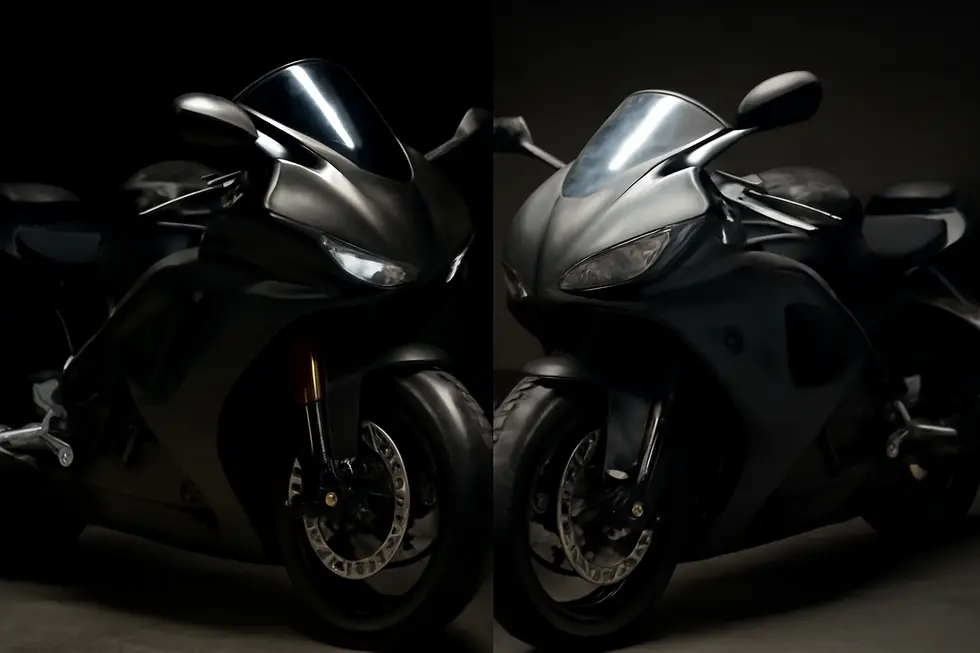
The choice of material and quality finish fundamentally shapes the cost and performance of motorcycle fairings. Premium fairings often employ advanced materials like carbon fiber or high-grade ABS plastic, which provide superior strength, durability, and an enhanced appearance. These materials are engineered not only for aesthetics but also for optimized aerodynamic performance, reducing rider fatigue through improved wind deflection. For instance, carbon fiber fairings are lightweight yet exceptionally impact-resistant, making them highly desirable for racing or performance motorcycles. Their precise fitment and polished finishes also elevate the overall style and longevity of the bike’s exterior.
Conversely, budget fairings typically rely on more basic ABS plastic variants, offering adequate function at a lower price. These fairings may lack the refined finish and scratch resistance of premium counterparts, making them more susceptible to wear over time. Their designs tend to be simpler, focusing on fundamental protection rather than intricate aerodynamic shaping. Although they deliver necessary coverage and modest impact resistance, the finish and fitment are often less exact, which may affect the overall look and durability.
Quality considerations extend beyond raw materials to include paint jobs and surface treatments. Premium options feature smooth, polished coatings that resist environmental damage, while budget models might come with simpler paint schemes or matte finishes. These differences in finish influence not only aesthetics but also the maintenance and lifespan of the fairings.
In summary, investment in advanced materials and meticulous finishing elevates premium fairings’ cost but provides enhanced durability, comfort, and appearance compared to budget alternatives. Riders balancing cost and quality should carefully weigh these material and aesthetic factors when choosing fairings.
Explore more about high-quality motorcycle fairings and options at Summit Fairings’ blog.
2. Unpacking the True Economic Impact: Cost Breakdown Between Premium and Budget Motorcycle Fairings
When comparing premium and budget motorcycle fairings, understanding the full economic impact requires looking beyond initial price tags. Budget fairings, typically crafted from fiberglass or ABS plastic, offer a lower entry cost ranging from $40 up to $700 for partial kits. However, these savings often come with additional expenses including sanding, fitting modifications, and painting to achieve a proper finish, which increase labor and material costs. Shipping fees, particularly for international orders, can sometimes exceed the fairings’ price itself, making total expenditure less predictable. Furthermore, installation costs for both budget and premium options generally fall between $300 and $800, representing a significant financial consideration.
Premium fairings leverage superior materials such as carbon fiber or high-quality fiberglass, priced between $2,000 and $3,500 or more for full kits. These come with heightened durability, precision fit close to OEM standards, and often reduce the need for modifications during installation. While their upfront cost and potential custom painting fees (which can add $500 to $1,500) are substantially higher, premium kits may offer better long-term value. Their fit quality lowers risks of warranty issues and installation-related damage. Thus, riders seeking performance, aesthetics, and reliability might see greater return on investment.
In weighing budget against premium, it is critical to factor in hidden costs—labor, finishing, shipping, and potential warranty impacts—to gauge true economic value. For more insights on affordable selections and cost management strategies, explore the detailed resources at your ultimate source for affordable motorcycle fairings.
3. Navigating Customization, Installation, and Warranty Challenges Between Premium and Budget Motorcycle Fairings
When choosing between premium and budget motorcycle fairings, customization, installation ease, and warranty implications play decisive roles. Premium fairings typically provide enhanced customization such as custom paint, exclusive colors, and high-gloss finishes that not only elevate aesthetics but also simplify upkeep. However, these enhancements add $500 to $1,500 to the cost. Installation for premium kits is streamlined with detailed instructions, custom brackets, and precise hardware, often requiring minimal modifications. To maintain warranty coverage and ensure quality, professional installation is generally advised, costing between $300 and $800.
In contrast, budget fairings—commonly crafted from fiberglass or ABS plastic—usually come in standard colors and may need extensive sanding, fitting, and painting to look and fit properly. Their DIY-friendly nature appeals to riders comfortable with hands-on work but can lead to fit and finish challenges. Improper installation or modifications increase the risk of structural issues and aesthetic imperfections.
Regarding warranties, aftermarket fairings do not automatically void motorcycle warranties under U.S. law. Still, damage directly caused by the fairings or their installation can lead to denial of warranty claims for specific problems. Premium fairings, especially when professionally installed and documented, reduce such risks. Budget options, if installed carelessly, heighten potential warranty disputes.
Ultimately, riders must weigh the superior fit, finish, and lower warranty risk of premium fairings against the affordability and increased labor demands of budget kits. For further insights, explore the comprehensive choices available at Summit Fairings.
For more details on warranty rights relating to aftermarket parts, the Magnuson-Moss Warranty Act provides clear guidance.
Kapitel 4: Individualisierung und Folienverkleidungen als Alternativen in Wie viel kosten Motorradverkleidungen
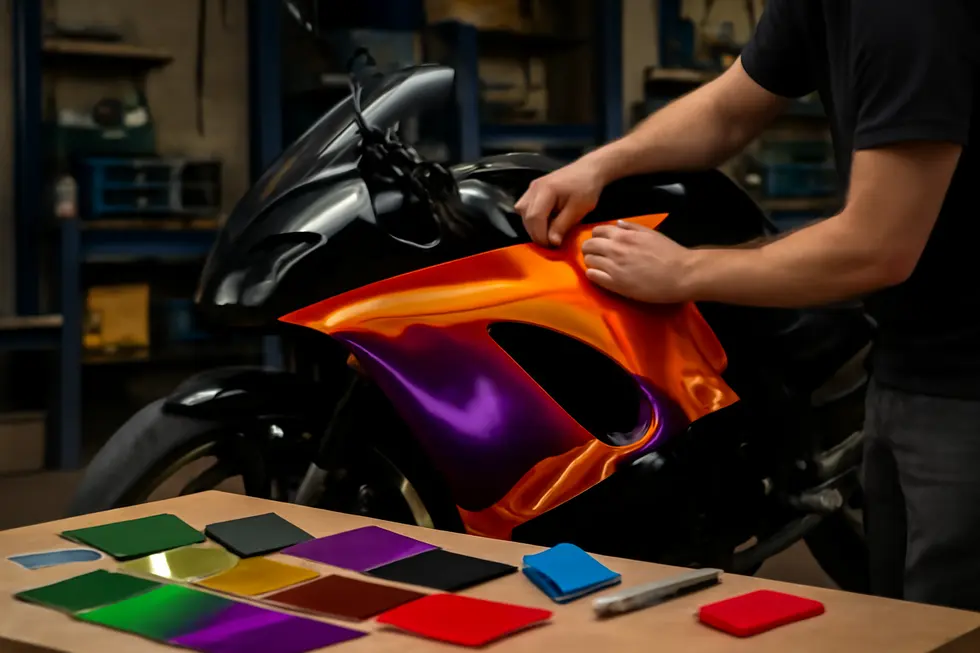
1. Balancing Cost and Style: The Financial Impact of Custom Fairings Versus Vinyl Wraps
When considering alternatives to traditional motorcycle fairings, customization and vinyl wraps present distinct financial profiles that influence buyers’ decisions. Custom fairings, crafted from materials like ABS plastic, fiberglass, or carbon fiber, can range widely from around $300 up to $3,500 or more. The cost reflects both the chosen materials and design complexity, with premium carbon fiber kits demanding the highest investment. Adding custom paint can increase expenses by $500 to $1,500, and professional installation typically adds $300 to $800. For instance, a custom ABS fairing kit tailored for a sportbike might total close to $1,000 before installation.
Contrastingly, vinyl wraps offer a cost-effective, flexible way to personalize a motorcycle’s look without structural changes. Full premium wraps made from high-grade vinyl range from $550 to $750 and include UV and scratch protection. Vinyl also allows intricate graphic applications mapped precisely to the fairing’s shape, with rolls available for DIY partial coverage under $600. Installation costs tend to be lower, and many riders perform wraps themselves, reducing overall expenditure.
While custom fairings offer enhanced durability and aerodynamic advantages, they require more extensive installation and can impact warranties if improperly fitted. Vinyl wraps, being removable and less invasive, pose minimal warranty risks but offer less impact resistance. Choosing between these options depends on the rider’s budget, desired permanence, and whether structural enhancement or visual customization is the priority.
Riders looking for affordable solutions might explore the broad selection available in affordable motorcycle fairings, which can provide a starting point before deciding on custom or wrap options (source).
2. Material Strength Versus Visual Appeal: Evaluating Durability and Customization in Fairings and Vinyl Wraps
Motorcycle fairings primarily serve structural functions, offering protection against debris, wind, and minor impacts. Commonly crafted from ABS plastic, these fairings provide a reliable balance of strength, heat resistance, and vibration durability. ABS also benefits from UV-resistant coatings that maintain finish and color over time, making it a practical choice for riders balancing cost and longevity. At the premium end, carbon fiber stands out for its lightweight yet robust composition. Its superior stiffness and heat resistance contribute not only to durability but enhanced motorcycle performance, especially valuable in racing environments where weight savings and strength are critical. Carbon fiber fairings command higher prices, but their resilience against warping and fading ensures long-term value compared to typical plastics.
In contrast, vinyl wraps offer an appealing alternative focused on customization and aesthetic transformation rather than structural defense. High-quality vinyl films can last between three to seven years under typical conditions, though exposure to intense sunlight and pigments can accelerate color fading. These wraps provide flexibility in design and ease of replacement without permanent alteration to the original fairings. While vinyl adds a protective layer against minor scratches and UV damage, it does not contribute to physical protection in the way fairings do. Thus, vinyl wraps excel as an economical option for riders prioritizing visual variety and surface preservation over durability and impact resistance.
Ultimately, the choice between durable materials like ABS or carbon fiber and the adaptable nature of vinyl wraps hinges on rider priorities. Those seeking structural integrity and lasting protection typically lean toward fairings, while riders focused on cost-effective personalization may prefer vinyl solutions. Exploring options through resources like the Explore the Best Motorcycle Fairings at Summit Fairings blog can further inform decisions about material performance and customization possibilities.
For more technical details on durability, refer to Vinyl Information Resource.
3. Balancing Style and Practicality: Installation and Aesthetic Versatility in Fairings vs. Vinyl Wraps
When evaluating customization options, motorcycle fairings and vinyl wraps offer uniquely different benefits that influence both cost and visual impact. Traditional fairings, made from ABS plastic, fiberglass, or carbon fiber, provide a rigid, durable shell that enhances aerodynamics and protection. Their installation involves mechanical bolt-on processes that can take several hours and typically require hardware kits and some technical skill. Professional installation costs often add $300 to $800, and custom painting to match your style may raise expenses by $500 to $1,500, making the total investment substantial but long-lasting.
Conversely, vinyl wraps embrace high aesthetic flexibility without permanent modifications or complex installation. These adhesive films conform to every curve and contour with medium elasticity, allowing seamless coverage of detailed shapes. They come in many colors and finishes, from matte to metallic, granting a visually striking transformation that can be reversed or updated as desired. Installation demands careful surface preparation and skillful application, but no mechanical work on the bike itself. Cost-wise, full wraps are usually more affordable than premium fairings, though they lack the physical protection hard fairings provide.
While fairings offer robust durability and aerodynamic benefits, vinyl wraps are ideal for riders seeking a bold style upgrade that is less costly and easily changed. Choosing between the two depends heavily on priorities: long-term performance and protection versus versatile, budget-conscious customization. For a deeper look into the variety of motorcycle fairings and their customization, check out this Darüber hinaus geht die Nachfrage über das bloße Aussehen hinaus; sie umfasst auch integrierte Funktionen wie Scheinwerfer, Halterungen und Windschutzscheiben, die für bestimmte Stile und Anwendungen angepasst sind. Dieser ganzheitliche Ansatz zum Styling ermutigt Anbieter, innovativ zu sein, und richtet sich an Enthusiasten, die sowohl einzigartiges Aussehen als auch praktische Verbesserungen zu einem vernünftigen Preis wollen..
(Source: Alibaba overview of custom body kits pricing combined with Yeswrap’s vinyl properties description.)
Kapitel 5: Die entscheidende Rolle der Materialqualität und Passgenauigkeit bei Motorradverkleidungskosten