














Introduction
Chi phí của ốp xe máy là yếu tố quan trọng đối với các chủ doanh nghiệp hoạt động trong ngành phụ tùng, sửa chữa và độ xe máy. Hiểu được phạm vi giá - từ bộ ốp nhựa giá rẻ đến bộ ốp sợi carbon cao cấp - giúp các doanh nghiệp đưa ra quyết định mua sắm và quản lý hàng tồn kho phù hợp với nhu cầu khách hàng và xu hướng thị trường. Ngoài ra, nhận biết cách tính năng mô hình ảnh hưởng đến chi phí, cùng vai trò của các tùy chọn độ như decal dán xe, là điều cần thiết để duy trì tính cạnh tranh và tối ưu hóa sản phẩm. Hướng dẫn này khám phá các khía cạnh này một cách chi tiết, cung cấp sự rõ ràng về phạm vi giá dựa trên vật liệu, biến thể giá theo mô hình, so sánh giữa các lựa chọn cao cấp và giá rẻ, các phương pháp độ thay thế, cũng như nhiều yếu tố khác góp phần vào sự biến động giá. Với những hiểu biết này, các chủ doanh nghiệp có thể chiến lược di chuyển trong thị trường ốp xe máy và nâng cao việc lựa chọn sản phẩm hoặc dịch vụ của họ một cách hiệu quả.
Tables of Contents
Chương 1: Phạm vi giá cho các vật liệu khác nhau trong "Chi phí ốp xe máy là bao nhiêu?"
- Cân bằng giữa lựa chọn vật liệu và ngân sách: Một cái nhìn chi tiết về ốp xe máy bằng sợi thủy tinh, nhựa và sợi carbon
- Công nghệ vật liệu và chất lượng: Cách độ bền, trọng lượng và hiệu suất định hình chi phí ốp xe máy
- Khám phá các chi phí ẩn: Sửa chữa, lắp đặt và tranh luận về giá cả giữa hàng chính hãng và hàng phụ tùng
Chương 2: Giá theo mô hình trong "Chi phí ốp xe máy là bao nhiêu?"
- Cách lựa chọn vật liệu và phương pháp chế tạo định hình giá ốp xe máy theo mô hình
- Cách độ chính xác lắp ráp và độ phức tạp thiết kế định hình chi phí ốp xe máy theo mô hình
- Cách danh tiếng thương hiệu và độ tùy chỉnh định hình giá ốp xe máy theo mô hình
Chương 3: Các lựa chọn cao cấp và giá rẻ trong "Chi phí ốp xe máy là bao nhiêu?"
- Vật liệu và bề mặt: Cách chất lượng định hình chi phí của ốp xe máy cao cấp so với ốp xe máy giá rẻ
- Phân tích tác động kinh tế thực sự: Phân tích chi phí giữa ốp xe máy cao cấp và ốp xe máy giá rẻ
- Xử lý các thách thức về độ tùy chỉnh, lắp đặt và bảo hành giữa ốp xe máy cao cấp và ốp xe máy giá rẻ
Chương 4: Độ tùy chỉnh và decal dán xe như các lựa chọn thay thế trong "Chi phí ốp xe máy là bao nhiêu?"
- Cân bằng giữa chi phí và phong cách: Tác động tài chính của ốp xe máy tùy chỉnh so với decal dán xe
- Độ bền so với vẻ ngoài: Đánh giá độ bền và tùy chỉnh trong ốp xe máy và decal dán xe
- Cân bằng giữa phong cách và thực tế: Lắp đặt và tính linh hoạt thẩm mỹ trong ốp xe máy so với decal dán xe
Chương 5: Vai trò quan trọng của chất lượng vật liệu và độ chính xác lắp ráp trong chi phí ốp xe máy
- Cách lựa chọn vật liệu và lắp ráp chính xác định hình sự biến động giá của ốp xe máy
- Bối cảnh kinh tế và thách thức chuỗi cung ứng định hình giá ốp xe máy
- Cách thành phần, nhân công và danh tiếng thương hiệu định hình giá ốp xe máy
Chương 1: Phạm vi giá cho các vật liệu khác nhau trong "Chi phí ốp xe máy là bao nhiêu?"

Cân bằng giữa lựa chọn vật liệu và ngân sách: Một cái nhìn chi tiết về ốp xe máy bằng sợi thủy tinh, nhựa và sợi carbon
Khi đánh giá chi phí ốp xe máy, lựa chọn vật liệu đóng vai trò quan trọng trong giá cả và chức năng. Ốp xe máy bằng sợi thủy tinh thường là lựa chọn ít tốn kém nhất. Những ốp này cung cấp bảo vệ bền vững và có thể được tạo hình thành nhiều hình dạng phức tạp, nhưng thường cần thêm công đoạn hoàn thiện như sơn và chà nhám để đạt được vẻ ngoài bóng bẩy. Việc cần phải hoàn thiện này khiến chúng được ưa chuộng bởi những người lái xe muốn có sự kết hợp giữa giá cả phải chăng mà không hy sinh chất lượng. Thông thường, các bộ ốp sợi thủy tinh nằm trong khoảng giá thấp đến trung bình so với các vật liệu khác.
ABS plastic, thường được sử dụng trong ốp xe máy nguyên bản, cung cấp sự cân bằng đáng tin cậy giữa chi phí và hiệu suất. Khả năng chịu va đập và độ linh hoạt tự nhiên của nó làm cho nó lý tưởng cho điều kiện lái xe hàng ngày. Nhẹ nhưng chắc chắn, ốp nhựa đặc biệt hấp dẫn đối với những người lái xe muốn các linh kiện kiểu nhà máy với mức giá vừa phải.
Ở đầu cao cấp, carbon fiber fairings có giá cao hơn do tỷ lệ cường độ trên trọng lượng tuyệt vời và vẻ ngoài sang trọng. Sợi carbon có thể nhẹ hơn 40% so với sợi thủy tinh hoặc nhựa, điều này mang lại lợi ích đáng kể cho các chiếc xe máy hiệu suất cao bằng cách cải thiện khả năng xử lý và tốc độ. Giá của các bộ phận sợi carbon thay đổi rất nhiều, với các chi tiết đơn lẻ như ốp đuôi có thể dao động từ $350 đến $600 hoặc hơn, trong khi các bộ đầy đủ có thể tốn hàng nghìn đô la tùy thuộc vào chất lượng và tùy chỉnh.
Cuối cùng, sự lựa chọn giữa ốp xe máy bằng sợi thủy tinh, nhựa hoặc sợi carbon phụ thuộc vào ngân sách, nhu cầu hiệu suất và sở thích thẩm mỹ của người lái. Đối với những người quan tâm đến các lựa chọn ốp xe máy giá cả phải chăng nhưng chất lượng, thì Summit Fairings blog cung cấp thông tin hữu ích về xu hướng giá thị trường và lợi ích của vật liệu.
Thêm thông tin về giá thị trường và vật liệu có sẵn tại nguồn lực của RevZilla về ốp xe máy.
Công nghệ vật liệu và chất lượng: Cách độ bền, trọng lượng và hiệu suất định hình chi phí ốp xe máy
cung cấp những hiểu biết quý báu về xu hướng giá thị trường và lợi ích của vật liệu.
Thông tin chi tiết hơn về giá thị trường và vật liệu có sẵn tại nguồn tài nguyên của RevZilla về ốp xe máy.
Công nghệ vật liệu và chất lượng: Cách độ bền, trọng lượng và hiệu suất ảnh hưởng đến chi phí ốp xe máy.
Chi phí của ốp xe máy phần lớn phản ánh sự tinh vi về công nghệ và chất lượng của vật liệu được sử dụng, điều này trực tiếp ảnh hưởng đến độ bền, trọng lượng và hiệu suất. Các vật liệu thông thường như nhựa ABS tạo ra sự cân bằng thực tế bằng cách cung cấp khả năng chịu va đập tốt và độ linh hoạt ở mức giá vừa phải. Những ốp ở phân khúc trung bình cung cấp độ bền đáng tin cậy phù hợp cho việc đi lại hàng ngày mà không gây gánh nặng chi phí. Sợi thủy tinh, thường được chọn trong các bộ kit giá rẻ, nhẹ nhưng ít bền, và có thể yêu cầu gia công bổ sung như mài hoặc sơn, làm phát sinh chi phí ẩn ngoài giá ban đầu thấp hơn. discovering affordable motorcycle fairings.
Ở đầu cao, sợi carbon nổi bật nhờ tỷ lệ cường độ trên trọng lượng vượt trội và tiềm năng khí động học. Quy trình sản xuất tiên tiến của nó biện minh cho mức giá cao hơn, thường gấp hai đến ba lần so với nhựa hoặc sợi thủy tinh. Sự giảm trọng lượng của sợi carbon cải thiện tốc độ tăng tốc, xử lý và phanh, những ưu thế quan trọng đối với các tay đua và người đam mê hiệu suất. Nó cũng hỗ trợ tạo hình chính xác thành các thiết kế khí động học giúp tăng ổn định ở tốc độ cao - những đặc điểm cần thiết cho xe thể thao nhằm đạt hiệu quả tối đa.
Những khác biệt về vật liệu này định hình kỳ vọng về độ bền và hiệu suất. Các ốp ABS chịu được các vụ va chạm thông thường với khả năng sửa chữa hợp lý, trong khi sợi carbon cung cấp khả năng chống mỏi tuyệt vời và độ bền cấu trúc dưới áp lực. Những đặc điểm này ảnh hưởng đến chi phí, vì người lái phải cân nhắc nhu cầu phong cách lái xe của họ so với ngân sách và hiệu suất mong muốn. Mối liên hệ giữa công nghệ và chất lượng này là nền tảng cho phạm vi giá rộng, từ các bộ kit sợi thủy tinh kinh tế đến các ốp sợi carbon cao cấp, hiệu suất cao.
Đối với những độc giả quan tâm đến việc khám phá nhiều lựa chọn ốp được cân bằng bởi vật liệu và chi phí, vui lòng truy cập tài nguyên chi tiết tại.
Khám phá các chi phí ẩn: Sơn, lắp đặt và tranh luận về giá cả giữa OEM và phụ tùng thay thế.
Giá của ốp xe máy vượt xa hơn chi phí vật liệu hoặc bộ kit cơ bản, bị ảnh hưởng mạnh bởi các khoản chi phí bổ sung như sơn tùy chỉnh, phí lắp đặt và lựa chọn giữa hàng hóa OEM và phụ tùng thay thế. Trong khi các vật liệu như ABS và sợi carbon đặt các điểm giá ban đầu, khoản đầu tư thực sự thường tăng lên theo mong muốn cá nhân hóa và hoàn thiện chuyên nghiệp.
Sơn tùy chỉnh đại diện cho khoản chi phí bổ sung lớn nhất. Đòi hỏi kỹ năng thủ công và lớp sơn cao cấp, nó mất nhiều thời gian. Các công việc sơn phức tạp với nhiều lớp hoặc hiệu ứng được áp dụng thủ công có thể đẩy giá lên hàng trăm thậm chí hàng nghìn đô la. Ngược lại, dán decal hiện đại cung cấp một phương án cá nhân hóa mới, nhưng các loại decal phủ toàn bộ, bao gồm cả việc lắp đặt chuyên nghiệp, thường dao động từ $1,500 đến $3,500, khiến chúng tương đương về chi phí với các công việc sơn cao cấp.
Chi phí lắp đặt cũng đóng vai trò quan trọng. Việc lắp ráp chuyên nghiệp đảm bảo sự căn chỉnh đúng và ngăn ngừa hư hại, đặc biệt là đối với các bộ kit cần thay đổi hoặc điều chỉnh chính xác. Các bộ kit được thiết kế để tự lắp ráp có thể tiết kiệm chi phí nhân công nhưng có nguy cơ vấn đề căn chỉnh có thể dẫn đến chi phí bổ sung. Đồng thời, áp lực chi phí sinh hoạt đang làm thu hẹp ngân sách tiêu dùng của người tiêu dùng, thúc đẩy nhu cầu cao hơn đối với các linh kiện xe máy đã qua sử dụng có giá rẻ. Nhu cầu gia tăng này có thể gây áp lực lên hàng tồn kho nếu phía cung không theo kịp hoặc nếu các nhà bán trì hoãn việc bán ốp xe với kỳ vọng giá tốt hơn. Thị trường phân khúc cũng đóng vai trò; xu hướng sở hữu chuyển sang xe địa hình và xe đường phố, đặc biệt là ở các khu vực phát triển xe máy, ảnh hưởng đến loại ốp nào thường được tìm thấy ở dạng đã qua sử dụng. Giá giảm ở các danh mục xe thể thao và đường phố có thể làm giảm động lực để bán các chiếc xe này, làm khan hiếm hơn nguồn ốp xe..
Khi so sánh giữa ốp OEM và phụ tùng thay thế, khoảng cách giá cả phản ánh nhiều hơn thương hiệu danh tiếng. Các linh kiện OEM đảm bảo sự căn chỉnh chính xác và độ bền, dù thường ở mức cao, với thiết kế hạn chế. Ốp phụ tùng thay thế mang lại nhiều lựa chọn phong cách hơn và thường có chi phí ban đầu thấp hơn, nhưng chất lượng và căn chỉnh có thể khác nhau, đôi khi đòi hỏi công việc bổ sung để đáp ứng tiêu chuẩn.
Chương 2: Giá theo mô hình trong "Chi phí ốp xe máy là bao nhiêu?"

Yếu tố thị trường cũng ảnh hưởng đến giá: các mô hình phổ biến được hưởng giá cạnh tranh nhờ nguồn cung dồi dào, trong khi xe hiếm hoặc chuyên dụng thường có chi phí cao hơn. Hiểu rõ các khoản chi phí tầng lớp này rất quan trọng đối với người lái xe đang lập ngân sách nâng cấp hoặc thay thế, đảm bảo họ tính đến tất cả các khoản chi phí tiềm năng ngoài chi phí vật liệu đơn thuần.
Để đọc thêm về việc tìm kiếm các lựa chọn và chi phí tốt nhất, xem.
(Nguồn: https://www.kingsmotorcyclefairings.com/blogs/news).
Cách lựa chọn vật liệu và phương pháp xây dựng ảnh hưởng đến giá của ốp xe mô tô cụ thể affordable motorcycle fairings.
[1]
Giá của ốp xe mô tô gắn liền chặt chẽ với vật liệu được sử dụng và các phương pháp xây dựng được tùy chỉnh cho các mô hình cụ thể. Trong số các vật liệu phổ biến, nhựa ABS nổi bật là lựa chọn có giá thành hợp lý, cung cấp khả năng chịu va đập mạnh và độ linh hoạt, khiến nó trở thành lựa chọn hàng đầu cho nhiều bộ phụ tùng OEM và sau bán hàng. Ốp sợi thủy tinh, mặc dù nặng hơn nhựa ABS, cung cấp độ bền cao hơn và nằm trong khoảng giá trung bình, thường được ưa chuộng để cân bằng giữa độ bền và chi phí. Ốp sợi carbon có giá cao nhất do tỷ lệ cường độ trên trọng lượng tuyệt vời và vẻ ngoài cao cấp, chủ yếu phục vụ cho xe đua hoặc xe trưng bày nơi hiệu suất và ngoại hình là điều quan trọng nhất.
Ngoài vật liệu, sự phức tạp trong quy trình sản xuất cũng ảnh hưởng đến chi phí. Các ốp xe mô tô đặc thù cho từng mẫu xe yêu cầu kỹ thuật thiết kế chính xác và khuôn đúc để đảm bảo lắp vừa hoàn hảo cho các chiếc xe cụ thể như Yamaha R3 hoặc Honda CBR500R, làm tăng độ phức tạp so với thiết kế thông dụng. Các kỹ thuật sản xuất khác nhau rất rộng rãi - từ nhựa ABS đúc ép đến sợi thủy tinh được đặt thủ công và các composite sợi carbon - mỗi loại đều ảnh hưởng đến độ bền và chất lượng bề mặt cuối cùng. Các tính năng cao cấp bổ sung như cánh gió khí động học hoặc các phần tử gắn vào khung, được thiết kế thông qua động lực học chất lỏng tính toán, làm tăng chi phí trên các mẫu cao cấp.
Ngoài việc vừa vặn, mức độ phức tạp trong thiết kế ảnh hưởng mạnh đến giá cả. Các ốp đầu có các yếu tố khí động học như cánh nhỏ hoặc kiểu dáng tùy chỉnh yêu cầu kỹ thuật gia công và tạo hình tiên tiến. Những yếu tố này đòi hỏi vật liệu cân bằng giữa độ bền và trọng lượng, chẳng hạn như nhựa ABS hoặc vật liệu composite cao cấp, điều này tự nhiên làm tăng chi phí. Hơn nữa, việc cung cấp tùy chỉnh - dù là màu sắc độc đáo hay họa tiết cá nhân hóa - sẽ thêm nhiều lớp phức tạp và chi phí trong sản xuất.
Việc lựa chọn vật liệu cũng ảnh hưởng đến sự khác biệt về giá; các vật liệu nhẹ, bền như sợi carbon đắt hơn so với các lựa chọn sợi thủy tinh thông thường do lợi ích về hiệu suất của chúng. Sự tinh tế này thường được tìm kiếm bởi các tay đua hoặc người đam mê ưu tiên cả hình thức và chức năng.
Cuối cùng, sự kết hợp giữa yêu cầu vừa vặn chính xác và các tính năng thiết kế phức tạp thúc đẩy tình hình giá cả theo mô hình cho ốp đầu xe máy. Người mua tiềm năng nên cân nhắc kỹ các yếu tố này cùng với ngân sách và nhu cầu hiệu suất để đưa ra quyết định thông minh. Để có thêm thông tin về các lựa chọn ốp đầu và giá cả, hãy khám phá danh mục phong phú có sẵn tại Summit Fairings.
[1]
Thương hiệu uy tín và tùy chỉnh ảnh hưởng thế nào đến giá ốp đầu xe máy theo mô hình
Thương hiệu uy tín và tùy chỉnh có tác động sâu sắc đến giá của ốp đầu xe máy theo mô hình. Các nhà sản xuất nổi tiếng như Honda, Yamaha, Kawasaki, Ducati, BMW và Triumph có sự hiện diện mạnh mẽ trên thị trường phụ tùng, cung cấp các bộ ốp đầu được thiết kế tỉ mỉ để phù hợp với các mô hình cụ thể của họ. Sự chế tạo chính xác thường được đánh giá cao, vì người mua đánh giá cao sự vừa vặn trơn tru và tính xác thực của thương hiệu. Giá cả thay đổi rất nhiều giữa các thương hiệu do sự khác biệt trong vị trí thị trường và chất lượng vật liệu. Ví dụ, các bộ ốp đầu giá rẻ được làm từ nhựa ABS bền thường cân bằng giữa chi phí và độ tin cậy, trong khi các lựa chọn cao cấp thường sử dụng các vật liệu tiên tiến như sợi carbon.
Tùy chỉnh làm tăng chi phí thêm, vì các lớp sơn độc đáo hoặc vật liệu đặc biệt đòi hỏi nỗ lực sản xuất nhiều hơn, giới hạn khả năng đạt được lợi thế kinh tế quy mô lớn. Các bộ ốp đầu toàn phần bằng sợi carbon, được thiết kế cho ứng dụng hiệu suất cao hoặc đua xe, thường dao động từ $500 đến $800 hoặc hơn, phản ánh cả chi phí vật liệu và nghệ thuật thủ công chuyên biệt. Ngoài ra, mức độ cụ thể của mô hình ảnh hưởng đến chi phí; các bộ đầy đủ được thiết kế cho năm mô hình chính xác - bao gồm tất cả các tấm quan trọng - thường đắt hơn so với các thay thế phổ thông hoặc một phần. Một số tính năng đặc biệt, như các tấm ốp bên trong được thiết kế cho hệ thống âm thanh, làm tăng độ phức tạp và giá trị mà không làm tăng chi phí đáng kể.
Sự tương tác giữa danh tiếng thương hiệu, mức độ tùy chỉnh và yêu cầu vừa vặn nghiêm ngặt cuối cùng định hình giá cuối cùng mà người lái xe phải đối mặt. Những người tìm kiếm các lựa chọn giá cả phải chăng nhưng chất lượng có thể tìm thấy giá trị trong các bộ sản xuất phục vụ các thương hiệu phổ biến với tính linh hoạt tùy chỉnh. Ngược lại, các tay đua hiệu suất và người đam mê đầu tư vào vật liệu cao cấp hoặc thẩm mỹ cá nhân hóa nên dự kiến chi phí cao hơn do những yếu tố này. Để có cái nhìn toàn diện về các lựa chọn ốp đầu giá phải chăng và tác động của tùy chỉnh, xem đây detailed resource on motorcycle fairings. Các ví dụ rõ ràng hơn về sự khác biệt về giá theo thương hiệu và vật liệu được ghi chép trong các nguồn ngành như Kings Motorcycle Fairings here.
Chương 3: Các lựa chọn cao cấp và giá rẻ trong "Chi phí ốp xe máy là bao nhiêu?"
Chất liệu và bề mặt: Làm thế nào chất lượng ảnh hưởng đến chi phí của ốp đầu cao cấp và bình dân cho xe máy
Chất liệu và Bề mặt ảnh hưởng đến ốp đầu cao cấp và bình dân cho xe máy
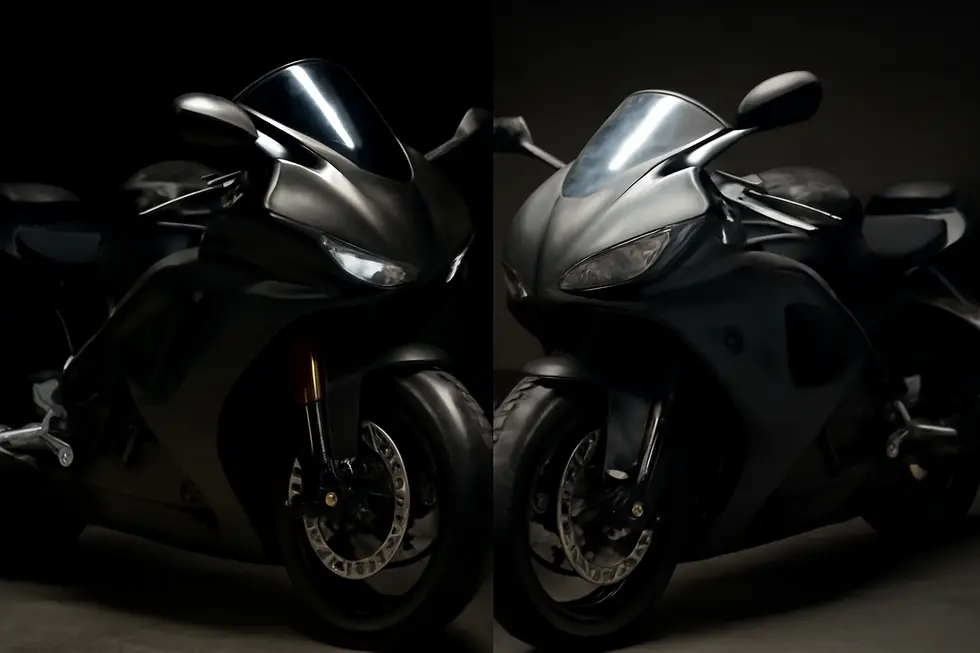
Việc lựa chọn chất liệu và bề mặt hoàn thiện cơ bản định hình chi phí và hiệu suất của ốp đầu xe máy. Các ốp đầu cao cấp thường sử dụng các vật liệu tiên tiến như sợi carbon hoặc nhựa ABS cao cấp, cung cấp độ bền, độ bền và vẻ ngoài vượt trội. Những vật liệu này được thiết kế không chỉ cho thẩm mỹ mà còn cho hiệu suất khí động học tối ưu, giảm mệt mỏi người lái nhờ cải thiện khả năng ngăn gió. Ví dụ, các ốp đầu bằng sợi carbon nhẹ nhưng chịu va đập cực kỳ tốt, khiến chúng rất được ưa chuộng cho xe máy đua hoặc hiệu suất cao. Sự vừa vặn chính xác và bề mặt bóng bẩy của chúng cũng nâng cao phong cách tổng thể và tuổi thọ bên ngoài của chiếc xe.
Ngược lại, các ốp đầu bình dân thường dựa vào các phiên bản nhựa ABS cơ bản, cung cấp chức năng đủ dùng ở mức giá thấp. Các ốp đầu này có thể thiếu bề mặt hoàn thiện tinh tế và khả năng chống xước so với các phiên bản cao cấp, khiến chúng dễ bị mài mòn theo thời gian. Thiết kế của chúng thường đơn giản, tập trung vào bảo vệ cơ bản chứ không phải hình dạng khí động học phức tạp. Mặc dù chúng cung cấp sự che phủ cần thiết và khả năng chịu va đập vừa phải, nhưng bề mặt và sự vừa vặn thường ít chính xác hơn, có thể ảnh hưởng đến vẻ ngoài tổng thể và độ bền.
Ảnh hưởng của vật liệu và bề mặt đến giá cao so với xe máy bình thường.
Việc lựa chọn vật liệu và chất lượng bề mặt cơ bản hình thành chi phí và hiệu suất của các bộ phận làm phẳng xe máy. Các bộ phận làm phẳng cao cấp thường sử dụng vật liệu tiên tiến như sợi carbon hoặc nhựa ABS cao cấp, cung cấp độ bền, độ bền cao và vẻ ngoài hấp dẫn hơn. Những vật liệu này được thiết kế không chỉ cho thẩm mỹ mà còn cho hiệu suất khí động học tối ưu, giảm mệt mỏi cho người lái nhờ cải thiện khả năng ngăn gió. Ví dụ, các bộ phận làm phẳng bằng sợi carbon nhẹ nhưng chịu va đập rất tốt, khiến chúng rất được ưa chuộng cho xe máy đua hoặc hiệu suất cao. Sự vừa vặn chính xác và bề mặt được đánh bóng cũng nâng cao phong cách tổng thể và tuổi thọ bên ngoài của xe.
Ngược lại, các bộ phận làm phẳng bình thường thường dựa vào các biến thể nhựa ABS cơ bản, cung cấp chức năng đủ dùng ở mức giá thấp hơn. Những bộ phận này có thể thiếu bề mặt hoàn thiện tinh tế và khả năng chống xước so với các phiên bản cao cấp, khiến chúng dễ bị mòn theo thời gian. Thiết kế của chúng thường đơn giản, tập trung vào bảo vệ cơ bản chứ không phải hình dạng khí động học phức tạp. Mặc dù chúng cung cấp che phủ cần thiết và khả năng chịu va đập vừa phải, nhưng bề mặt và sự vừa vặn thường không chính xác, ảnh hưởng đến tổng thể look và độ bền. Summit Fairings’ blog.
Các yếu tố chất lượng mở rộng ngoài nguyên liệu thô bao gồm lớp sơn và xử lý bề mặt. Các tùy chọn cao cấp có lớp sơn mịn, được đánh bóng chống tổn thương môi trường, trong khi các mô hình bình thường có thể có các lớp sơn đơn giản hoặc kết thúc ánh sáng. Những khác biệt về bề mặt ảnh hưởng không chỉ đến thẩm mỹ mà còn đến việc bảo trì và tuổi thọ của các bộ phận làm phẳng.
Tóm lại, đầu tư vào vật liệu tiên tiến và hoàn thiện tỉ mỉ nâng cao chi phí của các bộ phận làm phẳng cao cấp nhưng cung cấp độ bền, sự thoải mái và ngoại hình tốt hơn so với các lựa chọn bình thường. Người lái xe cân bằng giữa chi phí và chất lượng nên cân nhắc kỹ các yếu tố vật liệu và thẩm mỹ khi chọn các bộ phận làm phẳng.
Khám phá thêm về các bộ phận làm phẳng xe máy cao cấp và các lựa chọn tại.
Giải thích tác động kinh tế thực sự: Phân tích chi phí giữa các bộ phận làm phẳng cao cấp và bình thường cho xe máy your ultimate source for affordable motorcycle fairings.
Khi so sánh các bộ phận làm phẳng cao cấp và bình thường cho xe máy, việc hiểu rõ tác động kinh tế đầy đủ đòi hỏi nhìn xa hơn giá niêm yết ban đầu. Các bộ phận làm phẳng bình thường, thường được chế tạo từ sợi thủy tinh hoặc nhựa ABS, cung cấp chi phí ban đầu thấp dao động từ $40 đến $700 cho các bộ phận riêng lẻ. Tuy nhiên, những khoản tiết kiệm này thường đi kèm với các chi phí bổ sung bao gồm mài nhẵn, điều chỉnh lắp đặt và sơn để đạt được lớp hoàn thiện đúng, làm tăng chi phí lao động và vật liệu. Phí vận chuyển, đặc biệt là đối với các đơn hàng quốc tế, đôi khi có thể vượt quá giá của các bộ phận làm phẳng, khiến chi phí tổng thể ít dự đoán được. Ngoài ra, chi phí lắp đặt cho cả các lựa chọn bình thường và cao cấp thường nằm trong khoảng $300 đến $800, đại diện cho một yếu tố tài chính quan trọng.
Các bộ phận làm phẳng cao cấp sử dụng vật liệu vượt trội như sợi carbon hoặc sợi thủy tinh chất lượng cao, có giá từ $2,000 đến $3,500 hoặc nhiều hơn cho các bộ đầy đủ. Những bộ này đi kèm với độ bền cao, sự vừa vặn chính xác gần tiêu chuẩn OEM và thường giảm thiểu nhu cầu sửa đổi trong quá trình lắp đặt. Dù chi phí ban đầu và phí sơn tùy chỉnh (có thể thêm $500 đến $1,500) cao hơn đáng kể, các bộ cao cấp có thể mang lại giá trị lâu dài hơn. Chất lượng lắp ráp giảm rủi ro vấn đề bảo hành và hư hỏng do lắp đặt. Do đó, người lái xe tìm kiếm hiệu suất, thẩm mỹ và độ tin cậy có thể thấy lợi nhuận đầu tư cao hơn.
Khi so sánh giữa lựa chọn bình thường và cao cấp, điều quan trọng là phải tính đến các chi phí ẩn - lao động, hoàn thiện, vận chuyển và ảnh hưởng bảo hành - để đánh giá giá trị kinh tế thực sự. Để có thêm thông tin về các lựa chọn tiết kiệm và chiến lược quản lý chi phí, khám phá các tài nguyên chi tiết tại.
Hướng dẫn vượt qua các thách thức về tùy chỉnh, lắp đặt và bảo hành giữa các bộ phận làm phẳng cao cấp và bình thường cho xe máy.
Khi lựa chọn giữa các bộ phận làm phẳng cao cấp và bình thường cho xe máy, tùy chỉnh, dễ lắp đặt và hệ quả bảo hành đóng vai trò quyết định. Các bộ phận làm phẳng cao cấp thường cung cấp tùy chỉnh nâng cao như sơn tùy chỉnh, màu sắc độc quyền và lớp hoàn thiện bóng cao, không chỉ nâng cao thẩm mỹ mà còn đơn giản hóa việc bảo trì. Tuy nhiên, những cải tiến này thêm $500 đến $1,500 vào chi phí. Lắp đặt cho các bộ cao cấp được đơn giản hóa với hướng dẫn chi tiết, móc treo tùy chỉnh và linh kiện chính xác, thường yêu cầu ít sửa đổi hơn. Để duy trì bảo hành và đảm bảo chất lượng, việc lắp đặt chuyên nghiệp thường được khuyên, chi phí từ $300 đến $800. Summit Fairings.
Ngược lại, các bộ phận làm phẳng bình thường - thường được chế tạo từ sợi thủy tinh hoặc nhựa ABS - thường có sẵn ở các màu sắc tiêu chuẩn và có thể cần mài nhẵn, điều chỉnh và sơn nhiều để trông và vừa vặn đúng. Tính thân thiện với DIY của chúng thu hút các tay lái tự tin trong công việc tay nghề nhưng có thể dẫn đến các thách thức về sự vừa vặn và hoàn thiện. Lắp đặt hoặc sửa đổi sai cách làm tăng rủi ro các vấn đề cấu trúc và khuyết điểm thẩm mỹ.
Chương 4: Độ tùy chỉnh và decal dán xe như các lựa chọn thay thế trong "Chi phí ốp xe máy là bao nhiêu?"
Về bảo hành, các bộ phận làm phẳng sau thị trường không tự động hủy bỏ bảo hành xe máy theo luật Hoa Kỳ. Tuy nhiên, thiệt hại trực tiếp do bộ phận làm phẳng hoặc lắp đặt của chúng có thể dẫn đến từ chối yêu cầu bảo hành cho các vấn đề cụ thể. Các bộ phận làm phẳng cao cấp, đặc biệt là khi được lắp đặt chuyên nghiệp và được ghi nhận, giảm các rủi ro này. Các lựa chọn bình thường, nếu được lắp đặt một cách thiếu cẩn thận, làm tăng tranh chấp bảo hành tiềm ẩn.
Cuối cùng, người lái xe phải cân nhắc sự vừa vặn, hoàn thiện tốt hơn và rủi ro bảo hành thấp hơn của các bộ phận làm phẳng cao cấp so với các bộ kit giá rẻ có tính khả thi và yêu cầu lao động tăng. Để có thêm thông tin, hãy khám phá các lựa chọn toàn diện có sẵn tại.
Để biết thêm chi tiết về quyền bảo hành liên quan đến linh kiện sau bán hàng, Luật Magnuson-Moss Warranty Act cung cấp hướng dẫn rõ ràng.
Cân bằng Chi phí và Phong cách: Tác động tài chính của các bộ phận làm phẳng tùy chỉnh so với lớp dán vinyl.
Khi xem xét các lựa chọn thay thế cho các bộ phận làm phẳng truyền thống cho xe máy, tùy chỉnh và lớp dán vinyl mang lại các hồ sơ tài chính khác nhau ảnh hưởng đến quyết định của người mua. Các bộ phận làm phẳng tùy chỉnh, được chế tạo từ các vật liệu như nhựa ABS, sợi thủy tinh hoặc sợi carbon, có thể dao động từ khoảng $300 lên đến $3.500 hoặc nhiều hơn. Giá cả phản ánh cả vật liệu được chọn và độ phức tạp trong thiết kế, với các bộ sợi carbon cao cấp đòi hỏi đầu tư lớn nhất. Việc thêm sơn tùy chỉnh có thể làm tăng chi phí từ $500 đến $1.500, và việc lắp đặt chuyên nghiệp thường cộng thêm $300 đến $800. Ví dụ, một bộ sợi ABS được tùy chỉnh cho xe thể thao có thể tổng cộng gần $1.000 trước khi lắp đặt.source).
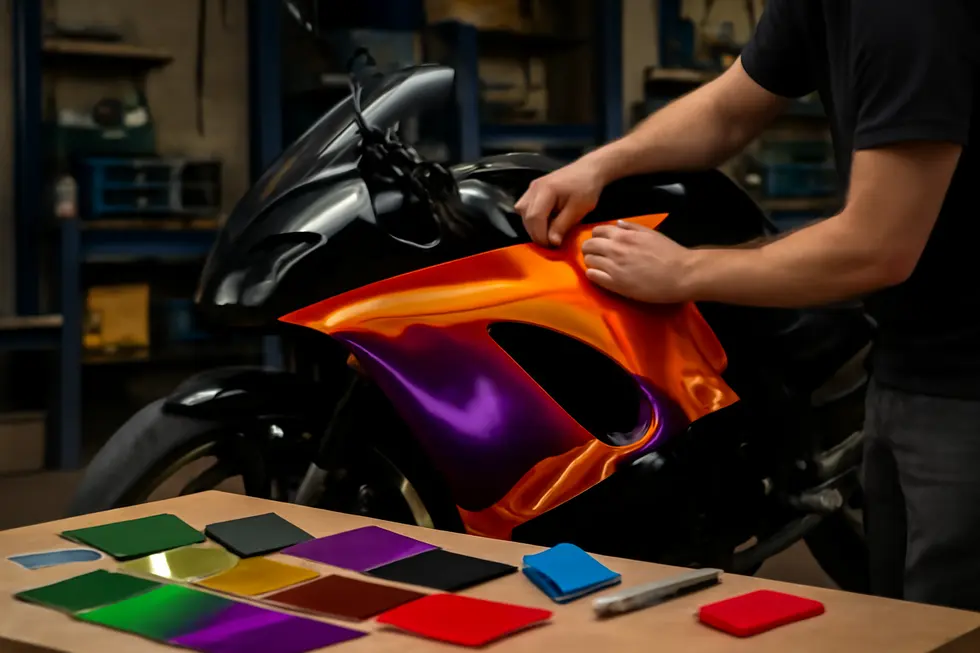
Ngược lại, lớp dán vinyl cung cấp một cách hiệu quả về chi phí, linh hoạt để cá nhân hóa ngoại hình xe máy mà không cần thay đổi cấu trúc. Lớp dán toàn diện cao cấp được làm từ vinyl chất lượng cao có giá từ $550 đến $750 và bao gồm bảo vệ chống tia UV và trầy xước. Vinyl cũng cho phép ứng dụng đồ họa phức tạp được lập trình chính xác theo hình dạng của bộ phận làm phẳng, với cuộn vinyl có sẵn để che phủ một phần tự làm dưới $600. Chi phí lắp đặt thường thấp hơn, và nhiều người lái xe tự thực hiện việc dán, giảm chi phí tổng thể.
Mặc dù các bộ phận làm phẳng tùy chỉnh mang lại độ bền cao và lợi ích khí động học, chúng yêu cầu quá trình lắp đặt rộng rãi hơn và có thể ảnh hưởng đến bảo hành nếu được lắp đặt không đúng cách. Lớp dán vinyl, vì là dễ tháo rời và ít xâm nhập, gây rủi ro bảo hành tối thiểu nhưng lại có khả năng chịu va đập kém hơn. Việc lựa chọn giữa hai tùy chọn này phụ thuộc vào ngân sách của người lái, mong muốn về tính vĩnh viễn, và xem xét liệu việc nâng cấp cấu trúc hay cá nhân hóa trực quan có phải là ưu tiên hay không.
Người lái xe tìm kiếm giải pháp giá cả phải chăng có thể khám phá danh mục rộng lớn có sẵn trong các bộ phận làm phẳng xe máy giá rẻ, có thể cung cấp điểm bắt đầu trước khi quyết định về tùy chỉnh hoặc các tùy chọn dán (.
Sức mạnh vật liệu so với vẻ ngoài hấp dẫn: Đánh giá độ bền và tùy chỉnh trong các bộ phận làm phẳng và lớp dán vinyl Explore the Best Motorcycle Fairings at Summit Fairings Các bộ phận làm phẳng xe máy chủ yếu phục vụ chức năng cấu trúc, cung cấp bảo vệ chống lại mảnh vụn, gió và va chạm nhỏ. Thường được chế tạo từ nhựa ABS, các bộ phận này cung cấp sự cân bằng đáng tin cậy giữa độ bền, khả năng chịu nhiệt và độ bền rung lắc. Nhựa ABS còn được hưởng lợi từ lớp phủ chống tia UV giúp duy trì bề mặt và màu sắc theo thời gian, khiến nó trở thành lựa chọn thực tế cho những người lái xe cân bằng giữa chi phí và tuổi thọ. Ở cấp cao hơn, sợi carbon nổi bật nhờ khối lượng nhẹ nhưng chắc chắn. Thành phần vượt trội của nó về độ cứng và khả năng chịu nhiệt không chỉ góp phần vào độ bền mà còn cải thiện hiệu suất xe máy, đặc biệt hữu ích trong môi trường đua xe nơi tiết kiệm trọng lượng và độ bền là yếu tố quan trọng. Các bộ phận làm phẳng sợi carbon có giá cao hơn, nhưng khả năng chống biến dạng và phai màu của chúng đảm bảo giá trị lâu dài so với nhựa thông thường.
Ngược lại, lớp dán vinyl cung cấp một lựa chọn hấp dẫn tập trung vào tùy chỉnh và chuyển đổi thẩm mỹ chứ không phải bảo vệ cấu trúc. Các lớp phim vinyl chất lượng cao có thể kéo dài từ ba đến bảy năm dưới điều kiện bình thường, tuy nhiên tiếp xúc với ánh nắng mặt trời mạnh và chất màu có thể làm phai màu nhanh hơn. Những lớp dán này cung cấp sự linh hoạt trong thiết kế và dễ thay thế mà không làm thay đổi vĩnh viễn các bộ phận làm phẳng ban đầu. Dù lớp dán vinyl thêm một lớp bảo vệ chống trầy xước và hư hại do tia UV, nó không đóng góp vào bảo vệ vật lý theo cách mà các bộ phận làm phẳng làm. Do đó, lớp dán vinyl xuất sắc như một lựa chọn kinh tế cho những người lái xe ưu tiên đa dạng thị giác và bảo vệ bề mặt hơn là độ bền và khả năng chịu va đập. Cuối cùng, lựa chọn giữa các vật liệu bền như nhựa ABS hoặc sợi carbon và tính linh hoạt của lớp dán vinyl phụ thuộc vào ưu tiên của người lái. Những người tìm kiếm độ bền cấu trúc và bảo vệ lâu dài thường thiên về các bộ phận làm phẳng, trong khi những người tập trung vào tùy chỉnh kinh tế có thể thích các giải pháp vinyl. Khám phá các lựa chọn thông qua các nguồn như.
blog có thể cung cấp thêm thông tin về hiệu suất vật liệu và khả năng tùy chỉnh.
Đối với chi tiết kỹ thuật hơn về độ bền, vui lòng tham khảo.
Ngược lại, lớp phủ vinyl mang lại tính linh hoạt về thẩm mỹ cao mà không cần thay đổi vĩnh viễn hoặc lắp đặt phức tạp. Những lớp phim dính này ôm sát mọi đường cong và hình dạng với độ đàn hồi trung bình, cho phép bao phủ các hình dạng chi tiết một cách liền mạch. Chúng có nhiều màu sắc và bề mặt, từ bóng mờ đến kim loại, mang lại sự thay đổi trực quan mạnh mẽ có thể đảo ngược hoặc cập nhật theo ý muốn. Việc lắp đặt đòi hỏi việc chuẩn bị bề mặt cẩn thận và kỹ năng áp dụng chính xác, nhưng không cần công việc cơ khí trên xe máy. Về mặt chi phí, lớp phủ toàn bộ thường rẻ hơn so với nắp ca-pô cao cấp, dù chúng thiếu đi sự bảo vệ vật lý mà nắp ca-pô cứng cung cấp.
Mặc dù nắp ca-pô cung cấp độ bền vững và lợi ích về động lực học, lớp phủ vinyl phù hợp với những người lái xe muốn nâng cấp phong cách mạnh mẽ mà ít tốn kém và dễ thay đổi. Việc lựa chọn giữa hai loại phụ thuộc rất nhiều vào ưu tiên: hiệu suất và bảo vệ lâu dài so với tùy chỉnh linh hoạt và tiết kiệm ngân sách. Để tìm hiểu sâu hơn về sự đa dạng của nắp ca-pô xe máy và các tùy chọn tùy chỉnh, hãy xem qua đây exploration of affordable motorcycle fairings.
(Nguồn: Tổng quan Alibaba về giá cả bộ phận thân xe tùy chỉnh kết hợp với mô tả tính chất của Yeswrap.)
Chương 5: Vai trò quan trọng của chất lượng vật liệu và độ chính xác lắp ráp trong chi phí ốp xe máy