
















Introduction
Les demi-boucliers de moto sont de plus en plus reconnus par les motardes pour leur intégration stratégique des performances et du confort. Ces composants n'apportent pas seulement une esthétique à la moto, mais ont également un impact significatif sur l'aérodynamique, la protection du pilote et l'efficacité globale. En couvrant stratégiquement les parties supérieures de la moto, les demi-boucliers optimisent le flux d'air et améliorent l'efficacité énergétique tout en restant légers et faciles à entretenir. Cet article explore l'aérodynamique et les performances de ces boucliers, examine les différents types de matériaux disponibles, discute de leur impact sur le confort du pilote, analyse les considérations économiques et fait un point sur les tendances et les demandes actuelles du marché. Chaque chapitre s'appuie sur le précédent pour offrir une compréhension approfondie des demi-boucliers de moto et leur importance sur un marché en évolution.
Tables of Contents
Chapitre 1 : Conception aérodynamique optimisée : Améliorer les performances et le confort avec les demi-boucliers
- Une conduite fluide : Comment les demi-boucliers de moto équilibrent l'aérodynamique et le confort
- Excellence en ingénierie : Innovation des matériaux et durabilité des demi-boucliers de moto
- Améliorer le sport-tourisme et le trajet quotidien avec les demi-boucliers de moto
Chapitre 2 : Explorer la variété des demi-boucliers de moto : Conceptions et choix de matériaux
- Explorer les types et les matériaux des demi-boucliers de moto : Une vue d'ensemble approfondie
- Explorer les propriétés des matériaux et leur impact sur les performances des demi-boucliers
- Explorer les matériaux et les dynamiques économiques des demi-boucliers de moto : Aperçu esthétique, sécurité et personnalisation
Chapitre 3 : Améliorer l'expérience du pilote avec les demi-boucliers de moto : Une analyse approfondie du confort et de la conception
- Naviguer dans le vent : Comment les demi-boucliers de moto influencent l'aérodynamique et le confort du pilote
- Les avantages économiques de l'adoption des demi-boucliers de moto : Des choix abordables et simples à entretenir
- Conception centrée sur le pilote et dynamiques du marché mondial : L'impact social des demi-boucliers sur l'accessibilité
Chapitre 4 : Économie des matériaux et son impact sur les demi-boucliers de moto
- Équilibrer coût et performance : Les aspects économiques des choix de matériaux pour les demi-boucliers
- Équilibrer les techniques de fabrication et l'économie dans la production des demi-boucliers de moto
- Comprendre le coût total de possession des demi-boucliers de moto
Chapitre 5 : Explorer les progrès des demi-boucliers de moto : Innovation des matériaux et dynamiques du marché
- Comment les matériaux innovants et la fabrication intelligente façonnent le paysage des demi-boucliers
- Tirer parti de l'abordabilité et de la fonctionnalité : Les influences économiques derrière les demi-boucliers de moto
- Comment les valeurs contemporaines façonnent l'attractivité des demi-boucliers de moto
Chapitre 1 : Conception aérodynamique optimisée : Améliorer les performances et le confort avec les demi-boucliers
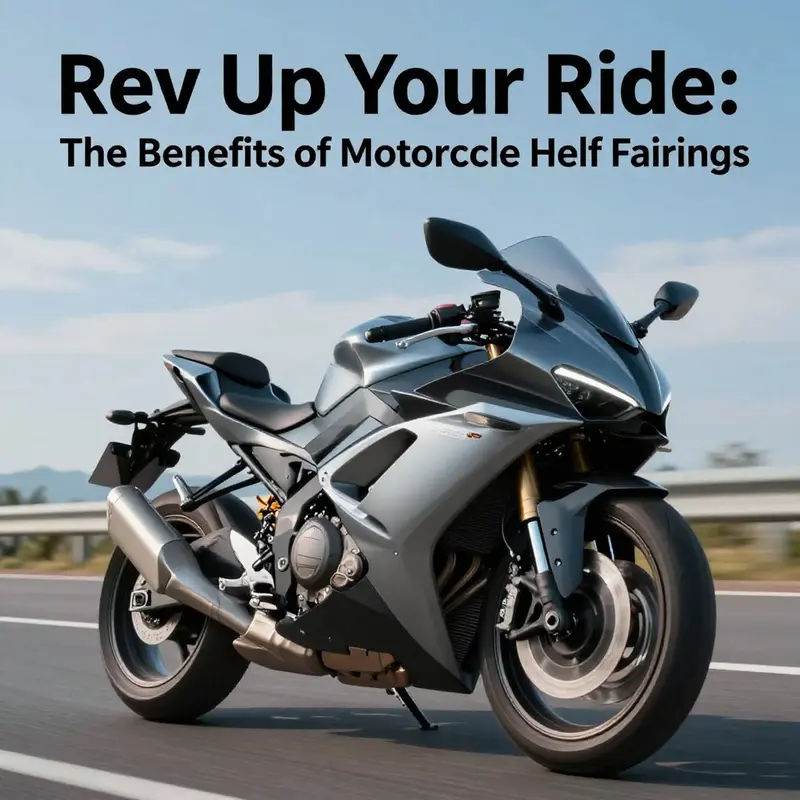
Une conduite fluide : Comment les demi-boucliers de moto équilibrent l'aérodynamique et le confort
Les demi-boucliers de moto illustrent l'intersection entre design et fonctionnalité, améliorant à la fois les performances et le confort de la conduite. En couvrant les parties supérieures de la moto, du phare aux guidons, ces boucliers redirigent efficacement l'air, résolvant l'un des principaux défis que rencontrent les motocyclistes : la résistance au vent. L'avantage réside dans leur capacité à fluidifier le cadre de la moto, réduisant la traînée tout en favorisant simultanément le confort du pilote, particulièrement lors des trajets à haute vitesse.
Un des principaux avantages des demi-boucliers est leur capacité à minimiser la résistance au vent. Cette réduction est particulièrement cruciale pour ceux qui utilisent les motos pour le sport-tourisme, le trajet quotidien ou les longs trajets. Avec le corps supérieur protégé contre l'air turbulent, le pilote ressent non seulement une augmentation de la vitesse, mais aussi une meilleure efficacité énergétique. La conception permet à l'air de circuler facilement autour de la moto, ce qui donne un profil plus aérodynamique. Cet aspect devient particulièrement marqué à des vitesses autoroutières, où chaque amélioration aérodynamique peut avoir un impact notable sur les performances et l'efficacité.
En plus de la réduction de la traînée, les demi-boucliers jouent un rôle essentiel dans l'amélioration du confort du pilote. Les boucliers dévient efficacement le vent loin du corps supérieur, ce qui aide à maintenir une posture stable. Pour ceux qui effectuent des trajets longue distance sur autoroute, cette réduction du vent agressif signifie moins de fatigue, offrant une expérience plus agréable sur de longues distances. Les pilotes rapportent souvent qu'ils peuvent se concentrer sur la route plutôt que sur les effets du vent, ce qui leur permet d'apprécier davantage leurs trajets.
Les demi-boucliers contribuent également à réduire le bruit du vent et la turbulence, créant un environnement de conduite plus calme. Comparés à une moto sans bouclier, les pilotes équipés de demi-boucliers trouvent souvent l'expérience nettement plus plaisante, car un bruit excessif peut rapidement nuire à la joie de rouler sur deux roues. Le silence intérieur encourage la concentration sur les performances de la moto et sur le paysage environnant, transformant chaque trajet en une expérience immersive.
L'un des principaux avantages des demi-boucliers est leur capacité à minimiser la résistance de l'air. Cette réduction est particulièrement cruciale pour ceux qui utilisent les motocyclettes pour le sport-tourisme, le transport ou les longues distances. Avec le haut du corps protégé contre l'air turbulent, le pilote ressent non seulement une vitesse accrue, mais aussi une meilleure efficacité carburant. La conception permet à l'air de s'écouler facilement autour de la motocyclette, ce qui donne un profil plus aérodynamique. Cet aspect devient particulièrement marqué à des vitesses élevées, où chaque amélioration aérodynamique peut entraîner des gains notables en performance et en efficacité.
En plus de la réduction de la traînée, les demi-boucliers jouent un rôle essentiel dans l'amélioration du confort du pilote. Les boucliers dévient efficacement le vent loin du haut du corps, ce qui aide à maintenir une posture de conduite stable. Pour ceux qui effectuent des trajets longs sur autoroute, cette réduction du buffeting du vent se traduit par moins de fatigue, offrant une expérience de conduite plus agréable sur de longues distances. Les pilotes rapportent souvent que leur attention reste sur la route plutôt que de lutter contre les effets du vent, ce qui leur permet d'apprécier davantage leurs trajets.
Les demi-boucliers contribuent également à réduire le bruit du vent et la turbulence, créant un environnement de conduite plus calme. Comparé à une motocyclette sans boucliers, les pilotes équipés de demi-boucliers trouvent souvent l'expérience nettement plus agréable, car un bruit excessif peut rapidement détériorer le plaisir de rouler sur deux roues. Le cadre plus silencieux encourage la concentration sur les performances de la moto et sur le paysage environnant, transformant chaque trajet en expérience immersive.
De plus, la conception structurelle des demi-boucliers offre des avantages pratiques en termes de maintenance. La couverture partielle permet d'accéder aux composants essentiels tels que le filtre à air et la batterie. Cette accessibilité est particulièrement bénéfique pour les amateurs de sportbikes qui ajustent constamment et entretiennent leurs machines pour des performances et une fiabilité optimales. L'équilibre soigneux entre protection et facilité d'entretien permet aux pilotes de cultiver un lien plus profond avec leurs motocyclettes.
Cependant, il est essentiel de reconnaître les limites associées aux demi-boucliers. Bien que leurs avantages aérodynamiques soient clairs, le design ne fournit pas une protection complète contre le vent pour les jambes ou le bas du corps du pilote. Lorsque l'on roule à haute vitesse ou dans des conditions adverses, cette exposition peut entraîner un inconfort. Pour pallier ces défis, de nombreux pilotes recourent à des pare-brise après-vente ou à des équipements spéciaux conçus pour améliorer le confort sans compromettre la maniabilité ou l'esthétique de la moto.
Étant donné leurs avantages uniques, les demi-boucliers ont trouvé leur place sur divers modèles populaires de motocyclettes, notamment le Honda CBR600RR et le CBR500R, ainsi que la série Kawasaki Ninja. Ces motos allient habilement un style sportif avec les avantages fonctionnels des demi-boucliers, ce qui en fait un choix favori parmi les passionnés qui recherchent l'optimal mélange de forme et de fonction.
Lors du choix des demi-boucliers, les pilotes doivent s'assurer de leur compatibilité avec leurs modèles de motocyclettes spécifiques, car l'ajustement peut varier largement selon les générations. De nombreuses options après-vente disponibles sur le marché offrent des alternatives de qualité supérieure répondant aux normes OEM, offrant aux pilotes une plus grande flexibilité en matière de personnalisation. Choisir le bon demi-bouclier n'apporte pas seulement une amélioration des performances, mais ajoute également une couche d'expression personnelle à la motocyclette.
En fin de compte, les demi-boucliers de motocyclette incarnent un témoignage de conception innovante, mêlant aérodynamisme et confort du pilote. Les avantages qu'ils offrent en font un choix pratique pour une large gamme de modes de conduite. Que ce soit en naviguant dans les rues urbaines ou en entreprenant des voyages longue distance, la présence des demi-boucliers contribue significativement à une meilleure expérience de conduite, unifiant performance et praticité de manière fluide. Pour ceux qui souhaitent améliorer leur moto, explorer des options telles que les boucliers Honda CBR600RR offre un chemin polyvalent vers une meilleure performance et un confort sur la route., Acrylonitrile Butadiene Styrene (ABS) Excellence en ingénierie : Innovation matérielle et durabilité des demi-boucliers de motocyclette.
Les demi-boucliers de motocyclette représentent constamment une synthèse de performance, de protection et d'aspect esthétique, tout en mettant l'accent sur l'efficacité aérodynamique. Cette innovation n'est pas due au hasard ; elle repose sur une ingénierie minutieuse des matériaux visant à répondre aux exigences des pilotes et des amateurs de course. L'élément crucial pour le succès opérationnel des demi-boucliers est leur composition matérielle, soigneusement sélectionnée pour répondre à des normes rigoureuses de performance et de durabilité nécessaires aux défis posés par la circulation à haute vitesse. Au cœur de la conception des demi-boucliers se trouve une variété de matériaux, chacun offrant des avantages distincts qui s'adaptent à différents styles de conduite et conditions. Parmi ceux-ci,.
est devenu un choix populaire, grâce à sa résistance exceptionnelle aux chocs, son légèreté et sa malléabilité. Spécifiquement utilisé dans les modèles comme le Honda CBR500R et la série Kawasaki Ninja, l'ABS permet aux fabricants de créer des formes lisses et aérodynamiques sans compromettre l'intégrité structurelle. and carbon fiber Polystyrène à haute résistance (HIPS).
constitue une autre option viable, connue pour sa production économique et sa bonne durabilité, ce qui le rend attrayant pour une gamme plus large de motocyclettes, en particulier celles axées sur le quotidien plutôt que sur la course. Cependant, ces matériaux servent souvent des applications plus occasionnelles ; pour les motocyclettes axées sur les performances, les fabricants peuvent opter pour des composites plus avancés. Plastiques renforcés de fibres de verre and incarne ces matériaux avancés, promettant un meilleur rapport résistance-poids. Le carbone, en particulier, apporte une couche de prestige et de performance, attirant les pilotes de piste et les amateurs de sportbikes qui valorisent la stabilité à haute vitesse et un avantage compétitif sur la piste. Ces matériaux augmentent considérablement le coût initial, mais offrent une performance supérieure sous pression, ce qui en fait une considération valable pour les pilotes sérieux. La durabilité reste un aspect critique du choix des matériaux, en particulier concernant l'exposition aux facteurs environnementaux. Les demi-boucliers doivent résister aux variations de température, aux rayons UV et à l'humidité, tout en résistant aux abrasions causées par les débris de la route. L'adhésion aux normes internationales telles que.
ISO 4136 Computational Fluid Dynamics (CFD) SAE J2344.
garantit que les fabricants respectent les critères essentiels de durabilité et de résilience. Ces normes exigent des régimes d'essais rigoureux, simulant des conditions comprenant des vents à haute vitesse et des scénarios d'impact qui imitent les risques potentiels sur la route. Honda and Kawasaki, En se basant sur ces normes, les fabricants effectuent des tests réels approfondis de leurs carénages, en mettant l'accent sur des aspects tels que la réduction de la traînée aérodynamique et les performances structurelles. Cette approche minutieuse améliore non seulement la sécurité du pilote, mais aussi les dynamiques globales de conduite grâce à une gestion raffinée de l'écoulement d'air. L'aérodynamisme des moitiés de carénage, caractérisé par ses courbes lisses et ses coupes stratégiques, réduit la turbulence et améliore la stabilité, réduisant ainsi l'impact du vent à grande vitesse. Des outils sophistiqués comme.
facilitent ce processus de conception, permettant aux ingénieurs de visualiser les écoulements d'air et d'apporter des ajustements basés sur des données à la forme du carénage. Honda and Kawasaki, Ainsi, l'interaction entre les sciences des matériaux et l'aérodynamisme dans les moitiés de carénage de motocyclette est profonde. Elle incarne un engagement envers la livraison non seulement d'expériences de conduite améliorées, mais aussi d'une meilleure efficacité. Comme le montrent les modèles provenant à la fois de.
, la bonne combinaison de matériaux n'élève pas seulement l'esthétique, mais renforce également les indicateurs de performance du vélo dans des situations réelles. Que ce soit en naviguant dans les rues urbaines pendant les trajets quotidiens ou en prenant la route ouverte lors de voyages plus longs, les pilotes peuvent apprécier l'ingénierie soignée qui soutient la fiabilité et la satisfaction des motocyclettes.
Les demi-boucliers de motocyclette servent de pont crucial entre les performances aérodynamiques des boucliers complets et le sentiment de liberté des motos nues. Pour les amateurs de sport-tourisme et les conducteurs quotidiens, ces panneaux partiels sont bien plus que des améliorations esthétiques. Positionnés logiquement sur la partie supérieure de la motocyclette, ils couvrent généralement des composants essentiels tels que l'éclairage avant, le tableau de bord et la zone supérieure des fourches, tout en laissant les parties inférieures exposées. Ce design unique offre un mélange attrayant de fonctionnalité et de style, prouvant particulièrement utile pour les longs trajets et le déplacement urbain pratique où la performance aérodynamique et le confort sont essentiels.
Un avantage important des demi-boucliers réside dans leur impact sur l'aérodynamique. Ces boucliers réduisent la résistance et la turbulence du vent, permettant aux pilotes d'apprécier une expérience plus fluide à des vitesses plus élevées. Pour ceux qui effectuent de longs voyages, la moindre agitation du vent se traduit par une fatigue réduite, offrant une position de conduite plus confortable. Ainsi, les demi-boucliers peuvent être considérés comme un allié du pilote, aidant à maintenir le contrôle et la stabilité. Alors que la moto tranche l'air avec une efficacité accrue, le pilote peut se concentrer sur la navigation sans être distrait par la lutte contre les éléments.
Lors de l'évaluation des implications de performance, le poids léger des demi-boucliers devient évident. Contrairement à leurs homologues complets, les demi-boucliers pèsent significativement moins, contribuant ainsi à une meilleure maniabilité et agilité. Cet avantage est particulièrement notable dans les environnements urbains où une maniabilité rapide est cruciale. La réponse accrue est également bénéfique pour les pilotes sportifs cherchant de l'agilité sur la piste. Les modèles équipés de demi-boucliers - comme le Honda CBR600RR ou le Kawasaki Ninja ZX-10R - voient souvent des bénéfices de performance, démontrant comment ces caractéristiques s'alignent avec les exigences des amateurs de course et des usagers quotidiens.
Les aspects pratiques de l'entretien ne doivent pas non plus être négligés. Les motocyclettes équipées de demi-boucliers offrent aux pilotes un accès plus facile aux composants moteurs. Des tâches essentielles comme le contrôle ou le remplacement du filtre à air ou de la batterie deviennent plus gérables, car le design réduit la complexité du démontage de grands panneaux. Cette équilibre entre performance et facilité d'entretien est l'une des raisons pour lesquelles les demi-boucliers ont gagné en popularité parmi diverses communautés de motards, ajoutant à leur attrait en tant que choix de référence.
Bien que les demi-boucliers soient excellents dans de nombreux domaines, il est crucial pour les pilotes de reconnaître leurs limites, notamment concernant la protection contre le vent. Contrairement aux boucliers complets, qui offrent une protection complète du torse, les demi-boucliers offrent une couverture modérée contre le vent. Les pilotes peuvent ressentir une pression et un bruit du vent à haute vitesse, ce qui peut nécessiter des accessoires supplémentaires comme des pare-brise aftermarket. Cette personnalisation peut améliorer davantage le confort pendant le transport à haute vitesse, assurant au pilote un état d'esprit détendu.
L'aspect esthétique ne peut pas non plus être ignoré. Les demi-boucliers offrent une apparence élégante et fluide qui met en valeur la beauté mécanique de la motocyclette, mêlant forme et fonction. Pour ceux qui apprécient à la fois la performance et le style, les demi-boucliers offrent une solution unique, apportant un look soigné qui se distingue dans n'importe quel cadre.
En conclusion, l'adoption des demi-boucliers de motocyclette témoigne des besoins évolutifs des pilotes modernes. Leur mélange d'aérodynamique, de performance et d'entretien pratique reflète les expériences de conduite variées allant du sport-tourisme au déplacement quotidien. Pour les motards souhaitant optimiser leur trajet, les demi-boucliers présentent un choix optimal qui ne compromet ni l'ergonomie ni le style. Alors que ces boucliers gagnent en popularité, de plus en plus de pilotes découvrent qu'ils améliorent non seulement leurs machines, mais aussi leurs trajets, en devenant un composant essentiel des motocyclettes d'aujourd'hui. Pour ceux intéressés par les options aftermarket, visitez des sources fiables pour trouver des kits de demi-boucliers adaptés à divers modèles de motocyclettes.
Chapitre 2 : Explorer la variété des demi-boucliers de moto : Conceptions et choix de matériaux
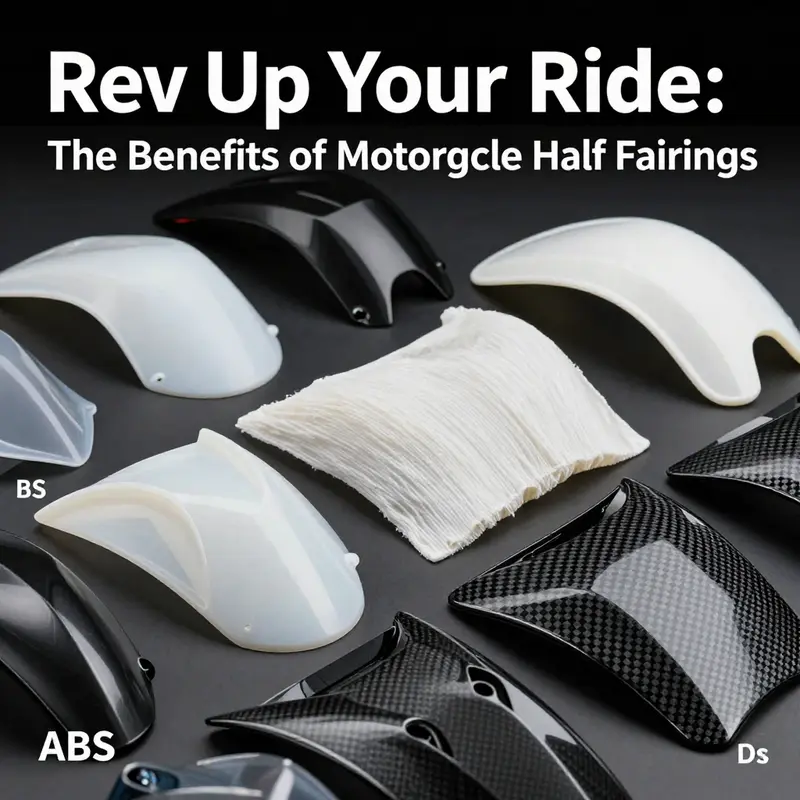
Explorer les types et matériaux des demi-boucliers de motocyclette : une insight approfondie
Les demi-boucliers de motocyclette représentent un mélange unique de conception et de fonctionnalité, attirant une large gamme de pilotes allant des usagers quotidiens aux amateurs de sport-tourisme. En tant que protections partielles qui protègent principalement les parties supérieures d'une moto, les demi-boucliers servent à améliorer non seulement l'apparence esthétique de la motocyclette, mais aussi sa performance. Leur conception stratégique protège généralement des composants critiques, tels que l'éclairage avant et le tableau de bord, tout en laissant le moteur et le châssis visibles, permettant aux pilotes d'apprécier la beauté mécanique de leurs machines.
Les types de demi-boucliers disponibles peuvent être principalement catégorisés en designs sport-tourisme, café racer et urbain. Les demi-boucliers sport-tourisme sont généralement robustes mais élégants, conçus pour offrir une déviation suffisante du vent pour des trajets longue distance tout en maintenant un look agressif et sportif. Ils comprennent souvent des éléments tels qu'un pare-vent intégré pour minimiser la traînée et améliorer le confort du pilote à haute vitesse. En revanche, les modèles café racer adoptent généralement un style rétro, se concentrant sur l'excellence stylistique plutôt que sur l'aérodynamisme pur. Ces boucliers privilégient souvent la légèreté, mettant l'accent sur l'agilité et la réactivité pour offrir aux pilotes l'excitation d'une expérience de conduite plus intense.
Les demi-boucliers urbains existent comme une option polyvalente pour les conducteurs quotidiens. Ils présentent un design équilibré qui protège contre les éléments tout en assurant un accès facile aux parties mécaniques de la moto pour l'entretien. Cette praticité est essentielle pour les pilotes qui nécessitent un entretien régulier dans les environnements urbains.
La composition des matériaux est un autre aspect crucial qui affecte les performances et la durabilité des demi-boucliers. Les matériaux courants incluent le plastique ABS, le fibre de verre et le carbone, chacun ayant ses propres atouts. Le plastique ABS est populaire pour ses propriétés légères et résistantes aux chocs, ce qui en fait un choix idéal pour l'abordabilité et la solidité. Par contre, les constructions en fibre de verre peuvent offrir un look personnalisé, souvent apprécié pour leur flexibilité en matière de conception et de couleur, bien qu'elles puissent nécessiter plus d'attention concernant la durabilité et l'entretien.
Pour ceux qui recherchent une option premium, les demi-boucliers en fibre de carbone se distinguent comme le choix de haut niveau, offrant un rapport force-poids inégalé. Bien qu'ils soient souvent plus chers, leurs avantages en termes de performance peuvent justifier l'investissement, notamment pour les motos de course ou de haute performance.
Quel que soit le matériau choisi, la compatibilité des demi-boucliers avec des modèles spécifiques de motos est cruciale. Chaque moto a ses contours et points de fixation uniques, nécessitant un processus de sélection soigneux. Les pilotes devraient toujours vérifier la compatibilité avant d'acheter pour s'assurer d'une sécurité et d'une fonctionnalité optimales. Par exemple, ceux qui souhaitent équiper un Suzuki SV650 ou un Kawasaki Ninja devraient consulter des ressources dédiées pour trouver des options adaptées à leurs motos. De même, les marques proposent un inventaire complet pour divers modèles, allant des lignes classiques Honda CBR aux dernières sportives Yamaha, garantissant aux pilotes de trouver des demi-boucliers adaptés à leurs besoins.
À mesure que le marché évolue, les options d'après-vente sont apparues comme une alternative viable aux fabricants originaux (OEM). Ces demi-boucliers d'après-vente répondent souvent ou surpassent les normes OEM tout en offrant des prix plus compétitifs, ce qui les rend attrayants pour les pilotes soucieux de leur budget. Toutefois, la qualité peut varier considérablement, il est donc conseillé d'explorer la réputation des fournisseurs ou fabricants.
En conclusion, choisir le bon demi-bouclier implique un mélange de compréhension des différents types - sport-tourisme, café racer et urbain - ainsi que des matériaux disponibles, tels que le plastique ABS, la fibre de verre et le carbone. Que ce soit pour optimiser les performances, l'esthétique ou un mélange des deux, ces éléments joueront un rôle essentiel dans l'amélioration de l'expérience de conduite globale. Pour explorer davantage des modèles spécifiques et leurs options de demi-boucliers, les pilotes peuvent visiter des collections complètes comme celles trouvées sur des sites web dédiés aux boucliers de motos.
Exploration des propriétés des matériaux et de leur impact sur les performances des demi-boucliers
Le choix des matériaux utilisés dans les demi-boucliers de motos joue un rôle crucial dans la détermination de leurs performances, de leur durabilité et de leur attrait pour les pilotes. Principalement, trois matériaux dominent le marché : ABS plastic, fiberglass, and carbon fiber. Chacun de ces matériaux apporte ses propriétés uniques et ses compromis, s'adressant à des préférences et besoins variés des pilotes. Comprendre ces matériaux est essentiel pour les amateurs souhaitant améliorer l'aérodynamique et l'esthétique de leur moto sans compromettre les performances ou la sécurité.
ABS plastic est largement apprécié pour son équilibre entre abordabilité, poids modéré et résistance. Il s'agit d'un polymère thermodurcissable qui peut supporter des impacts considérables, ce qui en fait un choix pratique pour les pilotes soucieux de dommages causés par des chutes mineures ou des débris sur la route. La flexibilité intrinsèque du ABS empêche l'éclatement lors d'un impact, offrant une qualité indulgente qui peut être bénéfique pour les scénarios de conduite quotidiens. De plus, ce matériau peut être facilement moulé en formes complexes, permettant une variété de designs qui améliorent l'apparence de la moto, attirant particulièrement les constructeurs personnalisés et ceux qui préfèrent un look élégant. Toutefois, bien que les boucliers en ABS soient assez durables, ils ne fournissent pas nécessairement les mêmes caractéristiques de performance élevée observées dans les matériaux plus coûteux.
On the other hand, fiberglass Le choix des matériaux utilisés dans les demi-protège-riders joue un rôle crucial dans la détermination de leurs performances, de leur durabilité et de leur attrait global pour les motocyclistes. Principalement, trois matériaux dominent le marché :.
Carbon fiber Chaque matériau apporte ses propriétés uniques et ses compromis, répondant à diverses préférences et besoins des motocyclistes. Comprendre ces matériaux est essentiel pour les amateurs souhaitant améliorer l'aérodynamique et l'esthétique de leur moto sans compromettre les performances ou la sécurité.
est largement apprécié pour son équilibre entre abordabilité, poids modéré et résistance. C'est un polymère thermodurcissable qui peut supporter des chocs considérables, ce qui en fait un choix pratique pour les motocyclistes soucieux de dommages causés par des petites chutes ou des débris routiers. La flexibilité intrinsèque de l'ABS empêche l'éclatement lors d'un impact, offrant une qualité indulgente qui peut être bénéfique pour les scénarios de conduite quotidiens. De plus, ce matériau peut être facilement moulé en formes complexes, permettant une variété de designs qui améliorent l'apparence de la moto, attirant particulièrement les constructeurs personnalisés et ceux qui préfèrent un look élégant. Cependant, bien que les protections en ABS soient assez durables, elles ne fournissent peut-être pas les mêmes caractéristiques de haute performance observées dans les matériaux plus chers.
offre une résistance notable, un poids plus léger et le potentiel d'une fabrication complexe. Connue pour sa rigidité et son intégrité structurelle, la fibre de verre est couramment utilisée dans les scénarios de course où l'économie de poids est primordiale. Ce matériau peut être formé en designs brillants et agressifs, attirant les pilotes de sportbikes qui valorisent à la fois l'esthétique et la fonction. Bien qu'elle puisse être plus coûteuse que l'ABS, les protections en fibre de verre de haute qualité offrent souvent des avantages supplémentaires, tels qu'une résistance supérieure aux contraintes et la capacité à résister à des températures plus élevées, les rendant adaptées aux motos de performance. Néanmoins, la fibre de verre a ses inconvénients - en particulier sa tendance à se fissurer sous un impact sévère, ce qui signifie qu'elles peuvent nécessiter une réparation professionnelle si endommagées. est le matériau choisi par ceux qui recherchent des performances de premier ordre et une esthétique inégalée. Réputé pour son légèreté et son excellent rapport résistance/poids, le carbone contribue significativement à l'optimisation de la maniabilité et de l'accélération d'une moto. Les protections en carbone sont non seulement visuellement frappantes, mais sont souvent conçues pour des applications de course, où chaque once d'économie de poids se traduit par une amélioration des performances. Le processus de fabrication permet un haut degré de personnalisation, aboutissant à des finitions uniques que beaucoup de motocyclistes trouvent attractives. Cependant, le coût associé aux matériaux en carbone peut être prohibitif pour le motocycliste moyen, les positionnant comme un choix premium adapté aux passionnés sérieux ou aux pilotes compétitifs., Choisir les bons demi-protège-riders implique de considérer à la fois les propriétés des matériaux et les besoins personnels de conduite. Pour les usagers quotidiens axés sur la praticité, les protections en ABS pourraient être l'option idéale grâce à leur abordabilité et leur résistance aux chocs. À l'inverse, les pilotes de sport-tourisme et de performance privilégieront probablement la fibre de verre ou le carbone, en priorisant la vitesse et l'économie de poids plutôt que le coût. Les pilotes devraient également porter une attention particulière à la compatibilité avec leur modèle de moto et s'assurer que l'ajustement est précis afin d'éviter des problèmes de performance ou des préoccupations de sécurité.
Au milieu de ces choix de matériaux, les fabricants d'après-vente proposent de plus en plus d'alternatives de haute qualité qui répondent ou surpassent les spécifications du fabricant d'origine (OEM), permettant aux motocyclistes de profiter des avantages des demi-protège-riders bien conçus à des prix compétitifs. Que ce soit des partenaires dans le quotidien ou des alliés stratégiques en course, comprendre les avantages distincts de l'ABS, de la fibre de verre et du carbone peut grandement améliorer l'expérience et la satisfaction d'un pilote. Pour ceux qui cherchent un ensemble d'options qui s'intègrent harmonieusement esthétique et performance, explorez la large gamme de
protections d'après-vente disponibles pour les modèles populaires.
Material Choices
, assurant que chaque trajet ne dépasse pas mais dépasse leurs attentes.
Exploration des matériaux et dynamiques économiques des demi-protège-riders de motocyclette : Aperçus sur l'esthétique, la sécurité et la personnalisationLes demi-protège-riders de motocyclette, souvent appelés « clip-on » ou « demi-protège-riders », incarnent un mélange de conception aérodynamique et de fonctionnalité pratique, répondant aux besoins des pilotes qui exigent à la fois performance et style. En couvrant uniquement la partie supérieure de la moto, ils offrent une protection modérée contre le vent tout en laissant les parties inférieures exposées pour un accès facile lors de l'entretien des composants moteurs. Cette décision de conception stratégique les a rendus particulièrement désireux pour les sportbikes et les motos de poids moyen, où la performance est cruciale mais l'entretien ne peut être négligé.
PolycarbonateLa composition des demi-protège-riders influence significativement leurs performances et leurs prix sur le marché des motocyclettes. Les matériaux courants comprennent :.
FiberglassPlastique ABS (Acrylonitrile Butadiène Styrène).
: C'est le matériau le plus utilisé en raison de son excellent équilibre entre résistance, longévité et abordabilité. Des modèles tels que le Kawasaki Ninja 650 et le Suzuki GSX-S750 présentent fréquemment des protections en plastique ABS, ce qui contribue à leur robustesse globale et durabilité dans diverses conditions de conduite.
Les implications économiques des demi-boucliers vont bien au-delà de leur prix à la vente. Leur coût relativement plus faible par rapport aux boucliers complets ouvre des opportunités de personnalisation à un plus large public de motards, favorisant une industrie de pièces détachées dynamique. Au sein de ce secteur, un écosystème diversifié prospère, composé de petits fabricants, d'artisans indépendants et de vendeurs en ligne spécialisés dans les kits de demi-boucliers personnalisés. La facilité d'installation - souvent réalisable avec des outils simples et des modifications minimales - réduit les coûts de main-d'œuvre et augmente ainsi l'engagement des motards dans leurs propres adaptations de moto.
La personnalisation abordable ne favorise pas seulement l'expression individuelle mais aussi la création d'une communauté parmi les amateurs de motos. Des sorties en groupe, des expositions de motos personnalisées et des forums dédiés aux modifications illustrent cette culture, stimulant un intérêt accru pour les demi-boucliers. À mesure que plus de motards participent à la scène de personnalisation, les marques bénéficient d'une reconnaissance et d'une fidélité accrues.
Impact sociétal et sécurité du motard
Sur un plan sociétal plus large, l'adoption des demi-boucliers contribue significativement au confort et à la sécurité du motard. En réduisant la fatigue due au vent, ces boucliers permettent des trajets plus longs et plus agréables. De plus, ils protègent les motards contre les débris routiers imprévus et les conditions météorologiques adverses, bien qu'il convienne de noter qu'ils ne fournissent pas le même niveau de protection frontale contre le vent offert par les boucliers complets.
De plus, l'esthétique des motos équipées de demi-boucliers améliore leur apparence, favorisant la croissance de mouvements de sous-culture centrés sur la personnalisation de l'esthétique des motos. Cet aspect renforce non seulement l'identité personnelle des motards mais encourage également un sentiment d'appartenance au sein de la communauté motocycliste.
En conclusion, les demi-boucliers constituent un élément crucial dans le dialogue continu sur la personnalisation des motos, équilibrant la faisabilité économique avec la variété des matériaux et les considérations sociales. Que ce soit pour un enrichissement esthétique ou une utilisation pratique, ces boucliers jouent un rôle essentiel dans la définition de l'expérience motocycliste moderne. Pour ceux qui souhaitent transformer leur moto, explorer des options comme les boucliers après-vente abordables et durables disponibles sur divers plateformes peut être un excellent premier pas vers une conduite personnalisée, permettant aux passionnés de fusionner sécurité, performance et individualité de manière fluide.
Chapitre 3 : Améliorer l'expérience du pilote avec les demi-boucliers de moto : Une analyse approfondie du confort et de la conception

Naviguer dans le vent : Comment les demi-boucliers de motos influencent l'aérodynamique et le confort du motard
Les demi-boucliers de motos jouent un rôle essentiel dans l'amélioration du confort du motard, notamment en optimisant l'aérodynamique et la déviation du vent. Conçus pour protéger les parties supérieures d'une moto, ces boucliers facilitent un profil plus aérodynamique, ce qui est essentiel pour les motards qui recherchent une stabilité et un contrôle, surtout à des vitesses autoroutières. La géométrie du demi-bouclier est conçue pour atténuer l'impact direct du vent sur le motard, dirigeant l'air vers le haut et autour du torse du motard. Ce design réduit la turbulence, qui peut autrement entraîner un inconfort physique et une fatigue pendant les trajets plus longs.
Les motards subissent souvent les effets négatifs du bourrelet lorsqu'ils sont exposés au vent à haute vitesse, car cela peut générer un important stress sur le cou et les épaules. Cependant, grâce à l'aide des demi-boucliers, la résistance au vent est grandement réduite, favorisant une expérience de conduite plus douce. En dirigeant l'air loin du corps supérieur du motard, les demi-boucliers