
















Introduction
Vỏ xe mô tô nửa thân ngày càng được người lái nhận biết nhờ tích hợp chiến lược giữa hiệu suất và sự thoải mái. Các bộ phận này không chỉ nâng cao vẻ ngoài của xe mô tô mà còn ảnh hưởng đáng kể đến tính khí động học, bảo vệ người lái và hiệu quả tổng thể. Bằng cách che phủ các phần trên của xe, vỏ xe nửa thân tối ưu hóa luồng không khí và cải thiện hiệu suất nhiên liệu trong khi vẫn nhẹ và dễ bảo trì. Bài viết này đi sâu vào tính khí động học và hiệu suất của những vỏ xe này, xem xét các loại vật liệu có sẵn, thảo luận về tác động của chúng đến sự thoải mái cho người lái, phân tích các yếu tố kinh tế và đánh giá xu hướng thị trường hiện tại. Mỗi chương đều xây dựng trên chương trước để cung cấp hiểu biết toàn diện về vỏ xe mô tô nửa thân và vai trò của chúng trong một thị trường đang thay đổi.
Tables of Contents
Chương 1: Thiết kế Khí Động Học Tối Ưu: Nâng Cao Hiệu Suất và Sự Thoải Mái Với Vỏ Xe Nửa Thân
- Lái Xe Dạng Dòng: Cách Vỏ Xe Nửa Thân Cân Bằng Giữa Khí Động Học và Sự Thoải Mái
- Sáng Tạo Kỹ Thuật: Đổi Mới Vật Liệu và Độ Bền Trong Vỏ Xe Nửa Thân Cho Xe Mô Tô
- Nâng Cao Thể Thao - Du Lịch và Đi Làm Với Vỏ Xe Nửa Thân Cho Xe Mô Tô
Chương 2: Tìm Hiểu Đa Dạng Vỏ Xe Nửa Thân Cho Xe Mô Tô: Thiết Kế và Lựa Chọn Vật Liệu
- Khám Phá Các Loại và Vật Liệu Cho Vỏ Xe Nửa Thân: Những Góc Nhìn Toàn Diện
- Khám Phá Tính Chất Vật Liệu và Tác Động Đến Hiệu Năng Của Vỏ Xe Nửa Thân
- Khám Phá Vật Liệu và Động Lực Kinh Tế Của Vỏ Xe Nửa Thân Cho Xe Mô Tô: Những Góc Nhìn Về Thẩm Mỹ, An Toàn và Tùy Chỉnh
Chương 3: Nâng Cao Trải Nghiệm Người Lái Với Vỏ Xe Nửa Thân Cho Xe Mô Tô: Một Quan Sát Chi Tiết Về Sự Thoải Mái và Thiết Kế
- Điều Hướng Gió: Cách Vỏ Xe Nửa Thân Ảnh Hưởng Đến Khí Động Học và Sự Thoải Mái Cho Người Lái
- Lợi Ích Kinh Tế Khi Sử Dụng Vỏ Xe Nửa Thân Cho Xe Mô Tô: Lựa Chọn Tiết Kiệm và Dễ Bảo Trì
- Thiết Kế Tập Trung Vào Người Lái và Động Lực Thị Trường Thế Giới: Tác Động Xã Hội Của Vỏ Xe Nửa Thân Đối Với Tính Truy Cập
Chương 4: Kinh Tế Vật Liệu và Tác Động Của Nó Đến Vỏ Xe Nửa Thân Cho Xe Mô Tô
- Cân Bằng Giữa Giá Thành và Hiệu Suất: Kinh Tế Của Việc Lựa Chọn Vật Liệu Cho Vỏ Xe Nửa Thân
- Cân Bằng Kỹ Thuật Sản Xuất và Kinh Tế Trong Quy Trình Sản Xuất Vỏ Xe Nửa Thân Cho Xe Mô Tô
- Hiểu Rõ Tổng Chi Phí Sở Hữu Cho Vỏ Xe Nửa Thân Cho Xe Mô Tô
Chương 5: Điều Hướng Những Tiến Bộ Trong Vỏ Xe Nửa Thân Cho Xe Mô Tô: Đổi Mới Vật Liệu và Động Lực Thị Trường
- Cách Vật Liệu Tiên Tiến và Sản Xuất Thông Minh Định Hình Bức Tranh Vỏ Xe Nửa Thân
- Tận Dụng Tính Tiết Kiệm và Tính Năng: Những Yếu Tố Kinh Tế Ở Sau Vỏ Xe Nửa Thân Cho Xe Mô Tô
- Cách Giá Trị Hiện Đại Định Hình Sự Hấp Dẫn Của Vỏ Xe Nửa Thân Cho Xe Mô Tô
Chương 1: Thiết kế Khí Động Học Tối Ưu: Nâng Cao Hiệu Suất và Sự Thoải Mái Với Vỏ Xe Nửa Thân
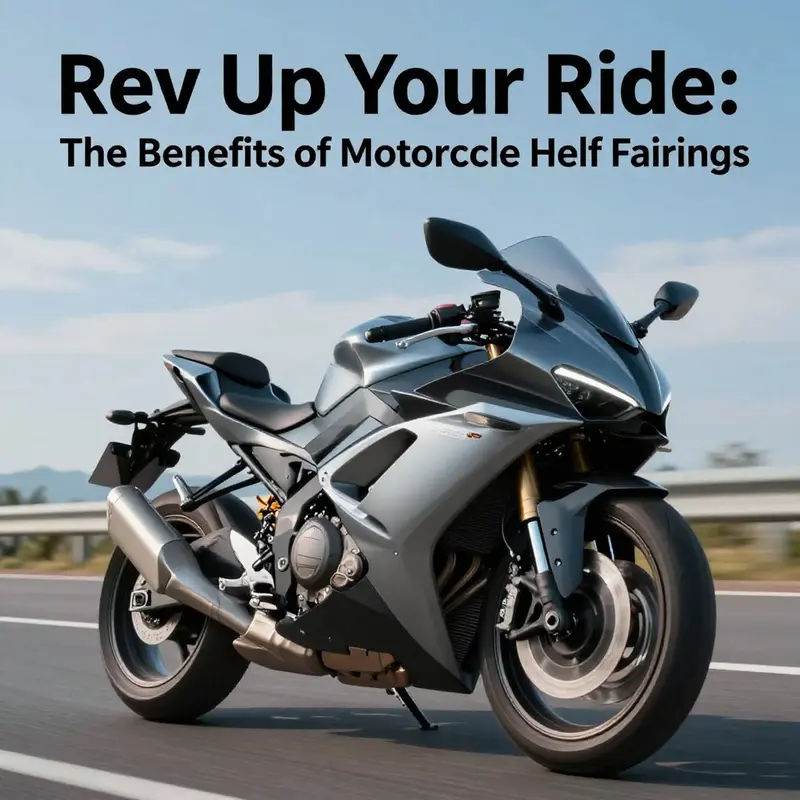
Lái Xe Dạng Dòng: Cách Vỏ Xe Nửa Thân Cân Bằng Giữa Khí Động Học và Sự Thoải Mái
Vỏ xe mô tô nửa thân thể hiện sự giao thoa giữa thiết kế và tính năng, nâng cao cả hiệu suất và sự thoải mái khi di chuyển. Bằng cách che phủ phần trên của xe mô tô - từ đèn đầu đến tay lái - những vỏ này hiệu quả làm thay đổi luồng không khí, giải quyết một trong những thách thức lớn nhất mà người lái mô tô gặp phải: lực cản gió. Ưu điểm nằm ở khả năng làm mượt khung xe, giảm lực cản đồng thời thúc đẩy sự thoải mái cho người lái, đặc biệt là khi di chuyển ở tốc độ cao.
Một lợi ích chính của vỏ xe nửa thân là khả năng giảm lực cản gió. Việc giảm này đặc biệt quan trọng đối với những người sử dụng xe mô tô cho thể thao - du lịch, đi làm hoặc đi đường dài. Với cơ thể trên được bảo vệ khỏi luồng không khí hỗn loạn, người lái trải nghiệm không chỉ tốc độ cao hơn mà còn hiệu suất nhiên liệu tốt hơn. Thiết kế cho phép không khí chảy trơn tru quanh xe, tạo ra hình dạng khí động học tốt hơn. Yếu tố này trở nên rõ rệt đặc biệt ở tốc độ cao, nơi mỗi chi tiết nhỏ trong việc tối ưu hóa khí động học có thể dẫn đến cải thiện đáng kể về hiệu suất và hiệu quả.
Ngoài việc giảm lực cản, vỏ xe nửa thân cũng đóng vai trò quan trọng trong việc nâng cao sự thoải mái cho người lái. Những vỏ này hiệu quả làm lệch gió khỏi cơ thể trên, giúp duy trì tư thế lái ổn định. Đối với những người thực hiện các chuyến đi dài trên đường cao tốc, việc giảm tác động của gió sẽ dẫn đến ít mệt mỏi hơn, mang lại trải nghiệm lái thú vị hơn trong khoảng cách dài. Người lái thường báo cáo rằng sự tập trung của họ luôn dành cho con đường chứ không phải chống lại tác động của gió, cho phép họ tận hưởng hành trình của mình tốt hơn.
Vỏ xe nửa thân cũng góp phần giảm tiếng ồn và nhiễu gió, tạo ra môi trường lái yên tĩnh hơn. So với xe mô tô không có vỏ, người lái được trang bị vỏ xe nửa thân thường cảm thấy trải nghiệm rõ rệt tốt hơn, vì tiếng ồn quá mức có thể nhanh chóng làm mất đi niềm vui khi di chuyển trên hai bánh. Không gian yên tĩnh khuyến khích sự tập trung vào hiệu suất của chiếc xe và cảnh quan xung quanh, biến mỗi chuyến đi thành trải nghiệm hấp dẫn.
Một trong những lợi ích chính của tấm chắn nửa là khả năng giảm lực cản gió. Sự giảm này đặc biệt quan trọng đối với những người sử dụng xe máy cho thể thao - du lịch, đi làm hoặc lái đường dài. Với phần thân trên được bảo vệ khỏi luồng gió hỗn loạn, người lái không chỉ trải nghiệm tốc độ cao hơn mà còn cải thiện hiệu suất nhiên liệu. Thiết kế cho phép không khí chảy trơn tru xung quanh xe máy, tạo ra hình dạng khí động học tốt hơn. Yếu tố này trở nên rõ rệt đặc biệt ở tốc độ cao, nơi mỗi chi tiết nhỏ trong thiết kế khí động học có thể dẫn đến cải thiện đáng kể về hiệu suất và hiệu quả.
Ngoài việc giảm lực cản, tấm chắn nửa đóng vai trò quan trọng trong việc nâng cao sự thoải mái cho người lái. Các tấm chắn hiệu quả ngăn gió away từ phần thân trên, giúp duy trì tư thế lái ổn định. Đối với những người đi làm đường dài, sự giảm buffeting gió sẽ chuyển thành ít mệt mỏi hơn, mang lại trải nghiệm lái thú vị hơn trong khoảng cách dài. Người lái thường báo cáo rằng sự tập trung của họ vẫn hướng về con đường chứ không phải chống lại tác động của gió, cho phép họ tận hưởng hành trình của mình tốt hơn.
Tấm chắn nửa cũng góp phần giảm tiếng ồn gió và rối loạn không khí, tạo môi trường lái yên tĩnh hơn. So với xe máy không có tấm chắn, người lái được trang bị tấm chắn nửa thường cảm thấy trải nghiệm rõ rệt tốt hơn, vì tiếng ồn quá mức có thể nhanh chóng làm mất đi niềm vui khi di chuyển trên hai bánh. Không gian yên tĩnh khuyến khích sự tập trung vào hiệu suất của chiếc xe và cảnh quan xung quanh, biến mỗi chuyến đi thành trải nghiệm sâu sắc.
Hơn nữa, thiết kế cấu trúc của tấm chắn nửa mang lại lợi ích thực tế về mặt bảo trì. Việc che phủ một phần giữ được quyền truy cập vào các thành phần quan trọng như lọc không khí và ắc quy. Tính dễ tiếp cận này đặc biệt hữu ích cho những người đam mê xe thể thao thường xuyên điều chỉnh và bảo trì phương tiện của họ để đạt hiệu suất và độ tin cậy cao. Cân bằng cẩn thận giữa bảo vệ và khả năng bảo trì cho phép người lái xây dựng mối quan hệ sâu sắc hơn với chiếc xe máy của họ.
Tuy nhiên, điều quan trọng là nhận ra những hạn chế liên quan đến tấm chắn nửa. Mặc dù lợi ích khí động học của chúng rõ ràng, nhưng thiết kế không cung cấp bảo vệ đầy đủ cho chân hoặc cơ thể dưới của người lái. Khi lái ở tốc độ cao hoặc trong điều kiện xấu, sự phơi nhiễm này có thể gây khó chịu. Để khắc phục những thách thức này, nhiều người lái thường chọn kính chắn gió sau hoặc trang phục chuyên dụng được thiết kế để tăng sự thoải mái mà không làm ảnh hưởng đến khả năng điều khiển hoặc vẻ ngoài của xe máy.
Nhờ những lợi ích độc đáo của mình, tấm chắn nửa đã tìm thấy chỗ đứng trên nhiều mẫu xe máy phổ biến, bao gồm Honda CBR600RR và CBR500R, cũng như dòng Kawasaki Ninja. Những chiếc xe này khéo léo kết hợp phong cách thể thao với lợi ích chức năng của tấm chắn nửa, khiến chúng trở thành lựa chọn yêu thích của những người đam mê tìm kiếm sự kết hợp tối ưu giữa hình thức và chức năng.
Khi chọn tấm chắn nửa, người lái phải đảm bảo tính tương thích với các mô hình xe máy cụ thể của họ, vì kích thước có thể khác nhau rất nhiều giữa các thế hệ khác nhau. Nhiều tùy chọn sau thị trường trên thị trường cung cấp các lựa chọn chất lượng cao đáp ứng tiêu chuẩn OEM, mang lại cho người lái sự linh hoạt lớn hơn trong việc tùy chỉnh. Việc chọn đúng tấm chắn nửa không chỉ cải thiện hiệu suất mà còn thêm một lớp biểu hiện cá nhân cho chiếc xe máy.
Cuối cùng, tấm chắn nửa xe máy là minh chứng cho thiết kế đổi mới, kết hợp giữa khí động học và sự thoải mái cho người lái. Những lợi ích mà chúng mang lại khiến chúng trở thành lựa chọn thực tế cho nhiều thói quen lái khác nhau. Dù di chuyển trên đường phố hay bắt đầu hành trình dài, sự hiện diện của tấm chắn nửa đóng góp đáng kể vào trải nghiệm lái xe tốt hơn, kết hợp hiệu suất và tính thực tiễn một cách liền mạch. Đối với những người muốn nâng cấp chiếc xe của họ, khám phá các tùy chọn như tấm chắn Honda CBR600RR cung cấp con đường linh hoạt để cải thiện hiệu suất và sự thoải mái trên đường., Acrylonitrile Butadiene Styrene (ABS) Sáng tạo kỹ thuật: Đổi mới vật liệu và độ bền trong tấm chắn nửa xe máy.
Tấm chắn nửa xe máy luôn đại diện cho sự kết hợp giữa hiệu suất, bảo vệ và vẻ đẹp thẩm mỹ, đồng thời nhấn mạnh hiệu quả khí động học. Sự đổi mới này không phải là tình cờ; nó được xây dựng dựa trên kỹ thuật vật liệu tỉ mỉ nhằm đáp ứng nhu cầu của cả người lái và người hâm mộ đua xe. Yếu tố then chốt trong thành công vận hành của tấm chắn nửa là thành phần vật liệu, được chọn cẩn thận để đáp ứng các tiêu chuẩn hiệu suất và độ bền nghiêm ngặt cần thiết cho những thách thức do di chuyển ở tốc độ cao. Trong thiết kế tấm chắn nửa, có một loạt các vật liệu, mỗi loại đều mang lại lợi ích riêng phù hợp với các kiểu lái và điều kiện cụ thể. Trong số đó,.
đã trở thành lựa chọn ưa thích, nhờ khả năng chịu va đập tuyệt vời, nhẹ và dễ gia công. Đặc biệt được sử dụng trong các mẫu như Honda CBR500R và dòng Kawasaki Ninja, ABS cho phép các nhà sản xuất tạo ra các hình dạng mượt mà, khí động học mà không làm tổn hại đến độ bền cấu trúc. and carbon fiber Polystyrene chịu va đập cao (HIPS).
là một lựa chọn khả thi khác, nổi bật nhờ sản xuất kinh tế và độ bền vừa phải, làm cho nó hấp dẫn đối với nhiều loại xe máy, đặc biệt là những chiếc tập trung vào đi lại hàng ngày chứ không phải đua xe. Tuy nhiên, các vật liệu này thường phục vụ các ứng dụng nhẹ nhàng hơn; đối với xe máy hướng đến hiệu suất, các nhà sản xuất có thể chọn các composite tiên tiến hơn. Nhựa gia cường sợi thủy tinh and thể hiện các vật liệu tiên tiến này, hứa hẹn tỷ lệ độ bền trên trọng lượng cao hơn. Sợi carbon, đặc biệt, thêm một lớp danh giá và hiệu suất, thu hút các tay đua đường đua và người hâm mộ xe thể thao yêu thích sự ổn định ở tốc độ cao và lợi thế cạnh tranh trên đường đua. Những vật liệu này nâng cao đáng kể chi phí ban đầu nhưng mang lại hiệu suất vượt trội trong điều kiện căng thẳng, khiến chúng đáng được cân nhắc đối với các tay lái nghiêm túc. Độ bền vẫn là yếu tố quan trọng trong việc lựa chọn vật liệu, đặc biệt là đối với việc tiếp xúc với các yếu tố môi trường. Tấm chắn nửa phải chịu được sự thay đổi nhiệt độ, tia UV và độ ẩm, đồng thời chống lại ma sát từ các mảnh vỡ đường. Việc tuân thủ các tiêu chuẩn quốc tế như.
Được hỗ trợ bởi các tiêu chuẩn này, các nhà sản xuất tiến hành kiểm tra thực tế rộng rãi đối với các tấm chắn gió của họ, tập trung vào các khía cạnh như giảm lực cản không khí và hiệu suất cấu trúc. Cách tiếp cận tỉ mỉ này không chỉ nâng cao an toàn cho người lái mà còn cải thiện động lực lái tổng thể thông qua quản lý luồng không khí được tinh chỉnh. Động lực học của các tấm chắn gió một nửa, được đặc trưng bởi các đường cong mượt mà và các cắt chiến lược, làm giảm rối loạn không khí và tăng cường ổn định, từ đó giảm tác động của gió khi di chuyển ở tốc độ cao. Các công cụ hiện đại như Computational Fluid Dynamics (CFD) hỗ trợ quá trình thiết kế này, cho phép các kỹ sư hình dung luồng không khí và thực hiện các điều chỉnh dựa trên dữ liệu để hình dạng tấm chắn gió.
Do đó, sự tương tác giữa khoa học vật liệu và động lực học trong các tấm chắn gió một nửa của xe máy là sâu sắc. Nó thể hiện cam kết mang lại không chỉ trải nghiệm lái tốt hơn mà còn hiệu quả cao hơn. Như trong các mô hình từ cả Honda and Kawasaki, sự kết hợp đúng đắn của vật liệu không chỉ nâng cao vẻ đẹp thẩm mỹ mà còn củng cố các chỉ số hiệu suất của chiếc xe trong các tình huống thực tế. Dù di chuyển trên các con phố thành phố trong những chuyến đi hàng ngày hay chạy đường dài, người lái có thể cảm nhận được sự thiết kế kỹ lưỡng hỗ trợ độ tin cậy và sự hài lòng của xe máy.
Đối với những người tìm kiếm các giải pháp phù hợp tương thích với các mô hình phổ biến, việc khám phá các bộ sưu tập sẵn có của tấm chắn gió một nửa, chẳng hạn như những chiếc dành riêng cho Honda and Kawasaki, có thể giúp tìm được sự kết hợp lý tưởng cho cả mong muốn thẩm mỹ và nhu cầu chức năng.
Nâng cao khả năng thể thao - du lịch và đi làm với tấm chắn gió một nửa của xe máy
Motorcycle half fairings serve as a pivotal bridge between the aerodynamic efficiencies of full fairings and the liberated feel of naked bikes. For sport-touring enthusiasts and daily commuters alike, these partial body panels are much more than aesthetic enhancements. Positioned logically on the motorcycle’s upper portion, they typically cover crucial components such as the headlight, instrument cluster, and upper fork area, while leaving lower parts exposed. This unique design offers a compelling mix of functionality and style, proving especially beneficial for long-distance rides and practical urban travel where aerodynamic performance and comfort are essential.
One significant advantage of half fairings is their impact on aerodynamics. These fairings reduce wind resistance and turbulence, allowing riders to enjoy a smoother experience at higher speeds. For those undertaking long journeys, the lower wind buffeting translates into reduced fatigue, providing a more comfortable riding position. In this way, half fairings can be seen as a rider’s ally, helping maintain control and stability. As the motorcycle slices through the air with greater efficiency, the rider can focus on navigating the journey without the distraction of battling the elements.
When evaluating the performance implications, the lighter weight of half fairings becomes apparent. Unlike their full-faired counterparts, half fairings weigh significantly less, contributing to improved handling and agility. This advantage is particularly notable in urban settings where swift maneuverability is crucial. The enhanced responsiveness is equally beneficial for sport riders seeking agility on the track. Models equipped with half fairings—like the Honda CBR600RR or Kawasaki Ninja ZX-10R—often see performance benefits, demonstrating how these features align with the demands of both race enthusiasts and commuters.
The practical aspects of maintenance should also not be overlooked. Motorcycles featuring half fairings afford riders easier access to the engine components. Essential tasks like checking or replacing the air filter or battery become more manageable, as the design minimizes the complexity of dismantling large body panels. This balance between performance and ease of maintenance is one of the many reasons half fairings have gained traction among diverse riding communities, adding to their appeal as a go-to choice.
While half fairings excel in many areas, it is crucial for riders to recognize their limitations, particularly regarding wind protection. Unlike full fairings, which provide comprehensive torso shielding, half fairings deliver moderate wind coverage. Riders can experience wind pressure and noise at high speeds, which may necessitate additional accessories like aftermarket windscreens. This customization can enhance comfort levels even further during high-speed transportation, ensuring that the rider remains at ease.
The aesthetic appeal cannot be ignored either. Half fairings offer a sleek, streamlined appearance that accentuates a motorcycle’s mechanical beauty, merging form with function. For those who cherish both performance and style, half fairings provide a unique solution, lending a polished look that stands out in any setting.
In conclusion, the adoption of motorcycle half fairings is a testament to the evolving needs of modern riders. Their blend of aerodynamics, performance, and practical maintenance reflects the diverse riding experiences from sport-touring to daily commuting. For bikers looking to optimize their ride, half fairings present an optimal choice that does not compromise on user-friendliness or style. As these fairings continue to gain popularity, more riders are discovering that they enhance not just their machines, but their journeys as well, making them an essential component of today’s motorcycles. For those interested in exploring aftermarket options, visit reputable sources to find suitable half fairing kits that complement various motorcycle models.
Chương 2: Tìm Hiểu Đa Dạng Vỏ Xe Nửa Thân Cho Xe Mô Tô: Thiết Kế và Lựa Chọn Vật Liệu
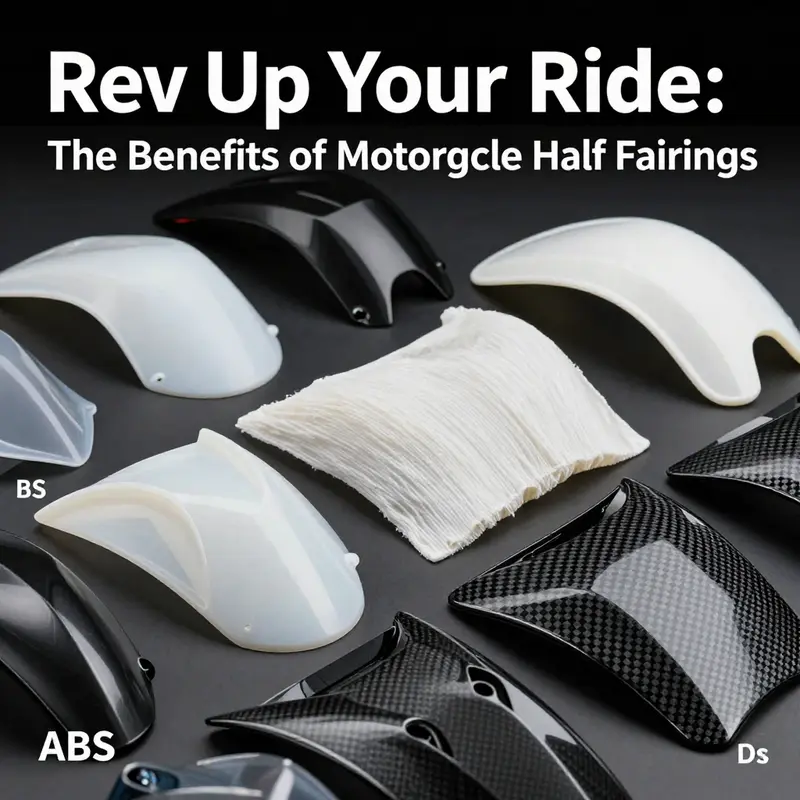
1. Exploring the Types and Materials of Motorcycle Half Fairings: A Comprehensive Insight
Motorcycle half fairings represent a unique blend of design and functionality, appealing to a broad spectrum of riders from everyday commuters to sport-touring enthusiasts. As partial coverings that primarily shield the upper sections of a bike, half fairings serve to enhance not only the aesthetic appeal of the motorcycle but also its performance. Their strategic design typically protects critical components, such as the headlight and instrument cluster, while leaving the engine and frame visible, allowing riders to appreciate the mechanical beauty of their machines.
The types of half fairings available can be categorized mainly into sport-touring, café racer, and commuter designs. Sport-touring half fairings are often robust yet sleek, designed to provide sufficient wind deflection for long-distance rides while maintaining an aggressive, sporty look. They typically incorporate features such as integrated windshields to minimize drag and improve rider comfort at higher speeds. Meanwhile, café racer models tend to embrace a more retro aesthetic, focusing on stylistic excellence rather than sheer aerodynamics. These fairings often prioritize lightness—emphasizing agility and responsiveness to give riders the thrill of a more visceral riding experience.
Commuter half fairings exist as a versatile option for daily riders. They feature a balanced design that shields against the elements while also ensuring easy accessibility to the bike’s mechanical parts for maintenance purposes. This practicality is pivotal for riders who require regular upkeep in urban environments.
Material composition is another crucial aspect that affects both the performance and durability of half fairings. Common materials include ABS plastic, fiberglass, and carbon fiber, each with its attributes. ABS plastic is popular for its lightweight and impact-resistant properties, making it an ideal choice for both affordability and strength. On the other hand, fiberglass constructions can provide a custom look, often favored for their versatility in design and color, though they may require more care regarding durability and maintenance.
For those who desire a premium option, carbon fiber half fairings stand out as the top-tier choice, offering unrivaled strength-to-weight ratios. While they often come at a higher price point, their performance advantages can justify the investment, especially for racing or high-performance motorcycles.
Regardless of material choice, the compatibility of half fairings with specific motorcycle models is crucial. Each bike has its unique contours and mounting points, necessitating a careful selection process. Riders should always verify fitment before making a purchase to ensure optimum safety and functionality. For instance, those looking to outfit a Suzuki SV650 or a Kawasaki Ninja should consult dedicated resources to find options tailored to their motorcycles. Similarly, brands offer comprehensive inventory for various models—from classic Honda CBR lines to the latest Yamaha sportbikes, ensuring riders can find suitable half fairings that meet their needs.
As the market evolves, aftermarket options have emerged as a viable alternative to original equipment manufacturers (OEM). These aftermarket half fairings often meet or exceed OEM standards while offering more competitive pricing, making them attractive to budget-conscious riders. However, quality can vary significantly, so it’s advisable to investigate the reputation of suppliers or manufacturers.
In conclusion, selecting the right half fairing involves a blend of understanding the different types—sport-touring, café racer, and commuter—as well as the materials available, such as ABS plastic, fiberglass, and carbon fiber. Whether optimizing for performance, aesthetics, or a mix of both, these elements will play an integral role in enhancing the overall riding experience. For further exploration of specific models and their respective half fairing options, riders can visit comprehensive collections like those found on dedicated motorcycle fairing websites.
2. Exploring Material Properties and Their Impact on Half Fairing Performance
The selection of materials used in motorcycle half fairings plays a crucial role in determining their performance, durability, and overall appeal to riders. Primarily, three materials dominate the market: ABS plastic, fiberglass, and carbon fiber. Each material brings its unique properties and trade-offs, catering to diverse rider preferences and needs. Understanding these materials is essential for enthusiasts looking to enhance their motorcycle’s aerodynamics and aesthetics without compromising on performance or safety.
ABS plastic is widely favored for its balance of affordability, moderate weight, and resilience. It is a thermoplastic polymer that can withstand considerable impacts, making it a practical choice for riders concerned about damage from minor spills or road debris. ABS’s inherent flexibility prevents shattering upon impact, offering a forgiving quality that can be beneficial for day-to-day riding scenarios. Additionally, this material can be easily molded into complex shapes, allowing for a variety of designs that enhance the motorcycle’s look, appealing especially to custom builders and those who prefer a sleek aesthetic. However, while ABS fairings are quite durable, they might not provide the same level of high-performance characteristics seen in pricier materials.
On the other hand, fiberglass offers notable strength, lighter weight, and the potential for intricate craftsmanship. Known for its rigidity and structural integrity, fiberglass is commonly used in racing scenarios where weight savings are paramount. The material can be formed into bright, aggressive designs appealing to sportbike riders who value both aesthetics and function. Though it can be more expensive than ABS, high-quality fiberglass fairings often come with additional benefits, such as superior stress resistance and the capacity to withstand higher temperatures, making them well-suited for performance bikes. Nevertheless, fiberglass has its drawbacks—especially its tendency to crack under severe impact, which means they can require professional repair if damaged.
Carbon fiber is the material of choice for those seeking top-tier performance and unmatched aesthetics. Renowned for its lightweight and high strength-to-weight ratio, carbon fiber significantly contributes to optimizing a motorcycle’s handling and acceleration. Fairings made from carbon fiber are not only visually striking but are often made for racing applications, where every ounce of weight saved translates to improved performance. The manufacturing process allows for a high degree of customization, resulting in unique finishes that many riders find attractive. However, the cost associated with carbon fiber materials can be prohibitive for the average rider, positioning them as a premium choice best suited for serious enthusiasts or competitive riders.
Choosing the right half fairing involves considering both material properties and personal riding requirements. For everyday commuters focused on practicality, ABS fairings might serve as the best option due to their affordability and impact resistance. In contrast, sport-touring and performance-focused riders may gravitate toward fiberglass or carbon fiber, prioritizing speed and weight savings over cost. Riders should also pay a close attention to compatibility with their motorcycle model and ensure that the fit is precise to avoid performance issues or safety concerns.
In the midst of these material choices, aftermarket manufacturers are increasingly offering high-quality alternatives that meet or exceed original equipment manufacturer (OEM) specifications, allowing riders to enjoy the benefits of well-crafted half fairings at competitive prices. Whether teammates in daily commuting or strategic partners in racing, understanding the distinct advantages of ABS plastic, fiberglass, and carbon fiber can greatly enhance a rider’s experience and satisfaction. For those looking for a cluster of options that seamlessly integrate aesthetics with performance, explore the wide array of aftermarket fairings available for popular models, ensuring that every ride not only meets but exceeds their expectations.
3. Exploring Materials and Economic Dynamics of Motorcycle Half Fairings: Aesthetic, Safety, and Customization Insights
Motorcycle half fairings, often referred to as “clip-on” or “partial” fairings, embody a blend of aerodynamic design and practical functionality, catering to those riders who demand both performance and style. By covering only the upper section of the motorcycle, they provide moderate wind protection while leaving the lower portions exposed for easy access when maintaining engine components. This strategic design choice has made them particularly desirable for sport bikes and mid-weight motorcycles, where performance is crucial but ease of maintenance cannot be overlooked.
Material Choices
The composition of half fairings significantly influences their performance and pricing in the motorcycle market. Common materials include:
ABS Plastic (Acrylonitrile Butadiene Styrene): This is the most widely used material due to its excellent balance of strength, longevity, and affordability. Models such as the Kawasaki Ninja 650 and Suzuki GSX-S750 frequently feature ABS constructive fairings, which contribute to their overall robustness and durability in various riding conditions.
Polycarbonate: Known for its incredible impact resistance and lightweight properties, polycarbonate fairings are typically found in higher-end bikes. They offer superior protection without compromising on style, but, as a result, they carry higher price tags.
Fiberglass: Favored in custom builds, fiberglass allows for intricate shapes and designs thanks to its moldability. However, the labor-intensive process of installation and finishing can increase costs and time requirements. Riders looking to craft a unique aesthetic for their motorcycles often gravitate toward fiberglass options, which allow for substantial customization.
Economic Considerations in Customization
The economic implications of half fairings extend far beyond their initial retail price. Their comparatively lower cost relative to full fairings opens up customization opportunities to a wider audience of riders, promoting a dynamic aftermarket industry. Within this sector, a diverse ecosystem flourishes, consisting of small manufacturers, independent artisans, and online retailers specializing in custom half fairing kits. The ease of installation—often achievable with simple tools and minimal alterations—reduces labor costs and thus increases rider engagement in their own motorcycle adaptations.
Affordable customization does not only encourage individual expression but also fosters community among motorcycle enthusiasts. Group rides, custom bike shows, and forums dedicated to modifications exemplify this culture, driving further interest in half fairings. As more riders participate in the customization scene, brands benefit from heightened recognition and loyalty.
Societal Impact and Rider Safety
On a broader societal level, the adoption of half fairings contributes significantly to rider comfort and safety. By reducing wind fatigue, these fairings allow for longer, more enjoyable rides. Additionally, they serve to shield riders from errant road debris and adverse weather conditions, although it is worth noting that they do not provide the same level of frontal wind protection offered by full fairings.
Moreover, the visual appeal of motorcycles outfitted with half fairings enhances their aesthetic, promoting the growth of subculture movements centered around customizing bike aesthetics. This aspect not only reinforces personal identity among riders but also encourages a sense of belonging within the motorcycle community.
In conclusion, half fairings serve as a critical component in the ongoing dialogue about motorcycle customization, balancing economic feasibility with material variety and social considerations. Whether for aesthetic enhancement or practical use, these fairings play an essential role in shaping the modern motorcycling experience. For those considering a transformation of their bike, exploring options like the affordable yet durable aftermarket fairings available on various platforms can be an excellent first step toward personalized riding, allowing enthusiasts to merge safety, performance, and individuality seamlessly.
Chương 3: Nâng Cao Trải Nghiệm Người Lái Với Vỏ Xe Nửa Thân Cho Xe Mô Tô: Một Quan Sát Chi Tiết Về Sự Thoải Mái và Thiết Kế

1. Navigating the Breeze: How Motorcycle Half Fairings Influence Aerodynamics and Rider Comfort
Motorcycle half fairings play a pivotal role in enhancing rider comfort, particularly by optimizing aerodynamics and wind deflection. Designed to shield the upper sections of a motorcycle, these fairings facilitate a more aerodynamic profile, which is essential for riders who desire stability and control, especially at highway speeds. The half fairing’s geometry is crafted to alleviate the direct impact of wind on the rider, channeling airflow upward and around the rider’s torso. This design minimizes turbulence, which can otherwise lead to physical discomfort and fatigue during longer journeys.
Riders often experience the adverse effects of buffeting when exposed to high-speed wind, as it can generate significant strain on the neck and shoulders. However, with the help of half fairings, wind resistance is greatly reduced, promoting a smoother riding experience. By directing airflow away from the rider’s upper body, half fairing