
















오토바이 전면 파닝 키트는 자동차의 미적 개선과 기능적 향상에 필수적입니다. 오토바이 애프터마켓의 핵심 구성 요소로, 이 키트는 공기역학을 개선할 뿐만 아니라 라이더의 편안함과 전체적인 자동차 매력에 큰 영향을 미칩니다. 사업주로서 파닝 키트의 중요성과 의미를 이해하면 제품 제공을 개선하고 다양한 고객층을 만족시킬 수 있습니다. 이 기사의 각 챕터는 외관의 중요성과 유지보수부터 인기 모델, 경제적 영향, 디자인 및 재료의 미래 트렌드에 이르기까지 필수적인 측면을 탐구합니다. 이러한 측면을 탐색함으로써, 당신은 오토바이 액세서리 시장에서 비즈니스를 향상시키는 방법을 더 잘 이해할 수 있습니다.
미학과 공기 흐름의 만남: 전면 파닝 키트는 속도, 스타일, 라이더의 편안함을 위한 고온 용해지
 The front fairing of a motorcycle is more than a cosmetic mask. It is the first line of interaction between rider and environment, a carefully sculpted interface where form follows function. When a rider leans into a highway wind, the fairing becomes the mediator that channels air, reduces turbulence, and sets the tone for a ride that feels controlled rather than fought. A well-chosen front fairing kit does not merely dress up the bike; it tunes the bike’s behavior at speed, influences how wind interacts with rider and machine, and contributes to the perceived character of the machine. In this sense, the fairing is a kind of aerodynamic chassis skin—one that marries visual language with engineering intent to shape both performance and perception on the road. The quest for a kit that balances these aims begins with recognizing what the front end actually does in airflow terms. Air approaching the bike encounters sharp transitions where the wind is redirected around the headlight, the instrument cluster, and the leading edges of the frame and engine. If those transitions are abrupt, wind separates, creating drag and jitter that translate into buffeting at the rider’s helmet and fatigue over long hours in the saddle. A properly designed kit works as a streamlined conduit: it smooths the path of air, reduces wake behind the bike, and helps the chassis breathe more efficiently. The impact of that efficiency is not purely theoretical. Drag reduction can translate into better fuel economy, especially on long rides where the difference compounds with speed and elevation. High-speed stability can improve rider confidence, since the wind loads are more predictable and less prone to gust-driven wobble. All of this integrates with the bike’s existing geometry, weight distribution, and power delivery to create a motorcycle that behaves the way riders expect when they twist the throttle and lean into a corner. The front fairing kit performs its most conspicuous work by shaping the immediate air pocket in front of the rider. The height and curvature of the windshield play a decisive role in wind management. A taller windshield can deflect air upward and away from the riders’ line of sight, reducing helmet buffeting. But if it is too tall or poorly angled, it can introduce glare or create new vortices that unsettle the bike at speed. A skilled kit design accounts for these tradeoffs, delivering a balance where wind pressure is redirected away from sensitive areas without sacrificing visibility or imposing a cramped seating position. This is not merely a matter of surface styling; it is a question of how the bike’s nose integrates with the rider’s posture, helmet shape, and riding style. For riders who enjoy aggressive, sport-oriented positions, a front end that maintains clean airflow over the rider’s crown is a must. For those who prioritize all-day comfort and touring practicality, a fairing that suppresses headwinds around the chest and arms can noticeably extend riding hours before fatigue sets in. The chapter of aerodynamics that fairing kits write is not limited to air in front of the rider. The kit also interacts with the engine’s bay, the radiator profile, and the frame’s upper structure. The shape of the front pieces can influence how heat rises and dissipates, particularly in slow-speed maneuvers or urban traffic where aerodynamic cooling becomes more critical than outright top-end wind slicing. A well-honed kit does not obstruct cooling channels; rather, it harmonizes with them, maintaining efficient air pathways while still delivering a crisp, race-inspired look. Beyond the mechanical and the mathematical, there is an undeniable visual component that often defines a rider’s relationship to their machine. A front fairing kit can transform the bike’s entire silhouette, emphasizing lean lines, aggressive angles, and a factory-race aura that communicates purpose even when the bike is stationary. This transformation is not mere vanity; it signals intent and performance philosophy. When the eye catches the way light plays across the panel joints, or the continuity of lines from the windshield base to the nose and down into the upper fairings, the impression is of a machine that has been engineered with intent rather than mass-produced as a generic chassis. It is the visual embodiment of the aerodynamic goals that underlie the design. The choice of materials underpins both the performance and the aesthetics. ABS plastics, fiberglass composites, and carbon fiber each bring a distinct blend of weight, rigidity, and finish quality. ABS provides toughness and cost efficiency with solid colorability, making it a common choice for street riders who want durable panels that survive urban grinds and routine maintenance. Fiberglass offers a higher stiffness-to-weight ratio and can be molded into more aggressive shapes, reducing flex that could affect wing-like performance at speed. Carbon fiber, the lightest and most rigid option, delivers a premium look and the potential for real performance gains through lower unsprung weight. However, carbon fiber surfaces demand careful finishes and clear coats to resist UV exposure and maintain their luster. The finish, too, matters. Paint quality, laminate protection, and surface texture influence both the tactile feel and the perceived quality of the kit. A glossy, mirror-like finish might amplify the bike’s lines and highlight the sculpted forms, while a matte or satin texture can soften glare and emphasize a muscular, purposeful stance. The aesthetic layer must be durable as well, resisting stone chips and weathering while preserving the intended look over time. Alongside material choices, the mounting system and fitment quality determine how a kit performs in the real world. A kit that bolts up with precision to existing mounting points minimizes gaps, reduces rattles, and ensures consistent alignment with the headlight and windscreen. Poor fitment can negate aerodynamic advantages by creating micro-turbulence at critical junctions or by shifting under vibration, which not only harms performance but can irritate the rider over long distances. The practical dimension of upgrading or replacing a front fairing kit is the maintenance story. Even the most refined aerodynamic surface requires attention: re-fastening after a crash or a routine wipe-down, touch-up painting to cover chips, and periodic checks for cracks that could propagate under load. The decision between a full replacement kit, a half fairing, or a targeted single-panel approach hinges on several factors. A full replacement kit is the most transformative option, delivering a complete visual and aerodynamic overhaul and often restoring a showroom finish that accentuates the bike’s lines. It is favored by riders pursuing a cohesive, factory-like look or undertaking a complete restoration. A half fairing, by contrast, offers a balanced compromise: it preserves some lower body panels, which can reduce weight and simplify access to the engine and electrical components. This approach is common among sport-touring riders and urban commuters who want enhanced wind protection without the complexity of a full panel replacement. A single-panel replacement targets door handles of the bike’s aesthetic and structural integrity, providing a cost-effective fix for a damaged piece or a strategic upgrade for a sharper front end without altering the entire silhouette. For track enthusiasts and performance-oriented riders, race-inspired performance kits push the envelope on aerodynamics. These designs favor aggressive profiles, optimized airflow channels, and materials oriented toward stiffness and weight savings. They are typically finished with precision that mirrors the look of professional racing machinery, inviting admiration and signaling intent. The customization potential is vast, yet it is essential to maintain compatibility with the rider’s setup and use case. A kit should complement the bike’s instrument cluster, ensure the dashboard remains legible, and not obscure lighting elements. This is where integration with the windshield becomes crucial. Proper alignment of the fairing with the windshield influences wind deflection, glare, and the rider’s field of view. When done well, the combined system yields a calm airflow, a reduction in fatigue, and a front end that appears as if it were a single, sculpted unit rather than a collection of discrete parts. The broader value proposition of front fairing kits extends into resale value and long-term ownership satisfaction. Bikes that present a polished, integrated front end tend to attract interest from buyers who value both aesthetics and performance. A well-maintained kit, with consistent paint and proper sealing, can resist weathering, preserve color integrity, and prevent corrosion at fasteners and joints. In the end, the fairing is about more than looking good or shaving seconds off a lap time. It is about shaping a rider’s daily experience: the sense of control at high speed, the quiet confidence on a long highway stretch, and the pride of seeing a machine that looks as if it was designed for the rider’s exact ambitions. For riders who want to explore options in a structured way, a good starting point is to review collections that feature a range of styles and finishes, such as the Kawasaki fairings collection. This path encourages a thoughtful comparison of lines, materials, and mounting approaches, helping riders align their aesthetic desires with tangible aerodynamic benefits. The path from visual impact to measurable performance is not always linear, but it is guarded by a continuous dialogue between design and physics. The front umbrella of a bike’s bodywork shapes how the entire machine communicates with wind, rider, and road. A well-chosen kit translates the rider’s intent into a coherent mechanical statement: speed with composure, aggression balanced by comfort, and a look that remains readable and distinctive across miles and seasons. For those who crave additional technical perspective on how aerodynamic components work to improve speed and efficiency, an authoritative external resource offers a deeper dive into the science behind fairings and air management. External resource: https://www.motorcycle-riding.com/aerodynamics-fairings
설치부터 마무리까지: 전면 파닝 장착 및 관리 숙달하기
 Installing a motorcycle front fairing kit is a task that tests patience as much as it tests skill. These panels do more than change the bike silhouette; they shape how the machine cuts through air, how the rider experiences wind and noise, and how the cockpit stays centered at speed. The process rewards deliberate planning, a calm pace, and the right set of tools. For riders pursuing a balanced mix of protection, aerodynamics, and personalization, the front fairing becomes a craft project that must respect the bike frame geometry, balance, and the rhythm of vibration and heat that accompanies high speed riding. The journey from bare frame to a finished shell is not a one step swap but a carefully choreographed sequence where every piece must align with the next, and every fastener must earn its torque value. The result is not merely looks; it is a coherent aerodynamic envelope that works with the bike rather than against it, a shield that also respects access to the engine, the instruments, and the rider line of sight in all weather. The Installation Journey A practical installation begins with a thorough cleansing of the frame and mounting surfaces. Dirt, grease, or lingering adhesive can sabotage alignment and leave stubborn gaps that throw a bike’s aerodynamics off balance. This initial step is more than cosmetic; it is preventive medicine for a smooth fit. As the fairing pieces are laid out, a careful rider will verify that every panel belongs to the same system and that the fasteners for each attachment point match the manufacturer’s plan. Modern front fairings, built for performance applications, typically rely on a constellation of fasteners—bolts, screws, and clips—each selected for a specific joint and each prescribed with a torque value. Ignoring these details invites a range of outcomes, from flutter and wobble at speed to stress cracking on a panel when the engine heat and vibration are at their peak. Alignment is the decisive moment. Panels must meet along clean lines, with even gaps and a curvature that mirrors the frame’s geometry. When misalignment exceeds a fraction of a millimeter, the air no longer flows evenly across the surface, and the rider feels the drag, buffeting, and noise that accompany a less-than-crisp finish. The goal is not a perfect seam but a functional seamlessness that you barely notice while riding. To achieve this, some builders temporarily clamp components in place or use painter’s tape to test fitment before final tightening. The approach is practical and patient, because rushing through the process rarely yields long-term reliability. A design note that helps many installers ease through fitment concerns is the structural logic of modern fairings. A 2026 patent disclosure describes a front fairing cover with robust, symmetrical lugs and L-shaped plates at the opening end. Those features carry bolt holes and mounting pins arranged to attach directly to upper and lower connecting plates without the need for additional supports. In real-world terms, that translates into a crisper, more predictable assembly. The design intention is to reduce the number of intermediary adapters and minimize play that can develop under heat, vibration, and highway speeds. While not every kit will echo this exact geometry, the principle remains: a well-thought mounting system makes alignment more forgiving and the finished product more rigid. For riders, that means less tuning after the bolts first snap into place and less chance that a gust of wind or a pothole will shift the panels out of line. The installation steps themselves are straightforward in concept but exacting in practice. Start by removing or loosening the stock panels only as far as needed to expose the mounting points without disturbing every clip and seal at once. Take photographs or create a simple reference map of where each fastener belongs. This catalog of the bike’s original state serves as a guide through reinstalling the panels in the correct order and orientation later. With the frame clean, the new fairing pieces can be positioned for a dry run, allowing you to verify that the top edge aligns with the headstock, that the sides tuck neatly along the fuel tank and frame rails, and that the bottom edges mirror each other on both sides. At this stage a careful check of the instrument cluster, headlight, and the windscreen mounting also helps prevent conflicts later in the process. When the dry fit looks right, the final stage is to torque each fastener to spec values. The torque is not a universal target; different attachment points demand different tightening forces. The goal is to secure the panel firmly without over-stressing the plastic or bending a metal mounting plate. Attention to detail in the early steps pays dividends when the bike is finally tested in a wind tunnel of one — your driveway or a quiet street. The panels should sit flush, with consistent edge gaps and no binding around the headlight assembly or instrument housing. Any stiffness in closing panels or subtle binding during installation is a sign to recheck alignment and adjust clamps or shims. For riders who want to push the envelope, sport or race-style fairings offer a wide canvas for color, logos, and artwork. The upside is a highly personalized look that matches the rider’s intent and riding style; the downside is a greater need for precise, sometimes intricate assembly and, in some cases, professional-grade fitting techniques that ensure the design intent remains intact at speed. It is a balance between creativity and engineering discipline, and the best projects acknowledge the limits of DIY with the confidence to seek specialized assistance when needed. The installation is only half the story. Maintenance is the other half, and it is less dramatic but equally important for longevity and performance. The fairing kit, once mounted, becomes a living part of the motorcycle’s breathing system. It is constantly subjected to heat from the engine, air pressure from forward motion, and the vibrations that come with road irregularities. Regular checks help catch issues before they become expensive or dangerous. A simple inspection schedule includes a visual scan for cracks or crazing in the plastic, a test for looseness around fasteners, and a quick assessment of panel gaps. If a panel is slightly loose after a long ride, a re-torque within the manufacturer’s specification can restore the tight, even contact that was present after installation. After impacts or months of riding, the mounting points deserve particular attention. Over time, vibration and thermal expansion can loosen the quincunx hole or round holes described in the design notes. A routine inspection can preempt rattles and misalignment. Cleanliness remains essential. The recommended cleaning approach is a gentle wash with mild soap and water. Harsh chemical cleaners, abrasive scrubbing, or high-pressure water streams can degrade paint and sealants, compromise fit, and remove protective coatings. A soft cloth followed by a light dry wipe helps preserve color and gloss without introducing micro-scratches that would worsen over time. For panels with painted or clear-coated finishes, a dedicated plastic-safe cleaner can help keep the surface clear of sap, bird droppings, and road grime that otherwise dulls the finish. The maintenance narrative is simple but powerful: a small, consistent routine of inspection and careful cleaning keeps the fairing kit looking sharp and functioning as intended across seasons and miles. Choosing the right kit and the right approach to installation and care also hinges on compatibility and materials. Front fairing kits come in an array of substrates, from durable ABS plastics to fiberglass and carbon fiber composites. Each material has its own profile of lightness, stiffness, impact resistance, and repairability. An aerodynamic shell built from a lightweight material can offer speed advantages, while a tougher composite may resist impact better in urban riding. Color and finish choices matter too not just for aesthetics but for UV resistance and weathering performance. When evaluating a kit, riders should consider model compatibility, the ease of obtaining replacement mounting hardware, and the availability of color-matching options to ensure the final appearance remains cohesive with the rest of the bike sheet metal and paintwork. In practice, this means reading the installation manual closely, verifying that the kit is designed for the specific frame geometry and steering rack, and recognizing that a modicum of compromise may be necessary when chasing perfect fit on an older model or a nonstandard chassis. The connection between install and long-term value is more than fashion. A well-fitted front fairing contributes to resale value by signaling responsible ownership and a thoughtful upgrade path. The investment in a solid fit can translate into lower maintenance costs over time, fewer air leaks, and less wind noise that might otherwise force riders to adopt uncomfortable riding positions. The appeal of a clean, integrated look is not only about style; it is about functionality, efficiency, and a riding experience that remains engaging rather than fatiguing. For riders who like to personalize their machines but still want a dependable, well-engineered interface between rider, machine, and environment, a front fairing kit offers a compelling combination of form and function. If you are exploring a broader range of fitment options or seeking a connected purchasing path, you can browse the Yamaha fairings collection for options compatible with a wide variety of bikes. This collection provides a starting point for understanding different design languages, mounting schemes, and finish choices that a rider can reference when planning a swap or upgrade. It can also serve as a practical reference point for what makes a clean, durable installation and a high-fidelity finish possible across different model lines. For readers who want to dig deeper into design trends that shape modern front fairings, recent industry discussions highlight how symmetry, mounting efficiency, and integrated wind protection influence both performance and rider comfort at speed. A practitioner’s guide to these features emphasizes the role of a well-engineered mounting geometry, the value of direct attachment points that minimize the need for extra supports, and the importance of minimizing air resistance without compromising access to the cockpit. In practice, the right combination of geometry and materials can yield a panel that feels almost invisible in motion, yet offers tangible gains in stability, noise reduction, and ride quality. Detailed design notes in contemporary fairing kits often reflect a balance between proven aerodynamic principles and the flexibility demanded by a diverse riding community. As you plan your next upgrade keep in mind that the installation manual provided by the kit’s manufacturer remains the most reliable source of guidance. The manual outlines the exact order of assembly, the recommended torque values for every fastener, and the sequence that prevents rework. Whether upgrading for enhanced protection, better aerodynamics, or a personal expression, the union of thoughtful installation and ongoing maintenance ensures the front fairing kit remains safe, functional, and visually compelling throughout its service life. External resources offer broader context on design trends and performance considerations that can inform your choices and help you evaluate different approaches to fitment and care. External resource: https://www.yamahamotorcycles.com/r3-fairing-kit-overview
프론트 페어링 키트의 맥락: 브랜드 중심 디자인이 공기역학, 맞춤형 조합 및 주행 경험에 미치는 영향
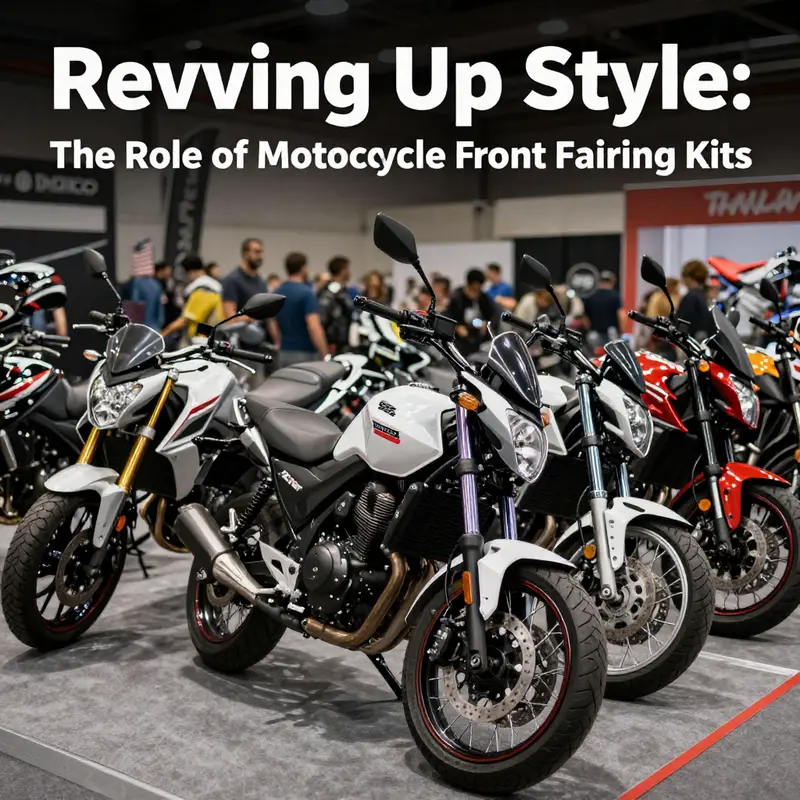 오토바이의 앞부분은 바람을 방해하는 것 이상입니다. 그것은 정밀하게 설계된 공기역학적 표면이며, 정체성과 공학을 결합한 외장입니다. 라이더가 프론트 페어링 키트를 고려할 때, 그녀는 단순히 미적 업그레이드를 선택하는 것이 아닙니다. 그녀는 공기 흐름, 라이더의 편안함, 엔진 보호, 그리고 차량이 성능 한계에서 어떻게 작동하는지를 영향을 미치는 패키지를 선택합니다. 이어지는 챕터는 옵션의 목록보다는 다양한 브랜드와 모델 세 familly의 다른 디자인 철학이 통합된 주행 경험으로 어떻게 번역되는지를 다루는 서사입니다. 그것은 형식과 기능의 균형에 관한 것이며, 프론트 페어링 키트가 차량의 성격을 변경하지 않으면서도 핵심 기하학을 유지하면서 변화를 일으킬 수 있는 촉매가 될 수 있다는 것입니다.
시작하기 위해, 가용한 프론트 페어링 키트의 스펙트럼을 인식하는 것이 도움이 됩니다. 일부 라이더는 완전한 변신을 원하고, 전체 교체 키트는 헤드라이트 주변의 페어링, 계기판 주변, 그리고 때로는 윈드실을 포함하여 전체 전면을 교체함으로써 박스 스타일의 마무리 작업을 제공합니다. 다른 이들은 더 타겟화된 리모델링을 선호하며, 상단 부분을 덮는 반전 키트를 선택하여 스포츠 스타일의 실루엣과 개선된 바람 보호를 얻습니다. 이 경우 하단 엔진과 구성 요소에 대한 접근은 비교적 간단합니다. 또한, 가장 노출된 부품만 손상되거나 오래되었을 때 정밀 수리나 업그레이드를 위한 단일 패널 교체도 있습니다. 마지막으로, 경주 중심의 성능 키트는 공기역학적 정교함과 무게 감소에 초점을 맞추고 있으며, 일반적으로 랩 타임을 줄이고 전문적인 경기 장비의 시각적 매력을 제공하는 가벼운 복합 소재를 사용합니다.
이러한 옵션의 매력은 모든 라이더에게 동일하지 않습니다. 라이더의 의도에 따라 달라집니다: 일상적인 출퇴근, 장거리 스포츠 투어, 또는 고속 트랙 날개 모두 바람 보호, 유지보수 접근성, 제거 가능한 패널에 대해 다른 강조점을 요구합니다. 고속 주행이나 바람이 불거나 개방된 도로 조건에서 주행하는 라이더들에게는 공기역학적 성능이 최우선 과제입니다. 바람의 진동이 마일이나 시간이 지남에 따라 피로로 이어질 때 편안함이 결정적인 요소가 되며, 대부분의 프론트 페어링에 내장된 윈드실은 이 필요에 대한 직접적인 대응입니다. 동시에 많은 라이더는 페어링을 개인적 표현의 캔버스로 보며, 오토바이에 더 날카로운 라인, 더 공격적인 자세, 또는 차량이 정지했을 때도 의도를 전달하는 공장 경기 스타일을 부여할 기회를 제공한다고 생각합니다.
디자인 관점에서, 프론트 페어링 키트와 특정 브랜드 또는 모델 사이의 연관성은 기하학에 뿌리를 두고 있습니다. 페어링은 차량의 프레임, 이중 헤드라이트 배치, 포크와 라디에이터 주변의 공기 흐름 경로에 맞춰야 합니다. 마운팅 포인트, 탱크 주변의 곡선, 그리고 패널이 계기판과 교차하는 방식은 모두 적합성을 결정하는 제약 조건입니다. 잘 맞는 키트는 차량의 기본 라인을 존중하며, 기존의 조향 기하학, 레이크, 무게 분포를 유지합니다. 키트가 잘 맞지 않으면, 불일치, 증가된 저항, 또는 속도에서 원치 않는 플utter가 발생할 수 있습니다. 반대로, 최고의 키트는 거의 차량의 확장처럼 느껴지며, 프레임에 추가된 후안이 아닌 통합 솔루션이 됩니다.
재료 선택은 이 통합에 중추적인 역할을 합니다. ABS 플라스틱은 충격 저항과 성형 용이성 사이의 강한 균형을 제공하여 프론트 페어링의 일반적인 기준으로 남아 있습니다. 라이더가 더 단단하고 가볍거나 더 고급스러운 외관을 추구할 때, 섬유 유리와 카본 섬유 복합재는 더 높은 강성-무게 비율과 많은 사람들이 경기 준비 상태라고 묘사하는 독특한 시각적 효과를 제공합니다. 이러한 재료 중 선택은 라이더가 운반하는 무게뿐만 아니라 패널이 온도 변화, 태양광 노출, 도로 잔해에 어떻게 반응하는지를 영향을 미칩니다. 가벼운 옵션은 무반영 무게를 줄여 성능을 향상시킬 수 있지만, 하중 하에서 패널이 형태를 유지하도록 보장하기 위해 설치 중에 더 신중한 처리가 필요할 수 있습니다. 더 무겁고 견고한 변형은 충돌이나 자갈이 많은 출퇴근 후에도 도로 스케이트를 더 잘 견딜 수 있지만, 고속에서 다른 느낌의 무게를 제공합니다.
이러한 옵션의 매력은 모든 이에게 해당되지 않습니다. 라이더의 목적에 따라 달라집니다: 일상적인 출퇴근, 장거리 스포츠 투어, 또는 고속 트랙 데이 등은 바람 보호, 유지보수 접근성, 제거 가능한 패널에 대해 서로 다른 중점을 요구합니다. 고속 주행이나 갑작스러운 바람 또는 개방된 도로 조건에서 주행하는 라이더들에게 공기역학 성능은 최우선 과제입니다. 수백 마일 또는 수시간 동안 바람의 진동이 피로로 이어지는 경우, 대부분의 전면 파닝에 장착된 통풍창은 바로 그 요구에 대한 직접적인 대응입니다. 동시에 많은 라이더들은 파닝을 개인적인 표현의 캔버스로 보며, 자전거에 더 날카로운 선, 더 공격적인 자세, 또는 차량 경주 스타일을 부여할 기회로 여기고 있습니다. 이는 자전거가 정지해 있을 때에도 의도를 전달할 수 있도록 합니다.
디자인 관점에서 전면 파닝 키트와 특정 브랜드 또는 모델 사이의 연관성은 기하학에 뿌리를 두고 있습니다. 파닝은 자전거의 프레임, 이중 헤드라이트 배치, 프레임과 라디에이터 주변의 공기 흐름에 맞춰야 합니다. 고정 지점, 탱크 주변의 곡선, 패널이 계기판과 교차하는 방식 등은 설치에 영향을 미치는 제약 조건들입니다. 잘 맞는 키트는 자전거의 기본 라인을 존중하며 기존의 조향 기하학, 레이크, 무게 분포를 유지합니다. 반대로, 잘 맞지 않는 키트는 오류 위치, 증가된 저항, 또는 속도에서 예상치 못한 떨림을 유발할 수 있습니다. 최고의 키트는 마치 기계의 확장처럼 느껴지며, 프레임에 추가된 후시티가 아닌 통합 솔루션이 됩니다.
재료 선택은 이 통합에 중심이 됩니다. ABS 플라스틱은 충격 저항과 성형 용이성 사이의 강한 균형을 제공하기 때문에 전면 파닝의 일반적인 기준으로 남아 있습니다. 더 단단하고 가벼우며, 더 고급스러운 시각 효과를 원하는 라이더들에게는 섬유유리 및 카본 섬유 복합재가 더 높은 강성-무게 비율과 많은 사람들이 경기 준비 상태라고 묘사하는 독특한 시각 효과를 제공합니다. 이러한 재료 중 선택은 라이더가 운반하는 무게뿐만 아니라 패널이 온도 변화, 햇빛 노출, 도로 잔해에 어떻게 반응하는지에도 영향을 미칩니다. 가벼운 옵션은 불확실한 무게를 줄여 성능을 향상시킬 수 있지만, 하중 하에서 패널이 형태를 유지하도록 보장하기 위해 설치 시 더 신중한 처리가 필요할 수 있습니다. 더 무겁고 견고한 변형은 충돌이나 자갈이 많은 출퇴근 후에 도로 상처를 더 잘 견딜 수 있지만, 고속 주행 시 다른 무게감을 줄 수 있습니다.
마무리 옵션도 마찬가지로 중요한 정보를 제공합니다. 현대적인 키트는 원시 또는 프라이머 마무리로 제공될 수 있으며, 이는 제작자가 공장 색상과 일치시키거나, 강렬하고 대비되는 디자인을 만들도록 유도합니다. 프라이머 또는 완성되지 않은 상태는 빠른 색 변경 또는 테스트 세션 동안 패널을 긁힘으로부터 보호하려는 트랙 데이 라이더에게 기능적인 선택일 수 있습니다. 또한, 색상에 집착하는 라이더가 자전거 전체 색상 팔레트를 반영하거나 새로운 개인 정체성을 창조하는 커스텀 페인팅 작업을 준비할 수 있게 해줍니다. 모든 경우에, 색상과 마무리는 자전거의 기존 라인과 함께 고려되어야 합니다; 색상이 일치하지 않거나 비례하지 않은 그래픽은 키트가 설정해야 하는 흐름의 인상을 망칠 수 있습니다.
설치 및 적합도는 결정의 실용적인 핵심입니다. 일부 라이더는 시간 소요를 최소화하기 위해 간단한 교체를 선호하며, 표준화된 나사로 쉽게 장착할 수 있는 키트를 선택합니다. 다른 라이더는 헤드라이트, 미러, 또는 애프터마켓 계기판과 같은 액세서리에 맞추기 위해 대체 고정 지점이나 재설계된 내부 브레이싱을 포함하는 더 복잡한 과정을 받아들이는 것을 선호할 수 있습니다. 설치 경험은 라이더의 기술 수준과 워크숍 자원의 가용성에 반영됩니다. 정확하고 간극 없는 설치를 달성하는 데 오는 성취감은 결과적인 성능 향상만큼 만족스러울 수 있습니다. 모든 모델은 각자의 곡선과 제한이 있으므로, 키트가 기존 구성 요소와 얼마나 잘 맞는지를 나타내는 온보딩 경험은 공기역학 성능 자체만큼 중요하게 여겨집니다.
주행 자세와 보호 기능도 키트의 인식 가치를 형성합니다. 공기역학에 초점을 맞춘 키트는 드래그를 최소화하여 속도에서 개선된 공기 흐름과 매끄러운 주행을 기여하는 깨끗한 실루엣을 강조합니다. 라이더의 편안함에 초점을 맞춘 키트는 헤드폰의 바람을 방지하고, 헤드폰의 진동을 줄이는 쉴드를 우선시합니다. 이는 장시간 자전거 타기에 피로를 줄일 수 있습니다. 엔진과 전기 부품을 도로 잔해로부터 보호하는 더 견고한 파닝은 더 거친 표면이나 비가 많이 내리는 경로를 주행하는 라이더에게 실용적인 선택일 수 있습니다. 모든 이러한 목표는 자전거가 도로에서 즉시 식별 가능한 라인을 유지하면서도 포기하지 않고 달성할 수 있습니다; 이는 많은 라이더가 전면 파닝 키트가 정체성을 공학과 통합한다고 말할 때 의미하는 것입니다.