
















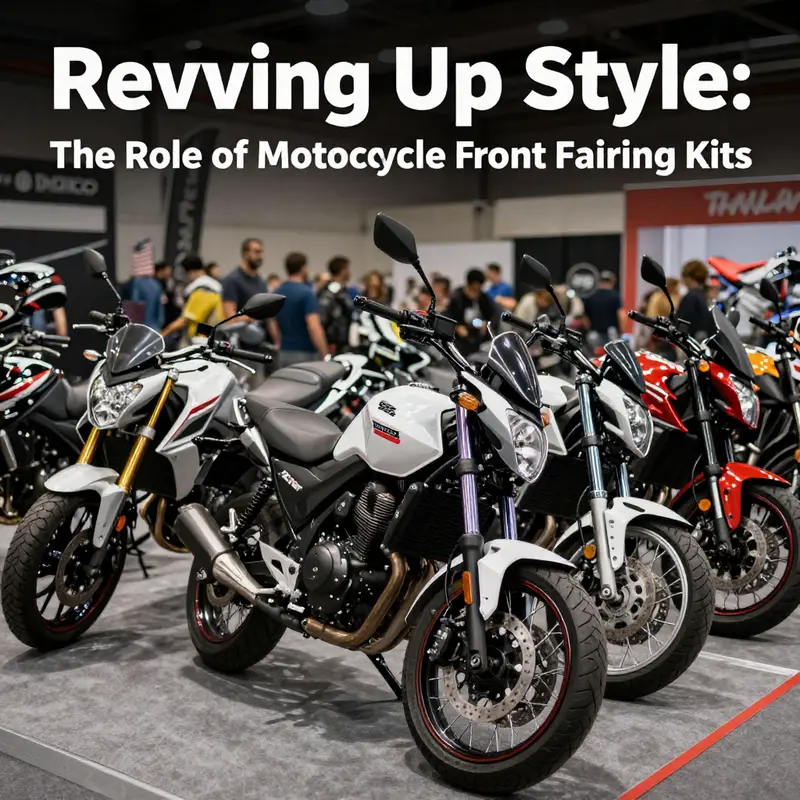
Các bộ phận ốp đầu xe máy là yếu tố quan trọng đối với cả cải tiến thẩm mỹ và nâng cao tính năng của xe. Là một thành phần chính trong thị trường phụ tùng xe máy, các bộ phận này không chỉ cải thiện aerodynamics mà còn ảnh hưởng đáng kể đến sự thoải mái của người lái và vẻ đẹp tổng thể của xe. Đối với chủ doanh nghiệp, việc hiểu rõ tầm quan trọng và hệ quả của các bộ phận ốp đầu có thể giúp bạn mở rộng danh mục sản phẩm và phục vụ một khách hàng đa dạng. Mỗi chương của bài viết này đi sâu vào các khía cạnh thiết yếu, từ vai trò thẩm mỹ và bảo trì cho đến các mẫu phổ biến, tác động kinh tế, xu hướng thiết kế và vật liệu trong tương lai. Bằng cách khám phá các khía cạnh này, bạn có thể hiểu rõ hơn cách các bộ phận ốp đầu có thể nâng cao doanh nghiệp của bạn trong thị trường phụ kiện xe máy.
Nơi Thẩm Mỹ Gặp Với Luồng Không Khí: Bộ Ốp Đầu Xe Máy Là Lò Sưởi Của Tốc Độ, Phong Cách Và Sự Thoải Mái Cho Người Lái
 The front fairing of a motorcycle is more than a cosmetic mask. It is the first line of interaction between rider and environment, a carefully sculpted interface where form follows function. When a rider leans into a highway wind, the fairing becomes the mediator that channels air, reduces turbulence, and sets the tone for a ride that feels controlled rather than fought. A well-chosen front fairing kit does not merely dress up the bike; it tunes the bike’s behavior at speed, influences how wind interacts with rider and machine, and contributes to the perceived character of the machine. In this sense, the fairing is a kind of aerodynamic chassis skin—one that marries visual language with engineering intent to shape both performance and perception on the road. The quest for a kit that balances these aims begins with recognizing what the front end actually does in airflow terms. Air approaching the bike encounters sharp transitions where the wind is redirected around the headlight, the instrument cluster, and the leading edges of the frame and engine. If those transitions are abrupt, wind separates, creating drag and jitter that translate into buffeting at the rider’s helmet and fatigue over long hours in the saddle. A properly designed kit works as a streamlined conduit: it smooths the path of air, reduces wake behind the bike, and helps the chassis breathe more efficiently. The impact of that efficiency is not purely theoretical. Drag reduction can translate into better fuel economy, especially on long rides where the difference compounds with speed and elevation. High-speed stability can improve rider confidence, since the wind loads are more predictable and less prone to gust-driven wobble. All of this integrates with the bike’s existing geometry, weight distribution, and power delivery to create a motorcycle that behaves the way riders expect when they twist the throttle and lean into a corner. The front fairing kit performs its most conspicuous work by shaping the immediate air pocket in front of the rider. The height and curvature of the windshield play a decisive role in wind management. A taller windshield can deflect air upward and away from the riders’ line of sight, reducing helmet buffeting. But if it is too tall or poorly angled, it can introduce glare or create new vortices that unsettle the bike at speed. A skilled kit design accounts for these tradeoffs, delivering a balance where wind pressure is redirected away from sensitive areas without sacrificing visibility or imposing a cramped seating position. This is not merely a matter of surface styling; it is a question of how the bike’s nose integrates with the rider’s posture, helmet shape, and riding style. For riders who enjoy aggressive, sport-oriented positions, a front end that maintains clean airflow over the rider’s crown is a must. For those who prioritize all-day comfort and touring practicality, a fairing that suppresses headwinds around the chest and arms can noticeably extend riding hours before fatigue sets in. The chapter of aerodynamics that fairing kits write is not limited to air in front of the rider. The kit also interacts with the engine’s bay, the radiator profile, and the frame’s upper structure. The shape of the front pieces can influence how heat rises and dissipates, particularly in slow-speed maneuvers or urban traffic where aerodynamic cooling becomes more critical than outright top-end wind slicing. A well-honed kit does not obstruct cooling channels; rather, it harmonizes with them, maintaining efficient air pathways while still delivering a crisp, race-inspired look. Beyond the mechanical and the mathematical, there is an undeniable visual component that often defines a rider’s relationship to their machine. A front fairing kit can transform the bike’s entire silhouette, emphasizing lean lines, aggressive angles, and a factory-race aura that communicates purpose even when the bike is stationary. This transformation is not mere vanity; it signals intent and performance philosophy. When the eye catches the way light plays across the panel joints, or the continuity of lines from the windshield base to the nose and down into the upper fairings, the impression is of a machine that has been engineered with intent rather than mass-produced as a generic chassis. It is the visual embodiment of the aerodynamic goals that underlie the design. The choice of materials underpins both the performance and the aesthetics. ABS plastics, fiberglass composites, and carbon fiber each bring a distinct blend of weight, rigidity, and finish quality. ABS provides toughness and cost efficiency with solid colorability, making it a common choice for street riders who want durable panels that survive urban grinds and routine maintenance. Fiberglass offers a higher stiffness-to-weight ratio and can be molded into more aggressive shapes, reducing flex that could affect wing-like performance at speed. Carbon fiber, the lightest and most rigid option, delivers a premium look and the potential for real performance gains through lower unsprung weight. However, carbon fiber surfaces demand careful finishes and clear coats to resist UV exposure and maintain their luster. The finish, too, matters. Paint quality, laminate protection, and surface texture influence both the tactile feel and the perceived quality of the kit. A glossy, mirror-like finish might amplify the bike’s lines and highlight the sculpted forms, while a matte or satin texture can soften glare and emphasize a muscular, purposeful stance. The aesthetic layer must be durable as well, resisting stone chips and weathering while preserving the intended look over time. Alongside material choices, the mounting system and fitment quality determine how a kit performs in the real world. A kit that bolts up with precision to existing mounting points minimizes gaps, reduces rattles, and ensures consistent alignment with the headlight and windscreen. Poor fitment can negate aerodynamic advantages by creating micro-turbulence at critical junctions or by shifting under vibration, which not only harms performance but can irritate the rider over long distances. The practical dimension of upgrading or replacing a front fairing kit is the maintenance story. Even the most refined aerodynamic surface requires attention: re-fastening after a crash or a routine wipe-down, touch-up painting to cover chips, and periodic checks for cracks that could propagate under load. The decision between a full replacement kit, a half fairing, or a targeted single-panel approach hinges on several factors. A full replacement kit is the most transformative option, delivering a complete visual and aerodynamic overhaul and often restoring a showroom finish that accentuates the bike’s lines. It is favored by riders pursuing a cohesive, factory-like look or undertaking a complete restoration. A half fairing, by contrast, offers a balanced compromise: it preserves some lower body panels, which can reduce weight and simplify access to the engine and electrical components. This approach is common among sport-touring riders and urban commuters who want enhanced wind protection without the complexity of a full panel replacement. A single-panel replacement targets door handles of the bike’s aesthetic and structural integrity, providing a cost-effective fix for a damaged piece or a strategic upgrade for a sharper front end without altering the entire silhouette. For track enthusiasts and performance-oriented riders, race-inspired performance kits push the envelope on aerodynamics. These designs favor aggressive profiles, optimized airflow channels, and materials oriented toward stiffness and weight savings. They are typically finished with precision that mirrors the look of professional racing machinery, inviting admiration and signaling intent. The customization potential is vast, yet it is essential to maintain compatibility with the rider’s setup and use case. A kit should complement the bike’s instrument cluster, ensure the dashboard remains legible, and not obscure lighting elements. This is where integration with the windshield becomes crucial. Proper alignment of the fairing with the windshield influences wind deflection, glare, and the rider’s field of view. When done well, the combined system yields a calm airflow, a reduction in fatigue, and a front end that appears as if it were a single, sculpted unit rather than a collection of discrete parts. The broader value proposition of front fairing kits extends into resale value and long-term ownership satisfaction. Bikes that present a polished, integrated front end tend to attract interest from buyers who value both aesthetics and performance. A well-maintained kit, with consistent paint and proper sealing, can resist weathering, preserve color integrity, and prevent corrosion at fasteners and joints. In the end, the fairing is about more than looking good or shaving seconds off a lap time. It is about shaping a rider’s daily experience: the sense of control at high speed, the quiet confidence on a long highway stretch, and the pride of seeing a machine that looks as if it was designed for the rider’s exact ambitions. For riders who want to explore options in a structured way, a good starting point is to review collections that feature a range of styles and finishes, such as the Kawasaki fairings collection. This path encourages a thoughtful comparison of lines, materials, and mounting approaches, helping riders align their aesthetic desires with tangible aerodynamic benefits. The path from visual impact to measurable performance is not always linear, but it is guarded by a continuous dialogue between design and physics. The front umbrella of a bike’s bodywork shapes how the entire machine communicates with wind, rider, and road. A well-chosen kit translates the rider’s intent into a coherent mechanical statement: speed with composure, aggression balanced by comfort, and a look that remains readable and distinctive across miles and seasons. For those who crave additional technical perspective on how aerodynamic components work to improve speed and efficiency, an authoritative external resource offers a deeper dive into the science behind fairings and air management. External resource: https://www.motorcycle-riding.com/aerodynamics-fairings
Từ lắp đặt đến hoàn thiện: Thành thạo việc lắp đặt và bảo dưỡng bộ ốp đầu xe máy
 Installing a motorcycle front fairing kit is a task that tests patience as much as it tests skill. These panels do more than change the bike silhouette; they shape how the machine cuts through air, how the rider experiences wind and noise, and how the cockpit stays centered at speed. The process rewards deliberate planning, a calm pace, and the right set of tools. For riders pursuing a balanced mix of protection, aerodynamics, and personalization, the front fairing becomes a craft project that must respect the bike frame geometry, balance, and the rhythm of vibration and heat that accompanies high speed riding. The journey from bare frame to a finished shell is not a one step swap but a carefully choreographed sequence where every piece must align with the next, and every fastener must earn its torque value. The result is not merely looks; it is a coherent aerodynamic envelope that works with the bike rather than against it, a shield that also respects access to the engine, the instruments, and the rider line of sight in all weather. The Installation Journey A practical installation begins with a thorough cleansing of the frame and mounting surfaces. Dirt, grease, or lingering adhesive can sabotage alignment and leave stubborn gaps that throw a bike’s aerodynamics off balance. This initial step is more than cosmetic; it is preventive medicine for a smooth fit. As the fairing pieces are laid out, a careful rider will verify that every panel belongs to the same system and that the fasteners for each attachment point match the manufacturer’s plan. Modern front fairings, built for performance applications, typically rely on a constellation of fasteners—bolts, screws, and clips—each selected for a specific joint and each prescribed with a torque value. Ignoring these details invites a range of outcomes, from flutter and wobble at speed to stress cracking on a panel when the engine heat and vibration are at their peak. Alignment is the decisive moment. Panels must meet along clean lines, with even gaps and a curvature that mirrors the frame’s geometry. When misalignment exceeds a fraction of a millimeter, the air no longer flows evenly across the surface, and the rider feels the drag, buffeting, and noise that accompany a less-than-crisp finish. The goal is not a perfect seam but a functional seamlessness that you barely notice while riding. To achieve this, some builders temporarily clamp components in place or use painter’s tape to test fitment before final tightening. The approach is practical and patient, because rushing through the process rarely yields long-term reliability. A design note that helps many installers ease through fitment concerns is the structural logic of modern fairings. A 2026 patent disclosure describes a front fairing cover with robust, symmetrical lugs and L-shaped plates at the opening end. Those features carry bolt holes and mounting pins arranged to attach directly to upper and lower connecting plates without the need for additional supports. In real-world terms, that translates into a crisper, more predictable assembly. The design intention is to reduce the number of intermediary adapters and minimize play that can develop under heat, vibration, and highway speeds. While not every kit will echo this exact geometry, the principle remains: a well-thought mounting system makes alignment more forgiving and the finished product more rigid. For riders, that means less tuning after the bolts first snap into place and less chance that a gust of wind or a pothole will shift the panels out of line. The installation steps themselves are straightforward in concept but exacting in practice. Start by removing or loosening the stock panels only as far as needed to expose the mounting points without disturbing every clip and seal at once. Take photographs or create a simple reference map of where each fastener belongs. This catalog of the bike’s original state serves as a guide through reinstalling the panels in the correct order and orientation later. With the frame clean, the new fairing pieces can be positioned for a dry run, allowing you to verify that the top edge aligns with the headstock, that the sides tuck neatly along the fuel tank and frame rails, and that the bottom edges mirror each other on both sides. At this stage a careful check of the instrument cluster, headlight, and the windscreen mounting also helps prevent conflicts later in the process. When the dry fit looks right, the final stage is to torque each fastener to spec values. The torque is not a universal target; different attachment points demand different tightening forces. The goal is to secure the panel firmly without over-stressing the plastic or bending a metal mounting plate. Attention to detail in the early steps pays dividends when the bike is finally tested in a wind tunnel of one — your driveway or a quiet street. The panels should sit flush, with consistent edge gaps and no binding around the headlight assembly or instrument housing. Any stiffness in closing panels or subtle binding during installation is a sign to recheck alignment and adjust clamps or shims. For riders who want to push the envelope, sport or race-style fairings offer a wide canvas for color, logos, and artwork. The upside is a highly personalized look that matches the rider’s intent and riding style; the downside is a greater need for precise, sometimes intricate assembly and, in some cases, professional-grade fitting techniques that ensure the design intent remains intact at speed. It is a balance between creativity and engineering discipline, and the best projects acknowledge the limits of DIY with the confidence to seek specialized assistance when needed. The installation is only half the story. Maintenance is the other half, and it is less dramatic but equally important for longevity and performance. The fairing kit, once mounted, becomes a living part of the motorcycle’s breathing system. It is constantly subjected to heat from the engine, air pressure from forward motion, and the vibrations that come with road irregularities. Regular checks help catch issues before they become expensive or dangerous. A simple inspection schedule includes a visual scan for cracks or crazing in the plastic, a test for looseness around fasteners, and a quick assessment of panel gaps. If a panel is slightly loose after a long ride, a re-torque within the manufacturer’s specification can restore the tight, even contact that was present after installation. After impacts or months of riding, the mounting points deserve particular attention. Over time, vibration and thermal expansion can loosen the quincunx hole or round holes described in the design notes. A routine inspection can preempt rattles and misalignment. Cleanliness remains essential. The recommended cleaning approach is a gentle wash with mild soap and water. Harsh chemical cleaners, abrasive scrubbing, or high-pressure water streams can degrade paint and sealants, compromise fit, and remove protective coatings. A soft cloth followed by a light dry wipe helps preserve color and gloss without introducing micro-scratches that would worsen over time. For panels with painted or clear-coated finishes, a dedicated plastic-safe cleaner can help keep the surface clear of sap, bird droppings, and road grime that otherwise dulls the finish. The maintenance narrative is simple but powerful: a small, consistent routine of inspection and careful cleaning keeps the fairing kit looking sharp and functioning as intended across seasons and miles. Choosing the right kit and the right approach to installation and care also hinges on compatibility and materials. Front fairing kits come in an array of substrates, from durable ABS plastics to fiberglass and carbon fiber composites. Each material has its own profile of lightness, stiffness, impact resistance, and repairability. An aerodynamic shell built from a lightweight material can offer speed advantages, while a tougher composite may resist impact better in urban riding. Color and finish choices matter too not just for aesthetics but for UV resistance and weathering performance. When evaluating a kit, riders should consider model compatibility, the ease of obtaining replacement mounting hardware, and the availability of color-matching options to ensure the final appearance remains cohesive with the rest of the bike sheet metal and paintwork. In practice, this means reading the installation manual closely, verifying that the kit is designed for the specific frame geometry and steering rack, and recognizing that a modicum of compromise may be necessary when chasing perfect fit on an older model or a nonstandard chassis. The connection between install and long-term value is more than fashion. A well-fitted front fairing contributes to resale value by signaling responsible ownership and a thoughtful upgrade path. The investment in a solid fit can translate into lower maintenance costs over time, fewer air leaks, and less wind noise that might otherwise force riders to adopt uncomfortable riding positions. The appeal of a clean, integrated look is not only about style; it is about functionality, efficiency, and a riding experience that remains engaging rather than fatiguing. For riders who like to personalize their machines but still want a dependable, well-engineered interface between rider, machine, and environment, a front fairing kit offers a compelling combination of form and function. If you are exploring a broader range of fitment options or seeking a connected purchasing path, you can browse the Yamaha fairings collection for options compatible with a wide variety of bikes. This collection provides a starting point for understanding different design languages, mounting schemes, and finish choices that a rider can reference when planning a swap or upgrade. It can also serve as a practical reference point for what makes a clean, durable installation and a high-fidelity finish possible across different model lines. For readers who want to dig deeper into design trends that shape modern front fairings, recent industry discussions highlight how symmetry, mounting efficiency, and integrated wind protection influence both performance and rider comfort at speed. A practitioner’s guide to these features emphasizes the role of a well-engineered mounting geometry, the value of direct attachment points that minimize the need for extra supports, and the importance of minimizing air resistance without compromising access to the cockpit. In practice, the right combination of geometry and materials can yield a panel that feels almost invisible in motion, yet offers tangible gains in stability, noise reduction, and ride quality. Detailed design notes in contemporary fairing kits often reflect a balance between proven aerodynamic principles and the flexibility demanded by a diverse riding community. As you plan your next upgrade keep in mind that the installation manual provided by the kit’s manufacturer remains the most reliable source of guidance. The manual outlines the exact order of assembly, the recommended torque values for every fastener, and the sequence that prevents rework. Whether upgrading for enhanced protection, better aerodynamics, or a personal expression, the union of thoughtful installation and ongoing maintenance ensures the front fairing kit remains safe, functional, and visually compelling throughout its service life. External resources offer broader context on design trends and performance considerations that can inform your choices and help you evaluate different approaches to fitment and care. External resource: https://www.yamahamotorcycles.com/r3-fairing-kit-overview
[PAGE CONTEXT]
 Trang này nói về: "Các bộ phận chắn gió đầu xe máy rất quan trọng cả về cải thiện thẩm mỹ và chức năng…" | "Nơi thẩm mỹ gặp luồng không khí: Bộ phận chắn gió đầu như một nơi thử thách tốc độ, St…" | "Bộ phận chắn gió đầu xe máy không chỉ là lớp vỏ bên ngoài. Đó là đường liên lạc đầu tiên giữa người lái và môi trường, một giao diện được thiết kế cẩn thận nơi hình dạng tuân theo chức năng. Khi người lái nghiêng vào gió đường cao tốc, bộ phận chắn gió trở thành phương tiện chuyển tiếp luồng không khí, giảm nhiễu loạn và tạo nên âm hưởng cho một chuyến đi cảm giác kiểm soát chứ không phải chiến đấu. Một bộ phận chắn gió đầu được chọn đúng không chỉ làm đẹp xe; nó điều chỉnh hành vi của xe ở tốc độ cao, ảnh hưởng đến cách gió tương tác với người lái và phương tiện, và đóng góp vào đặc tính nhận thức của phương tiện. Về mặt này, bộ phận chắn gió là một lớp da động lực học — một thứ kết hợp ngôn ngữ thị giác với ý định kỹ thuật để định hình cả hiệu suất và nhận thức trên đường. Cuộc tìm kiếm một bộ phận phù hợp cân bằng những mục tiêu này bắt đầu bằng việc nhận ra điều mà phần đầu thực sự làm trong thuật ngữ luồng không khí. Không khí tiếp cận xe gặp các chuyển tiếp sắc nét nơi gió được chuyển hướng xung quanh đèn pha, cụm đồng hồ và các cạnh đầu khung và động cơ. Nếu những chuyển tiếp đó đột ngột, gió tách ra, tạo ra lực cản và rung lắc, dẫn đến rung lắc ở mũ bảo hiểm và mệt mỏi sau nhiều giờ ngồi trên xe. Một bộ phận được thiết kế đúng sẽ hoạt động như một ống dẫn trơn tru: làm mịn đường đi của không khí, giảm vệt phía sau xe, và giúp khung xe thở hiệu quả hơn. Tác động của sự hiệu quả này không thuần túy lý thuyết. Giảm lực cản có thể chuyển đổi thành hiệu suất nhiên liệu tốt hơn, đặc biệt là trên những chuyến đi dài nơi sự khác biệt tích lũy theo tốc độ và độ cao. Độ ổn định ở tốc độ cao có thể cải thiện sự tự tin của người lái, vì lực gió được dự đoán rõ ràng hơn và ít bị rung lắc do gió mạnh. Tất cả những điều này tích hợp với hình học hiện tại của xe, phân bố trọng lượng và khả năng truyền lực để tạo ra một chiếc xe máy hành xử theo mong đợi của người lái khi xoay tay ga và nghiêng vào góc. Bộ phận chắn gió đầu thực hiện công việc nổi bật nhất bằng cách định hình túi không khí ngay trước người lái. Chiều cao và độ cong của tấm chắn gió đóng vai trò quyết định trong quản lý gió. Một tấm chắn gió cao hơn có thể đẩy gió lên trên và ra xa tầm nhìn của người lái, giảm rung lắc mũ bảo hiểm. Nhưng nếu nó quá cao hoặc được đặt sai góc, nó có thể gây chói mắt hoặc tạo ra các xoáy mới làm mất ổn định xe ở tốc độ cao. Thiết kế bộ phận được chuyên gia tính toán sẽ cân nhắc các lựa chọn này, mang lại sự cân bằng nơi áp lực gió được chuyển hướng ra khỏi các khu vực nhạy cảm mà không làm ảnh hưởng đến tầm nhìn hay gây ra tư thế ngồi chật chội. Đây không chỉ là vấn đề về kiểu dáng bề mặt; đó là câu hỏi về cách đầu xe tích hợp với tư thế người lái, hình dạng mũ bảo hiểm và phong cách lái. Đối với những người lái thích vị trí mạnh mẽ, hướng thể thao, một đầu xe duy trì luồng không khí sạch trên đỉnh đầu người lái là điều bắt buộc. Đối với những người ưu tiên sự thoải mái suốt ngày và tính thực tế khi du lịch, một bộ phận chắn gió có thể giảm gió thổi trực tiếp vào ngực và cánh tay có thể làm tăng đáng kể thời gian lái trước khi mệt mỏi xuất hiện. Chương trình động lực học mà các bộ phận chắn gió viết ra không giới hạn ở không khí trước người lái. Bộ phận cũng tương tác với khoang động cơ, hình dạng khe tản nhiệt và cấu trúc khung phía trên. Hình dạng của các bộ phận phía trước có thể ảnh hưởng đến cách nhiệt độ tăng và tỏa ra, đặc biệt là trong các chuyển động chậm hoặc giao thông đô thị nơi làm mát động lực học trở nên quan trọng hơn so với cắt gió tối đa. Một bộ phận được tinh chỉnh tốt không cản trở các kênh làm mát; thay vào đó, nó hòa quyện với chúng, duy trì các con đường không khí hiệu quả đồng thời vẫn mang lại vẻ ngoài sắc sảo, giống như đua xe. Ngoài yếu tố cơ học và toán học, có một thành phần thị giác không thể phủ nhận thường định nghĩa mối quan hệ của người lái với phương tiện của họ. Một bộ phận chắn gió đầu có thể thay đổi toàn bộ hình dạng của xe, nhấn mạnh các đường nét thanh mảnh, góc độ mạnh mẽ và aura giống như nhà máy đua xe mà truyền đạt mục đích ngay cả khi xe đang đứng yên. Sự thay đổi này không chỉ là cái đẹp; nó báo hiệu ý định và triết lý hiệu suất. Khi ánh mắt bắt gặp cách ánh sáng chơi trên các khớp tấm, hoặc sự liên tục của các đường nét từ đáy tấm chắn gió đến mũi xe và xuống các tấm chắn phía trên, ấn tượng là một chiếc xe được thiết kế với ý định thay vì sản xuất hàng loạt như một khung xe chung. Đó là biểu tượng thị giác của các mục tiêu động lực học nằm dưới thiết kế. Lựa chọn vật liệu đóng vai trò quan trọng trong sự tích hợp này. Nhựa ABS vẫn là nền tảng phổ biến cho các bộ phận chắn gió, cung cấp sự cân bằng mạnh giữa khả năng chịu va đập và dễ chế tạo. Đối với những người lái muốn một cấu trúc cứng hơn, nhẹ hơn hoặc có vẻ ngoài cao cấp hơn, các composite sợi thủy tinh và carbon cung cấp tỷ lệ cứng - trọng lượng cao hơn và một vẻ ngoài độc đáo mà nhiều người mô tả là sẵn sàng đua. Việc lựa chọn giữa các vật liệu này ảnh hưởng không chỉ đến trọng lượng mà người lái mang theo mà còn đến cách các tấm phản ứng với thay đổi nhiệt độ, tiếp xúc với ánh nắng và mảnh vụn đường. Một lựa chọn nhẹ hơn có thể cải thiện hiệu suất bằng cách giảm trọng lượng không gắn, nhưng nó có thể yêu cầu xử lý cẩn thận trong quá trình lắp đặt để đảm bảo các tấm giữ được hình dạng của chúng dưới tải. Các phiên bản nặng hơn, bền hơn có thể chống lại vết xước đường tốt hơn trong một tai nạn hoặc sau một chuyến đi đầy sỏi, nhưng chúng góp phần vào cảm giác nặng nề ở tốc độ cao.
Các tùy chọn hoàn thiện cũng nói lên điều gì đó. Một bộ phận hiện đại có thể đến với bề mặt nguyên hoặc lớp sơn lót, mời người xây dựng sơn trùng tone với màu gốc hoặc tạo ra một look mạnh mẽ, đối lập. Lớp sơn lót hoặc trạng thái chưa hoàn thiện có thể là lựa chọn chức năng cho những người lái đường đua muốn bảo vệ các tấm trong các lần thay đổi màu nhanh hoặc buổi kiểm tra. Nó cũng cho phép người yêu màu sắc tạo ra sơn tùy chỉnh phù hợp với tổng thể màu sắc của xe hoặc tạo ra một danh tính cá nhân mới. Trong mọi trường hợp, màu sắc và hoàn thiện phải được xem xét cùng lúc với các đường nét hiện tại của xe; một màu không phù hợp hoặc một hình in không đúng tỷ lệ có thể phá hủy cảm giác dòng chảy mà bộ phận được dự kiến tạo ra.
Việc lắp ráp và cài đặt là trái tim thực tế của quyết định. Một số người lái ưa thích việc thay thế đơn giản, giảm thiểu thời gian dừng, chọn một bộ phận được thiết kế để lắp nhanh với các bu lông chuẩn. Những người khác có thể chấp nhận quy trình phức tạp hơn bao gồm các điểm gắn khác hoặc khung nội bộ được sửa đổi để phù hợp với các phụ kiện như đèn pha, gương hoặc cụm đồng hồ sau. Trải nghiệm lắp đặt phản ánh kỹ năng của người lái và sự sẵn có của tài nguyên xưởng. Cảm giác thỏa mãn khi đạt được một kết nối chính xác, không có khoảng trống có thể đáng giá bằng lợi ích hiệu suất thu được. Vì mỗi mẫu xe có các đường nét và giới hạn riêng, trải nghiệm bắt đầu — mức độ dễ dàng mà một bộ phận phù hợp với các thành phần hiện tại — trở nên quan trọng gần như bằng hiệu suất động lực học.
Tư thế lái và bảo vệ cũng định hình giá trị được nhận thấy của một bộ phận. Một bộ phận được thiết kế tập trung vào động lực học thường nhấn mạnh một hình dạng thanh mảnh giảm lực cản, từ đó góp phần cải thiện luồng không khí và chuyến đi mượt mà hơn ở tốc độ cao. Một bộ phận nhắm đến sự thoải mái của người lái ưu tiên việc chuyển hướng gió và một tấm chắn giảm rung lắc ở mũ bảo hiểm, có thể làm cho một ngày dài ngồi trên xe ít mệt mỏi hơn. Một bộ phận chắc chắn hơn bảo vệ động cơ và các linh kiện điện khỏi mảnh vụn đường có thể là lựa chọn thực tế cho những người lái di chuyển trên các bề mặt gồ ghề hoặc đường mưa. Tất cả những mục tiêu này có thể đạt được mà không làm mất đi đường nét khiến chiếc xe dễ nhận biết trên đường; đây là điều mà nhiều người lái nói khi họ nói rằng một bộ phận chắn gió đầu tích hợp giữa bản sắc và kỹ thuật.
Việc lựa chọn vật liệu đóng vai trò trung tâm trong quá trình tích hợp đó. Nhựa ABS vẫn là cơ sở phổ biến cho các tấm che phía trước, cung cấp sự cân bằng mạnh giữa khả năng chịu va đập và độ dễ gia công. Đối với những người lái xe muốn có độ cứng cao hơn, trọng lượng nhẹ hơn hoặc vẻ ngoài cao cấp hơn, các composite sợi thủy tinh và sợi carbon cung cấp tỷ lệ độ cứng trên trọng lượng cao hơn và một kiểu dáng độc đáo mà nhiều người mô tả là sẵn sàng cho đua xe. Sự lựa chọn giữa các loại vật liệu này không chỉ ảnh hưởng đến trọng lượng mà người lái phải mang theo mà còn ảnh hưởng đến cách các tấm panel phản ứng với sự thay đổi nhiệt độ, ánh sáng mặt trời và mảnh vỡ đường. Một lựa chọn nhẹ hơn có thể cải thiện hiệu suất bằng cách giảm trọng lượng không được treo, nhưng nó có thể yêu cầu xử lý cẩn thận hơn trong quá trình lắp đặt để đảm bảo rằng các tấm giữ được hình dạng của chúng dưới tải. Các phiên bản nặng hơn và bền hơn có thể chống lại tình trạng xước đường tốt hơn trong một vụ va chạm hoặc sau một chuyến đi đầy đá nhỏ, nhưng chúng góp phần tạo ra cảm giác nặng nề khác nhau ở tốc độ cao.
Sự hấp dẫn của những lựa chọn này không phải lúc nào cũng phổ biến. Nó thay đổi tùy theo mục đích của người lái: đi làm hàng ngày, du lịch đường dài, hay ngày đua tốc độ đều yêu cầu sự nhấn mạnh khác nhau về bảo vệ gió, khả năng bảo trì và các tấm có thể tháo rời. Hiệu suất khí động học là ưu tiên hàng đầu đối với những người lái xe chạy ở tốc độ cao hoặc lái trong điều kiện gió mạnh hoặc đường mở. Sự thoải mái trở thành yếu tố quyết định khi gió thổi vào khiến mệt mỏi sau nhiều dặm hoặc giờ, và kính chắn gió tích hợp trên hầu hết các bộ phận chắn trước là câu trả lời trực tiếp cho nhu cầu đó. Đồng thời, nhiều người lái xe xem bộ phận chắn như một bảng vẽ để thể hiện cá tính, cơ hội để thêm vào đường nét sắc sảo hơn, tư thế hung hăng hơn hoặc kiểu dáng giống xe đua nhà máy, truyền đạt ý định ngay cả khi xe đang đỗ.
Từ góc độ thiết kế, mối liên hệ giữa bộ phận chắn trước và một thương hiệu hoặc mô hình cụ thể bắt nguồn từ hình học. Bộ phận chắn phải ôm sát khung xe, bố trí hai đèn pha và hướng gió xung quanh côn và két nước. Các điểm lắp đặt, các đường cong quanh bình xăng và cách các tấm giao nhau với cụm đồng hồ đều là các giới hạn ảnh hưởng đến việc lắp ráp. Một bộ phận phù hợp tốt sẽ tôn lên đường nét của xe, duy trì hình dạng khung, góc nghiêng và phân bố trọng lượng hiện tại. Khi một bộ phận không phù hợp, nó có thể gây ra sự sai lệch, lực cản tăng hoặc rung lắc không mong muốn ở tốc độ cao. Những bộ phận tốt nhất, ngược lại, cảm giác gần như là phần mở rộng của chiếc xe - một giải pháp tích hợp chứ không phải là một thứ sau đó được gắn vào khung.
Lựa chọn vật liệu là yếu tố trung tâm cho sự tích hợp đó. Nhựa ABS vẫn là nền tảng thông thường cho các bộ phận chắn trước, mang lại sự cân bằng mạnh giữa khả năng chịu va đập và dễ tạo hình. Đối với những người lái xe tìm kiếm độ cứng, nhẹ hơn hoặc vẻ ngoài cao cấp hơn, nhựa fiberglass và sợi carbon cung cấp tỷ lệ độ cứng trên trọng lượng cao hơn và một vẻ ngoài đặc biệt mà nhiều người mô tả là sẵn sàng thi đấu. Việc lựa chọn các vật liệu này ảnh hưởng không chỉ đến trọng lượng mà người lái mang theo mà còn đến cách các tấm phản ứng với thay đổi nhiệt độ, ánh nắng mặt trời và mảnh vỡ đường. Một lựa chọn nhẹ hơn có thể nâng cao hiệu suất bằng cách giảm trọng lượng không được treo, nhưng có thể đòi hỏi xử lý cẩn thận trong quá trình lắp đặt để đảm bảo rằng các tấm giữ được hình dạng của chúng dưới tải. Các phiên bản nặng hơn, bền hơn có thể chống trầy xước tốt hơn trong trường hợp va chạm hoặc sau một chuyến đi đầy đá nhỏ, nhưng chúng góp phần tạo ra cảm giác nặng hơn ở tốc độ cao.
Các tùy chọn hoàn thiện cũng nói lên điều gì đó. Một bộ phận hiện đại có thể đến với bề mặt thô hoặc lớp sơn lót, mời người xây dựng sơn trùng tone với màu gốc hoặc tạo nên một diện mạo nổi bật, đối lập. Trạng thái sơn lót hoặc chưa hoàn thiện có thể là lựa chọn chức năng dành cho những người lái xe đua ngày hôm nay muốn bảo vệ các tấm khỏi trầy xước trong quá trình thay đổi màu nhanh hoặc thử nghiệm. Nó cũng giúp người đam mê màu sắc thực hiện công việc sơn tùy chỉnh mà phản chiếu tổng thể màu sắc của xe hoặc tạo ra một danh tính cá nhân mới. Trong mọi trường hợp, màu sắc và hoàn thiện phải được xem xét cùng với các đường nét hiện tại của xe; một màu không phù hợp hoặc một biểu tượng không đúng kích thước có thể phá hủy cảm giác dòng chảy mà bộ phận được thiết kế để tạo ra.
Lắp đặt và lắp ráp là trái tim thực tế của quyết định. Một số người lái xe thích thay thế đơn giản, giảm thời gian ngừng hoạt động, chọn các bộ phận được thiết kế để lắp ráp nhanh chóng với các ốc vít tiêu chuẩn. Những người khác có thể chấp nhận quy trình phức tạp hơn bao gồm các điểm lắp đặt thay thế hoặc khung bên trong được sửa đổi để phù hợp với các phụ kiện như đèn pha, gương hoặc cụm đồng hồ sản phẩm bên ngoài. Trải nghiệm lắp ráp phản ánh kỹ năng của người lái và khả năng có sẵn của tài nguyên xưởng. Cảm giác tự hào khi đạt được sự vừa vặn chính xác, không có khe hở có thể đáng giá bằng lợi ích hiệu suất thu được. Vì mỗi mô hình có đường nét và giới hạn riêng, trải nghiệm đưa vào sử dụng - mức độ dễ dàng mà bộ phận phù hợp với các thành phần hiện có - trở nên quan trọng gần như bằng hiệu suất khí động học.
Tư thế lái và bảo vệ cũng định hình giá trị cảm nhận của một bộ phận. Một bộ phận được thiết kế tập trung vào khí động học thường nhấn mạnh hình dáng sạch sẽ giảm lực cản, từ đó góp phần cải thiện luồng gió và cảm giác lái mượt mà ở tốc độ cao. Một bộ phận nhắm đến sự thoải mái của người lái ưu tiên ngăn gió và tấm chắn giảm rung lắc trên mũ bảo hiểm, có thể làm cho một ngày dài trên yên xe ít mệt mỏi hơn. Một bộ phận chắc chắn hơn bảo vệ động cơ và linh kiện điện khỏi mảnh vỡ đường có thể là lựa chọn thực tế cho những người lái xe đi qua bề mặt gồ ghề hoặc tuyến đường bị mưa ướt. Tất cả những mục tiêu này có thể đạt được mà không làm mất đi đường nét khiến chiếc xe dễ nhận biết ngay lập tức trên đường; đây là điều nhiều người lái xe muốn nói khi họ nói rằng bộ phận chắn trước xe máy tích hợp tính cá nhân với kỹ thuật.