













Introduction
The cost of motorcycle fairings is a critical consideration for business owners operating in the motorcycle aftermarket, repair, and customization industries. Understanding the price spectrum—from budget-friendly fiberglass kits to premium carbon fiber sets—empowers businesses to make informed purchasing and inventory decisions that align with customer needs and market demand. Additionally, recognizing how model specificity influences costs, along with the role of customization options like vinyl wraps, is essential to stay competitive and optimize offerings. This guide explores these aspects in detail, providing clarity on material-based price ranges, model-driven pricing variances, contrasts between premium and budget options, alternative customization approaches, and the numerous factors that contribute to pricing variability. Armed with these insights, business owners can strategically navigate the fairings market and enhance their product selection or service offerings effectively.
Tables of Contents
Chapter 1: Cost Ranges for Different Materials in How Much Do Motorcycle Fairings Cost
- Balancing Material Choices and Budget: A Detailed Look at Fiberglass, Plastic, and Carbon Fiber Fairings
- Material Technology and Quality: How Durability, Weight, and Performance Shape Motorcycle Fairing Costs
- Exploring Hidden Costs: Painting, Installation, and the OEM vs Aftermarket Fairing Price Debate
Chapter 2: Model-Specific Pricing in How Much Do Motorcycle Fairings Cost
- How Material Choices and Construction Methods Shape Model-Specific Fairing Prices
- How Fitment Precision and Design Complexity Shape Model-Specific Fairing Costs
- How Brand Prestige and Customization Shape Model-Specific Motorcycle Fairing Prices
Chapter 3: Premium vs. Budget Options in How Much Do Motorcycle Fairings Cost
- Material and Finish: How Quality Drives the Cost of Premium Versus Budget Motorcycle Fairings
- Unpacking the True Economic Impact: Cost Breakdown Between Premium and Budget Motorcycle Fairings
- Navigating Customization, Installation, and Warranty Challenges Between Premium and Budget Motorcycle Fairings
Chapter 4: Customization and Vinyl Wraps as Alternatives in How Much Do Motorcycle Fairings Cost
- Balancing Cost and Style: The Financial Impact of Custom Fairings Versus Vinyl Wraps
- Material Strength Versus Visual Appeal: Evaluating Durability and Customization in Fairings and Vinyl Wraps
- Balancing Style and Practicality: Installation and Aesthetic Versatility in Fairings vs. Vinyl Wraps
Chapter 5: The Crucial Role of Material Quality and Fitment Accuracy in Motorcycle Fairing Costs
- How Material Choices and Precise Fitment Drive Pricing Variability in Motorcycle Fairings
- Economic Climate and Supply Chain Challenges Shaping Motorcycle Fairing Prices
- How Components, Labor, and Brand Reputation Shape Motorcycle Fairing Prices
Chapter 1: Cost Ranges for Different Materials in How Much Do Motorcycle Fairings Cost

1. Balancing Material Choices and Budget: A Detailed Look at Fiberglass, Plastic, and Carbon Fiber Fairings
When evaluating motorcycle fairing costs, material choice plays a crucial role in pricing and functionality. Fiberglass fairings often represent the most budget-friendly option. These fairings provide durable protection and can be molded into various complex shapes, but usually require additional finishing such as painting and sanding to achieve a polished look. This finishing need makes them favored by riders seeking affordability without sacrificing quality. Typically, fiberglass kits fall into the lower-to-mid price range compared to other materials.
ABS plastic, commonly used in OEM fairings, offers a reliable balance between cost and performance. Its inherent impact resistance and flexibility make it ideal for everyday riding conditions. Lightweight yet sturdy, plastic fairings are especially attractive for riders wanting factory-style components that maintain moderate pricing.
At the premium end, carbon fiber fairings command higher prices due to their exceptional strength-to-weight ratio and sleek appearance. Carbon fiber can be up to 40% lighter than fiberglass or plastic, which significantly benefits high-performance motorcycles by improving handling and speed. Prices for carbon fiber parts vary widely, with single pieces like fenders running from $350 up to $600 or more, while full kits may cost several thousand dollars depending on quality and customization.
Ultimately, the choice among fiberglass, plastic, or carbon fiber fairings depends on the rider’s budget, performance needs, and aesthetic preferences. For those interested in exploring affordable, quality fairing options, the Summit Fairings blog offers valuable insights into market pricing trends and material benefits.
More details on market pricing and materials are available at RevZilla’s resources on motorcycle fairings.
2. Material Technology and Quality: How Durability, Weight, and Performance Shape Motorcycle Fairing Costs
The cost of motorcycle fairings largely reflects the technological sophistication and quality of the materials used, which directly affect durability, weight, and performance. Common materials like ABS plastic strike a practical balance by offering good impact resistance and flexibility at a moderate price point. These mid-range fairings provide reliable toughness suited for everyday riding without a heavy cost burden. Fiberglass, often chosen in budget kits, is lightweight but less resilient, and may require additional finishing such as sanding or painting, adding hidden costs beyond its lower initial price.
At the top end, carbon fiber stands out for its superior strength-to-weight ratio and aerodynamic potential. Its advanced manufacturing process justifies a premium price, typically two to three times higher than plastics or fiberglass. Carbon fiber’s weight reduction improves acceleration, handling, and braking, vital advantages for racers and performance enthusiasts. It also supports precise molding into aerodynamic designs that boost stability at speed—qualities essential for sportbikes aiming for peak efficiency.
These material differences shape durability and performance expectations. ABS fairings endure typical crashes with reasonable repairability, while carbon fiber offers exceptional fatigue resistance and structural integrity under stress. Such attributes influence cost, as riders must weigh the demands of their riding style against budget and desired performance. This nexus of technology and quality underpins the wide price spectrum, from economical fiberglass kits to elite, high-performance carbon fiber fairings.
For readers interested in exploring a variety of fairing options balanced by material and cost, visit this detailed resource on discovering affordable motorcycle fairings.
3. Exploring Hidden Costs: Painting, Installation, and the OEM vs Aftermarket Fairing Price Debate
The price of motorcycle fairings extends far beyond the material or base kit costs, influenced heavily by additional expenses such as custom painting, installation fees, and the choice between OEM and aftermarket options. While materials like ABS and carbon fiber set foundational price points, the true investment often grows with the desire for personalization and professional finish.
Custom painting represents one of the most significant cost additions. Labor-intensive, it requires skilled craftsmanship and premium coatings. Complex paint jobs with multiple layers or hand-applied effects can push prices into the hundreds or even thousands of dollars. Alternatively, vinyl wrapping offers a modern customization avenue, but full-coverage wraps, including professional installation, typically range between $1,500 and $3,500, making them comparable in cost to high-end paintwork.
Installation costs also play a crucial role. Professional fitting ensures proper alignment and prevents damage, especially for kits needing modifications or precise adjustments. Kits designed for DIY installation may save on labor but risk fitment issues that could lead to additional expenses.
When contrasting OEM and aftermarket fairings, the price gap reflects more than brand prestige. OEM parts guarantee exact fit and durability, though often at a premium, with limited design flair. Aftermarket fairings grant wider stylistic choices and generally lower upfront costs, but quality and fit can vary, occasionally requiring extra work to meet standards.
Market factors also influence pricing: popular models benefit from competitive pricing due to ample supply, whereas rare or specialized bikes tend to carry premium costs. Understanding these layered expenses is vital for riders budgeting upgrades or replacements, ensuring they account for all potential charges beyond mere material costs.
For further reading on finding the best options and costs, see this comprehensive guide to affordable motorcycle fairings.
(Source: https://www.kingsmotorcyclefairings.com/blogs/news)
Chapter 2: Model-Specific Pricing in How Much Do Motorcycle Fairings Cost

1. How Material Choices and Construction Methods Shape Model-Specific Fairing Prices
The pricing of motorcycle fairings closely ties to the materials used and the construction methods tailored to specific models. Among common materials, ABS plastic stands out as the cost-effective choice, offering strong impact resistance and flexibility, making it the go-to for many OEM and aftermarket kits. Fiberglass, while heavier than ABS, provides enhanced durability and falls into a moderate price range, often preferred for balancing strength and cost. Carbon fiber fairings command the highest prices due to their exceptional strength-to-weight ratio and premium aesthetics, catering mostly to racing or show motorcycles where performance and appearance are paramount.
Beyond materials, construction intricacies further influence costs. Model-specific fairings require precise engineering and molding to ensure perfect fitment for specific bikes like the Yamaha R3 or Honda CBR500R, increasing complexity compared to universal designs. Manufacturing techniques vary widely—from injection-molded ABS to hand-laid fiberglass and carbon fiber composites—each affecting final durability and finish quality. Additional premium features like aerodynamic winglets or frame-mounted elements, designed via computational fluid dynamics, amplify cost on high-end models.
Complete kits encompassing front, rear, side panels, and other components naturally demand more resources, pushing prices higher. Together, these material and construction factors explain the wide price spectrum found in model-specific fairings, emphasizing the balance riders must consider between cost, durability, and intended use. For a deeper dive into available options and how these factors influence your choices, explore our comprehensive guide to affordable motorcycle fairings.
[1]
2. How Fitment Precision and Design Complexity Shape Model-Specific Fairing Costs
The cost variations in motorcycle fairings are deeply rooted in the precision of fitment and the complexity of their design, both tailored to specific models. Fairings must align perfectly with distinct motorcycle shapes and specifications across different model years. Even subtle updates in a model’s frame or mounting points necessitate unique molds and production adjustments, pushing manufacturing costs higher. For instance, fairing kits designed for a particular model year might not fit correctly on another, underscoring the importance of tailored engineering.
Beyond fit, design intricacy heavily impacts pricing. Fairings that integrate aerodynamic elements like winglets or feature bespoke styling require advanced engineering and molding techniques. These elements demand materials that balance strength and weight, such as ABS plastic or premium composites, which naturally elevate costs. Moreover, offering customization—whether through unique color schemes or personalized graphics—adds layers of production complexity and expense.
Material choice further influences price differences; durable, lightweight composites like carbon fiber cost more than standard fiberglass options due to their performance benefits. Such refinement is often sought after by racers or enthusiasts prioritizing both form and function.
Ultimately, the synergy between exact fitment demands and sophisticated design features drives the model-specific pricing landscape for motorcycle fairings. Prospective buyers should carefully weigh these factors alongside their budget and performance needs to make informed decisions. For more insights on fairing options and prices, explore the extensive selection available at Summit Fairings.
[1]
3. How Brand Prestige and Customization Shape Model-Specific Motorcycle Fairing Prices
Brand prestige and customization have a profound impact on the pricing of model-specific motorcycle fairings. Popular manufacturers like Honda, Yamaha, Kawasaki, Ducati, BMW, and Triumph benefit from a robust aftermarket presence, offering fairing kits that are meticulously designed to fit their specific models. This precision engineering often commands a premium, as buyers value seamless fit and brand authenticity. Pricing varies widely across brands due to differences in market positioning and material quality. For instance, affordable kits made from durable ABS plastic strike a balance between cost and reliability, while premium options often involve advanced materials such as carbon fiber.
Customization further elevates costs, as unique paint jobs or specialty materials require extra production effort, limiting economies of scale. Carbon fiber full fairing sets, designed for high-performance or racing applications, typically range between $500 and $800 or more, reflecting both material expense and specialized craftsmanship. Moreover, the extent of model specificity influences cost; complete kits engineered for exact model years—covering all key panels—tend to be more expensive than universal or partial replacements. Some niche features, like inner fairings designed for audio systems, add complexity and value without drastically increasing costs.
This interplay between brand reputation, customization level, and strict model fitment ultimately shapes the final price riders face. Those seeking affordable yet quality options may find value in production kits that cater to popular brands with customization flexibility. Conversely, performance riders and enthusiasts investing in high-end materials or personalized aesthetics should anticipate higher expenses driven by these factors. For a comprehensive view on affordable fairing choices and customization effects, see this detailed resource on motorcycle fairings. Further explicit examples of pricing variances by brand and material are documented in industry sources such as Kings Motorcycle Fairings here.
Chapter 3: Premium vs. Budget Options in How Much Do Motorcycle Fairings Cost
1. Material and Finish: How Quality Drives the Cost of Premium Versus Budget Motorcycle Fairings
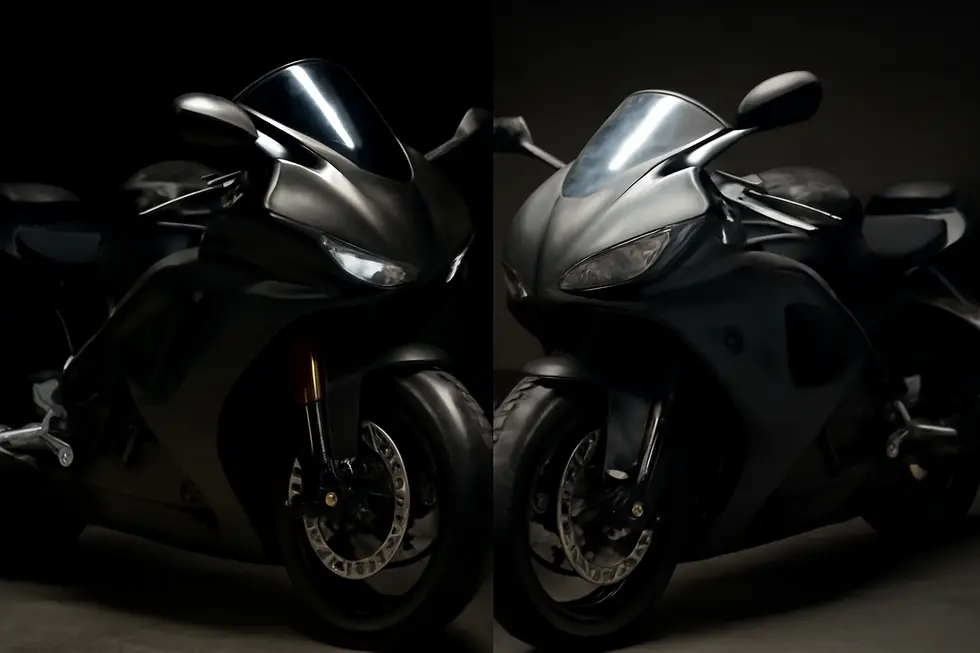
Material and Finish Impacting Premium vs. Budget Motorcycle Fairings
The choice of material and quality finish fundamentally shapes the cost and performance of motorcycle fairings. Premium fairings often employ advanced materials like carbon fiber or high-grade ABS plastic, which provide superior strength, durability, and an enhanced appearance. These materials are engineered not only for aesthetics but also for optimized aerodynamic performance, reducing rider fatigue through improved wind deflection. For instance, carbon fiber fairings are lightweight yet exceptionally impact-resistant, making them highly desirable for racing or performance motorcycles. Their precise fitment and polished finishes also elevate the overall style and longevity of the bike’s exterior.
Conversely, budget fairings typically rely on more basic ABS plastic variants, offering adequate function at a lower price. These fairings may lack the refined finish and scratch resistance of premium counterparts, making them more susceptible to wear over time. Their designs tend to be simpler, focusing on fundamental protection rather than intricate aerodynamic shaping. Although they deliver necessary coverage and modest impact resistance, the finish and fitment are often less exact, which may affect the overall look and durability.
Quality considerations extend beyond raw materials to include paint jobs and surface treatments. Premium options feature smooth, polished coatings that resist environmental damage, while budget models might come with simpler paint schemes or matte finishes. These differences in finish influence not only aesthetics but also the maintenance and lifespan of the fairings.
In summary, investment in advanced materials and meticulous finishing elevates premium fairings’ cost but provides enhanced durability, comfort, and appearance compared to budget alternatives. Riders balancing cost and quality should carefully weigh these material and aesthetic factors when choosing fairings.
Explore more about high-quality motorcycle fairings and options at Summit Fairings’ blog.
2. Unpacking the True Economic Impact: Cost Breakdown Between Premium and Budget Motorcycle Fairings
When comparing premium and budget motorcycle fairings, understanding the full economic impact requires looking beyond initial price tags. Budget fairings, typically crafted from fiberglass or ABS plastic, offer a lower entry cost ranging from $40 up to $700 for partial kits. However, these savings often come with additional expenses including sanding, fitting modifications, and painting to achieve a proper finish, which increase labor and material costs. Shipping fees, particularly for international orders, can sometimes exceed the fairings’ price itself, making total expenditure less predictable. Furthermore, installation costs for both budget and premium options generally fall between $300 and $800, representing a significant financial consideration.
Premium fairings leverage superior materials such as carbon fiber or high-quality fiberglass, priced between $2,000 and $3,500 or more for full kits. These come with heightened durability, precision fit close to OEM standards, and often reduce the need for modifications during installation. While their upfront cost and potential custom painting fees (which can add $500 to $1,500) are substantially higher, premium kits may offer better long-term value. Their fit quality lowers risks of warranty issues and installation-related damage. Thus, riders seeking performance, aesthetics, and reliability might see greater return on investment.
In weighing budget against premium, it is critical to factor in hidden costs—labor, finishing, shipping, and potential warranty impacts—to gauge true economic value. For more insights on affordable selections and cost management strategies, explore the detailed resources at your ultimate source for affordable motorcycle fairings.
3. Navigating Customization, Installation, and Warranty Challenges Between Premium and Budget Motorcycle Fairings
When choosing between premium and budget motorcycle fairings, customization, installation ease, and warranty implications play decisive roles. Premium fairings typically provide enhanced customization such as custom paint, exclusive colors, and high-gloss finishes that not only elevate aesthetics but also simplify upkeep. However, these enhancements add $500 to $1,500 to the cost. Installation for premium kits is streamlined with detailed instructions, custom brackets, and precise hardware, often requiring minimal modifications. To maintain warranty coverage and ensure quality, professional installation is generally advised, costing between $300 and $800.
In contrast, budget fairings—commonly crafted from fiberglass or ABS plastic—usually come in standard colors and may need extensive sanding, fitting, and painting to look and fit properly. Their DIY-friendly nature appeals to riders comfortable with hands-on work but can lead to fit and finish challenges. Improper installation or modifications increase the risk of structural issues and aesthetic imperfections.
Regarding warranties, aftermarket fairings do not automatically void motorcycle warranties under U.S. law. Still, damage directly caused by the fairings or their installation can lead to denial of warranty claims for specific problems. Premium fairings, especially when professionally installed and documented, reduce such risks. Budget options, if installed carelessly, heighten potential warranty disputes.
Ultimately, riders must weigh the superior fit, finish, and lower warranty risk of premium fairings against the affordability and increased labor demands of budget kits. For further insights, explore the comprehensive choices available at Summit Fairings.
For more details on warranty rights relating to aftermarket parts, the Magnuson-Moss Warranty Act provides clear guidance.
Chapter 4: Customization and Vinyl Wraps as Alternatives in How Much Do Motorcycle Fairings Cost
1. Balancing Cost and Style: The Financial Impact of Custom Fairings Versus Vinyl Wraps
When considering alternatives to traditional motorcycle fairings, customization and vinyl wraps present distinct financial profiles that influence buyers’ decisions. Custom fairings, crafted from materials like ABS plastic, fiberglass, or carbon fiber, can range widely from around $300 up to $3,500 or more. The cost reflects both the chosen materials and design complexity, with premium carbon fiber kits demanding the highest investment. Adding custom paint can increase expenses by $500 to $1,500, and professional installation typically adds $300 to $800. For instance, a custom ABS fairing kit tailored for a sportbike might total close to $1,000 before installation.
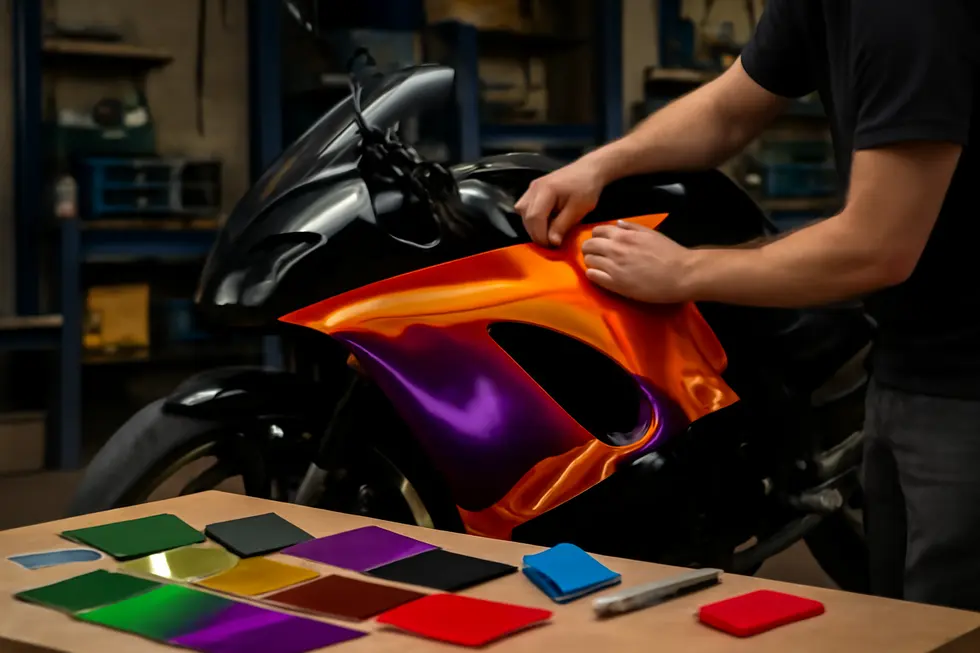
Contrastingly, vinyl wraps offer a cost-effective, flexible way to personalize a motorcycle’s look without structural changes. Full premium wraps made from high-grade vinyl range from $550 to $750 and include UV and scratch protection. Vinyl also allows intricate graphic applications mapped precisely to the fairing’s shape, with rolls available for DIY partial coverage under $600. Installation costs tend to be lower, and many riders perform wraps themselves, reducing overall expenditure.
While custom fairings offer enhanced durability and aerodynamic advantages, they require more extensive installation and can impact warranties if improperly fitted. Vinyl wraps, being removable and less invasive, pose minimal warranty risks but offer less impact resistance. Choosing between these options depends on the rider’s budget, desired permanence, and whether structural enhancement or visual customization is the priority.
Riders looking for affordable solutions might explore the broad selection available in affordable motorcycle fairings, which can provide a starting point before deciding on custom or wrap options (source).
2. Material Strength Versus Visual Appeal: Evaluating Durability and Customization in Fairings and Vinyl Wraps
Motorcycle fairings primarily serve structural functions, offering protection against debris, wind, and minor impacts. Commonly crafted from ABS plastic, these fairings provide a reliable balance of strength, heat resistance, and vibration durability. ABS also benefits from UV-resistant coatings that maintain finish and color over time, making it a practical choice for riders balancing cost and longevity. At the premium end, carbon fiber stands out for its lightweight yet robust composition. Its superior stiffness and heat resistance contribute not only to durability but enhanced motorcycle performance, especially valuable in racing environments where weight savings and strength are critical. Carbon fiber fairings command higher prices, but their resilience against warping and fading ensures long-term value compared to typical plastics.
In contrast, vinyl wraps offer an appealing alternative focused on customization and aesthetic transformation rather than structural defense. High-quality vinyl films can last between three to seven years under typical conditions, though exposure to intense sunlight and pigments can accelerate color fading. These wraps provide flexibility in design and ease of replacement without permanent alteration to the original fairings. While vinyl adds a protective layer against minor scratches and UV damage, it does not contribute to physical protection in the way fairings do. Thus, vinyl wraps excel as an economical option for riders prioritizing visual variety and surface preservation over durability and impact resistance.
Ultimately, the choice between durable materials like ABS or carbon fiber and the adaptable nature of vinyl wraps hinges on rider priorities. Those seeking structural integrity and lasting protection typically lean toward fairings, while riders focused on cost-effective personalization may prefer vinyl solutions. Exploring options through resources like the Explore the Best Motorcycle Fairings at Summit Fairings blog can further inform decisions about material performance and customization possibilities.
For more technical details on durability, refer to Vinyl Information Resource.
3. Balancing Style and Practicality: Installation and Aesthetic Versatility in Fairings vs. Vinyl Wraps
When evaluating customization options, motorcycle fairings and vinyl wraps offer uniquely different benefits that influence both cost and visual impact. Traditional fairings, made from ABS plastic, fiberglass, or carbon fiber, provide a rigid, durable shell that enhances aerodynamics and protection. Their installation involves mechanical bolt-on processes that can take several hours and typically require hardware kits and some technical skill. Professional installation costs often add $300 to $800, and custom painting to match your style may raise expenses by $500 to $1,500, making the total investment substantial but long-lasting.
Conversely, vinyl wraps embrace high aesthetic flexibility without permanent modifications or complex installation. These adhesive films conform to every curve and contour with medium elasticity, allowing seamless coverage of detailed shapes. They come in many colors and finishes, from matte to metallic, granting a visually striking transformation that can be reversed or updated as desired. Installation demands careful surface preparation and skillful application, but no mechanical work on the bike itself. Cost-wise, full wraps are usually more affordable than premium fairings, though they lack the physical protection hard fairings provide.
While fairings offer robust durability and aerodynamic benefits, vinyl wraps are ideal for riders seeking a bold style upgrade that is less costly and easily changed. Choosing between the two depends heavily on priorities: long-term performance and protection versus versatile, budget-conscious customization. For a deeper look into the variety of motorcycle fairings and their customization, check out this exploration of affordable motorcycle fairings.
(Source: Alibaba overview of custom body kits pricing combined with Yeswrap’s vinyl properties description.)
Chapter 5: The Crucial Role of Material Quality and Fitment Accuracy in Motorcycle Fairing Costs