
















Les carénages de course sont des composants essentiels dans le monde de la course moto compétitive, conçus pour améliorer à la fois les performances aérodynamiques et l'expérience globale du pilote. Les propriétaires d'entreprises dans l'industrie motocycliste doivent comprendre l'importance de ces carénages, car leur intégration correcte peut faire la différence dans les performances d'un pilote et la génération de revenus. Cet article couvrira les aspects essentiels allant de l'aérodynamique et des matériaux aux techniques d'installation et aux tendances du marché qui mettent en lumière le potentiel économique de cette niche. Lisez la suite pour découvrir comment investir dans des carénages de course de haute qualité peut améliorer les performances et, finalement, la marge bénéficiaire de votre entreprise.
Des courbes robustes, un air fluide : aérodynamique et amélioration des performances des carénages de course pour motos
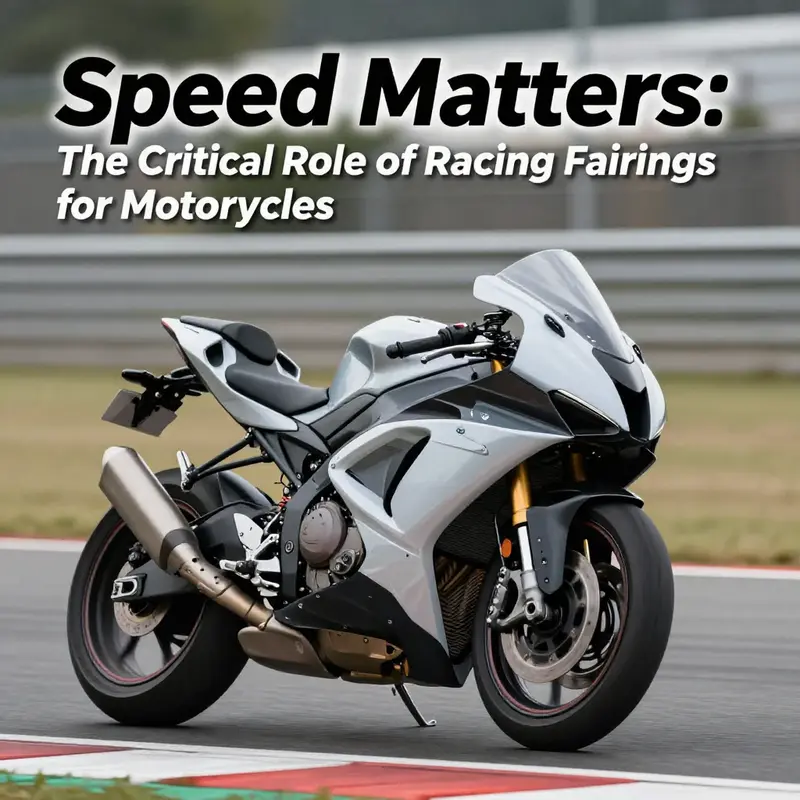 Sur la piste, le carénage n'est pas seulement un bouclier au devant de la moto ; c'est un outil de modelage qui dompte l'air autour du pilote et du moteur, transformant des forces invisibles en vitesse mesurable. Un carénage de course bien conçu réduit la traînée aérodynamique, stabilise le devant de la moto et soutient le refroidissement et le confort du pilote en même temps. L'aérodynamique devient un levier de performance décisif lorsqu'il s'agit de précision à des vitesses extrêmes, où un petit changement de flux peut se traduire par des gains significatifs sur le temps de tour. Le problème n'est pas abstrait : il inclut la façon dont l'air circule sur des courbes complexes, comment la pression s'accumule sur le casque et le torse, et comment le sillage derrière le pilote interagit avec l'arrière de la moto. D'un point de vue ingénierie, l'objectif est un enveloppe cohérente qui guide l'air de la tête à la queue de manière fluide, chaque contour contribuant à un écoulement plus propre et plus indulgent.
Une caractéristique importante pour comprendre ce flux est la soufflerie, où des modèles à l'échelle sont testés dans des conditions contrôlées. Dans une étude récente, les chercheurs ont travaillé avec un modèle à l'échelle qui présentait un rapport de blocage d'environ 15 pour cent. Ce haut niveau de blocage représentait un défi : il déformait le flux naturel, compliquant l'extraction des coefficients aérodynamiques précis. Toutefois, grâce à une calibration soigneuse et à des procédures de test répétables, l'équipe a obtenu des coefficients de force et de moment détaillés sur une gamme de nombres de Reynolds et d'angles de dérive. La conclusion pratique était claire. De petites ajustements de la forme du carénage changeaient les pressions de surface, modifiaient l'apparition de séparation du flux, et modifiaient l'équilibre entre traînée et stabilité. En termes concrets, cela signifie que quelques millimètres d'ajustement de la forme peuvent réduire le martèlement au niveau du torse du pilote, améliorer le confort du casque, et offrir à la machine une réponse plus prévisible lorsqu'elle s'engage dans un virage.
Deux stratégies complémentaires sont apparues pour réduire la traînée sans compromettre la sécurité du pilote ou l'intégrité structurelle. La première consiste à utiliser une approche bolt-on : des dispositifs fluides ajoutés à un ensemble de carénage existant, conçus pour offrir des gains sans réécriture majeure de la structure. La deuxième voie est un redessin complet de la forme de la moto, créant une silhouette plus intégrée qui minimise la surface frontale tout en préservant l'ergonomie du pilote. Les résultats ont mis en lumière une vérité convaincante : la réduction de la traînée n'est souvent pas liée à un seul changement radical mais à une séquence cohérente de raffinements. Lorsqu'elle est associée à un emballage soigné de la ligne de vision et de la position du corps du pilote, cela peut apporter des améliorations importantes en termes d'efficacité. En termes pratiques, un redessin bien exécuté peut entraîner une baisse d'environ 40 % de la traînée, un chiffre qui se traduit par un écoulement plus fluide, une meilleure gestion du vent autour du pilote, et une récupération de pression plus favorable derrière la moto. Au-delà des gains en haut de la ligne, ces améliorations favorisent également l'efficacité du refroidissement en guidant l'air vers les radiateurs et les bouches d'aération de manière contrôlée, réduisant ainsi le risque de points chauds sous les conditions de course.
Parallèlement aux tests physiques, le rôle croissant de la dynamique des fluides numériques, ou CFD, est de plus en plus important. Les premières études CFD se concentraient sur la prédiction de la distribution de pression et l'identification des zones de séparation et de recirculation sur la surface du carénage. La promesse était un moyen peu coûteux et rapide de tester des concepts de conception avant de les soumettre à une soufflerie ou à des tests sur la moto. La consensus émergent est que le CFD peut modéliser des écoulements fortement séparés avec une bonne précision, à condition que les simulations soient fondées sur des conditions limites physiquement plausibles et validées par des données expérimentales. Le bénéfice pour les équipes de course est tangible : des cycles d'itération plus rapides, une meilleure compréhension de la façon dont les changements subtils de la position des épaules, du torse et des genoux influencent l'aérodynamique globale, et un chemin plus sûr pour optimiser des géométries complexes sans augmenter les coûts de développement.
Un aspect important de la compréhension de ce flux est la soufflerie, où des modèles à l'échelle sont testés dans des conditions contrôlées. Dans une étude récente, les chercheurs ont travaillé avec un modèle à l'échelle qui présentait un rapport de blocage d'environ 15 pour cent. Cette forte proportion de blocage a présenté un défi : elle déforme le flux naturel, compliquant l'extraction de coefficients aérodynamiques précis. Cependant, grâce à une calibration soigneuse et à des procédures de test répétables, l'équipe a obtenu des coefficients de force et de moment détaillés sur une gamme de nombres de Reynolds et d'angles de dérive. La conclusion pratique était claire. De petites modifications de la forme du carénage modifiaient les pressions de surface, changeaient le début de la séparation du flux et modifiaient l'équilibre entre la traînée et la stabilité. En termes concrets, cela signifie que quelques millimètres de modification de la forme peuvent réduire le martèlement au niveau du torse du pilote, améliorer le confort du casque et offrir une réponse plus prévisible à la machine lorsqu'elle s'incline dans un virage.
Deux stratégies complémentaires sont apparues pour réduire la traînée sans compromettre la sécurité du pilote ou l'intégrité structurelle. La première est une approche bolt-on : des dispositifs épurés ajoutés à un ensemble de carénage existant, conçus pour produire des gains sans réécriture majeure de la structure. La seconde voie est un redessin complet de la forme de la moto, créant une silhouette plus intégrée qui minimise la surface frontale tout en préservant l'ergonomie du pilote. Les résultats mettent en lumière une vérité convaincante : la réduction de la traînée n'est souvent pas liée à un changement radical mais à une séquence cohérente de raffinements. Lorsqu'elle est associée à un emballage soigné de la ligne de vue du pilote et de sa position corporelle, cela peut apporter des améliorations significatives en termes d'efficacité. En termes pratiques, un redessin bien exécuté peut entraîner une baisse d'environ 40 % de la traînée, un chiffre qui se traduit par un flux plus fluide, une meilleure gestion du vent autour du pilote et une récupération de pression plus favorable derrière la moto. Au-delà des gains principaux, ces améliorations tendent également à soutenir l'efficacité de refroidissement en dirigeant l'air vers les radiateurs et les bouches d'aération de manière contrôlée, réduisant ainsi le risque de points chauds sous les conditions de course.
Parallèlement aux tests physiques, le rôle croissant de la dynamique des fluides numériques (CFD) prend de l'importance. Les premières études en CFD se concentraient sur la prédiction de la distribution de pression et l'identification des régions de séparation et de recirculation sur la surface du carénage. La promesse était un moyen peu coûteux et rapide de trier les concepts de conception avant de les soumettre à une soufflerie ou à des tests sur la moto. La consensus émergent est que le CFD peut modéliser des flux fortement séparés avec une précision raisonnable, à condition que les simulations soient fondées sur des conditions limites physiquement plausibles et validées par des données expérimentales. Le bénéfice pour les équipes de course est tangible : des cycles d'itération plus rapides, une meilleure compréhension de la façon dont les changements subtils de la position des épaules, du torse et des genoux influencent l'aérodynamique globale, et un chemin plus sûr pour optimiser des géométries complexes sans augmenter les coûts de développement.
Le choix des matériaux est un autre facteur critique qui façonne ce qui est possible sur la piste de course. Les carénages de course s'appuient sur des composites et des polymères renforcés qui offrent un excellent rapport résistance-poids. Le carbone se distingue par sa rigidité et sa légèreté, tandis que le verre avancé et les polymères multicouches offrent un équilibre entre coût, résistance aux chocs et rigidité ajustable. Le défi est de concevoir des surfaces qui restent lisses et structuralement solides sous la contrainte de l'air à haute vitesse, des vibrations et des impacts occasionnels, tout en permettant des canaux de refroidissement et des entrées qui assurent un refroidissement efficace du moteur. La finition de la surface est aussi importante que le dépôt. Une surface minutieusement polie réduit la friction de peau et retarde la séparation du flux, tandis que le microtexturage, utilisé judicieusement, peut influencer la couche limite de manière qui complète la stratégie aérodynamique globale. En plus des performances, l'intégration esthétique avec les lignes de la moto renforce un sentiment de purpose et d'agressivité qui résonne avec les pilotes et les équipes. Yamaha fairings.
Le défi de conception devient particulièrement aigu lorsqu'on considère le confort du pilote et les réalités de la piste. Un carénage adapté à la piste doit protéger le pilote de la pression du vent et du bruit excessif tout en permettant un accès facile au cockpit pour les ajustements et les réparations. Il doit favoriser un refroidissement efficace même lorsque le pilote adopte une position repliée et que le châssis s'incline dans le virage. Le poids reste une contrainte constante ; les ingénieurs doivent supprimer des grammes de la peau sans compromettre la rigidité ou la sécurité. Les concepts les plus efficaces sont ceux qui émergent d'une philosophie de conception intégrée, où le nez, les contours latéraux et la queue sont conçus comme un seul package aérodynamique plutôt qu'une série d'accessoires après-coup. L'avantage de cette approche n'est pas seulement une réduction de la traînée, mais un régime de flux plus stable qui préserve le ressenti de direction et réduit la tendance de la partie avant à disparaître dans un vortex lorsque la moto est poussée à ses limites.
Alors que la course continue d'aller vers des vitesses plus élevées et des tracés de piste plus exigeants, le débat sur les aérodynamiques des garde-boue continuera d'évoluer. La tendance vers une conception intégrée, informée par les données, restera centrale, renforcée par les progrès dans les matériaux, les capteurs et la simulation. Chaque nouvelle itération offre une opportunité de gagner du temps, d'affiner les voies de refroidissement et de réduire la traînée sans sacrifier la connexion du pilote à la machine. À cet égard, les garde-boue sont moins un élément esthétique qu'un pilier essentiel de la performance, de la sécurité et de la durabilité sur la piste moderne.
Ressource externe : https://www.sciencedirect.com/science/article/pii/S002186982500321X
Composition des matériaux et endurance : Comment les garde-boue de course influencent les performances et la fiabilité
 Racing fairings sit at the intersection of aerodynamics, structural engineering, and practical endurance. They are not merely shell panels; they are carefully engineered skins that must slice through air, shed drag, and survive the rigors of high-speed competition where every gram matters and every gust tests the rider’s control. The core question this chapter treats is not which composite looks best in a showroom, but how the chosen materials and their manufacturing realities translate into real-world performance, reliability, and ease of maintenance on the track. In this context, the material palette for racing fairings is dominated by advanced composites, chiefly carbon fiber and fiberglass, with reinforced polymers filling the space where cost or impact considerations dictate a different balance of properties. Each material brings a distinct set of strengths and trade-offs that ripple through the bike’s handling, cooling, and resilience, and together they form a continuum rather than a rigid dichotomy. Carbon fiber stands out for its extraordinary strength-to-weight ratio and stiffness, two attributes that directly influence how cleanly a motorcycle can run through corners at warp speed. When a fairing is made from carbon fiber, the layup strategy becomes a crucial design tool. Engineers specify layers of fiber in multiple directions to tailor the stiffness along the most stressed paths, especially where the fairing interfaces with the wind pressure, the rider’s weight, and the bike’s own geometry. The resin system and the manufacturing process—often a combination of prepregs and vented resin infusion or vacuum-assisted resin transfer—determine how well those fibers perform under aerodynamic loading and thermal cycling. In practice, a carbon-fiber fairing saves weight without sacrificing rigidity, which helps maintain a stable platform at the apex of a high-speed bend. This stability is not just about reducing drag; it’s about keeping the front end planted, the rider shielded from buffeting, and the chassis cadence predictable as speeds climb. Yet carbon fiber is not a silver bullet. Its outstanding properties hinge on meticulous workmanship. Carving complex shapes from carbon requires precise control of ply orientation, resin content, and void management. Small manufacturing defects—air pockets, misaligned plies, or uneven cure—can become crack initiation points under repeated loads or in a bending impact. Even when a carbon fairing holds its shape under normal loads, a sharp impact can induce microcracks that propagate with heat, vibration, and continued exposure to debris on the track. This is not merely a cosmetic concern; microcracks can alter aerodynamic airflow, raise drag, or, in extreme cases, compromise the fairing’s structural integrity. On the other hand, fiberglass presents a different set of trade-offs that make it a practical alternative where cost, repairability, and impact resistance are prioritized. Fiberglass blends well with a lower price point while delivering respectable rigidity and good energy absorption when struck by debris or during a minor crash. The energy dissipation characteristics of fiberglass can be more forgiving in the field, enabling quicker, more economical repairs at a paddock bench or in a workshop. Its interfaces with carbon fiber or reinforced polymers are particularly important in mixed-material configurations, where the bonding method and the transition between materials must manage differences in stiffness, thermal expansion, and moisture uptake. Reinforced polymers, often comprising aramid fibers or other toughened matrices, occupy a middle ground. They can extend impact resistance and improve resistance to fatigue without pushing the weight budget beyond reasonable limits. In practice, a race fairing might use a carbon-fiber skin for the most critical load paths, with fiberglass or reinforced polymer sections where durability and cost are dominant considerations. This kind of graded material approach allows designers to concentrate carbon fiber where it yields the most benefit while providing robust protection in zones exposed to debris or abrasion. The materials’ performance is inseparable from the environmental and operating conditions encountered on the track. Debris, temperature fluctuations, and constant aerodynamic stress shape how a fairing behaves over time. Road debris at racing speeds can cause localized damage that, if left unchecked, can propagate through the laminate. The risk is not only catastrophic failure but also progressive delamination or microcracking that changes the airflow—an unwelcome shift in drag and stability. Temperature cycles, especially in endurance events or long sessions, test the resin systems and the matrix–fiber interface. A fairing must withstand the heat of the engine bay, the radiant heat from the sun, and the cold air that follows the bike off the straight. Resin systems that cure to a higher glass transition temperature help maintain rigidity and dimensional stability when the fairing expands and contracts with heat. In addition, moisture ingress can alter the mechanical properties of certain resins, particularly where open-structured fiberglass laminates are involved. Proper sealing, the use of compatible resins, and careful venting during curing are all part of a manufacturing discipline aimed at minimizing water uptake, which can otherwise reduce stiffness and affect shape retention under load. Practical durability is also tied to repairability and inspection regimes. Carbon-fiber panels, while lighter and stiffer, tend to be more challenging to repair because damage may be localized to a small area yet require full-panel remediation to restore a smooth surface and correct airflow characteristics. Fiberglass panels, by contrast, are often easier to patch and rework in a variety of workshop settings, which can be beneficial for teams operating on tight budgets or with limited access to high-end fabrication tools. Yet repair ease does not absolve the rider or team from a rigorous inspection routine. Routine checks for delamination, surface cracks, resin cracking, and adhesive bond integrity are essential. The interface between the fairing and the frame, plus the mounting hardware, also deserves attention. Improper mounting load paths, torque, or overtightened fasteners can chip edges, crack corners, or create lugging effects that concentrate stress. In a high-demand sport context, where cornering loads are extreme and wind pressures peak, those stress concentrations matter. The durability story extends to the assembly process itself. Cleanliness during bonding, proper surface preparation, and the use of compatible adhesives ensure that the laminate remains bonded under vibration and heat. The collaboration between the skin and the substructure—ribs, backing plates, and connection points—defines how well a fairing preserves its shape and continues to deliver predictable aerodynamics lap after lap. There is a practical dimension to these material choices beyond raw physics. The track environment demands consistency in performance across sessions and seasons, which implies predictable aging behavior. A well-designed composite fairing will retain its geometry under repeated loading, resist creep in exposed regions, and deter moisture intrusion that could otherwise alter stiffness. This durability is intertwined with the fairing’s cooling strategy. Aerodynamic shaping affects not only drag and lift but also how air flows around the engine and radiators. A fairing that maintains a clean, laminar boundary layer reduces pressure drag and allows the radiator and cooling ducts to function more effectively, ensuring the engine runs at stable temperatures that do not degrade performance or shorten service life. The knowledge base for these materials reflects a broader engineering context that extends beyond a single team or season. For those seeking deeper, standards-driven insights into racing motorcycles, a comprehensive reference in a Japanese context offers technical depth on material standards, specifications, and performance expectations. This resource provides guidance on how the material choices for fairings align with broader racing-specific requirements and testing protocols that gauge long-term behavior under track conditions. In everyday practice, the practical takeaway is a layered one: choose a material and a layup approach that aligns with the track’s demands, the rider’s tolerance for repair complexity, and the budgetary framework of the team. The fairing must deliver a reliable aerodynamic surface with predictable response to steering inputs, while also maintaining compatibility with the bike’s cooling, electrical, and cosmetic systems. That means a holistic view of compatibility, not just isolated properties. It also means recognizing that there is no one-size-fits-all material solution. Carbon fiber excels where weight and rigidity matter most, but fiberglass and reinforced polymers shine where affordability, repairability, and impact resistance are valued. The best practice is a deliberate mapping of load paths, exposure, and service conditions, followed by a manufacturing plan that minimizes defects and ensures repeatable results on the track. For teams and builders, this translates into an emphasis on process controls, cure schedules, and inspection routines that protect the aerodynamic surface from edge to edge. It also supports a design ethos that treats the fairing as an active participant in the bike’s performance: a lightly engineered cloak that shapes the air and, through its interaction with other components, participates in the rider’s control loop. If you want to visualize how these principles translate into real-world options, consider exploring general collections of fairing shapes that emphasize the balance of form and function in a way that does not rely on a single material narrative. collections/cafards-yamaha offre une idée de la manière dont différentes formes et finitions peuvent être associées à des approches de construction variées, sans lier la discussion à une gamme de produits spécifique. Cette forme d'exploration aide à structurer les décisions concernant la rigidité, le poids et la protection dans les réalités pratiques des week-ends de course, où les réparations rapides, le remplacement facile et des performances cohérentes entre les séances sont aussi importants qu'avantage théorique quelconque. Enfin, pour les lecteurs souhaitant un contexte technique plus approfondi et axé sur les normes, la ressource externe sur les normes matérielles, les spécifications techniques et les informations sur les performances pour les motos de course au Japon fournit un cadre rigoureux pour la discussion sur l'endurance et la fiabilité. Elle relie les choix matériau décrits ici à un cadre plus large de tests et de qualification que de nombreuses équipes respectent en tant que partie de leur discipline ingénierie. Voir https://www.racingmotorcyclejapan.com/materials-and-technical-specs pour ces détails. En résumé, l'histoire de la durabilité des carénages de course est une histoire de la science des matériaux qui rencontre la réalité de la course: le carbone quand la légèreté et la rigidité comptent le plus, le verre renforcé là où la résilience et l'économie sont clés, et les polymères renforcés là où un mélange équilibré de performance et de praticité est requis. Une fabrication correcte, une jointure soignée et une inspection disciplinée transforment ces matériaux en surfaces aérodynamiques fiables qui protègent le pilote, préservent les performances et supportent la chorégraphie exigeante de la compétition à haute vitesse.
Adapté à la vitesse : maîtriser l'installation et la compatibilité des carénages de course sur les motos prêtes pour la piste
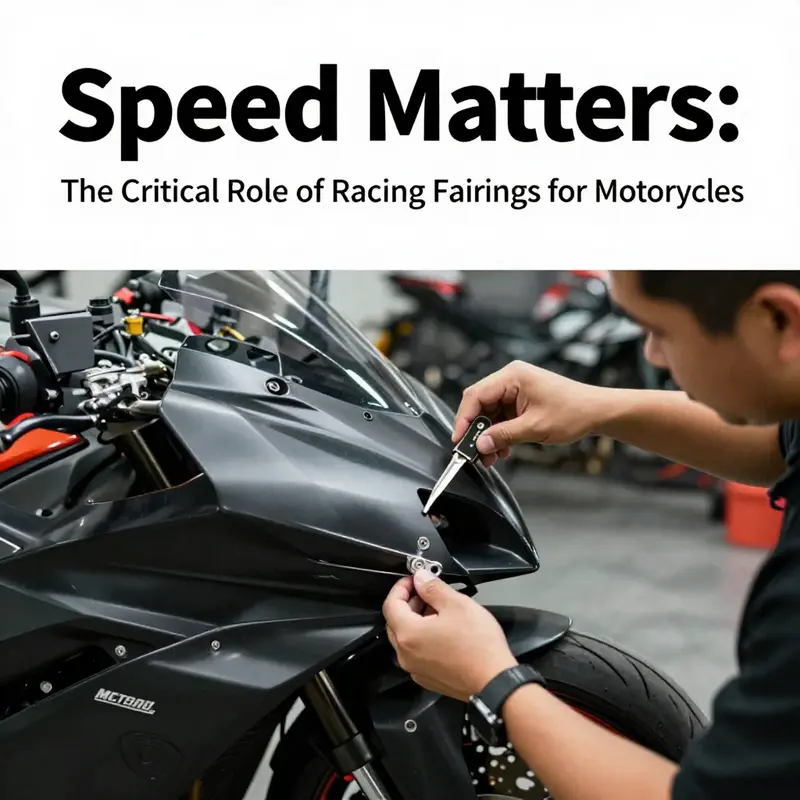 The installation of racing fairings is more than a wrench-and-windshield chore. It is a precise collaboration between the bike’s underlying geometry, the rider’s preferences, and the aerodynamic intent of the kit. When done well, a fairing set becomes an extension of the machine, smoothing the airflow, shaping the balance of the chassis, and quietly enhancing rider confidence at the moment speed becomes important. When done poorly, even the most sophisticated composite panels can become an anchor, tugging on the front end, creating drag, or rubbing against critical components during high-load cornering. That is why compatibility and fitment are not merely a box to check before purchase; they are the hinge on which performance and reliability turn together. The conversation begins with respect for the bike’s model family and the specific year, because fairings are engineered around a frame and a cockpit that are rarely interchangeable across broad eras. Mounting points, frame stay geometry, and handlebar clearances all serve as the invisible blueprint that determines whether a set will simply cover the bike or actually help it slice through air with less effort. To the extent that the rider and the tuner want more than just a cosmetic upgrade, the commandment is clear: verify fitment against official charts, and treat every mounting point as part of a required, track-tuned system rather than a purely cosmetic add-on. The importance of this approach can’t be overstated, because even small deviations in alignment or clearance can distort the intended airflow, introduce turbulent wake, or place stress on mounting hardware under cornering loads. For a rider chasing faster laps, the difference between a snug, aerodynamically efficient install and a loose, buffeting-prone setup can be measured in tenths of a second as well as in the long-term durability of the bike’s fairing stays and fasteners. The path to that ideal starts before the first bolt is touched. It begins with selecting a kit whose design philosophy is compatible with the bike’s geometry, the rider’s weight distribution, and the track demands the rider faces. Fairing kits are typically engineered around specific makes, models, and sometimes even sub-models or engine configurations. This means that a straight swap from one generation to another—say, a late-model fairing on an earlier frame—can look tempting but often fails the compatibility test in practice. A dry fit without fasteners becomes the first crucial step. With the bike on a stand or properly supported, the fairing pieces are held in place to gauge alignment along the wheelbase, the fork crown, and the radiator shroud. The goal is not simply to line up with the holes but to confirm that the profile of each panel follows the bike’s natural contour. Any panel that sits proud of the fairing stay or sits in close proximity to the tire, exhaust, or radiator is a red flag, signaling that adjustments, trimming, or alternate hardware might be necessary. This exercise is not an accusation of shoddy engineering; it is the practical confirmation that the kit’s design assumptions actually match the bike’s reality. Once a dry fit reveals adequate clearance and alignment, the installation progresses with mounting points that are carefully prepared. Surfaces should be cleaned to remove oil, grime, and any polishing compounds that could compromise the grip of sealant or the bite of a fastener. Threaded inserts and mounting brackets must be checked for wear and corrosion, because over time these points bear the cumulative load of high-speed air and dynamic steering inputs. If the kit includes new stay brackets or revised mounting hardware, those parts should be inspected and, if necessary, chamfered or deburred to avoid snagging during assembly. Bolts should be selected to balance rigidity and vibration absorption. In high-speed scenarios, the right fasteners do more than hold a piece in place; they help the assembly maintain its aerodynamic intent under sustained load, reducing the risk of panel flutter or micro-movements that translate into buffeting. The process also requires careful attention to sealants, gaskets, and weather strips. Although much of the modern fairing package is fashioned to seal against wind pressure, these seals also serve to dampen vibrations and to reduce noise that can contribute to rider fatigue in long sessions. The trims and edges deserve equal care. Sharp cut lines or imperfect edges can create turbulent eddies that degrade performance and wear the edges of the panels faster. A round of final fitting should include a test ride or a simulated test in a controlled environment to verify that the panel lines remain aligned through steering lock, a full lock-to-lock range, and the peak steering angle used during aggressive cornering. If a fairing line encroaches on the instrument cluster or the steering stop, minor adjustments to the panel position or to the hardware placement may be required. At times, compatibility is also about the electronics and the hydraulic or mechanical systems that interface with the fairing. Modern race-oriented fairings frequently incorporate integrated or partially integrated lighting, turn signals, and, in some cases, radiator vents that double as aerodynamic channels. While a kit might physically fit, the electrical harnesses and sensing devices need to be routed in a way that preserves both function and airflow. The conclusion of a careful installation is more than a cosmetic finish; it is a confirmation that the fairing’s aerodynamics have not been compromised by interference with wires, hoses, or clamps. The materials used in racing fairings—most often carbon fiber, fiberglass, or reinforced polymers—are chosen for their strength-to-weight ratio and stiffness, but their properties also shape how an installation should be approached. Carbon fiber panels are stiffer, lighter, and more forgiving to small misalignments in some respects, yet they require precise handling because their edges and fastener zones can be sensitive to overt tightening or misaligned clamps. Fiberglass, while robust and relatively forgiving for novice installers, can be heavier and more susceptible to resin creep over time if not properly sealed and mounted. Reinforced polymers sit in between, offering predictable behavior and easier trimming when necessary, but they can distort if the mounting points are stressed. In every case, the installation should include a check on whether the fairing lines contribute to optimal airflow at the rider’s position. A well-fit kit should maintain a consistent line from the steering axis through the front wheel and back into the rider’s torso, minimizing separation and creating a predictable pressure distribution across the fairing surface. When that alignment is achieved, the rider often notices improved stability in high-speed transitions and corner exits. The rider’s position also matters. Handlebar mounts, clip-ons, and footpeg placements influence how the panels sit relative to the rider’s body. In a track-oriented build, the rider’s body position is often adjusted to exploit the aerodynamic shape of the fairings. This means that a compatible kit may necessitate modest changes to the rider’s stance or to the upper body position to truly unlock the intended airflow direction and pressure recovery. The best practice remains to consult the installation guidelines offered by reputable manufacturers, whose diagrams and notes provide model-specific data for mounting points, required spacers, and any cautionary steps. A reliable guide will also spell out permissible trim lines and the recommended order of assembly to minimize the risk of rework. In practice, many riders rely on a two-step approach: a careful dry fit to confirm alignment, followed by a structured fastening sequence that evenly distributes load and maintains panel tension as the fasteners are torqued to specification. The value of this approach becomes evident in track days, where a well-fitted fairing remains stable through repetitive high-speed cycles and aggressive braking. For those pursuing upgrades beyond stock configurations, it helps to review model-specific compatibility charts and model-year notes from the kit’s documentation. The reality is that even within the same model family, successive years often bring subtle changes in the frame geometry, mounting bracket shapes, or sensor placements. Before purchase, confirm the exact year and sub-model of the bike and compare these details with the kit’s fitment notes. For example, a broad catalog of compatible options can be found in the Honda fairings collection. This resource can help ensure you select a kit whose panels align with the bike’s true mounting lattice and centerline, reducing the risk of misfit. When it comes to sourcing, many riders begin with a kit that promises track-oriented weight savings, then verify fit against the official documentation. In this context, a practical rule of thumb is to treat the kit as a bespoke component for the bike rather than a ready-to-plant universal shell. This mindset helps prevent frustration and ensures that the installation proceeds in a manner consistent with professional practice. For those who want to double-check fitment before committing, it is worth consulting the manufacturer’s published charts and installation notes, which often include model-specific compatibility diagrams and the precise order in which fasteners should be installed. If you encounter ambiguous or conflicting information, reach out to technical support or a seasoned installer who has experience with the exact model and year. The goal is not to rush the process but to honor the fairing’s design and the bike’s integrity. By embracing a disciplined approach to compatibility and installation, a rider can realize the fairing’s aerodynamic potential without compromising handling, c